How To Choose Soundbars That Prioritise Clear Dialogue And Balanced Sound
Most soundbars chase booming bass, but clear dialogue often matters more. This guide shows how to choose a soundbar that keeps voices crisp, so every word comes through without cranking up the volume.

Best Soundbar Buying Guide: Focus On Speech Clarity Over Bass
A dramatic courtroom scene, a gripping thriller, or even a late-night cricket commentary can lose its charm when voices sound muffled. Many households invest in sleek televisions, only to pair them with audio systems that prioritise booming bass over crisp dialogue. The result? Constantly adjusting volume, rewinding scenes, and asking, “What did they just say?” Soundbars promise a simple fix. They sit neatly under the television, save space, and elevate sound. Yet, not all soundbars serve the same purpose. Some aim to shake the room with thunderous bass, while others excel at making speech feel intimate and clear. For everyday viewing, news, web series, films, and sports, speech clarity often matters more than rumbling explosions.
Choosing the right soundbar requires more than scanning price tags or wattage figures. It calls for understanding how sound behaves in a living room, how voices travel through speakers, and how technology shapes what ears perceive. With thoughtful choices, a soundbar can transform viewing from frustrating guesswork into effortless enjoyment.
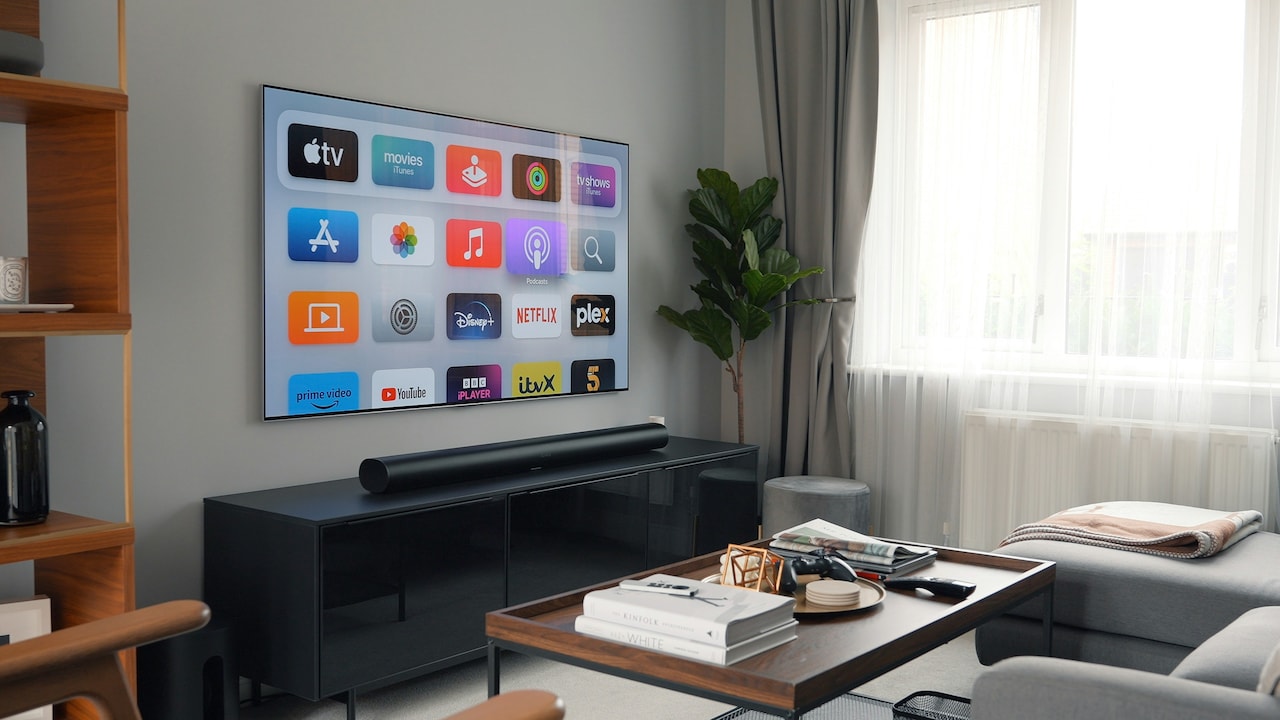
Best Soundbar Buying Guide: Focus On Speech Clarity Over Bass
Photo Credit: Pexels
Key Factors To Consider Before Buying A Soundbar For Clear Dialogue
1. Understanding Why Speech Gets Lost
Modern entertainment mixes sound in complex ways. Background music swells, effects layer on top, and dialogue often competes for attention. On standard television speakers, voices get buried under these layers. This becomes more noticeable in compact flats where sound reflects off walls and furniture.
Speech clarity depends on mid-range frequencies, not bass. When a soundbar emphasises low frequencies too heavily, voices lose sharpness. Imagine a conversation at a busy market, where too much noise drowns out words, no matter how loud someone speaks.
In many homes, viewing happens amid everyday distractions, pressure cookers whistling, traffic horns outside, or ceiling fans humming. A soundbar designed for clarity cuts through this ambient noise. It ensures dialogue remains distinct even when surroundings stay lively.
Understanding this simple fact changes the buying approach entirely. Instead of chasing the loudest or most powerful system, focus shifts towards balance. Clarity becomes the hero, and everything else supports it. That mindset lays the foundation for smarter choices.
2. Prioritising A Dedicated Centre Channel
A centre channel acts as the anchor for dialogue. In cinema halls, this speaker sits directly behind the screen and delivers almost all spoken lines. Many soundbars replicate this concept, either physically or virtually.
When a soundbar includes a dedicated centre channel, voices come from the middle rather than blending into background sounds. This makes conversations feel grounded and natural. Without it, dialogue can drift, sounding faint or dispersed.
Consider watching a tense drama. Characters whisper secrets, and every word matters. A soundbar with a centre channel ensures these whispers remain audible without cranking up the volume. It reduces the need to constantly adjust levels between scenes.
Even in daily viewing, such as news broadcasts or talk shows, a centre channel enhances comprehension. Anchors sound clearer, less strained, and more present. It feels like listening to a person in the room rather than a distant echo.
For anyone who values clarity over cinematic rumble, this feature deserves serious attention. It often makes the biggest difference in real-world listening.
3. Looking Beyond Wattage And Power
High wattage often grabs attention on product boxes. It suggests louder sound and stronger performance. However, loud does not always mean clear. In fact, excessive power without proper tuning can worsen dialogue quality.
Clarity relies on precision, not brute force. A well-tuned soundbar with moderate power can outperform a louder system that lacks balance. The key lies in how sound spreads across frequencies.
Imagine a conversation in a quiet café versus a noisy concert. Both environments may have similar volume levels, but clarity differs vastly. Soundbars behave in a similar way.
Many buyers assume that spending ₹15,000 more guarantees better clarity. Yet, price often reflects features like subwoofers or surround effects rather than voice reproduction. It pays to listen carefully instead of relying solely on specifications.
Choosing wisely means shifting focus from numbers to experience. A soundbar should deliver clean, consistent dialogue at comfortable listening levels. When voices sound effortless, the system has done its job well.
Also Read: Budget Soundbars vs Bluetooth Speakers: What Improves TV Audio?
4. Evaluating Dialogue Enhancement Modes
Many modern soundbars include dialogue enhancement modes. These settings boost vocal frequencies and reduce background noise. While they may sound like marketing gimmicks, some work surprisingly well.
Activating such a mode can instantly sharpen speech. Words become more defined, and conversations stand out even during action-packed scenes. It proves especially useful for older films or poorly mixed content.
However, not all enhancement modes behave the same. Some may over-process audio, making voices sound artificial or metallic. A good soundbar strikes a balance, enhancing clarity without sacrificing natural tone.
In practical terms, this feature becomes handy during late-night viewing. Lower volumes often make speech harder to hear. Dialogue enhancement compensates for this, allowing comfortable listening without disturbing neighbours.
For households where television runs throughout the day, such adaptability proves valuable. It ensures consistent clarity across different types of content, from soap operas to sports commentary.
5. Considering Room Size And Acoustics
Every living room tells a different acoustic story. Large spaces disperse sound, while smaller rooms reflect it. Hard surfaces like tiles and glass amplify echoes, while soft furnishings absorb sound.
A soundbar that performs well in one setting may struggle in another. Choosing the right model requires matching it to the room's characteristics. For instance, a compact soundbar suits smaller spaces better, avoiding overwhelming bass.
In many urban homes, living rooms double as dining areas or workspaces. This mixed-use layout affects how sound travels. Positioning and design become crucial factors.
A soundbar with good directional audio helps focus sound towards the listener. It minimises reflections and enhances clarity. Some models even include room calibration features, adjusting output based on surroundings.
Taking a moment to observe the room can guide better decisions. Notice how sound behaves when clapping hands or playing music. These simple observations reveal what kind of soundbar will perform best.

Best Soundbar Buying Guide: Focus On Speech Clarity Over Bass
Photo Credit: Pexels
6. Choosing The Right Speaker Configuration
Soundbars come in various configurations, often described as 2.0, 2.1, or 3.1 systems. These numbers indicate the number of channels and subwoofers. While higher numbers suggest more features, they do not guarantee better dialogue.
A 3.1 configuration often suits speech-focused listening. The extra channel typically serves as the centre speaker, enhancing dialogue clarity. In contrast, a 2.1 system may prioritise bass due to the subwoofer.
For viewers who enjoy films occasionally but rely on television for daily content, a balanced setup works best. It avoids excessive bass while maintaining depth.
Adding a subwoofer can enrich sound, but it should not dominate. When bass overwhelms mid-range frequencies, voices lose definition. Adjustability becomes key here.
Selecting the right configuration depends on listening habits. For regular news, series, and sports, clarity should lead. Surround effects and deep bass can remain secondary enhancements rather than primary goals.
7. Testing Real-World Content Before Buying
Showroom demos often use dramatic clips with booming soundtracks. While impressive, they rarely reflect everyday viewing. Testing a soundbar with real-world content offers better insight.
Request a demo using dialogue-heavy scenes, interviews, talk shows, or subtle film moments. Listen for how clearly voices come through without raising volume excessively.
Pay attention to accents and softer speech. If words remain easy to understand, the soundbar performs well. If not, it may struggle in daily use.
In many cases, background noise in stores can mask clarity issues. Taking a moment to focus carefully helps separate genuine performance from showroom excitement.
A thoughtful test avoids disappointment later. It ensures the soundbar meets actual needs rather than just sounding impressive during a brief demo.
8. Exploring Connectivity And Compatibility
A soundbar should integrate smoothly with existing devices. HDMI ARC, optical inputs, and Bluetooth connectivity all play roles in usability. However, they also influence sound quality.
HDMI ARC often delivers better audio clarity compared to Bluetooth. Wireless connections may compress sound, affecting dialogue sharpness. For the best experience, wired connections usually perform better.
Compatibility with streaming devices, set-top boxes, and gaming consoles also matters. A seamless connection reduces hassle and ensures consistent performance.
In busy households, convenience matters as much as quality. Switching between devices should feel effortless. A well-connected soundbar enhances daily routines rather than complicating them.
While technical features may seem secondary, they directly impact how often and how comfortably the soundbar gets used. A clear, reliable connection keeps voices crisp across all content.
9. Paying Attention To Build And Placement
Design influences sound more than expected. The placement of speakers, the shape of the soundbar, and even the material affect audio output.
A well-designed soundbar directs sound towards the listener rather than dispersing it randomly. This improves clarity without increasing volume. Placement also matters, ideally at ear level and centred under the television.
In many homes, space constraints lead to creative setups. Placing a soundbar inside a cabinet or behind objects can muffle sound. Keeping it unobstructed ensures better performance.
Build quality often reflects attention to acoustic detail. Solid construction reduces unwanted vibrations, which can distort sound.
A thoughtful setup transforms even a modest soundbar into a capable performer. It ensures voices remain clear and engaging, regardless of the content being played.
10. Balancing Budget With Long-Term Value
Soundbars range widely in price, from budget-friendly options around ₹5,000 to premium models exceeding ₹50,000. Spending more does not always guarantee better speech clarity.
The goal lies in finding a model that delivers consistent performance without unnecessary features. Investing in clarity pays off over time, especially for daily viewing.
Consider how often the television gets used. For heavy usage, a slightly higher investment may prove worthwhile. It reduces frustration and enhances overall experience.
Value also comes from durability and support. A reliable soundbar should perform well for years without frequent issues.
Rather than chasing the most advanced model, focus on practical benefits. Clear dialogue, ease of use, and balanced sound create lasting satisfaction. That approach ensures every rupee spent feels justified.

Best Soundbar Buying Guide: Focus On Speech Clarity Over Bass
Photo Credit: Amazon
Choosing a soundbar for speech clarity reshapes the entire viewing experience. It shifts attention from dramatic effects to meaningful listening. Conversations become effortless, stories unfold naturally, and every word carries weight.
In everyday life, clarity matters more than spectacle. Whether following a gripping series, catching up on news, or enjoying a casual film night, clear dialogue keeps engagement alive. A well-chosen soundbar removes the need for constant adjustments and repeated lines.
The right choice does not demand the highest price or the loudest output. It requires understanding how sound works, recognising personal needs, and paying attention to detail. Small considerations, like a centre channel or proper placement, create significant impact.
Ultimately, a soundbar should serve the listener, not overwhelm them. When voices sound natural and easy to follow, the technology fades into the background. What remains is pure enjoyment, simple, seamless, and satisfying.
Some Soundbars Available Online That You May Like
1. Sonos Arc Ultra | Soundbar with Dolby Atmos, WiFi, Bluetooth
2. ZEBRONICS VITA BAR 150 Wireless Bluetooth Soundbar
3. Boat Aavante Bar 490 10W Signature Sound, Dual Full-Range Drivers
4. Sonos Arc Ultra | Soundbar with Dolby Atmos, WiFi, Bluetooth
5. Philips TAB4120BL/94 Wireless Bluetooth Soundbar, 20W, 8H Playtime
(Disclaimer: This article may include references to or features of products and services made available through affiliate marketing campaigns. NDTV Convergence Limited (“NDTV”) strives to maintain editorial independence while participating in such campaigns. NDTV does not assume responsibility for the performance or claims of any featured products or services.)