Why Cheap Smartwatches Often Fail To Deliver On Basic Features And Reliability
Cheap smartwatches promise big features at tiny prices, but often fail at the basics. From poor tracking to unreliable performance, the real cost shows up in everyday use.
Why Cheap Smartwatches Often Get The Basics Wrong
Walk through any electronics market or scroll through an online sale, and a flood of smartwatches priced under ₹2,000 appears almost irresistible. Sleek designs, colourful displays, heart rate tracking, even blood oxygen monitoring, on paper, the deal looks too good to ignore. Yet, spend a few days with one of these devices, and cracks begin to show. The problem rarely lies in ambition. Cheap smartwatches aim high, trying to mimic features of premium brands that cost ten times more. The real issue lies in execution. When manufacturers squeeze costs to hit aggressive price points, the essentials often suffer. What remains is a gadget that looks smart but struggles to behave like one.
Understanding where these devices go wrong reveals more than just flaws in a product category. It highlights how technology, when rushed or stripped down too far, loses its reliability, the very thing users depend on.
Why Cheap Smartwatches Often Get The Basics Wrong
Photo Credit: Pexels
Where Budget Smartwatches Fall Short
1. Display Quality Feels Like An Afterthought
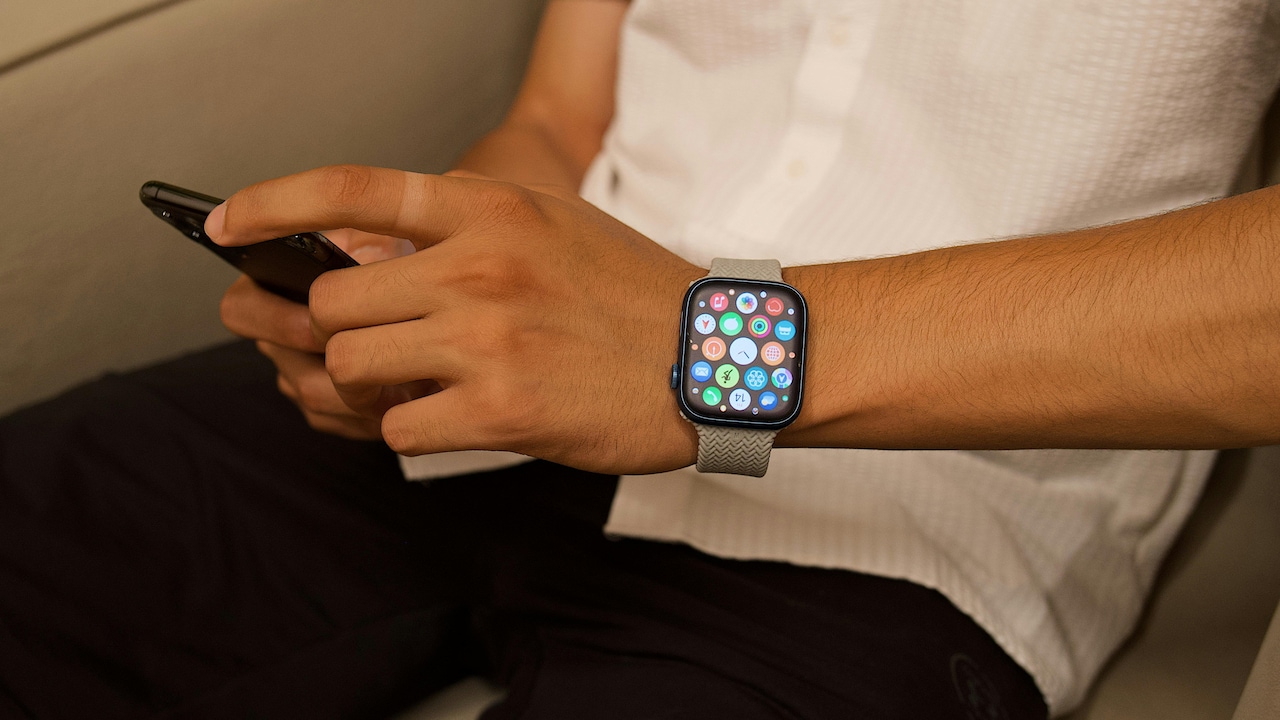
A smartwatch display should offer clarity at a glance. Time, notifications, and fitness stats need to stand out under bright sunlight or dim indoor lighting. Cheap models often miss this mark. Screens look vibrant in product photos but appear dull or washed out in real life.
Many budget watches use low-grade LCD panels with poor brightness levels. Under harsh afternoon sun, the screen becomes nearly unreadable, forcing awkward wrist tilts just to check the time. Touch responsiveness also lags, making simple interactions frustrating.
The irony lies in how much emphasis goes into making these watches look stylish. Bezels may shine, straps may feel decent, yet the one element users interact with most, the display, fails to deliver. Over time, this becomes more than an inconvenience. It turns the watch into something that demands effort rather than offering ease.
2. Fitness Tracking Lacks Consistency
Fitness tracking remains one of the biggest selling points of smartwatches. Steps, calories, sleep patterns, all presented as precise metrics. Cheap devices, however, often treat accuracy as optional.
Step counts fluctuate wildly. A short walk to the kitchen might register as fifty steps, while an actual jog gets undercounted. Heart rate readings jump unpredictably, sometimes showing calm resting values during intense activity.
Such inconsistencies create a false sense of progress or concern. A user might feel motivated by inflated step counts or worried by incorrect health data. Over time, trust erodes. Without reliability, these metrics become decorative rather than useful.
The gap between promise and performance grows even wider when marketing claims mention advanced sensors. In reality, these sensors often lack proper calibration, leading to guesswork disguised as data.
3. Battery Claims Rarely Match Reality
Battery life often appears as a major advantage in budget smartwatches. Claims of 7 to 10 days on a single charge sound appealing, especially when compared to premium models that need frequent charging.
In practice, these numbers rarely hold. Once features like Bluetooth syncing, notifications, and health tracking stay active, the battery drains quickly. What was advertised as a week-long performance turns into two or three days at best.
This discrepancy stems from testing conditions that rarely reflect real-world usage. Manufacturers often measure battery life under minimal activity, with most features turned off.
For users, the result feels like a broken promise. Charging becomes a frequent chore, defeating the convenience that a wearable should offer. The disappointment grows sharper when expectations were set unrealistically high.
Why Cheap Smartwatches Often Get The Basics Wrong
Photo Credit: Pexels
4. Software Experience Feels Clunky
A smartwatch relies heavily on its software. Smooth navigation, intuitive menus, and quick responses shape the overall experience. Cheap smartwatches often struggle here.
Menus lag. Animations stutter. Switching between features feels slower than expected. At times, the interface appears unfinished, with inconsistent layouts and awkward translations.
Even basic functions like setting alarms or checking notifications can take more effort than necessary. The experience lacks polish, making the watch feel more like a prototype than a finished product.
This clunky behaviour often results from limited processing power paired with poorly optimised software. Instead of refining the experience, manufacturers prioritise adding more features, leading to overload without usability.
5. App Connectivity Breaks Too Often
A smartwatch rarely works in isolation. It depends on a companion app for syncing data, updating settings, and accessing deeper insights. Cheap smartwatches frequently falter in this area.
Connections drop unexpectedly. Data fails to sync. Notifications arrive late or not at all. The app itself may feel unstable, crashing or freezing during use.
Such issues create a fragmented experience. The watch may collect data, but without reliable syncing, that information becomes inaccessible or incomplete.
For someone tracking fitness or relying on notifications during busy days, this inconsistency proves frustrating. A smartwatch should simplify daily routines, not complicate them with technical hiccups.
6. Build Quality Shows Early Wear
At first glance, many budget smartwatches look impressive. Shiny frames, colourful straps, and large displays give the impression of value. However, extended use often reveals a different story.
Straps loosen or crack within weeks. Buttons lose responsiveness. The body picks up scratches easily, even with careful handling.
Water resistance claims also deserve scrutiny. While some watches advertise splash protection, exposure to rain or sweat can still cause issues over time.
These problems arise from cost-cutting in materials and manufacturing processes. While the watch may look durable initially, it lacks the resilience needed for everyday wear.
Also Read: Top Rated Smartwatches To Grab At Half Prices During The Festive Season
7. Health Features Stretch Beyond Capability
Blood oxygen monitoring, stress tracking, and even blood pressure estimation are features that once belonged to high-end devices, now appear on budget smartwatches. While impressive on paper, their reliability remains questionable.
Such measurements require precise sensors and calibration. Cheap devices often lack both. Readings can vary significantly, offering little medical value.
This becomes more concerning when users rely on these metrics for health decisions. A false reading can either cause unnecessary panic or provide false reassurance.
Technology should empower informed choices. When accuracy falls short, these features risk becoming gimmicks rather than tools.
8. Notifications Feel Half-Baked
One of the simplest yet most useful smartwatch features is notifications. A quick glance at the wrist should provide updates without reaching for the phone.
Cheap smartwatches often struggle here. Messages appear truncated. Emojis display as blank boxes. Sometimes, notifications fail to arrive altogether.
Interaction remains limited. Many watches allow reading notifications but not replying. Even basic actions like dismissing alerts may not sync properly with the phone.
Over time, this inconsistency reduces the usefulness of the watch. Instead of enhancing convenience, it becomes a partial solution that still demands frequent phone checks.
9. Lack Of Software Updates Hurts Longevity
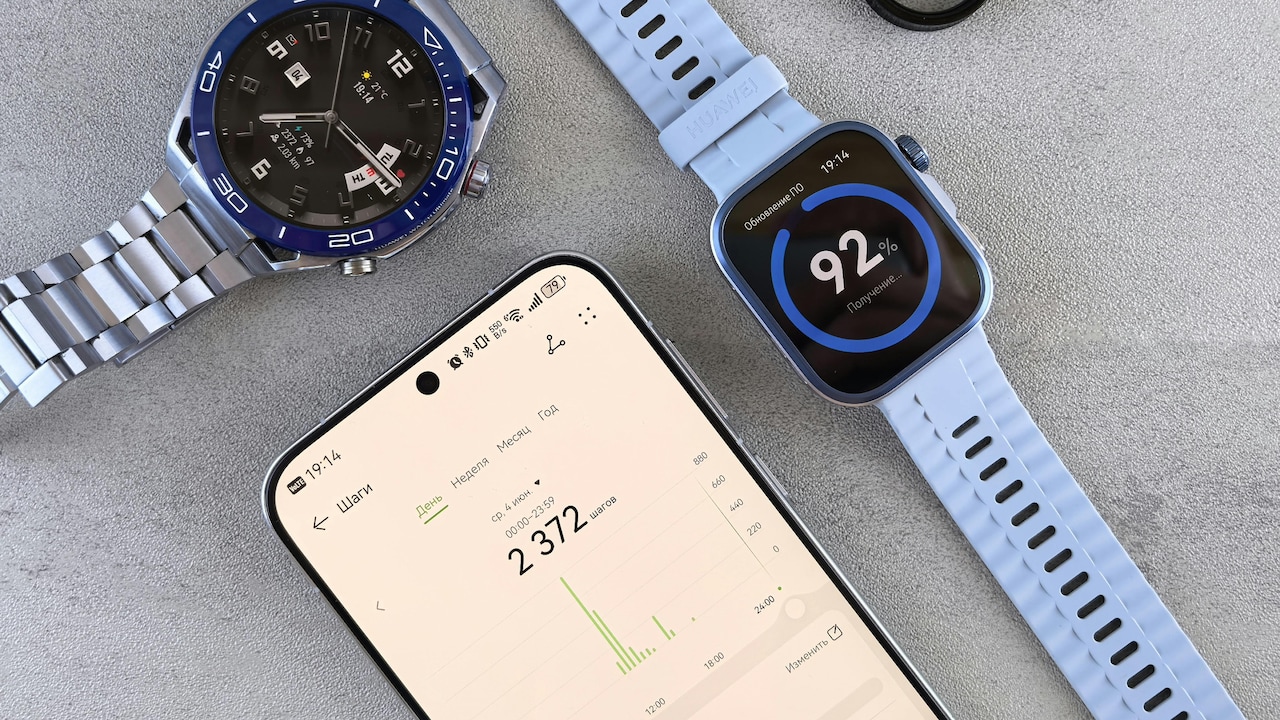
Technology evolves rapidly, and software updates play a key role in keeping devices relevant. Cheap smartwatches rarely receive meaningful updates after launch.
Bugs remain unresolved. Features fail to improve. Security patches often go unnoticed.
This lack of support shortens the lifespan of the device. What starts as a functional gadget quickly becomes outdated or unreliable.
Users often find themselves replacing the watch sooner than expected, leading to additional expenses. The initial savings begin to lose their appeal when viewed over time.
Why Cheap Smartwatches Often Get The Basics Wrong
Photo Credit: Pexels
10. Marketing Overpromises And Underdelivers
Perhaps the most significant issue lies in how these watches are marketed. Product listings often highlight features without explaining limitations.
Terms like “AI health monitoring” or “advanced fitness tracking” create expectations that the device cannot meet. The gap between advertising and reality leads to disappointment.
This approach thrives on first impressions. Attractive images and long feature lists capture attention, but actual performance tells a different story.
Consumers end up navigating through exaggerated claims, trying to separate genuine value from marketing noise. Without careful research, it becomes easy to fall for appearances rather than substance.
In Conclusion
Cheap smartwatches occupy an interesting space. They make wearable technology accessible, bringing features once reserved for premium devices into everyday reach. Yet, this accessibility often comes at a cost, one that reveals itself in daily use.
The problem does not lie in affordability itself. Rather, it stems from prioritising quantity of features over quality of experience. When essential aspects like accuracy, reliability, and usability take a back seat, the smartwatch loses its purpose.
For many users, the lesson emerges through experience. Spending ₹1,500 on a device that struggles with basics may feel less satisfying than investing ₹4,000 in something dependable.
In the end, a smartwatch should simplify life, not complicate it. And sometimes, paying a little more ensures that the basics, those quiet, crucial details, are done right.
Products Related To This Article
1. GOBOULT Crown R Pro Smart Watch 1.43''HD AMOLED
2. Fastrack Limitless Glide X 1.83" Smart Watch with Ultra UV HD Display
3. Boat Wave Sigma 3 Curv Smartwatch with 2.01
4. Fire-Boltt Rise Smart Watch 1.85″ with Bluetooth Calling
5. Bouncefit D20 Y68 Fitness Band Smart Watch for Men
(Disclaimer: This article may include references to or features of products and services made available through affiliate marketing campaigns. NDTV Convergence Limited (“NDTV”) strives to maintain editorial independence while participating in such campaigns. NDTV does not assume responsibility for the performance or claims of any featured products or services.)