Best Walking Shoes For Your 10,000 Steps: What To Wear For Comfort And Support
The right walking shoes can transform your 10,000 steps from tiring to effortless. Discover how comfort, support, and smart design choices keep your feet happy all day.
10,000 Steps A Day? Here's How To Pick The Best Walking Shoes For Comfort And Support.
There is something quietly satisfying about hitting that 10,000-step mark. It might come from a brisk morning walk along a tree-lined road, a stroll through a bustling market, or simply pacing around during phone calls. Walking is one of the most accessible forms of exercise, yet it demands more from footwear than most people realise.
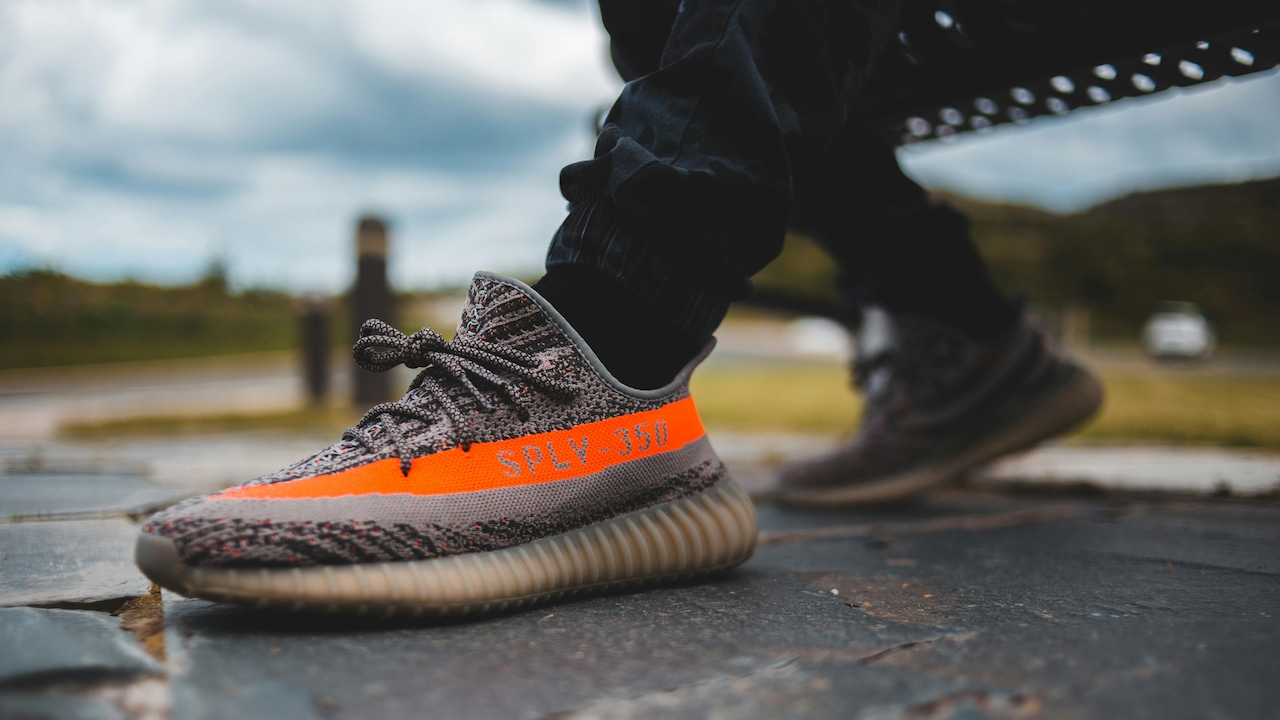
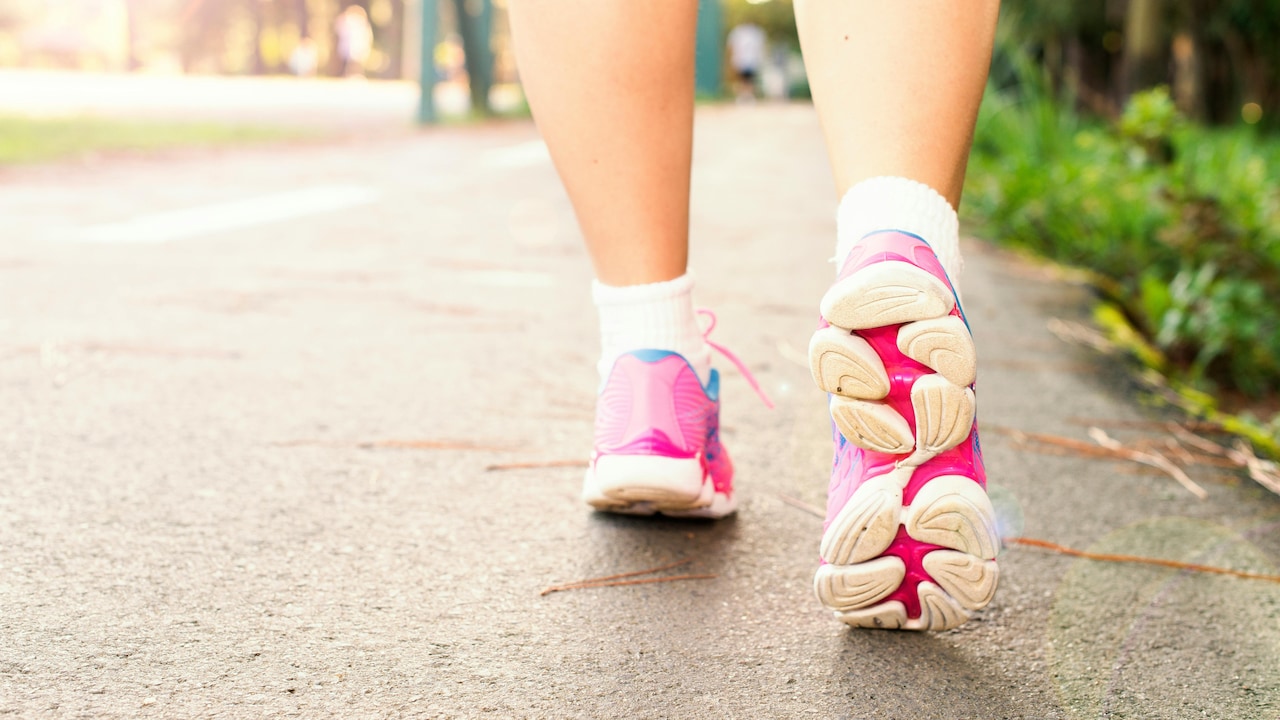
Walking shoes to complete your 10,000 steps; Photo Credit: Pexels
Too often, shoes are chosen for style or brand appeal rather than comfort and function. The result? Blisters, knee pain, or that nagging soreness that lingers by evening. A good pair of walking shoes does not just protect the feet; it supports posture, reduces fatigue, and keeps the entire body moving smoothly.
Finding the right pair is not about chasing trends. It is about understanding how the foot moves, what kind of support it needs, and how daily routines shape those needs. From cushioning to breathability, every detail matters when steps add up.
Also Read: Top Walking Shoes For Men For All-Day Comfort And Everyday Wear
Key Features To Look For In Walking Shoes For Daily 10,000 Steps
Understanding Cushioning And Why It Matters
Cushioning often becomes the first thing people notice in a walking shoe, and for good reason. Every step sends a small shock through the foot, travelling up to the knees and hips. Without proper cushioning, this repeated impact can turn a simple walk into a tiring experience.
Soft cushioning feels inviting at first touch, almost like walking on clouds. However, the trick lies in balance. Shoes that feel too plush may lack stability, causing the foot to wobble slightly. On the other hand, overly firm soles can make long walks uncomfortable, especially on concrete roads.
A well-cushioned shoe absorbs impact while still offering enough structure to guide the foot. Think of it as a supportive mattress rather than a sinking sofa. For those who walk on hard pavements or spend long hours on their feet, this balance becomes essential.
Even weather plays a role. During warmer months, feet tend to swell slightly, making cushioning feel tighter. Choosing a shoe that adapts without compressing too much can make daily walks far more pleasant.
The Importance Of Proper Arch Support
Arch support rarely gets the spotlight it deserves, yet it plays a crucial role in overall comfort. The arch acts as a natural shock absorber, and without proper support, it can strain over time.
Some people have flat feet, while others have high arches. Each type requires a different level of support. Ignoring this can lead to discomfort not just in the feet but also in the lower back. It is surprising how something as small as the arch can influence posture and balance.
Shoes with built-in arch support help distribute weight evenly. This reduces pressure on specific points, especially the heel and ball of the foot. For those who experience pain after long walks, this often becomes the missing piece.
Walking through crowded streets or uneven paths demands stability. Good arch support ensures the foot remains aligned, reducing the risk of twisting or strain. It may not be visible from the outside, but its impact becomes clear after a few thousand steps.
Breathability For All-Day Comfort
Walking in warm weather can quickly turn uncomfortable if shoes trap heat. Breathability becomes more than a luxury, it becomes a necessity. Feet naturally sweat, and without proper ventilation, moisture builds up, leading to irritation and odour.
Shoes made with mesh or lightweight fabrics allow air to circulate. This keeps the feet cooler and reduces the chance of blisters. It also makes a noticeable difference during long walks, especially in humid conditions.
There is also a psychological aspect to consider. Fresh, airy shoes simply feel better. They encourage longer walks and reduce the urge to cut a stroll short. It is similar to wearing light cotton clothes on a hot day, comfort directly affects mood.
Some people overlook this feature, focusing only on cushioning or style. Yet, a well-ventilated shoe can transform the walking experience. It keeps each step light and prevents that heavy, sticky feeling that often creeps in by midday.
The Role Of Sole Flexibility
Flexibility in a walking shoe determines how naturally the foot can move. A stiff sole can restrict motion, making each step feel forced. On the other hand, a flexible sole allows the foot to bend and roll smoothly.
Walking involves a natural motion, from heel strike to toe-off. Shoes that support this movement reduce strain and make walking feel effortless. Testing flexibility is simple: gently bend the shoe. If it moves easily at the front while staying firm at the arch, it is usually a good sign.
Too much flexibility, however, can compromise support. The goal is to find a balance where the shoe bends where it should, but still holds the foot securely. This becomes especially important during longer walks, where even small inefficiencies add up.
Flexible soles also adapt better to different surfaces. Whether walking on tiled floors, pavements, or slightly uneven paths, they provide a more natural feel. Over time, this reduces fatigue and keeps the feet comfortable.
Choosing The Right Fit And Size
A perfect fit can make or break a walking shoe. Even the most advanced design will fail if the size is off. Feet tend to expand slightly during the day, so trying shoes in the evening often gives a more accurate fit.
There should be enough room at the front for toes to move freely. At the same time, the heel should feel secure without slipping. Tight shoes can cause blisters, while loose ones may lead to instability.
It is also worth considering the type of socks usually worn. Thick socks can alter the fit significantly. Trying shoes with similar socks ensures a more realistic feel.
Many people settle for a “good enough” fit, but that often leads to discomfort over time. Investing a little extra effort in finding the right size pays off in the long run. After all, walking 10,000 steps in poorly fitted shoes can feel like a chore rather than a healthy habit.
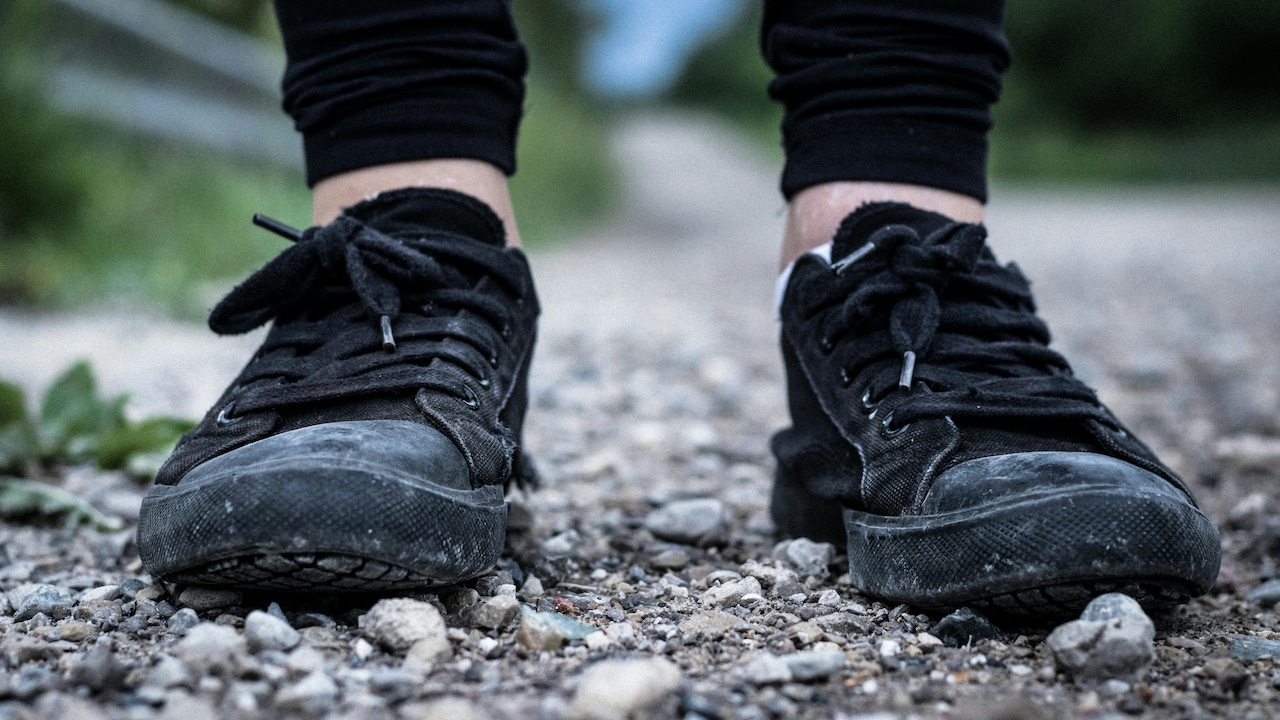
Ensure the right fit and size before finalising the purchase; Photo Credit: Pexels
Lightweight Design For Effortless Movement
Heavy shoes can slow down even the most enthusiastic walker. Every extra gram adds up over thousands of steps, making the legs feel tired sooner than expected.
Lightweight shoes reduce this burden, allowing for smoother and more natural movement. They make walking feel less like a workout and more like a refreshing activity. This becomes particularly important for those who walk daily.
Modern materials have made it possible to create shoes that are both light and supportive. The key lies in choosing a pair that does not compromise durability for weight. A flimsy shoe may feel comfortable at first, but may not last long.
There is also a mental aspect to consider. Light shoes encourage movement. They make it easier to stay active, whether it is a quick walk to the local shop or a longer evening stroll. Over time, this small difference can have a big impact on consistency.
Durability And Long-Term Value
A good walking shoe should last beyond a few weeks of use. Durability becomes especially important when shoes are used daily. Frequent walkers need something that can handle repeated wear without losing shape or support.
Quality materials and strong stitching often indicate a durable shoe. While such pairs may cost more upfront, they tend to offer better value over time. Spending ₹3,000 on a pair that lasts a year often makes more sense than replacing cheaper options every few months.
Wear and tear usually appear first in the sole. A worn-out sole loses grip and cushioning, making walking less comfortable and potentially unsafe. Regular checks can help determine when it is time for a replacement.
Durability also ties into comfort. Shoes that maintain their structure continue to support the foot properly. This ensures that every step feels just as good as the first, even after months of use.
Grip And Stability On Different Surfaces
Walking does not always happen on perfectly smooth roads. From tiled floors to slightly uneven pavements, surfaces can vary widely. Good grip ensures stability across these conditions.
Shoes with textured soles provide better traction. This reduces the risk of slipping, especially during monsoon months when surfaces become unpredictable. Stability becomes even more important in crowded areas where sudden stops or turns are common.
A stable shoe keeps the foot aligned, preventing unnecessary strain. It also boosts confidence, allowing for a more relaxed walking pace. When shoes feel secure, there is less hesitation with each step.
Ignoring grip can lead to minor slips or discomfort. While it may not seem like a major feature, it plays a significant role in overall safety and comfort. A reliable grip ensures that walking remains a smooth and enjoyable experience.
Style That Matches Everyday Life
Comfort should always come first, but style does not have to take a back seat. Walking shoes today come in a variety of designs that blend functionality with everyday fashion.
A versatile pair can transition easily from a morning walk to casual outings. Neutral colours and simple designs often work best, pairing well with different outfits. This reduces the need for multiple pairs and adds convenience.
There is also a sense of motivation attached to style. Wearing shoes that look good can make walking feel more enjoyable. It adds a small boost of confidence, making daily routines feel less repetitive.
That said, style should never compromise comfort. A sleek design may catch the eye, but it must still provide the support needed for long walks. The best choice strikes a balance between appearance and practicality.
When To Replace Your Walking Shoes
Even the best shoes have a lifespan. Over time, cushioning wears down, and support fades. Continuing to use worn-out shoes can lead to discomfort and even injuries.
Signs of wear include flattened soles, reduced grip, and visible creases. If walks start to feel less comfortable despite no change in routine, the shoes may be the reason.
Most walking shoes last several months with regular use, though this depends on frequency and terrain. Keeping track of usage can help determine the right time for a replacement.
Letting go of a comfortable pair can feel difficult, especially when they have been reliable. However, replacing them at the right time ensures continued comfort and support. It keeps the walking habit enjoyable rather than tiring.
Products Related To This Article
1. Killer Men Mesh Running Shoes
2. HRX by Hrithik Roshan Women Mesh Walking Non-Marking Shoes
3. Red Tape Men Slip Resistance Surface Grip ETPU Walking Shoes
4. Skechers Go Walk Joy - Ecstatic Women Textile Walking Non-Marking Shoes
5. Red Chief Men Mesh Trekking Shoes
Walking 10,000 steps a day is more than just a fitness goal; it is a simple way to stay active and clear the mind. The right pair of shoes can turn this routine into something genuinely enjoyable.
From cushioning and support to breathability and durability, every detail plays a role in shaping the walking experience. Choosing wisely ensures that each step feels comfortable, stable, and effortless.
A good walking shoe does not just protect the feet, it supports a lifestyle. It encourages consistency, reduces fatigue, and makes daily movement something to look forward to.
In the end, the best pair is not the most expensive or the most stylish. It is the one that feels right from the very first step and continues to do so, mile after mile.
(Disclaimer: This article may include references to or features of products and services made available through affiliate marketing campaigns. NDTV Convergence Limited (“NDTV”) strives to maintain editorial independence while participating in such campaigns. NDTV does not assume responsibility for the performance or claims of any featured products or services.)