10 Easy Ways To Rewear Outfits Creatively And Look Stylish Every Time
Rewear your outfits without looking repetitive. These smart styling tricks help you remix the same pieces into fresh looks, without buying more.
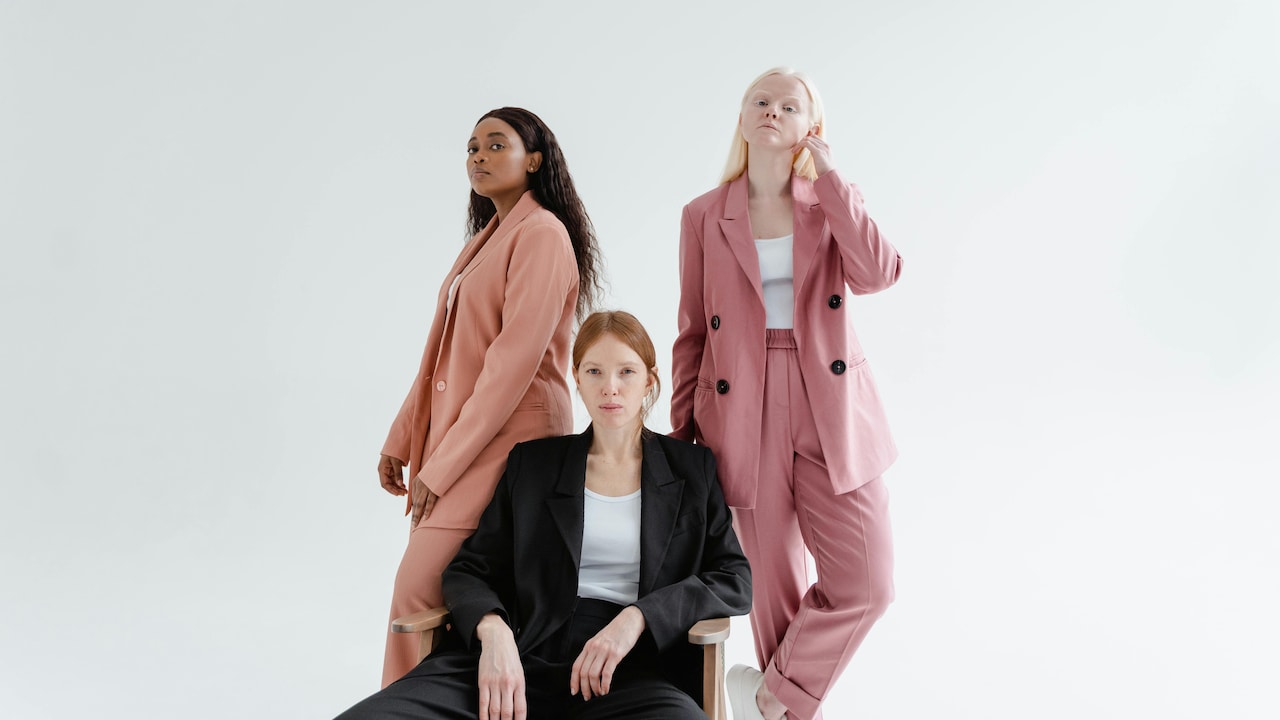
How To Rewear The Same Outfits Creatively Without Anyone Realising They're Repeated.
Let's be honest: most wardrobes have a handful of “main character” outfits and then a crowd of clothes that just exist. The same black jeans keep showing up. That kurta has attended three brunches and two family dinners. That one shirt has been to more office meetings than the laptop.
And yet, there's a weird pressure to look like every day comes with a brand-new outfit, as if life is a fashion show and everyone is secretly keeping score. Spoiler: they're not. Most people barely remember what they ate yesterday, let alone what someone else wore.
The real trick isn't owning more clothes. It's learning how to rewear what you already have in a way that looks deliberate, stylish, and quietly clever. The kind of styling that makes people think, “They always look put-together,” without realising they've seen that same outfit before. This is about working smarter, not shopping harder. And yes, it can be fun.
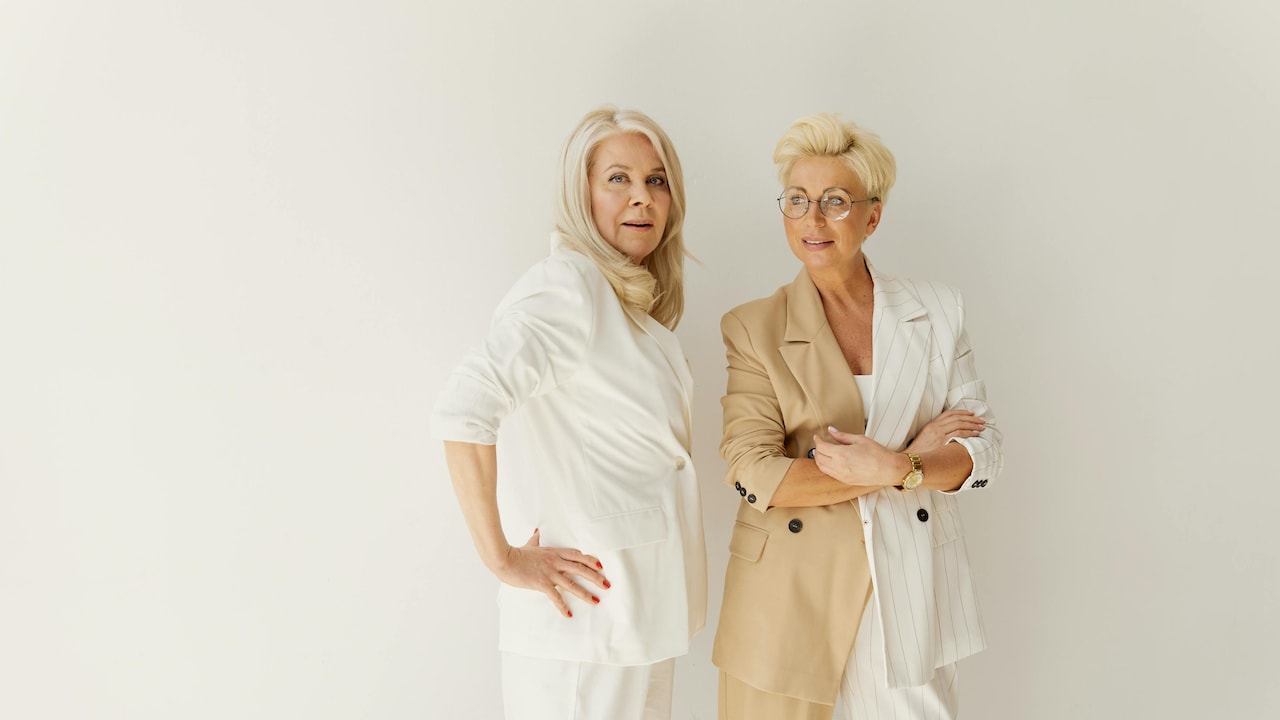
How To Rewear The Same Outfits Creatively Without Anyone Realising They're Repeated
Photo Credit: Pexels
The Smart Style Tricks That Make Repeats Disappear
1) Treat Layers Like Costume Changes
Layers do something magical: they disguise repetition. The same base outfit can look like three completely different looks with one added piece. A plain tee and jeans can feel casual with a denim jacket, polished with a blazer, and cosy with a long shrug. The outfit underneath stays the same, but the vibe shifts completely.
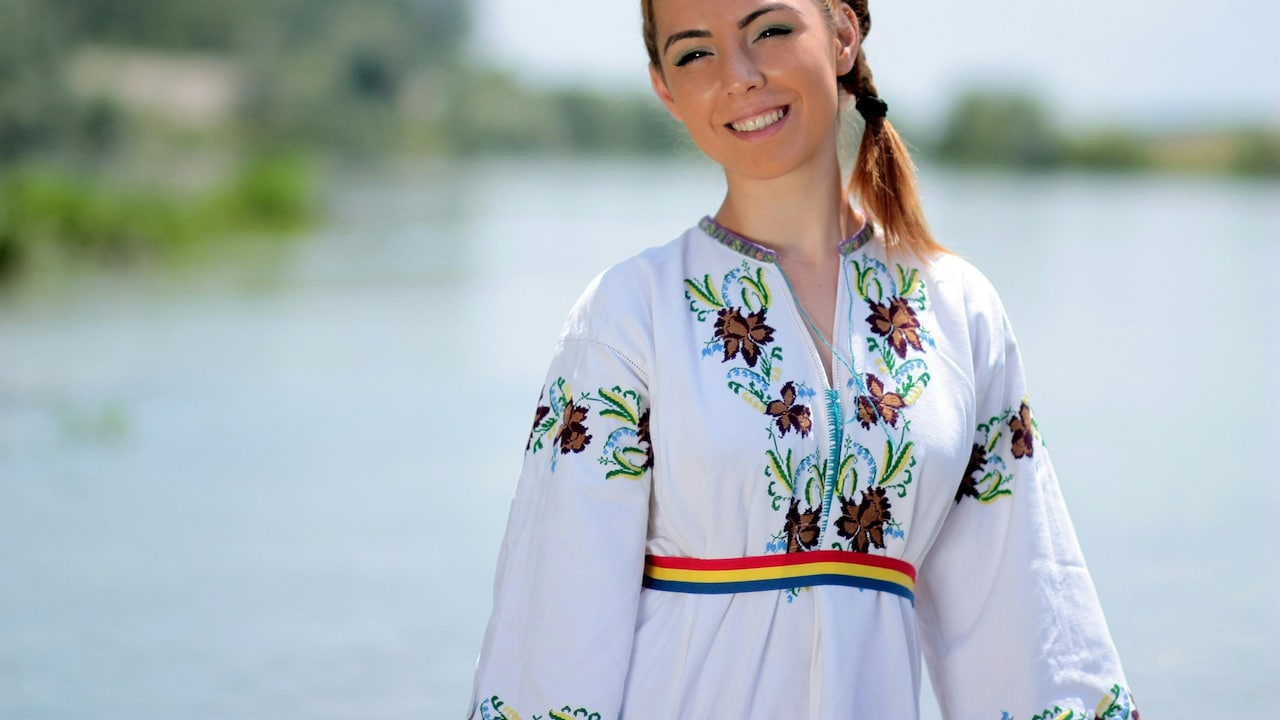
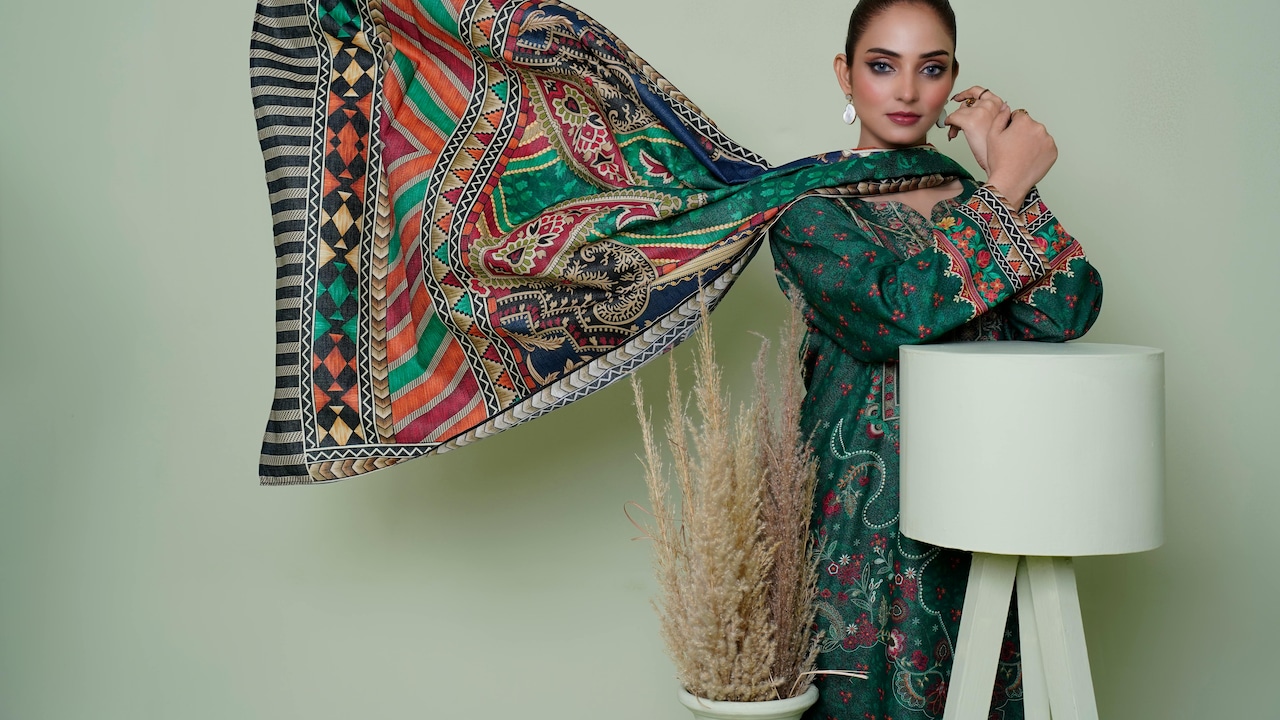
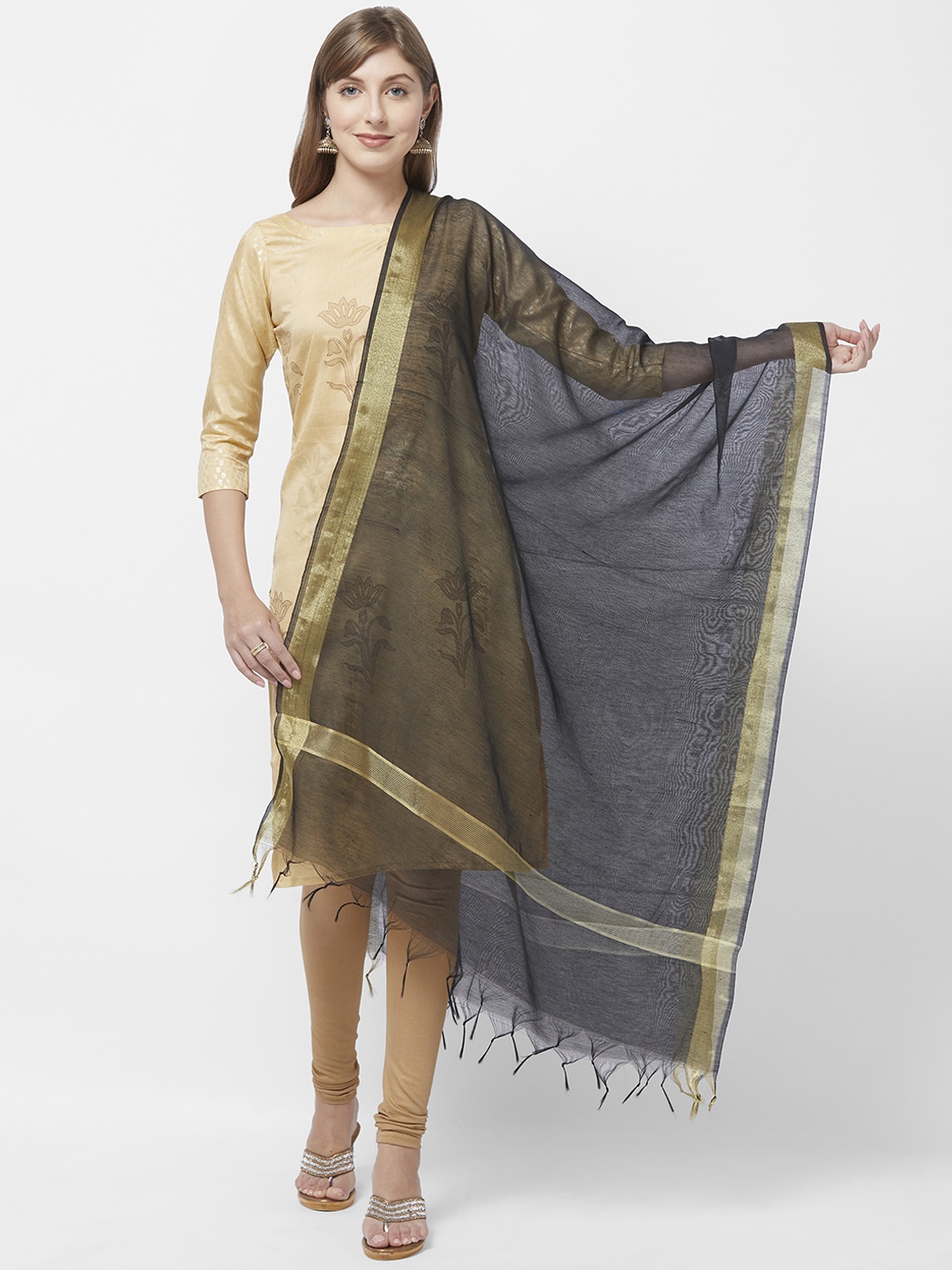
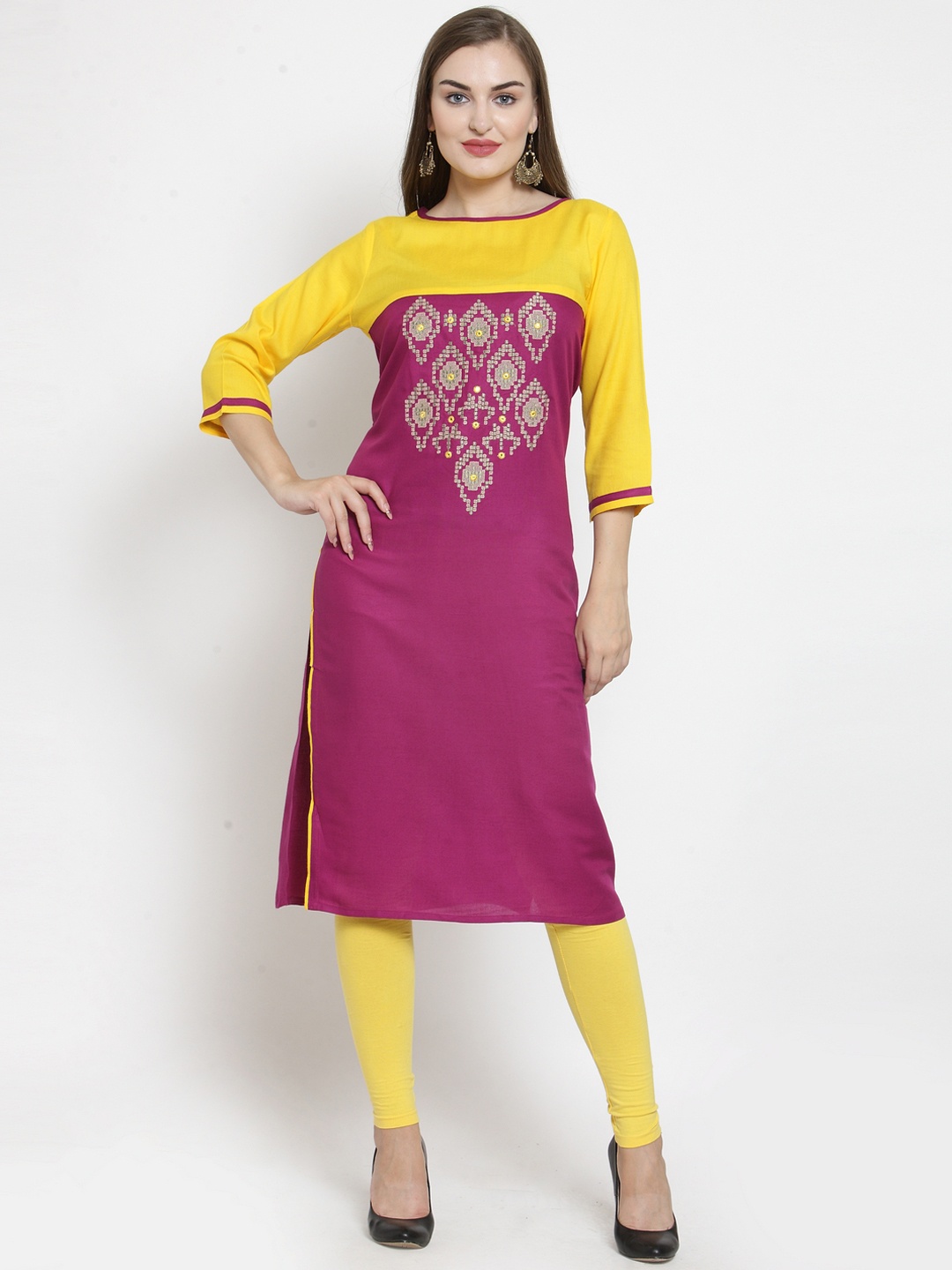
This works beautifully with traditional wear too. A simple kurta becomes more festive with a short embroidered jacket, more formal with a long dupatta draped neatly, and more relaxed with a light cotton stole. It's not about piling on everything. It's about choosing one layer that changes the story.
The best part is that layering feels intentional. It doesn't look like “repeat outfit energy”. It looks like styling.
If there's one thing worth investing in, it's versatile layers. A neutral blazer, a cropped jacket, a longline shrug, or even a smart waistcoat can stretch your wardrobe far beyond what you thought possible.
2) Change The Hairstyle And Suddenly The Outfit Feels New
People don't notice repetition the way you do. They notice the overall impression. And hair changes that impression instantly. The same outfit can look like a new look when the hairstyle shifts.
A sleek ponytail makes an outfit feel sharper and more office-ready. Soft waves make it look more brunch-friendly. A bun adds elegance. A braid gives it a casual, carefree vibe. Even a simple middle part versus a side part changes the mood more than expected.
This is especially useful for outfits that sit in the “safe” category. That reliable kurta set, the favourite shirt and trousers combo, the dress that always works. The outfit stays familiar, but the face-framing details change.
Add a small accessory, and the transformation gets stronger. A claw clip, a scrunchie, a neat hairband, or even a gajra for festive moments can shift the whole aesthetic.
It's a quiet trick, but it's powerful. And it costs exactly ₹0 most days.
3) Let Footwear Do The Heavy Lifting
Shoes don't just complete an outfit. They decide what kind of outfit it is. The same clothes can look completely different depending on what's on your feet.
A pair of white sneakers makes a dress look casual and youthful. Switch to flats, and it becomes practical. Add heels, and suddenly it looks dinner-ready. The dress didn't change, but the occasion did.
With ethnic wear, the effect is just as strong. Juttis make a look feel classic. Kolhapuris make it feel earthy and effortless. Heels make it feel more formal. Even a simple change from tan to black footwear can shift the vibe.
This trick also helps when you want to rewear outfits at the same social circle. If people saw you in that kurta last week, wearing it again with a different dupatta and different footwear will register as a fresh look.
Shoes also carry personality. They can make you look playful, serious, bold, or laid-back. So when in doubt, change the shoes. It's the easiest outfit refresh.
4) Remix Accessories Like A DJ
Accessories are where repetition goes to disappear. They're also where style gets to have fun. The same outfit can look minimal, boho, glam, or traditional based on what you pair with it.
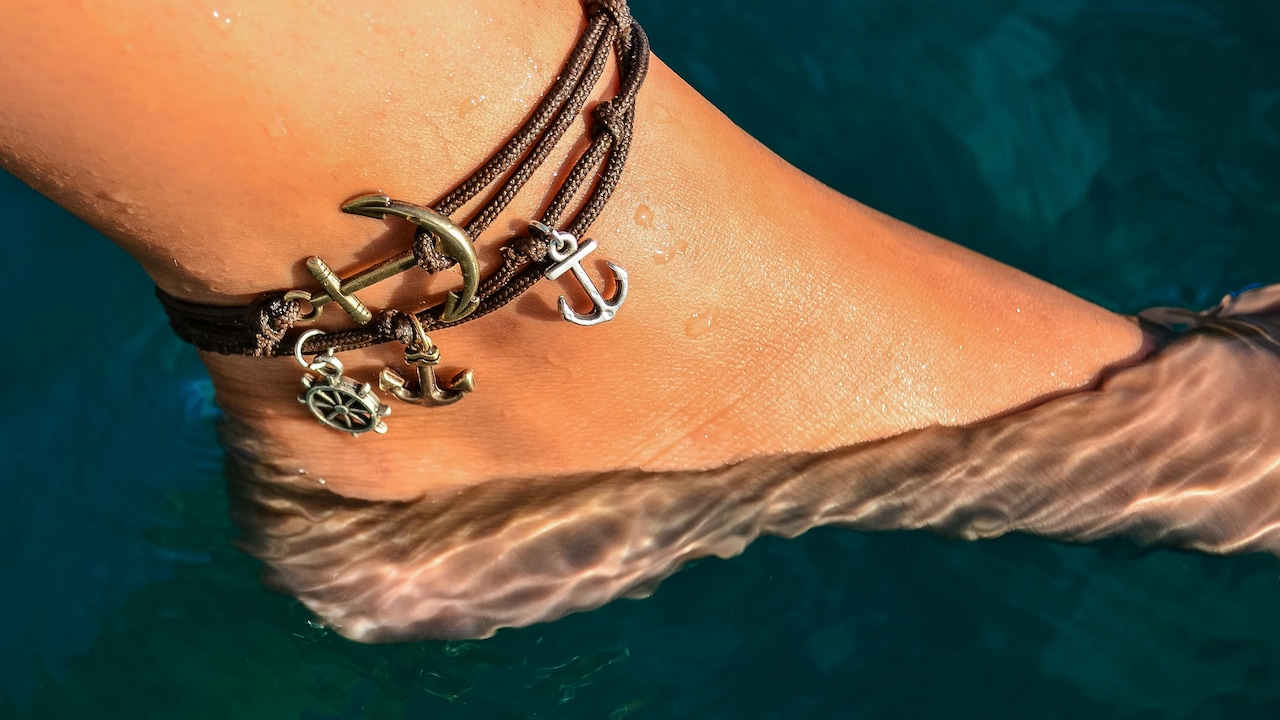
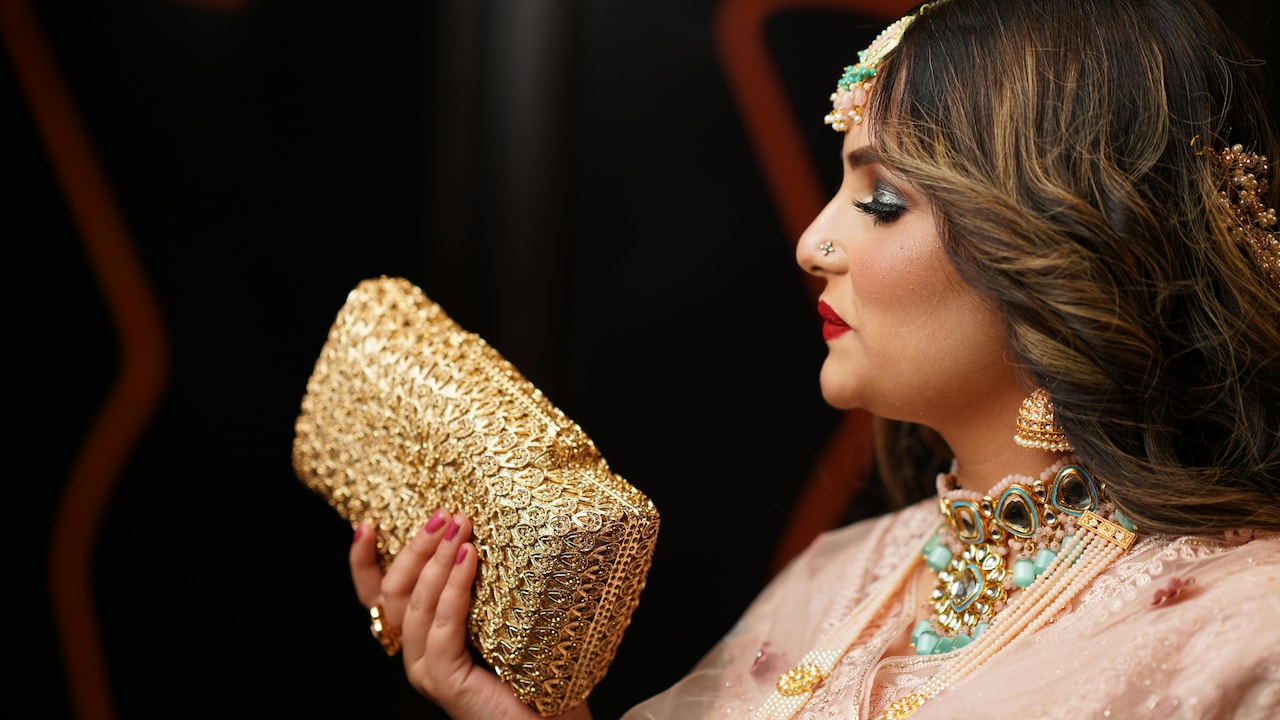
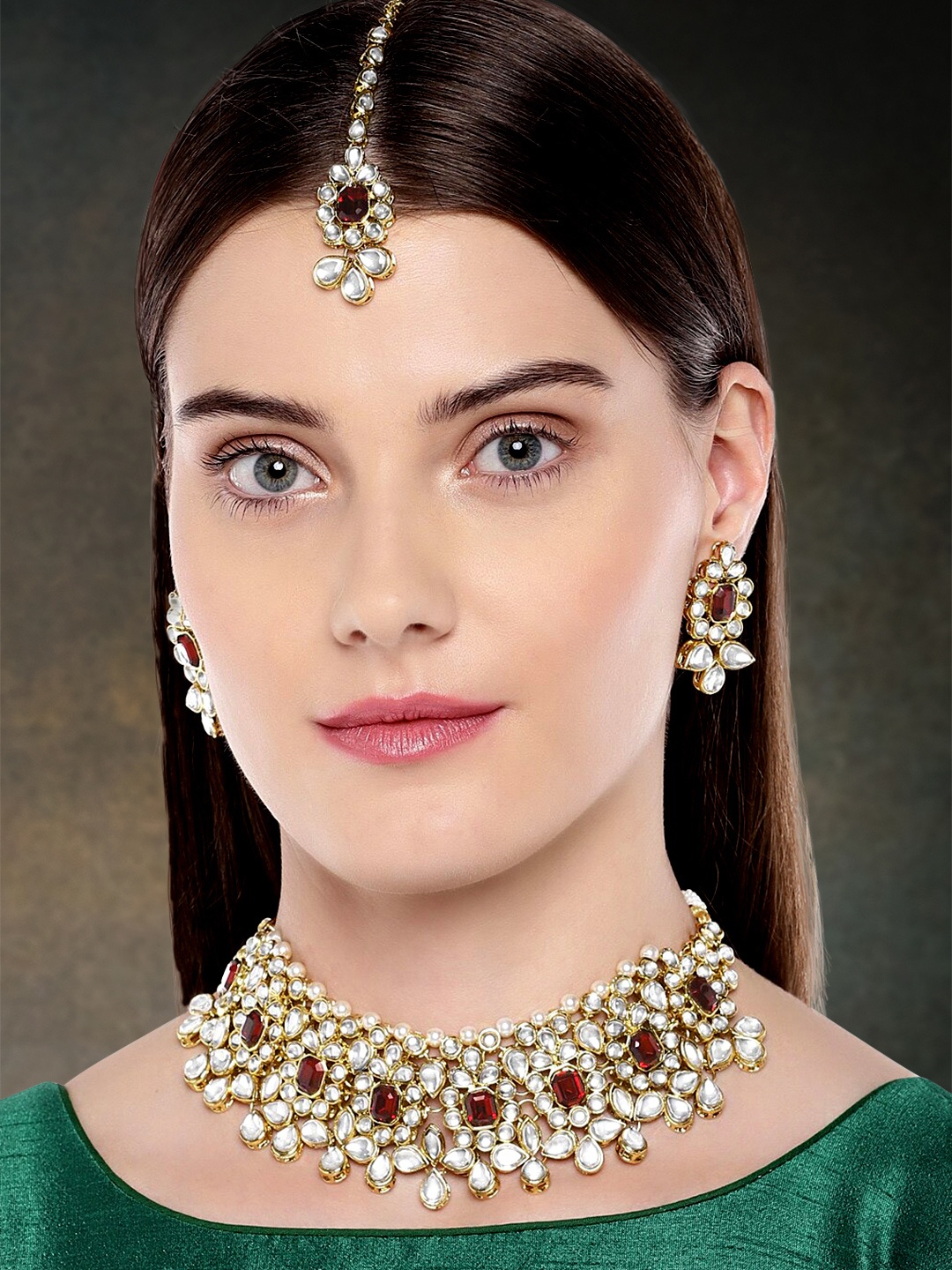
A plain kurta set with chunky silver jewellery becomes artsy and statement-making. The same set with delicate gold pieces becomes subtle and elegant. Add bangles, and it feels festive. Add a watch, and it feels professional.
With western outfits, the effect is even more dramatic. A basic shirt and jeans can look like a whole different outfit with a belt, a scarf, or a bold necklace. Even earrings can change the mood. Hoops feel different from studs. Chandbalis feel different from sleek drops.
The key is to rotate one or two hero pieces, not everything at once. Too many accessories can look like a costume, and the goal is effortless.
Think of accessories as mood markers. If the clothes are the canvas, accessories are the art. And art never needs to repeat the same way twice.
5) Play With Tucking, Knotting, And Styling Tricks
A lot of outfits look “repeated” because they're worn the exact same way each time. The simplest fix is to change how the clothing sits on the body.
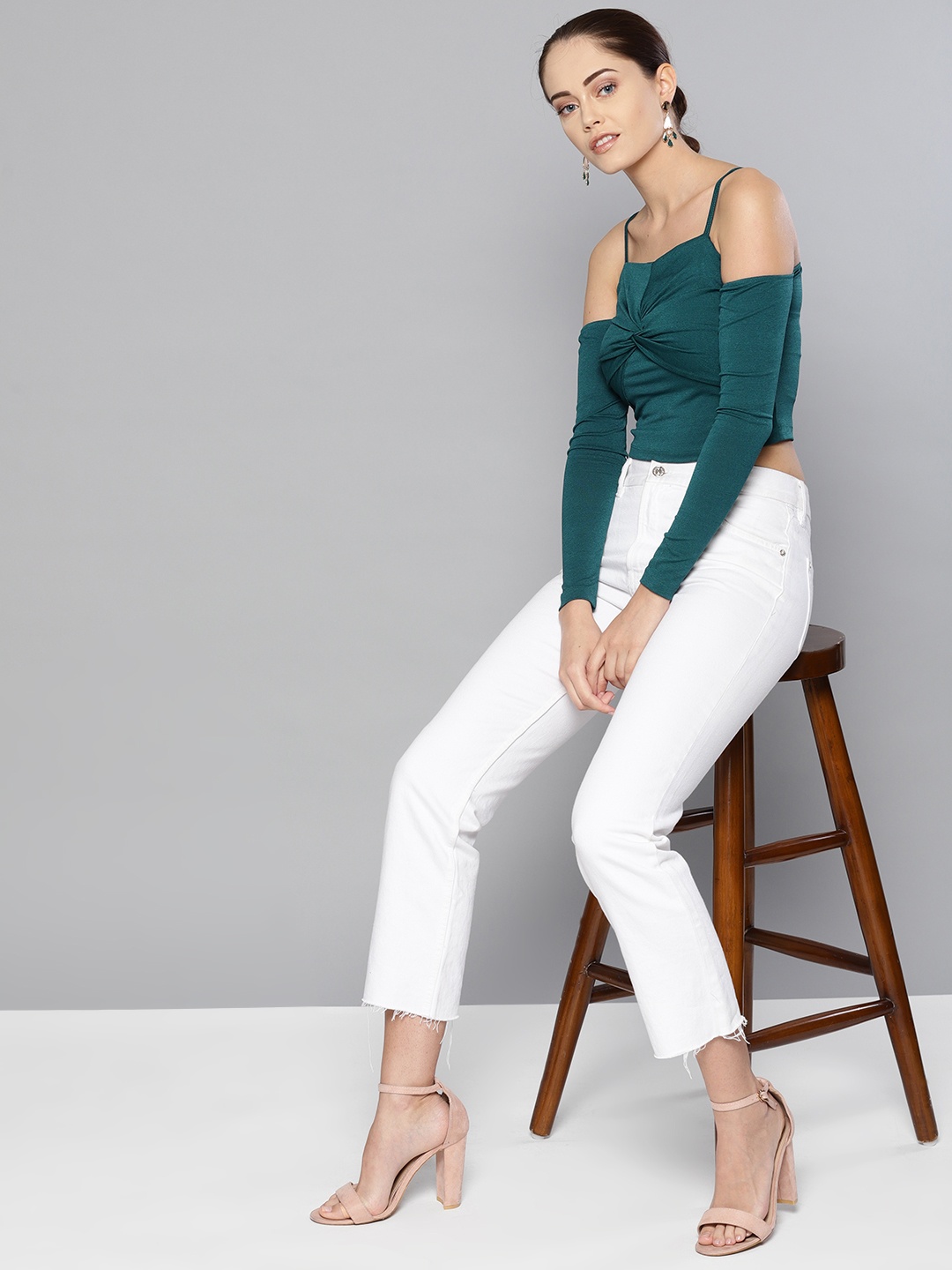
Try a full tuck, a half tuck, or no tuck at all. Knot a shirt at the waist. Roll up sleeves for a casual vibe. Button a shirt all the way up for a sharper look, or leave it open over a tank top like a light jacket.
With kurtas and tunics, you can experiment too. Add a belt over a straight kurta to give it structure. Wear a shorter kurta with a high-waisted skirt instead of leggings. Drape the dupatta differently. One-shoulder drape feels festive. A simple neck drape feels minimal. A pinned dupatta feels formal.
These tiny styling tweaks create a new silhouette, which is what people actually notice. When the shape changes, the brain reads it as a new outfit.
This is the kind of fashion trick that makes a wardrobe feel bigger without buying a single thing.
6) Repeat The Outfit, Not The Colour Story
One of the smartest ways to rewear the same pieces is to change the colour combination around them. The base items can stay the same, but the colours you pair them with should rotate.
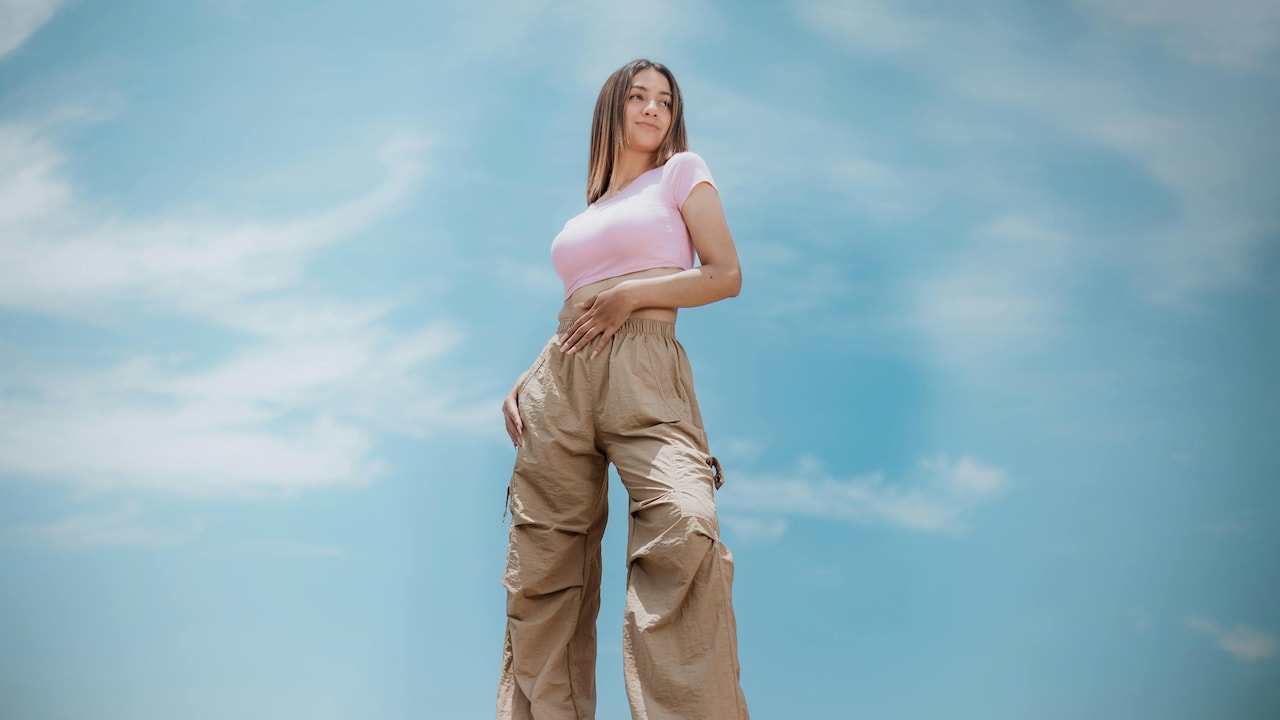
A black kurta can feel entirely different with a bright dupatta one day, and a neutral stole the next. A white shirt can look crisp with navy trousers, relaxed with beige, and edgy with black.
This is also where bags, shoes, and lipstick come in. Yes, lipstick counts. A soft nude lip versus a bold red changes the whole vibe. It's like the difference between “daytime meeting” and “evening plan”.
If you want to be strategic, build a few colour themes in your mind. One look can be earthy (tan, olive, rust). Another can be monochrome (black, grey, white). Another can be festive (jewel tones like emerald, maroon, royal blue).
People remember colour more than clothing details. Change the colour story, and the outfit stops looking like a repeat.
7) Turn One Outfit Into Two With Smart Pairing
This is where creativity really pays off. A “repeat outfit” becomes invisible when one key piece is styled with a completely different partner.
That same kurta you always wear with leggings can look fresh with palazzos. That blouse can be worn with a sari one day and a skirt another day. That long shirt can be worn as a dress with a belt, or as a layering piece over jeans.
Western pieces can work overtime too. A blazer can go over a dress for work, and over a tee and jeans for a casual day. A slip dress can become a skirt when worn with a fitted top over it. A denim jacket can sit over a kurta and instantly modernise it.
This trick works best when you stop thinking in “outfits” and start thinking in “pieces”. One item should have at least two personalities.
The result feels fresh because the overall combination changes. It's not repetition. It's reinvention.
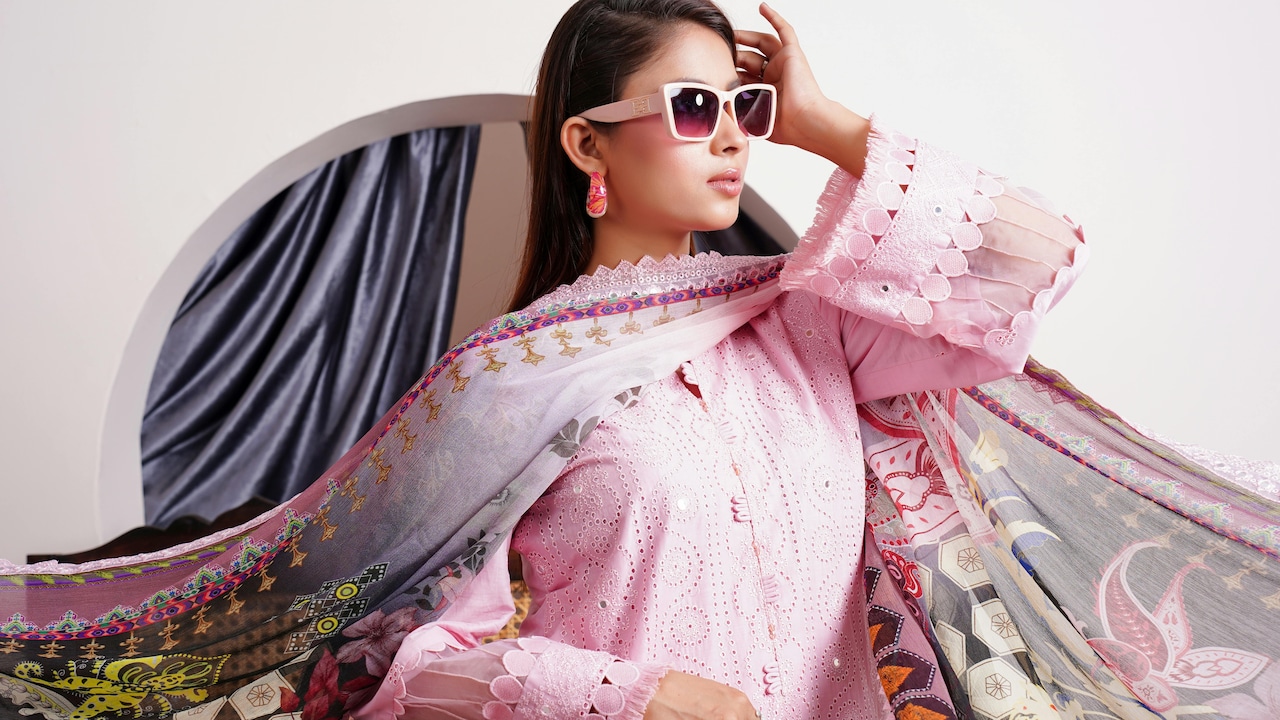
How To Rewear The Same Outfits Creatively Without Anyone Realising They're Repeated
Photo Credit: Pexels
8) Use The “Occasion Swap” To Your Advantage
Sometimes, outfits feel repeated because they keep showing up in the same setting. The same dress at every brunch. The same shirt at every office day. The same kurta at every family dinner.
The fix is to change where you wear it. The same outfit looks new when it appears in a different context.
That simple cotton kurta you wear at home can become a casual day-out look with jeans and sneakers. That work shirt can become a weekend look with wide-leg trousers and flats. That saree blouse can be paired with a jacket and worn in a modern way for a dinner plan.
Occasion swapping also helps mentally. Clothes feel fresher when they aren't trapped in one role.
And if anyone does notice? It won't feel like repetition. It will feel like you have a signature piece. Which, frankly, sounds cooler anyway.
Style icons repeat. The difference is that they do it with confidence.
9) Keep One Signature Piece And Rotate Everything Else
Here's a secret: repetition becomes obvious when the whole outfit repeats. But if only one piece repeats, it looks intentional.
Choose one “signature” item. Maybe it's a blazer that fits perfectly. Maybe it's a kurta that always gets compliments. Maybe it's a pair of trousers that makes you feel unstoppable. Keep that piece, and rotate everything around it.
Wear the blazer with different tops. Wear the kurta with different bottoms. Wear the trousers with different shirts. Add different accessories. Change the shoes. Switch the bag.
This approach is also emotionally comforting. Everyone has those pieces that feel like armour on a difficult day. Clothes that make you feel more like yourself. Rewearing them isn't laziness. It's self-care with better tailoring.
Also, this trick helps if you don't enjoy getting dressed. It creates a simple formula: one trusted piece plus one change.
That's enough to look fresh without stress.
10) Make “Outfit Repeating” Look Like A Personal Brand
The biggest reason people fear repeating outfits is the feeling of being judged. But that fear is usually louder than reality. Most people are too busy thinking about themselves.
So the final trick is mindset. Treat repetition as part of your style identity. People don't mock a person for always wearing crisp shirts or elegant kurtas. They start associating them with that look. It becomes their thing.
If someone sees you in the same outfit twice, it can actually signal confidence. It says, “This is a great outfit, and it works.” There's something refreshingly grounded about that, especially in a world that tries to convince everyone to shop endlessly.
Plus, repeating outfits is practical. It saves money, time, and decision fatigue. It also reduces waste, which matters more than ever.
And honestly? There's a quiet power in not letting trends bully you.
When you wear your favourites on repeat with small creative twists, you stop chasing style. You start owning it.
Products Related To This Article
1. MISS CLOTHING Women Embroidered Sequinned Kurta with Trousers & Dupatta Kurta Sets
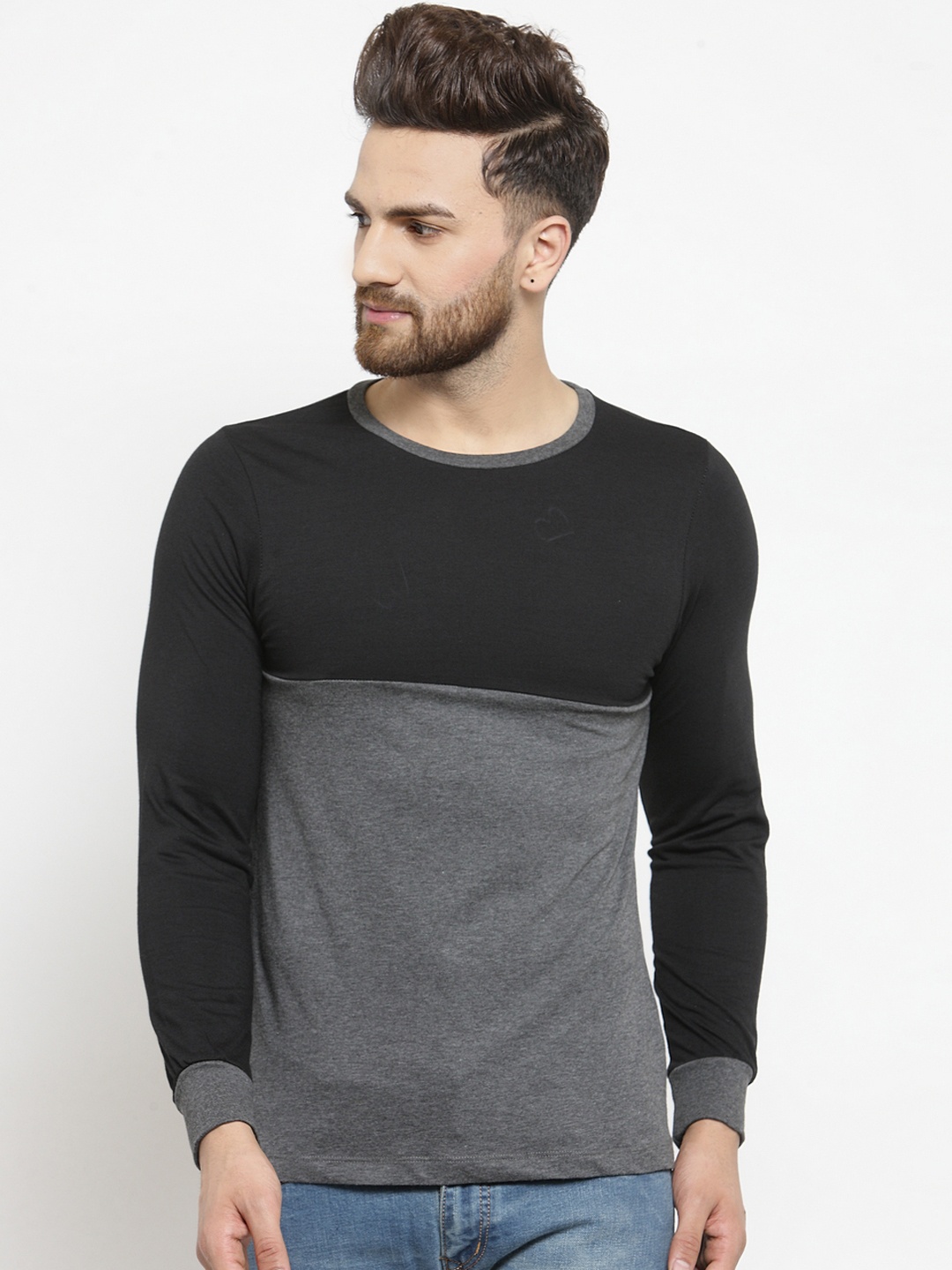
2. Lea Clothing Co. Cotton Top
3. Fabway Clothing Women Ethnic Motifs Printed Empire Pure Cotton Kurta with Trousers
4. Akashi Clothing Printed Cotton Shirt Style Top
5. BELLO DONA CLOTHING Women Smart Loose Fit Trousers
Rewearing the same outfits doesn't mean you lack style. It means you've found what works. The real magic lies in making those pieces feel fresh through layers, accessories, colour changes, styling tricks, and a little bit of playful confidence.
A wardrobe doesn't need to be huge to be interesting. It needs to be smart. It needs to be flexible. And it needs to feel like you, not like a shopping catalogue.
So the next time you reach for that familiar outfit, don't panic. Remix it. Restyle it. Reintroduce it like it's a special guest star.
Because the truth is simple: nobody remembers repeats as much as you think. But everyone remembers someone who always looks good.
(Disclaimer: This article may include references to or features of products and services made available through affiliate marketing campaigns. NDTV Convergence Limited (“NDTV”) strives to maintain editorial independence while participating in such campaigns. NDTV does not assume responsibility for the performance or claims of any featured products or services.)