Collared Kurtas Decoded: When They Add Style Points And When They Feel Offbeat
Collared kurtas can sharpen your style or throw it off balance. From weddings to workdays, this is how to know when that collar adds polish, and when it feels completely out of place.
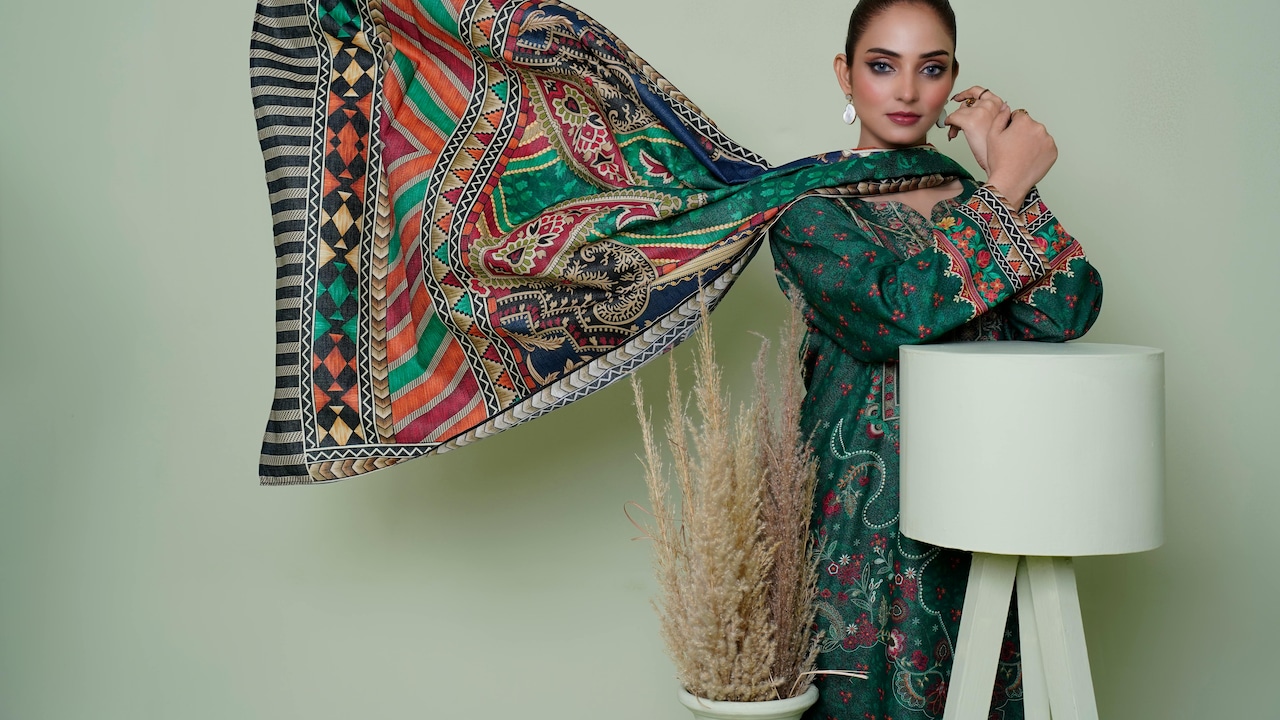
How To Style Collared Kurtas For Weddings, Work And Weekends Without Looking Offbeat.
Fashion often swings between comfort and structure. The kurta has long represented ease, fluidity and cultural pride. Then came the collar. Suddenly, the relaxed garment borrowed a detail from the formal shirt. That small addition sparked endless debate. Does it refine the look or steal its soul? The answer depends on fabric, fit, occasion and styling choices.
Walk into a festive gathering in Delhi or a casual Friday at a Mumbai start-up, and collared kurtas appear everywhere. Some look effortlessly stylish. Others feel slightly off, as if they tried too hard. The difference lies in understanding balance. A collar can frame the face beautifully, or it can clash with the garment's inherent simplicity.
This article explores ten everyday scenarios where collared kurtas either shine or stumble. Each section decodes subtle cues that determine whether that collar adds style points or creates confusion.
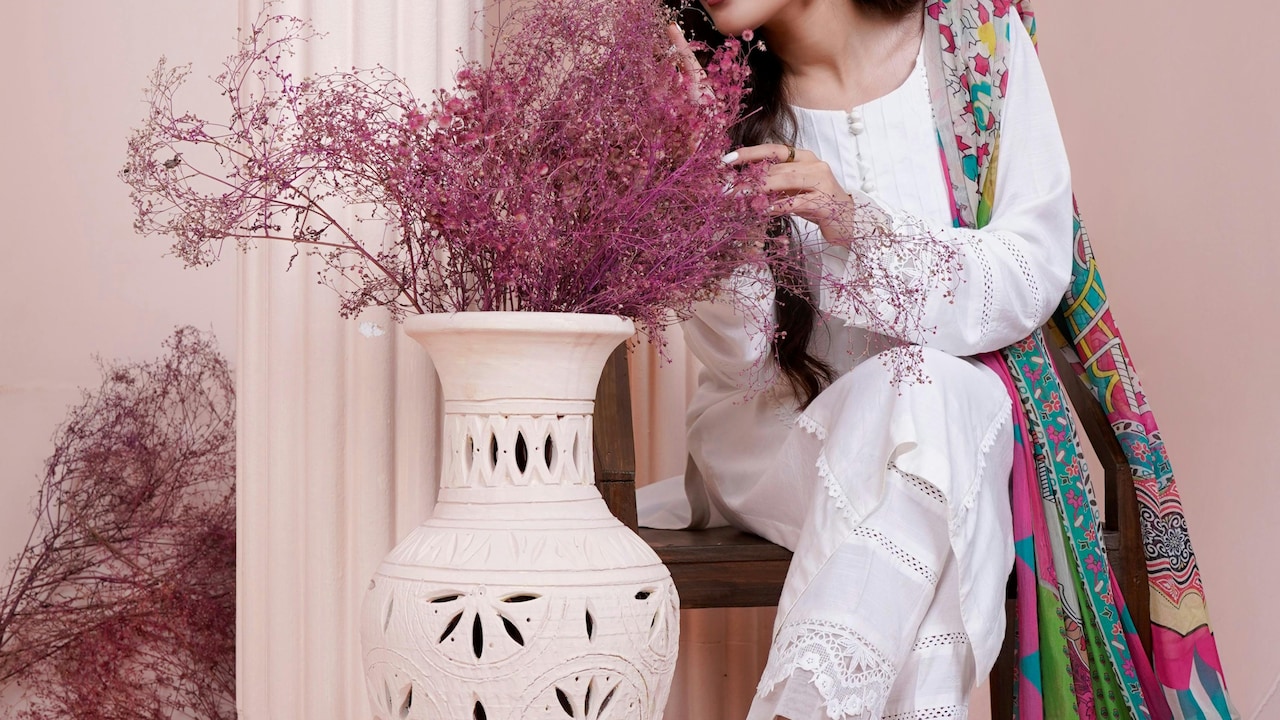
Collared Kurtas Decoded: When They Add Style Points And When They Feel Offbeat
Photo Credit: Pexels
Understanding The Collar Effect: Why This Small Detail Changes Everything
The Power Of Structure In Smart Casual Settings
In smart casual settings, collared kurtas often feel like the perfect bridge between tradition and modern polish. Think of a creative office space where denim meets loafers and laptops sit beside cutting chai. Here, a mandarin-collared kurta in crisp cotton feels intentional and refined. The collar lends authority without shouting for attention.
The key lies in neat tailoring. A well-fitted kurta with clean shoulders and a defined placket looks sharp. Pair it with tapered trousers or dark jeans, and the ensemble communicates confidence. The collar frames the neckline and gives the outfit a composed finish. It signals effort without appearing overdressed.
Trouble begins when the kurta runs too long or too loose. Excess fabric competes with the structured collar, creating visual confusion. In such settings, balance matters more than embellishment. Subtle shades like indigo, charcoal or ivory perform better than loud prints. In professional yet relaxed environments, the collared kurta earns its style points by staying understated.
Festive Flair Without Overdoing It
Festivals invite colour, texture and celebration. A collared kurta in silk or jacquard can add an elegant edge to the festive wardrobe. The collar lifts the look and works beautifully under a Nehru jacket. It shapes the neckline and prevents the outfit from looking too soft or shapeless in photographs.
However, excess decoration can spoil the charm. Heavy embroidery on the collar, plus elaborate cuffs and bold print,s overwhelm the garment. The collar then competes with the festive detailing instead of complementing it. Moderation keeps the look festive yet tasteful.
Imagine a Diwali gathering where fairy lights gl,ow and sweets circulate on silver trays. A pastel collared kurta with minimal threadwork paired with churidar trousers strikes the right note. It feels celebratory without appearing theatrical. On the other hand, metallic fabrics with stiff collars can feel costume-like. The festive rule remains simple: let the collar refine the outfit, not dominate it.
Wedding Wear: Regal Or Risky
Weddings often tempt bold choices. Rich fabrics, jewel tones and ornate accessories fill the scene. A structured collar can enhance regal silhouettes, especially in layered outfits. When styled with a well-fitted sherwani-style kurta, the collar adds stature and sharpness.
Yet the wedding stage exposes every detail. Ill-fitted collars that gape or fold awkwardly distract from the grandeur. Stiff collars that rub against the neck create discomfort, which inevitably shows in posture and expression. Comfort and craftsmanship matter just as much as design.
For evening functions, deeper shades like maroon or emerald paired with subtle collars create an elegant profile. The collar works best when it blends seamlessly into the design rather than standing apart. Overly experimental collars, such as exaggerated heights or unusual shapes, often feel offbeat in traditional ceremonies. Weddings reward timelessness. A well-balanced collared kurta enhances presence; a poorly executed one steals focus for the wrong reasons.
Summer Comfort Versus Suffocating Style
Summer demands breathability. In cities where temperatures climb beyond 35 degrees, fabric choice determines whether the collar feels chic or stifling. Lightweight cotton or linen kurtas with soft collars offer structure without trapping heat. They hold shape while allowing air to circulate.
Problems arise with thick fabrics or heavily starched collars. The neck area becomes uncomfortable, especially during long outdoor events. Sweat patches and irritation quickly erase any style advantage. In hot weather, ease outranks drama.
A pale linen collared kurta worn at a daytime family lunch feels relaxed and elegant. The collar sits gently against the skin and adds subtle definition. Compare that with a synthetic blend kurta whose collar presses tightly around the neck. The discomfort shows in restless adjustments. In summer, a collar should feel almost invisible. If it demands constant attention, it fails the style test.
The Minimalist's Best Friend
Minimalists often gravitate towards clean lines and neutral palettes. For them, a collared kurta becomes a versatile staple. The collar introduces structure while preserving simplicity. No flashy embellishments, no loud prints, just thoughtful tailoring.
A monochrome outfit in beige or slate grey with a slim collar creates a sleek silhouette. It works equally well at art exhibitions, casual dinners or intimate celebrations. The collar frames the face and adds quiet confidence. It also pairs beautifully with leather sandals or understated watches.
Minimalism falters when proportions go astray. An oversized collar disrupts the calm aesthetic. Likewise, contrasting buttons or decorative stitching distract from the clean look. The success of a minimalist collared kurta depends on restraint. When every element feels deliberate and harmonious, the collar enhances the outfit. When extra details creep in, the simplicity dissolves.
When Street Style Gets Experimental
Urban fashion often experiments with layering and unexpected combinations. Collared kurtas now appear with sneakers, cargo trousers and even crossbody bags. In these spaces, the collar can inject a sharp edge into otherwise relaxed outfits.
Shorter kurtas with structured collars work well in this context. They echo shirt silhouettes while retaining cultural roots. Layering them under lightweight jackets or over slim trousers creates dimension. The collar acts as an anchor amid playful styling.
However, experimentation needs direction. Pairing a traditional long kurta with bulky streetwear pieces can feel mismatched. The collar may appear out of place when the rest of the outfit leans heavily into casual Western aesthetics. Cohesion makes the difference. When textures and fits complement each other, the collared kurta looks progressive. Without harmony, it feels confused rather than creative.
Office Formality Done Right
Corporate environments vary widely. Some demand strict formality, while others allow expressive dressing. In semi-formal offices, a collared kurta paired with tailored trousers can replace the standard shirt. It feels fresh yet respectful.
Neutral colours and subtle fabrics perform best. A structured collar communicates professionalism and attention to detail. Combined with polished shoes, the outfit carries authority without mimicking a suit. Many professionals appreciate this blend of tradition and modern efficiency.
Issues arise when the kurta resembles casual wear too closely. Bright prints or relaxed fits dilute the professional tone. The collar alone cannot rescue an otherwise informal design. Precision in stitching and fit elevates the garment. In office spaces where first impressions influence opportunities, the collared kurta succeeds when it mirrors the discipline of classic formalwear.
Casual Fridays And Coffee Catch-Ups
Not every outing demands grandeur. Weekend brunches, mall visits and spontaneous coffee plans call for comfort with a hint of flair. Here, collared kurtas offer an easy upgrade from plain tees.
Soft fabrics and playful colours keep the mood light. Rolling up the sleeves slightly adds relaxed charm. The collar lends enough structure to avoid looking sloppy. It helps the outfit transition smoothly from day to evening.
Yet overstyling can spoil the ease. Heavy accessories or overly formal footwear clash with the casual spirit. The collar should feel like a gentle accent, not a declaration. When styled with slim jeans and comfortable loafers, the look feels approachable and polished. When paired with rigid trousers or excessive layering, it feels overdressed for a simple outing. Casual settings reward balance and authenticity.
Traditional Ceremonies And Cultural Sensitivity
Certain ceremonies carry deep cultural significance. In such contexts, simplicity and respect matter more than trendiness. A collared kurta can work beautifully if designed with traditional fabrics and cuts.
Subtle collars that echo classic designs maintain harmony with ritual settings. Natural fabrics like handloom cotton or silk enhance authenticity. The collar should blend into the garment rather than stand apart as a modern insert.
Flashy interpretations may appear tone-deaf during solemn occasions. Oversized collars or experimental shapes distract from the ceremony's gravity. Elders often appreciate attire that honours heritage without excessive innovation. A thoughtfully crafted collared kurta can honour tradition while adding gentle refinement. Sensitivity to context ensures that style never overshadows significance.
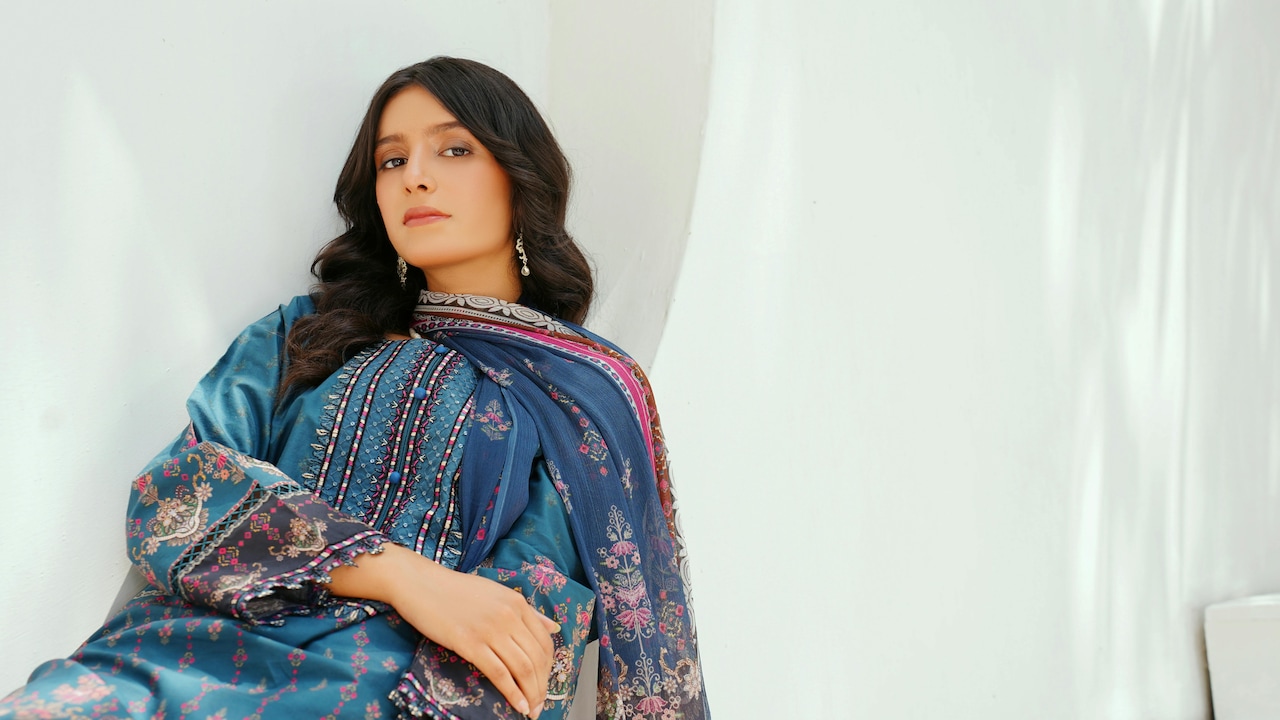
Collared Kurtas Decoded: When They Add Style Points And When They Feel Offbeat
Photo Credit: Pexels
Fit, Fabric And The Final Verdict
Ultimately, the success of a collared kurta rests on three pillars: fit, fabric and occasion. Even the most beautiful design falters if the shoulders sag or the collar puckers. Tailoring transforms an ordinary piece into a confident statement.
Fabric choice influences how the collar behaves. Soft materials create relaxed elegance. Stiffer textiles project authority but require precise construction. Trying on different cuts reveals what flatters individual body types. Small adjustments often make a dramatic difference.
Price tags ranging from ₹1,500 for everyday cotton pieces to ₹8,000 or more for premium silk designs reflect varying craftsmanship. Investment in quality pays off through durability and comfort. The collar should complement the kurta's flow, not interrupt it. When these elements align, the garment feels intentional and stylish. When they clash, even the finest collar feels misplaced.
Products Related To This Article
1. Sangria Women Blue Blended Kurtas
2. Anouk Rustic Women Ethnic Motifs Printed Festive Cotton Straight Kurta
3. RANGMANCH BY PANTALOONS Women Floral Printed Daily Pure Cotton A-Line Kurta
4. Aramya Women Bandhani Printed Shirt Collar Kurta
5. IKRASS Women Tribal Printed Shirt Collar Anarkali Midi Kurta
6. Vaimiya Women Shirt Collar Striped Printed Kurta
7. RANGMANCH BY PANTALOONS Floral Printed Shirt Collar A-Line Kurta
Collared kurtas occupy a fascinating space in contemporary wardrobes. They carry echoes of tradition while borrowing cues from modern tailoring. This dual identity gives them remarkable versatility. It also makes them easy to misjudge.
When chosen thoughtfully, a collar sharpens the silhouette, frames the face and adds quiet authority. It transitions seamlessly from festive evenings to professional mornings. When selected carelessly, it disrupts the kurta's natural grace and creates visual imbalance.
Style rarely depends on a single detail. It emerges from harmony between design, context and personality. The collared kurta thrives when it respects that harmony. With the right fit, breathable fabric and awareness of occasion, it earns every style point. Without those considerations, it risks feeling offbeat.
Fashion continues to evolve, yet certain garments remain constant companions. The collared kurta stands among them, ready to adapt. Decode its nuances, and it becomes more than clothing. It becomes a subtle statement of confidence woven into everyday life.
(Disclaimer: This article may include references to or features of products and services made available through affiliate marketing campaigns. NDTV Convergence Limited (“NDTV”) strives to maintain editorial independence while participating in such campaigns. NDTV does not assume responsibility for the performance or claims of any featured products or services.)