10 Reasons Why Cotton Blend Tops Are More Comfortable and Longer-Lasting Than Pure Cotton
Pure cotton feels familiar, but cotton blend tops often perform better in daily wear. With improved stretch, durability, and easy care, blended fabrics handle heat, movement, and repeated washing with far less effort.

Cotton Blend Tops: When Fabric Blends Outperform Pure Cotton for Comfort And Durability.
Cotton holds emotional value. It reminds many of school uniforms drying on rooftops, crisp kurtas for festivals, and summer shirts that breathe in fierce heat. Yet daily routines have changed. Days run longer. Commutes grow crowded. Washing machines work overtime. Clothes now face sweat, friction, stretching, and repeated washing.
This is where cotton blend tops shine. By mixing cotton with fibres like polyester, modal, or elastane, fabric makers create garments that keep cotton's comfort while fixing its weaknesses. These blends resist wrinkles, dry faster, and stretch without losing shape. They also last longer, which matters when clothing costs continue to rise.
This shift does not reject cotton. It refines it. Cotton blends respect tradition while embracing practicality. For anyone who wants easy-care clothing that still feels good on the skin, blended tops often outperform pure cotton. The reasons go beyond fashion trends and reach straight into everyday comfort.
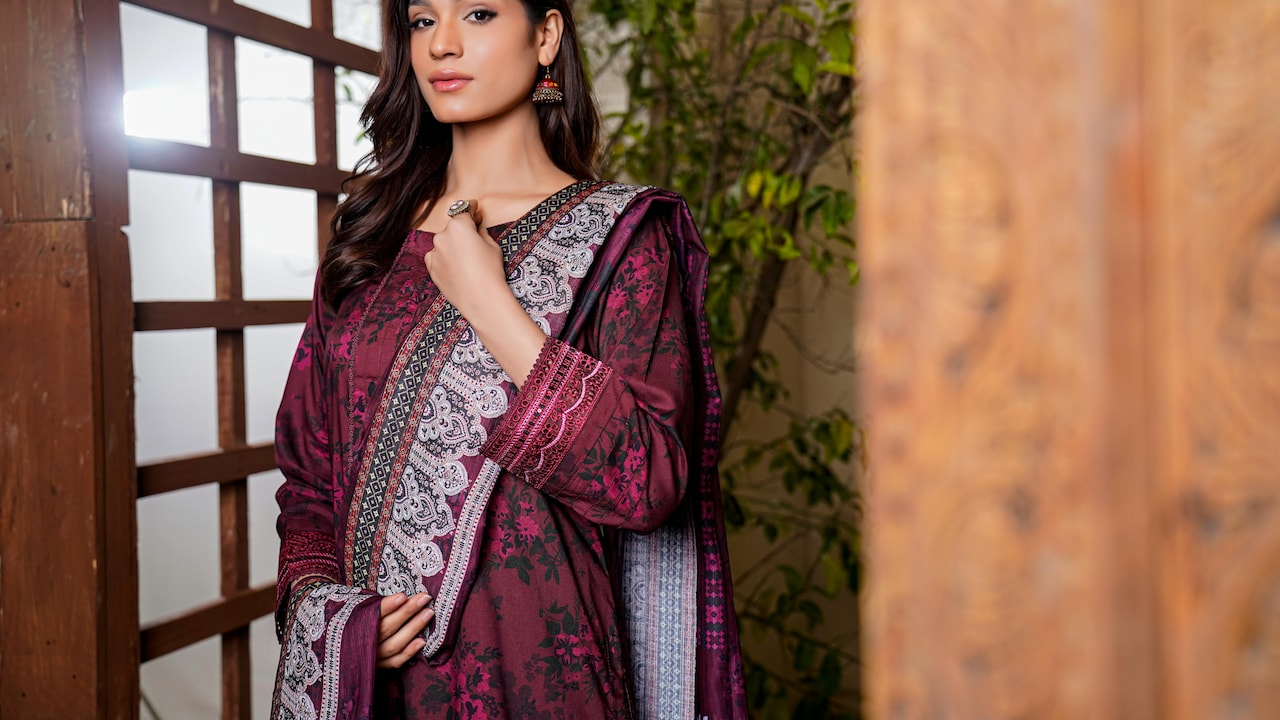
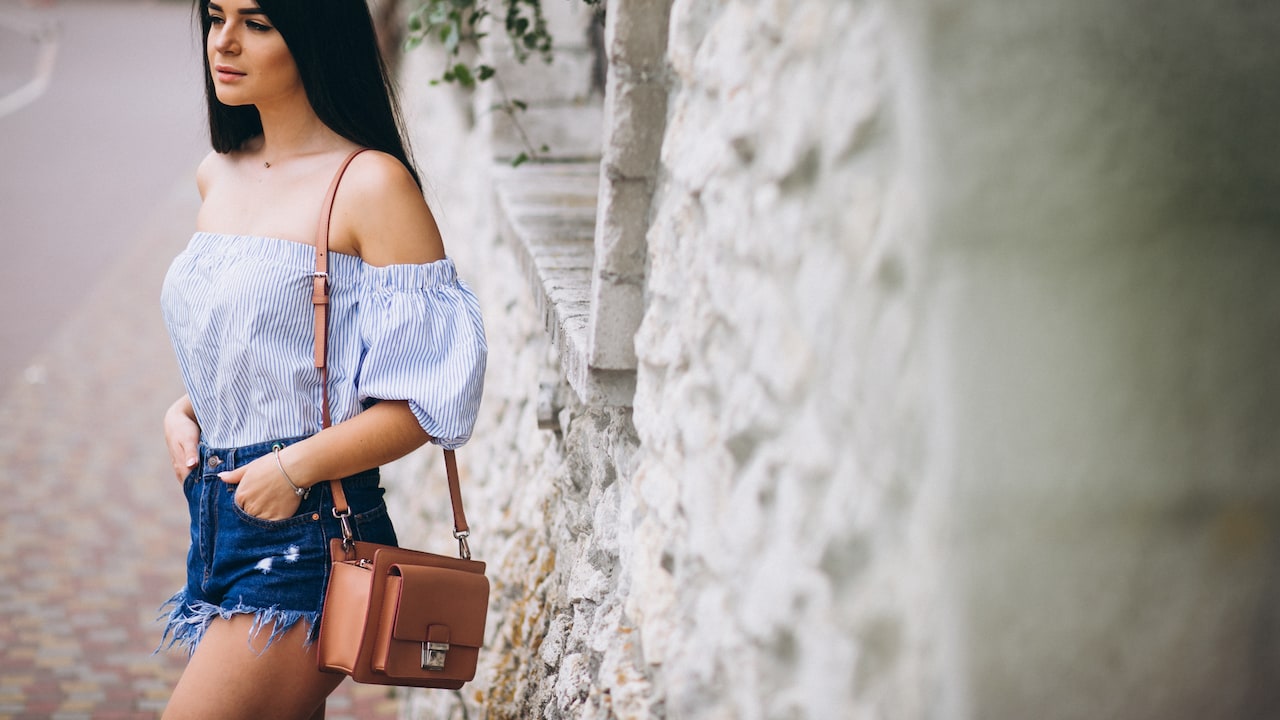
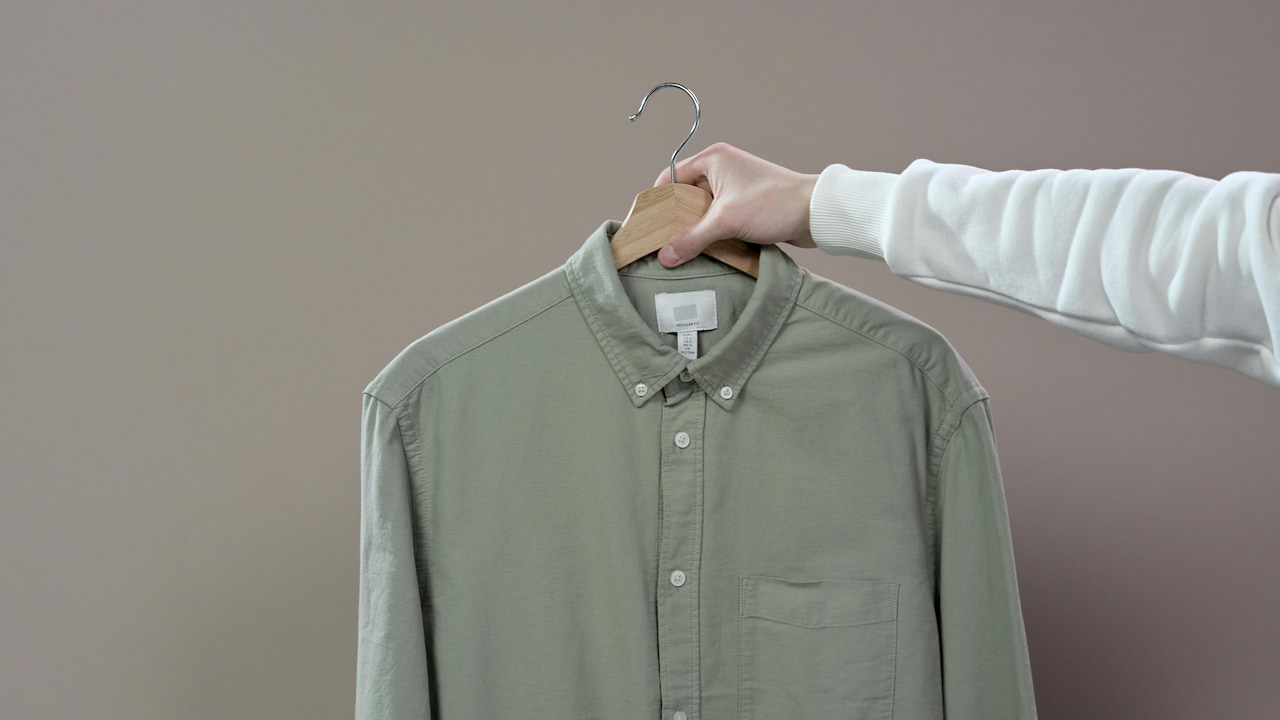
Why Cotton Blend Tops Are More Comfortable Than Pure Cotton; Photo Credit: Pexels
Why Cotton Blends Make More Sense for Everyday Wear
1. Breathability With Added Strength
Pure cotton breathes well, yet it lacks resilience. After several washes, fibres loosen and fabric thins. Cotton blends solve this problem with balance. Polyester or viscose threads strengthen the weave without blocking airflow.
During peak summer, blended tops allow heat to escape while holding their structure. Sweat evaporates faster, which reduces that sticky feeling during long afternoons. The fabric stays light even after hours outdoors.
Blended fibres also prevent sagging around collars and sleeves. A cotton-poly mix holds its shape after repeated wear. This matters for office wear and casual outfits alike. Nobody enjoys a neckline that stretches beyond recognition.
In daily life, strength equals confidence. Clothes move with the body and return to shape by evening. Cotton blends offer that reliability. They feel familiar yet perform better, which explains their growing presence in wardrobes across cities and small towns.
2. Wrinkle Resistance For Busy Mornings
Ironing feels therapeutic to some, yet most prefer extra sleep. Pure cotton wrinkles easily. Even careful folding fails to prevent creases. Cotton blend tops reduce this daily struggle.
Polyester fibres resist folding lines and bounce back quickly. A blended shirt pulled from a cupboard often looks presentable within minutes. This feature suits rushed mornings and sudden plans.
Wrinkle resistance also helps during travel. Long train journeys and packed suitcases leave pure cotton crushed. Blends emerge smoother and are ready to wear. This saves time and reduces the need for hotel irons or steaming tricks.
The appeal lies in convenience. Clothes should adapt to life, not demand extra effort. Cotton blends respect that idea. They keep outfits neat with minimal fuss, which makes them ideal for workdays, errands, and social gatherings.
Also Read: Top 5 Bralette Crop Tops To Upgrade Your Wardrobe On A Budget
3. Stretch That Supports Movement
Life rarely stays still. From climbing bus steps to bending over desks, clothes must move freely. Pure cotton lacks stretch unless knitted loosely. This can cause pulling at seams and discomfort during long wear.
Cotton blends often include elastane or spandex. Even a small percentage adds flexibility. Tops stretch gently with movement and return to shape without strain.
This stretch improves comfort during extended sitting or active days. Shoulders feel relaxed. Sleeves stay aligned. Waistlines adapt without digging in.
Stretch also increases durability. Fabric fibres face less tension, which reduces tearing and seam damage. Over time, blended tops maintain their original fit better than pure cotton ones.
Comfort should feel effortless. Stretch blends deliver that ease without sacrificing breathability or softness. They quietly support movement, making daily routines smoother and less restrictive.
4. Faster Drying In Humid Weather
Humidity challenges clothing choices. Pure cotton absorbs moisture and dries slowly. Damp fabric clings to skin and invites odour. Cotton blends dry faster, which improves comfort and hygiene.
Synthetic fibres release moisture quickly. This helps blended tops stay light even during sweaty commutes or sudden rain. After washing, they dry within hours, not days.
Faster drying also saves electricity. Shorter drying cycles reduce power bills, which matters in households watching monthly expenses. Air-drying becomes easier, even in shaded balconies.
This practical benefit suits monsoon seasons especially. Clothes stay fresh and wearable with less effort. Cotton blends handle moisture with grace, making them dependable across changing weather conditions.
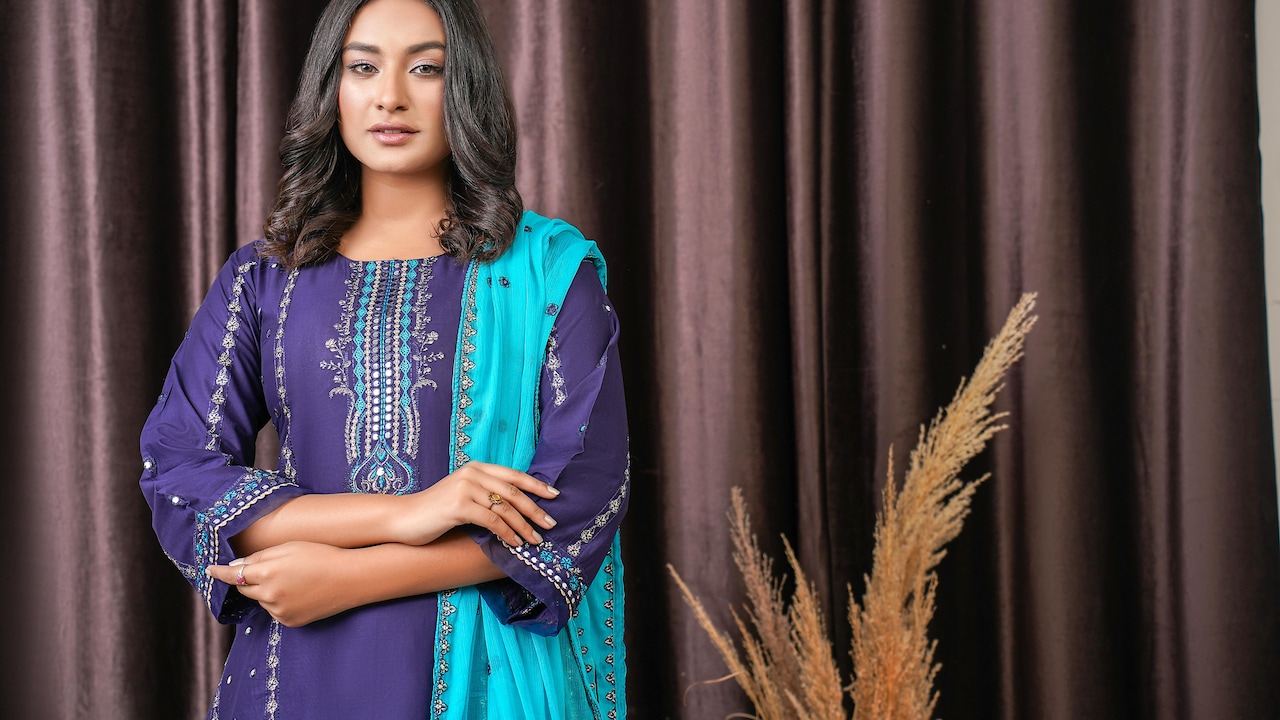
Why Cotton Blend Tops Are More Comfortable Than Pure Cotton; Photo Credit: Pexels
5. Better Colour Retention Over Time
Bright colours lift moods. Unfortunately, pure cotton fades quickly, especially with frequent washing. Colours dull, and prints lose sharpness. Cotton blend tops hold colour longer.
Polyester fibres bond with dyes more effectively. This keeps shades vibrant after multiple washes. Whites stay brighter. Dark tones resist that washed-out look.
Colour retention also extends garment life. Tops continue to look new, which delays replacement. This saves money and reduces waste.
In daily wear, appearance matters. A top that looks fresh boosts confidence, whether at work or on casual outings. Cotton blends preserve visual appeal while handling regular use. They prove that durability and style can coexist.
6. Softness That Improves With Innovation
Many assume blends feel rough. Modern textile technology challenges that belief. Cotton-modal and cotton-viscose blends feel incredibly soft, sometimes softer than pure cotton.
Modal fibres come from natural sources and add silk-like smoothness. These blends drape beautifully and feel gentle on the skin. Sensitive skin types often prefer them.
Softness also stays consistent. Pure cotton may stiffen after washing without fabric softener. Blended fabrics retain their smooth touch naturally.
Comfort begins with how fabric feels. Cotton blends deliver that comfort while offering added strength and flexibility. They feel luxurious without demanding special care, which suits everyday wear perfectly.
7. Shape Retention Through Repeated Wear
Pure cotton garments often lose shape. Elbows bag. Hems twist. Collars curl. Cotton blends resist these issues through structural support from synthetic fibres.
Shape retention matters for long-term wear. A top that fits well after months still feels worth the purchase. Blended fabrics hold seams firmly and maintain alignment.
This quality benefits workwear especially. Crisp lines convey professionalism. Casual tops also benefit, as they continue to flatter body shapes.
Good shape builds trust. Wearers reach for reliable garments repeatedly. Cotton blends earn that trust by staying consistent, wash after wash.
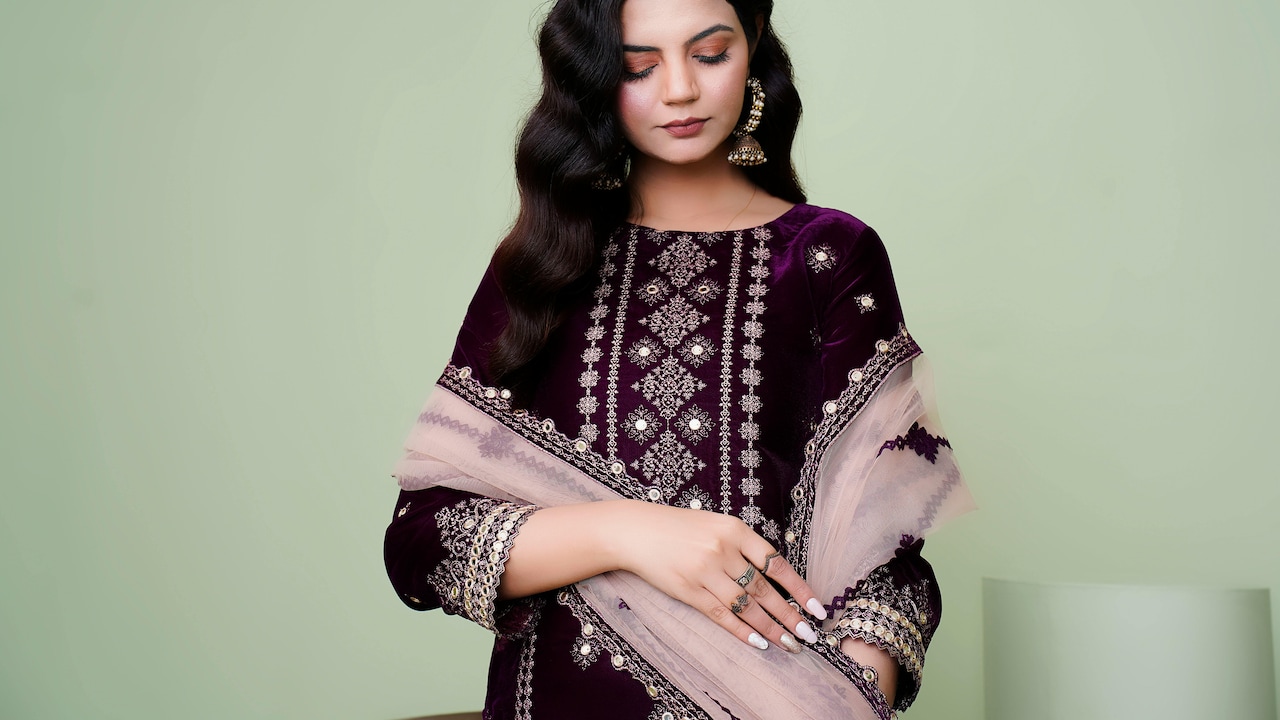
Why Cotton Blend Tops Are More Comfortable Than Pure Cotton; Photo Credit: Pexels
8. Affordable Longevity And Value
Clothing budgets matter. Pure cotton tops often cost less upfront, yet wear out faster. Cotton blends may cost slightly more initially, yet last longer.
Longevity means fewer replacements. Over a year, blended tops often cost less per wear. This offers better value for money.
For families managing multiple wardrobes, durability becomes crucial. School wear, office basics, and casual tees all benefit from longer life spans.
Spending ₹900 on a top that lasts two years beats spending ₹600 twice. Cotton blends support smarter purchasing decisions without compromising comfort or appearance.
9. Easy Care For Modern Lifestyles
Laundry routines shape fabric choices. Pure cotton demands care. It shrinks, wrinkles, and fades easily. Cotton blends simplify maintenance.
Most blended tops handle machine washing well. They resist shrinkage and keep form without special settings. Ironing becomes optional.
This ease suits households juggling work, family, and social life. Clothes should not add stress. Blends reduce laundry anxiety and free time for better things.
Low maintenance does not mean low quality. Cotton blends prove that practical clothing can still feel stylish and comfortable.
10. Sustainability Through Longer Wear
Sustainability often starts at home. Buying clothes that last reduces waste. Cotton blends support this approach through durability and resilience.
Longer wear means fewer discarded garments. This lowers textile waste and reduces resource consumption. Blended fabrics also require less frequent washing due to faster drying and odour resistance.
While pure cotton feels natural, its short lifespan increases consumption. Blends strike a balance between natural fibres and functional longevity.
Choosing cotton blend tops supports mindful consumption. They align comfort with responsibility, which matters in a world facing environmental strain.
Products Related To This Article
1. all about you Embellished Sequinned Khadi Saree
2. House of Pataudi Embroidered Mandarin Collar Kurta & Trousers
3. Sangria Boys Blue Printed Cotton Blend Straight Kurta & Pyjamas
4. SANISA Women Grey Cotton Blend Kurta Sets
5. YK Girls Magenta Cotton Blend Printed Kurta Sets
6. Sangria Women Printed Cotton Blend Kurta Sets With Dupatta
7. Ethnic Bay Men Ethnic Motifs Embroidered Regular Sequinned Kurta with Trousers
Pure cotton ethnic will always hold a special place in wardrobes. Its comfort and familiarity remain unmatched in many ways. Yet modern life demands more from clothing. Comfort must last longer. Fabrics must stretch, dry quickly, and maintain shape. Cotton blend tops rise to that challenge.
By combining cotton with supportive fibres, these blends improve durability without sacrificing softness or breathability. Choosing cotton blends does not mean abandoning tradition. It means refining it. These fabrics respect comfort while embracing practicality. For anyone seeking reliable, versatile clothing that keeps pace with everyday life, cotton blend tops prove that sometimes, mixing things up leads to better results.
(Disclaimer: This article may include references to or features of products and services made available through affiliate marketing campaigns. NDTV Convergence Limited (“NDTV”) strives to maintain editorial independence while participating in such campaigns. NDTV does not assume responsibility for the performance or claims of any featured products or services.)