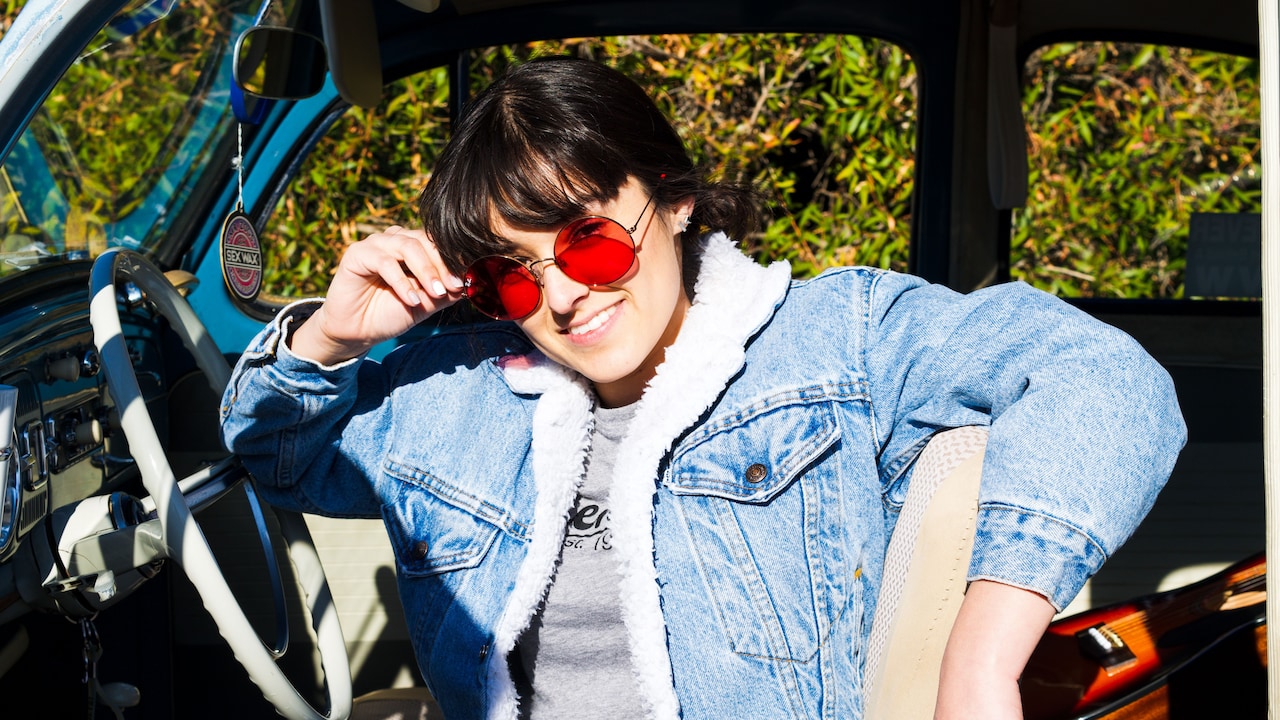
Does A Tight Yoke Always Cause Anarkali Kurtas To Ride Back? 10 Fit Myths Explained
A tight yoke is not always why an Anarkali kurta rides back. Discover 10 common fit myths about shoulders, bust shaping, armholes, lining and flare, and learn what really affects comfort, balance and drape.
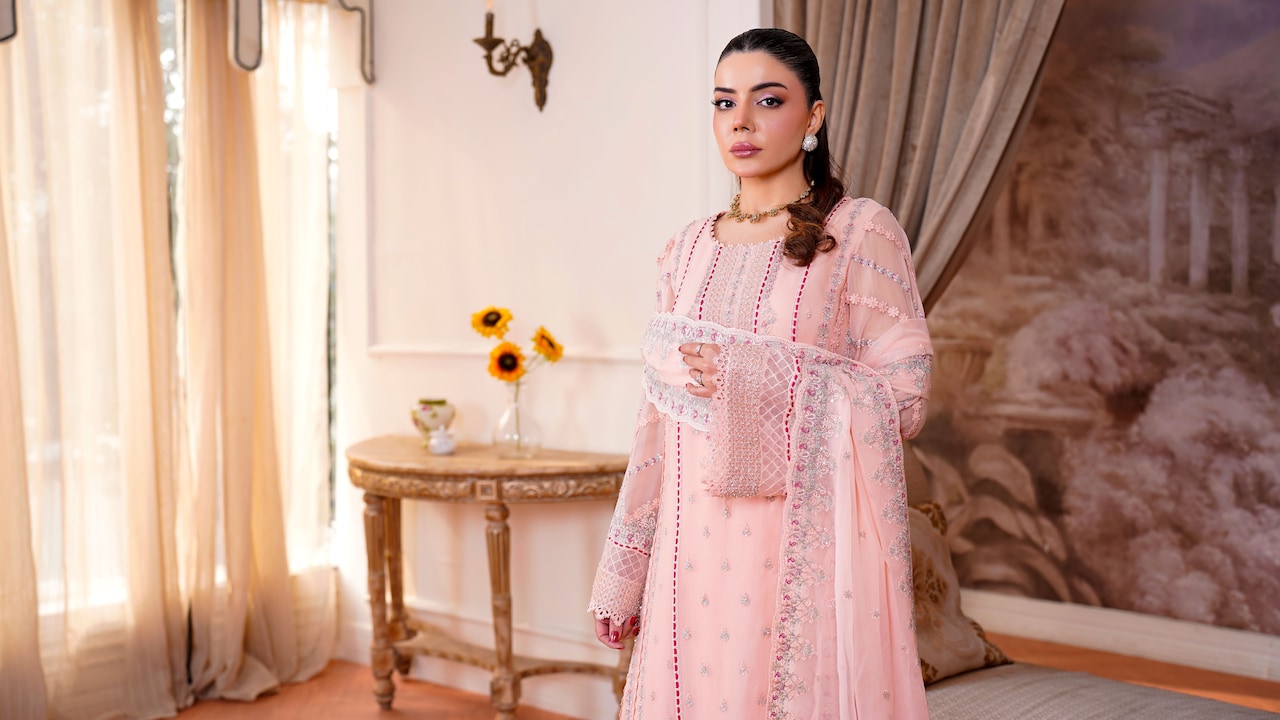
Most popular fitting issues in Anarkali suits and the myths related to them
There is something wonderfully dramatic about an Anarkali kurta. The fitted upper section gives way to a generous flare, creating movement even during an ordinary walk from the living room to the front door. Add a dupatta, jhumkas and a pair of comfortable juttis, and suddenly even a family lunch can feel slightly festive. That elegance, however, depends heavily on fit. Anyone who has spent an afternoon tugging the back of a kurta down knows the frustration. One minute the garment sits beautifully. A few steps later, the front looks lower, the back feels shorter and the neckline appears to have developed travel plans of its own. The yoke usually takes the blame. Sometimes rightly. Often not.
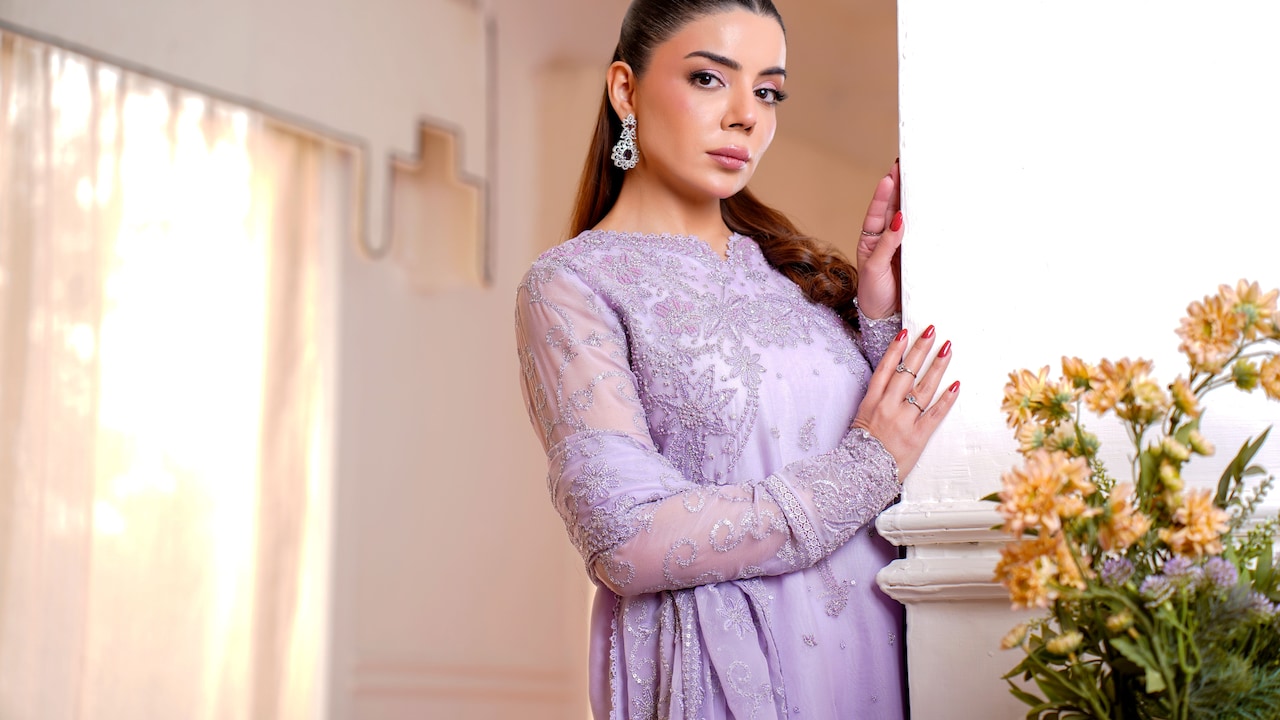
Common fitting myths related to Anarkali suits
Photo Credit: Pexels
Anarkali construction combines several fitting zones in one garment, which means a problem in the shoulder, bust, armhole or flare can show up somewhere completely different. Before asking the tailor to loosen everything by two inches, it helps to separate genuine fitting logic from familiar myths.
Also Read: From Assymetrical To Cape Style: Find Out Which Anarkali Kurta Suits You The Best
10 Anarkali Kurta Fit Myths That Could Be Ruining The Perfect Drape
1. A Tight Yoke Always Makes The Kurta Ride Back
This is perhaps the most popular Anarkali fit theory, and it contains only half the story.
A yoke that feels too tight across the bust or upper back can certainly pull the garment out of position. When there is not enough room for natural movement, the fabric searches for space and may creep upwards. Yet a kurta can ride back even when the yoke measurement looks generous on paper.
Shoulder slope, armhole shape and bust placement matter just as much. If the shoulder seam sits too far towards the back, for example, the entire garment may naturally travel in that direction. A shallow front armhole can create a similar tug.
This explains why randomly adding width at the side seams does not always solve the problem. Sometimes it merely produces a baggy kurta that still rides backwards.
A good fitting checks where the tension begins. Tiny drag lines around the armhole, neckline or bust often reveal more than the measuring tape does.
2. A Looser Yoke Automatically Means Better Comfort
Loose sounds comfortable, but clothing has a mischievous way of proving otherwise.
An oversized yoke can create its own set of problems. The shoulders may collapse, the neckline can gape and the weight of the flare may drag the upper section down unevenly. Instead of looking relaxed, the kurta can start resembling a garment borrowed hurriedly before a wedding function.
Comfort comes from appropriate ease rather than excessive width.
The wearer needs enough room to breathe, sit, raise an arm and enjoy a plate of chaat without negotiating with the outfit. At the same time, the yoke needs enough structure to support the flare beneath it.
Fabric makes a difference too. A soft rayon yoke may tolerate extra ease beautifully, while a structured brocade version may look bulky with the same allowance.
The useful question is not, “How loose can this be?” It is, “Where does this body need movement?” That small shift usually leads to a much cleaner fit.
3. If The Front Fits, The Back Must Fit Too
The front and back of the body are not matching cardboard cut-outs, so treating them as identical fitting zones causes trouble.
The front of an Anarkali has to accommodate the bust, while the back deals with shoulder blades, posture and the natural curve of the spine. Someone may need extra room through the front without requiring the same addition at the back. Another wearer may have rounded shoulders that demand more back length.
When both pieces receive identical adjustments, strange things can happen.
Extra fabric may pool near the lower back while the front remains tight. Alternatively, the back neckline may climb towards the neck even though the bust looks perfectly fitted.
Good tailoring considers front and back balance separately. This becomes particularly important in closely fitted yokes.
A quick side-view check can be revealing. If the waist seam rises noticeably at the front or back, the problem often involves length distribution rather than simple width. Fit, rather inconveniently, is three-dimensional.
4. Bust Tightness Can Always Be Fixed At The Side Seam
The side seam is the usual emergency exit for a tight kurta, but it cannot rescue every bust-fitting problem.
If the garment feels tight because the overall circumference is too small, releasing the side seam may help. But when the issue comes from incorrect bust shaping, adding width everywhere can create excess fabric under the arms without giving the bust the room it actually needs.
This is where darts, princess seams and curved yoke shaping earn their keep.
A well-cut Anarkali allows fabric to travel around the bust rather than stretching flat across it. Without that shaping, even the correct chest measurement can feel restrictive.
Watch the fabric closely. Horizontal pull lines across the bust suggest a shortage of room, while diagonal lines running towards the armhole may indicate that shaping or armhole balance needs attention.
The difference matters. Otherwise, a kurta can return from alteration wider at the waist, loose near the underarm and somehow still uncomfortable across the chest. Few tailoring disappointments are quite that efficient.
5. Deeper Armholes Always Give More Freedom
It sounds logical: bigger opening, easier movement. Unfortunately, armholes enjoy ignoring simple logic.
An armhole that is too tight can certainly pinch, rub and pull the kurta upwards. Yet making it dramatically deeper can reduce mobility rather than improve it. When the armhole sits too low, lifting the arm often takes a large section of the bodice along with it.
That familiar moment when reaching for the top shelf causes the whole kurta to rise? A low armhole may be contributing.
A well-fitted armhole sits reasonably close to the body without cutting into the underarm. Its shape also matters. Front and back curves need to reflect how the body actually moves.
Sleeves enter the equation as well. A narrow sleeve cap or tight upper sleeve can tug at the armhole and make the entire yoke feel smaller than it is.
So before enlarging the opening, check whether the true culprit is depth, curve, sleeve width or all three having a small argument together.
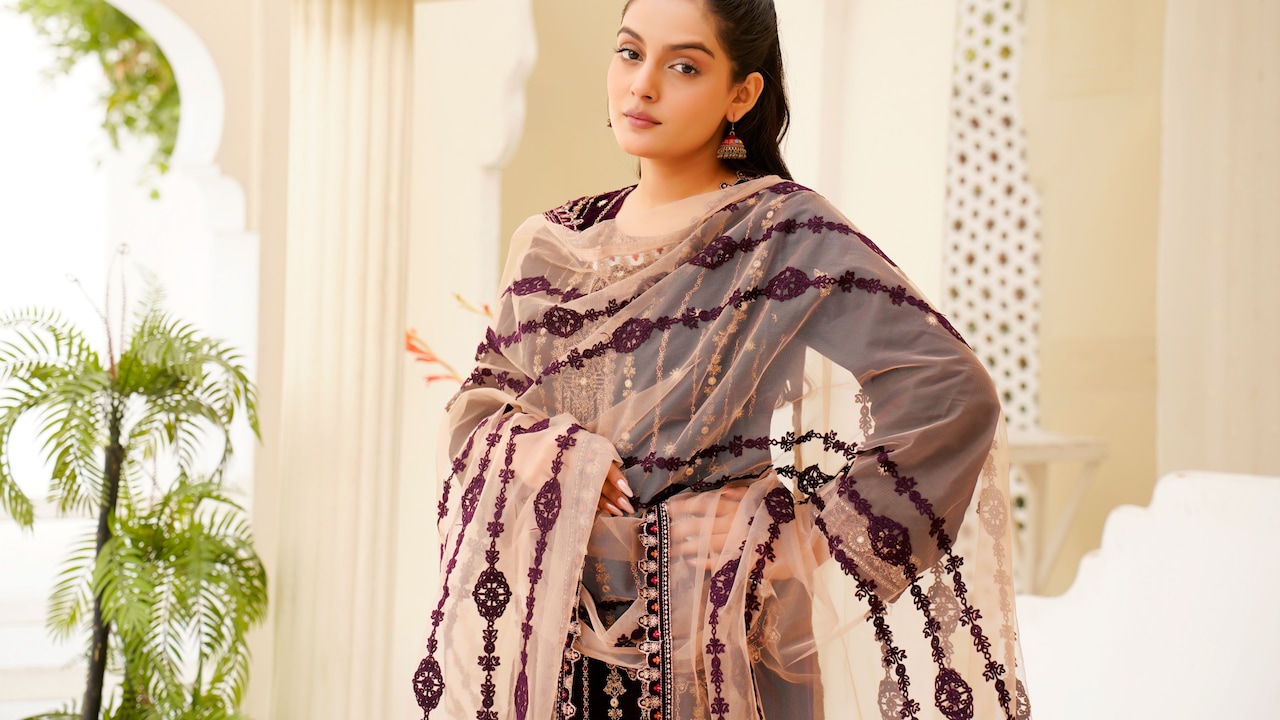
Deeper armholes may not always mean more room to move freely
Photo Credit: Pexels
6. Shoulder Seams Are Only A Cosmetic Detail
Shoulder seams may look like quiet construction lines, but they have enormous influence over how an Anarkali hangs.
If a shoulder seam is too long, the sleeve can drop away from its intended position. If it is too short, the fabric may pull across the upper chest and back. A seam placed too far backwards or forwards can shift the balance of the whole garment.
Then there is shoulder slope.
Some shoulders are fairly straight, while others slope more noticeably towards the arm. A pattern that ignores this difference may produce folds near the neckline, wrinkles below the shoulder or a kurta that keeps migrating backwards despite plenty of room through the bust.
This is why trying on a garment from the side matters. The shoulder seam should usually sit near the natural top of the shoulder rather than wandering behind it.
It is a tiny area with surprising authority. Think of the shoulder line as the kurta's hanger. Get the hanger wrong, and everything underneath starts negotiating.
7. More Flare Can Never Affect Upper-Body Fit
A glorious Anarkali flare looks romantic in motion, but all that fabric has weight.
When several metres of fabric hang from a fitted yoke, gravity joins the fitting session. Heavy cotton, brocade, velvet or a generously lined skirt can place considerable downward tension on the seam where the flare joins the bodice.
If the flare is distributed unevenly, that weight may pull more strongly at the front, sides or back. The neckline can shift and the waist seam may tilt.
This becomes especially noticeable when embellishment enters the picture. Borders, embroidery and dense panels can make one section heavier than another.
The solution is not necessarily less flare. It is better distribution and proper support.
A stable waist seam, sensible panel placement and an appropriately fitted yoke help carry the weight evenly. With very heavy fabrics, a tailor may also need to reinforce key seams.
So yes, the skirt of an Anarkali can influence what happens near the shoulders. Fashion has its own little laws of physics.
8. Lining Does Not Change The Fit
Lining may hide quietly inside the kurta, but it can completely change how the garment feels.
A lining cut smaller than the outer fabric acts like an invisible tight layer. The Anarkali may appear to have enough room, yet movement feels restricted because the lining reaches its limit first. This often happens around the bust, armhole and hip.
The reverse causes problems too. An overly loose lining may bunch, twist or peek through the armhole.
Fabric compatibility matters. A stiff cotton lining under a fluid georgette Anarkali can change the drape considerably. A slippery lining may feel more comfortable but needs accurate cutting to avoid shifting.
Shrinkage deserves attention as well. If one layer shrinks more than the other after washing, the kurta can suddenly appear distorted despite fitting beautifully before.
Before altering the outer garment, check the lining separately. Sometimes releasing a centimetre there solves the entire mystery and saves an unnecessarily dramatic reconstruction.
9. Ready-Made Size Labels Tell The Whole Fit Story
A label that says M, L or XL offers a starting point, not a personal fitting certificate.
Two Anarkalis carrying the same size can have very different shoulder widths, bust ease, yoke lengths and armhole depths. Brands also work with different blocks, which means a comfortable medium in one shop may feel unexpectedly snug elsewhere.
Body proportions add another layer.
Two people with the same bust measurement may carry that measurement differently. One may need more front length, another more back width and someone else a broader shoulder.
That is why shopping purely by the label can become an expensive guessing game, particularly when alteration charges start creeping towards ₹500 or more for complicated work.
When possible, assess the actual garment. Check where the shoulder sits, whether the neckline lies flat, whether the waist seam remains level and whether sitting feels as comfortable as standing.
The label cannot report any of those things. It is merely a suggestion stitched discreetly near the neck.
10. Every Fit Problem Needs A Major Alteration
A badly behaved Anarkali can create the impression that the whole garment needs to be opened, recut and introduced to a completely new life.
Often, the fix is far smaller.
A shoulder may need lifting by half an inch. The front armhole might need a subtle reshaping. A sleeve could require a touch more width. Sometimes moving a hook, reducing bulky seam allowance or correcting the lining is enough to transform the fit.
That is why identifying the direction of pull matters before reaching for the scissors.
Wear the kurta for a few minutes. Walk, sit, raise the arms and look at where wrinkles appear. A garment communicates surprisingly clearly through folds and tension lines.
Major alterations should come after diagnosis, not before it.
This approach also protects the original silhouette. An Anarkali depends on proportion, and aggressive alterations can disturb the neckline, embroidery placement or flare balance.
In tailoring, the smallest correction often gives the most satisfying result. Rather like adjusting one crooked cushion and discovering the entire sofa suddenly looks respectable.
Products Related To This Article
1. KALINI Women Mustard Yellow Floral Printed Angrakha Anarkali Kurta with Tassel Tie-Up
2. SATITHA Women Floral Printed Block Print Anarkali Kurta
3. Sangria Women Cotton Kurtas
4. Kalphem Women Bandhani Printed Anarkali Kurta
5. Anouk Mirage Women Floral Embroidered Mirror Work Floral Anarkali Kurta
6. She Moda Women Gotta Patti Anarkali Kurta
7. Janasya Women Lavender Dobby Chiffon Self Design Flared Kurta
An Anarkali kurta riding backwards does not automatically mean the yoke is too tight. Fit is a conversation between shoulder slope, bust shaping, armholes, sleeves, lining, flare, fabric weight and the body's individual proportions.
That may sound complicated, but it is actually useful news. It means discomfort does not always demand drastic alteration.
Instead of adding inches everywhere, look for clues. Notice where the seam tilts, where the fabric pulls and what happens when the arms move. Check the lining before blaming the outer layer. Look at the shoulder before enlarging the bust. Most importantly, judge the garment on the body rather than trusting a size label or a familiar tailoring rule.
A beautifully fitted Anarkali should move with the wearer, not spend the day demanding to be tugged back into place. Once the myths disappear, finding that graceful fit becomes much less mysterious.
(Disclaimer: This article may include references to or features of products and services made available through affiliate marketing campaigns. NDTV Convergence Limited (“NDTV”) strives to maintain editorial independence while participating in such campaigns. NDTV does not assume responsibility for the performance or claims of any featured products or services.)