Does The Right Chest Size Guarantee A Comfortable Denim Jacket? 10 Fit Myths Explained
Chest size alone cannot guarantee a comfortable denim jacket. Discover 10 common fit myths about shoulders, sleeves, length, layering and fabric to help you choose a jacket that looks sharp and feels right.

Denim Jacket Fit Guide: 10 Common Myths About Chest Size And Comfort
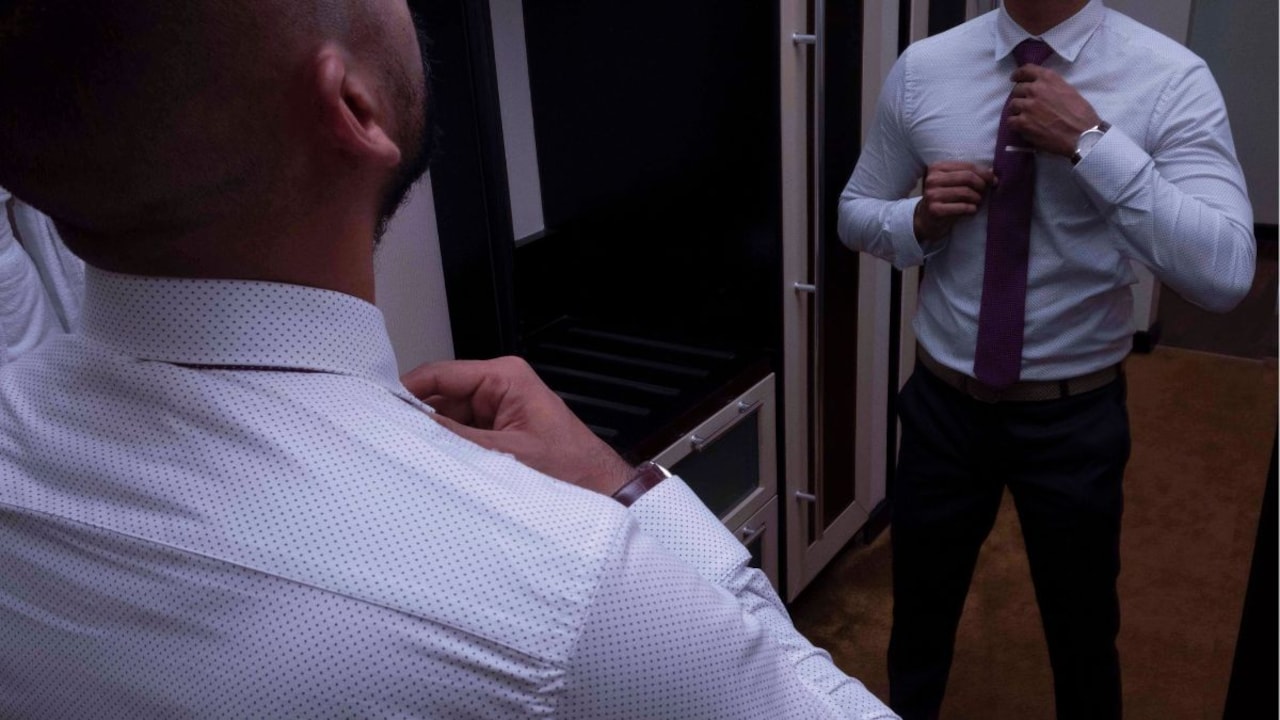
Buying a denim jacket often begins with one familiar ritual: check the chest measurement, glance at the size label and hope for the best. It sounds sensible. After all, if the jacket fits around the chest, what could go wrong? Quite a lot, as it turns out. A denim jacket is not a simple tube of fabric. It has shoulders that need to sit correctly, sleeves that need room to bend, armholes that can either liberate or trap movement, and a hem that changes how the whole outfit looks. Add thick denim, layering and the occasional post-wash surprise, and chest size suddenly becomes only one part of the story. Anyone who has tried on a jacket that looked sharp in the mirror but became irritating during a bike ride, metro journey or café visit knows the feeling. The buttons may close perfectly while the shoulders pull like an overenthusiastic gym trainer. A good fit should look intentional without making everyday movement feel like a challenge. That means leaving behind a few stubborn myths about sizing, tailoring and denim itself. Here are ten worth reconsidering.

Denim Jacket Fit Guide: 10 Common Myths About Chest Size And Comfort; Photo Credit: Pexels
10 Denim Jacket Fit Myths That Could Be Ruining Your Comfort
1. Myth: The Right Chest Measurement Guarantees A Perfect Fit
Chest size matters, but treating it as the final verdict is where many denim jacket purchases go wrong.
Two people with the same chest measurement can have very different shoulder widths, arm lengths, torso shapes and posture. One jacket may sit beautifully on one person while bunching around the upper back on another. The label has not lied; it simply cannot describe an entire body with one number.
A better test begins after the buttons close. Raise both arms. Reach forward as though grabbing a backpack from a train rack. Sit down. Fold the arms. If the jacket pulls sharply across the back or digs into the armpits, the chest measurement has not saved the fit.
Ease matters too. A 102 cm chest does not necessarily need a jacket measuring exactly 102 cm around the body. Clothing usually needs extra room for movement and layering.
Think of chest size as the opening clue in a detective story, not the culprit already caught. It helps narrow the search, but shoulders, sleeves, and overall proportions still need questioning.
Also Read: 5 Best Denim Jackets for Women With Vintage Wash Under ₹1500
2. Myth: A Tighter Denim Jacket Always Looks Smarter
Slim and suffocating are not the same thing.
A fitted denim jacket can certainly look polished. Clean lines around the torso often create a sharper silhouette, especially when worn over a T-shirt or lightweight shirt. Problems begin when “fitted” turns into “barely breathing”.
Watch the button placket. If the fabric forms obvious horizontal strain lines when the jacket is fastened, it is probably too tight. The same warning applies when chest pockets flare outward or the front panels pull apart dramatically near the buttons.
Movement offers another clue. Try reaching for a wallet in the back pocket or steering a scooter. A jacket that immediately fights back may look impressive while standing still, but clothing has to survive real life.
There is also the question of fabric. Rigid denim may soften with wear, yet relying on dramatic stretching is risky. Some jackets relax slightly; they do not magically become two sizes larger.
A smart fit should skim the body rather than cling to it. Denim already carries enough attitude. It does not need to behave like compression wear.

Denim Jacket Fit Guide: 10 Common Myths About Chest Size And Comfort; Photo Credit: Pexels
3. Myth: Shoulder Fit Does Not Matter If The Chest Fits
Shoulders can make or break a denim jacket faster than almost any other detail.
Ideally, the shoulder seam should sit close to the natural edge of the shoulder. When it hangs noticeably beyond that point, the jacket may look droopy unless an intentionally oversized style is the goal. When the seam sits too far inward, the upper body can appear squeezed.
Poor shoulder fit also affects comfort. Tight shoulders restrict reaching and create tension across the upper back. That becomes especially obvious during everyday movements such as putting on a backpack, driving or lifting a bag onto a shelf.
Unfortunately, shoulders are among the trickier areas to alter. Taking in the waist is relatively straightforward for an experienced tailor. Rebuilding shoulders can involve significant work and may not justify the cost on an everyday jacket.
That makes shoulder fit worth checking before getting distracted by wash, buttons or pocket design.
A ₹3,000 jacket with excellent shoulders will usually feel better than a ₹6,000 jacket bought merely because the colour looked irresistible. Style gets attention, but structure decides whether the jacket leaves the wardrobe.
4. Myth: Denim Jackets Should Feel Stiff And Uncomfortable At First
New denim can feel firm. It should not feel like cardboard armour.
Heavy or raw denim often starts slightly rigid because the fibres have not yet relaxed through wear. Over time, the fabric can soften and develop more natural folds around the elbows, shoulders and waist. That break-in period is part of denim's charm.
Still, there is a difference between stiffness and poor fit.
If the collar rubs aggressively against the neck, the armholes pinch or the shoulders prevent normal movement, waiting six months for the jacket to “break in” may only produce six months of annoyance.
Fabric composition matters as well. Traditional 100% cotton denim generally feels firmer, while denim containing a small percentage of elastane can offer more flexibility from the beginning. Neither option is automatically superior. It depends on whether structure, stretch or vintage character matters more.
The sensible approach is simple: allow for some initial firmness, but expect basic mobility from day one.
Denim can develop personality with wear. Your shoulders should not have to develop survival skills alongside it.
5. Myth: Going One Size Up Fixes Every Comfort Problem
Sizing up can solve some issues, but it can create several new ones.
Suppose a medium jacket fits the chest but pinches around the shoulders. Moving to a large may offer extra breathing room, yet the sleeves might suddenly cover half the hands and the hem may sit awkwardly low. The chest could also become unnecessarily boxy.
This happens because clothing sizes usually increase across several dimensions at once. Manufacturers do not simply add space where one person happens to need it.
The better solution is to identify the actual problem. Tight shoulders may require a different cut. A short hem may call for a longer fit. Large upper arms may feel better in a jacket with roomier sleeves or lower armholes.
Body proportions rarely follow standard size charts neatly, which is why trying different fits within the same nominal size can be more useful than simply moving up.
A relaxed-fit medium and a slim-fit large may have completely different proportions.
So, before climbing the size ladder, ask where the discomfort actually comes from. Sometimes the wrong size is the problem. Quite often, it is simply the wrong pattern.
6. Myth: Sleeve Length Is Just A Style Preference
Sleeves affect both appearance and practicality.
For a classic denim jacket, the cuff usually works best around the wrist bone when the arms rest naturally. Slight variations are normal, particularly with cropped, oversized or workwear-inspired designs.
Sleeves that are much too short can expose the wrists every time the arms move forward. That may not matter during a quick mirror check, but it becomes obvious while riding, driving or carrying shopping bags.
Excessively long sleeves create another problem. They bunch around the cuffs, cover the hands and can make an otherwise neat jacket look borrowed.
There is also sleeve width to consider. Someone with broader forearms or muscular upper arms may find the length perfect while the sleeve itself feels restrictive.
Try bending the elbow fully during a fitting. Then reach forward. Denim should crease naturally without cutting into the arm.
Minor sleeve adjustments may be possible, although original cuffs and button placements can complicate alterations.
The lesson is easy to remember: sleeves are not decorative tubes hanging from a jacket. They are moving parts, and they need to behave like them.

Denim Jacket Fit Guide: 10 Common Myths About Chest Size And Comfort; Photo Credit: Pexels
7. Myth: A Denim Jacket Should Fit The Same With Every Outfit
A jacket that fits beautifully over a thin T-shirt may feel completely different over a hoodie in December.
Layering changes the amount of space required inside the garment. Thick sweatshirts, flannel shirts and knitted jumpers add bulk around the chest, shoulders and arms. If the jacket was purchased with an extremely close fit, winter layering can turn fastening the buttons into a competitive sport.
The intended use should therefore influence sizing.
Someone wearing denim mostly over lightweight tees can choose a closer fit. Someone planning to use it as an outer layer during cooler evenings may appreciate additional ease through the torso and sleeves.
This does not mean buying an unnecessarily oversized jacket “just in case”. Instead, take the thickest layer likely to be worn underneath when trying jackets.
The climate matters too. In cities where most of the year stays warm, a roomy heavy jacket may spend more time hanging behind a door than being worn.
Comfort is contextual. The perfect fit is not simply the jacket against the body. It is the jacket, the clothing underneath and the life happening around both.
8. Myth: Jacket Length Has Nothing To Do With Comfort
Length is often discussed as a style issue, but it also affects how a jacket behaves when sitting, walking and bending.
Traditional denim jackets tend to finish around the waist or upper hip. That shorter cut originally made them practical workwear, and it still gives them their recognisable shape.
A jacket that is too short may ride upward whenever the arms lift. It can also leave shirts hanging far below the hem in a way that feels visually unbalanced. A very long jacket, meanwhile, may bunch around the waist when sitting or interfere with trouser pockets.
Body height and torso length matter here. Two people wearing the same chest size can need noticeably different jacket lengths.
Try sitting in the changing room if possible. It may feel slightly odd, but it reveals more than another dramatic turn in front of the mirror. Check whether the hem pushes upward, folds heavily or feels restrictive around the stomach.
Fashion photography loves standing poses. Daily life contains chairs.
The best jacket length should look balanced while standing and remain comfortable once the nearest plastic café stool enters the picture.
9. Myth: Denim Never Changes Size After Washing
Denim can absolutely change after washing, especially when heat gets involved.
Cotton fibres may shrink, and the amount varies according to fabric treatment, construction and washing method. Sanforised denim has usually been processed to reduce shrinkage, while unsanforised or shrink-to-fit denim can change more noticeably.
Even pre-washed jackets are not completely immune to small changes.
Hot water and high dryer temperatures can make matters worse. A jacket that already fits closely may become less forgiving after an enthusiastic laundry session.
That does not mean denim needs ceremonial treatment. Checking the care label and using sensible washing habits usually does the job. Cool or cold water, gentle cycles and air drying often help preserve both shape and colour.
Frequent washing can also fade denim faster, although some people enjoy the worn-in character that develops.
When buying a close-fitting jacket, leave enough room for normal movement rather than counting on the exact fresh-from-the-shop dimensions forever.
Fabric lives a little. It softens, creases, fades and sometimes shrinks. That changing character makes denim interesting, but it also means fit deserves some forward thinking.
10. Myth: If A Jacket Looks Good In The Mirror, The Fit Is Good
Mirrors are excellent salespeople. Stand upright, straighten the shoulders, adjust the collar and almost any half-decent jacket can enjoy a few glorious seconds. Real life is less cooperative. Comfort reveals itself through movement.
Walk around. Sit. Reach above the head. Fold the arms. Pretend to hold handlebars. Put both hands into the pockets. If possible, wear the jacket for several minutes rather than deciding within twenty seconds.
Pay attention to small irritations. A collar touching the neck may seem harmless initially but become annoying after an hour. Tight cuffs can interfere with a watch. High armholes can rub. Heavy folds near the stomach can become uncomfortable while sitting.
The visual test still matters, of course. A jacket should make the wearer feel put together. Yet appearance works best alongside mobility.
Take photographs from the side and back if needed. Changing-room mirrors sometimes hide proportions that a phone camera reveals immediately.
The right denim jacket should survive more than a pose. It should handle a commute, a coffee run, a spontaneous road trip and several hours of pretending the weather is cool enough to keep it on.
Products Related To This Article
1. BAESD Women Spread Collar Solid Denim Jacket
2. Tokyo Talkies Women Denim Jacket
3. Glitchez Crop Denim Jacket with Frayed Hem
4. Tokyo Talkies Women Denim Jacket
5. DressBerry Women Spread Collar Crop Jacket with Patchwork
6. SASSAFRAS Navy Blue Spread Collar Denim Jacket
7. Roadster The Lifestyle Co Collared Denim Jacket
So, does the right chest size guarantee a comfortable denim jacket? Not quite. Chest measurement provides a useful starting point, but comfort comes from the way the entire jacket works with the body. Shoulder placement, sleeve length, armhole shape, jacket length, fabric weight and layering room all influence the final result.
The best fit usually feels slightly uneventful, and that is a compliment. Nothing digs in. Nothing rides up dramatically. The buttons close without negotiation. The arms move naturally. The jacket looks good without demanding constant adjustment.
That is far more valuable than choosing a size simply because a chart says it should fit.
Denim jackets often stay in wardrobes for years, collecting fades, creases and memories along the way. A little extra attention in the fitting room can prevent those years from becoming a long relationship with stiff shoulders and sleeves that never quite behave. Measure the chest, certainly. Just do not stop there.
(Disclaimer: This article may include references to or features of products and services made available through affiliate marketing campaigns. NDTV Convergence Limited (“NDTV”) strives to maintain editorial independence while participating in such campaigns. NDTV does not assume responsibility for the performance or claims of any featured products or services.)