Are Anti-Theft Backpacks Worth It? How To Pick Functional Options
Smart design or smart marketing? Anti-theft backpacks promise security in crowded spaces. This is a practical guide to whether they are worth the spend and how to choose one that truly protects your essentials.

Anti-Theft Backpacks Explained: Do They Really Work And How To Choose The Best One.
A daily commute often feels like a mini obstacle course. One moment involves squeezing into a packed metro coach, the next means weaving through a lively market street. In such settings, backpacks carry more than laptops and lunchboxes. They carry trust. That trust can wobble in crowded spaces where distractions run high, and hands move quickly.
Anti-theft backpacks have entered the scene as modern-day armour. Brands market them with bold claims of hidden zips, secret compartments, and slash-proof fabric. Prices range from ₹1,500 to ₹7,000 or more, which naturally raises a question. Are these bags genuinely protective, or simply clever marketing wrapped in sturdy polyester?
Understanding their real value requires more than glancing at features online. It calls for a closer look at everyday use, comfort, practicality, and long-term durability. The answer rarely sits in flashy adverts. It sits in how the bag performs during a humid commute, a weekend train journey, or a late-night cab ride home.

Are Anti-Theft Backpacks Worth It? How To Pick Functional Options
Photo Credit: Pexels
What To Consider Before Buying An Anti-Theft Backpack
Hidden Zips And Rear Openings: Do They Actually Work?
One of the most common features in anti-theft backpacks involves concealed zips. Designers often place the main zipper against the wearer's back, which prevents easy access from behind. On paper, that sounds brilliant. In reality, it proves quite effective in crowded spaces such as local trains or festival gatherings.
A thief relies on speed and distraction. A rear-opening design forces extra effort and awkward angles. That alone discourages casual pickpockets. However, this design also affects daily convenience. Reaching for a wallet or metro card becomes slightly slower. Quick access disappears, which some may find frustrating during rushed mornings.
Still, for those who carry laptops worth ₹60,000 or important documents, the trade-off often feels reasonable. The key lies in testing accessibility before purchase. A backpack should slow down thieves, not the owner. Hidden zips work best when paired with smooth internal organisation, so rummaging does not turn into chaos at security checks.
Slash-Resistant Materials: Marketing Gimmick Or Genuine Shield?
Many anti-theft backpacks boast slash-resistant fabric reinforced with mesh or wire. The idea sounds dramatic, almost cinematic. The reality proves more grounded yet practical. In densely populated areas, theft sometimes involves cutting through thin bags to grab contents quickly.
Slash-resistant material offers an added layer of protection. It reduces vulnerability in unpredictable situations, particularly while travelling overnight by bus or train. However, not all reinforced fabrics perform equally. Some brands use thin lining that resists minor cuts but fails against sharp blades.
Checking product specifications matters. Durable polyester combined with internal metal mesh usually signals better protection. The bag should feel sturdy without becoming overly heavy. A bag that weighs too much quickly turns into a shoulder ache by evening.
For daily city use, slash resistance offers peace of mind rather than absolute security. It works best as part of a broader design strategy, not as the sole selling point.
Lockable Compartments And USB Ports: Practical Or Overrated?
Lockable zips attract buyers instantly. The thought of adding a small padlock brings comfort, especially during long-distance train journeys. While these locks deter opportunistic theft, they do not replace vigilance. A determined thief can still target unattended luggage.
Nevertheless, lockable compartments add a psychological barrier. That barrier often prevents casual interference. For students travelling between campuses or professionals carrying gadgets, the feature adds value.
USB charging ports present another popular feature. Built-in external ports allow charging devices using an internal power bank. During long days out, this proves convenient. Yet, quality matters. Cheap wiring risks malfunction after a few months.
When evaluating these features, practicality should guide decisions. A bag should simplify life, not complicate it. Lockable zips and USB ports serve best when integrated neatly without adding bulk or compromising durability.
Weight And Comfort: The Feature No One Talks About Enough
Security means little if shoulders ache after thirty minutes. Many anti-theft backpacks sacrifice lightness for protection. Thick padding, metal layers, and heavy zippers add weight quickly.
Comfort should rank high in any decision. Padded shoulder straps, breathable back panels, and balanced weight distribution matter immensely in humid climates. Sweaty backs and stiff straps ruin daily commutes.
Testing the bag with actual items before purchase helps. Add a laptop, water bottle, charger, and notebook. Walk around for ten minutes. Does the bag feel balanced? Does it strain one shoulder more than the other?
An effective anti-theft backpack protects belongings without punishing posture. The ideal option blends safety with ergonomic design. After all, a secure bag that remains unused due to discomfort defeats its purpose entirely.
Storage Layout: Organisation Makes The Difference
Security features impress, but internal organisation determines everyday satisfaction. A backpack might resist theft, yet frustrate its owner if compartments feel chaotic.
Look for dedicated padded laptop sleeves, separate sections for cables, and smaller zipped pockets for keys and coins. Quick-access pockets placed thoughtfully inside the bag help maintain order. When compartments stay organised, retrieving items becomes swift even with rear-opening designs.
For professionals attending meetings, a structured interior prevents embarrassing rummaging. For students, it keeps books and gadgets from clashing together. Organisation reduces stress during busy mornings.
Well-designed interiors often reflect thoughtful craftsmanship. They show that the brand considered real-life usage rather than simply focusing on flashy marketing claims. An organised backpack saves time daily, which makes it worth far more than decorative features.
Water Resistance: Essential For Unpredictable Weather
Sudden rain showers surprise commuters regularly. Streets flood quickly, and water seeps into unprotected bags. Anti-theft backpacks often include a water-resistant coating, which proves incredibly valuable.
Water resistance protects laptops, documents, and electronics from damage that could cost thousands of rupees. Even light drizzle can cause harm if the bag absorbs moisture easily.
Check for high-quality zippers and sealed seams. Water-resistant fabric alone cannot guarantee protection if stitching remains exposed. A good bag should handle moderate rain without panic.
While extreme downpours require additional covers, daily water resistance offers reassurance. In humid conditions, moisture protection adds longevity to the bag as well. Fabrics that resist water also resist wear and staining more effectively.
A reliable anti-theft backpack should combine protection against both theft and weather. Urban life presents multiple challenges, and preparation pays off.
Price Versus Value: What Does ₹3,000 Really Buy?
Price often shapes perception. A bag priced at ₹800 may claim anti-theft features, yet durability might falter quickly. On the other hand, spending ₹7,000 does not automatically guarantee superior performance.
The sweet spot often lies between ₹2,500 and ₹4,000. Within this range, buyers usually find sturdy materials, practical layouts, and reliable zippers. However, brand reputation matters too. Reading user reviews reveals patterns in long-term durability.
Instead of chasing the cheapest or most expensive option, consider usage patterns. A daily commuter who carries valuable gadgets benefits from investing slightly more. Occasional travellers might prefer mid-range options.
True value lies in longevity. A backpack that lasts four years delivers better value than replacing cheaper alternatives annually. Evaluating stitching quality, zip strength, and padding thickness helps determine whether the price reflects genuine craftsmanship.
Style And Subtlety: Blending In Matters
Overly flashy designs attract attention. Ironically, that defeats the purpose of anti-theft design. A sleek, understated backpack often works best in busy environments.
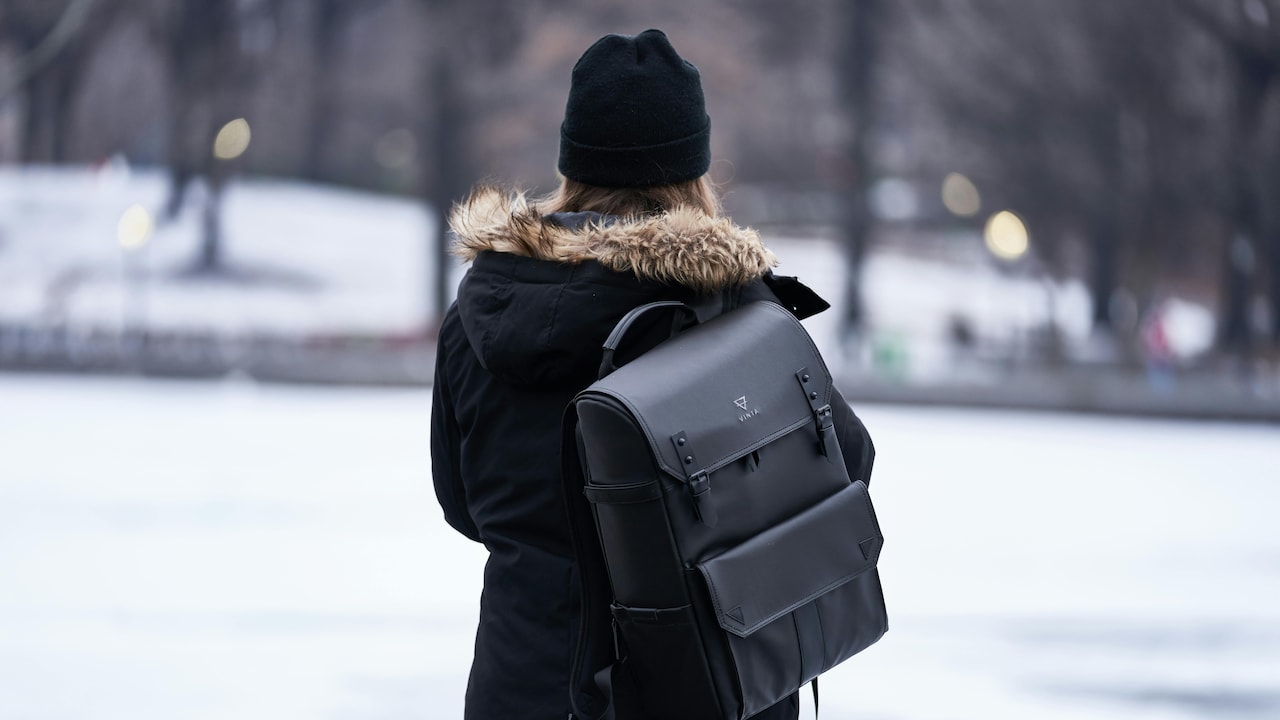
Neutral colours such as black, navy, or grey blend effortlessly into professional and casual settings. Subtle design reduces unwanted attention. In crowded areas, anonymity serves as protection.
Modern anti-theft backpacks manage to look stylish without appearing tactical or bulky. Clean lines and minimal logos create a polished appearance suitable for offices, campuses, and travel.
Style also influences confidence. Carrying a bag that complements attire enhances comfort. When form meets function seamlessly, daily use becomes enjoyable rather than burdensome.
The ideal anti-theft backpack protects quietly. It should never scream for attention. Instead, it should integrate smoothly into everyday life.
Travel Use Versus Daily Commute: Choosing Based On Lifestyle
A frequent traveller needs different features compared to someone commuting locally. Travel-focused backpacks may include luggage straps, passport pockets, and larger capacity. Daily commuters prioritise compact design and quick internal access.
Understanding personal lifestyle prevents overspending on unnecessary features. A remote worker visiting cafés might prioritise padded laptop sections and USB ports. A train commuter may focus more on slash resistance and rear zips.
Capacity matters too. A 20-litre bag suits daily use comfortably. Larger 30-litre designs work better for weekend trips.
Matching the bag to lifestyle ensures practical satisfaction. Anti-theft features should support habits rather than complicate them. When chosen wisely, the backpack becomes a dependable companion rather than an awkward accessory.
Are Anti-Theft Backpacks Worth It? How To Pick Functional Options
Photo Credit: Pexels
Are Anti-Theft Backpacks Worth It In The End?
The final question circles back to practicality. Anti-theft backpacks do not offer magical protection. They reduce risk. They discourage opportunistic theft. They add layers of inconvenience for potential wrongdoers.
For crowded environments and gadget-heavy lifestyles, these bags often justify their cost. Peace of mind alone carries value. Knowing that hidden zips and reinforced fabric guard belongings brings subtle comfort during busy days.
However, awareness remains essential. No bag replaces alertness. Good habits such as keeping the bag in sight and avoiding overly crowded spots remain crucial.
When chosen thoughtfully, anti-theft backpacks prove worthwhile. They combine modern design with functional safeguards. The key lies in balancing comfort, durability, price, and lifestyle needs rather than chasing marketing buzzwords.
Products Related To This Article
1. Hrx Hrithik Roshan Leather Anti Theft Casual Usb Port 35 L Laptop Backpack
2. Red Lemon Hawkeye Multi Functional Water Proof Anti Theft 15 6 Inch Laptop Backpack 20l
3. Hrx Hrithik Roshan Leather Anti Theft Casual Laptop Backpack Usb Port 35l
4. Gear Vintage 2 Anti Theft Faux Leather 31 L Laptop Backpack
5. Arctic Fox Slope Anti Theft Red 23 L Laptop Backpack
Anti-theft backpacks represent a thoughtful response to modern urban life. They address real concerns faced during daily commutes and long journeys. While they do not guarantee absolute safety, they create meaningful barriers against common theft tactics.
Choosing the right one demands attention to comfort, material quality, internal organisation, and practical features. A well-selected backpack should feel like a trusted ally rather than a heavy burden.
In bustling streets, crowded trains, and unpredictable weather, a reliable bag brings reassurance. That reassurance, paired with smart personal habits, often makes the investment worthwhile. After all, safeguarding essentials allows focus to remain where it truly belongs, on work, travel, and the rhythm of everyday life.
(Disclaimer: This article may include references to or features of products and services made available through affiliate marketing campaigns. NDTV Convergence Limited (“NDTV”) strives to maintain editorial independence while participating in such campaigns. NDTV does not assume responsibility for the performance or claims of any featured products or services.)