How To Stop Hoodies From Sagging: 5 Long-Lasting Styles That Stay Structured
Hoodies sag for simple reasons: weak fabric, poor stitching, and rough washing. Here’s what causes the stretch and five shape-holding styles that stay sharp, structured, and worth every penny spent.
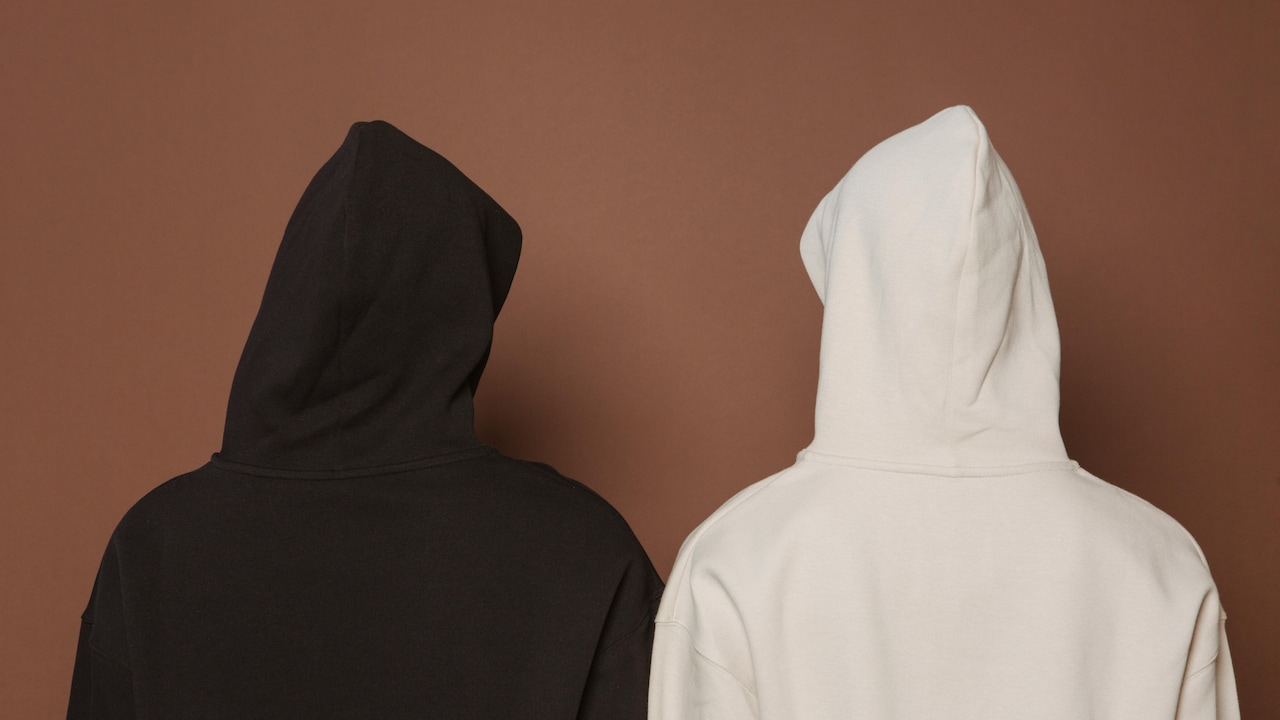
Why Some Hoodies Sag And Stretch Out Plus 5 Shape-Holding Styles Worth Adding To Wardrobes.
Few garments enjoy the universal affection of a hoodie. It slips over work-from-home tees, pairs with joggers for late-night chai runs, and travels effortlessly from metro commutes to weekend getaways in the hills. A good one feels dependable. A bad one slouches like it has given up on life.
Many wardrobes contain at least one hoodie that started out snug and structured but now hangs like a tired curtain. Sleeves stretch, cuffs loosen, and the once-crisp silhouette collapses. The disappointment often surfaces after spending ₹1,500 or more on what seemed like a solid buy.
Understanding why hoodies sag helps shoppers make better choices. Fabric, stitching, fit, and care routines all play a role. With the right knowledge, hoodies can remain sharp and structured for years rather than months. The following sections break down the common culprits and spotlight styles that hold their shape beautifully.

How To Stop Hoodies From Sagging: 5 Long-Lasting Styles That Stay Structured
Photo Credit: Pexels
Why Hoodies Stretch And The Designs That Stay Structured
Low-Quality Cotton And Loose Knit Structures
The fabric tells the real story. Many budget hoodies rely on loosely knitted cotton that feels soft at first touch. That softness can mislead. Loose knits lack resilience. They stretch easily and struggle to bounce back.
Cotton fibres, on their own, have limited elasticity. When manufacturers use thinner yarns and relaxed knitting techniques, the fabric stretches under the weight of daily wear. The hem begins to droop. Sleeves grow longer. The torso loses structure.
Cheaper production also skips pre-shrinking processes. Without proper treatment, fibres shift dramatically after the first few washes. A hoodie may shrink in one direction and stretch in another, leaving an awkward, uneven shape.
Spending ₹800 on a hoodie might feel like a bargain. Yet after three months of sagging elbows and misshapen cuffs, that bargain starts to look expensive. A tighter knit, heavier GSM fabric, and combed cotton construction make a visible difference. The material feels denser and springs back into form rather than hanging limply.
Overstretching From Daily Wear And Weight
Hoodies endure a lot. Phones, wallets, and keys often rest in kangaroo pockets. Earphones dangle from the neckline. Backpacks tug at shoulders during long commutes. Each small strain stretches fibres incrementally.
Over time, gravity does its quiet damage. The pocket area droops under repeated weight. The shoulder seams stretch, especially in oversized fits. Even leaning on elbows during long video calls weakens the fabric at stress points.
Oversized styles amplify the problem. Extra fabric carries extra weight. When that weight lacks strong ribbing or reinforced seams, sagging appears faster. A relaxed fit can look stylish, yet without structural support, it quickly loses intention.
Choosing a size that fits well across the shoulders reduces strain. Avoid stuffing heavy items into hoodie pockets. Small changes in daily habits extend garment life. A hoodie should support the body, not carry half the contents of a backpack.
Harsh Washing And Drying Habits
Laundry routines quietly shape a hoodie's lifespan. Hot water weakens cotton fibres. Aggressive spin cycles twist fabric out of alignment. High-heat tumble drying stretches fibres when they remain damp and vulnerable.
Many people toss hoodies into mixed loads with jeans and towels. The friction alone strains the knit. Zips from other garments catch on cuffs. Heavy fabrics pull lighter ones out of shape.
Turning hoodies inside out before washing reduces surface stress. Using cold water protects fibre integrity. Air drying on a flat surface preserves structure far better than hanging from a line, which can elongate shoulders and body length.
Small care changes cost nothing yet save hundreds of rupees over time. That ₹2,000 premium hoodie deserves gentler treatment than a hurried wash cycle. Fabric care often determines whether a hoodie looks sharp after one year or resembles a faded relic.
Weak Ribbing At Cuffs And Hem
Ribbed cuffs and hems anchor a hoodie's shape. When manufacturers cut corners here, the entire garment suffers. Weak ribbing stretches quickly and fails to snap back.
Quality ribbing contains elastane or spandex blended with cotton. That slight stretch allows movement while maintaining structure. Without it, cuffs loosen after a few wears. Sleeves begin to slide over hands. The hem flares awkwardly.
Inspecting ribbing before purchase pays off. Gently stretch the cuff and release it. If it retracts firmly, the hoodie likely uses resilient fibres. If it stays loose, disappointment awaits.
Brands such as Nike and Adidas often reinforce ribbing in their performance-inspired hoodies. Their pieces usually hold shape better during frequent wear. While prices may range from ₹3,000 upwards, the longevity often justifies the investment.
Strong ribbing does more than secure sleeves. It frames the entire silhouette, giving hoodies that clean, structured edge.
The Impact Of Fabric Blends And GSM
GSM, or grams per square metre, rarely features in casual conversations. Yet it determines how substantial a hoodie feels. Lightweight hoodies under 250 GSM tend to drape loosely and stretch faster. Mid to heavyweight fabrics above 300 GSM generally offer better structure.
Blended fabrics also change the game. Cotton-polyester blends resist stretching more effectively than pure cotton. Polyester fibres add durability and shape retention. A small percentage of elastane introduces flexibility without sacrificing form.
Not all blends feel synthetic. Many modern hoodies combine comfort with resilience seamlessly. Premium high-street labels such as Uniqlo use thoughtful fabric engineering in their sweatshirts and hoodies, balancing softness and structure.
Before buying, check the label. A 60-40 cotton-poly blend with a 320 GSM weight often performs far better than a flimsy 100% cotton piece at half the density. Fabric composition rarely lies.
Structured Cotton-Poly Performance Hoodies
Performance hoodies have evolved beyond gym wear. Designed for movement, they prioritise structure and resilience. Cotton-poly blends dominate this category, offering durability without stiffness.
These hoodies resist sagging at stress points. Reinforced seams protect shoulders and armholes. Ribbed hems hold steady even after multiple washes. The result looks clean and athletic rather than slouchy.
Brands like Puma and Nike often lead this segment, though plenty of homegrown labels deliver strong options between ₹2,000 and ₹4,000.
Pairing one with tapered joggers or even dark denim creates a smart-casual balance. The silhouette stays sharp throughout the day. For those who dislike constant fabric adjustments, performance hoodies provide quiet reliability.
They suit long travel days, light workouts, and relaxed office settings. Most importantly, they keep their shape.
Heavyweight Fleece With Reinforced Seams
Heavyweight fleece hoodies feel substantial in hand. The thickness alone resists stretching. Quality fleece combines a tightly woven exterior with a soft, brushed interior, offering comfort and structure.
Reinforced seams add another layer of durability. Double stitching atthe shoulders and armholes distributes tension evenly. This construction prevents fabric from pulling unevenly over time.
While such hoodies may cost ₹3,500 or more, they age gracefully. Instead of sagging, they develop character. The structure remains intact even after repeated washes.
Some collections from Adidas and selected lines at H&M showcase heavier fleece options that balance affordability with durability.
A heavyweight fleece hoodie feels ideal during cooler evenings or trips to hill stations. It holds form without sacrificing warmth. The added density protects against that tired, stretched look that plagues thinner fabrics.
Loopback French Terry For Everyday Structure
French terry, often called loopback fabric, offers a lighter alternative to fleece while maintaining structure. The inner loops create breathability without compromising resilience.
Unlike brushed fleece, French terry feels less bulky. It suits transitional weather and indoor wear. More importantly, its tighter-knit construction resists sagging better than loose cotton jerseys.
This fabric holds up well under regular washing, provided it avoids high heat. Many minimalist labels favour French terry for its clean finish and modern silhouette.
Shoppers seeking versatility often find French terry hoodies priced between ₹1,800 and ₹3,000. They layer effortlessly under jackets and remain polished on their own.
A well-cut French terry hoodie drapes neatly rather than drooping. It bridges comfort and structure, making it a smart addition for daily wear.
Ribbed Hem Cropped And Tailored Silhouettes
Silhouette influences stretch more than most realise. Cropped or tailored hoodies carry less fabric weight. Reduced length means less downward pull over time.
These styles often feature thicker ribbed hems that anchor the garment firmly at the waist. Instead of sliding down, the hoodie stays in place, maintaining shape throughout the day.
Tailored fits also reduce stress on shoulder seams. When fabric aligns properly with the body structure, it stretches less aggressively. The result feels intentional rather than oversized and limp.
Several contemporary collections, including select edits from H&M and Uniqlo, explore structured, cropped cuts that maintain proportion beautifully.
This style suits those who prefer cleaner lines. Paired with high-waisted trousers or straight-leg jeans, the look remains balanced and fresh without the risk of sagging excess fabric.

How To Stop Hoodies From Sagging: 5 Long-Lasting Styles That Stay Structured
Photo Credit: Pexels
Double-Layered And Lined Hoodies For Added Stability
Double-layered hoodies incorporate an extra interior panel or thicker hood lining. This subtle addition reinforces the upper half, preventing neckline stretching and hood droop.
Single-layer hoods often pull backwards, stretching the collar. Double layers distribute weight evenly across the shoulders. Over time, this design keeps the neckline crisp rather than warped.
Some winter-focused hoodies include jersey lining or structured taping along seams. These small details make a noticeable difference in longevity.
Though prices may range upwards of ₹4,000 for premium versions, the investment pays off in durability. A double-layered hoodie often outlasts two cheaper alternatives.
For those frustrated by sagging necklines and floppy hoods, this construction offers a dependable solution. The garment feels substantial and maintains its shape even after heavy use.
Products Related To This Article
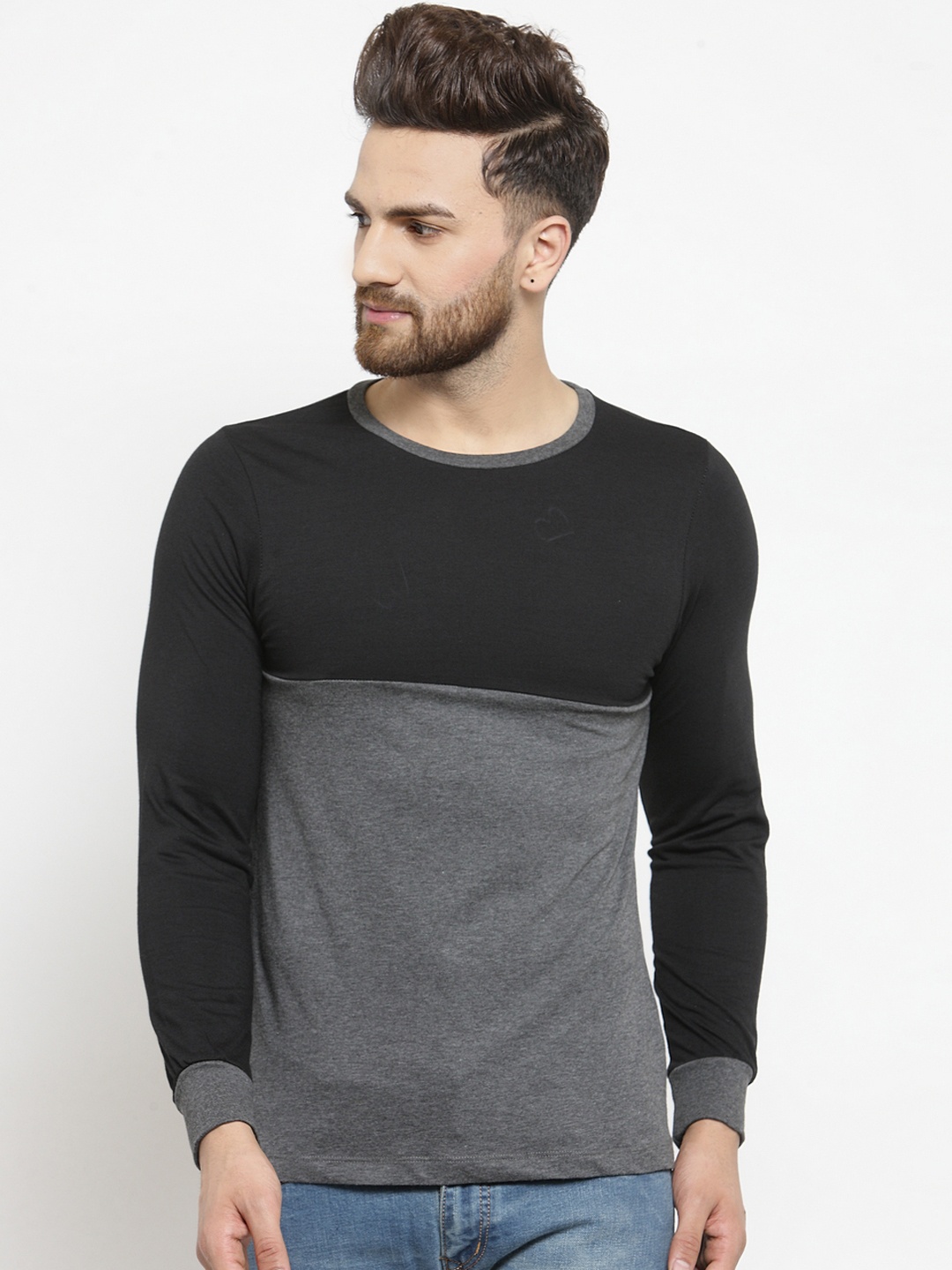
1. Perfect Full Sleeve Solid Men Sweatshirt
2. Sahuone Full Sleeve Graphic Print Women Sweatshirt
3. Imsa Moda Full Sleeve Printed Men Sweatshirt
4. Alan Jones Full Sleeve Solid Men Sweatshirt
5. Roadster Full Sleeve Solid Women Sweatshirt
A hoodie should feel dependable, not defeated. Sagging and stretching often stem from loose knits, weak ribbing, harsh washing, or poorly structured designs. Small daily habits and informed buying choices dramatically extend a hoodie's life.
Fabric weight, blend composition, seam reinforcement, and silhouette matter more than flashy logos. Spending a little more upfront, perhaps ₹2,500 instead of ₹1,000, can prevent repeated replacements.
Shape-holding styles such as performance blends, heavyweight fleece, French terry, tailored silhouettes, and double-layered constructions prove that comfort and structure can coexist. A well-chosen hoodie remains sharp through seasons of wear.
Wardrobes deserve pieces that age gracefully. The next time a hoodie tempts from a sale rack, pause and inspect the fabric, ribbing, and construction. A few extra minutes in the fitting room can prevent months of sagging regret.
(Disclaimer: This article may include references to or features of products and services made available through affiliate marketing campaigns. NDTV Convergence Limited (“NDTV”) strives to maintain editorial independence while participating in such campaigns. NDTV does not assume responsibility for the performance or claims of any featured products or services.)