Smartwatch Myths: What Tracking Numbers You Should Ignore
Smartwatches track everything from steps to sleep, but not every number deserves attention. This is a clear-eyed look at the metrics that mislead, create anxiety, or simply don’t matter as much as you think.
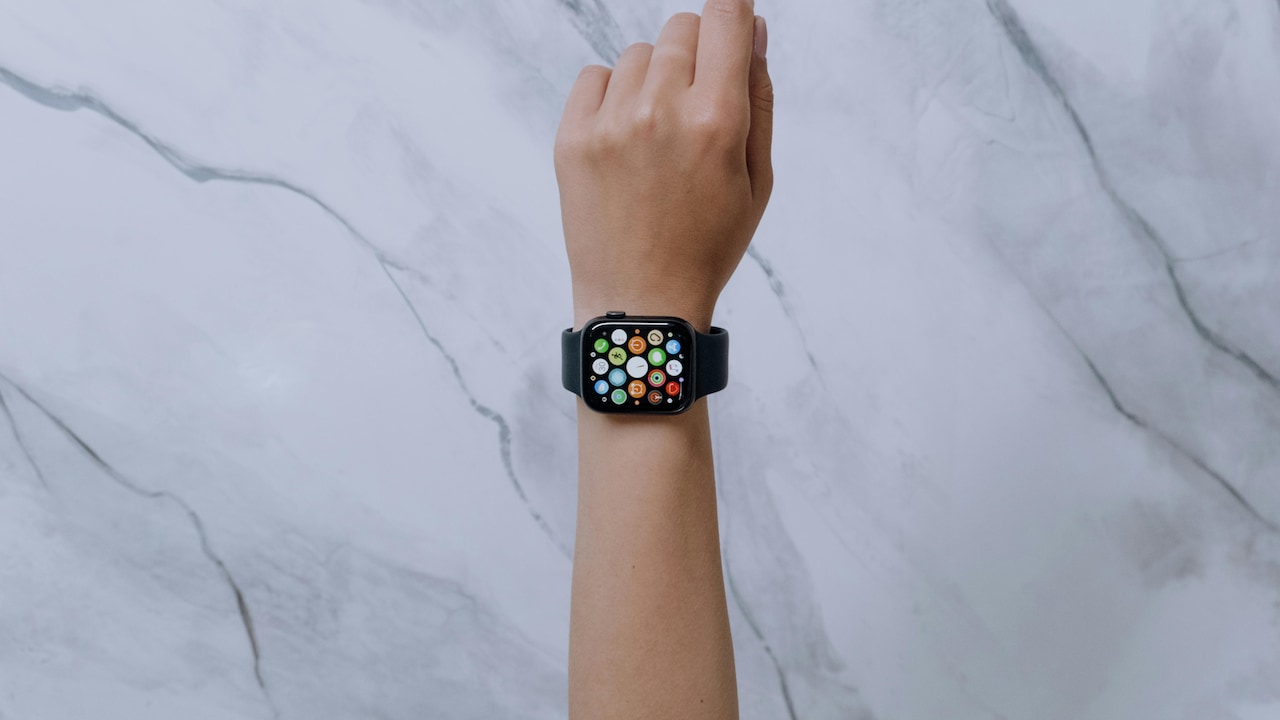
Stop Obsessing Over Your Smartwatch: The Tracking Numbers That Don't Really Matter.
A smartwatch can feel like a tiny personal trainer strapped to the wrist. It counts steps during a morning walk in Cubbon Park, tracks heart rate during a frantic metro dash, and even nudges users to stand up during long office hours. Brands such as the Apple Watch, Fitbit, Xiaomi Mi Band and Samsung Galaxy Watch market their devices as near-magical companions.
Yet numbers, no matter how neatly displayed, cannot capture the full complexity of the human body. A single score does not define health. A streak does not guarantee fitness. And a red warning icon does not always signal danger.
Many users spend ₹15,000 or even ₹40,000 on a device that promises insight. Soon after, anxiety replaces curiosity. Why did the step count drop? Why does sleep score fluctuate? Why does the calorie burn look so low after an exhausting day?
It is time to separate helpful data from distracting noise. Some tracking numbers deserve attention. Others deserve to be politely ignored.
The Numbers That Sound Impressive But Mislead More Than They Help
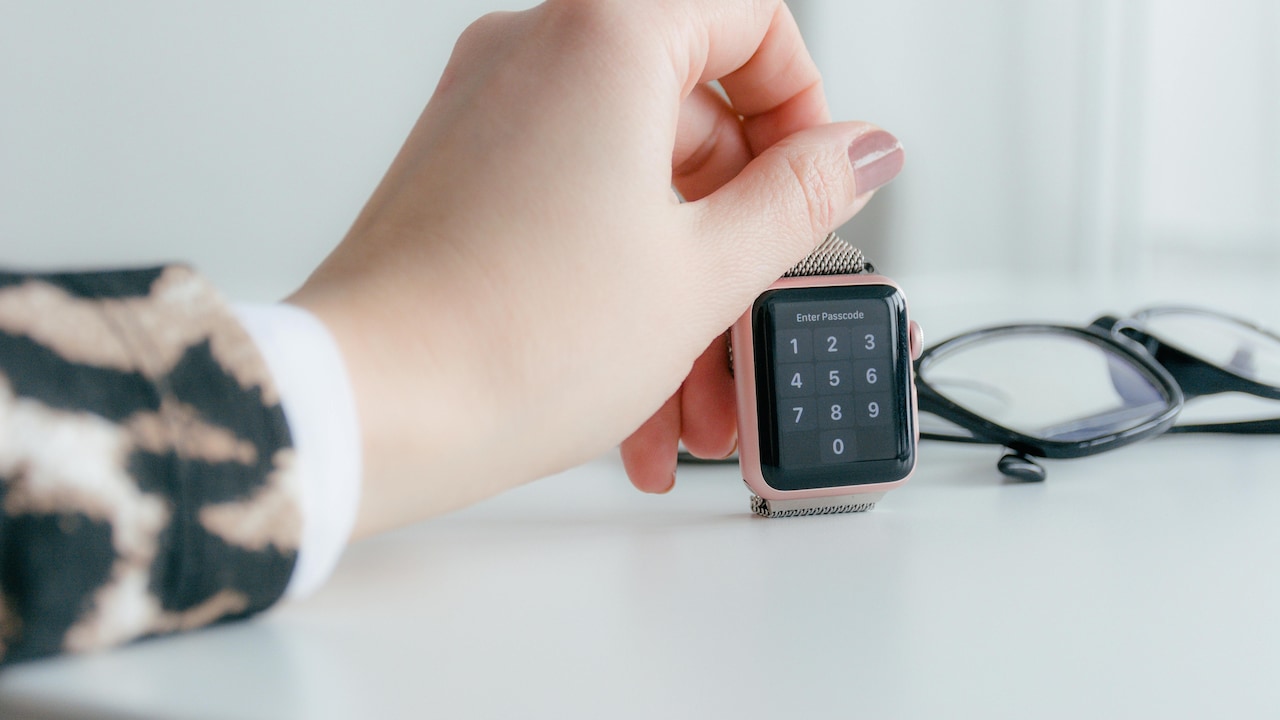
Smartwatch Myths Explained: 10 Tracking Numbers You Can Safely Ignore; Photo Credit: Pexels
Perfect Step Count Goals
The 10,000-step target appears sacred in the smartwatch universe. Many devices flash celebratory fireworks once that number pops up. Miss it by 500 steps and the day feels incomplete.
Yet the 10,000-step benchmark did not emerge from deep medical research. It began as a marketing idea decades ago. Bodies differ widely. A vegetable vendor standing all day might clock 14,000 steps without breaking a sweat. A software engineer who cycles or practises yoga may log fewer steps but still maintain strong cardiovascular health.
Chasing a rigid number often leads to odd behaviour. Late-night pacing in the living room becomes common. Short auto rides get replaced by unnecessary walking simply to protect a digital streak.
Movement matters. Consistency matters more. Rather than worship a round number, focus on gradual improvement. If the daily average sits at 6,000 steps, aim for 6,500 next week. The body values steady effort over dramatic targets.
Calories Burned Are Not An Exact Science
After a sweaty gym session, the calorie count often becomes the star attraction. A screen might display 420 calories burned. Another day, a similar workout may show 310. Confusion follows.
Smartwatches estimate calorie burn using heart rate, age, weight and general formulas. They cannot measure actual metabolic activity with laboratory precision. Even small variations in strap tightness or arm movement can shift readings.
Many users reward themselves with extra snacks based on these numbers. A plate of pani puri or a slice of cake feels justified because the watch “earned” it. Yet calorie calculations on wearables can swing by hundreds.
Fitness improves through habits, not arithmetic gymnastics. Strength gains, stamina and overall energy tell a clearer story than fluctuating calorie charts. Treat calorie counts as broad estimates. Do not allow them to dictate every meal choice or create guilt after a festive dinner.
Also Read: Top 8 Smartwatches For Men That Track Sleep, Steps And Even Stress
Heart Rate Spikes And Panic
A sudden jump in heart rate during a work meeting can trigger an alarm. The watch vibrates, and anxiety rises further. Was that spike normal? Is something wrong?
Heart rate fluctuates throughout the day. Climbing stairs, sipping strong filter coffee, dealing with traffic jams, or even laughing hard can raise it temporarily. Wearables capture these spikes but lack context.
The device does not know whether the body faced stress, excitement or physical effort. It only records numbers. Many users start checking the display repeatedly, which increases stress and pushes the heart rate higher.
Persistent irregular patterns deserve medical attention. However, occasional spikes usually reflect daily life. Instead of obsessing over every change, observe broader trends. If resting heart rate remains stable over weeks, the system likely functions well. The body adapts constantly. A brief surge rarely signals disaster.
Sleep Scores Define Rest Quality
Waking up feeling refreshed but seeing a sleep score of 62 can ruin the morning mood. The watch claims poor recovery. The mind starts believing it.
Sleep tracking relies on movement and heart rate patterns. These signals cannot fully capture sleep stages with clinical accuracy. Lying still while scrolling through social media may look like light sleep to the device. Restless dreams may appear as interruptions.
Many people begin chasing perfect sleep scores. They adjust bedtime obsessively. They avoid late-night conversations or festive gatherings out of fear of a low number.
Quality sleep matters deeply. Yet mood, alertness and daytime energy provide better clues than a single score. If focus remains sharp and energy stable, the body likely rested well enough. Use sleep data as a gentle guide, not a strict judge.
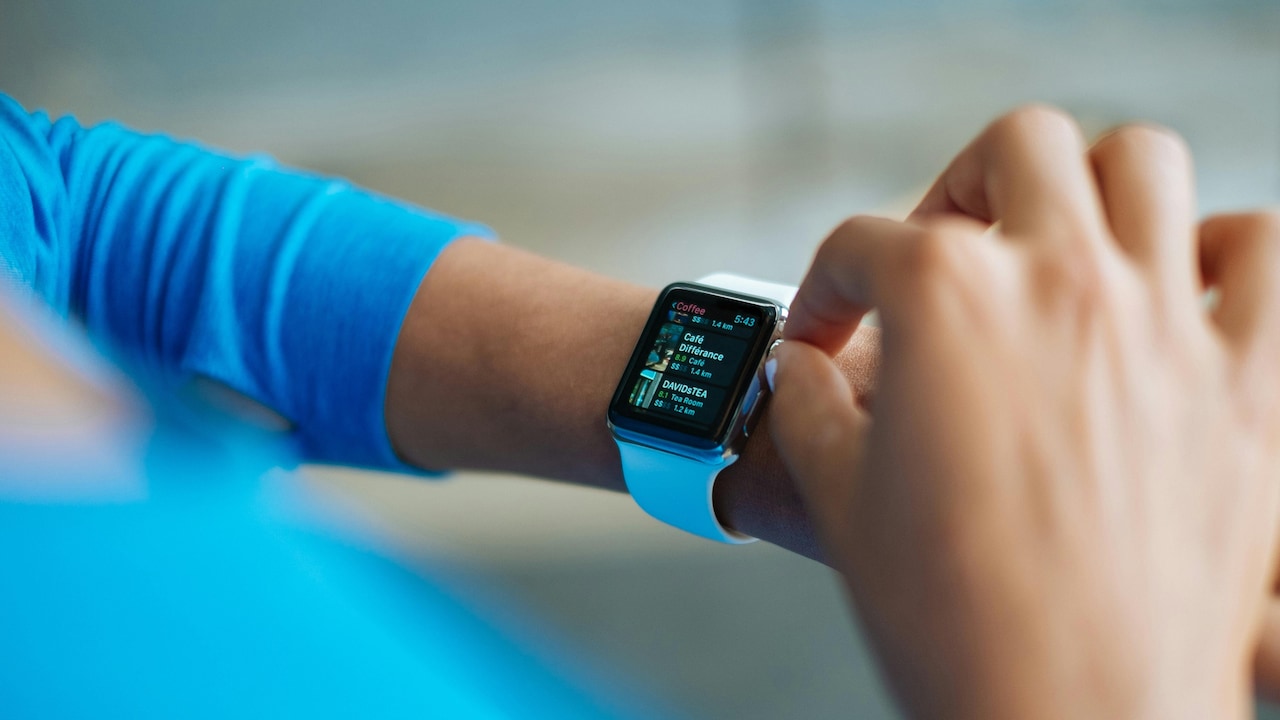
Smartwatch Myths Explained: 10 Tracking Numbers You Can Safely Ignore; Photo Credit: Pexels
Stress Scores And Emotional Pressure
Some smartwatches now display stress scores based on heart rate variability. A high reading can make an ordinary afternoon feel alarming.
Stress forms part of life. Tight deadlines, family responsibilities and city traffic all create short bursts of tension. A wearable detects physiological responses but cannot measure emotional resilience or coping ability.
Users often treat stress scores like exam marks. A low score feels like failure. Ironically, worrying about stress readings can increase stress itself.
Mindfulness, breathing exercises and simple walks outdoors reduce tension effectively. Let the watch prompt healthier habits, but avoid letting a fluctuating stress index define emotional health. True calm arises from perspective, not a digital dashboard.
Oxygen Saturation For Healthy Individuals
Blood oxygen readings gained popularity during the pandemic. Many people still check SpO2 levels daily. A drop from 98 to 95 sparks concern.
For healthy individuals without respiratory conditions, minor variations rarely hold significance. Factors such as finger position, cold weather or loose straps can influence readings.
Medical-grade pulse oximeters undergo calibration and strict testing. Consumer smartwatches offer convenience, not hospital-level precision.
Checking oxygen levels repeatedly without symptoms often creates unnecessary worry. Breathlessness, persistent cough or chest discomfort requires professional evaluation. Numbers alone, especially when slightly lower, do not confirm illness. Use oxygen tracking wisely, particularly during recovery or medical advice, but avoid obsessive monitoring in everyday life.
Workout Minutes As A Badge Of Honour
Many devices celebrate “active minutes” or “intense zone minutes”. A weekly target appears. Users race to fill that bar.
While structured exercise benefits health, quality outweighs quantity. Forty focused minutes of strength training may contribute more than two hours of distracted, low-effort activity.
Chasing workout minutes sometimes leads to overtraining. Sore muscles get ignored. Rest days vanish. Fatigue builds quietly.
Progress requires balance. Muscles grow during recovery, not constant strain. Listen to the body's signals. If energy dips or sleep suffers, scale back. Use workout minutes as motivation, not obligation. The aim involves sustainable fitness over the years, not impressive screenshots for social media.
Smartwatch Myths Explained: 10 Tracking Numbers You Can Safely Ignore; Photo Credit: Pexels
Standing Alerts And Guilt
The gentle buzz reminding users to stand every hour can help counter sedentary lifestyles. However, rigid adherence often leads to awkward moments.
Imagine standing abruptly during a long client presentation simply to satisfy the watch. Or pacing during a movie at the theatre because the alert flashes.
The human body benefits from movement breaks. Yet context matters. If a person spends the morning walking through markets or visiting clients, a later stretch of seated work may not pose significant harm.
Instead of feeling guilty about occasional long sitting sessions, incorporate natural breaks. Walk while taking phone calls. Stretch during tea breaks. Disable reminders during events that require continuous focus. Health tools should adapt to life, not disrupt it.
VO2 Max Readings Without Context
Many premium smartwatches estimate VO2 max, a measure of cardiovascular fitness. Seeing the label “below average” can dent confidence.
VO2 max calculations on wearables rely on pace and heart rate during outdoor runs or brisk walks. They do not account for cycling, swimming or strength training accurately. Terrain, weather and GPS errors can skew results.
A single number cannot summarise overall fitness. Someone who practises martial arts or dances regularly may show modest VO2 max scores yet enjoy excellent endurance.
Instead of fixating on labels, track personal improvement. If stamina improves and breathlessness reduces during daily tasks, fitness likely advances. Numbers offer reference points, not verdicts.
Weight Tracking Through Connected Scales
Smartwatches often sync with smart weighing scales. Daily weight fluctuations appear on colourful graphs. A 0.8 kg increase after a festival feast can cause alarm.
Body weight changes due to water retention, salt intake, hormonal shifts and meal timing. Fat gain does not occur overnight. Yet the graph can trigger guilt or drastic dieting.
Frequent weighing magnifies small variations. Emotional response becomes tied to each decimal change.
A weekly or bi-weekly check provides a calmer perspective. Combine weight data with waist measurements, strength levels and clothing fit. Health reflects multiple factors. The scale reveals one piece of the puzzle, not the full picture.
Products Related To This Article
1. Fire-Boltt Ninja Call Pro Plus Bluetooth Calling Smart Watch
2. Noise Twist Go Round dial Smartwatch with BT Calling
3. Fastrack Astor FR2 Pro 1.43" AMOLED Stainless Steel Smart Watch with SpO2
4. Noise Pulse 2 Pro [New Launch] 1.8" Vibrant Display
5. Boat Lunar Discovery w/ 1.39" (3.5 cm) HD Display
Smartwatches hold immense potential. They encourage movement, highlight patterns and nudge healthier routines. For many households, investing ₹10,000 to ₹35,000 in such a device marks a commitment to wellbeing.
However, numbers without context create noise. Step counts, calorie estimates, sleep scores and stress readings all offer approximations. They guide, but they do not judge. They inform, but they do not define.
True health emerges from consistent habits, balanced meals, meaningful rest and emotional resilience. Conversations with doctors, trainers and family members provide depth that algorithms cannot replicate.
Treat the smartwatch as a companion, not a commander. Celebrate progress without chasing perfection. Ignore the numbers that spark unnecessary anxiety. Focus on how the body feels during a morning walk, how energy flows through a busy day, and how peaceful sleep arrives at night.
In the end, well-being rests not in glowing digits on a screen, but in steady choices made day after day.
(Disclaimer: This article may include references to or features of products and services made available through affiliate marketing campaigns. NDTV Convergence Limited (“NDTV”) strives to maintain editorial independence while participating in such campaigns. NDTV does not assume responsibility for the performance or claims of any featured products or services.)