Are Satin Nightwear Sets Actually Comfortable for Sleeping or Just Look Pretty?
Satin nightwear looks luxurious, but does it actually help you sleep better? This article explores whether satin pyjama sets offer real comfort at night or simply win the style game.
Are Satin Nightwear Sets Comfortable For Sleeping Or Just Stylish? The Truth About Satin Sleepwear.
Late-night online shopping often leads to a familiar temptation: a glossy satin nightwear set that promises elegance and comfort in one purchase. The fabric glows under soft lighting, the drape looks effortless, and the entire outfit whispers luxury. Yet once the parcel arrives and bedtime approaches, a practical question surfaces. Does satin actually support a good night's sleep?
Sleepwear plays a quiet but powerful role in daily life. After long workdays, noisy commutes, and endless screen time, comfortable clothing helps the body unwind. Many wardrobes contain cotton pyjamas, oversized T-shirts, or soft lounge sets because they feel familiar and breathable. Satin, however, brings a different personality to bedtime fashion. It evokes images of luxury hotels, honeymoon suitcases, and polished wardrobes.
Still, comfort often matters more than glamour when sleep calls. Warm climates, changing seasons, and varying sleeping habits all influence how fabric behaves overnight. Satin nightwear sets, therefore, sit at an interesting intersection of style and practicality. Some swear by their smooth feel and cooling effect, while others quietly return to cotton after a restless night.
Understanding satin sleepwear requires a closer look at fabric behaviour, climate compatibility, personal comfort, and everyday practicality. The truth rarely sits at one extreme. Satin nightwear sets can feel incredibly comfortable for some sleepers and slightly impractical for others. The difference often lies in subtle details that rarely appear in glossy advertisements.
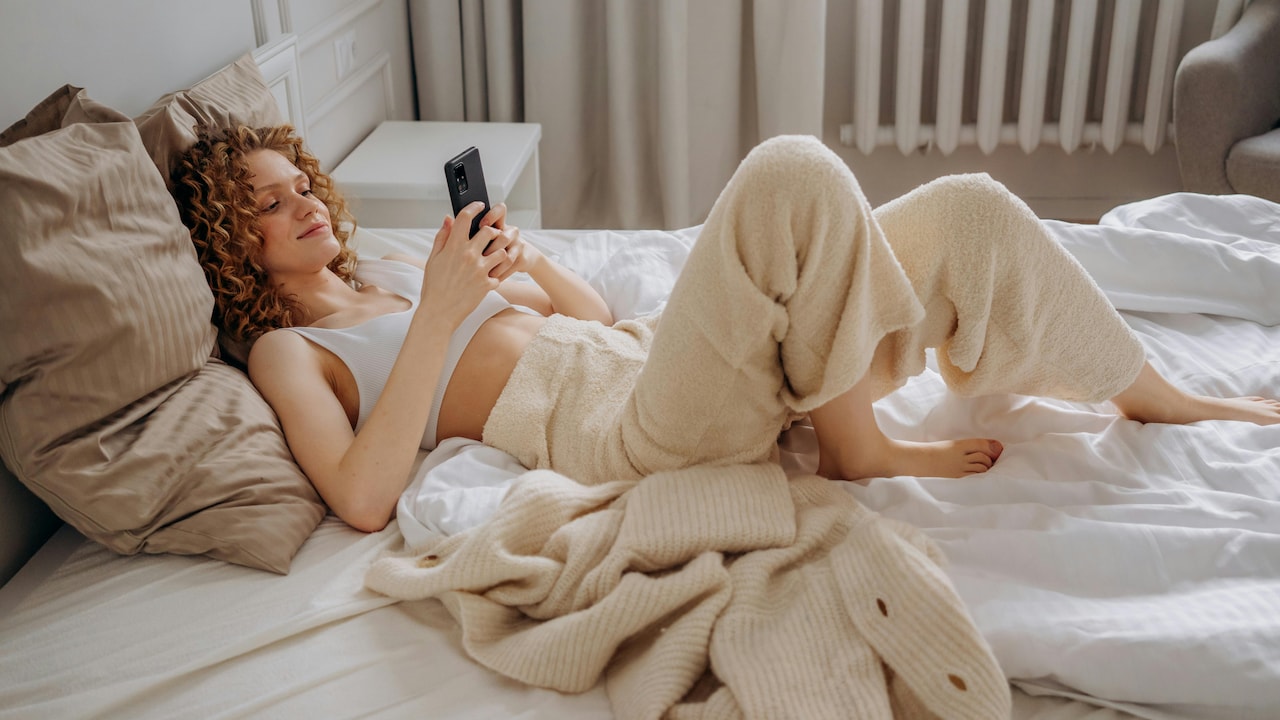
Are Satin Nightwear Sets Actually Comfortable for Sleeping or Just Look Pretty?
Photo Credit: Pexels
What Makes Satin Nightwear Comfortable Or Uncomfortable?
The Allure Of Satin: Why It Looks So Appealing
Satin nightwear sets rarely struggle to attract attention. The fabric reflects light beautifully, creating a soft sheen that instantly feels luxurious. Even a simple pyjama set looks elegant when crafted from satin. This visual charm explains why satin sleepwear dominates bridal trousseaus, festive gift boxes, and premium nightwear collections.
The fabric drapes smoothly over the body, giving garments a flattering silhouette without heavy structure. Loose satin trousers glide around the legs while camisoles sit lightly against the skin. This graceful movement creates a relaxed yet polished look that cotton or jersey rarely replicates.
Many people also associate satin with special occasions. Wedding preparations, anniversary gifts, and holiday wardrobes often include satin nightwear sets because they symbolise indulgence. Slipping into satin after a long day can feel like a small personal luxury.
Retail displays further amplify this appeal. Soft lighting, neutral colour palettes, and carefully styled photos highlight satin's shine. In comparison, everyday sleepwear often appears plain and functional. Satin, therefore, carries a sense of glamour that transforms ordinary bedtime routines into something slightly more indulgent.
Yet visual appeal does not always guarantee sleeping comfort. Satin wins easily in the style department, but the real question emerges once the lights switch off and the night begins.
The Feel Of Satin Against Skin
The first noticeable feature of satin nightwear lies in its texture. The surface feels smooth, almost slippery, which many people find soothing after a long day. Unlike rough fabrics that cling or rub, satin glides gently across the skin.
This softness often reduces friction during sleep. Tossing and turning may feel easier because the fabric moves freely with the body. Hair also benefits slightly, as satin creates less friction compared with cotton pillowcases or rougher fabrics. Many people enjoy this silky sensation because it adds a touch of indulgence to bedtime routines.
However, personal preference plays a strong role here. Some sleepers adore the cool, fluid feel of satin, while others find the slipperiness slightly distracting. The fabric sometimes shifts more than expected during sleep, especially if the mattress surface also feels smooth.
Temperature also influences comfort. Satin often feels cool when first worn, which can feel refreshing after a humid evening. Yet this same smoothness may feel less cosy on colder nights.
Overall, satin offers a distinct tactile experience. For those who appreciate smooth fabrics and lightweight clothing, satin nightwear can feel surprisingly comfortable. For others who prefer soft, matte textures, the experience may feel unfamiliar rather than relaxing.
Breathability And Climate Considerations
Sleep comfort often depends heavily on breathability, especially in regions where warm nights remain common for much of the year. Cotton pyjamas remain popular largely because the fabric allows air to circulate freely. Satin behaves slightly differently.
Traditional satin often comes from polyester or blended fibres. These materials do not always breathe as well as natural fabrics. As a result, satin nightwear may trap warmth if the room feels humid or poorly ventilated. Some sleepers notice mild warmth after several hours of sleep.
However, not all satin behaves the same way. Higher-quality satin made from silk or lighter blends can feel surprisingly airy. These fabrics allow better temperature regulation and often feel cooler during warm nights.
Many households rely on ceiling fans or air-conditioning during hotter months. In these conditions, satin nightwear can feel quite comfortable because the cool airflow balances the fabric's warmth. Without ventilation, however, the same outfit may feel slightly sticky by morning.
Choosing satin sleepwear, therefore, requires attention to fabric composition. Lightweight satin or silk blends often perform better in warmer climates than heavier synthetic versions. Breathability may not rival cotton completely, but good-quality satin can still provide a pleasant sleeping experience when chosen carefully.
Movement During Sleep
Sleep rarely stays perfectly still. Many people turn frequently, adjust blankets, or shift positions throughout the night. Sleepwear, therefore, needs to support easy movement without bunching or tightening.
Satin performs surprisingly well in this area. The fabric moves effortlessly across bedding, which reduces resistance during movement. Rolling from one side to another feels smoother compared with thicker fabrics that cling slightly to the mattress.
Loose satin trousers and relaxed camisoles also encourage freedom of movement. The fabric rarely restricts limbs or feels heavy. This lightness can help sleepers relax more easily, especially after physically demanding days.
However, satin also introduces a small challenge. Because the fabric feels slippery, garments sometimes shift out of place more easily. Loose straps may slide, waistbands might rotate slightly, and trousers occasionally twist during restless nights.
These minor adjustments rarely disrupt sleep significantly, but they highlight the difference between satin and more structured sleepwear fabrics. People who prefer stable, fitted clothing may notice the movement more.
For sleepers who enjoy lightweight clothing and frequent position changes, satin often supports comfortable movement throughout the night.
Temperature Comfort Through Different Seasons
Seasonal changes strongly influence sleepwear choices. What feels comfortable during a humid May evening may feel unsuitable during a chilly January night.
Satin nightwear sets usually perform best during mild or warm temperatures. The smooth surface feels cool against the skin when first worn, offering relief after warm evenings. This cooling sensation explains why many people reach for satin during late spring and early summer.
During monsoon months, the experience varies slightly. Humidity sometimes causes synthetic satin to feel warmer than expected. Good airflow in the bedroom often resolves this issue, but fabric quality still matters.
Winter presents a different scenario. Satin rarely traps heat effectively because the fabric remains thin and smooth. Many people, therefore, layer satin nightwear with robes or blankets during colder months.
Despite this limitation, satin still works well for indoor environments where heaters or thick quilts maintain warmth. The fabric's lightness prevents overheating while the blanket provides insulation.
In short, satin nightwear adapts best to moderate temperatures rather than extreme seasonal shifts.
Skin Sensitivity And Comfort
Skin comfort matters deeply during sleep. Tight fabrics, rough seams, or irritating textures can easily disturb rest. Satin often performs well for people with sensitive skin because of its smooth surface.
The fabric creates minimal friction against the body. This gentle contact may help reduce irritation for people prone to dry skin or mild rashes. Some dermatologists even recommend smooth fabrics for individuals who experience sensitivity from rough textiles.
However, fabric composition again influences the outcome. Pure silk satin tends to feel softer and more breathable, which enhances skin comfort. Synthetic satin may still feel smooth, but could trap warmth or moisture in certain conditions.
Washing methods also matter. Mild detergents and gentle cycles help preserve satin's softness. Harsh cleaning products may stiffen the fabric slightly, reducing its natural smoothness.
Many sleepers appreciate satin precisely because it feels gentle and lightweight. The sensation resembles slipping into soft, cool sheets at a well-kept hotel. When chosen carefully, satin nightwear can support skin comfort quite effectively.
Maintenance And Practical Everyday Use
Comfort does not end with wearing the garment. Easy maintenance also influences whether nightwear remains enjoyable over time. Satin nightwear sets require slightly more care than cotton alternatives.
Frequent machine washing at high temperatures may damage the fabric's smooth finish. Many satin garments prefer gentle cycles and mild detergents. Some delicate pieces even benefit from hand washing.
Drying methods also require attention. High heat from dryers can weaken synthetic satin fibres or reduce the fabric's shine. Air drying often protects the garment's structure and texture.
Despite these requirements, satin nightwear does not demand extreme care. Most modern blends handle gentle washing quite easily. Following basic instructions keeps the fabric smooth and comfortable for years.
Cost also varies widely. Affordable satin sets appear in many stores for around ₹800 to ₹1,500, while premium silk satin may reach ₹5,000 or more. The price often reflects fabric quality and durability.
For those willing to give slightly more attention during washing, satin nightwear remains quite practical for regular use.
The Psychological Comfort Of Feeling Well Dressed
Sleepwear influences mood more than many people realise. Wearing something attractive can quietly lift spirits after a long day. Satin nightwear sets often provide this subtle emotional boost.
The fabric carries a sense of elegance rarely associated with bedtime clothing. Changing into satin may feel like stepping into a calmer, more indulgent space. Even ordinary evenings feel slightly more relaxed when clothing feels special.
This psychological comfort matters. Sleep routines benefit from small rituals that signal the body to unwind. Soft lighting, warm tea, and comfortable clothing all contribute to this transition.
Satin nightwear supports this experience by combining comfort with style. Unlike purely functional sleepwear, satin encourages a sense of personal care and relaxation.
Many people notice that bedtime feels more intentional when the wardrobe includes clothing chosen for both comfort and appearance. This emotional satisfaction may contribute just as much to restfulness as the fabric itself.
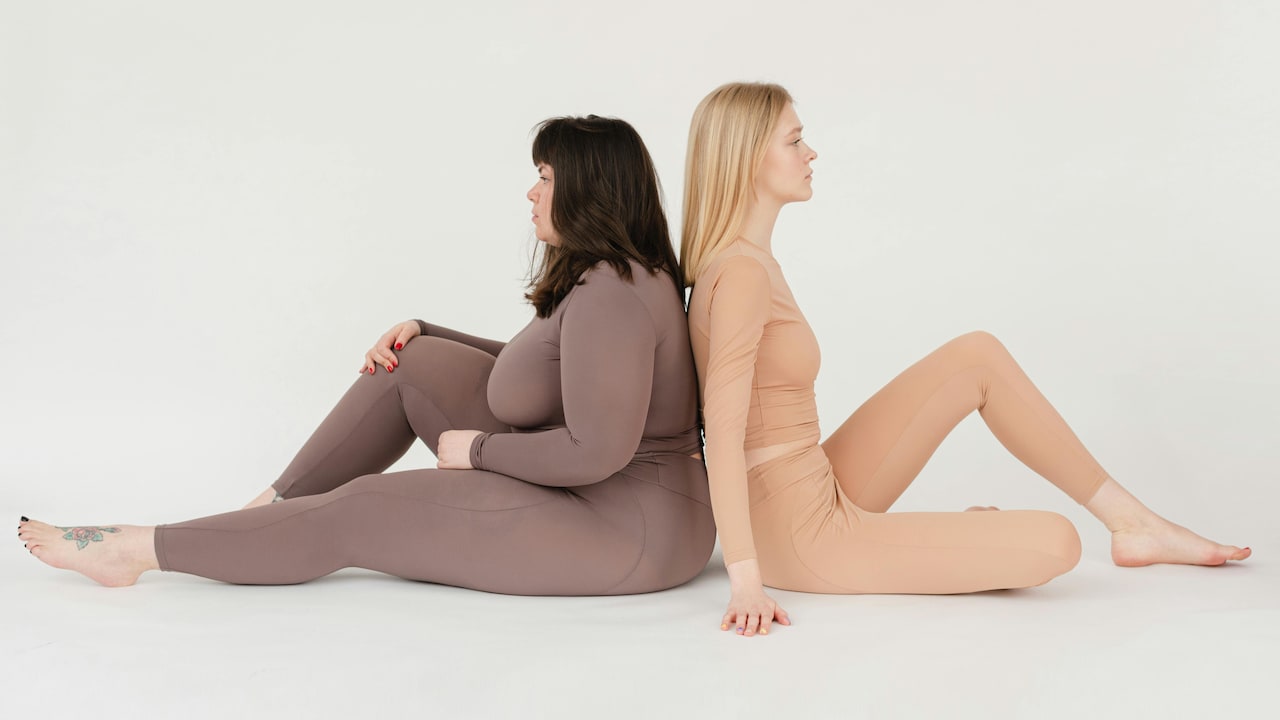
Are Satin Nightwear Sets Actually Comfortable for Sleeping or Just Look Pretty?
Photo Credit: Pexels
Satin Versus Cotton: The Classic Sleepwear Debate
Cotton remains the long-standing champion of sleepwear comfort. The fabric breathes well, absorbs moisture, and handles frequent washing easily. Satin, on the other hand, focuses more on smoothness and elegance.
Choosing between the two often depends on personal sleep habits. People who sweat easily during sleep may prefer cotton's breathability. Those who enjoy lightweight fabrics may lean toward satin's silky texture.
Cotton also provides a slightly cosy, familiar feel. Satin offers a cooler, smoother experience that feels closer to luxury hotel bedding. Neither option stands universally superior.
Many wardrobes now include both fabrics for different situations. Cotton serves everyday comfort, while satin appears on evenings when relaxation feels especially important.
This balanced approach often works best. Satin nightwear does not replace traditional sleepwear entirely, but it certainly earns a place beside it.
Products Related To This Article
1. Clothus Women Solid Beige Shirt Pyjama Set
2. Bmp Women Solid Purple Night Suit Set
3. Smarth Women Nighty Robe
4. Ukm Women Self Design Red Night Suit Set
5. Modernzy Women Printed Conversational Red Shirt Pyjama Set
Satin nightwear sets often attract attention because of their elegance, shine, and luxurious appearance. Yet the real story goes beyond visual appeal. When chosen thoughtfully, satin can deliver genuine comfort during sleep.
The fabric's smooth texture reduces friction, encourages easy movement, and creates a light, breathable feel in well-ventilated rooms. Many sleepers enjoy the cooling sensation that satin offers during warmer evenings. Others appreciate the psychological comfort of wearing something stylish even at bedtime.
Still, satin may not suit every sleeper or every season. Breathability varies depending on fabric quality, and colder months may require additional layering. Personal preference ultimately decides whether satin feels soothing or slightly unfamiliar.
Sleepwear rarely follows a universal rule. What matters most lies in how the fabric supports relaxation, temperature comfort, and restful movement. Satin nightwear sets therefore occupy an interesting middle ground. They certainly look beautiful, but they can also feel surprisingly comfortable when the right fabric and fit come together.
In the end, satin sleepwear proves that bedtime comfort and quiet luxury do not always need to compete. Sometimes they simply share the same wardrobe shelf.
(Disclaimer: This article may include references to or features of products and services made available through affiliate marketing campaigns. NDTV Convergence Limited (“NDTV”) strives to maintain editorial independence while participating in such campaigns. NDTV does not assume responsibility for the performance or claims of any featured products or services.)