Why The Wrong Trouser Break Can Make Even A Polished Outfit Look Messy
The wrong trouser break can ruin even a sharp outfit. Too much fabric looks sloppy, too little feels awkward, and the right hem brings polish, balance and quiet confidence.
Why The Wrong Trouser Break Can Make Even A Polished Outfit Look Messy
Some style mistakes announce themselves loudly. A shirt with a coffee stain, shoes that have seen better centuries, a tie hanging like a tired rope after a wedding buffet. Others are quieter. They sit at the ankle, gather over the shoe, and slowly ruin an otherwise neat outfit. That quiet culprit is often the trouser break. The trouser break is the point where the hem of your trousers meets your shoes. It decides whether the fabric falls cleanly, folds slightly, pools heavily or stops too soon. Most people notice the shirt, blazer, belt or shoes first. Yet the break controls the final line of the outfit. It is the full stop at the end of the sentence.
Why The Wrong Trouser Break Can Make Even A Polished Outfit Look Messy
Photo Credit: Pexels
A polished outfit should look intentional. The shirt should sit right, the shoulders should behave, and the trousers should fall with purpose. When the break goes wrong, the whole look starts to feel untidy, even if every piece costs a small fortune. A ₹8,000 pair of trousers can look careless if the hem collapses around the ankles. A modest pair, altered well for ₹300, can look far sharper.
The strange thing is that many people do not realise what feels “off”. They stand in front of the mirror before an office meeting, a family function, a dinner date or a festive party, and sense that something is lacking. The answer often lives near the shoe.
Why Trouser Break Matters More Than Most People Think
The Trouser Break Is Small, But It Controls The Whole Silhouette
The trouser break may look like a minor tailoring note, but it has a major visual job. It decides how the eye travels from waist to shoe. A clean break creates one smooth line. A poor break interrupts that line and makes the outfit look heavier than it is.
Think of a kurta with sleeves that cover half the palm. The fabric may be beautiful, but the fit looks careless. Trousers work the same way. When extra cloth bunches at the ankle, it creates a crumpled finish. The legs appear shorter, the shoes look hidden, and the whole outfit loses sharpness.
This matters even more with formalwear. A blazer and shirt bring structure to the upper half. If the trousers collapse below, the outfit feels unbalanced. The top says boardroom. The bottom says last-minute alteration before a cousin's sangeet.
A good break does not shout for attention. It simply lets the clothes sit calmly. It makes the wearer look composed, as though everything was chosen with care. That is the charm of good tailoring. People may not identify the exact detail, but they will notice the polish.
Too Much Fabric Makes Even Expensive Trousers Look Careless
One of the most common mistakes is wearing trousers that are too long. The fabric hits the shoe, folds over itself, then gathers like a tired curtain. This is often called a full break, but when taken too far, it becomes a fabric traffic jam.
Many people leave their trousers long because they fear looking cropped or casual. Tailors also tend to keep extra length “for safety”, especially when the wearer seems unsure. The result is a hem that swallows the shoe and creates messy folds. It may feel traditional, but it rarely feels sharp.
This mistake becomes obvious during weddings and office events. Someone may wear a crisp white shirt, a navy suit and polished black shoes. Everything looks smart until the eye reaches the ankle. There, the trousers have formed soft hills of fabric. Suddenly, the suit looks borrowed.
Excess length also ruins movement. While walking, the trouser hem drags, flaps or bends awkwardly. After a few hours, the fabric creases badly and picks up dust, especially on pavements, banquet hall carpets and scooter footrests. A costly pair bought for ₹5,000 can start looking tired by lunchtime.
Good style often depends on subtraction. Remove that extra inch, and the outfit breathes.
Too Little Break Can Look Just As Awkward
While long trousers create clutter, trousers that are too short create a different problem. They can make the outfit look accidental. A little ankle can feel stylish, especially with loafers or slim trousers. Too much ankle, however, makes formal trousers look as though they shrank in the wash.
This is where balance matters. A cropped look works when the whole outfit supports it. The trousers need the right cut, the shoes need intention, and the socks or bare ankle need confidence. Without that, short trousers can look nervous rather than modern.
In many workplaces, especially where dress codes still lean classic, a trouser hem floating too high above formal shoes can feel out of place. It may work at a café in Bandra or a creative agency in Bengaluru, but it can look odd in a bank meeting or a family engagement ceremony where elders have already raised one eyebrow at your collar.
The issue is not that short trousers are wrong. The issue is a mismatch. A sharp break should match the setting, shoe and trouser shape. When the hem ends too abruptly, the eye gets stuck. The outfit loses flow. Instead of looking relaxed, it looks unfinished.
A well-judged break gives just enough pause without turning the ankle into the headline.
The Shoe Changes Everything About The Break
A trouser break does not exist alone. It depends heavily on the shoe. The same trousers can look clean with loafers, crowded with chunky derbies, and awkward with sneakers. This is why alterations should never happen without the shoes you plan to wear most often.
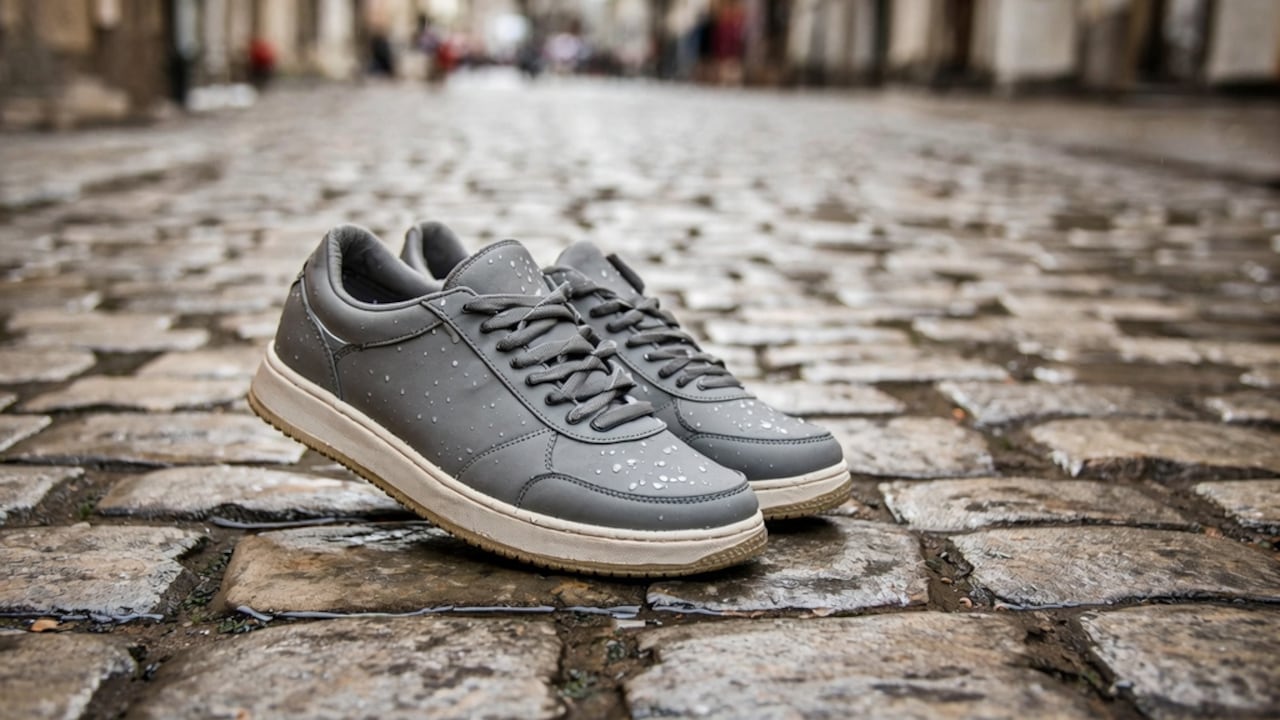
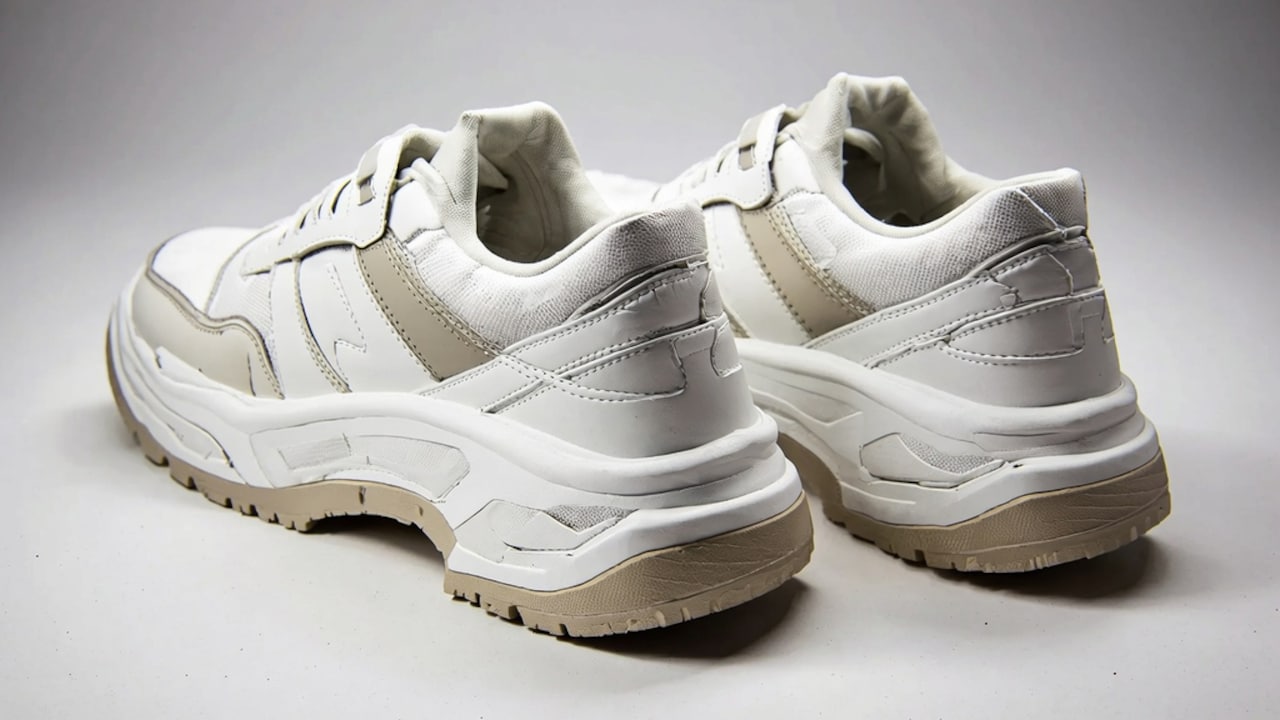
Formal shoes usually need a slightly longer fall because they have structure and height. Oxfords and derbies can handle a small break where the trouser lightly touches the shoe. Loafers, being lower and sleeker, often look better with little or no break. Sneakers vary wildly. A slim leather sneaker may suit a neat hem, while a bulky trainer needs more thought.
Many people make the mistake of trying on trousers barefoot at the tailor. This is like judging biryani without tasting the rice. The final result depends on the missing element. Without shoes, the tailor guesses. Sometimes the guess works. Often, it does not.
Even socks play a role. If trousers have no break, socks become visible while standing or walking. That can look stylish when planned. It can look chaotic when the socks are faded, mismatched or decorated with cartoon characters from a long-forgotten online sale.
The shoe sets the stage. The trouser break must respect it.
Also Read: Why Your Jeans Gap At The Waist: Stretch, Rise And Fit Mistakes To Avoid
Slim, Straight And Wide Trousers Need Different Breaks
Trouser width changes how the fabric falls. Slim trousers need less break because the narrow opening cannot sit neatly over the shoe. If they are too long, they bunch quickly and form sharp wrinkles around the ankle. That destroys the clean look slim trousers are meant to create.
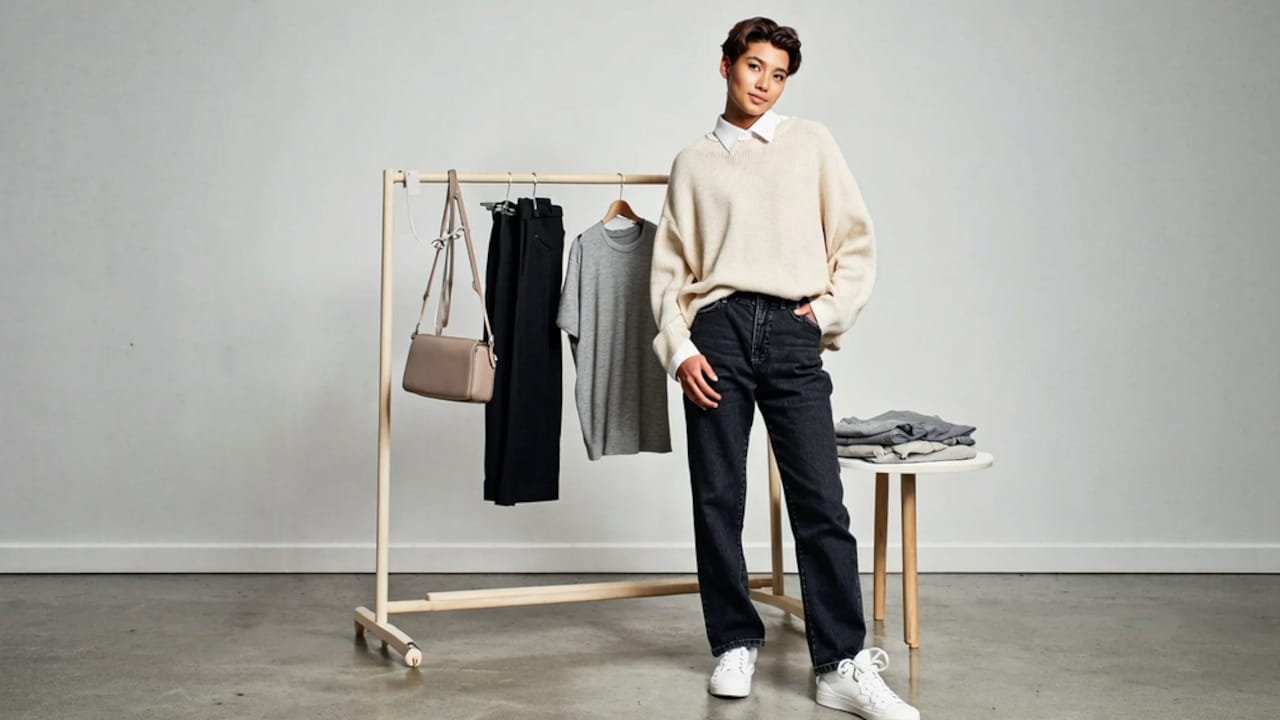
Straight trousers allow a little more break. They have enough room to fall naturally without clinging to the shoe. This makes them versatile for office wear, semi-formal events and daily dressing. A slight break usually works well because it feels neat without becoming fussy.
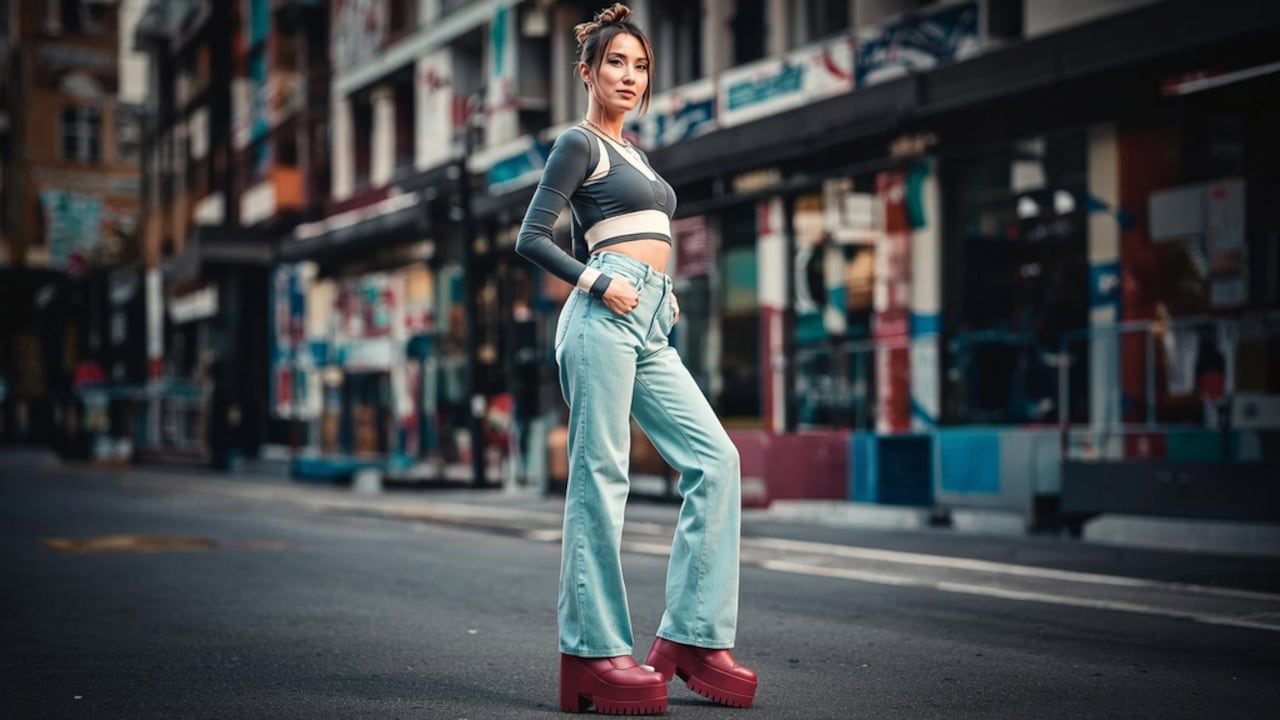
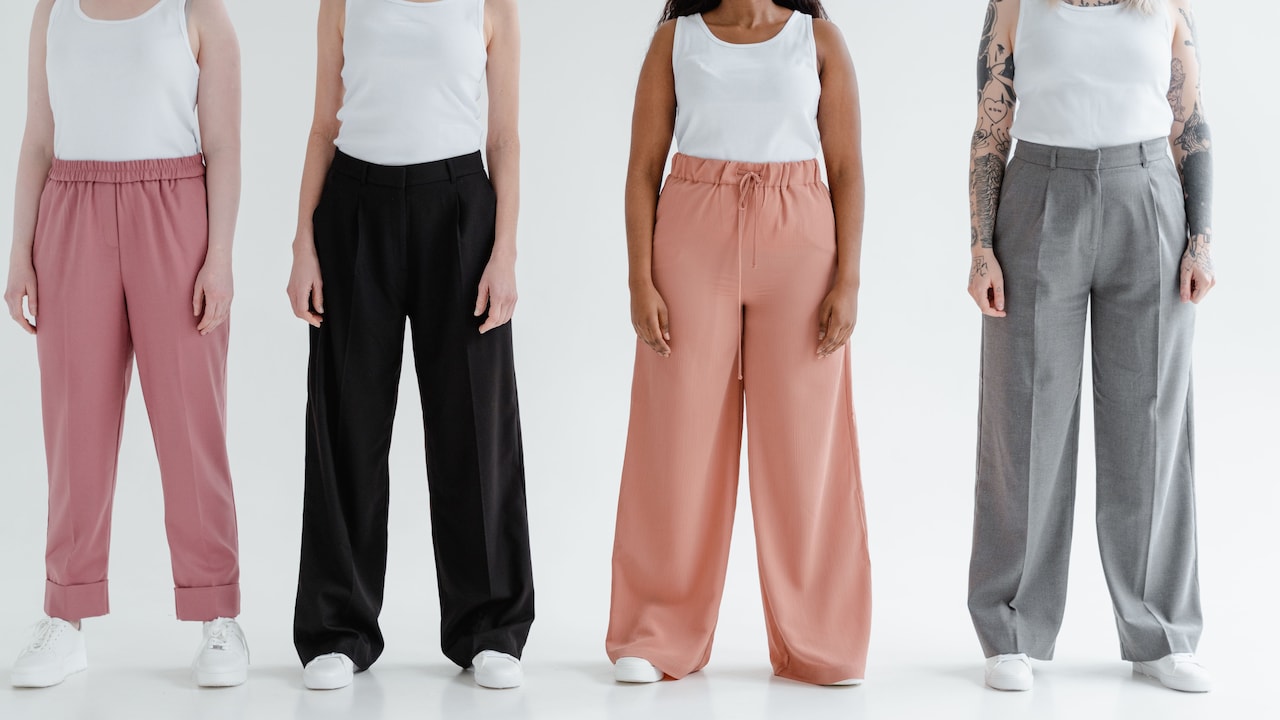
Wide-leg trousers need a different approach. Since they have more fabric, they can carry a fuller break, but only with control. If left too long, they look heavy and dated. If cut too short, they lose their graceful drape. The hem must skim the shoe with confidence, not crash into it.
This is why copying someone else's trouser length rarely works. A film star's cropped trousers may look effortless because the trousers are tapered, the shoes are sleek, and a stylist has adjusted every fold. The same length on a wider pair bought from a local store may feel completely different.
Fit is a conversation between cut, cloth and body. The break is where that conversation either ends beautifully or turns into noise.
Fabric Weight Decides How The Hem Behaves
Fabric has a mood of its own. Lightweight cotton behaves differently from wool, linen, polyester blends or denim. The wrong break becomes more noticeable when the fabric refuses to cooperate.
Linen, for example, already creases easily. Too much break makes it look even more wrinkled. A clean, shorter fall often suits linen trousers, especially for warm weather, brunches and relaxed evening plans. Cotton chinos can handle a small break, but extra length makes them bunch quickly. Wool trousers usually drape better, so they can carry a refined slight break without looking messy.
Polyester-heavy trousers can be tricky. They often hold awkward folds and shine under light. When the break is too deep, the fabric may form stiff creases that look stubborn by the end of the day. This is common in budget formal trousers, especially those bought urgently before interviews, college placements or office joining dates.
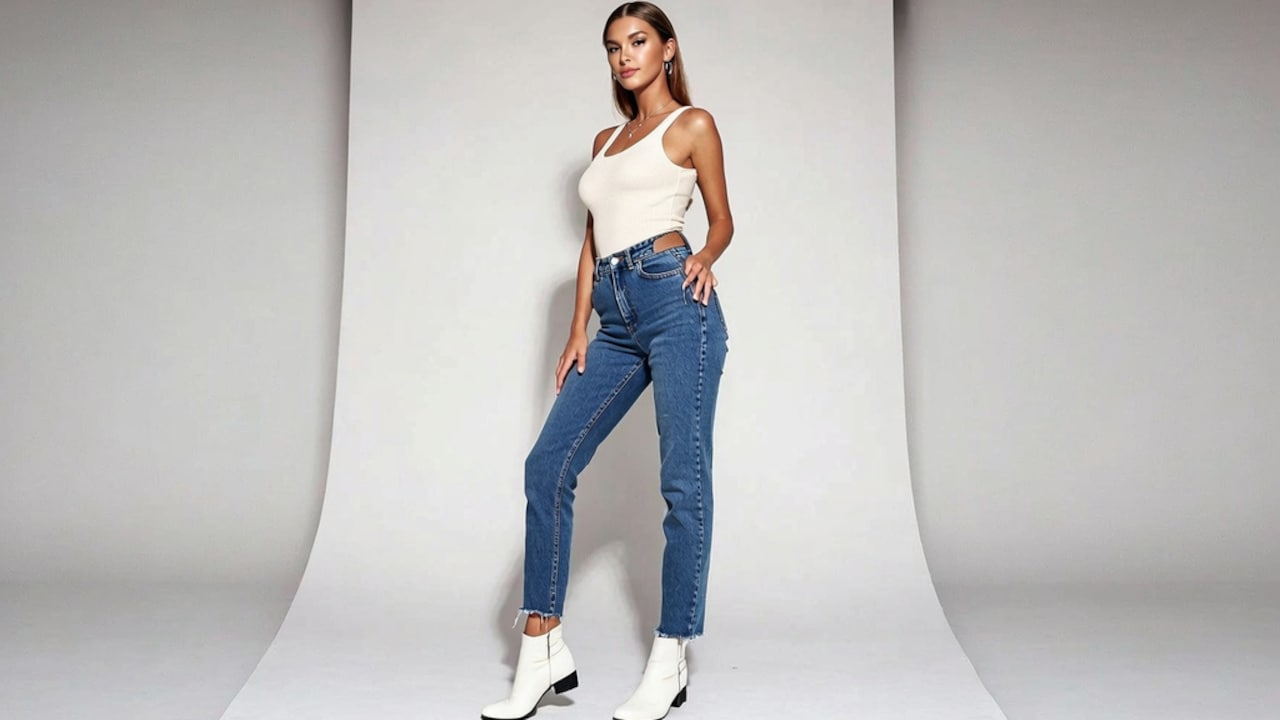
Denim has its own rules. Some people like stacking, where jeans gather at the ankle. That can work in streetwear. But formal trousers should not copy that habit. What looks cool with sneakers may look careless with leather shoes.
Understanding fabric saves money. A small alteration can make a ₹1,500 pair of trousers look more refined. Ignoring the break can make premium fabric look poorly handled.
Why The Wrong Trouser Break Can Make Even A Polished Outfit Look Messy
Photo Credit: Pexels
Height And Body Proportion Matter More Than Trends
Trends often treat everyone as though they have the same legs, shoes and schedule. Real life disagrees. Trouser break must suit the wearer's proportions.
For shorter men, excess break can shorten the frame further. When fabric gathers at the ankle, it cuts the vertical line and makes the legs look compressed. A no-break or slight-break style often creates a cleaner, taller appearance. It does not perform miracles, but it helps the eye travel without interruption.
Taller men can carry a fuller break more easily, but even then, too much fabric can look sloppy. Height does not forgive everything. A tall person in poorly hemmed trousers can still look like he walked away from the trial room before the tailor finished speaking.
Body shape also matters. A person with broader hips or thighs may prefer straight trousers with a gentle break, as very cropped slim trousers can disturb balance. Someone with a leaner frame may enjoy a sharper, shorter hem.
The key is not chasing trends blindly. Fashion reels may declare one break “correct” this month and another “dead” next month. Real style asks a simpler question: does this make the outfit look clean on this body, with these shoes, for this occasion?
That answer will outlast trends.
The Wrong Break Makes Formalwear Look Borrowed
Formalwear depends on precision. A suit, blazer or dress trouser should look as though it belongs to the person wearing it. The wrong break breaks that illusion.
This is why borrowed wedding suits often look slightly wrong, even when the chest and shoulders fit decently. The trouser length gives away the truth. Too long, and the trousers puddle over the shoes. Too short, and they expose more sock than intended. Both create that familiar “adjusted in a hurry” feeling.
Many people spend heavily on jackets while ignoring trouser alterations. A blazer may cost ₹12,000, shoes ₹6,000, and the shirt ₹2,500, but the entire look can stumble over a ₹250 hemming decision. That is the cruel comedy of menswear. The smallest bill can create the biggest difference.
Formal photographs reveal this clearly. In person, movement may hide the problem for a few seconds. In a photo, the messy break stays frozen forever. At receptions, office award nights and graduation ceremonies, those ankle folds become permanent evidence.
A precise trouser break makes formalwear feel owned, not borrowed. It says the outfit was prepared, not merely worn. That quiet message carries more power than loud branding.
Casual Outfits Also Need A Clean Finish
Trouser break is not only a suit problem. It matters with chinos, jeans, linen trousers and casual cotton pairs too. In fact, casual outfits often suffer more because people assume relaxed means careless.
A weekend outfit with a polo shirt, chinos and loafers can look smart without trying too hard. But if the chinos sag into the shoes, the charm disappears. The look shifts from easygoing to untidy. The same happens with jeans that bunch heavily over sneakers, unless the stacking is intentional and suits the overall style.
In warm weather, shorter breaks often feel fresher. They show the shoe, keep the line clean and stop fabric from collecting dust. This matters during daily commutes, metro rides, café plans and long family shopping trips where comfort and neatness must work together.
Casual does not mean every detail must be perfect. That would be exhausting. Nobody wants to treat a grocery run like a fashion week appearance. Still, a clean trouser length makes even simple clothes look considered. A plain T-shirt and well-hemmed trousers can look sharper than a branded outfit with poor proportions.
Ease and polish can live together. The trouser break is one of the easiest places to make that happen.
A Good Tailor Can Save The Outfit
A trouser break is one of the simplest things to fix, yet it changes everything. A good tailor can mark the right length in minutes. The important part is going prepared.
Wear the shoes you will actually use. Stand naturally. Do not pull the trousers up higher than usual to impress the mirror. Let them sit where they sit during real life. If you wear a belt, wear it at the fitting. If the trousers will be worn mostly to the office, take formal shoes. If they are for loafers, take loafers. These small choices prevent big regrets.
Ask for a slight break when unsure. It is the safest middle path for many formal and semi-formal trousers. It gives enough length to feel classic but avoids messy bunching. For slimmer trousers or loafers, no break can look cleaner. For wider trousers, a controlled full break may work, but only when the fabric drapes well.
Tailoring need not be expensive. Many local alteration shops can adjust hems for a modest amount. The result often looks far better than buying another pair. Before blaming the shirt, shoes or body shape, check whether the trouser length simply needs attention.
Good style is not always about shopping. Often, it is about correcting the last inch.
The Right Break Adds Quiet Confidence
When trousers fall well, the outfit gains a certain calm. Nothing fights for attention. The shoes show properly, the legs look cleaner, and the clothes seem to belong together. That is the beauty of the right break. It does not announce itself. It supports everything else.
Clothing affects how people carry themselves. A messy hem can create constant fidgeting. The wearer keeps adjusting the trousers, checking the mirror or wondering why the outfit feels wrong. A clean break removes that small irritation. It lets the person walk into a meeting, dinner or celebration without thinking about the ankle every five minutes.
There is also a cultural rhythm to dressing here. Clothes need to survive long days, traffic, dust, air-conditioned offices, warm afternoons and sudden plans after work. A good trouser break helps the outfit stay neat through all of it. It is practical, not precious.
The right break creates polish without looking vain. It tells people that care has been taken, but not loudly. In a world full of logos, trends and overworked styling advice, that kind of quiet confidence feels refreshing.
Why The Wrong Trouser Break Can Make Even A Polished Outfit Look Messy
Photo Credit: Pexels
Products Related To This Article
1. Chemistry Women Linen Cotton Loose Fit Pleated Trousers
2. Moda Rapido Women Comfort High-Rise Trousers
3. Kotty Women Relaxed Straight Leg High-Rise Pleated Parallel Trousers
4. Mast & Harbour Women Wide Leg Pleated Trousers
5. SASSAFRAS Women Regular Fit High-Rise Pleated Side Zipper Korean Pants Trousers
6. Glitchez Women High-Rise Pleated Trousers
7. Outzidr Women Flared Trousers
The wrong trouser break can undo a polished outfit because it disturbs the final line. Too much fabric looks sloppy. Too little can feel awkward. The right length brings harmony between trousers, shoes, fabric, body and occasion.
This detail may sit close to the ground, but its effect reaches the whole outfit. It can make formalwear look tailored, casualwear look sharper, and simple clothes look more expensive than they are. More importantly, it adds ease. No fussing, no bunching, no strange folds stealing attention from an otherwise smart look.
Good dressing rarely depends on dramatic changes. Sometimes, it is a trimmed hem, a cleaner fall and a trouser break that knows exactly where to stop.
(Disclaimer: This article may include references to or features of products and services made available through affiliate marketing campaigns. NDTV Convergence Limited (“NDTV”) strives to maintain editorial independence while participating in such campaigns. NDTV does not assume responsibility for the performance or claims of any featured products or services.)