10 Reasons Ballet Flats Cramp Your Toes Even When The Material Feels Soft
Soft ballet flats can still leave toes aching. Narrow toe boxes, poor support, thin soles and an awkward fit can create hidden pressure. Here are 10 reasons your flats may cramp your toes despite feeling soft.
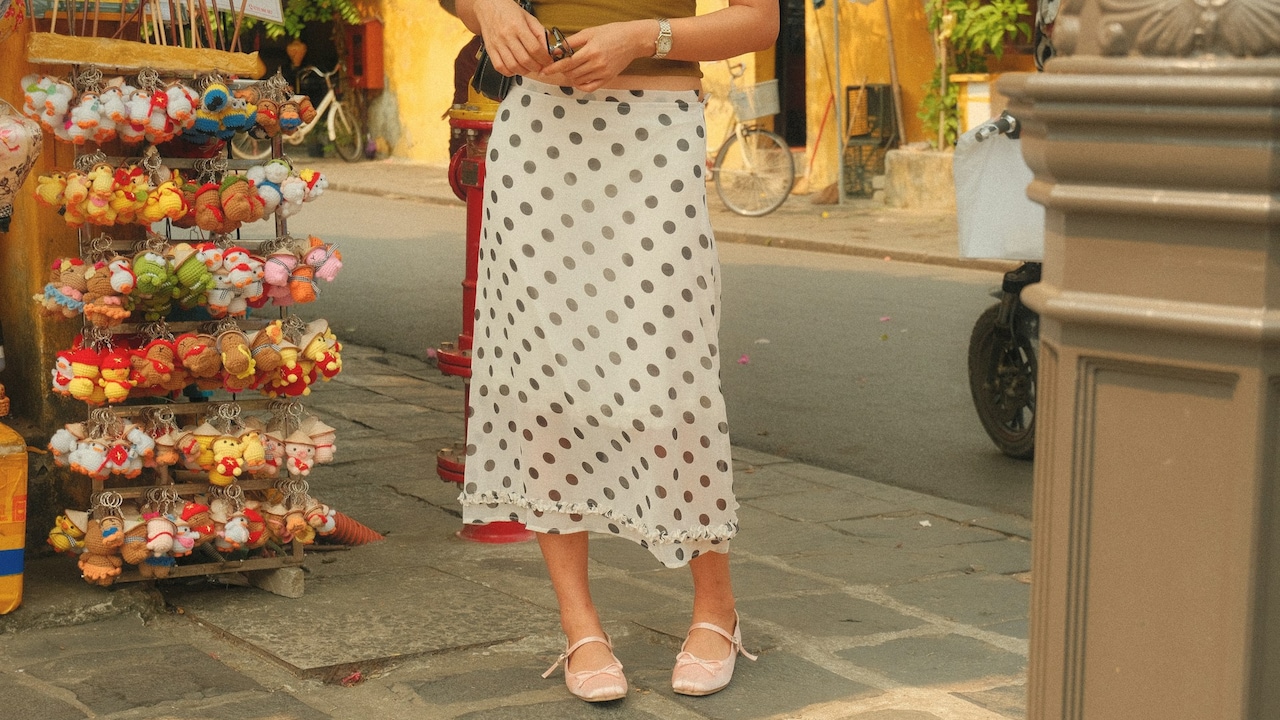
Common reasons why some ballet flats cramp your feet easily than other pairs
Ballet flats have earned a permanent place in everyday wardrobes for good reason. They slip on quickly, work with kurtas, trousers, dresses and office wear, and fit easily into a tote bag when heels become unbearable. A pair can cost anything from a few hundred rupees at a local market to several thousand rupees at a premium store, yet comfort does not always rise with the price tag. The confusing part is that many ballet flats feel wonderfully soft when touched. The leather bends. The fabric folds. The lining feels smooth. Then, after an hour of walking through a mall, standing on the Metro or attending a long family function, the toes start protesting.
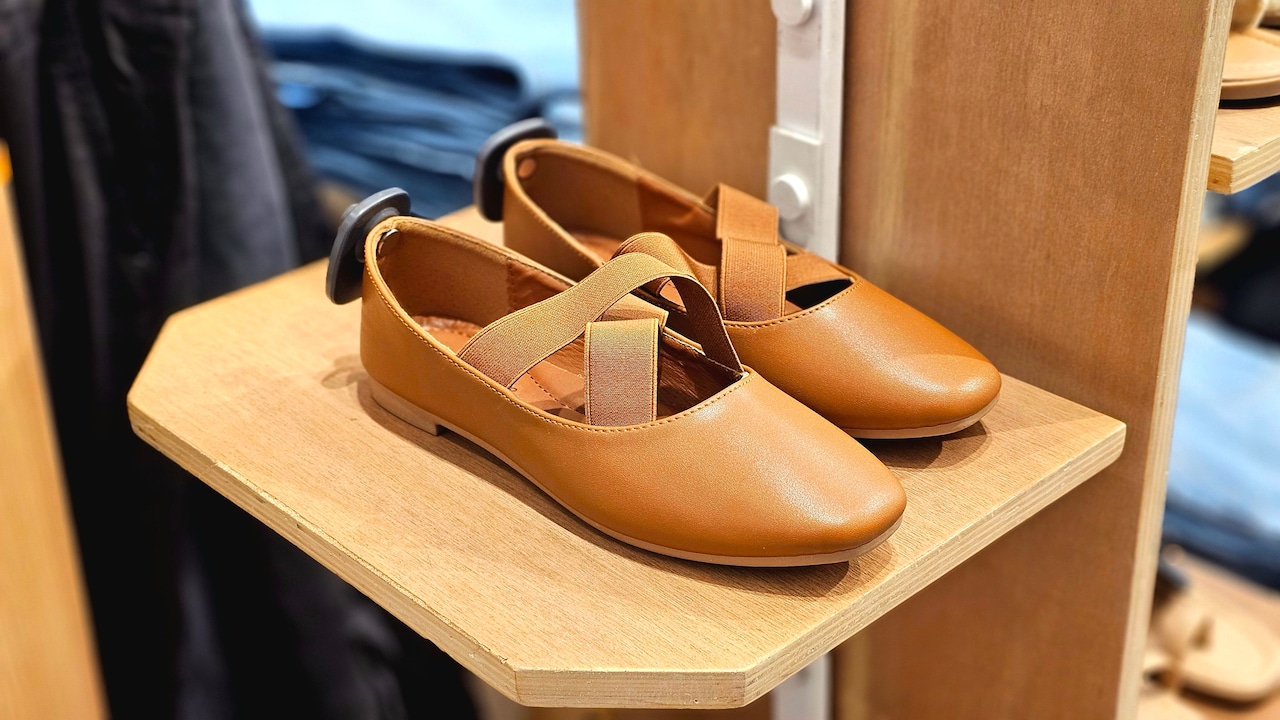
Why some ballet flats feel too tight upon styling
Photo Credit: Pexels
That discomfort is not imaginary, and softness alone does not guarantee a roomy fit. The shape, construction and support of the shoe matter just as much as the material. A flat can feel like a cushion in the hand while behaving like a tiny suitcase around the foot. Here are ten common reasons ballet flats cramp toes even when the material feels soft.
Also Read: Most Comfortable Ballerina Flats For Women For Everyday Wear And Summer Comfort Below ₹1200
Why Soft Ballet Flats Can Still Leave Your Toes Feeling Cramped
1. The Toe Box Is Narrower Than It Looks
A ballet flat can appear broad from above while still narrowing sharply around the front. This happens because many designs taper towards the toes to create a neat, delicate silhouette. Unfortunately, feet are rarely shaped like that.
The toes naturally spread a little while standing and walking. If the toe box does not allow that movement, the smaller toes get pushed inwards while the big toe may angle towards the centre. After a few hours, the pressure can create burning, numbness or that familiar urge to kick the shoes off under the table.
Soft fabric does not solve the problem if the basic shape remains narrow. Imagine wrapping a soft scarf tightly around a box. The fabric feels gentle, but the box still has no extra room.
A useful trick is to place the flat next to the bare foot before buying. If the forefoot appears visibly wider than the shoe, the fit may become uncomfortable later. A slightly rounded or almond-shaped front often gives toes more breathing space than a sharply tapered design.
2. The Shoe Is Too Short For Your Foot
Length often gets overlooked because shoppers focus on whether the heel slips out. A ballet flat can stay securely on the foot yet still be too short at the front.
When the shoe lacks enough length, the toes repeatedly touch the inner edge with every step. The soft material may cushion the contact at first, but repeated pressure builds quickly. By lunchtime, the toes can feel as though they have spent the morning arguing with a wall.
Feet also expand slightly during the day, especially in warm weather or after long periods of standing. A pair that feels perfect at 10 a.m. may feel noticeably tighter by 5 p.m.
There should usually be a little space between the longest toe and the front of the shoe. That longest toe is not always the big toe, either. For some people, the second toe extends further.
Trying shoes in the late afternoon can give a more realistic sense of fit. It also helps to walk around the shop rather than deciding after three graceful steps near the mirror.
3. Soft Material Still Has Seams And Reinforcement
The outside of a ballet flat may feel buttery soft, but the inside tells a more complicated story. Most shoes contain stitching, folded edges, glue lines, lining joins and reinforced sections that help the shoe keep its shape.
Those hidden structures can press against the toes even when the visible upper feels flexible.
The front edge is a common trouble spot. Some ballet flats include extra reinforcement around the toe to prevent collapse or scuffing. That firm layer may sit directly above the nails or across the sides of the toes.
Internal seams can also rub against sensitive areas, particularly if the feet swell during the day. A small ridge that feels harmless during a quick fitting can become surprisingly irritating after several thousand steps.
Before buying, running a hand around the inside of the shoe can reveal stiff joins or raised stitching. Pay particular attention to the toe area and sides.
A pretty lining may look polished, but comfort depends on what sits underneath it. When toes keep hurting in an otherwise soft pair, hidden structure may be the real culprit.
4. Your Feet Spread More While Walking
Feet are not static objects. They change shape every time they carry body weight.
When walking, the forefoot naturally widens as pressure moves through the foot. The toes also spread slightly to help with balance and push-off. Ballet flats that fit snugly while sitting down may therefore feel much tighter once movement begins.
This explains why a pair can seem perfectly comfortable during a five-minute trial and become painful during a long shopping trip or commute.
The effect becomes more noticeable on hard floors, long pavements or days filled with standing. Wedding functions provide a classic example. A pair may feel elegant during the first photographs and feel like a personal betrayal by the time dinner begins.
Soft material can stretch, but not always enough to match the natural expansion of the forefoot. Some fabrics also stretch unevenly, creating pressure in unexpected spots.
Shoes with a little extra width across the ball of the foot generally cope better with movement. Comfort comes from allowing the foot to behave naturally, not from holding it perfectly still.
5. The Sole Is Too Thin To Absorb Pressure
Ballet flats often have very thin soles because the slim profile forms part of their appeal. The problem is that a thin sole places the foot surprisingly close to the ground.
Every step sends force through the sole and into the forefoot. Without enough cushioning, the toes may tense instinctively to stabilise the foot. Over time, this constant gripping can create cramping and fatigue.
Walking on marble floors, concrete pavements or railway platforms can make the problem more obvious. The shoe may feel soft around the foot while offering almost no protection underneath it.
Thin soles can also make small stones, uneven tiles and rough surfaces feel much more noticeable. That extra sensory input encourages the toes to work harder.
A lightly cushioned insole can help, provided it does not make the shoe too tight. Some flats now include padded footbeds while keeping a streamlined appearance.
The key is balance. A ballet flat does not need the chunky sole of a running shoe, but a little shock absorption can make the difference between elegant comfort and counting the minutes until the shoes come off.
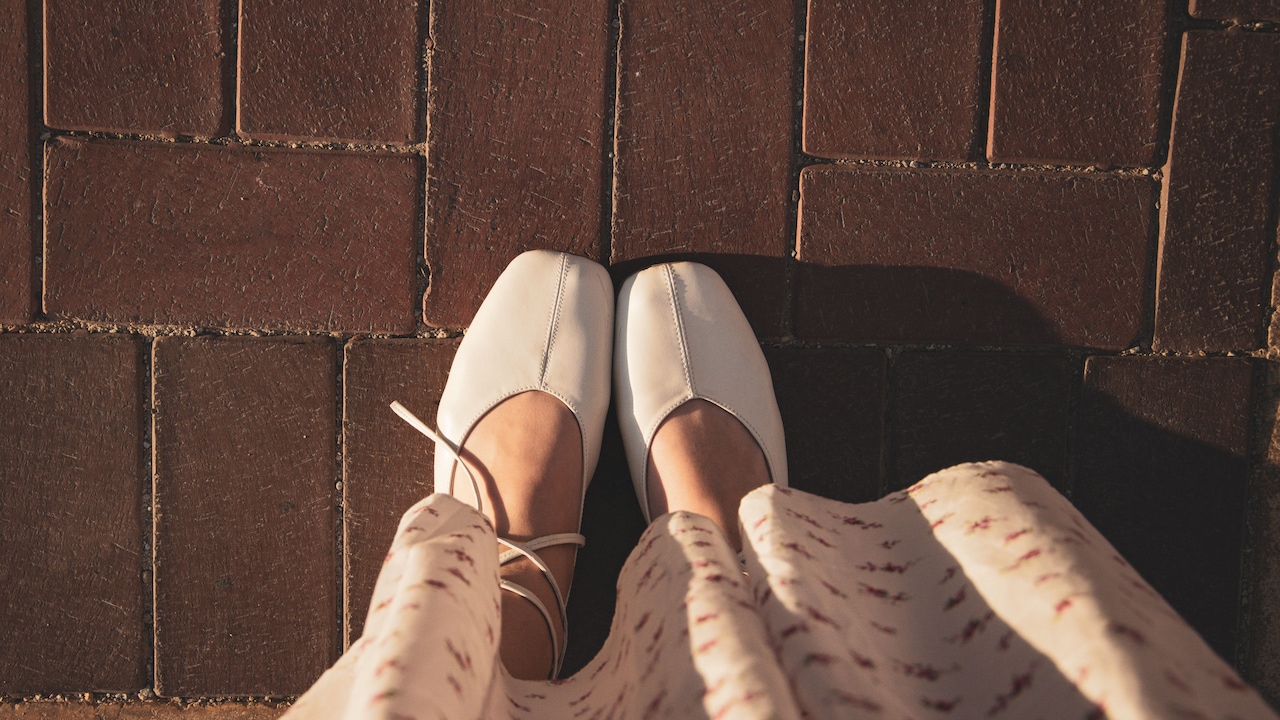
Ballet flats with a thin sole may not be able to absorb pressure fully; Photo Credit: Pexels
6. There Is Little Or No Arch Support
Many ballet flats are almost completely flat inside. That minimalist construction looks sleek, but it may leave the arch without enough support.
When the arch receives little assistance, the foot can roll inward or flatten slightly under body weight. This movement may cause the forefoot to spread more than expected, pushing the toes against the sides and front of the shoe.
The toes may also start gripping the sole to create stability. That gripping motion is subtle, so it can happen for hours without attracting attention. Eventually, the muscles become tired and cramped.
People who spend long days walking between meetings, classrooms, shops or public transport may notice the effect more quickly.
Adding an arch-support insert sounds simple, but ballet flats do not always have enough depth for thick insoles. A bulky insert can solve one problem while creating another by squeezing the toes from above.
Low-profile support works better in many cases. Choosing flats with built-in contouring can also help.
A shoe does not have to resemble sports footwear to provide support. Even a modestly shaped footbed can reduce the amount of work the toes do.
7. The Elastic Edge Pulls The Shoe Inwards
Some ballet flats use elastic around the opening to keep the shoe securely attached to the foot. It is a clever design feature, especially in foldable or travel-friendly styles, but it can also make the front feel tighter.
Elastic creates inward tension. That tension may pull the sides of the shoe towards the foot, reducing the usable space around the toes and forefoot.
At first, the pressure may feel reassuring rather than uncomfortable. The shoe stays put, the heel does not slip and everything seems secure. A few hours later, red marks may appear along the sides while the toes feel crowded.
This often happens with flats that have gathered edges or strong elastic stitched around much of the opening.
The problem becomes worse if the shoe is already slightly narrow. Strong elastic then acts like a drawstring, tightening an already limited space.
Trying the pair with a few longer walks inside the shop can help reveal excessive tension. If the edges dig into the skin before purchase, they are unlikely to become magically polite during a busy day.
Security matters, but the shoe should hold the foot without hugging it like an overenthusiastic relative.
8. Your Toes Are Gripping To Keep The Flats On
Not all toe cramping comes from a shoe being too tight. Sometimes the opposite happens: the flat is slightly loose.
When ballet flats slip at the heel, the toes often curl or grip the sole to stop the shoe from coming off. This happens almost automatically and may go unnoticed until the muscles start aching.
The problem is especially common with low-cut flats because there are no laces, straps or high sides to secure the foot. The toes become the unofficial fastening system.
A soft heel lining may make the shoe feel comfortable, yet poor fit can still force the foot to work harder than necessary.
Sizing down is not always the right solution because that can squeeze the front. Heel grips or a style with a slightly higher vamp may offer better security without reducing toe room.
Flats with a small strap can also help people whose heels are narrower than their forefeet.
Comfort depends on stability as much as softness. If every third step involves silently trying to keep the shoe attached, the toes are doing far more work than the design suggests.
9. Your Feet Swell During The Day
A pair of ballet flats can fit beautifully in the morning and feel dramatically different by evening. Everyday swelling often explains the change.
Heat, long periods of standing, walking and even a salty lunch can make the feet slightly fuller as the day progresses. The difference may seem small, but ballet flats usually have little spare room.
When the forefoot expands, toes start pressing against the upper and one another. Soft leather or fabric may stretch a little, but the sole and overall structure still limit how far the shoe can expand.
Hot and humid days can make the sensation particularly noticeable. A morning commute may feel effortless, while the same shoes become uncomfortable during the journey home.
Shopping for shoes later in the day can help because the feet are closer to their typical afternoon size. It is also worth avoiding pairs that already feel snug when first tried on.
Shoes should not require a painful breaking-in ceremony. A comfortable flat should allow for normal changes in foot size without turning every evening into a countdown to freedom.
10. The Shape Of The Flat Does Not Match Your Foot
Shoe size tells only part of the story. Two people can wear the same numbered size and have completely different foot shapes.
Some feet are wider at the front. Others have longer second toes, higher arches, broader big-toe joints or narrow heels. Ballet flats are often designed around a standard shape, which may not match those natural variations.
That mismatch can create pressure even when the material feels soft and the labelled size seems correct.
For example, someone with a broad forefoot may choose a larger size to gain width, only to end up with heel slippage. Someone with a longer second toe may feel pressure at the front despite having plenty of room around the big toe.
Trying different silhouettes can work better than repeatedly changing size. Round-toe, almond-toe, square-toe and wider-fit flats all distribute space differently.
Brand sizing also varies, so loyalty to one number can be misleading.
The most comfortable shoe is not necessarily the one that looks smallest or neatest on the shelf. It is the one that follows the actual shape of the foot without forcing the toes to negotiate for territory.
Products Related To This Article
1. Liscott Women Bows Flats
2. CAI Cream buckled ballet Open Toe Flats
3. Lavie Women Mules Square Toe with Buckles Flats
4. Sylcon Women Textured Flats with Bows
5. H&M Mary Jane Ballet Flats
6. CAFONE Footwear Cafone Footwear Women & Girls Memory Foam, Padded Stylish, Bellies Ballet Flats
7. Theater Women Dorothy Gingham Check Blue Mary Jane Flats
Ballet flats have a reputation for being the easy, comfortable alternative to heels, but appearance can be deceptive. A soft upper does not automatically mean a forgiving fit. Toe-box width, shoe length, internal seams, thin soles, poor arch support and even loose heels can all contribute to cramping.
The best approach is to judge the entire construction rather than simply pressing the material between two fingers and declaring it comfortable. Walk around, check the toe space, notice heel movement and pay attention to how the foot spreads inside the shoe.
Most importantly, discomfort should not be treated as a compulsory breaking-in stage. Feet rarely appreciate fashion lessons delivered through pain.
A good pair of ballet flats should feel easy from the start and remain comfortable when the day stretches from a morning commute to evening chai. Softness helps, but proper shape, support and space are what truly allow toes to relax.
(Disclaimer: This article may include references to or features of products and services made available through affiliate marketing campaigns. NDTV Convergence Limited (“NDTV”) strives to maintain editorial independence while participating in such campaigns. NDTV does not assume responsibility for the performance or claims of any featured products or services.)