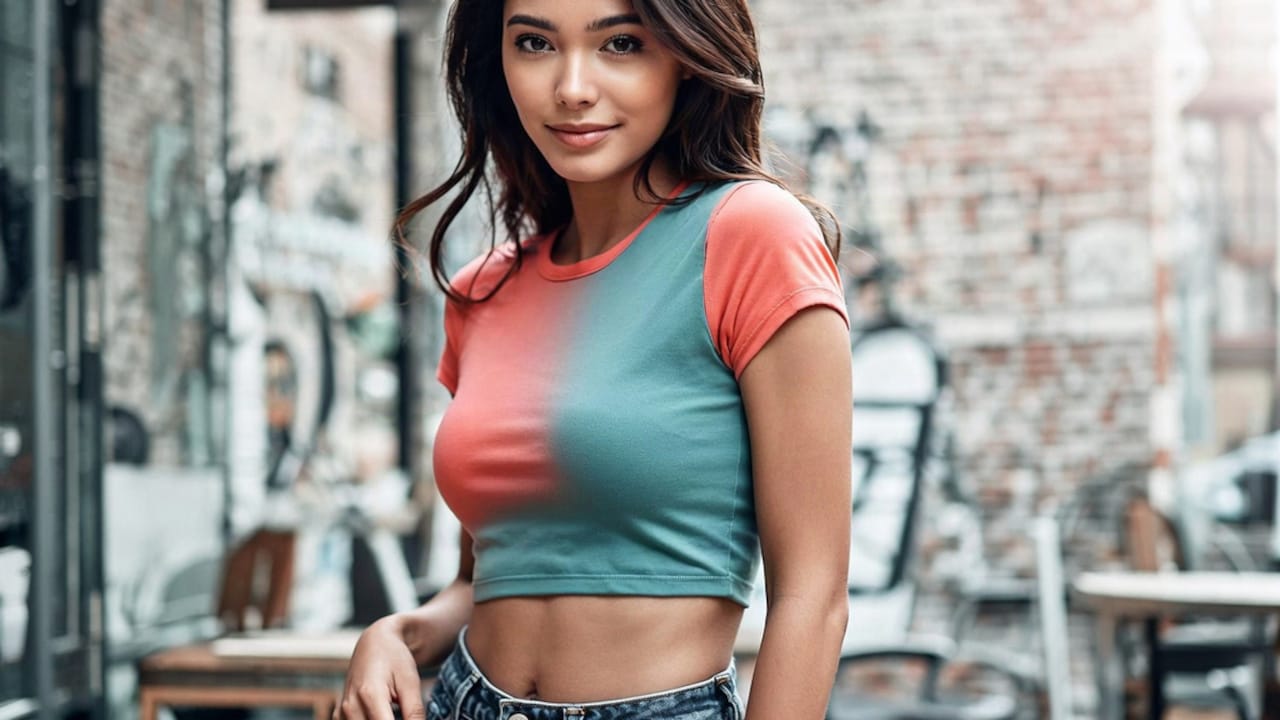
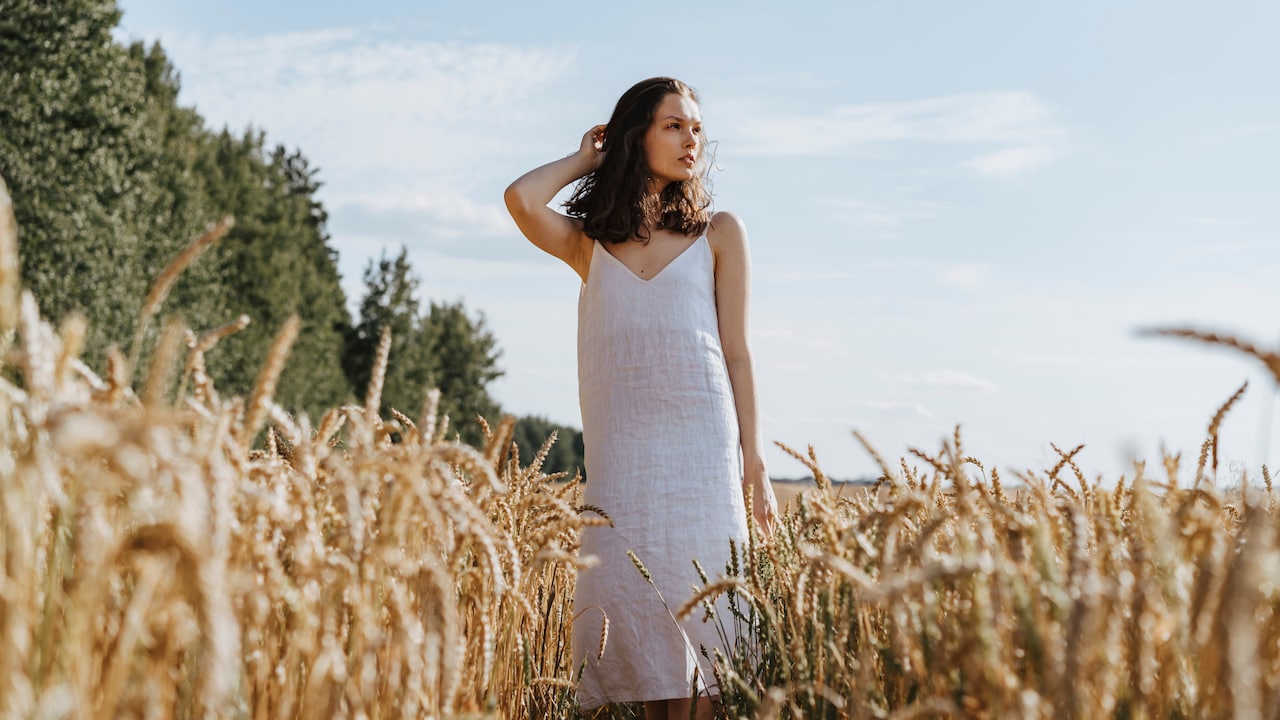
Does Thick Fabric Always Mean Squat-Proof Leggings? 10 Activewear Myths Explained
Thick leggings aren’t always squat-proof, and pricey activewear isn’t always better. This guide busts 10 common activewear myths about fabric, fit, support, sweat-wicking and performance.
10 Activewear Myths About Squat-Proof Leggings, Fit and Fabric
Shopping for activewear used to be fairly straightforward. Find something comfortable, check whether it fits, pay, and head home. Today, a single pair of leggings can arrive with a vocabulary lesson: moisture-wicking, four-way stretch, sculpting, seamless, compressive, breathable and squat-proof. Naturally, a few myths have crept into the changing room. Some sound logical. Surely, thicker fabric cannot turn transparent during a squat. Surely a tighter waistband gives better support. Surely an expensive sports bra survives longer than a budget one. Yet performance clothing depends on far more than one feature or a convincing product description.
Does Thick Fabric Always Mean Squat-Proof Leggings? 10 Activewear Myths Explained
Photo Credit: Pexels
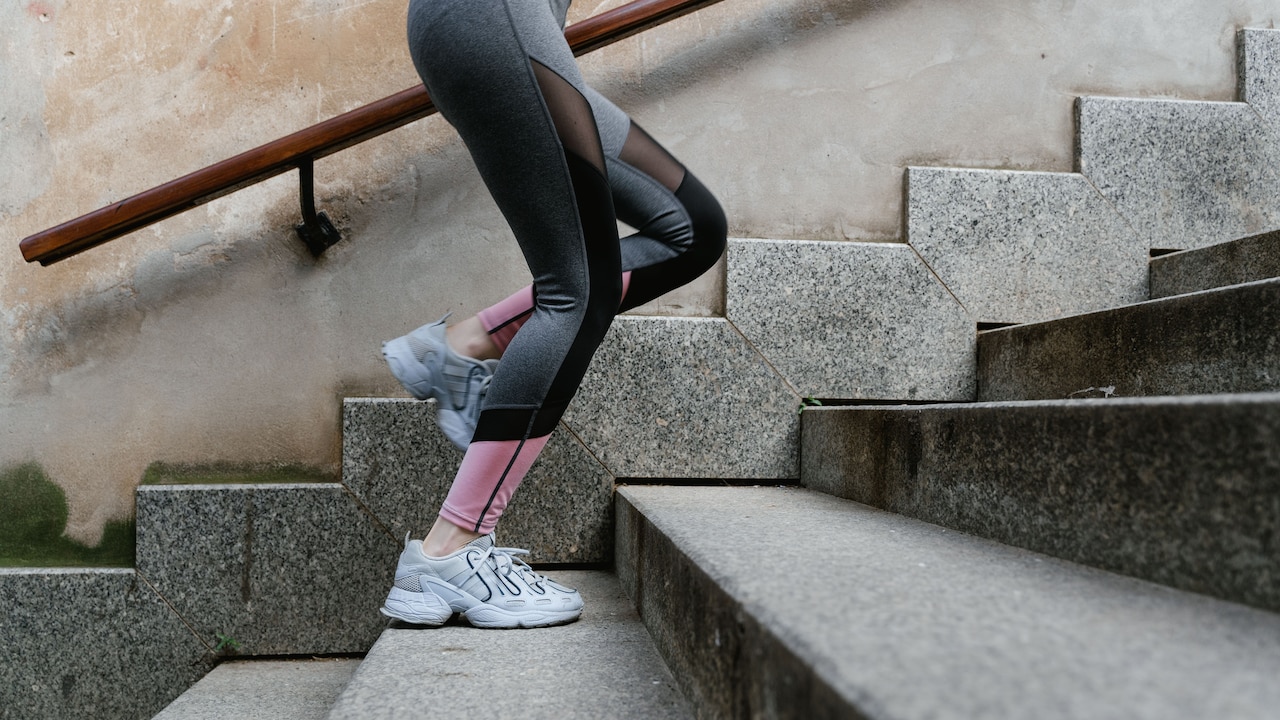
The truth usually sits somewhere between fabric science, construction, fit and what the garment actually needs to do. Leggings meant for a Sunday walk have different demands from those worn for deadlifts. A loose cotton T-shirt might feel perfect during stretching but become a soggy towel halfway through a humid outdoor run.
Before judging activewear by thickness, price tags or dramatic marketing claims, it helps to separate useful features from gym-floor folklore.
The Truth Behind Common Activewear Claims
1. Thick Leggings Are Always Squat-Proof
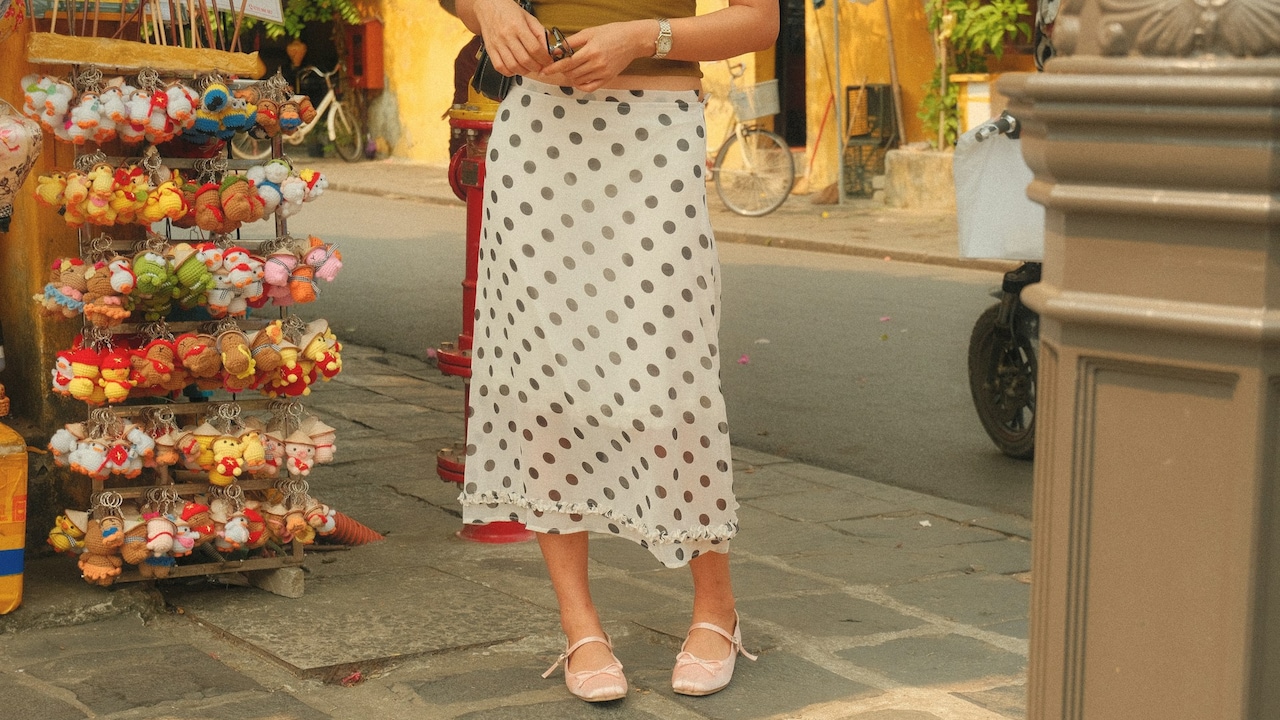
This might be activewear's most stubborn myth. Thick fabric can offer better coverage, but thickness alone does not guarantee opacity.
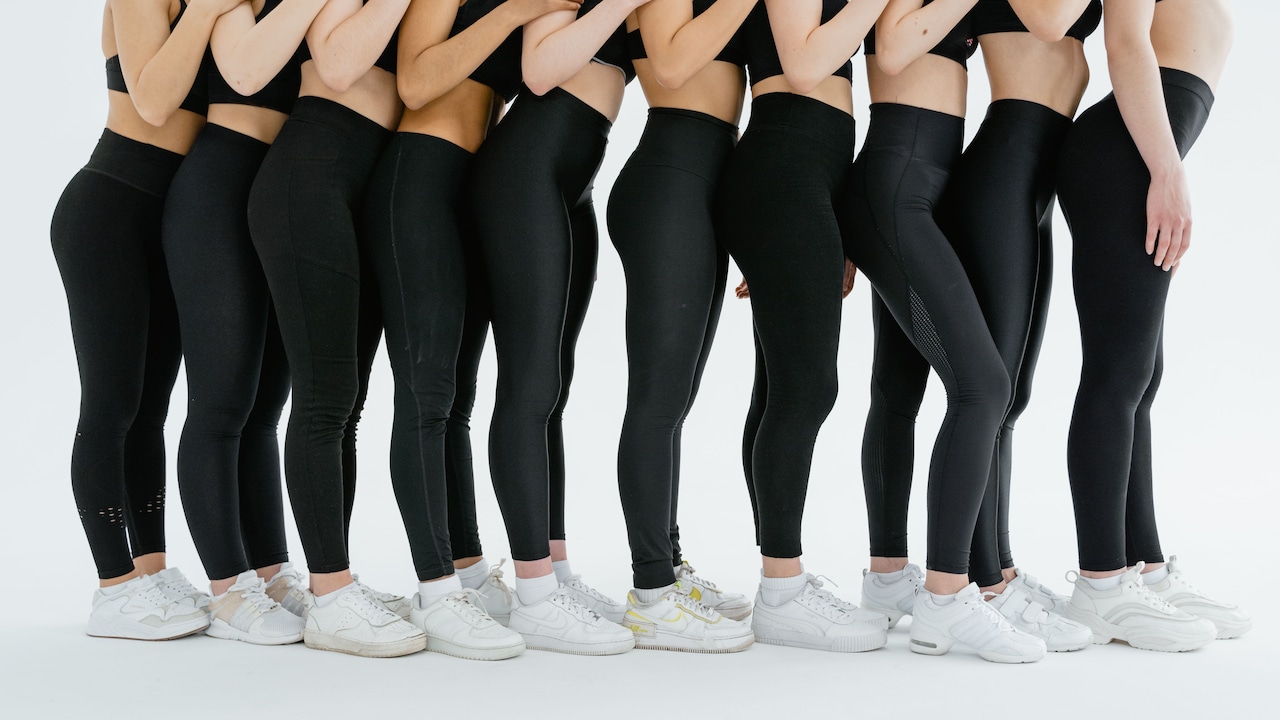
Squat-proof performance depends on how the fabric stretches, how densely it has been knitted, its colour, fibre blend and even the size being worn. A pair of black leggings may look completely opaque while standing in front of the mirror, then reveal far more than planned during a deep squat under bright gym lighting.
Stretch matters because fabric becomes thinner when pulled. If leggings are too small, even sturdy material can become noticeably sheer around the hips and thighs. Lighter colours can make the effect more obvious.
A simple home test works better than trusting a label. Wear the leggings, stand near natural light and check them while bending, lunging and squatting. A phone camera placed behind can also reveal what the mirror misses.
So yes, thick fabric may help. It just does not deserve automatic squat-proof status. Sometimes an intelligently knitted medium-weight fabric performs far better than something heavy enough to feel like upholstery.
2. More Compression Means Better Support
Compression sounds reassuring. The word itself suggests that everything will stay firmly where it belongs.
Yet maximum tightness does not automatically mean maximum performance.
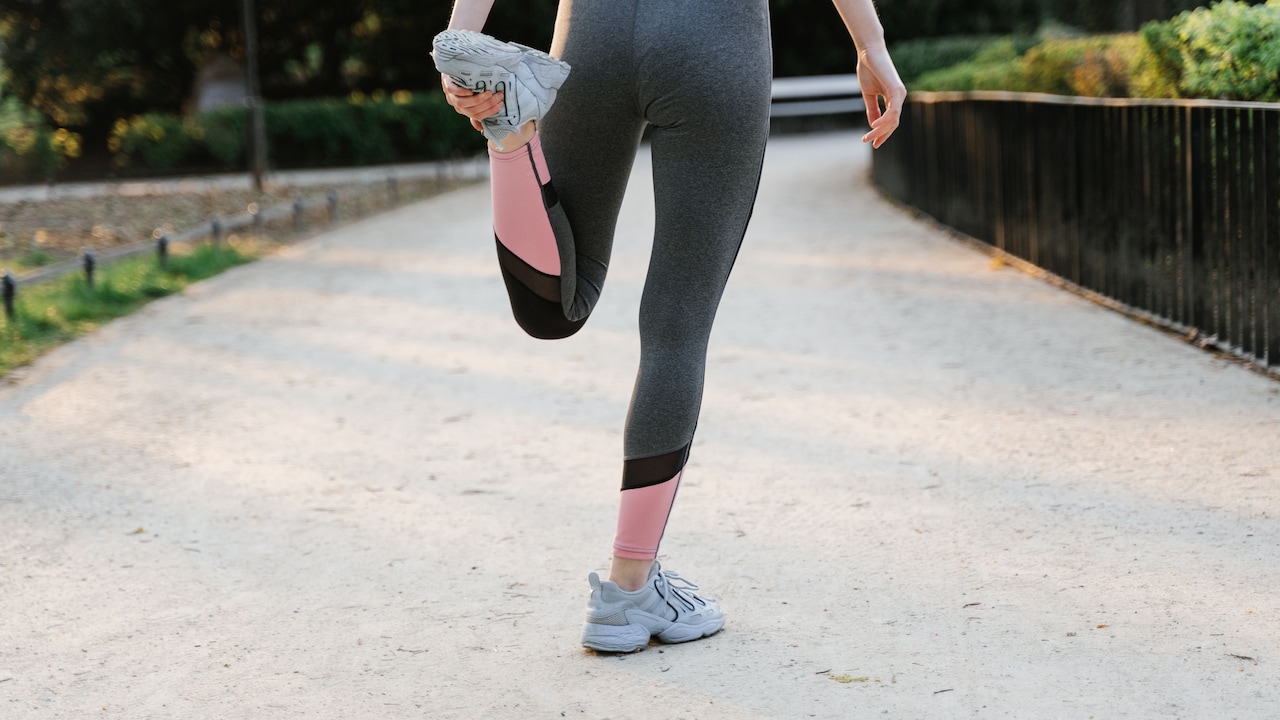
Good compression should feel supportive without restricting natural movement, digging into the waist or leaving someone desperate to peel off their leggings after twenty minutes. Different activities also need different levels of support. Running and high-impact training may benefit from firmer compression, while yoga, mobility sessions or long walks often feel better in softer, more flexible fabrics.
Sizing down deliberately is another common mistake. Smaller leggings do not magically become high-performance compression wear. They may instead overstretch, become transparent, roll at the waistband or create uncomfortable pressure.
True compression comes from fabric engineering and garment construction rather than simply making clothing tighter.
Think of the difference between a secure hug and being squeezed into the middle seat of an overcrowded metro carriage. Both involve pressure. Only one sounds pleasant.
The best activewear supports movement rather than constantly reminding the wearer that it exists.
3. Expensive Activewear Is Always Better
A ₹6,000 pair of leggings can be excellent. A ₹1,500 pair can also become the most-worn item in the cupboard.
Price offers clues about materials, branding, research, manufacturing and design, but it cannot guarantee comfort or durability. Some premium products justify their cost with stronger stitching, well-designed waistbands and fabrics that keep their shape after repeated washing. Others simply arrive with fashionable logos and polished marketing.
Budget activewear has improved enormously too. Affordable ranges now regularly feature flat seams, pockets, moisture management and stretch fabrics once associated mainly with premium labels.
Instead of treating price as a quality certificate, check the details. Does the waistband stay flat? Do the seams feel secure? Does the fabric recover after stretching? Can the garment survive the intended workout?
Cost-per-wear offers a better perspective. Leggings costing ₹3,000 and worn twice a week for two years may deliver better value than a ₹900 pair abandoned after three uncomfortable sessions.
The fanciest garment is not automatically the smartest purchase. Sometimes the real luxury is finding leggings that stay exactly where they should during burpees.
Also Read: Beyond Everyday Basics: Bottomwear Styles That Can Refresh Your Wardrobe Instantly
4. Cotton Is The Best Fabric For Every Workout
Cotton deserves its reputation for softness. It feels familiar, breathable and wonderfully comfortable during everyday wear.
During intense exercise, however, cotton can become less charming.
Cotton absorbs moisture readily and tends to hold onto it. During a sweaty spin class or a summer run, that comfortable T-shirt may become heavy, damp and slow to dry. The result can include chafing, clinginess and the distinctly unpleasant sensation of wearing yesterday's wet towel.
Synthetic performance fabrics such as polyester and nylon often handle sweat more efficiently by moving moisture away from the skin and drying faster. Blended fabrics can combine softness with better moisture management.
That does not make cotton useless for exercise. It can work beautifully for gentle yoga, stretching, walking or low-intensity strength sessions, especially when heavy sweating is unlikely.
The mistake lies in naming one fabric the universal winner.
Workout clothing works best when matched to the activity and weather. On a cool evening stroll, cotton may feel perfect. During an outdoor cardio session in May, quick-drying fabric suddenly starts looking like one of civilisation's better inventions.
5. Sweat-Wicking Fabric Stops You From Sweating
Moisture-wicking fabric sounds almost magical, but it does not switch off sweat glands.
Its job is to manage sweat after the body produces it.
Performance fabric moves moisture from the skin towards the outer surface of the garment, where it can spread out and evaporate more quickly. That can help clothing feel drier and reduce the sticky discomfort associated with intense workouts.
How effectively it works depends on humidity, fabric construction, garment fit and the amount of sweat involved. During a muggy monsoon workout, evaporation naturally happens more slowly. Even excellent fabric cannot negotiate with the weather.
Marketing language sometimes creates unrealistic expectations. A moisture-wicking top may still become visibly damp after forty minutes of hard training. That does not necessarily mean it has failed.
The more useful question is whether the garment dries reasonably quickly and keeps moisture from sitting heavily against the skin.
Activewear can manage sweat. It cannot prevent the body from producing it, and during exercise, that sweating is part of the body's perfectly normal cooling system.
Does Thick Fabric Always Mean Squat-Proof Leggings? 10 Activewear Myths Explained
Photo Credit: Pexels
6. Seamless Activewear Has No Seams
The word “seamless” invites a fairly obvious assumption: no seams anywhere.
In practice, seamless activewear usually means fewer seams rather than none at all.
Manufacturers often create these garments using circular knitting techniques, which can reduce traditional side seams and allow different zones of stretch or ventilation within one piece of fabric. However, openings, gussets, waistbands and other areas may still require joining.
The real advantage is not achieving some mythical seam-free state. It is reducing bulky stitching in areas where rubbing can become annoying.
That can make seamless pieces particularly comfortable for yoga, gym sessions or everyday athleisure. Still, seamless does not automatically mean chafe-proof. Poor fit, rough finishing and excessive friction can cause discomfort regardless of how the garment was constructed.
Traditional seamed activewear can perform brilliantly too, especially when it uses flatlock stitching designed to sit smoothly against the skin.
So, when a product proudly announces “seamless technology”, there is no need to begin searching suspiciously for hidden stitching. The term describes a construction method, not a magician's trick.
7. High-Waisted Leggings Never Roll Down
High-waisted leggings have achieved near-heroic status. They promise coverage, support and the comforting feeling that everything has been organised before the workout even begins.
Unfortunately, a high waistband can still roll.
Waistband performance depends on height, elasticity, construction and body proportions. A very tall waistband may fold when the torso bends. A loose one can slide during running. An overly tight one may roll because the fabric keeps seeking a less stressful position.
This is why two people can wear the same leggings and have completely different experiences.
The best test involves movement rather than standing elegantly in a changing-room mirror. Sit down. Bend forward. Squat. Twist. Raise the knees. If the waistband starts migrating before the workout has even begun, things are unlikely to improve during mountain climbers.
Drawstrings and reinforced waistbands can provide extra security for running and high-impact sessions.
High-rise designs can be wonderfully comfortable, but the words “high-waisted” describe where a garment sits. They do not promise that it will remain perfectly frozen there through every jumping jack.
8. Sports Bras Should Feel Extremely Tight
A supportive sports bra should feel secure. It should not feel like a punishment.
Many shoppers assume that tighter automatically means more support, particularly for running, aerobics and other high-impact exercise. Excessive tightness, however, can restrict breathing, create painful pressure marks and cause rubbing around the band or straps.
Support comes from several elements working together: band fit, cup structure, straps, fabric and overall design. High-impact bras often use compression, encapsulation or a combination of both to control movement.
The band should sit firmly around the ribcage without riding up. Straps should stay secure without digging into the shoulders. Breathing deeply should still feel possible, quite important during something as ambitious as exercise.
Activity level matters as well. A soft yoga bra does not need the same structure as one designed for sprinting.
Trying several movements before buying can reveal far more than simply checking the size label. Jump gently, stretch the arms and take a deep breath.
Support should create confidence. If taking the bra off feels like escaping from a wrestling hold, the fit probably needs reconsideration.
9. Fabric Softener Keeps Activewear In Better Condition
Fabric softener may leave ordinary laundry smelling pleasant and feeling smooth, but performance clothing often has a different opinion.
Many activewear fabrics rely on carefully engineered fibres to manage moisture. Fabric softener can coat those fibres with residue, reducing their ability to wick sweat effectively. Over time, it may also contribute to lingering odours because bacteria and body oils become harder to wash away completely.
A simpler washing routine usually works better.
Cool or lukewarm water, a gentle detergent and a normal or delicate cycle can help activewear last longer. Turning garments inside out before washing protects the outer surface and gives detergent better access to areas that collect sweat.
High heat deserves caution too. Frequent tumble drying can damage elasticity and shorten the life of stretchy fabrics. Air-drying often makes more sense.
Always check the care label, since materials vary.
That expensive technical top does not need spa treatment. In fact, too much laundry pampering can work against it. Sometimes the kindest thing to do for activewear is wash it gently, skip the softener and keep the ironing board far away.
10. Black Activewear Is Always The Most Practical Choice
Black activewear has earned its loyal following. It pairs with almost everything, looks sleek and generally handles everyday styling with minimal drama.
But practical? Not in every situation.
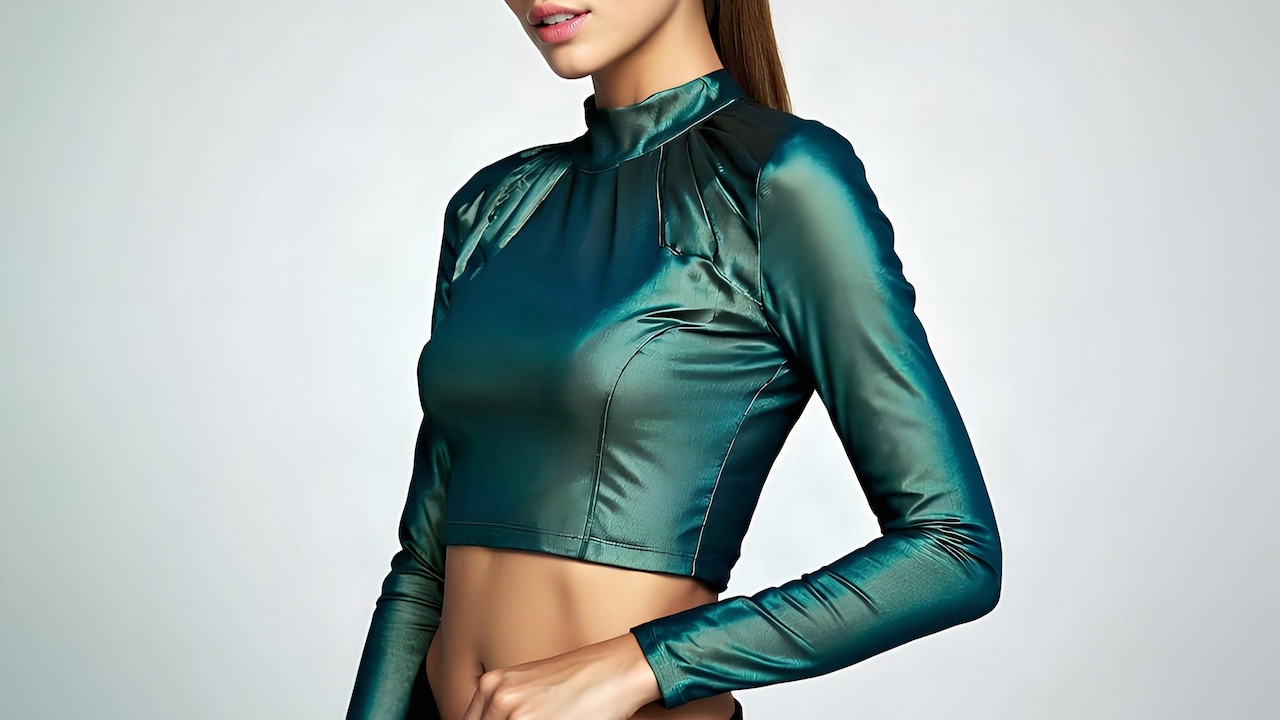
Dark colours absorb more solar radiation than lighter shades, which can make black clothing feel warmer during outdoor exercise in strong sunshine. Sweat marks may be less noticeable on some black fabrics, yet deodorant streaks, lint and detergent residue can stand out spectacularly.
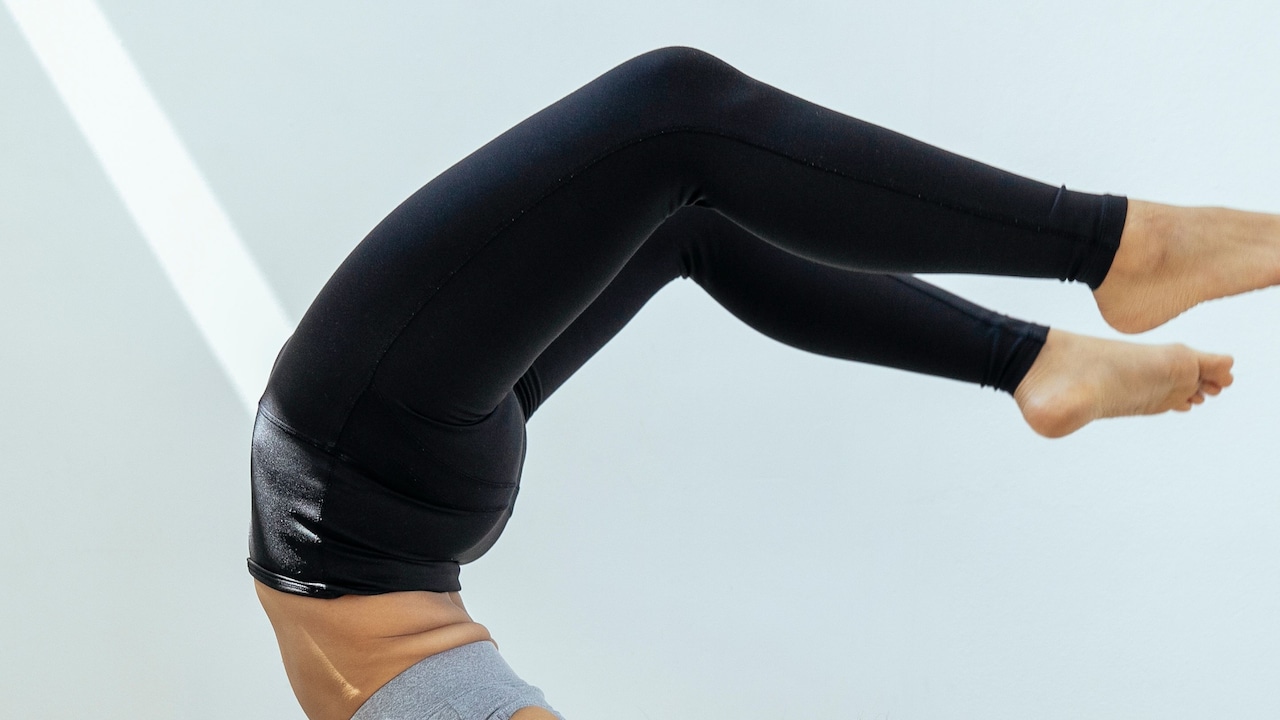
Colour can also affect how confident someone feels about opacity. Black leggings often appear safer, but poor-quality black fabric may still turn greyish and sheer when stretched.
Meanwhile, patterned or lighter activewear sometimes hides sweat, texture and minor marks better than expected. Reflective details and bright colours can also improve visibility for people exercising near roads in low-light conditions.
There is nothing wrong with owning enough black activewear to make the wardrobe resemble a very sporty chess piece. It remains versatile for good reason.
The myth begins only when black becomes synonymous with superior performance. Colour influences comfort and visibility, but construction, fit and fabric matter much more.
Does Thick Fabric Always Mean Squat-Proof Leggings? 10 Activewear Myths Explained
Photo Credit: Pexels
Products Related To This Article
1. Deb Women Alpha Dry Technology Gusseted Crotch Squat Proof Signature Leggings
2. JOLGER Jolger Women's High waisted Squat-Proof Performance Tights
3. Hunnit Women Zen Seamless High Rise Squat Proof Active Wear Gym Leggings
4. Hunnit Women Epic Pop Squat Proof High Rise Stretchable Activewear Workout 7/8 Leggings
5. KOBO Women Seamless Squat Proof Anti Slip Rapid-Dry Tights
6. FREECULTR Women Set Of 3 High-Waist Ankle Length Sweat-proof Adaptive Tights
7. Blinkin Striped Ankle Length Tights
Activewear myths survive because most contain a small piece of truth. Thick fabric can improve coverage. Compression can provide support. Premium clothing can offer excellent quality. High-waisted leggings can stay beautifully in place.
The trouble starts when “can” quietly turns into “always”.
A better approach is to judge activewear by how it fits, moves, washes and performs during the activity it was bought for. Test leggings in a squat. Move around before choosing a sports bra. Read care labels. Match fabrics to the weather and workout rather than trusting whichever buzzword happens to appear on the tag.
Most importantly, comfort deserves more credit. The best activewear is rarely the item with the longest feature list or the most impressive price tag. It is the piece that allows someone to stop adjusting, pulling, checking and worrying, and simply get on with the workout.
After all, nobody wants to spend an entire squat set wondering whether the leggings are revealing more commitment than intended.
(Disclaimer: This article may include references to or features of products and services made available through affiliate marketing campaigns. NDTV Convergence Limited (“NDTV”) strives to maintain editorial independence while participating in such campaigns. NDTV does not assume responsibility for the performance or claims of any featured products or services.)