How To Choose Belt Length Without Ending Up With Too Much Extra Strap
Choosing the wrong belt length can leave an awkward extra strap hanging around your waist. Learn how to measure correctly, understand belt sizing and find a comfortable fit without excess length.
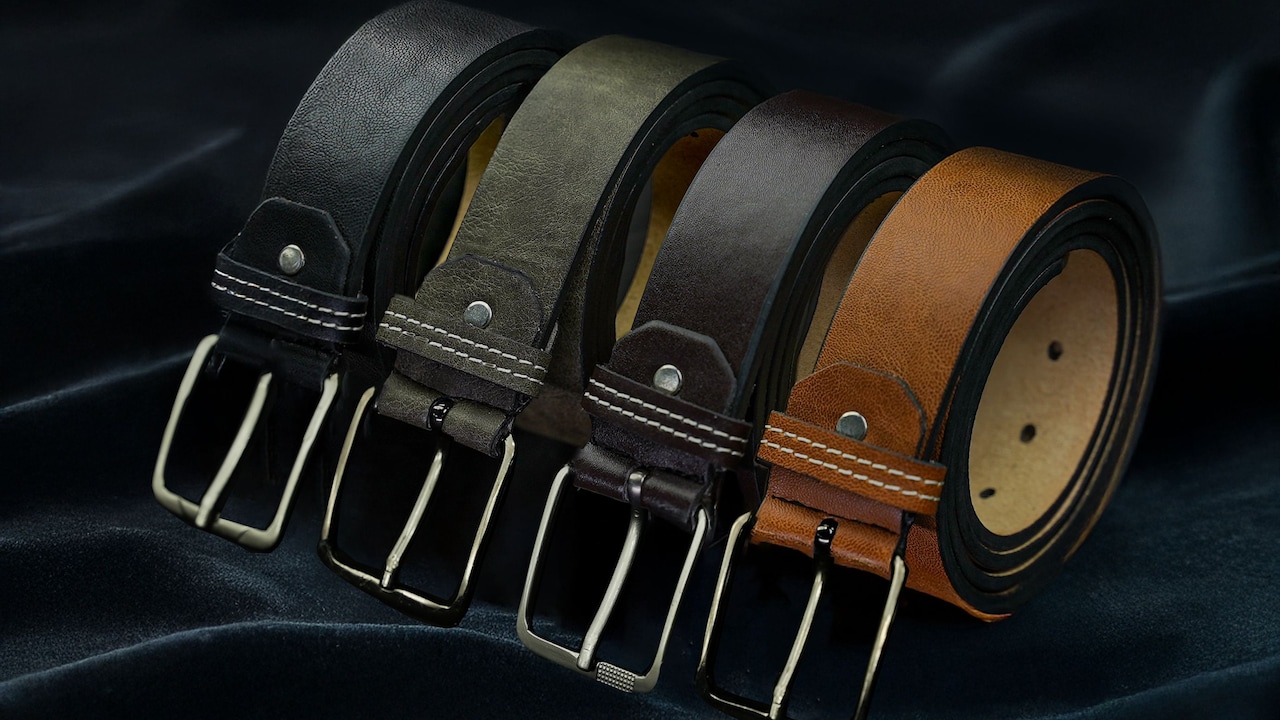
Belt Size Guide: 10 Tips To Find The Perfect Fit Without Extra Length
A belt might seem like a small addition to an outfit, but getting its length wrong can spoil an otherwise well-planned look. Picture wearing a crisp shirt, tailored trousers and polished shoes, only to notice a long belt strap sticking out awkwardly near your hip. It's the sort of detail that becomes impossible to ignore once you've spotted it. The problem usually begins with how people choose belt sizes. Some rely on their trouser waist measurements, others pick whatever looks right on a store display, and many assume that a few extra inches won't matter. Unfortunately, belts don't always follow the same sizing rules as clothing. Buckle designs, hole placements, materials and even the thickness of your trousers can change how a belt fits. A well-fitting belt should feel comfortable, fasten securely and leave enough strap to tuck neatly through the first belt loop. It shouldn't require creative folding or constant adjustments. Understanding a few basic measurements can make buying belts considerably easier. Whether you're shopping for formal office wear, everyday jeans or an outfit for a family celebration, these ten practical tips will help you choose the right length without dealing with unnecessary extra strap.
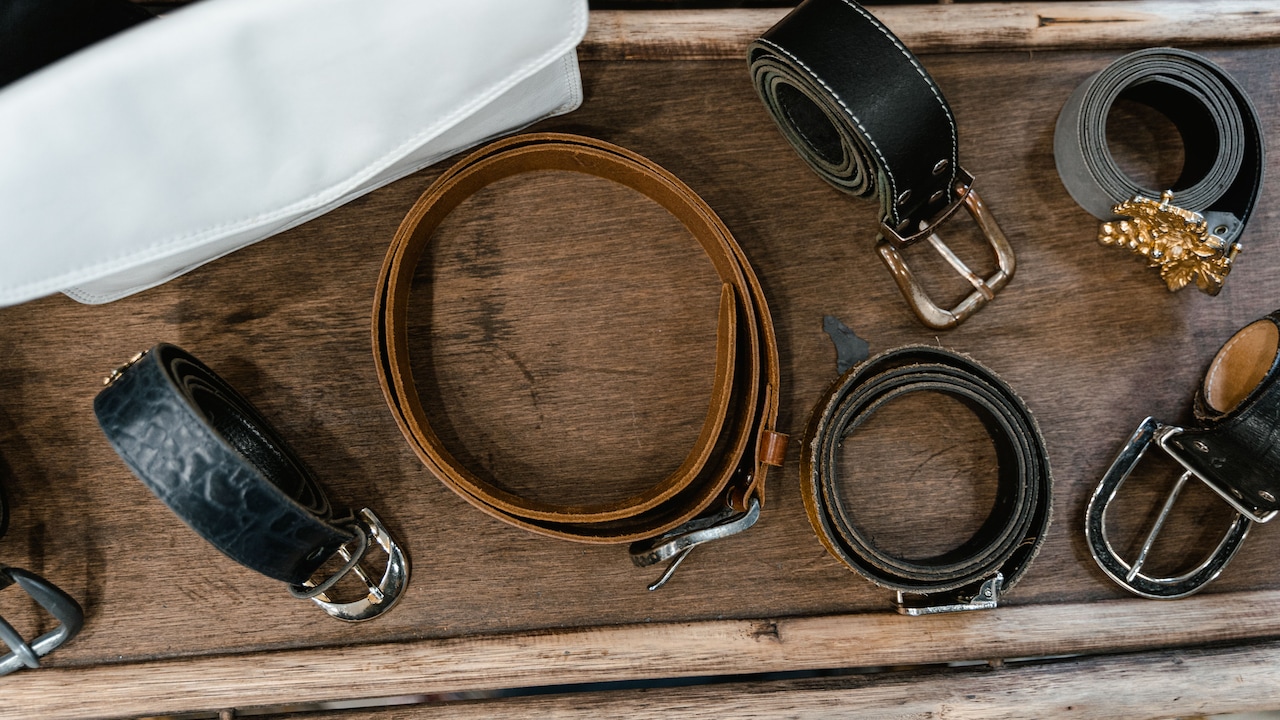
Belt Size Guide: 10 Tips To Find The Perfect Fit Without Extra Length; Photo Credit: Pexels
10 Practical Tips To Find The Right Belt Length
1. Measure Your Waist Where The Belt Actually Sits
One of the biggest mistakes when choosing a belt involves measuring the wrong part of your waist. Your natural waistline and the position where your trousers sit aren't necessarily the same. High-waisted trousers, mid-rise jeans and low-rise bottoms all place the belt at slightly different heights.
Instead of measuring around your stomach and hoping for the best, wear the trousers you intend to pair with the belt. Take a flexible measuring tape and thread it through the belt loops, following the same path the belt would take. Keep the tape comfortably snug without pulling it too tightly.
This measurement gives you a more realistic starting point than your clothing label alone.
For example, someone wearing trousers marked with a 32-inch waist might discover that the measurement around the belt loops is closer to 34 inches. That difference matters when choosing between belt sizes.
Also, remember that your waist measurement can change slightly throughout the day. A belt that feels perfectly comfortable before breakfast shouldn't become a personal enemy after lunch.
Aim for a measurement that allows comfortable movement while keeping your trousers securely in place. This simple habit can prevent both overly tight belts and unnecessary extra length.
Also Read: 7 Best Minimal Belts Under ₹600: Affordable Picks That Look Expensive
2. Understand Why Belt Size And Trouser Size Aren't Always The Same
It's tempting to assume that a 32-inch trouser waist requires a 32-inch belt. Unfortunately, clothing sizes aren't always reliable measurements of the body. Manufacturers use different sizing standards, and some trousers have extra room built into their waistbands.
Traditional belt sizing often recommends choosing a belt approximately two inches larger than your trouser waist size. For instance, someone wearing 32-inch trousers might start by trying a 34-inch belt.
However, this guideline isn't universal.
Some brands measure belt length from the buckle prong to the middle hole. Others use the complete strap length or provide sizes based on a waist circumference range. These differences can produce confusing results, especially when shopping online.
Consider two belts labelled 34 inches. One might offer a comfortable fit with a short, tidy tail, while another could leave considerably more strap extending beyond the buckle.
Before purchasing, check what the manufacturer means by belt size. Look for a measurement diagram or instructions explaining where the measurement begins and ends.
Treat the two-inch rule as a useful starting point rather than an unquestionable formula. Actual measurements and the brand's sizing chart should guide the final decision.
3. Check The Distance From The Buckle To The Middle Hole
The middle hole offers one of the most useful reference points when choosing a conventional belt. Many standard belts feature five adjustment holes, although some designs include more or fewer.
Ideally, the belt should fasten comfortably around the middle hole. This leaves adjustment room on either side if your waist measurement changes or you switch between different trousers.
To measure an existing belt, lay it flat on a table. Start at the point where the buckle prong rests against the buckle frame and measure along the strap to the middle hole. Avoid including the entire buckle or measuring only the leather portion without considering where the prong begins.
If this measurement matches your waist circumference at the belt loops, you're likely close to the right size.
Fastening a belt at its final hole can leave an excessively long tail, while relying on the first hole might indicate that the belt is too short.
The middle-hole approach also helps when comparing belts from different manufacturers.
However, remember that not every buckle uses a traditional prong. Ratchet belts, sliding buckles and certain fashion designs follow different adjustment systems. Always identify the fastening mechanism before applying this method.
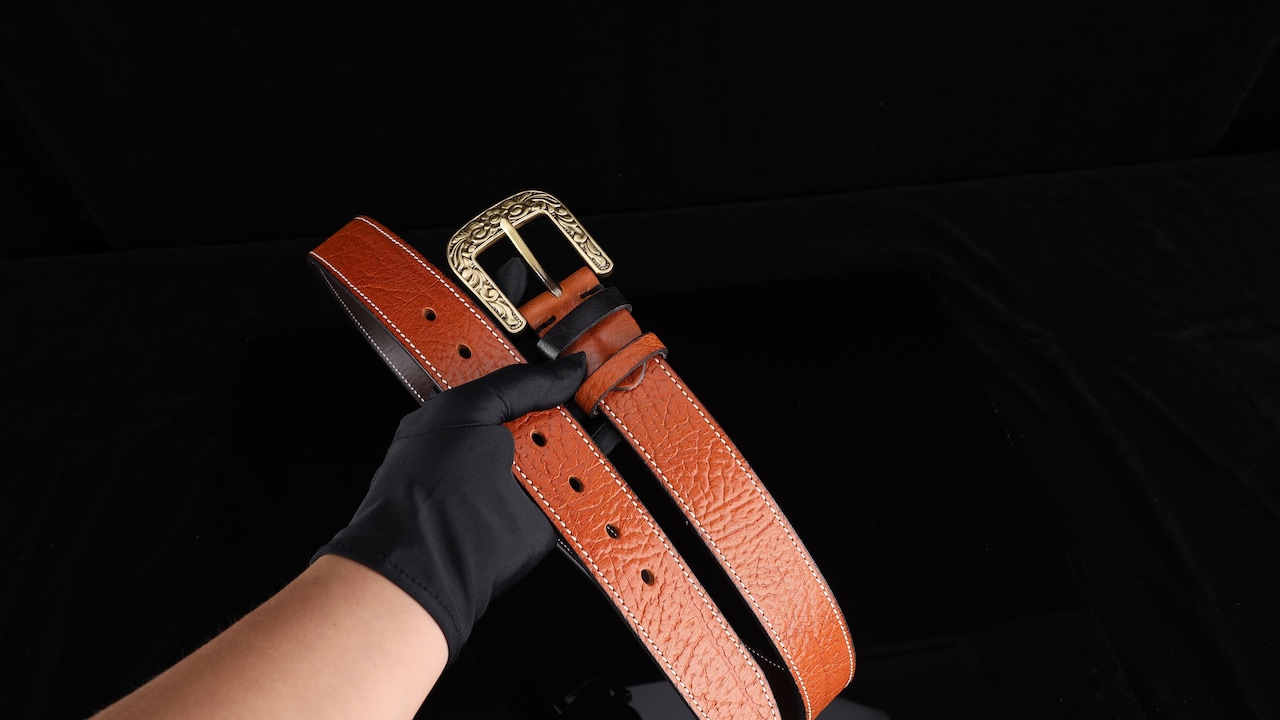
Belt Size Guide: 10 Tips To Find The Perfect Fit Without Extra Length; Photo Credit: Pexels
4. Pay Attention To How Much Strap Extends Beyond The Buckle
A belt needs some extra length to stay secure, but there's a difference between a neat finishing tail and a strap that seems determined to complete another journey around your waist.
For many conventional belts, around 3 to 5 inches of strap beyond the buckle creates a balanced appearance. This isn't a strict rule, as buckle dimensions, belt loops and personal styling preferences can affect the ideal amount.
The important detail is where that extra material ends.
On trousers with closely spaced loops, a slightly longer tail might tuck away neatly. With wider gaps between loops, the same length could stick out or hang awkwardly.
Try fastening the belt and placing the tail through the first available trouser loop. It should sit securely without extending unnecessarily towards the next loop.
If the tail keeps escaping, the belt may be too long, or the trouser loop might sit too far from the buckle.
Avoid deliberately choosing an oversized belt just to ensure that it fastens comfortably. Excess material can create bulk around your waist and interfere with the clean appearance of fitted clothing.
A balanced strap length generally looks better than one requiring constant attention.
5. Consider The Type Of Trousers You Wear Most Often
Not every pair of trousers requires exactly the same belt length. The fabric, waistband construction and rise can influence how comfortably a belt sits.
Formal trousers usually have relatively structured waistbands and narrow belt loops. Their cleaner silhouette makes an excessively long strap more noticeable, particularly when you're wearing a tucked-in shirt.
Jeans, on the other hand, often have thicker waistbands and sturdier loops. The extra fabric can slightly affect the measurement around your waist. A belt that fits perfectly with lightweight office trousers might feel tighter when worn over heavy denim.
Chinos fall somewhere between these two styles, although their construction varies considerably.
If you regularly switch between formal trousers and jeans, measure yourself while wearing both. The difference might be small enough for one belt to work comfortably with everything.
However, if the measurements differ significantly, consider separate belt sizes or a design with finer adjustments.
For example, a sleek leather belt could handle office trousers, while a slightly more adjustable casual belt might suit weekend denim.
The goal isn't to accumulate unnecessary accessories. It's to avoid forcing one poorly fitting belt to serve every possible outfit.
6. Choose Adjustable Belt Designs When Your Size Falls Between Two Options
Standard belt holes usually sit at fixed intervals. This works well when your waist measurement matches one of the available settings, but it becomes frustrating when you fall between two sizes.
One hole might feel slightly tight, while the next leaves your trousers slipping. Neither option sounds particularly appealing during a long working day.
Adjustable belts offer a practical alternative.
Ratchet belts use a track mechanism that allows smaller adjustments than traditional punched holes. This makes it easier to find a comfortable fit without depending on widely spaced settings.
Some sliding buckle belts offer similar flexibility through friction-based fastening systems. Certain woven belts also allow the buckle prong to pass through different points in the weave, although the material needs enough strength to hold securely.
However, adjustability doesn't automatically solve the problem of excessive strap length.
A belt can offer excellent fastening flexibility while still leaving too much material beyond the buckle. Check the total length and whether the manufacturer allows trimming.
For someone whose waist measurement changes throughout the day, a properly sized adjustable belt can offer greater comfort without creating an untidy appearance.
The best option combines flexible fastening with a sensible overall strap length.
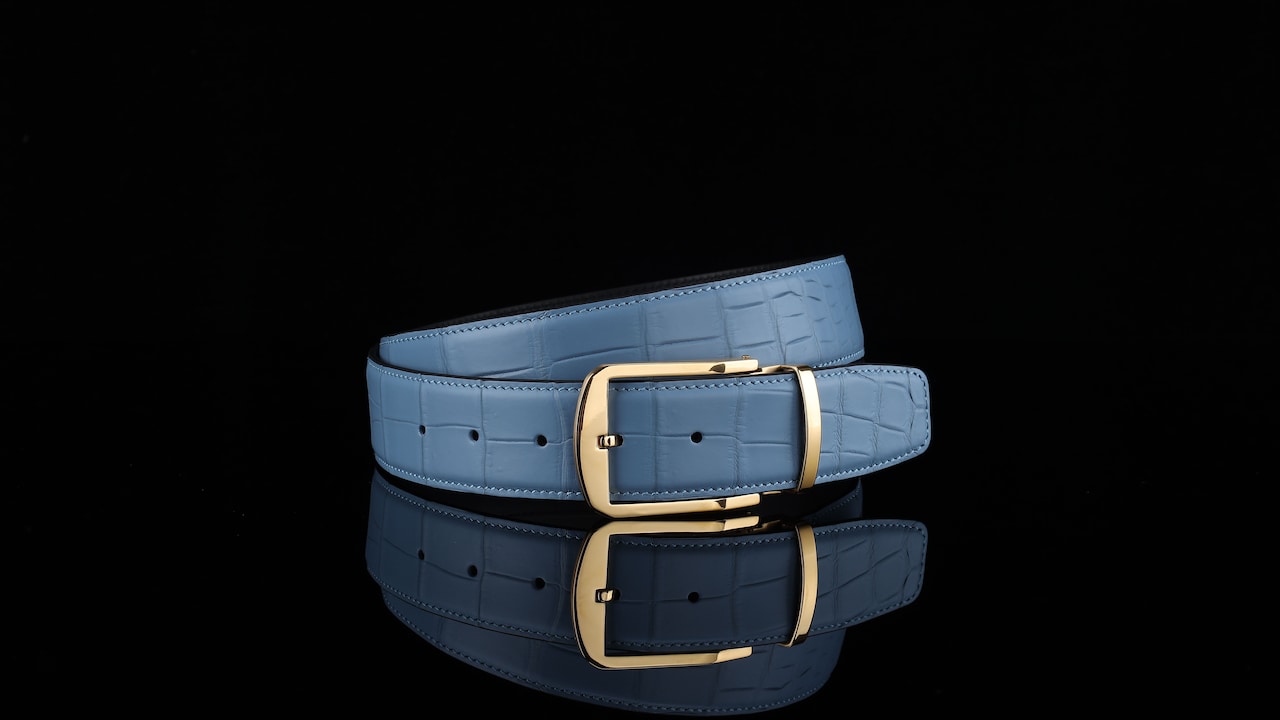
Belt Size Guide: 10 Tips To Find The Perfect Fit Without Extra Length; Photo Credit: Pexels
7. Look At The Buckle Design Before Deciding On Length
Belt buckles influence both the fit and the amount of visible strap. A simple pin buckle, a rectangular automatic buckle and a decorative western-style buckle can behave quite differently.
Traditional pin buckles usually provide a clear starting point for measuring belt size. The prong rests against the buckle frame, making it relatively easy to calculate the distance to the fastening hole.
Automatic buckles often contain internal locking mechanisms that grip or engage with the strap. Their adjustment range and usable length depend on the specific design.
Large decorative buckles introduce another consideration. Their dimensions can change the visual balance of the belt, especially when the outfit features a tucked-in top.
A bulky buckle paired with a long strap may make the entire waist area look crowded.
Before buying, check whether the seller includes the buckle in the overall length measurement. Also look at the position where the strap enters and exits the fastening mechanism.
If possible, try the belt with the buckle sitting naturally at the centre of your waist.
A good buckle should complement the belt rather than complicate its fit. Choosing a suitable design from the beginning can save you from awkward adjustments later.
8. Avoid Buying A Longer Belt Just Because You Can Add More Holes
Buying an oversized belt and punching additional holes might seem like a clever money-saving trick. After all, why worry about sizing when a small hole punch can apparently solve everything?
Unfortunately, adding holes doesn't remove the extra strap.
Imagine purchasing a belt several inches longer than necessary. You create a new hole so that it fastens securely, but the excess material still extends beyond the buckle. Now the belt fits around your waist yet looks noticeably oversized.
Additional holes can also affect the belt's appearance, particularly when their spacing differs from the original pattern.
Poorly positioned holes may weaken certain materials or cause the strap to wear unevenly around the fastening point.
For an occasional emergency adjustment, adding a professionally punched hole can be reasonable. However, it shouldn't replace proper sizing when you're buying a new belt.
If your preferred belt doesn't come in the right size, check whether the manufacturer offers a shorter version or an adjustable alternative.
It's better to choose a belt that fits naturally than purchase one that requires several modifications before its first outing.
Convenience matters, but so does avoiding a strap that hangs around like an unwanted accessory.
9. Check Whether The Belt Can Be Shortened Without Damaging Its Design
Some belts allow you to shorten the strap from the buckle end. Others have stitched, riveted or permanently attached buckles that make trimming considerably more complicated.
Before purchasing an adjustable-length belt, examine how the buckle connects to the strap.
Certain designs use removable clamps or fastening screws. These allow you to detach the buckle, trim the strap to the required length and reconnect everything securely.
This can be particularly useful when a belt comes in a generous universal length.
However, trimming requires careful measurement. Removing too much material can turn an oversized belt into one that barely fastens.
A sensible approach involves measuring the required length, checking the manufacturer's instructions and leaving enough room for comfortable adjustments.
Avoid trimming from the pointed end unless the design specifically permits it. That end usually features finished edges, adjustment holes or decorative details that contribute to the belt's appearance.
For expensive leather belts, professional alteration may offer a safer option than experimenting with scissors at home.
Also, don't assume that every ratchet belt supports trimming. Some manufacturers permit it, while others use fastening systems that require special handling.
A trim-to-fit belt can be convenient, provided its construction genuinely supports alteration.
10. Test The Belt While Sitting, Walking And Tucking In Your Shirt
A belt can look perfectly fitted while you're standing in front of a mirror. The real test begins when you sit down, move around or tuck in your shirt.
Waistbands shift slightly with movement, and some fabrics stretch more than others. A belt that feels comfortable while standing might become restrictive when seated for an extended period.
Try fastening it at your preferred setting, then sit on a chair and bend forward naturally. The belt should remain secure without digging uncomfortably into your stomach.
Next, walk a short distance and check whether the strap stays inside the trouser loop.
If the loose end repeatedly slips out, inspect its length and the position of the nearest loop. Sometimes the issue comes from the belt design rather than an incorrect waist measurement.
A tucked-in shirt offers another useful test. It reveals how the buckle, strap and waistband work together without additional clothing hiding the details.
For online purchases, try the belt indoors with the tags intact until you're confident about the fit.
The ideal length should look neat and feel comfortable during ordinary activities. After all, a belt should help you get dressed, not become something you adjust every ten minutes.
Products Related To This Article
1. CRUSSET Women Elastic belt
2. Teakwood Leathers Men Black Belts
3. Punnu Women Solid Vegan Leather Belt
4. Tommy Hilfiger Men Textured Leather Reversible Belt
5. Max Women PU Belt
6. Roadster Men Textured 2 Belt
7. ONLY Women PU Belt
8. Louis Philippe Men Italian Leather Brush Gun Metal Buckle Formal Reversible Belt
Choosing the correct belt for men requires more thought than simply matching a number on your trouser label. Measuring around the belt loops, understanding the manufacturer's sizing method, and checking the position of the middle hole can prevent most fitting mistakes.
The right belt should fasten comfortably, leave a manageable amount of extra strap and maintain a tidy appearance throughout the day. Whether you prefer traditional leather belts or adjustable designs, prioritise the actual fit over familiar size labels. A few careful measurements before purchasing can save you from awkward belt tails, unnecessary alterations and the frustration of owning an accessory that never quite sits right.
(Disclaimer: This article may include references to or features of products and services made available through affiliate marketing campaigns. NDTV Convergence Limited (“NDTV”) strives to maintain editorial independence while participating in such campaigns. NDTV does not assume responsibility for the performance or claims of any featured products or services.)