10 Styling Mistakes That Make Long Skirts Look Heavier Than Expected
Long skirts can look bulky when proportions, fabrics and layering go wrong. Discover 10 common styling mistakes and simple ways to create balanced, flattering outfits without compromising comfort.
How To Style Long Skirts: 10 Mistakes To Avoid For A Flattering Look
Long skirts have a certain charm that few wardrobe staples can match. They move beautifully, offer plenty of comfort and work across occasions without demanding much effort. A flowing cotton skirt looks just as appropriate for a casual coffee outing as a printed maxi skirt does for a weekend brunch. Add the right saree blouse, footwear and accessories, and the outfit practically styles itself. Or so it seems. The trouble begins when a perfectly lovely skirt looks unexpectedly bulky once the entire outfit comes together. Sometimes, the waist appears wider than usual. On other occasions, the fabric gathers awkwardly around the hips, or the overall silhouette loses its natural shape. Even a skirt that fits perfectly can look heavier when paired with the wrong top or footwear. Interestingly, the problem rarely comes down to body shape or skirt size. Small styling decisions often create unnecessary visual volume. Think oversized tops, bulky waistbands, stiff fabrics and layers that compete rather than complement each other. The good news? Most of these mistakes have straightforward solutions. Understanding how proportions, textures and outfit lengths work together can completely change how a long skirt looks and feels.
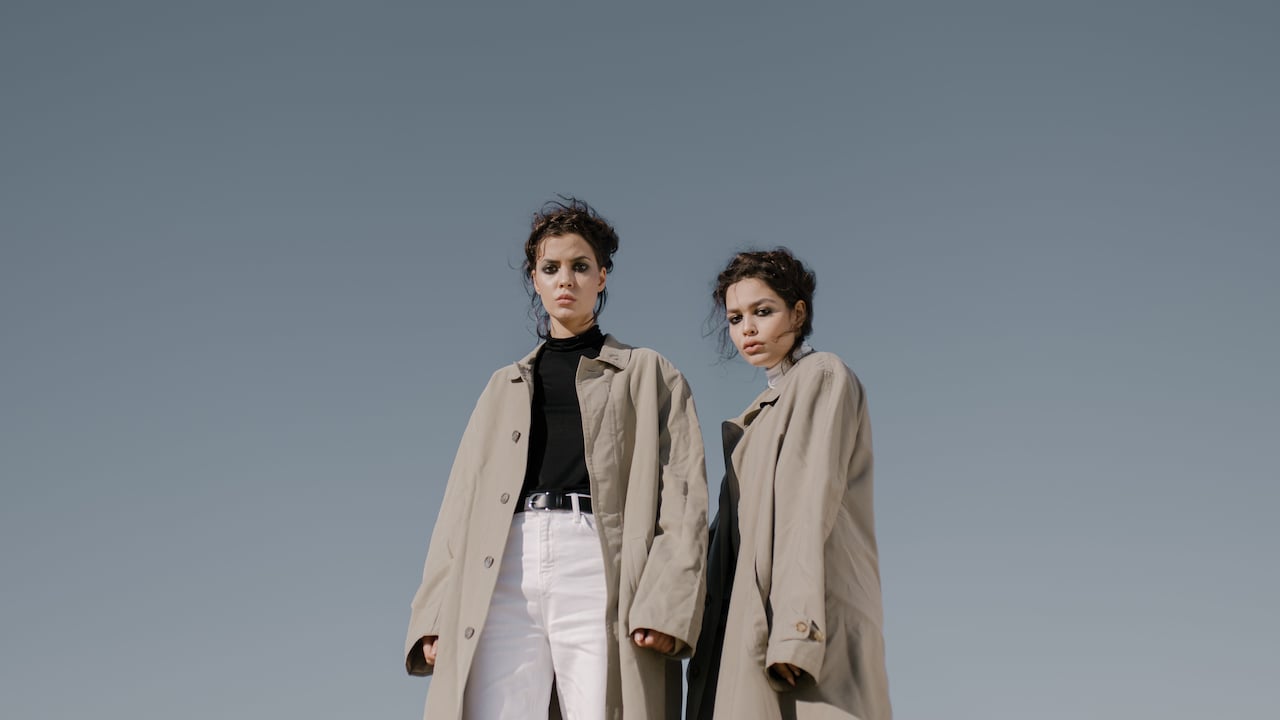
How To Style Long Skirts: 10 Mistakes To Avoid For A Flattering Look; Photo Credit: Pexels
Common Long Skirt Styling Mistakes And How To Fix Them
1. Pairing A Voluminous Long Skirt With An Equally Oversized Top
Oversized clothing has earned its place in everyday fashion, especially when comfort takes priority. However, pairing a generously flared long skirt with an equally oversized top can make the entire outfit appear unnecessarily bulky. Instead of creating an effortless silhouette, the combination often hides the waist and allows fabric to accumulate around the torso.
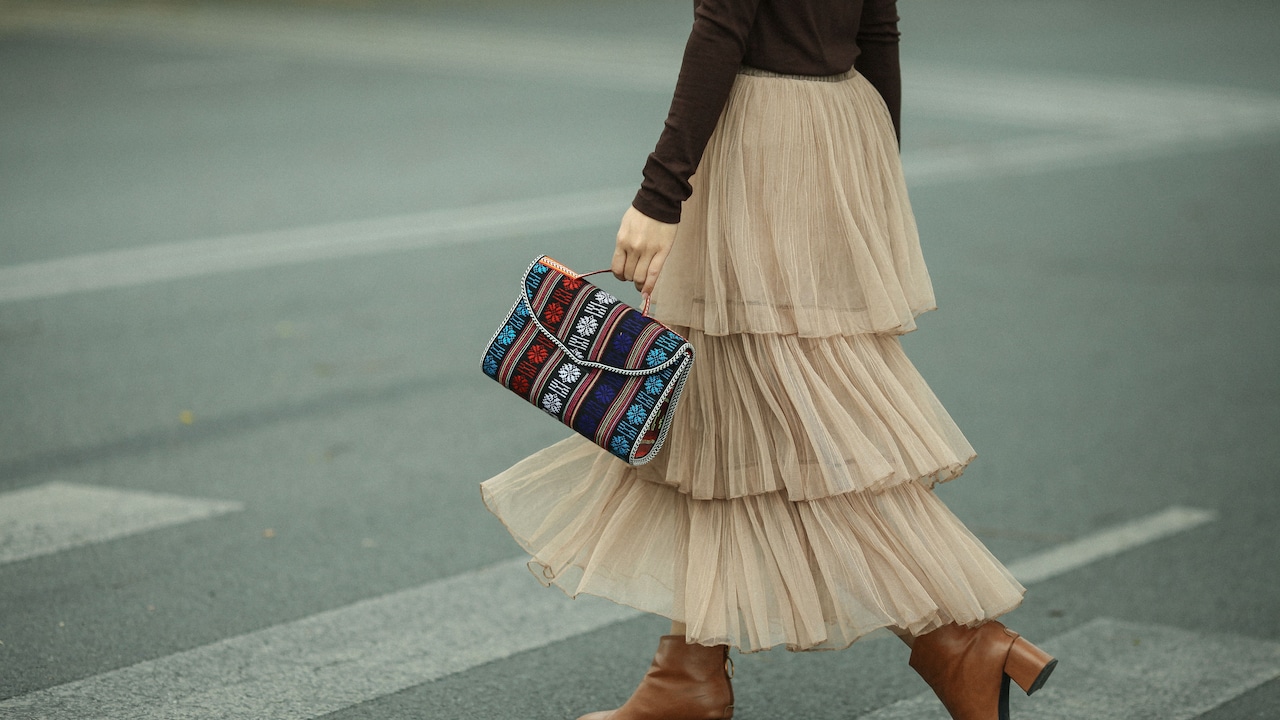
Consider a tiered cotton maxi skirt paired with a loose, hip-length T-shirt. Both pieces might look wonderful separately, yet together they can create a shapeless appearance. The skirt already carries considerable volume, while the top adds another layer of fabric without defining the body's natural proportions.
A simple adjustment can make a noticeable difference. Try pairing fuller skirts with fitted tops, tucked-in shirts or slightly structured blouses. Even a relaxed top can work beautifully when its hem ends at the waist rather than extending over the hips.
For those who prefer oversized silhouettes, a partial front tuck offers a comfortable compromise. It introduces a little waist definition without making the outfit feel restrictive.
The idea isn't to abandon loose clothing. It's to allow one piece to provide volume while the other creates balance. When both garments compete for space, even a beautiful skirt can lose its appeal.
Also Read: 10 Fashionable Midi And Maxi Skirts To Upgrade Your Wardrobe
2. Choosing Thick Fabrics That Add Unnecessary Volume Around The Hips
Fabric choice can completely change how a long skirt falls against the body. Two skirts with identical measurements may create surprisingly different silhouettes simply because one uses soft, fluid material while the other relies on thicker, more rigid fabric.
Heavy cotton, stiff denim and bulky synthetic blends can sometimes stand away from the hips instead of following their natural contours. This becomes particularly noticeable in gathered skirts, where several layers of material meet around the waistband.
Imagine wearing a heavily gathered denim maxi skirt during a warm afternoon. Apart from feeling uncomfortable, the thick material may create a boxy outline around the waist and hips. The effect becomes even more pronounced when the skirt features multiple tiers or oversized pockets.
Lightweight viscose, rayon, crepe and softer cotton blends generally offer more movement. These fabrics can follow the body's shape without adding excessive structure. However, extremely thin materials may cling or reveal outlines, so a balanced fabric weight matters.
When shopping, hold the skirt by its waistband and observe how the fabric hangs. Does it fall naturally, or does it remain stiff and spread outwards?
A fabric that drapes smoothly often creates a cleaner silhouette. Sometimes, the most flattering skirt isn't the one with the fanciest design, but the one that moves comfortably with every step.
3. Wearing Long Tops That Cover The Skirt's Waistband Completely
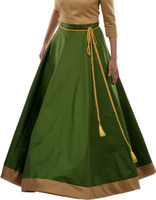
A long kurti or tunic paired with a maxi skirt can create an attractive fusion outfit. However, when the top extends too far below the hips, it may interrupt the natural proportions of the look.
The issue becomes more obvious when the skirt has considerable flare. A long, loose top conceals the waistband, while the skirt continues expanding underneath. Without a visible transition between the two garments, the outfit can appear wider and heavier than expected.
For instance, pairing a knee-length straight kurti with a heavily gathered skirt may create overlapping layers that obscure the body's natural shape. The same skirt could look completely different with a shorter kurti ending near the waist or upper hip.
Cropped ethnic jackets, waist-length blouses and shorter tops often provide better definition. They also allow decorative waistbands, pleats and skirt details to remain visible.
That doesn't mean long kurtis should disappear from the wardrobe. A longer top can work wonderfully with a relatively straight skirt that has minimal gathering. Side slits also introduce movement and help prevent fabric from forming one continuous block.
The trick lies in considering where the top ends and how the skirt begins. When those two elements complement each other, the outfit gains structure without sacrificing its relaxed appeal.
How To Style Long Skirts: 10 Mistakes To Avoid For A Flattering Look; Photo Credit: Pexels
4. Ignoring How The Waistband Changes The Overall Silhouette
A waistband might seem like a minor detail, but it plays an important role in determining how a long skirt sits on the body. Thick elastic bands, excessive gathering and poorly positioned waistlines can create unwanted volume even when the remaining skirt falls beautifully.
One common issue involves elasticated waistbands that bunch fabric into dense folds. This gathering can add visual fullness around the stomach and hips, particularly when the skirt uses thicker material.
Another problem arises when the waistband sits at an awkward position. A skirt worn too low may shorten the appearance of the legs and make the lower half look heavier. Wearing it excessively high, meanwhile, can feel uncomfortable and disturb the intended proportions.
A smooth, flat-front waistband often creates a more streamlined appearance. Side zips, concealed closures and carefully placed pleats can also reduce unnecessary bulk.
High-waisted skirts work particularly well with tucked-in blouses because they establish a clear waistline. However, the waistband should sit comfortably without digging into the skin or rolling down.
Before purchasing a skirt, check how it looks while standing and sitting. A waistband that appears smooth in the trial room but bunches immediately after sitting may require a different size or construction.
Comfort and good proportions should work together, not compete.
5. Choosing Skirts With Excessive Tiers, Ruffles And Decorative Layers
Tiered maxi skirts have a playful appeal. Their flowing layers add movement, making them popular for holidays, casual outings and festive gatherings. However, too many tiers or ruffles can sometimes create more volume than the outfit needs.
Every additional horizontal seam introduces another visual break. When designers combine these seams with heavy gathering, the skirt gradually expands from the waist towards the hem. The result can resemble a dramatic bell shape rather than a softly flowing silhouette.
This doesn't mean tiered skirts are inherently unflattering. The placement, size and construction of each tier make a considerable difference.
A skirt with three gently gathered tiers may fall more smoothly than one featuring five densely ruffled sections. Similarly, narrow ruffles that begin around the hips can create more noticeable fullness than decorative details positioned towards the lower hem.
For everyday wear, consider skirts with subtle tiers, softer fabrics and fewer embellishments around the waist. A gently flared A-line skirt can offer similar movement without excessive fabric.
If a heavily tiered skirt is already a wardrobe favourite, pair it with a simple fitted top and understated accessories. Let the skirt provide the drama.
Fashion should certainly have room for a little exaggeration. The secret is deciding where that exaggeration belongs.
6. Pairing Long Skirts With Footwear That Interrupts The Leg Line
Footwear rarely receives as much attention as the skirt itself, yet it can dramatically affect an outfit's proportions. Chunky shoes, thick ankle straps and certain boot styles may create visual breaks that make a long skirt appear heavier.
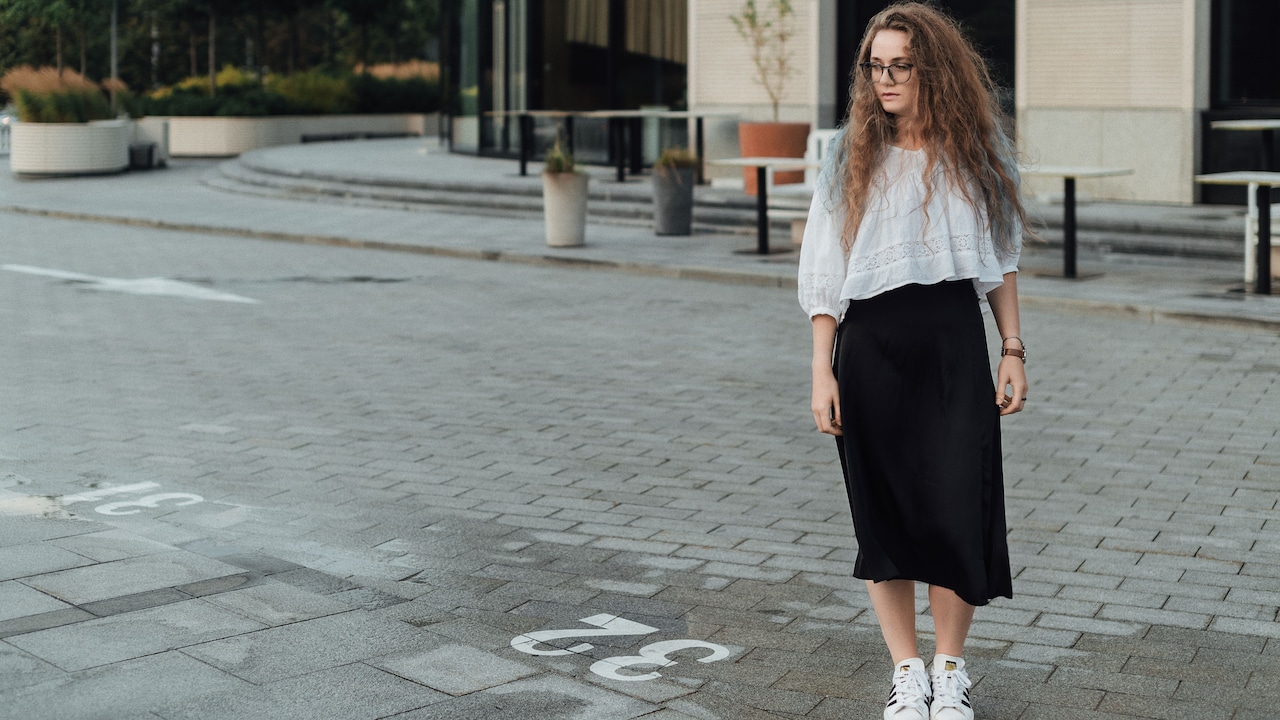
Consider a calf-length skirt paired with bulky trainers. Depending on the skirt's shape, the combination may emphasise width around the lower half while making the visible portion of the legs appear shorter.
Similarly, wide ankle straps can divide the leg visually, particularly when they contrast sharply with the skin or the skirt.
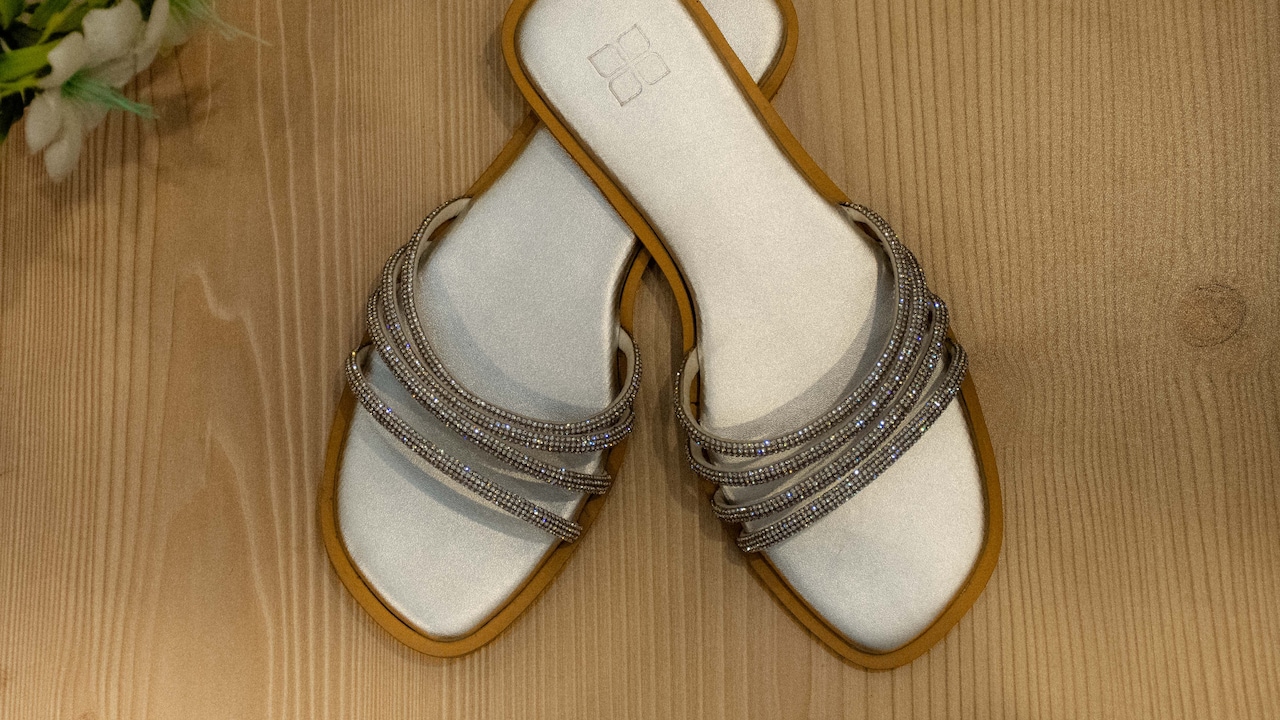
Footwear with a more streamlined shape can provide balance. Simple flats, pointed-toe shoes, delicate sandals and low-profile trainers often complement flowing skirts without drawing too much attention towards the feet.
For festive occasions, traditional juttis or sleek block heels can work beautifully with printed or embroidered maxi skirts.
The skirt's length matters just as much. A floor-grazing hem paired with chunky footwear may hide the shoes completely, while a slightly shorter hem can reveal enough detail to make the combination feel intentional.
Of course, comfortable shoes should never take second place to appearance. The goal is to find footwear that supports the outfit's proportions while remaining practical for daily activities.
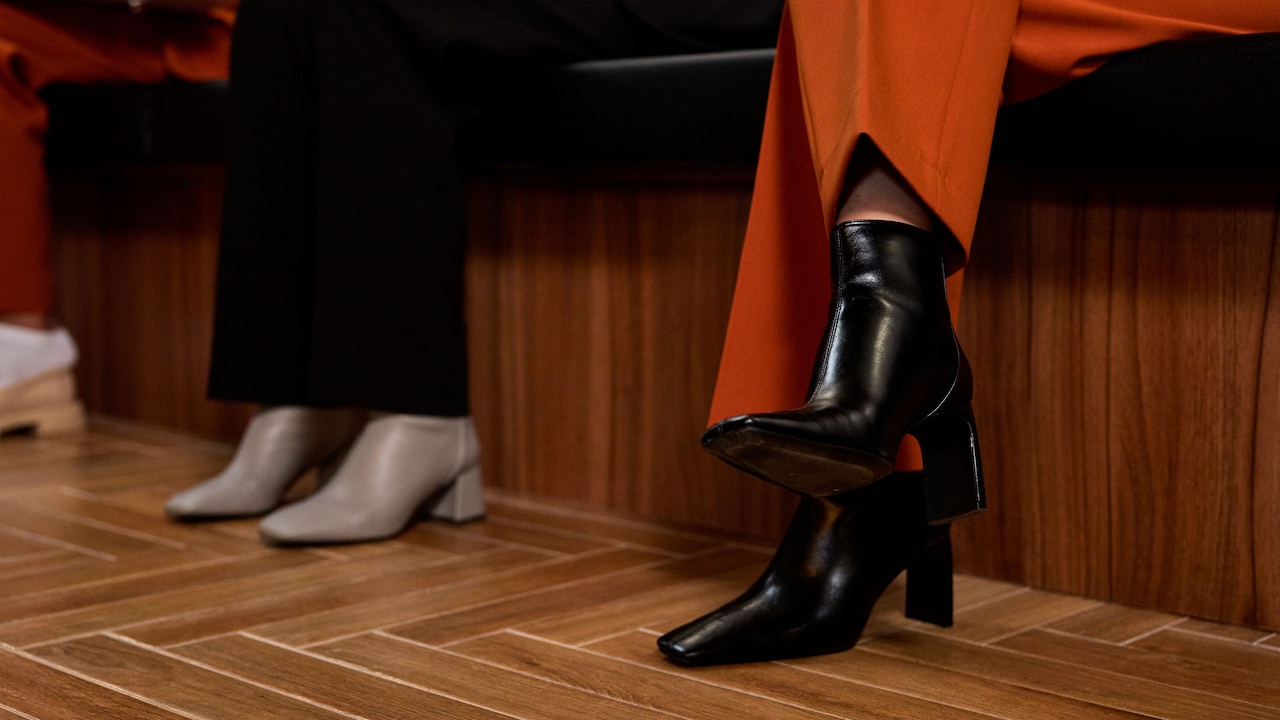
How To Style Long Skirts: 10 Mistakes To Avoid For A Flattering Look; Photo Credit: Pexels
7. Mixing Too Many Bold Prints Without Creating Visual Balance
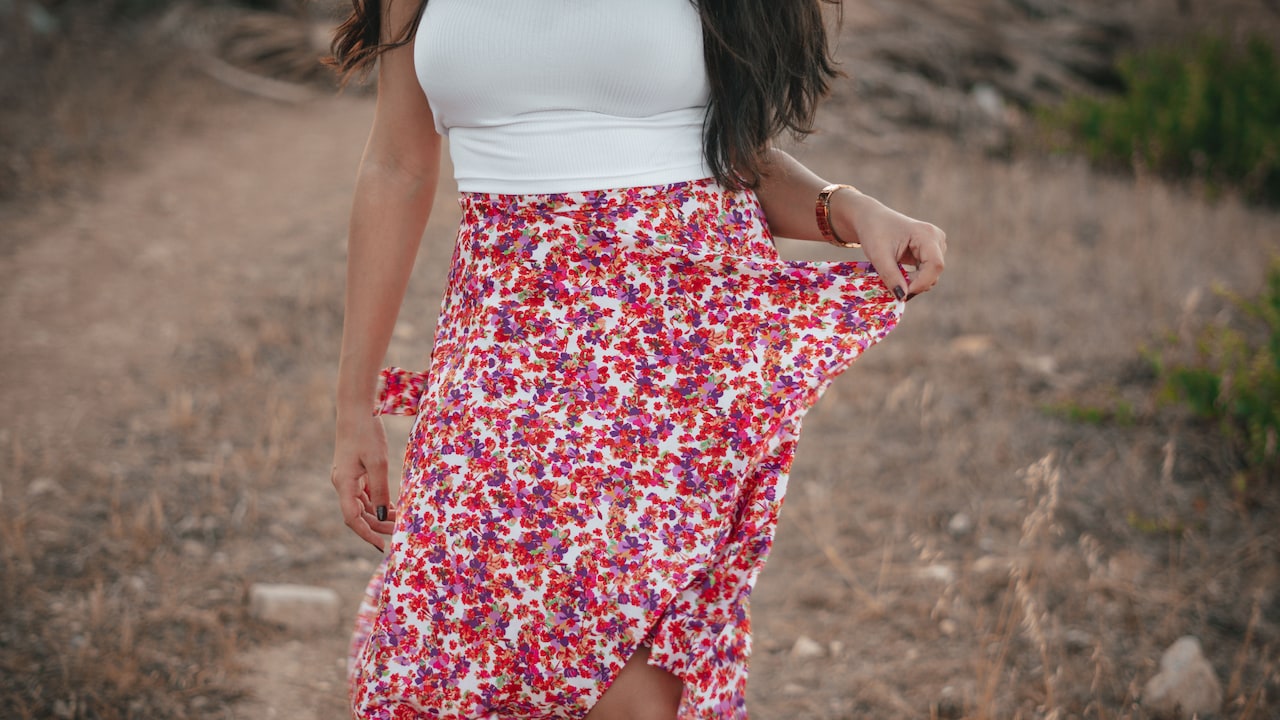
Printed long skirts bring colour and personality into everyday dressing. Floral patterns, geometric motifs, traditional block prints and abstract designs can make even the simplest outfit interesting.
However, combining multiple busy patterns without considering their scale can create an overwhelming appearance. When both the skirt and top feature large, high-contrast prints, the eye struggles to identify a clear focal point.
A broad floral maxi skirt paired with an equally bold patterned blouse, for example, may look visually crowded. Add a heavily printed dupatta, and the outfit becomes even busier.
The solution isn't necessarily to avoid mixing prints. Instead, consider how the patterns relate to each other.
A large floral print can work with delicate stripes when their colours coordinate. Similarly, a busy skirt often looks more balanced with a solid-coloured blouse that picks up one shade from the pattern.
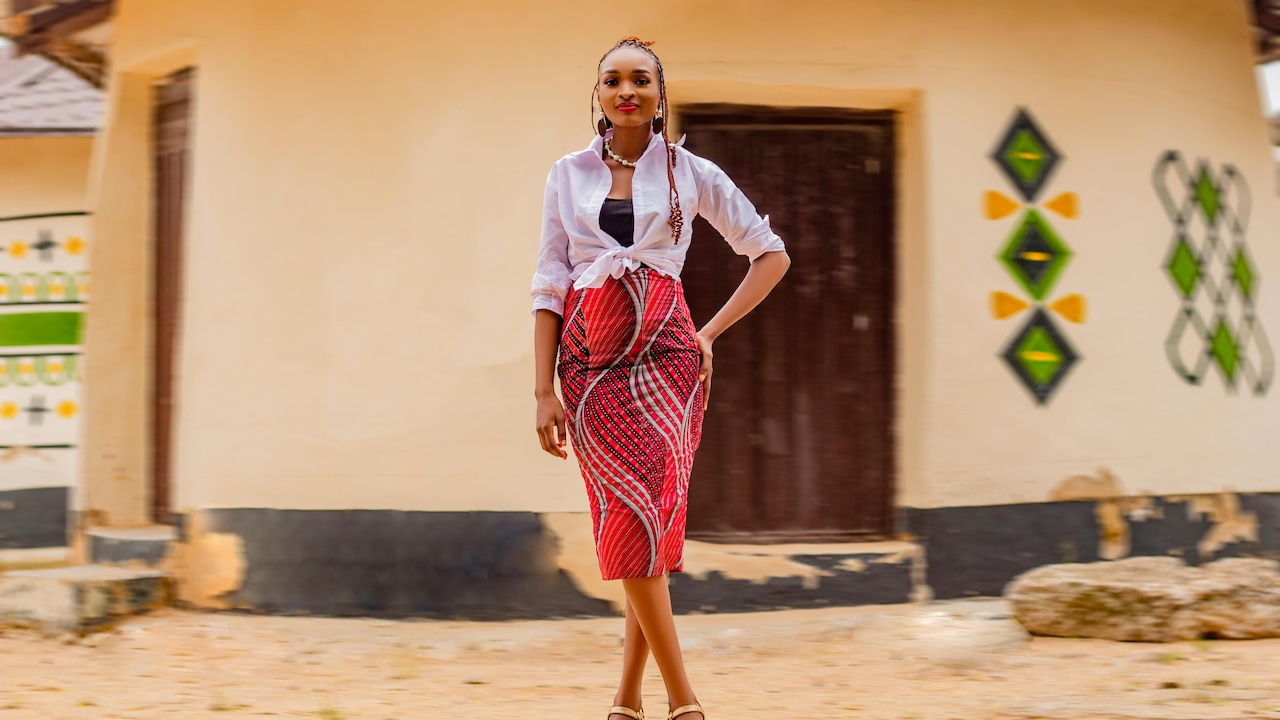
Smaller, evenly distributed motifs may create a calmer appearance than oversized designs concentrated around the hips. Vertical or diagonal pattern arrangements can also guide the eye along the skirt rather than across its width.
Accessories deserve attention, too. When the skirt already features an elaborate design, simple jewellery and an understated handbag usually complete the look more effectively.
A well-styled printed skirt should feel expressive, not visually exhausting.
8. Adding Bulky Jackets And Layers Without Considering Their Length
Layering becomes particularly appealing during cooler weather, but long skirts can be tricky companions for oversized jackets, heavy cardigans and loose shrugs.
A thick jacket that ends at the widest part of a flared skirt may create an awkward horizontal line. Instead of introducing structure, it can make the outfit appear broader around the hips.
Long cardigans present another challenge. When both the cardigan and skirt feature loose silhouettes, their overlapping fabrics may hide the waist entirely. The result sometimes resembles several garments competing for attention rather than a carefully styled outfit.
A cropped denim jacket can provide contrast against a flowing maxi skirt. Likewise, a fitted cardigan ending near the waist helps establish clearer proportions.
For longer layers, consider open-front jackets or lightweight shrugs that allow the outfit underneath to remain visible. An open front creates a vertical line that can make the combination appear less bulky.
Fabric weight matters here as well. A lightweight knit usually works better with a voluminous skirt than a thick, heavily textured sweater.
During mild winter evenings, a neatly draped stole can offer warmth without adding considerable volume around the waist.
Successful layering isn't about wearing fewer garments. It's about ensuring every additional piece contributes something useful to the overall silhouette.
9. Choosing The Wrong Skirt Length For The Footwear And Occasion
Long skirts come in several lengths, from ankle-grazing designs to dramatic floor-length styles. Although these differences may seem minor, even a few centimetres can change how the skirt looks when worn.
A skirt that ends at the widest part of the calf may create a noticeable horizontal break. When combined with a full silhouette, this can make the lower half appear shorter or heavier.
On the other hand, an excessively long skirt may bunch around the ankles or drag along the floor. Apart from creating unnecessary fabric folds, it can make walking uncomfortable.
Imagine wearing a floor-length maxi skirt while commuting, climbing stairs or navigating a crowded market. Constantly lifting the hem isn't exactly the effortless elegance the outfit promised.
The ideal length depends on footwear, personal preference and the skirt's design. Ankle-length skirts often work well with flats, while slightly longer styles may suit block heels or wedges.
Petite wearers might prefer skirts that reveal a little of the ankle, especially when styling fuller designs. Taller wearers can experiment with floor-grazing silhouettes without automatically overwhelming their proportions.
Before choosing a skirt, try walking, sitting and climbing a few steps in it.
A beautiful skirt should move naturally with the wearer rather than demand constant adjustments throughout the day.
10. Overloading The Outfit With Accessories Around The Waist And Hips
Accessories can transform a simple long skirt into an occasion-ready outfit. A statement belt, embroidered handbag or layered jewellery adds personality without requiring an entirely new wardrobe.
However, placing too many decorative elements around the waist and hips can unintentionally increase visual volume.
Consider a heavily printed maxi skirt paired with a wide embellished belt, an oversized crossbody bag and a long scarf. Each accessory introduces another detail around the middle of the body. Instead of defining the silhouette, the combination may make that area appear crowded.
Wide belts can work beautifully with certain skirts, particularly when they establish a clear waistline. However, thick decorative buckles and heavily textured materials may add bulk when the skirt already features gathering.
Slim belts often provide a quieter alternative. They define the waist without becoming the centre of attention.
Handbag placement matters, too. A large crossbody bag resting directly against the hip can create additional width on one side. A smaller shoulder bag or structured handbag may offer better balance.
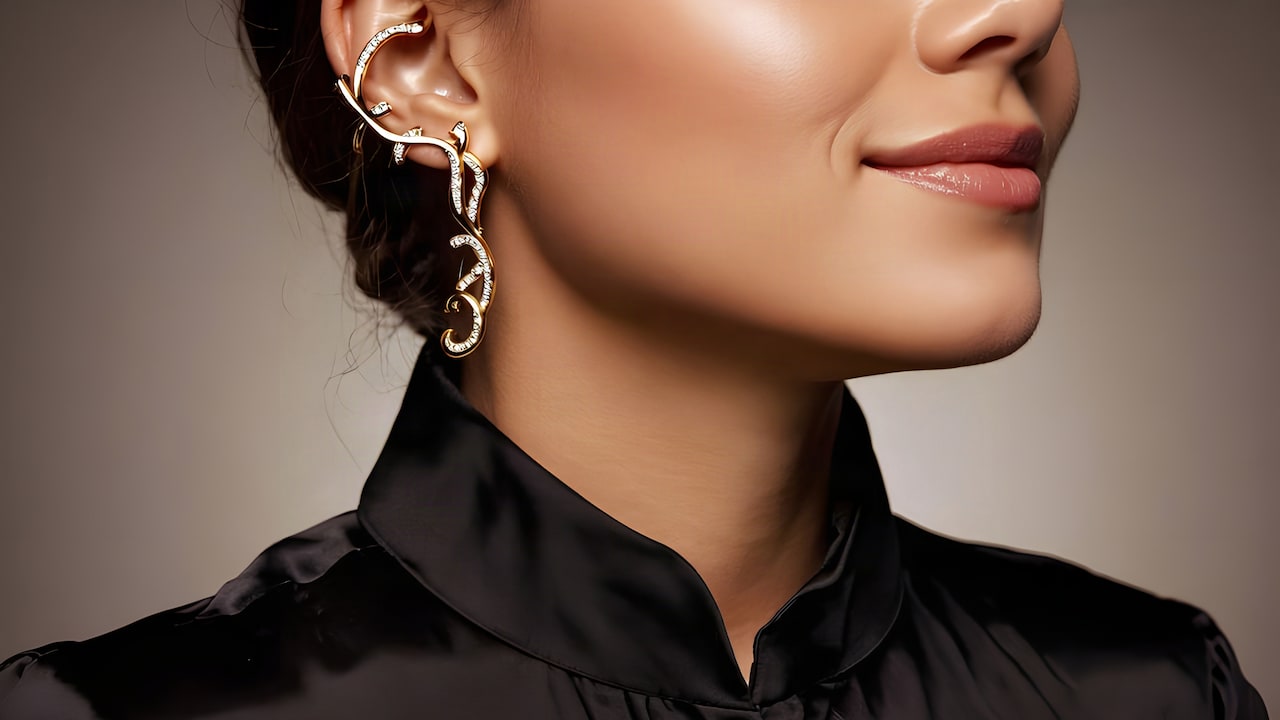
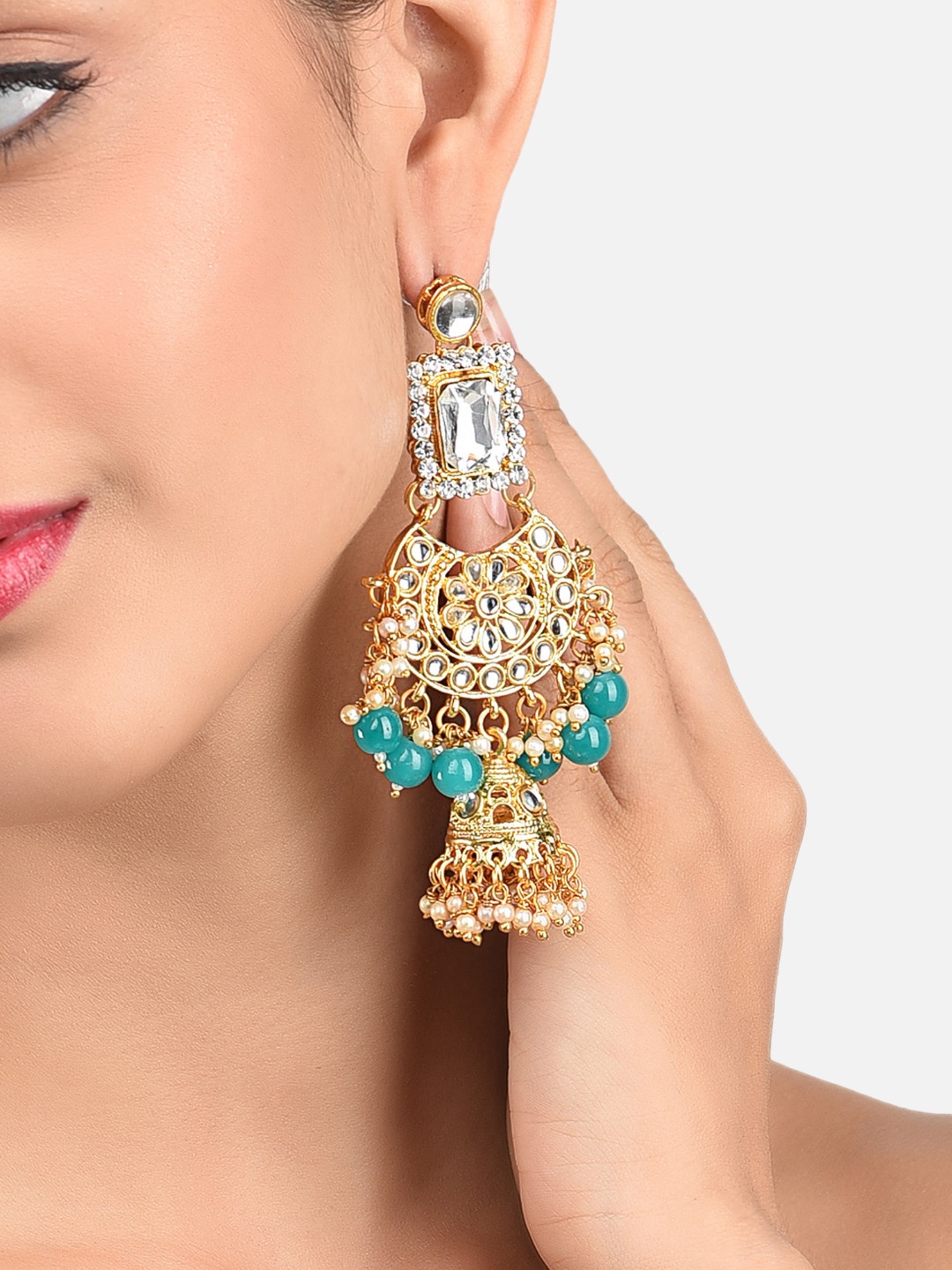
When styling an elaborate skirt, consider directing attention towards the neckline through earrings or a simple necklace.
Accessories should enhance an outfit's strongest features. They don't all need to make a statement at once.
Products Related To This Article
1. Anayna Women Navy Blue & Maroon Printed Flared Cotton Maxi Skirt
2. SUNEKH Floral Printed Cotton Flared Maxi Skirt
3. Sangria Girls Pure Cotton Floral Maxi Fashion
4. Glitchez Women Front Slit Denim Maxi Straight Skirt
5. StyleCast x Revolte Women Solid Flared Maxi Skirts
6. Shae by SASSAFRAS Women Yellow & Pink Ethnic Motifs Printed Flared Maxi Skirt
7. InWeave Paisley Printed Maxi A-Line Skirt
Long skirts deserve their reputation as comfortable, versatile wardrobe essentials. However, their flowing silhouettes can become visually heavy when fabric, proportions, layering and accessories don't work together.
The solution rarely involves replacing an entire wardrobe. Adjusting a waistband, choosing a shorter top or changing footwear can make an existing skirt look completely different. Fabric movement and thoughtful layering matter far more than complicated styling rules.
Most importantly, looking balanced doesn't mean every outfit must appear slimmer. Full, dramatic silhouettes can be beautiful too. The goal is to create the shape you intended, feel comfortable wearing it and enjoy the freedom that makes long skirts so appealing in the first place.
(Disclaimer: This article may include references to or features of products and services made available through affiliate marketing campaigns. NDTV Convergence Limited (“NDTV”) strives to maintain editorial independence while participating in such campaigns. NDTV does not assume responsibility for the performance or claims of any featured products or services.)