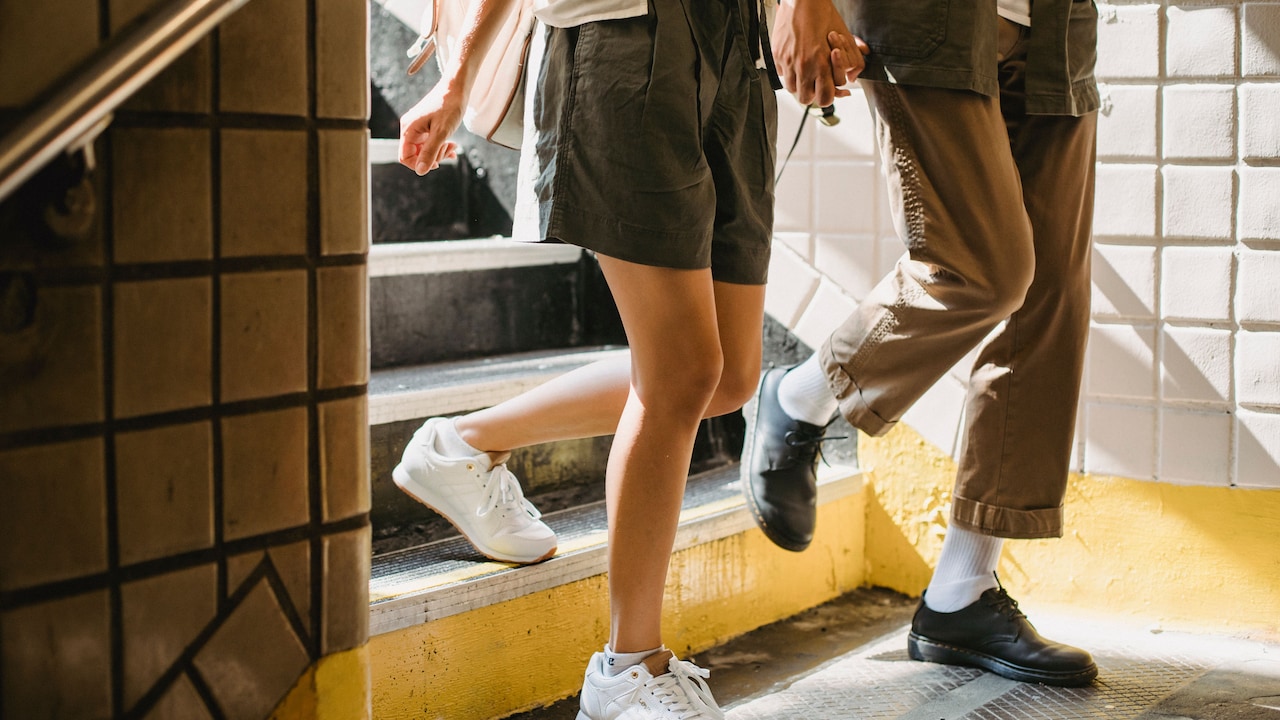
How To Layer Monsoon Outfits Without Looking Bulky
Learn how to layer outfits during monsoon without the bulk, with practical tips on fabrics, fits and combinations that will keep you comfortable all through the day.
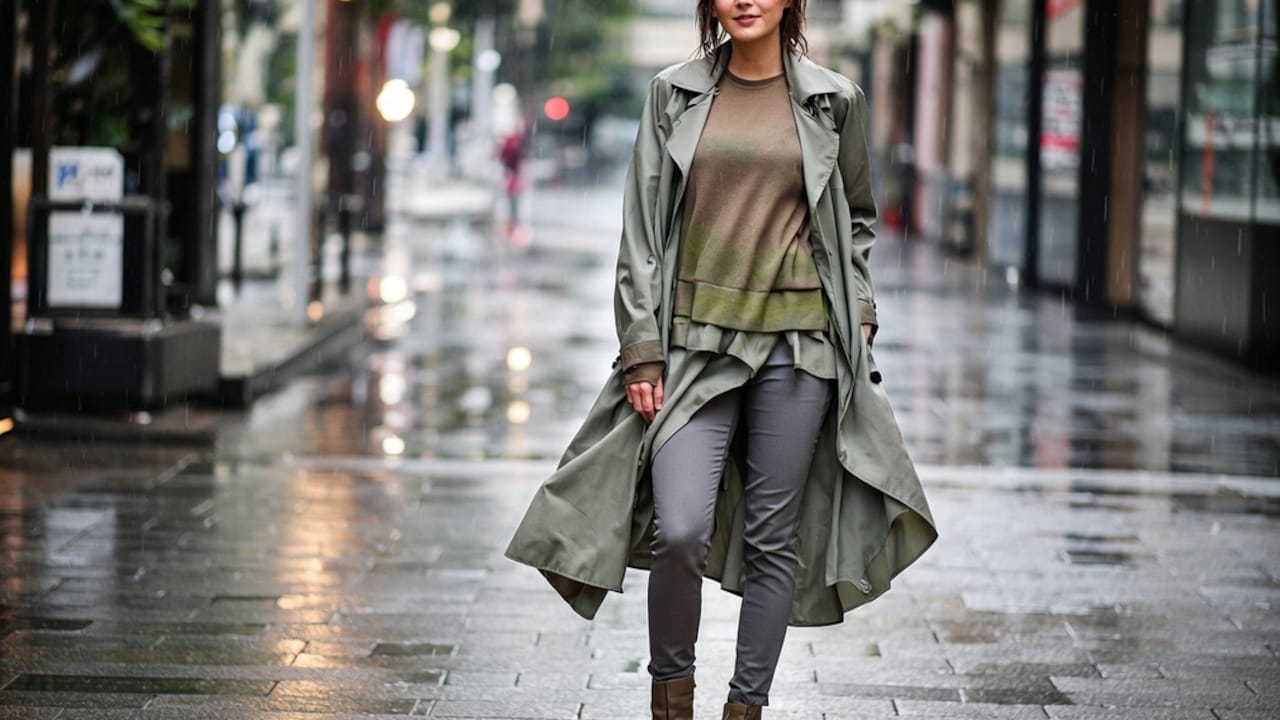
How To Layer Monsoon Outfits Without Looking Bulky
Monsoon weather has a way of keeping you on your toes. One minute it is warm and sticky; the next, there is a sudden downpour and then you are indoors freezing under air conditioning that someone clearly set too high. Dressing for all of that in a single outfit is genuinely tricky. The mistake most people make is thinking that layering means piling on more clothes. It does not. Done right, layering during monsoon is really just about picking the right pieces so you can adjust without looking like you grabbed everything out of the wardrobe at once. Here is how to actually do it well.
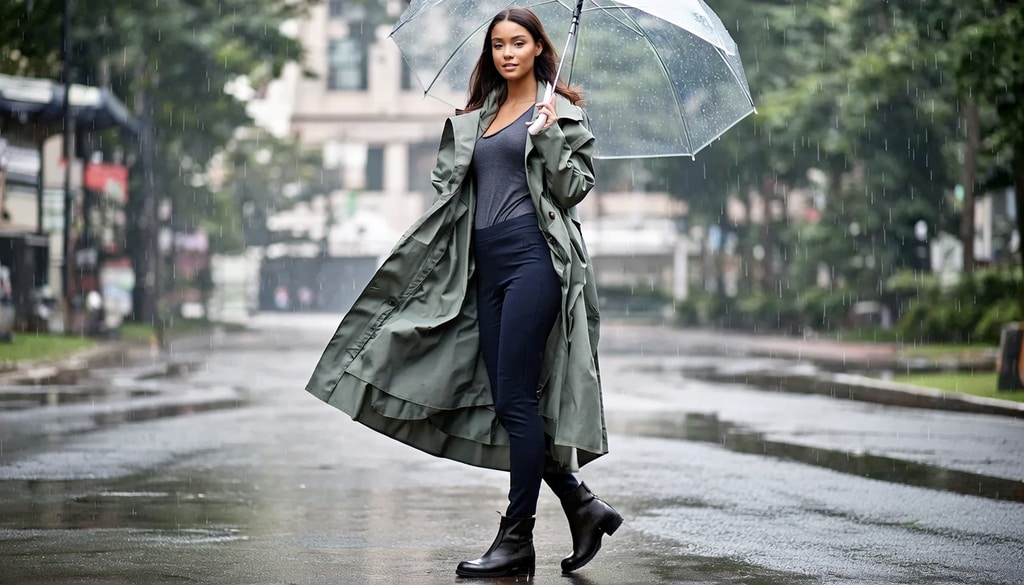
Opt for water-resistant outerwear, slim silhouettes, and quick-dry fabrics to maintain style and mobility all day.
Photo Credit: iStock
Why Layering Makes Sense During Monsoon
Monsoon days move through several different versions of themselves before they are done. What works at nine in the morning often becomes ineffective by afternoon, and by evening, the weather has usually changed entirely again.
Step 1: Adapt To Changing Weather
A single lightweight layer you can throw on or take off makes a genuine difference when you are moving between humid streets and aggressively air-conditioned offices or cafes. It is a small thing that saves a lot of discomfort throughout the day.
Step 2: Add Versatility To Your Outfit
Layering means your outfit can actually work across different settings rather than being completely wrong the moment the weather shifts. The entire purpose is to achieve that flexibility.
Start With A Lightweight Base Layer
Whatever you put on first sets the tone for everything else. Get this wrong and the whole outfit suffers for it.
Step 1: Choose Breathable Fabrics
Lightweight cotton blends, rayon and moisture-wicking fabrics are the ones worth reaching for. These fabrics feel comfortable against the skin, do not cling unpleasantly in humid conditions, and dry reasonably fast if they get wet from rain.
Step 2: Avoid Thick Innerwear
A heavy base layer adds bulk before you have even started. Keep the first layer slim and light and everything on top of it will sit better.
Choose Thin Layers Instead Of Heavy Ones
The layers you add should feel like an effortless addition, not something you notice the weight of after an hour.
Step 1: Wear Lightweight Shirts Or Overshirts
An open button-down shirt or a light overshirt worn casually over a T-shirt adds a layer without adding much weight at all. It also just looks good without requiring any real effort.
Step 2: Pick Quick-Drying Materials
There is nothing worse than a layer that stays damp for hours after a bit of rain. Quick-drying fabrics solve that problem before it starts and make the whole experience of being caught in a shower a lot less miserable.
Focus On Balanced Proportions
How your clothes fit together matters just as much as what you pick.
Step 1: Avoid Oversized Pieces Everywhere
If every single layer is loose and oversized, the whole outfit ends up looking shapeless and heavy even if the individual pieces are lightweight. Add some variety to your outfit.
Step 2: Let One Layer Stand Out
A relaxed shirt over a fitted top or a lightweight jacket over straight trousers tends to look a lot more considered than everything being the same fit. A single piece performing the task maintains a clean appearance.
Use Colour Strategically
The colours you choose affect how put-together a layered outfit looks more than most people realise.
Step 1: Stick To Similar Colour Families
Keeping your layers within the same colour family makes everything sit together naturally without you having to think too intensely about them.
Step 2: Avoid Excessive Contrast
Too many clashing colours pulled together can make an outfit feel visually heavy even when the fabrics are light. Maintaining coordination is crucial.
Keep Accessories Practical
Accessories should make your day easier during monsoon, not harder.
Step 1: Carry Lightweight Bags
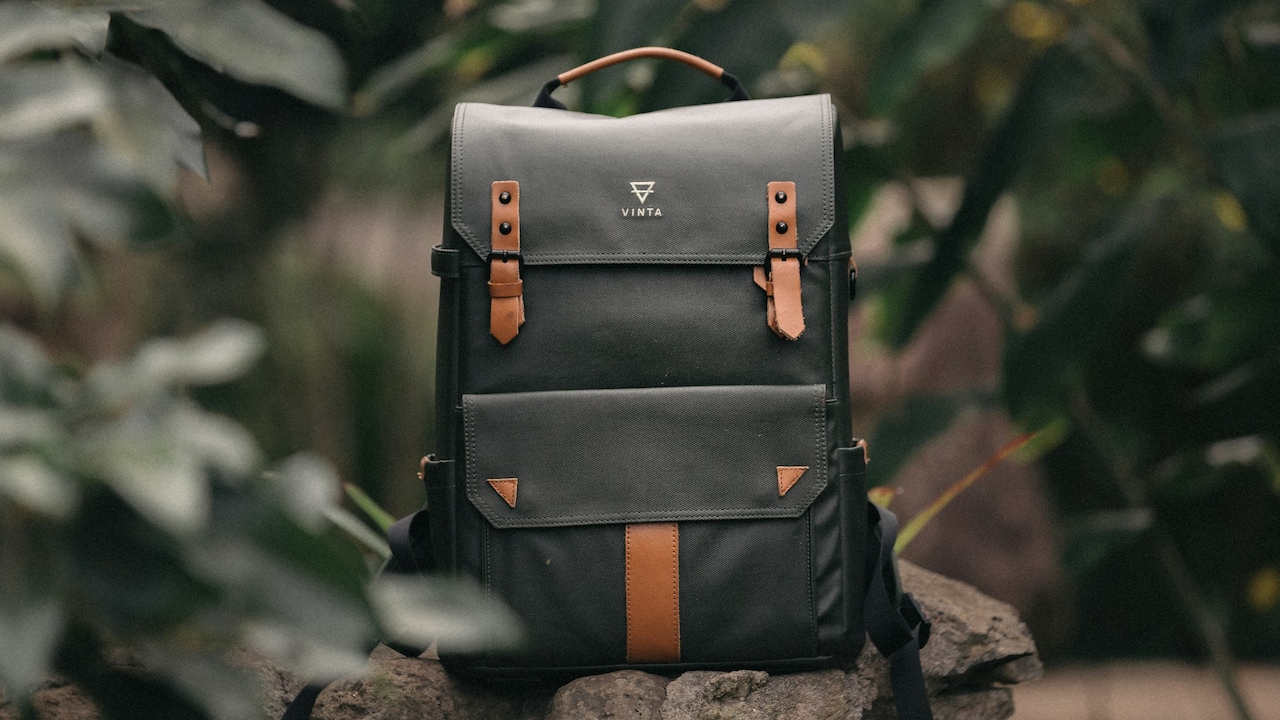
Compact backpacks, crossbody bags and practical totes are genuinely your best friends during the rainy season. Easy to carry, simple to manage and they do not slow you down.
Step 2: Skip Heavy Accessories
Big scarves, chunky belts, and oversized jewellery can weigh down an otherwise simple outfit. Keep the extras minimal when the weather is already doing a lot.
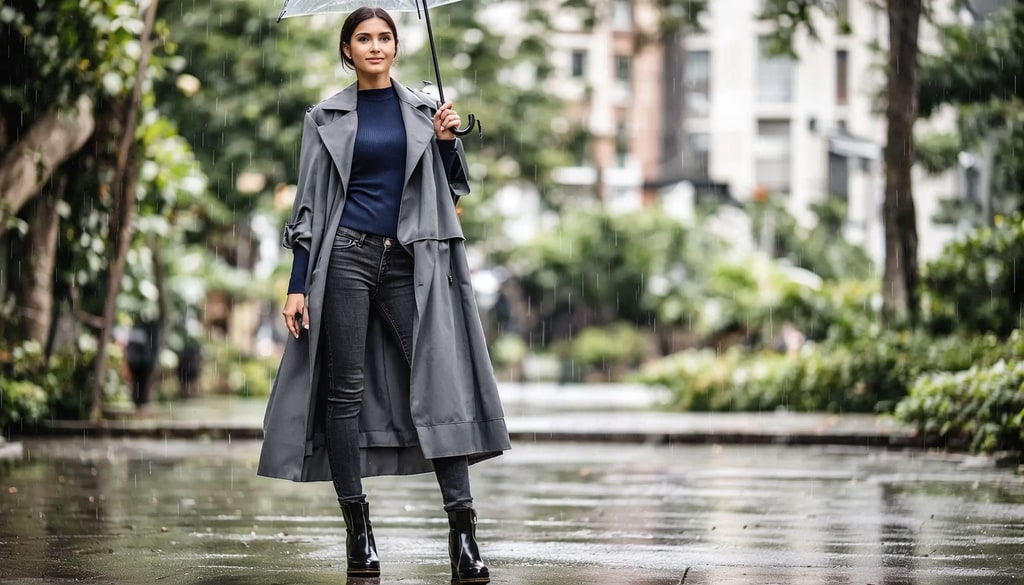
Mix short layers—vests, thin sweaters, and cropped jackets—for warmth control and easy adaptability during unpredictable monsoon weather.
Photo Credit: iStock
Common Monsoon Layering Mistakes
A few small mistakes are enough to make an otherwise excellent outfit feel entirely wrong.
Step 1: Avoid Heavy Fabrics
Thick denim jackets and chunky knitwear absorb moisture and become uncomfortable surprisingly fast in rainy weather. Save them for when the season actually calls for them.
Step 2: Do Not Overlayer
Two well-chosen lightweight pieces almost always look better than four unnecessary ones stacked on top of each other. Less really is more here.
Outfit Combinations That Work Well During Monsoon
Simple combinations tend to be the most reliable when the weather is being unpredictable.
Step 1: T-Shirt And Open Overshirt
A lightweight T-shirt with an open overshirt is one of those combinations that just works. Easy, versatile and appropriate for pretty much any casual setting during the day.
Step 2: Tank Top And Relaxed Button-Down Shirt
This one breathes well, gives you enough layering flexibility throughout the day and looks effortless without trying too hard. A dependable choice for the majority of monsoon days.
Some Monsoon Layering Essentials You Might Like
1. Yoho Wanderz Waterproof Clogs For Women
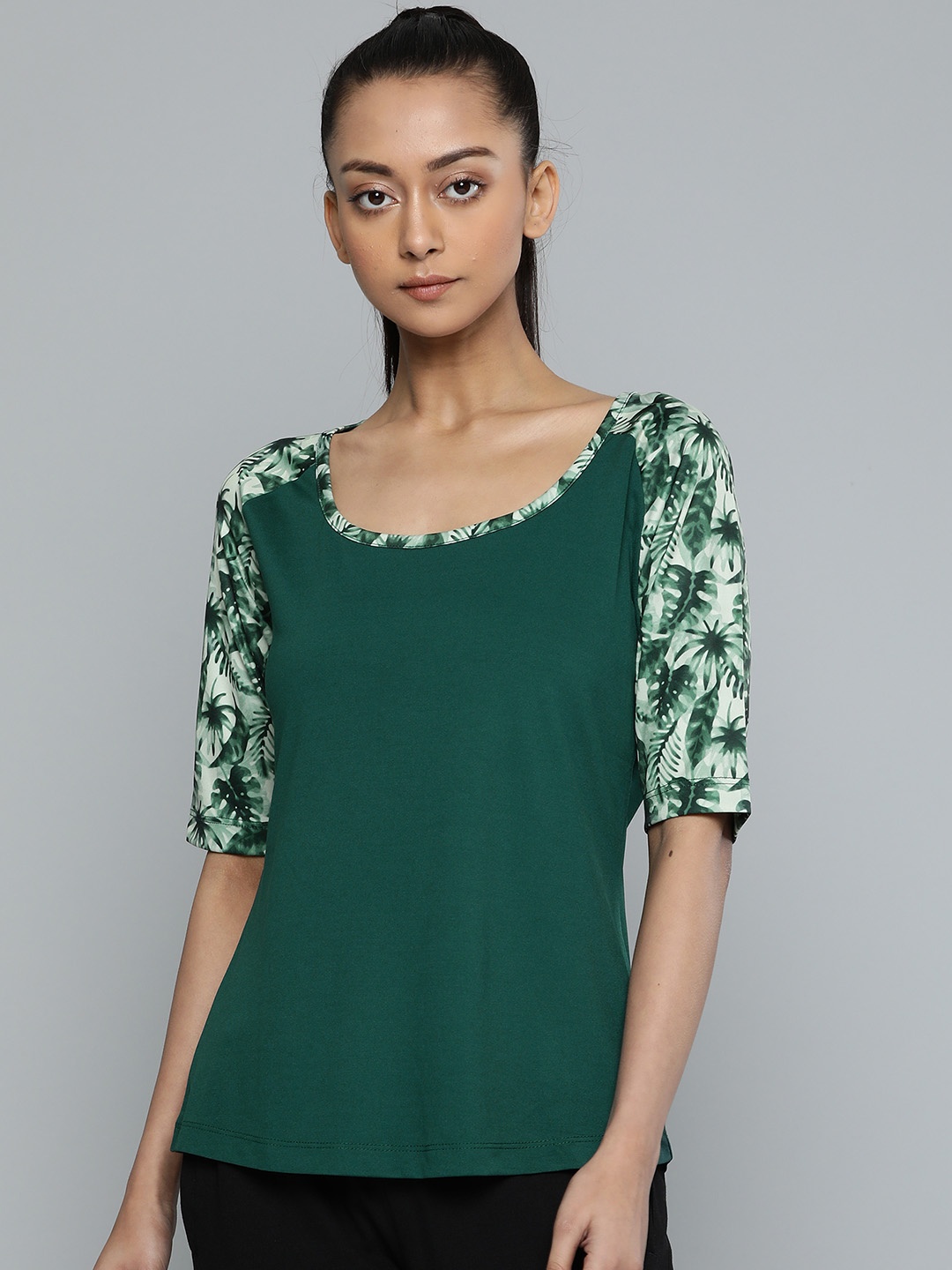
2. Van Heusen Athleisure T-Shirt
3. Puma Lightweight Windcheater Jacket
4. Boldfit Sunscreen Quick-Dry Hoodie
5. Rynox Unisex Rain Jacket
6. Gear Water-Resistant Backpack
7. Lowercase Waterproof Cap
8. Asian Men's Waterproof Running Shoes
In conclusion, layering monsoon outfits without looking bulky is all about choosing lightweight fabrics, breathable layers, and well-fitted silhouettes. Opting for flowy pieces, smart layering like shrugs or light jackets, and sticking to minimal yet functional combinations can keep your look stylish and comfortable. With the right balance of fashion and practicality, you can stay rain-ready while maintaining a sleek and put-together appearance all season long.
Frequently Asked Questions (FAQs)
1. How many layers should I wear during monsoon?
Two to three lightweight layers is plenty for most situations. You really do not need more than that.
2. Which fabrics are best for monsoon layering?
Cotton blends, rayon, moisture-wicking materials and anything quick-drying tend to work best.
3. Can oversized clothing work in layered outfits?
Yes, but you need to balance it out. Pair something relaxed with something more fitted and the outfit comes together much better.
4. Should I wear thick jackets during monsoon?
Generally not. Unless temperatures are unusually low, a heavy jacket is more trouble than it is worth during the rainy season.
5. How do I avoid looking bulky while layering?
Keep your base layer slim, choose lightweight fabrics, avoid making every piece oversized and think about the proportion.
s work together.
(Disclaimer: This article may include references to or features of products and services made available through affiliate marketing campaigns. NDTV Convergence Limited (“NDTV”) strives to maintain editorial independence while participating in such campaigns. NDTV does not assume responsibility for the performance or claims of any featured products or services.)