Kurtas Shrinking After Two Washes? How To Pick Fabric That Actually Lasts
Bought a kurta that shrank after two washes? Learn which fabrics actually last, how to avoid costly wardrobe mistakes, and what to check before buying for style that stays sharp.
Kurtas Shrinking After Two Washes? How To Pick Fabric That Actually Lasts
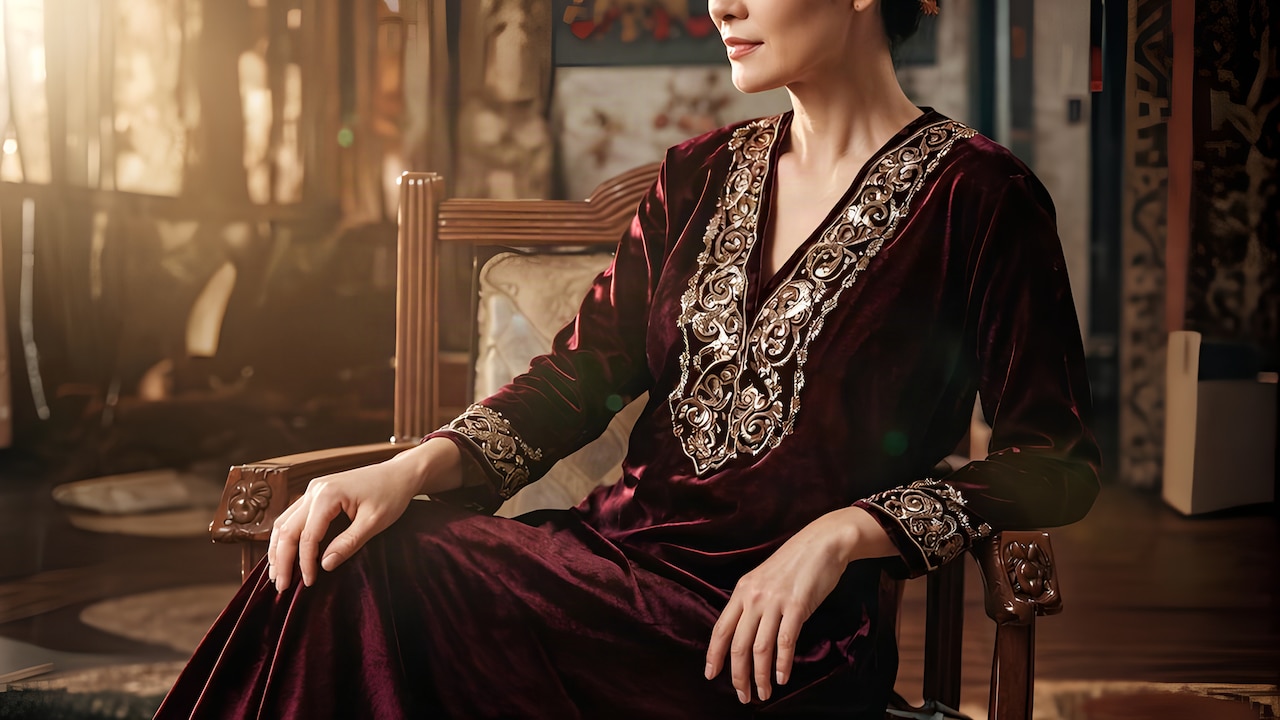
A great kurta often feels like an old friend. It shows up for family lunches, festive gatherings, busy market strolls, and even those frantic video meetings where only the top half needs to impress. Yet many wardrobes share the same quiet tragedy: beautiful kurtas that lose shape, shrink dramatically, or fade into sad versions of themselves after just a couple of washes. The culprit often hides in the fabric. Bright colours and trendy embroidery may catch attention first, but the true value lies in the weave, fibre, and finishing. Price tags do not always guarantee quality either. A ₹800 kurta can outlast a ₹3,000 designer piece if the material holds strong.
Kurtas Shrinking After Two Washes? How To Pick Fabric That Actually Lasts
Photo Credit: Pexels
Understanding fabric is no longer just for textile experts or boutique owners. Everyday shoppers deserve to know why some kurtas survive monsoons, detergents, and repeated ironing while others surrender almost immediately. Shopping smart means looking beyond surface beauty and focusing on materials that combine comfort, durability, and easy maintenance.
The right fabric choice transforms kurtas from disposable fashion into dependable staples. With a little know-how, anyone can avoid post-wash disappointment and invest in pieces that remain graceful for years.
Understanding What Makes A Kurta Last Beyond A Few Washes
Why Pure Cotton Is Both A Blessing And A Gamble
Cotton remains a wardrobe favourite for excellent reasons. It breathes beautifully, feels gentle on the skin, and handles hot weather with ease. A soft cotton kurta on a humid afternoon often feels like survival itself. However, pure cotton can also shrink significantly if manufacturers skip proper pre-shrinking processes.
Many budget-friendly cotton kurtas look promising in stores, but tighten noticeably after washing. This happens because natural cotton fibres contract when exposed to water and heat. The result often turns a relaxed silhouette into an awkward fit.
Shoppers should check whether labels mention pre-washed, bio-washed, or preshrunk cotton. These treatments reduce unpleasant surprises later. Slightly heavier cotton weaves, such as cambric or slub cotton, also tend to retain structure better than flimsy varieties.
Cotton remains a reliable choice, but success depends on quality. A carefully chosen cotton kurta offers years of comfort. A rushed purchase may deliver disappointment by laundry day.
Linen Blends Offer Elegance Without Excessive Drama
Linen carries timeless charm. Its texture feels sophisticated, airy, and effortlessly stylish. Linen kurtas often look polished enough for brunches, office wear, or understated celebrations. Yet pure linen wrinkles quickly and can shrink if not handled carefully.
Blended linen fabrics solve many of these concerns. Combining linen with cotton or viscose improves softness while reducing harsh creases and excessive shrinkage. These blends maintain breathability while adding practical resilience.
For shoppers seeking long-lasting style, linen blends strike an appealing balance. They hold shape better than pure linen and often survive regular wear more gracefully. They also pair beautifully with both traditional and contemporary cuts.
Though slightly pricier, quality linen blends often justify the investment. Spending ₹2,500 on a durable kurta that lasts several seasons makes far more sense than repeatedly replacing cheaper alternatives.
Fabric with natural elegance and modern practicality often wins the long game.
Rayon May Feel Luxurious But Requires Caution
Rayon often tempts buyers with its silky drape, vibrant prints, and affordable pricing. It mimics luxury without the hefty cost, making it especially attractive in bustling markets and online sales.
However, rayon can prove deceptively delicate. It tends to weaken when wet, which increases the risk of shrinkage, stretching, or damage during regular machine washing. Many shoppers discover this the hard way when a stunning kurta emerges from the wash looking misshapen.
Higher-quality rayon blends perform better than pure rayon. Mixed fibres improve strength while preserving softness. Gentle hand washing or dry cleaning also extends the lifespan considerably.
Rayon suits occasional wear beautifully, particularly for festive or semi-formal settings. Yet it may not serve as the most dependable everyday choice.
Understanding maintenance needs becomes essential before buying. Fabric that demands constant caution may not align with busy routines, no matter how gorgeous it looks on the hanger.
Polyester Blends Deserve More Respect Than They Get
Polyester often suffers from an unfair reputation. Many associate it with discomfort or cheapness, yet modern polyester blends can offer surprising durability and value.
When mixed thoughtfully with cotton or viscose, polyester strengthens fabric, resists shrinkage, and improves colour retention. These blends withstand repeated washing remarkably well, making them ideal for daily wear.
For office kurtas, travel clothing, or regular use, polyester blends often outperform delicate natural fibres. They wrinkle less, dry faster, and maintain shape with minimal fuss.
Of course, breathability matters. Excessively synthetic fabrics can feel uncomfortable in extreme heat. Balanced blends solve this issue while preserving practicality.
A well-made cotton-polyester kurta may not sound glamorous, but it often proves itself through sheer reliability. Sometimes sensible choices quietly outperform trendier options.
Durability should never feel embarrassing when it saves both money and frustration.
Fabric Weight Reveals More Than Fancy Labels
Shoppers often focus on brand names or embroidery while ignoring fabric weight. Yet this detail significantly influences longevity.
Lightweight fabrics may feel breezy, but they often wear out faster. Thin weaves can lose structure, tear more easily, or shrink unpredictably. Heavier fabrics usually offer stronger construction and better shape retention.
This does not mean thick equals uncomfortable. Mid-weight cottons, linen blends, and structured weaves often provide an ideal balance between comfort and resilience.
A quick touch test in-store can reveal much. Fabric that feels too flimsy may struggle over time. Slightly denser material generally signals better durability.
Seasonal needs matter too. Summer wardrobes benefit from breathable materials, but quality should never disappear in pursuit of lightness.
Choosing substance over surface can dramatically improve wardrobe satisfaction. Clothes should work hard, not merely look pretty under showroom lights.
Also Read: Dressing For Summer Weddings? Kisah And Vastarmay Styles On Myntra Grand Summer Sale Could Help
Dye Quality Matters As Much As Fibre Strength
Shrinking often steals attention, but fading can ruin kurtas just as quickly. Rich jewel tones, subtle pastels, and intricate prints lose appeal rapidly when poor dyeing techniques come into play.
Low-quality dyes bleed, fade, or develop patchiness after repeated washing. This often occurs in cheaper garments where visual appeal takes priority over textile standards.
Checking for colourfastness helps. Rubbing a damp white cloth on fabric can reveal excess dye. Trusted retailers also tend to provide better consistency.
Natural dyes and premium processing methods often preserve vibrancy longer. Though these garments may cost more initially, they maintain elegance over time.
A kurta that keeps both shape and colour offers genuine value. After all, durability extends beyond size alone.
Fashion should feel dependable, not disposable.
Kurtas Shrinking After Two Washes? How To Pick Fabric That Actually Lasts
Photo Credit: Pexels
Stitching Quality Can Save Or Sabotage Fabric Performance
Even exceptional fabric can fail if stitching quality disappoints. Weak seams, loose threads, or poorly reinforced necklines often accelerate garment decline.
Strong stitching supports the fabric during washing, wearing, and ironing. Double-stitched seams and neat finishing indicate better craftsmanship.
Examining side seams, hems, and button placements takes only moments but can prevent expensive mistakes. Mass-produced fast fashion often cuts corners here.
A durable kurta relies on harmony between material and construction. Beautiful fabric paired with poor tailoring resembles a strong building on shaky foundations.
Prioritising stitching may feel less exciting than choosing prints, but it often determines whether a garment lasts months or years.
Smart shoppers know details matter.
Care Labels Are Not Mere Decoration
Many wardrobe disasters begin with ignored care labels. Washing instructions may seem tedious, but they often hold the secret to preserving fabric integrity.
Different materials react uniquely to water temperature, spin cycles, and detergents. Hot washes frequently trigger shrinkage, while harsh chemicals weaken fibres over time.
Gentle cycles, cold water, and mild detergents usually extend lifespan significantly. Air drying also reduces fabric stress compared to aggressive tumble drying.
Ignoring these basics can sabotage even premium kurtas.
Good clothing deserves thoughtful care. A little attention to laundry can save thousands of rupees in replacement costs.
Fashion longevity often begins at home, not in the store.
Handloom And Artisan Fabrics Require Smart Appreciation
Handloom fabrics offer unmatched charm, texture, and cultural richness. Their uniqueness often makes them treasured wardrobe pieces.
However, handcrafted materials may require more nuanced care than factory-finished textiles. Some handwoven cottons or silks shrink slightly during initial washes unless pre-treated.
Buying from reputable sellers helps ensure transparent information about care needs. Handloom pieces often reward thoughtful maintenance with extraordinary longevity.
These fabrics may cost more, but their craftsmanship and individuality often justify every rupee.
Choosing artisanal does not mean sacrificing practicality. It simply means shopping with awareness.
Beautiful traditions deserve informed ownership.
Price Should Reflect Value, Not Marketing Hype
Expensive does not always equal durable. Branding, influencer trends, and elaborate packaging often inflate costs without improving fabric quality.
Smart buyers assess weave, fibre blend, stitching, and care requirements before trusting price alone. A thoughtfully selected ₹1,500 kurta may outperform heavily marketed options costing twice as much.
Value lies in cost-per-wear. Garments that maintain appearance over dozens of wears ultimately offer better returns than flashy impulse purchases.
Building a lasting wardrobe requires strategy, not extravagance.
Quality should feel like wisdom, not luxury.
Kurtas Shrinking After Two Washes? How To Pick Fabric That Actually Lasts
Photo Credit: Pexels
Products Related To This Article
1. Sangria Ethnic Motifs Printed Round Neck Straight Kurta
2. HERE&NOW Women Embroidered Straight Kurta
3. KJFAB Women Floral Printed Floral Kurta
4. flipFabric Women Geometric Printed Indigo Anarkali Kurta
5. Anouk Floral Printed Round Neck Cotton Straight Kurta
6. PHYSIL Floral Printed Round Neck Thread Work Straight Cotton Kurta
7. KKOUTFITS Women Ethnic Motifs Printed Indie Prints Kurta
Kurtas remain far more than simple garments. They reflect comfort, style, tradition, and daily practicality. Yet lasting satisfaction depends heavily on fabric choices that many shoppers overlook.
Understanding fibre strength, blends, fabric weight, dye quality, stitching, and maintenance transforms shopping from guesswork into smart decision-making. Rather than falling for fleeting trends or irresistible discounts, focusing on long-term durability protects both budgets and wardrobes.
The next time a beautiful kurta catches attention, the smartest question may not be about colour or print. It should be whether that fabric can survive real life.
Because true style is not just about looking good on day one, it is still looking brilliant after wash number twenty.
(Disclaimer: This article may include references to or features of products and services made available through affiliate marketing campaigns. NDTV Convergence Limited (“NDTV”) strives to maintain editorial independence while participating in such campaigns. NDTV does not assume responsibility for the performance or claims of any featured products or services.)