Best Sling Bag For Shoulder Support: What To Look For Before Buying
Stop sling-bag shoulder pain. Learn how to choose the right strap width, padding, fit, and bag size for all-day comfort, without sacrificing style.
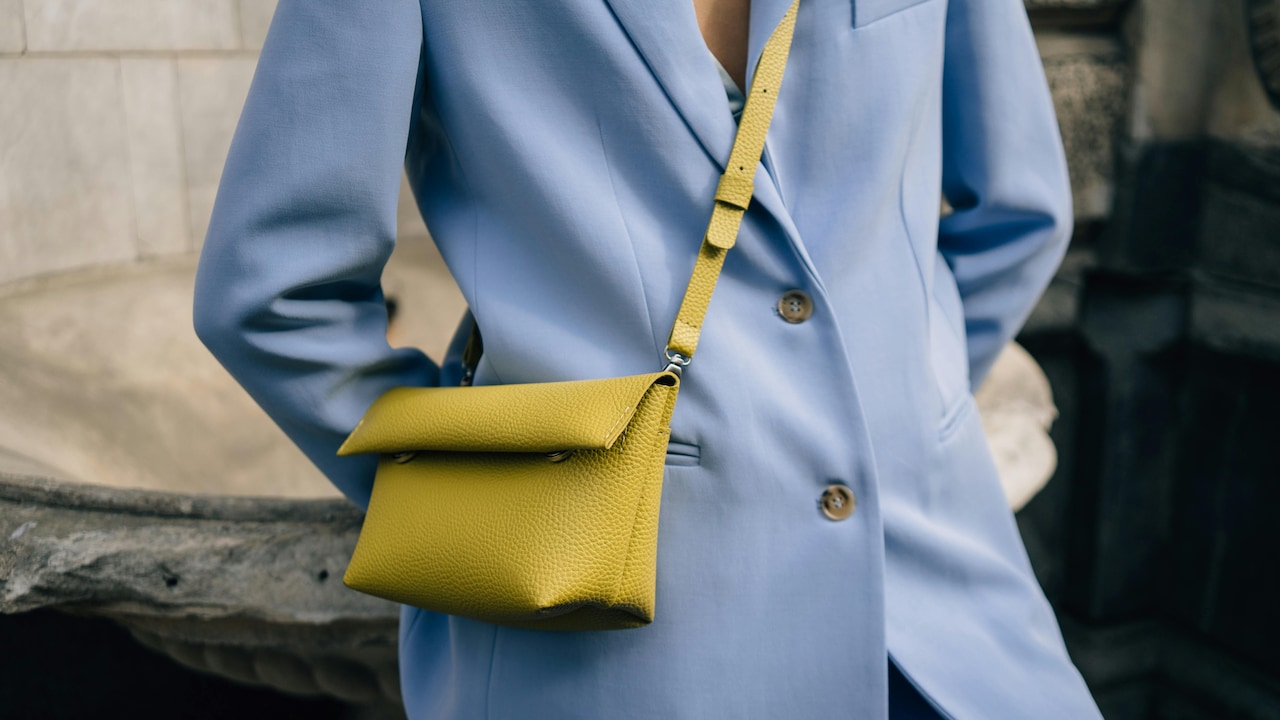
Here Is How To Choose A Sling Bag With Support That Doesn't Hurt Your Shoulder.
Sling bags have become everyone's favourite “grab-and-go” option. They're compact, stylish, and perfect for days when carrying a full backpack feels like overkill. But there's one problem many people discover the hard way: some sling bags are basically shoulder-ache machines.
It often starts small. A slight pull near the neck. A dull ache after a long commute. Then one day, after carrying your essentials plus a water bottle and maybe a charger, the shoulder starts complaining like an annoyed auntie at a wedding.
The good news is that shoulder pain from a sling bag isn't “normal” and it isn't something anyone has to tolerate. It's usually a design problem, not a you problem. The right sling bag can feel light, balanced, and supportive, even when it's packed. The trick is knowing what to look for before buying.
So, if the goal is comfort without sacrificing style, let's get into the details.
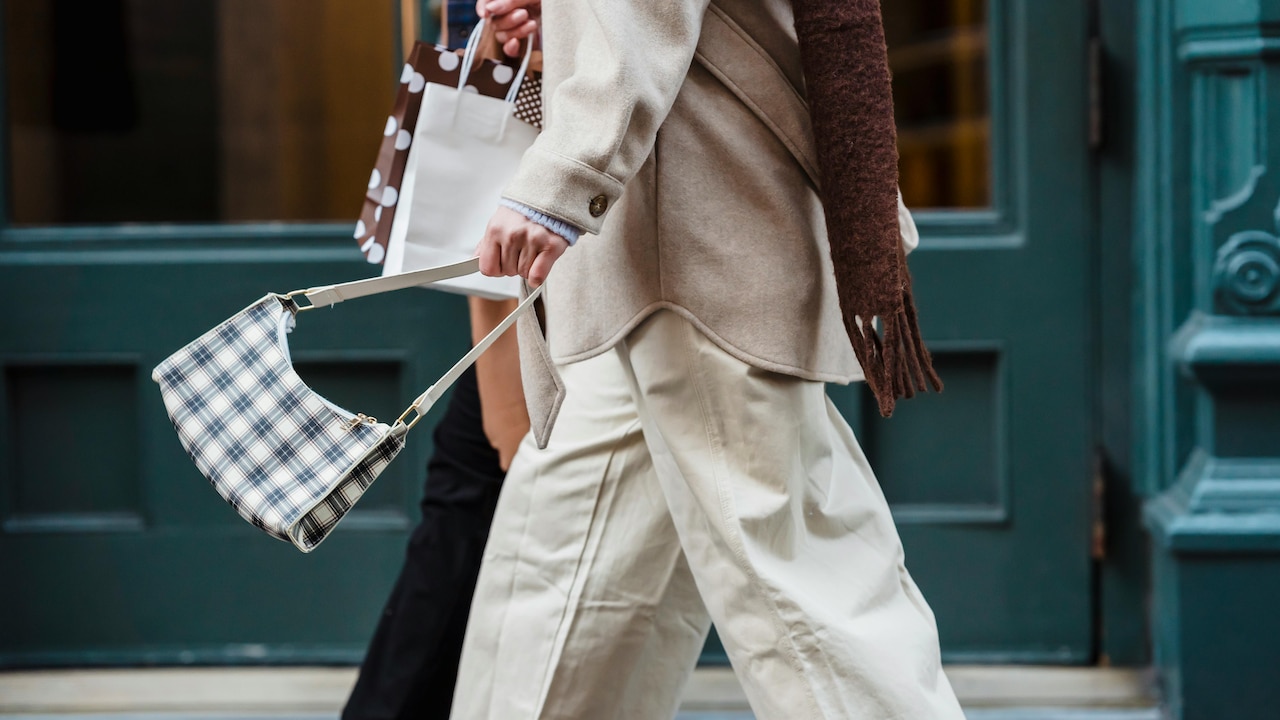
How To Choose A Sling Bag With Support That Doesn't Hurt Your Shoulder
Photo Credit: Pexels
What To Look For In A Shoulder-Friendly Sling Bag
1. Start With Strap Width, Not The Brand Name
A sling bag can look premium, trendy, and “influencer-approved”, but if the strap is narrow, the shoulder will suffer. Strap width matters more than most people realise. A thin strap acts like a wire. It concentrates pressure in one line across the shoulder, and after an hour, that line starts feeling like a mild punishment.
A wider strap spreads the weight over a larger area. That simple difference changes everything. It reduces pressure points and keeps the bag from digging into the trapezius area near the neck. For daily use, a strap that feels broad and supportive usually beats one that looks sleek but sharp.
This matters even more during long days. Think about commuting, standing in queues, or walking through a mall that mysteriously requires 12,000 steps. A good strap makes the bag feel like part of the outfit. A bad strap makes it feel like a burden.
If the strap looks like it belongs on a small pouch, it probably does. For real comfort, choose a width like you're choosing a mattress: support first, aesthetics second.
2. Choose Padding That Feels Like Cushioning, Not Decoration
Padding is one of those features that many sling bags claim to have, but only a few do properly. Some straps have padding so thin it feels like someone placed a polite layer of foam and called it a day. Others have bulky padding that looks comforting but shifts around and creates awkward pressure.
The best strap padding feels firm but forgiving. It should compress slightly under weight but not collapse completely. The goal is to create a buffer between the strap and the shoulder, especially when the bag carries heavier items like a power bank, a compact umbrella, or a full wallet.
Also, the padding should be placed where the strap actually rests on the shoulder. Sounds obvious, but some designs add padding in the wrong spot, like a hat worn sideways. It looks cool, but it doesn't do the job.
A quick check helps: wear the bag, adjust it properly, and see where the strap sits. If the padded area misses the shoulder, comfort will miss the day.
3. Check For Adjustable Straps That Actually Adjust Properly
An adjustable strap is not automatically a good strap. Some sling bags offer adjustment, but the slider slips, loosens, or refuses to stay in place. That's how a bag slowly creeps down the body and starts pulling the shoulder in weird angles.
A good adjustment system stays locked once set. It also gives enough range to suit different body types and different ways of wearing the bag. Some people prefer the sling high and snug across the chest. Others like it slightly lower for easier access. Both can be comfortable, as long as the strap supports the choice.
Adjustment also matters for different outfits. A strap that fits well over a thin t-shirt may feel too tight over a hoodie or a jacket. And in monsoon season, when a raincoat enters the chat, suddenly the strap needs extra flexibility.
The ideal strap adjusts smoothly, stays firm, and doesn't feel like it's negotiating every time it's moved.
4. Look For A Stabiliser Strap If You Walk A Lot
Some sling bags come with a secondary stabiliser strap. It's not always stylish in photos, but it is quietly brilliant in real life. A stabiliser strap reduces the swinging and bouncing that happens when walking quickly, climbing stairs, or running for a bus that always arrives at the wrong time.
When a sling bag swings, it doesn't just annoy. It pulls on the shoulder repeatedly in small jerks. That repeated motion can lead to soreness, especially when the bag is slightly heavy. A stabiliser strap keeps the bag close to the body and spreads the load more evenly.
This feature is especially useful for people who walk a lot during the day, travel frequently, or carry a bag during shopping trips. It also helps if the bag is used while riding a two-wheeler, because a swinging sling bag can feel chaotic and unsafe.
Not everyone needs it, but for active days, a stabiliser strap is like that one friend who keeps everyone calm in a crisis.
5. Prioritise Weight Distribution Over “Cute Size”
Small sling bags can still cause shoulder pain. That sounds unfair, but it's true. Pain comes less from size and more from how the weight sits inside the bag. A compact bag with poor structure can turn into a dense, lopsided lump. It pulls on one side and strains the shoulder.
A well-designed sling bag has a shape that keeps items from sinking to the bottom. It may have internal compartments or a slightly structured body. This helps distribute weight evenly instead of letting everything settle into one heavy corner.
Think of it like carrying groceries. A bag with all the weight on one side feels heavier than a bag with the same weight evenly spread. The shoulder reacts the same way.
Also, beware of “just in case” items. A sling bag often becomes a mini survival kit: keys, cards, lip balm, hand sanitiser, earphones, charger, receipts, snacks, and that random coin collection. If the bag doesn't distribute that weight properly, it will feel heavier than it should.
6. Pick A Back Panel That Breathes, Especially For Hot Weather
A sling bag sits close to the body, which is great for safety and convenience. But it can also turn into a heat trap. During warm months, a bag with a non-breathable back panel can make the chest or back feel sweaty and uncomfortable.
A breathable back panel often uses mesh or textured fabric. It reduces the sticky feeling and improves airflow. It also helps the bag stay stable, because sweaty fabric tends to slip more.
This matters more than people expect. Discomfort from heat can cause subtle changes in posture. When someone keeps adjusting the bag to avoid sweat, the strap shifts, and the shoulder ends up bearing weight in awkward ways.
Breathability also affects long-term use. Bags with poor ventilation can develop odours faster, especially if worn daily. Nobody wants a bag that smells like a gym sock after a summer commute.
A breathable back panel keeps things comfortable, clean, and less dramatic.
7. Avoid Hardware That Jabs Or Drags On The Shoulder
Metal buckles and chunky plastic adjusters can look stylish and sturdy. But if they sit on the shoulder, they become a pain point. Hardware should sit away from pressure zones, ideally closer to the chest or lower near the bag.
When hardware rests on the shoulder, it creates a hard spot that presses into the muscle. Over time, it can cause soreness even if the strap is wide and padded. It can also rub against the skin, especially if the strap shifts while walking.
There's also the issue of dragging. Some buckles snag hair, pull at clothing, or catch on jewellery. That's not just annoying; it makes people adjust the strap constantly, which changes the weight distribution and increases strain.
A well-designed sling bag keeps hardware positioned thoughtfully. It feels smooth and uninterrupted where it matters most. The shoulder deserves soft support, not a surprise buckle attack.
8. Choose The Right Material For Comfort And Durability
Material affects both comfort and long-term shoulder support. A sling bag made from stiff material may look structured, but it can dig into the body. A bag made from overly soft fabric may collapse and create uneven weight distribution.
For daily use, medium-structured materials work well. They hold shape but still flex naturally. Materials that resist water are also helpful, because damp fabric gets heavier and more uncomfortable. During the rainy season, a soaked bag can feel like it gained a secret kilo.
The strap material matters too. Some straps have rough webbing that irritates the skin. Others have smooth finishes that feel better but can slip. A balanced texture is ideal: comfortable against skin, but stable enough to stay in place.
Durability is part of shoulder comfort as well. When a strap stretches over time, the bag starts sitting oddly. When stitching weakens, the bag tilts. A durable material keeps the bag supportive for longer, which saves money and avoids repeated discomfort.

How To Choose A Sling Bag With Support That Doesn't Hurt Your Shoulder
Photo Credit: Pexels
9. Match The Bag Size To Your Daily Carry, Not Your Mood
Many people buy sling bags based on what looks good in the moment. Then reality arrives. Suddenly, the bag feels too small for essentials or too big for comfort. Both situations can lead to shoulder strain.
A too-small bag encourages overstuffing. That creates a dense, heavy lump that pulls on the strap. A too-large bag encourages carrying more than needed. That's how a sling bag turns into a portable storage unit.
The best approach is to match bag size to a realistic daily carry. For example, if the daily routine includes a phone, wallet, keys, earphones, and a small sanitiser, a compact sling works well. If the routine includes a tablet, charger, and water bottle, a larger sling with better support becomes necessary.
It's also worth considering travel days. A sling bag that works for errands may not work for a full day out. Some people keep two sizes: a smaller daily one and a larger one for trips.
The shoulder will always prefer the bag that suits the actual load.
10. Test The Bag Like You're Already Late For Work
A sling bag can feel comfortable for five minutes in a shop. The real test is movement. The best way to judge comfort is to wear it and simulate real life. Walk around. Turn. Bend slightly. Pretend to reach for a metro card. Shift the bag from back to front. Check how it behaves.
If the bag slides constantly, the strap may be too smooth or the shape may be unstable. If it swings wildly, it may need a stabiliser strap or a better fit. If it digs into the shoulder, the strap width or padding is not right.
Also, pay attention to how easy it is to access compartments. A bag that forces awkward twisting to reach items can strain the shoulder and neck. The best sling bags allow smooth access without making the body contort like a yoga pose.
And yes, it's completely acceptable to test a bag with a little drama. A sling bag is a daily companion. It should support the day, not sabotage it.
Products Related To This Article
1. ATTAACHE ACCESSORIES Women Solid Half Moon Sling Bag
2. Caprese Textured Structured Handheld Bag
3. Fastrack Women Textured Structured Sling Bag with Croc Faux Leather Construct
4. ZOUK Nawabi Couture Women Floral Printed Crossbody Embroidered Sling Bag
5. Marks & Spencer Women Solid PU Structured Sling Bag
6. Mochi PU Fashion
7. MANGO Bucket Handheld Bag with Detachable Sling Strap
A sling bag should make life easier. It should keep essentials close, move comfortably with the body, and feel supportive even after a long day. Shoulder pain is not a badge of honour. It's usually a sign that the strap is too narrow, the padding is poor, the fit is wrong, or the bag structure doesn't distribute weight well.
The best sling bags don't just look good. They behave well. They stay stable, feel balanced, and support the shoulder rather than punishing it. With the right strap width, proper padding, breathable panels, thoughtful hardware placement, and a size that matches daily needs, a sling bag becomes what it was always meant to be: a practical, stylish, pain-free companion.
Next time a sling bag catches the eye, it's worth checking more than colour and design. The shoulder will remember the choice long after the mirror selfie is forgotten.
(Disclaimer: This article may include references to or features of products and services made available through affiliate marketing campaigns. NDTV Convergence Limited (“NDTV”) strives to maintain editorial independence while participating in such campaigns. NDTV does not assume responsibility for the performance or claims of any featured products or services.)