Best Dupatta Draping Styles: How To Wear A Heavy Dupatta Securely Without Constant Pinning
Heavy dupattas look stunning but slip constantly. These 10 draping styles help you wear them securely, comfortably, and neatly, without over-pinning or adjusting every five minutes.
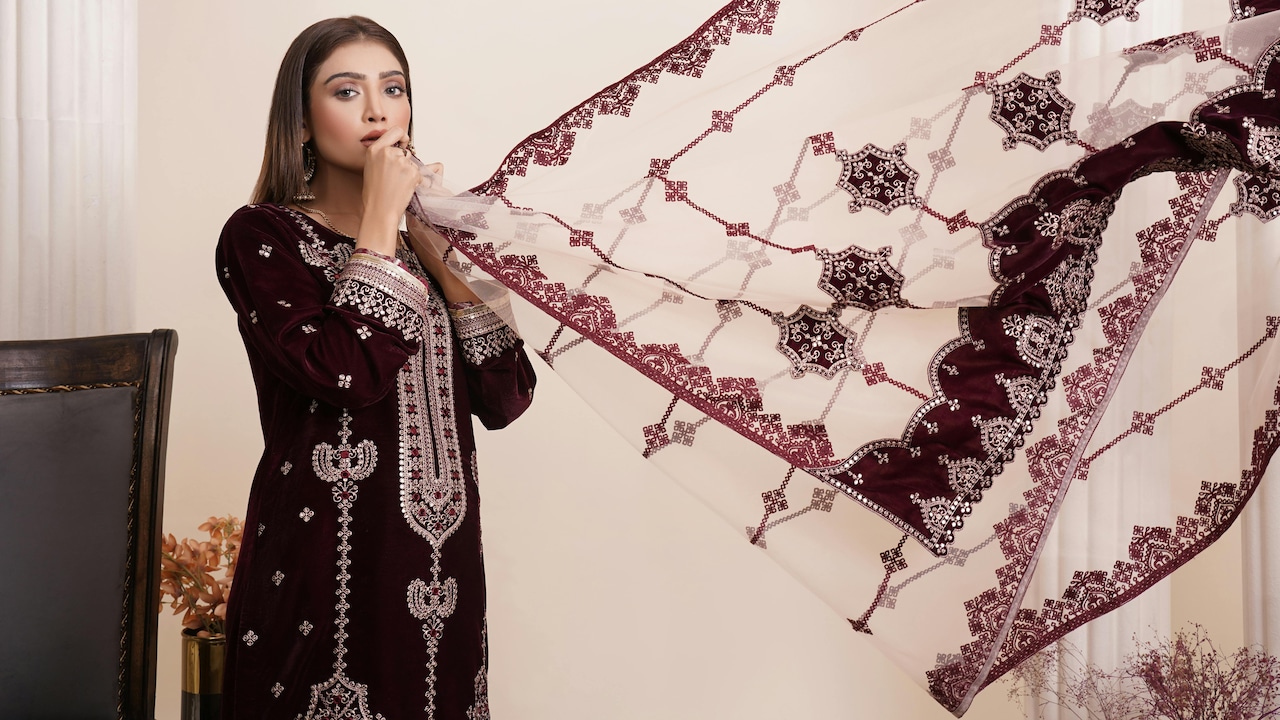
Explore 10 stylish ways to drape your dupatta for every occasion and look.
A heavy dupatta has a special kind of drama. It adds richness, movement, and that instant “occasion look” even when the outfit underneath is simple. But it also comes with a familiar struggle: one minute it's perfectly placed, the next minute it's sliding like it's late for another function.
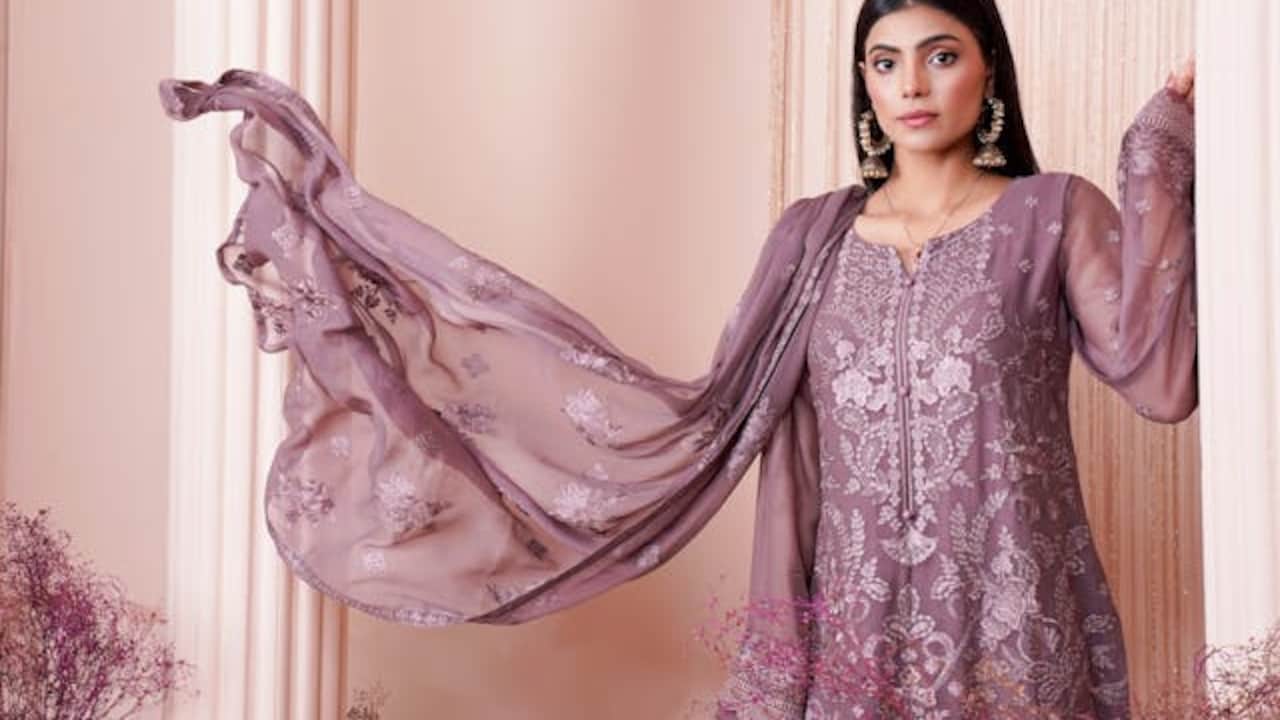
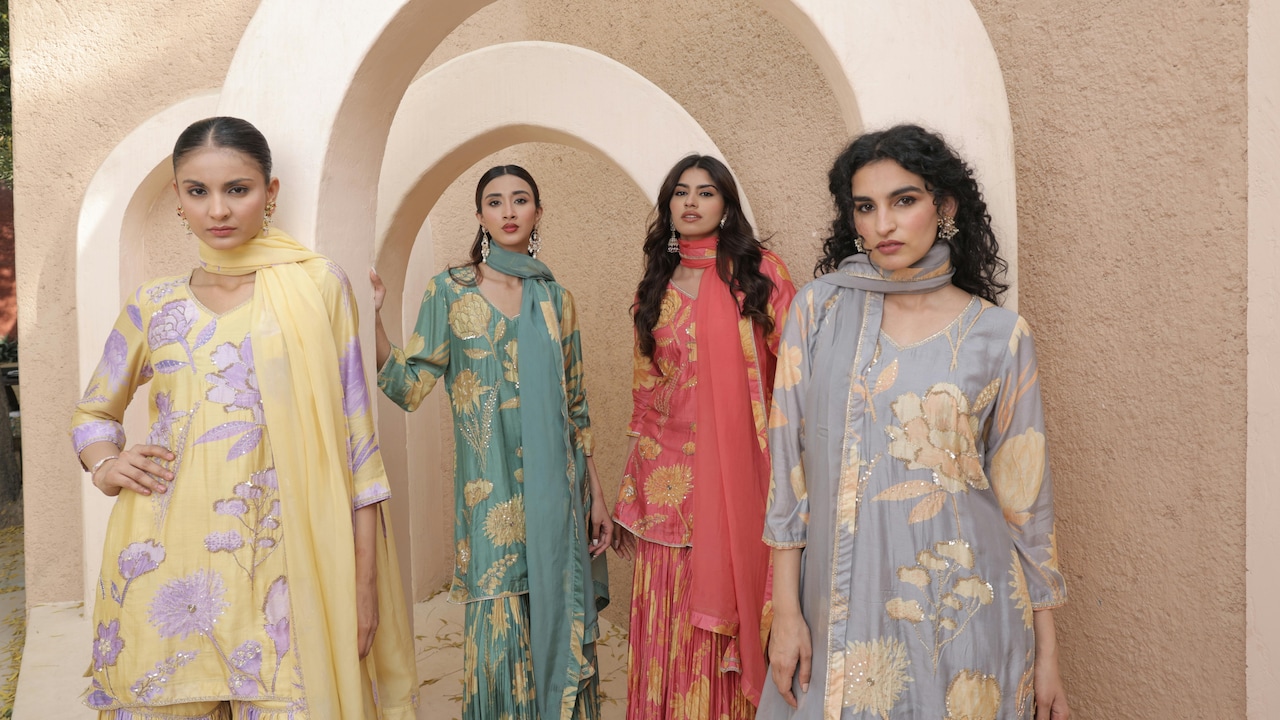
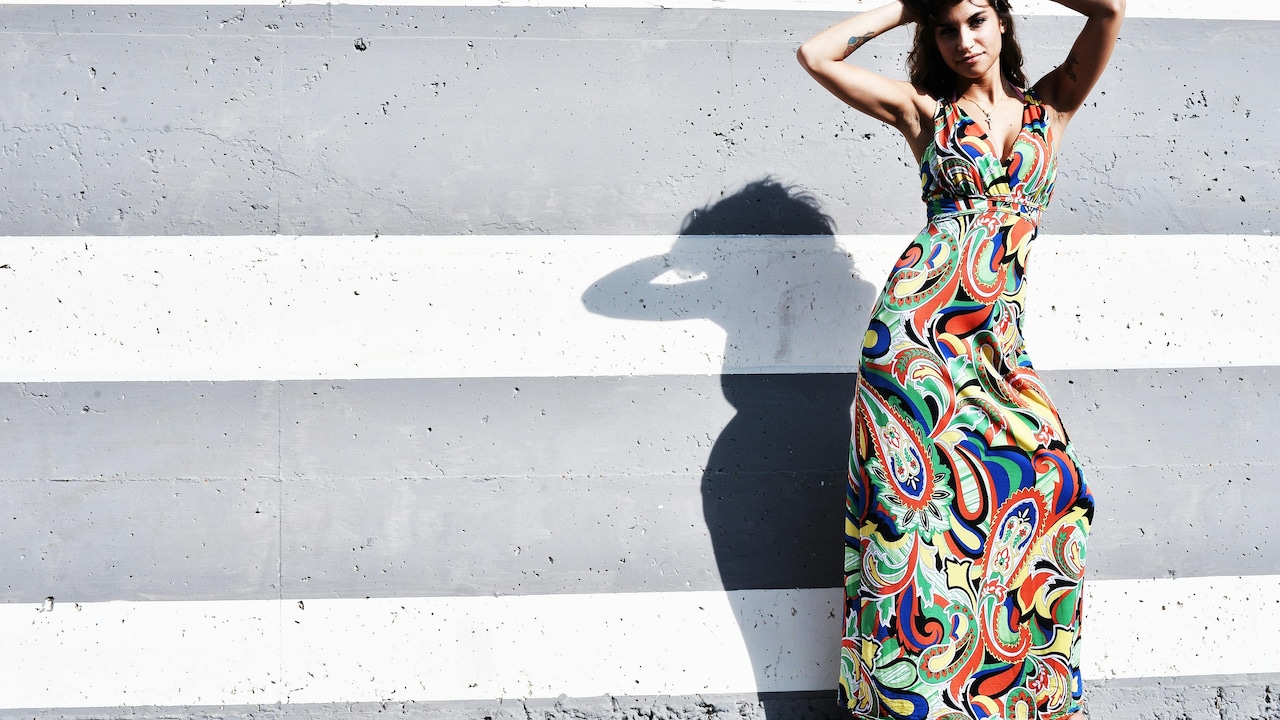
Get ready to do the draping justice to your heavy dupattas with these styling tips; Photo Credit: Pexels
Most people think the solution is pinning, pinning at the shoulder, at the chest, at the waist, and somehow still pinning again. That works, but it can feel uncomfortable, and it often leaves tiny holes in delicate fabrics like net, organza, and soft tissue. Worse, too many pins make the drape look stiff and awkward, like it's been forced into place rather than styled.
The real trick lies in choosing a drape that matches the weight of the dupatta. Heavy fabrics need structure. They need balance. They also need clever anchoring that doesn't rely on constant pinning. This guide breaks down ten practical draping styles that look beautiful, feel secure, and let you actually enjoy the event, without spending the evening adjusting your outfit every five minutes.
Also Read: How To Select Dupattas That Transform Simple Outfits Into Stunning Looks
10 Secure And Stylish Ways To Drape A Heavy Dupatta
1) The Classic Shoulder Fall (But Done the Smart Way)
This is the most loved drape because it feels effortless: the dupatta sits on one shoulder and falls neatly down the front and back. The problem starts when the fabric is heavy, zari borders and dense embroidery pull it down, and it slips off at the first hand movement. The smarter version of this drape is all about balance. Instead of letting most of the weight hang at the front, distribute it. Keep the front fall shorter and the back fall longer, so the shoulder holds a more stable load.
This style works best when the shoulder placement sits slightly closer to the neck rather than on the outer edge. That small shift stops the fabric from sliding. A well-fitted blouse helps too, especially if the shoulder has a slightly textured fabric. Slippery satin blouses and heavy dupattas behave like sworn enemies.
For weddings, this drape looks elegant with lehengas and anarkalis. It also keeps the embroidery visible without overwhelming the outfit. And yes, it's one of the rare styles where a single discreet pin can do the job, if the drape has been balanced properly.
2) The Front V-Drape for Maximum Control
When a heavy dupatta refuses to behave, bring it to the front. The front V-drape keeps the fabric under control because it rests across both shoulders rather than hanging from one. Place the centre of the dupatta behind your neck and bring both ends forward evenly. Let them fall like a soft V over the chest. The key is to keep the neckline area slightly snug, not tight, just secure.
This drape feels especially comfortable in crowded venues. When people bump into you, the dupatta stays where it should. It also works brilliantly for anyone who plans to dance, move around, or manage a chaotic family photo session where someone constantly says, “Beta, dupatta theek karo.”
This style suits heavily embroidered dupattas because it frames the outfit and highlights the border. It also flatters most body types since it creates a clean vertical line. Pair it with statement earrings and you're sorted. The best part? It looks deliberate and styled, not like a last-minute fix for a slippery dupatta.
3) The Side-Swept Saree-Style Drape
This drape borrows from the elegance of a saree pallu. It's perfect for those heavy dupattas with dramatic borders that deserve attention. Place one end over your shoulder, bring the fabric across the front, and let it fall diagonally like a pallu. Instead of letting it hang freely, tuck a small portion into the waistband of your lehenga or suit at the side. That tuck acts like an anchor.
The reason this works is simple: gravity stops being the enemy. Once the dupatta has a tuck point, it can't slide down easily. It also frees your hands. You won't spend the entire evening clutching the fabric like it's a handbag.
This drape looks especially striking with velvet or silk dupattas. It also adds structure to flowy outfits. The diagonal line gives a slimming effect, and it makes even simple suits look festive. If the function includes sitting for long periods, this style remains comfortable because the dupatta stays in place without pulling at the neck or shoulders.
4) The Double-Shoulder Wrap for Wedding Chaos
Some outfits demand a “no nonsense” drape. This one is built for long wedding days: the kind where you arrive for breakfast, attend haldi, survive endless photos, and still have energy for the sangeet. The double-shoulder wrap places the dupatta across both shoulders like a shawl. Let it cover the upper arms slightly, then bring the ends forward.
The trick is to keep the fabric slightly gathered near the shoulders instead of flat. Heavy dupattas sit better when they have a bit of bunching, because it creates friction and grip. Flat fabric slides. Gathered fabric stays.
This drape gives a regal, modest look without feeling boring. It works beautifully with heavy lehengas, especially if the blouse is sleeveless or has thin straps. It also keeps you warm in air-conditioned banquet halls where everyone pretends they're fine while secretly shivering.
If you want a secure drape without looking “pinned up”, this is a solid choice. It looks graceful, and it behaves well even when you're constantly on the move.
5) The One-Arm Loop (A Secret Weapon for Dancing)
This style is a lifesaver for sangeets and receptions where you want to look glamorous but still move freely. Start with the dupatta over one shoulder. Bring the front end across your torso and loop it around the opposite arm, just above the elbow. Let it fall behind or to the side. That arm loop becomes a natural anchor.
It's a surprisingly practical drape. The dupatta stays secure because your arm movement holds it in place. It also prevents the fabric from slipping off the shoulder since the tension is distributed across the body. You can clap, dance, hold a phone for videos, and still not worry about the dupatta flying off like a dramatic movie scene.
This drape works best with medium-heavy dupattas that have a border. Very stiff fabrics may feel bulky around the arm, but softer heavy fabrics like georgette with heavy work look perfect.
It also adds a stylish, modern touch to traditional outfits. The loop makes the silhouette interesting, and it gives you a confident, “ready for the dance floor” vibe.
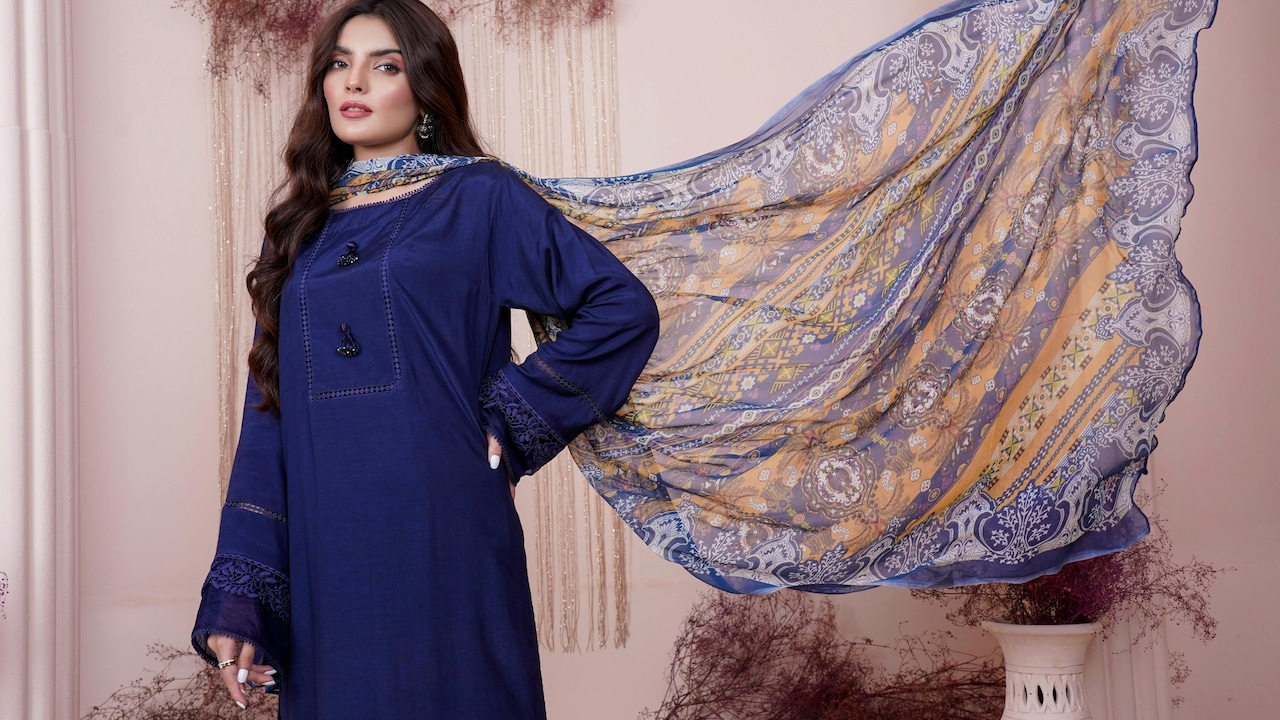
Try draping techniques like the one arm loop to secure it in place; Photo Credit: Pexels
6) The Waist-Belt Drape (Without Looking Overdone)
Waist belts with dupattas can look stunning, but they often get over-styled. The goal is to make it look effortless, not like you're wearing a costume. For this drape, place the dupatta over your head or shoulder, then bring it across the front. Secure it with a slim belt at the waist. The belt holds the fabric in place and stops the weight from pulling it down.
This is one of the best methods for heavy dupattas because it shifts the load from your shoulders to your waist. That means less discomfort and fewer adjustments. It also defines the waist beautifully, which works well with lehengas and anarkalis.
Choose a belt that matches the outfit's tone: antique gold for warm outfits, silver for cooler tones, or a fabric belt for a subtle look. Keep the belt slim. Chunky belts can overpower the outfit and make the drape look stiff.
This drape feels secure and looks polished, especially in photos. It's also a smart option for bridesmaids who need to look coordinated but comfortable.
7) The Cape Drape for a Modern Festive Look
Cape-style draping has become popular for good reason: it's stylish, easy, and surprisingly secure. Instead of placing the dupatta on one shoulder, place it behind your shoulders like a cape. Bring both ends forward evenly. Let them fall over your arms, or bring them slightly inward to frame the front.
Heavy dupattas work wonderfully here because the weight helps the fabric fall neatly. Light dupattas sometimes look messy in cape drapes, but heavy ones look structured and elegant. This style also keeps the dupatta from slipping because it sits across the back like a broad base.
This drape pairs beautifully with lehengas and even shararas. It gives a contemporary feel while keeping the traditional richness intact. It also looks great in photos because it adds volume and drama without hiding the outfit.
If you're attending a festive dinner or a reception where you want something different but still rooted in tradition, this drape hits the sweet spot. Plus, it saves you from the constant “pulling it up” routine.
8) The Head-Drape That Doesn't Feel Heavy
A head-draped dupatta looks timeless, especially for weddings and religious functions. But heavy dupattas can feel like a workout when worn over the head for a long. The trick is to place it correctly so it rests on the crown, not the forehead. When it sits too far forward, it slips and pulls. When it sits slightly back, it stays stable.
Let the dupatta cover the head lightly, then bring one end over the shoulder and the other across the front. Keep the front framing neat, and avoid pulling it too tight. Heavy fabrics look best when they fall naturally rather than being forced into shape.
This drape works best when the dupatta has a wide border. The border frames the face beautifully and looks graceful in photos. It also creates a soft, respectful look without feeling overly formal.
For long events, this drape feels comfortable when paired with a supportive hairstyle like a low bun. Loose hair makes the fabric slide more. A neat bun gives the dupatta something to grip, and it keeps the whole look tidy.
9) The Pleated Shoulder Drape for a Clean, Sculpted Look
Pleating makes a heavy dupatta look organised and expensive. It also helps with security because pleats create friction and reduce slipping. For this drape, make neat pleats along the width of the dupatta and place them on one shoulder. Let the rest fall either at the back or across the front.
The magic here lies in structure. Heavy dupattas sometimes look bulky when left loose, especially if the embroidery is dense. Pleats control the volume and make the drape look intentional. It's the difference between “beautifully styled” and “thrown on in a rush.”
This drape works well for formal events like receptions, engagement parties, or festive dinners. It also suits suits with heavy necklines because the pleats keep the dupatta from competing with the embroidery.
To keep it secure, place the pleats closer to the neck rather than on the edge of the shoulder. That placement reduces slipping. The look remains elegant, and you won't need to keep adjusting it every time you turn.
10) The Cross-Body Wrap for Full-Day Comfort
When you need a heavy dupatta to stay put for hours, the cross-body wrap is the most practical choice. Start by placing one end over your shoulder. Bring the dupatta across your torso, around the back, and then bring it forward again. Let the end fall neatly or tuck it lightly at the waist.
This drape works because it uses your body as the anchor. The fabric wraps around you, so it can't slip off easily. It also distributes weight across the shoulders and back rather than concentrating it on one point. That makes it more comfortable for long wear.
This style looks especially good with long kurtas, anarkalis, and lehengas with simpler blouses. It creates a layered look that feels cosy and regal at the same time. It also works brilliantly in winter weddings where you want warmth without wearing a separate shawl.
The cross-body wrap gives you freedom. You can walk, sit, greet relatives, and even carry a clutch without feeling like you're managing a runaway dupatta.
Products Related To This Article
1. Dupatta Bazaar Art Silk Floral Print Women
2. Nakoda Creation Art Silk Printed Women Dupatta
3. Nayerang Art Silk Embroidered Women Dupatta
4. Dupattaa Velvet Embroidered Women Dupatta
5. Nayerang Art Silk Embroidered Women Dupatta
A heavy dupatta should feel like a finishing touch, not a full-time responsibility. The right drape can transform the experience completely. Instead of constant pinning and adjusting, a smart style keeps the fabric secure through movement, photos, and long event hours.
The secret lies in understanding weight and balance. Heavy dupattas need structure, anchoring, and a drape that respects how the fabric falls. Once you choose a style that works with the dupatta rather than against it, everything feels easier. You look polished, you feel comfortable, and you get to enjoy the occasion without that familiar shoulder-slide panic.
So the next time you pull out a gorgeous, heavy dupatta, don't brace yourself for a long evening of fixing it. Choose a drape with intention, wear it with confidence, and let the outfit do what it was meant to do: make you feel festive, elegant, and completely in control.
(Disclaimer: This article may include references to or features of products and services made available through affiliate marketing campaigns. NDTV Convergence Limited (“NDTV”) strives to maintain editorial independence while participating in such campaigns. NDTV does not assume responsibility for the performance or claims of any featured products or services.)