Saree Shapewear vs Petticoat: Which Gives a Smoother Look Under Wedding Lights?
Shapewear or petticoat, what really gives a smooth saree finish under harsh lights? This guide compares comfort, drape, and photo-readiness so your saree looks flawless on camera.
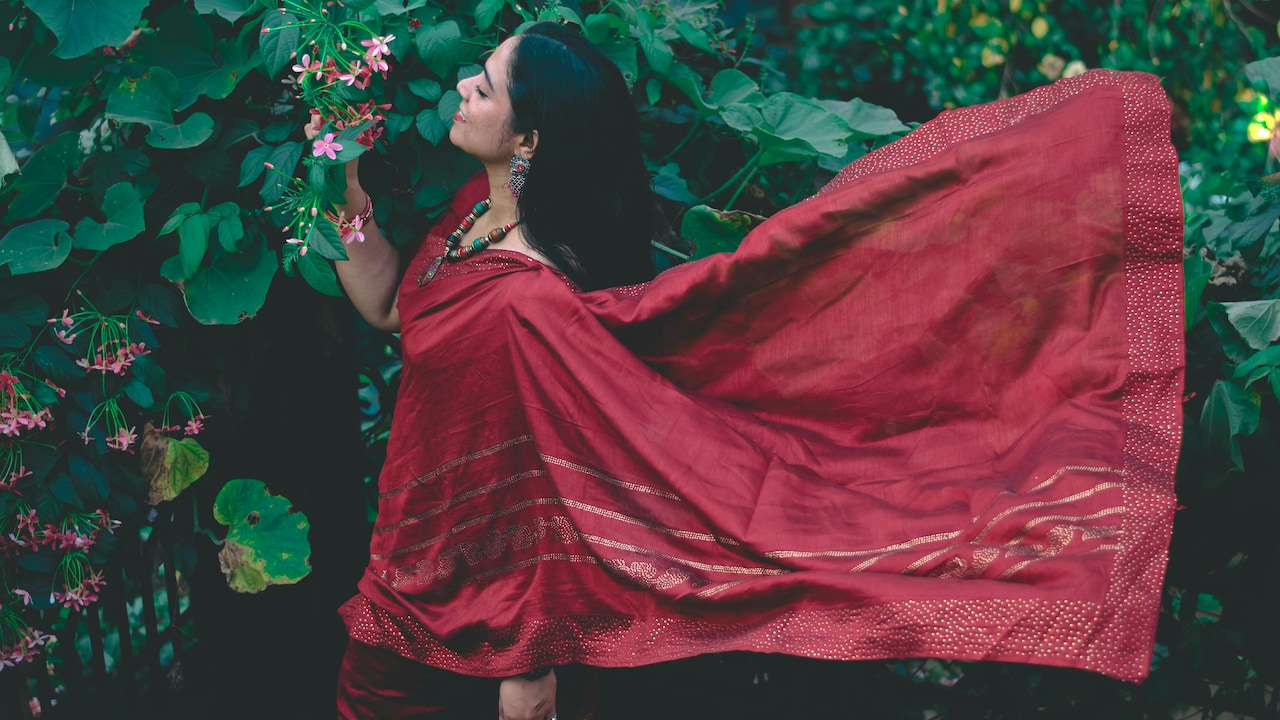
Best Saree Styling Tips - Shapewear vs Petticoats: Know Which Gives Smoothest Look Under Wedding Lights.
There's a special kind of pressure that arrives with a saree event. Not the emotional kind. The lighting kind. One minute, the outfit looks flawless in the mirror at home, and the next minute, under bright LED wedding lights, everything looks louder. A waistband bulge shows up like it has its own personality. Pleats start behaving like they've had too much sugar. The saree clings in the wrong places and floats away in others.
And of course, photos don't lie. They zoom in, they sharpen, and they remember everything.
The truth is, saree styling isn't only about draping skills or the fabric. The secret weapon is what sits underneath. For decades, the petticoat ruled the world. Then saree shapewear entered with big promises: smoother silhouettes, less bulk, and no awkward tying. But does it actually deliver? Or is the humble petticoat still the most reliable companion?
This article explores the real difference between shapewear and petticoats, especially under stage lights, flash photography, and those unkind overhead LEDs. No lectures, no drama, just practical styling wisdom with a bit of real-life honesty.
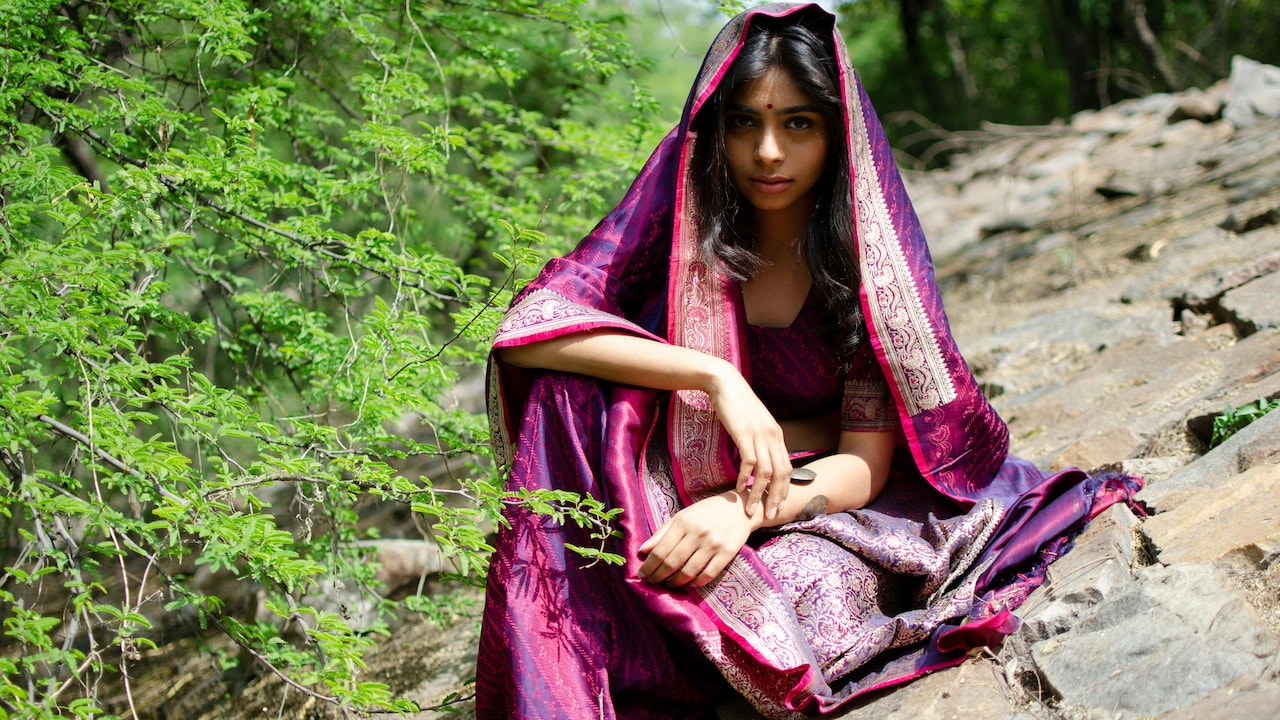
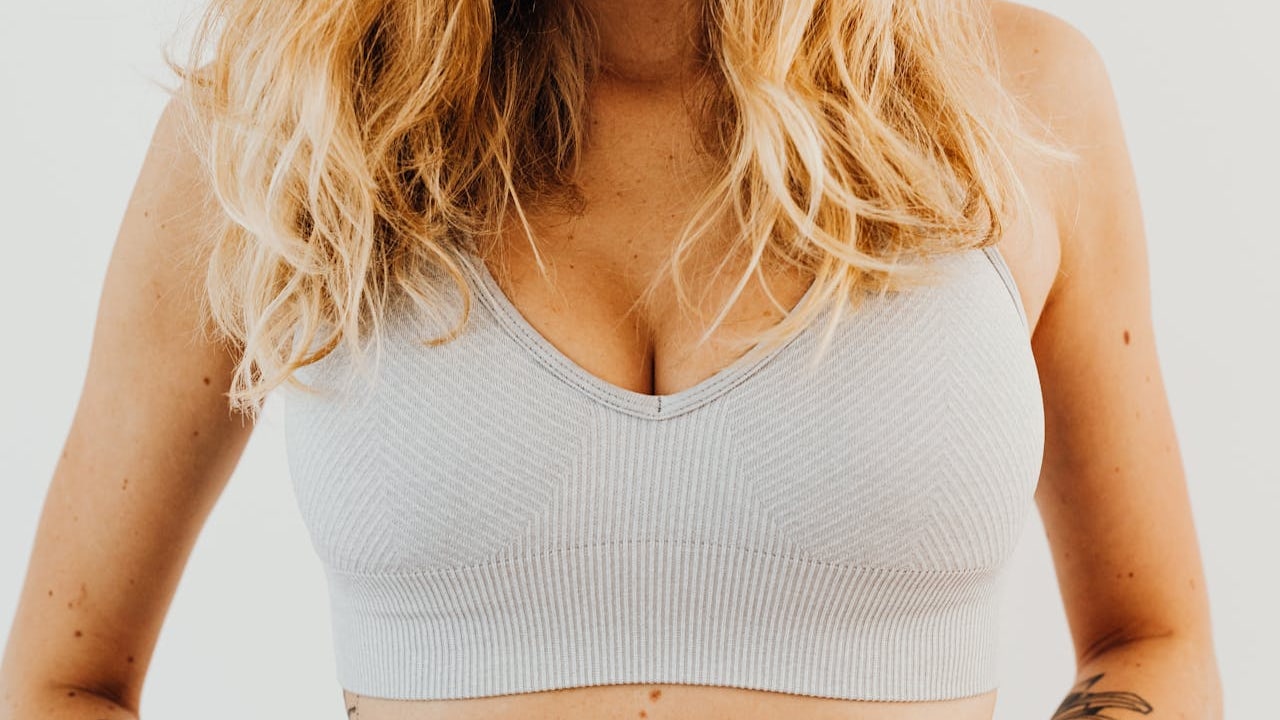
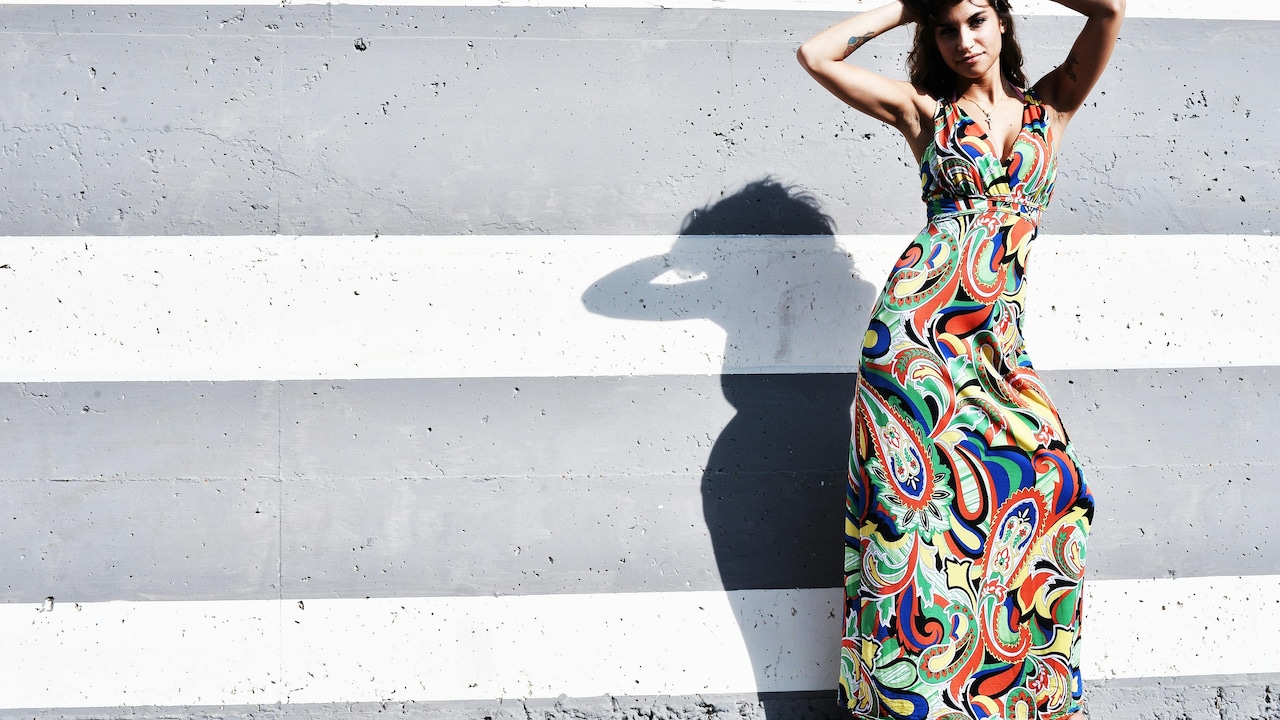
Best Saree Styling Tips: Shapewear vs Petticoats: Which Gives The Smoothest Look Under Lights?
Photo Credit: Pexels
The Base Layer Breakdown: Which One Wins for a Flawless Finish?
1) Why Sarees Look Different Under Wedding Lights
Sarees behave like different outfits depending on the lighting. Soft daylight is forgiving. It smooths, it flatters, it makes even rushed pleats look decent. But wedding halls and event venues are a different universe. Strong LEDs bounce off shiny fabrics. Spotlights highlight every crease. Flash photography catches the smallest lumps like it's being paid extra.
A petticoat waistband can create a ridge that looks invisible at home but becomes obvious under lights. Thick drawstrings add bulk at the tummy. Even a slightly stiff petticoat can make the saree sit away from the body, creating a boxy shape.
Shapewear, on the other hand, tends to sit flush against the waist and hips. It reduces the chances of harsh lines. But it comes with its own issues. If the size is wrong, it rolls, digs, and creates the very bulges it claims to remove. The trick is understanding what lighting reveals: contrast, texture, and unevenness. Smoothness is not only about being “tight”. It's about evenness. That's what cameras love.
2) The Petticoat: Reliable, Familiar, and Still Not Outdated
The petticoat has survived decades for a reason. It works. It holds pleats firmly. It gives structure to the drape. It feels familiar, especially for anyone who learnt saree draping from mums, aunts, or YouTube tutorials filmed in a bedroom.
A good petticoat, especially cotton or cotton-blend, stays breathable for long functions. It also makes it easier to adjust the saree during the day. If the pleats loosen, they can be tucked back in quickly. That matters at weddings, where there's always a moment of panic near the buffet line.
But the petticoat also has a few classic crimes. The drawstring knot can show through thinner sarees. The waistband often creates a visible bump. Many petticoats are cut in a way that adds bulk at the hips. And if the petticoat fabric is stiff, the saree can sit oddly and lose that soft fall.
So no, petticoats aren't outdated. They're just not always designed for modern, body-skimming saree styling.
3) Saree Shapewear: The New Favourite for a Snatched, Sleek Finish
Saree shapewear has become popular because it solves one major problem: it reduces bulk. Instead of a thick waistband tied with a drawstring, shapewear usually has an elastic waist. That alone makes a huge difference under lights.
Most saree shapewear is shaped like a mermaid skirt. It hugs the waist and hips, then flares near the knees or calves. This creates a smooth base for the saree, especially for fabrics like satin, georgette, chiffon, crepe, and softer silks. These fabrics show everything. They cling. They highlight. They reflect.
Under bright lights, shapewear often looks cleaner in photos because it doesn't create harsh edges. It also helps the saree fall closer to the body, giving that elegant, red-carpet silhouette many people want.
But shapewear is not a miracle product. The wrong size will roll down at the waist. It may feel too tight during long functions. Some designs restrict walking, especially if the flare is too narrow. The best shapewear is supportive, not suffocating. A saree is meant to let someone breathe, eat, dance, and exist.
4) The Smoothness Test: Which One Wins Under Flash Photography?
If the only goal is a smooth look under harsh lights and flash photography, shapewear usually wins. The reason is simple: fewer layers and fewer knots. A petticoat has a waistband, a drawstring, and often extra fabric bunching at the waist. Under a fitted blouse and a thin saree, which becomes visible.
Flash photography is brutally honest. It catches texture and depth. The petticoat waistband creates a shadow line. The knot creates a small bump. Even if it's not dramatic, it shows up in pictures.
Shapewear distributes pressure evenly. Instead of one tight drawstring pulling at the waist, the elastic spreads the hold. That reduces sudden bulges and sharp edges. The hips look smoother. The tummy area looks more even. The saree pleats also sit flatter.
However, shapewear only looks smooth if it fits properly. Too small and it creates rolls. Too big and it slips. The smoothest look comes from correct sizing and fabric quality. Cheap shapewear can have thick seams that show under light sarees. That's the sort of betrayal that deserves its own soap opera.
5) Comfort Over Hours: Dancing, Sitting, Eating, and Surviving the Event
A saree event is rarely short. It's usually five hours minimum, plus travel, plus the inevitable “just one more photo”. Comfort becomes a serious issue.
Petticoats tend to feel more breathable. Cotton ones work well for summer weddings, temple visits, and daytime functions. They allow easy movement and don't squeeze the body. Sitting cross-legged, climbing stairs, or managing a long car ride feels easier in a petticoat.
Shapewear feels snug. Some people love that support. Others feel trapped after a couple of hours, especially during humid weather. It can also get warm, depending on the material. If the shapewear is too tight, it may cause discomfort while sitting, especially during long ceremonies.
There's also the food factor. Weddings are not the place to wear something that punishes a second serving of biryani or that extra gulab jamun. A petticoat gives more flexibility. Shapewear gives a neater silhouette. The choice depends on priorities. Comfort matters because confidence comes from ease, not from suffering quietly for the camera.
6) Pleats and Draping: Which One Holds Better Without Constant Fixing?
Draping is where petticoats still shine. A petticoat gives a firm surface to tuck pleats into. The drawstring waistband acts like an anchor. Pleats stay put, especially for heavy sarees like Kanjeevaram, Banarasi, or thick cotton weaves.
Shapewear can hold pleats well, too, but it depends on the fabric. Some shapewear is slippery, which makes pleats shift over time. If the waist elastic is too smooth, pleats may loosen. That can be frustrating during a long event, especially if there's dancing involved.
However, many modern shapewear designs now include a firmer waistband or a slightly textured top to help with grip. That makes tucking easier. The best results come from pinning pleats properly, regardless of the base layer. Pins are not a sign of weak draping skills. Pins are a sign of intelligence.
For beginners, petticoats feel easier. For regular saree wearers, shapewear becomes easier once the drape style is adjusted slightly.
7) Fabric Matters: What Works Best With Georgette, Silk, Cotton, and Satin
Not all sarees behave the same, so the base layer shouldn't be one-size-fits-all.
Soft, flowy sarees like chiffon, georgette, crepe, and satin show every bump. They cling to the body and highlight seams. With these, shapewear usually looks better because it creates a smooth base and reduces waist bulk. Under bright lights, the difference becomes even more noticeable.
Cotton sarees, linen sarees, and handloom drapes are more forgiving. They have texture and structure. A petticoat works perfectly here, especially if the saree is worn for a long day. Shapewear can still work, but it's not necessary unless a very sleek silhouette is desired.
Heavy silks need support. A strong petticoat is often the safer option because it holds weight better. Shapewear can sometimes struggle with very heavy sarees, especially if the tuck area isn't firm enough.
In short, lighter fabrics usually prefer shapewear, heavier sarees often prefer petticoats, and cotton can happily go either way depending on the occasion.
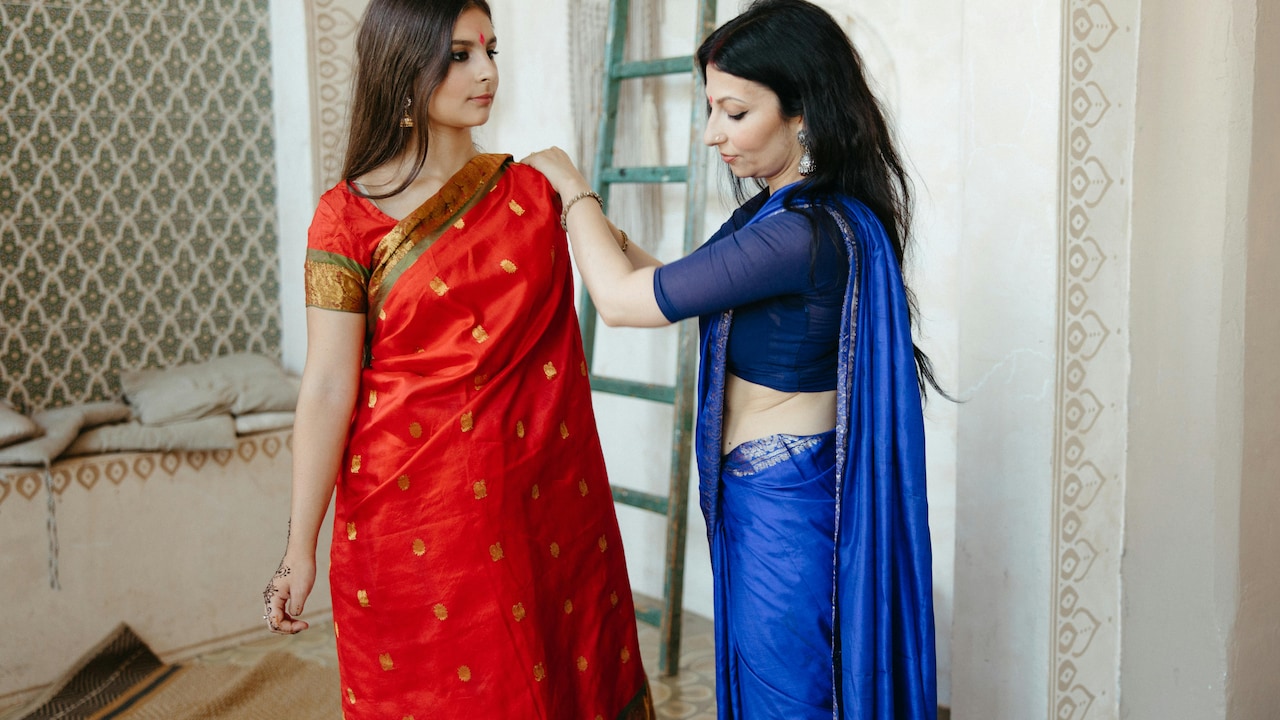
Best Saree Styling Tips: Shapewear vs Petticoats: Which Gives The Smoothest Look Under Lights?
Photo Credit: Pexels
8) The Waistband Problem: The Real Villain in Saree Photos
Most saree “fit problems” come from one thing: the waist area. That's where the saree is tucked, where pleats sit, and where lighting loves to expose lines.
Petticoats create a waistband ridge. Even when tied well, the drawstring knot adds thickness. If the blouse is cropped and the saree is low-waisted, that ridge becomes visible. This is especially true with sheer or thin sarees.
Shapewear reduces that ridge because the waist is smoother. The elastic band sits flatter. There's no knot. There's less bulk. Under stage lights, the difference looks dramatic, especially in side-profile photos.
But shapewear can also create a different waistband problem: rolling. If the waist is tight or the size is off, the top edge can roll down and create a thick line. That looks worse than a petticoat knot. It also feels annoying because it needs constant fixing.
The best solution is simple but often ignored: buy shapewear that fits properly and has a wide waistband. A wide band stays flatter. Narrow bands behave like they're in a wrestling match with the body.
9) Budget and Value: What Makes Sense for Regular Saree Wear
A petticoat is affordable and easy to find. A good one can cost anywhere from ₹250 to ₹800, depending on fabric and stitching. It lasts for years. It's easy to wash. It works for multiple sarees. It's also easy to replace.
Shapewear costs more. A decent saree shapewear piece usually falls between ₹700 and ₹2,500, depending on brand and quality. Some premium options go higher. The cost makes sense if sarees are worn often or if there are frequent events where photos matter.
Value also depends on how many sarees are in rotation. If most sarees are cotton or handloom, shapewear may not feel essential. If the wardrobe has lots of soft, flowy sarees worn for parties, shapewear becomes a strong investment.
There's also the comfort factor. Some people buy shapewear once and never go back. Others try it, feel restricted, and return to petticoats forever. Both are valid. The goal is not to follow trends. The goal is to feel confident without constantly adjusting the drape like it's a science experiment.
10) The Final Verdict: Which One Gives the Smoothest Look Under Lights?
Under lights, shapewear usually gives a smoother look. It minimises waist bulk, reduces harsh lines, and helps sarees fall neatly. Flash photography tends to favour shapewear, especially with fabrics that cling and reflect. If the goal is a sleek silhouette for receptions, sangeets, parties, and stage events, shapewear is the stronger choice.
But the petticoat still wins in a few key areas. It holds heavy sarees better. It feels more breathable for long daytime functions. It makes draping easier for beginners. It also gives more freedom for movement and food, which matters more than people admit.
The real answer is not “one is better forever”. The smartest wardrobe has both. A strong cotton petticoat for heavy silks and long ceremonies. A well-fitted shapewear piece for lighter sarees and camera-heavy events.
Saree styling is not about suffering. It's about feeling like the best version of yourself while moving through real life, laughing, eating, dancing, and posing for photos that will definitely resurface in family WhatsApp groups for the next ten years.
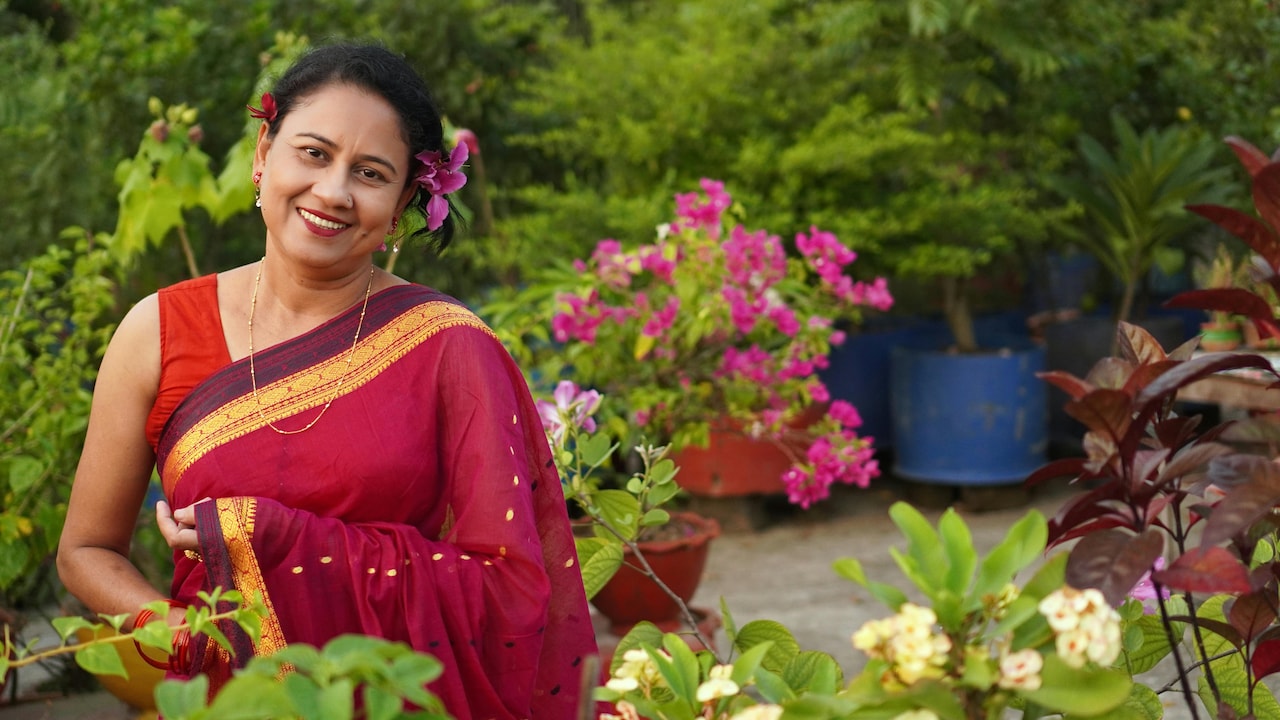
Best Saree Styling Tips: Shapewear vs Petticoats: Which Gives The Smoothest Look Under Lights?
Photo Credit: Pexels
Products Related To This Article
1. TWIN BIRDS Women Super Soft Mermaid Saree Shapewear
2. Esensuelle 7 Mid-Rise Saree Shapewear With Side Slit
3. Zivame Women Solid Seamless Tummy & Thigh Shapewear
4. Nykd Mermaid Fit Saree Shapewear
5. De Moza Cotton Stretchable Saree Shapewear
6. TWIN BIRDS Women Super Soft Mermaid Saree Shapewear
7. Inner Sense Antimicrobial Seamless Tummy Shapewear
8. INNER ENRICH Women Side-Cut Stretchable Saree Shapewear
The smoothest saree looks under lights comes down to one thing: the base layer. Petticoats bring structure, grip, and comfort, but they can create visible waistband lines and bulk. Shapewear offers a cleaner silhouette and photographs beautifully, but only when the fit is right and the fabric breathes.
For bright lights, stage events, and flash-heavy functions, shapewear often delivers that polished finish. For long ceremonies, heavy sarees, and comfort-first days, the classic petticoat still holds its crown.
The best styling tip is surprisingly simple: choose the base layer the same way you choose footwear. Some days need heels. Some days need flats. The saree deserves the same common sense.
(Disclaimer: This article may include references to or features of products and services made available through affiliate marketing campaigns. NDTV Convergence Limited (“NDTV”) strives to maintain editorial independence while participating in such campaigns. NDTV does not assume responsibility for the performance or claims of any featured products or services.)