Best Linen Shirts for Men: How to Choose the Right Fit, Fabric And Colour
Discover the best linen shirts for men and learn easy styling tips to stay polished, breathable, and crease-free all day, perfect for work, weekends and summer events.
Best Linen Shirts For Men: Fashion Tips To Stay Polished And Crease-Free All Day.
There's a special kind of confidence that comes from wearing a linen shirt. It's relaxed, but still put-together. It says “summer-ready wear” without screaming holiday mode. It works for office days, weddings, brunches, and those random evenings when someone suddenly suggests a rooftop plan.
The problem is that linen has a bit of a dramatic personality. It creases quickly, it can look limp if the fabric is too thin, and if the fit is off, it can go from “effortlessly stylish” to “borrowed from an older cousin”.
The good news is: linen isn't the enemy. Bad linen is. The best linen shirts for men are made with smarter weaves, better finishing, and cuts that hold their shape. Add a few styling tricks, and you'll stay polished all day, without turning into a walking ironing board.
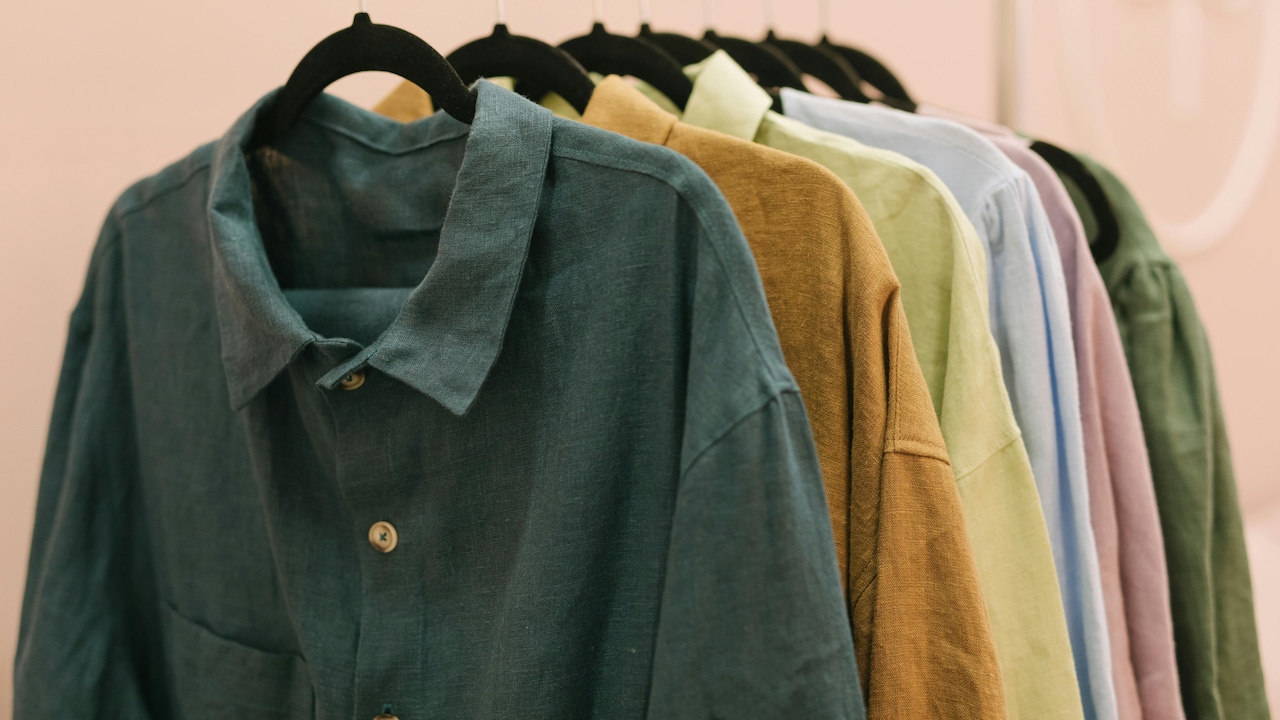
How to Wear Linen Shirts for Men: Stay Cool, Crisp & Crease-Free; Photo Credit: Pexels
Best Linen Shirts For Men: Fashion Tips To Stay Polished And Crease-Free All Day
1) Start With Fabric Weight: The Real Secret Behind “Good Linen”
Most people judge linen by colour or brand first. That's understandable. But the real difference between a great linen shirt and a disappointing one is fabric weight. Lightweight linen feels airy, but it also creases faster and can go slightly transparent under harsh sunlight. Midweight linen, on the other hand, has enough body to drape cleanly and hold shape through the day.
For everyday wear, midweight linen is the sweet spot. It looks premium and still feels breathable. It also avoids that “crumpled tissue paper” effect after two hours of sitting in traffic. If the shirt feels too soft and floppy in the store, it will probably look tired by lunchtime.
A quick trick: hold the fabric between your fingers and scrunch it gently. If it forms deep sharp creases immediately, it's likely too thin or poorly finished. If the creases look softer and spread out, that's the kind of linen that stays elegant instead of messy.
2) Choose Linen Blends When You Need a More Formal Look
Pure linen is classic, but blends are a gift to anyone who wants linen without the constant creasing. A linen-cotton blend feels softer and stays smoother. Linen with a small percentage of viscose or lyocell drapes beautifully and looks more refined, especially for office wear.
Some people think blends are “cheating”. They're not. They're practical. A crisp-looking shirt that stays presentable through a full workday is more useful than a pure linen shirt that looks like it survived a pillow fight.
For formal settings, blends also take colour better. Whites look cleaner, blues look richer, and pastels don't wash out. The shirt photographs better, too, which matters more than people admit. Nobody wants to look like a wrinkled map in a group photo, especially when the bill for the celebration was ₹3,500 per head.
If the goal is to stay crease-free, blends are a smart move that still keeps the linen charm intact.
3) Prioritise Fit: Linen Needs Structure, Not Squeezing
Linen behaves differently from poplin or twill. It doesn't like being pulled tight across the chest or shoulders. When a linen shirt is too slim, every movement creates sharp creases in the worst places. When it's too loose, it looks sloppy and collapses into itself.
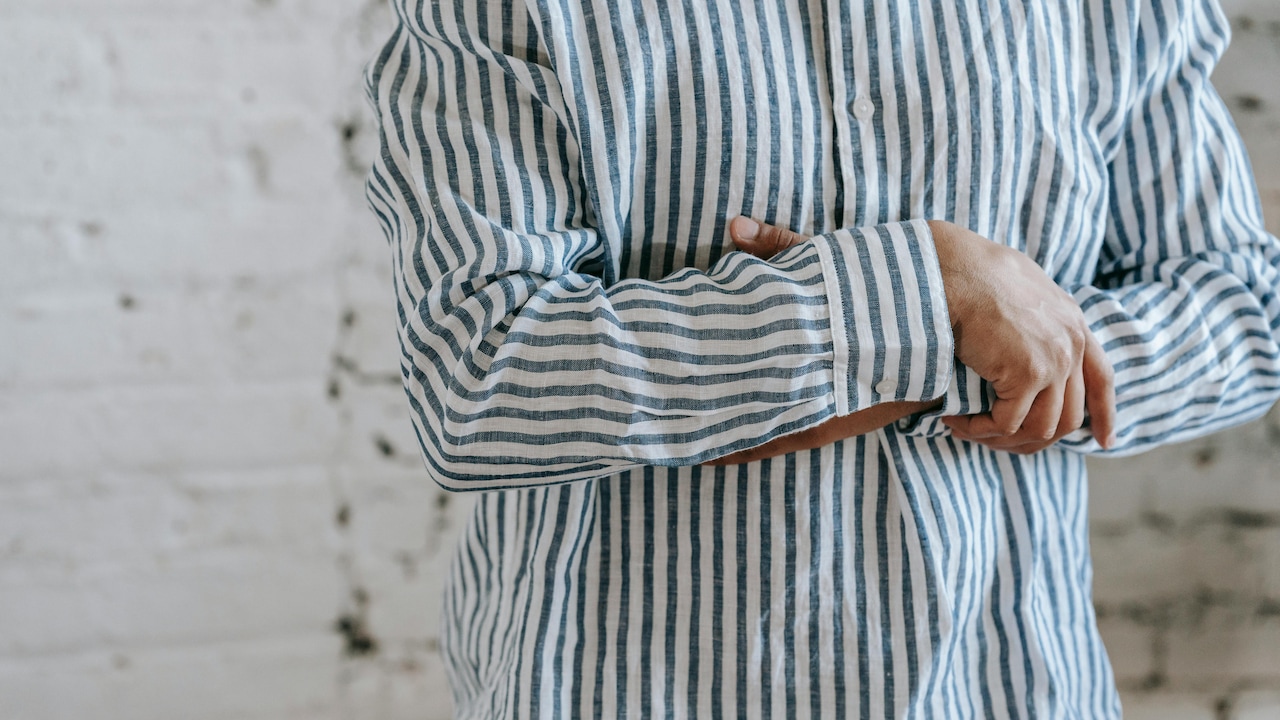
The best fit for linen is clean and slightly relaxed. The shoulder seam should sit right on the shoulder. The sleeves should skim the arm without clinging. The body should have enough room to breathe, but not so much that it billows like a curtain in the wind.
This is where many men go wrong. They try to “sharpen” linen by going slimmer, and linen immediately rebels. Instead, look for a modern regular fit or a tailored relaxed fit. It gives the fabric space to fall naturally, which reduces creasing and makes the whole look feel intentional.
A linen shirt should feel like an upgrade, not a compromise.
4) Collar Matters More Than You Think (Especially After Hour Three)
A collar can make or break a linen shirt. And not just aesthetically. Linen collars, if poorly constructed, collapse quickly. That's when a shirt starts looking tired, even if the rest of it is fine.
For a polished all-day look, choose a shirt with a slightly structured collar. Not stiff like a formal office shirt, but not floppy either. A semi-spread collar works brilliantly for versatility. It looks sharp with or without a blazer, and it doesn't curl up in strange ways after a long commute.
Button-down collars can work too, especially for smart casual looks. They keep things neat, and they suit linen's relaxed personality. But avoid collars that are too small or too thin. They'll wrinkle faster and lose shape quickly.
If there's one detail worth paying attention to in-store, it's the collar. It's the part people notice first, and the part that gives away whether a linen shirt is premium or just pretending.
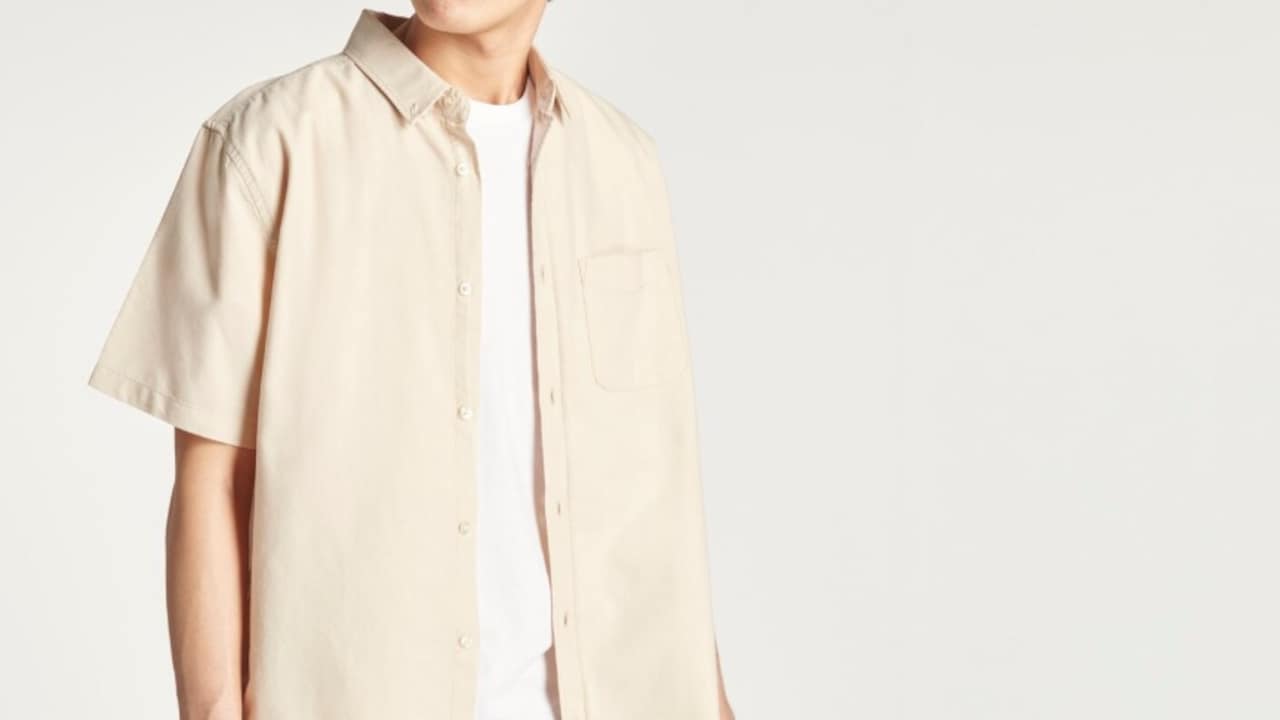
How to Wear Linen Shirts for Men: Stay Cool, Crisp & Crease-Free; Photo Credit: Pexels
5) Go Easy on Loud Prints: Linen Looks Best When It's Calm
Linen has a naturally textured surface. That texture is the whole appeal. So when the shirt has loud prints, heavy patterns, or oversized logos, it starts fighting with itself. The result is messy, not stylish.
The best linen shirts for men usually stick to calm colours and simple designs. Whites, off-whites, sky blues, olives, soft pinks, sand, and light greys are all strong choices. These shades work beautifully in sunlight and don't look harsh in indoor lighting.
Subtle stripes can look fantastic too, especially vertical ones. They add interest without shouting. Micro-checks can work, but only if the fabric quality is high.
A linen shirt is like a well-made cup of chai. It doesn't need extra drama. It needs balance. And when the shirt is understated, it becomes easier to style with different trousers, shoes, and layering pieces.
Also, calm linen looks more expensive. And who doesn't want that effect without spending ₹8,000?
6) Understand the “Good Crease” vs the “Bad Crease.”
Linen will crease. That's not a flaw. It's part of its character. The goal isn't to make linen look like it was sprayed with starch and fear. The goal is to keep it looking fresh, clean, and intentional.
A good crease is soft, natural, and evenly distributed. It looks relaxed and elegant. A bad crease is sharp, deep, and concentrated in awkward areas like the stomach, underarms, and lower back. That's when a linen shirt looks like it has given up.
How to avoid bad creases? It comes down to fit, fabric weight, and how you wear it. Sitting for hours with the shirt tightly tucked will create harsh folds. Wearing a shirt that's too tight across the chest will create stress creases.
Think of linen like a well-behaved rebel. It can be stylishly unruly, but it still needs boundaries.
7) Tucking Tricks: The Half-Tuck Isn't Just for Fashion People
Tucking a linen shirt fully can look sharp, but it also increases creasing around the waist. Especially if the trousers sit snugly and the day involves a lot of movement. Linen dislikes being trapped.
A neat alternative is the relaxed tuck: slightly tucked in at the front, left loose at the sides. It gives structure without forcing the fabric into a tight fold. It also looks modern and effortless, which is linen's whole vibe.
For office settings, a full tuck can still work. Just choose trousers with a comfortable waistband and avoid pulling the shirt too tight. Leave a little ease. That small bit of breathing room reduces sharp creases dramatically.
Another underrated option is to wear linen shirts untucked with well-fitted trousers. The key is length. If the shirt is too long, it looks sloppy. If it's slightly shorter and straight-cut, it looks clean and intentional.
Linen is happiest when it's not being bullied into behaving like a formal cotton shirt.
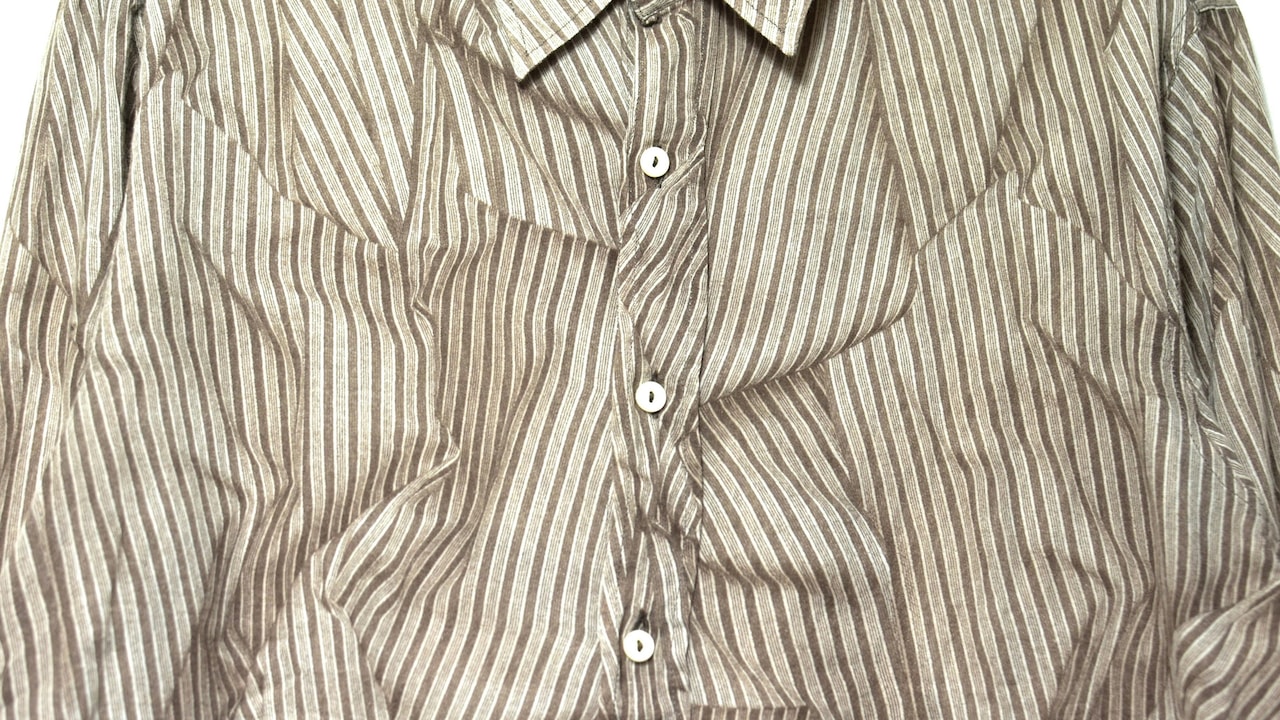
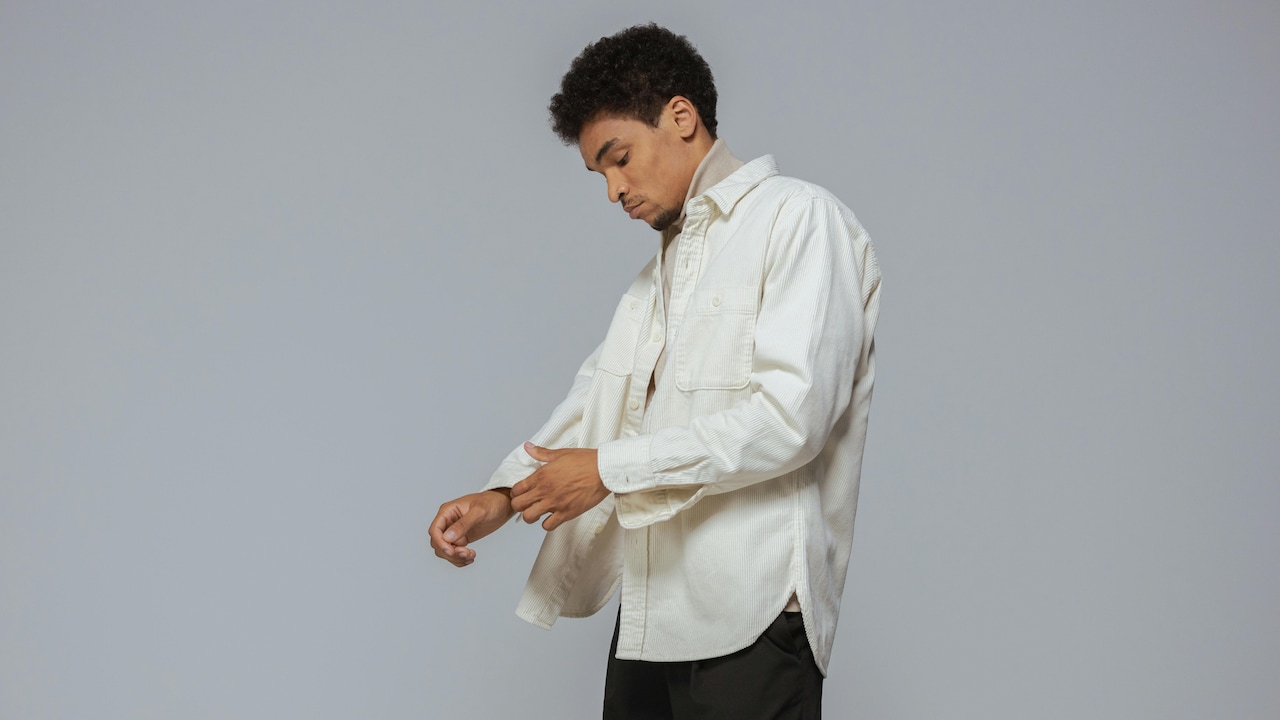
How to Wear Linen Shirts for Men: Stay Cool, Crisp & Crease-Free; Photo Credit: Pexels
8) Pair It With the Right Bottoms: Linen Loves Good Company
A linen shirt can look incredible or awkward depending on what it's paired with. The easiest win is chinos. Beige, olive, navy, or stone chinos balance linen's relaxed feel while keeping the outfit sharp.
Well-fitted jeans also work, especially in darker washes. A white or pale blue linen shirt with dark denim is a classic combination that suits everything from casual meetings to dinner plans.
For hotter days, linen shirts look fantastic with tailored shorts. The trick is keeping the shorts structured. Avoid overly sporty styles. A clean pair of shorts with a crisp hem keeps the outfit looking intentional.
For festive or wedding-related events, linen shirts pair beautifully with tailored trousers in earthy shades. Add loafers or leather sandals, and the look feels refined without looking like you're trying too hard.
The best part? Linen makes even simple outfits look thoughtfully styled. It's like a shortcut to “effort”.
9) The All-Day Crease-Control Routine That Actually Works
The biggest myth is that staying crease-free requires constant ironing or expensive steamers. Linen doesn't need that level of attention. It needs smart handling.
Start by hanging the shirt properly after washing. Don't leave it crumpled in a basket like yesterday's regret. Shake it out, smooth it lightly with your hands, and hang it on a good hanger. This alone reduces wrinkles massively.
If ironing is needed, iron while the shirt is slightly damp. Linen responds best then. Use medium-high heat and avoid over-pressing. Over-ironed linen looks unnatural.
During the day, the easiest trick is simple: don't sit on the shirt. If the shirt is untucked, pull it slightly forward before sitting. If it's tucked, loosen it subtly at the waist. These small movements prevent deep creases.
Also, carry the right attitude. Linen will never look like a crisp corporate shirt. It will look like linen. And that's the point.
10) How to Build a Linen Shirt Wardrobe Without Wasting Money
Buying linen can get expensive fast. Some brands price linen like it's mined from the moon. The smarter approach is to build a small, versatile collection that covers most occasions.
Start with a white linen shirt. It works everywhere. Then add a light blue one for office-friendly wear. Next, a neutral shade like beige or stone for casual outfits. After that, an earthy tone like olive or rust for evenings and festive moments.
Once the basics are covered, experiment with stripes or soft pastels. But don't buy linen just because it's the “summer season”. Buy it because it fits well and feels good.
A good linen shirt should last years. It should soften with time, not fall apart. If a shirt starts looking tired after three washes, it wasn't good linen to begin with.
A well-chosen set of linen shirts can make dressing easier for months. And that's worth more than any trend.
Products Related To This Article
1. Roadster The Lifestyle Co. Solid Cotton Linen Shirt
2. Mast & Harbour Printed Cotton Linen Shirt
3. CORSICA Cotton Linen Casual Shirt
4. Aeropostale Cotton Linen Casual Shirt
5. Nautica Men Premium Slim Fit Linen Shirt
The best linen shirts for men aren't the ones that promise zero creases. They're the ones that balance comfort, structure, and style in a way that looks good all day. Linen is meant to breathe. It's meant to move. It's meant to feel relaxed without looking careless.
When the fabric weight is right, the fit is clean, and the styling is thoughtful, linen becomes one of the easiest wardrobe upgrades possible. It handles heat better than most fabrics, looks effortlessly stylish, and works across casual, office, and festive settings.
And yes, it will crease. But with the right choices, those creases look natural, not chaotic. The goal isn't perfection. The goal is that polished, confident feeling when stepping out the door, knowing the outfit looks sharp, even after a long day.
Linen doesn't just help beat the heat. It helps look like someone who has their life together, even when they absolutely don't.
(Disclaimer: This article may include references to or features of products and services made available through affiliate marketing campaigns. NDTV Convergence Limited (“NDTV”) strives to maintain editorial independence while participating in such campaigns. NDTV does not assume responsibility for the performance or claims of any featured products or services.)