Best Hacks To Stop Shirt Gaping At The Bust Without Using Pins At All
Stop shirt gaping at the bust without pins. Try smart styling, fashion tape, better bras, and quick tailoring fixes that keep button-downs smooth, secure, and stress-free.

Learn the art of preventing shirts from gaping around the bust area.
A crisp button-down shirt has big main-character energy. It works for office days, college presentations, family lunches, last-minute interviews, and those “I need to look put-together but also survive humidity” moments. And then it happens.
One button stretches. The fabric pulls. A tiny gap appears. Suddenly, the shirt feels like it's holding a press conference about your bra.

Stop your shirts from doing the awkward gape around the bust area with these tips; Photo Credit: Pexels
This is one of those wardrobe issues that feels personal, even though it's extremely normal. Bodies aren't flat. Shirts are often made like they expect everyone to stand still and never inhale. Add a commute, a tote bag, a quick stretch, and boom, gap city.
The aim here isn't to hide. It's to feel comfortable and confident without constantly checking your buttons like they owe you money. These hacks skip pins completely and still keep things secure, polished, and wearable.
Also Read: The ₹599 Shirt Craze: Buy Women Shirts On Myntra
The Real Reason Button-Downs Gap At The Bust
Choose Shirts With Better Button Spacing
The easiest fix often starts before the shirt even enters the wardrobe. A lot of gaping happens because brands place buttons too far apart, especially across the bust. That means the fabric has to work harder to stay closed, and fabric is not known for enjoying hard work.
When shopping, check the distance between buttons on the front placket. If there's a big gap between the two buttons that sit across the fullest part of the chest, that shirt is basically inviting trouble. Even if it looks fine in the trial room, it can betray you later when you sit, reach, or laugh.
Also, pay attention to the button size. Tiny buttons with wide spacing look cute, but they're not great for tension zones. A slightly sturdier button with closer spacing tends to hold better and sits flatter.
This one tip saves time, money, and emotional energy. It also prevents that classic scenario where a shirt seems “perfect” until you step outside and reality starts pulling at the seams.
Pick The Right Fabric That Doesn't Fight Back
Fabric matters more than most people realise. Some materials behave like supportive friends. Others behave like dramatic relatives at a wedding.
Very stiff cotton can gape more because it holds its shape and resists draping around curves. Thin fabric can gape because it stretches, pulls, and shows every millimetre of tension. The sweet spot usually sits in fabrics with a little structure but enough softness to fall naturally.
Look for cotton blends, poplin with a bit of give, or shirts with a hint of elastane. That tiny percentage can make the shirt move with you rather than against you. It also helps the placket lie flatter, especially around the bust and rib area.
Another underrated option is textured fabric. Slightly ribbed or dobby-style materials don't cling and don't pull as sharply as smooth fabric. They're also more forgiving under harsh lighting, which is honestly a blessing.
If the shirt feels like cardboard, it might look crisp, but it's also more likely to gap. Comfort isn't a luxury here; it's a strategy.
Use Fashion Tape Like A Secret Weapon
Fashion tape deserves more respect. It's one of the most effective ways to stop gaping without pins, and it feels like a small miracle when used correctly.
This is double-sided skin-safe tape designed for clothing. It holds fabric in place against skin or against another layer of fabric. For a button-down that gaps, tape can be placed between the placket edges at the exact spot where the gap happens. It keeps the shirt flat without pulling the buttons.
The key is using it sparingly. Too much tape can feel stiff. A small strip does the job. Also, apply it to clean, dry skin and avoid moisturiser in that area, otherwise the tape won't stick properly.
It's perfect for long days, the office, meetings, travel, and even festive gatherings where sitting and standing happen constantly. It also works for shirts worn over camisoles.
This hack feels especially satisfying because it solves the problem quietly. No fuss, no constant adjusting, no button anxiety.
Wear A Smoothing Camisole Underneath
A camisole under a button-down isn't just for modesty. It's a practical, everyday solution that makes shirts behave better.
When a shirt gaps, it's usually because the fabric pulls apart under tension. A smooth camisole underneath creates a stable base. It reduces friction between the shirt and skin, so the shirt moves more easily instead of tugging. It also adds a subtle layer of grip, especially if the camisole fits well.
The best type is a fitted camisole with a slightly stretchy fabric. If it's too loose, it won't help. If it's too tight, it can create more pulling. A clean neckline helps too, something that sits low enough not to peek out but high enough to cover the gaping zone.
This trick is also a confidence booster. Even if the shirt opens a little, it won't feel like a wardrobe malfunction. It turns a stressful outfit into a reliable one.
And on days when the weather is dramatic, a breathable cotton camisole can actually feel more comfortable than dealing with fabric rubbing directly against skin.
Swap Your Bra Style For A Better Shirt Fit
This one can feel surprising, but it's a big deal. The wrong bra can make shirt gaping worse, even if the shirt itself fits.
A bra that pushes the bust forward more than needed can increase the tension on the buttons. A bra with too much padding can do the same. Sometimes the issue isn't size, it's shape. A shirt needs a smoother, slightly minimised silhouette to lie flat.
T-shirt bras with a more natural shape often work well. So do balconette styles that lift without projecting too much. If a bra creates a very rounded, forward shape, the shirt may pull more at the centre.
Straps matter too. If the straps are too tight, they can change posture and make the shirt sit oddly. A well-fitted bra distributes weight better, which helps the shirt fall smoothly across the chest.
This isn't about hiding curves. It's about choosing support that works with the outfit. The goal is comfort and ease, not wrestling with buttons all day like it's a sport.
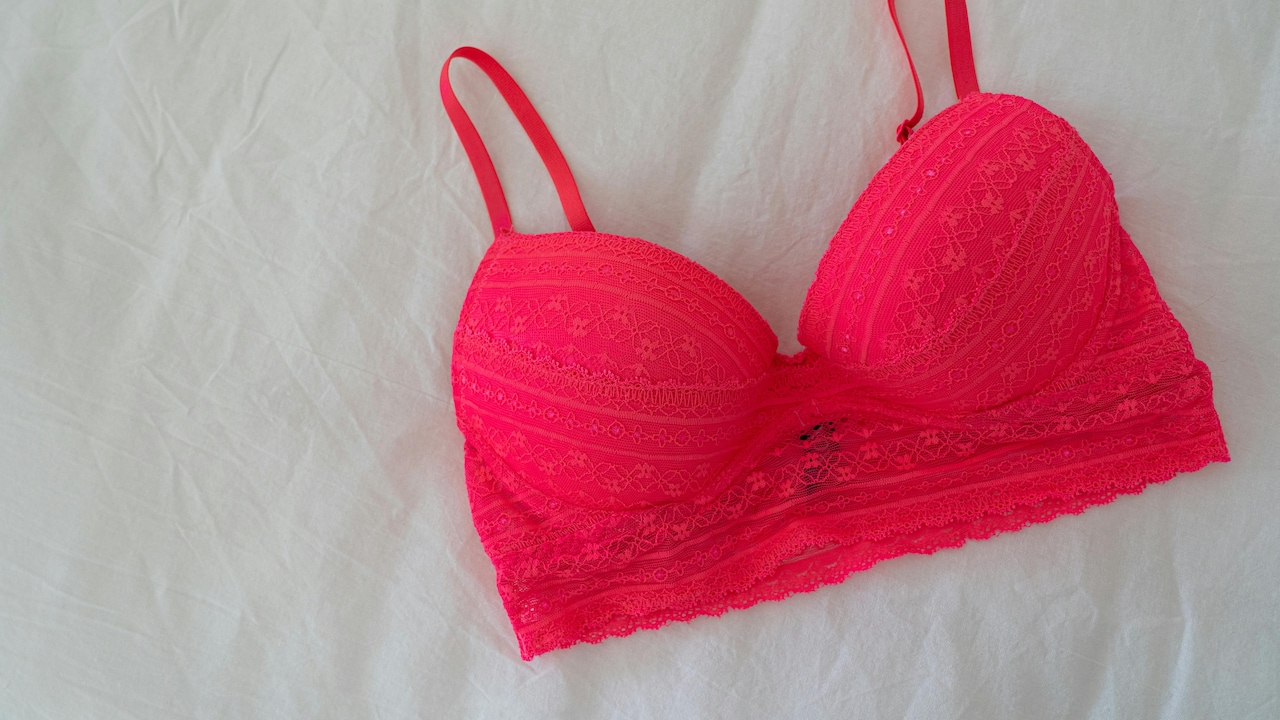
Avoid bras that create a rounded or forward shape to reduce the chances of shirt gaping; Photo Credit: Pexels
Add A Hidden Snap Button Without Stitching Drama
If a shirt gaps in the same spot every time, a hidden snap button can fix it permanently without ruining the look. This is one of the smartest hacks for work shirts and formal staples.
There are sew-on snap buttons, but there are also no-sew snap fasteners and fabric-friendly snap solutions available in local markets and online. A tailor can add a snap quickly, too, and it usually costs less than a fancy coffee and snack combo, often around ₹100 to ₹250 depending on the area.
The snap sits between the two placket edges, where the gap happens most. From the outside, nothing changes. From the inside, the shirt suddenly behaves like it has manners.
This works especially well for shirts that fit perfectly everywhere else. It saves you from sizing up and losing shape in the shoulders and waist.
Think of it as giving the shirt a little extra support, like an internal safety belt. You still get the same look, just without the betrayal.
Tailor The Placket Area Instead Of Sizing Up
Sizing up feels like the obvious solution. Unfortunately, it often creates a new set of problems: droopy shoulders, baggy waist, sleeves that look like they belong to someone else.
A better fix is tailoring. Specifically, adjusting the bust area or adding a tiny bit of room where the shirt pulls most. A skilled tailor can do this in a way that doesn't change the overall silhouette.
There are a few approaches. One is adding darts or reshaping existing darts so the shirt sits better over the bust without straining at the buttons. Another is adding a small hidden panel behind the placket to reduce the opening effect. Some shirts can also be adjusted by slightly shifting button placement.
This is especially useful for people who have a smaller frame but a fuller bust. Off-the-rack shirts rarely cater well to that combination.
Tailoring isn't only for fancy clothes. It's for clothes you want to wear without feeling irritated. A simple alteration often costs around ₹200 to ₹500 and can turn an unused shirt into a favourite.
Style It As A Partial Tuck To Reduce Pulling
A styling trick can sometimes do what structural fixes can't. Shirt gaping often gets worse when the fabric pulls upwards from the waist, especially if you're wearing high-waisted trousers or a fitted skirt.
A partial tuck can reduce that tension. Tucking just the front centre, or doing a soft tuck with some looseness, changes how the shirt drapes. It gives the bust area a little extra slack, so the buttons don't strain as much.
This works brilliantly with jeans, formal trousers, and even long skirts. It also looks modern and intentional, which means you get the benefit without looking like you're “fixing” anything.
Pair it with a belt if you want to make it sharper. Or skip the belt for a relaxed vibe. Either way, the shirt gets room to breathe, and the placket stays flatter.
It's also a great trick for long days when you don't want tape or extra layers. Sometimes the simplest change in drape is the most effective.
Use A Waistcoat, Blazer, Or Light Shrug Strategically
Layering isn't just about style. It's about control.
A well-fitted blazer or waistcoat can hold the shirt closer to the body and reduce gaping. It doesn't physically close the buttons, but it stops the fabric from pulling apart as much when you move. It also keeps the placket area looking neat, especially during meetings, presentations, or formal events.
This works best when the outer layer fits properly. If it's too tight, it can increase tension. If it's too loose, it won't help. A soft, structured layer is ideal, something that skims the body without squeezing.
A light shrug or cropped jacket can also help for casual outfits. Even a cotton longline shrug can reduce the visual effect of gaping while still feeling breathable.
This hack is especially useful when you're stuck with a shirt you must wear, uniforms, office dress codes, or that one shirt you bought because it looked great online and now refuses to cooperate.
Sometimes fashion really is armour.
Switch To The “Button-Down Look” Without Buttons
Some days, it's worth admitting the truth: not all button-downs deserve a place in daily life.
If gaping is a constant issue, consider shirts that give the same look without the button stress. There are faux button-down tops with stitched plackets. There are wrap-style shirts that look formal but adjust better. There are also zip-front tops and concealed placket shirts where the buttons are hidden and the closure sits flatter.
Even shirt-style kurtis and tunic tops can give the same crisp vibe with fewer fit problems. The goal isn't to abandon the aesthetic. It's to stop suffering for it.
This is a genuinely freeing hack because it changes the game. Instead of fixing the same problem repeatedly, you choose clothing designed to work with real bodies.
The “button-down look” is timeless, but the actual button-down shirt can be surprisingly outdated in construction. Modern options offer the same vibe with more comfort and less drama. And honestly, peace is always in style.
Products Related To This Article
1. UNIQSOME Men Original Striped Casual Shirt
2. Roadster Women Blue Checked Reversible Casual Shirt
3. VEYTRO Men Striped Casual Shirt
4. United Colors of Benetton Boys Opaque Casual Shirt
5. Mast & Harbour Men Blue & White Slim Fit Striped Casual Shirt
6. Roadster Women Slim Fit Opaque Cotton Casual Shirt
7. HERE&NOW Women Vertical Striped Spread Collar Cotton Casual Shirt
Shirt gaping at the bust can feel like a small issue, but it has a big impact. It distracts, it irritates, and it turns a simple outfit into a constant check-and-adjust situation. The good news is that it's fixable, and it doesn't require pins, panic, or giving up on button-downs entirely.
A few smart changes, better fabric, better fit, fashion tape, supportive layering, tailoring, and clever styling, can transform how shirts sit on the body. The goal isn't perfection. It's comfort. It's ease. It's wearing a shirt without feeling like it's about to expose secrets.
Because a shirt should help you feel confident, not keep you on edge like you're starring in a suspense thriller. And if a button-down shirt ever tries to misbehave again, at least now you've got options.
(Disclaimer: This article may include references to or features of products and services made available through affiliate marketing campaigns. NDTV Convergence Limited (“NDTV”) strives to maintain editorial independence while participating in such campaigns. NDTV does not assume responsibility for the performance or claims of any featured products or services.)