How To Buy Jeans Online When You Hate Trial Rooms
Hate trial rooms but still want great-fitting jeans? This guide breaks down smart, stress-free ways to buy jeans online, without size regrets, awkward returns, or dressing room drama.
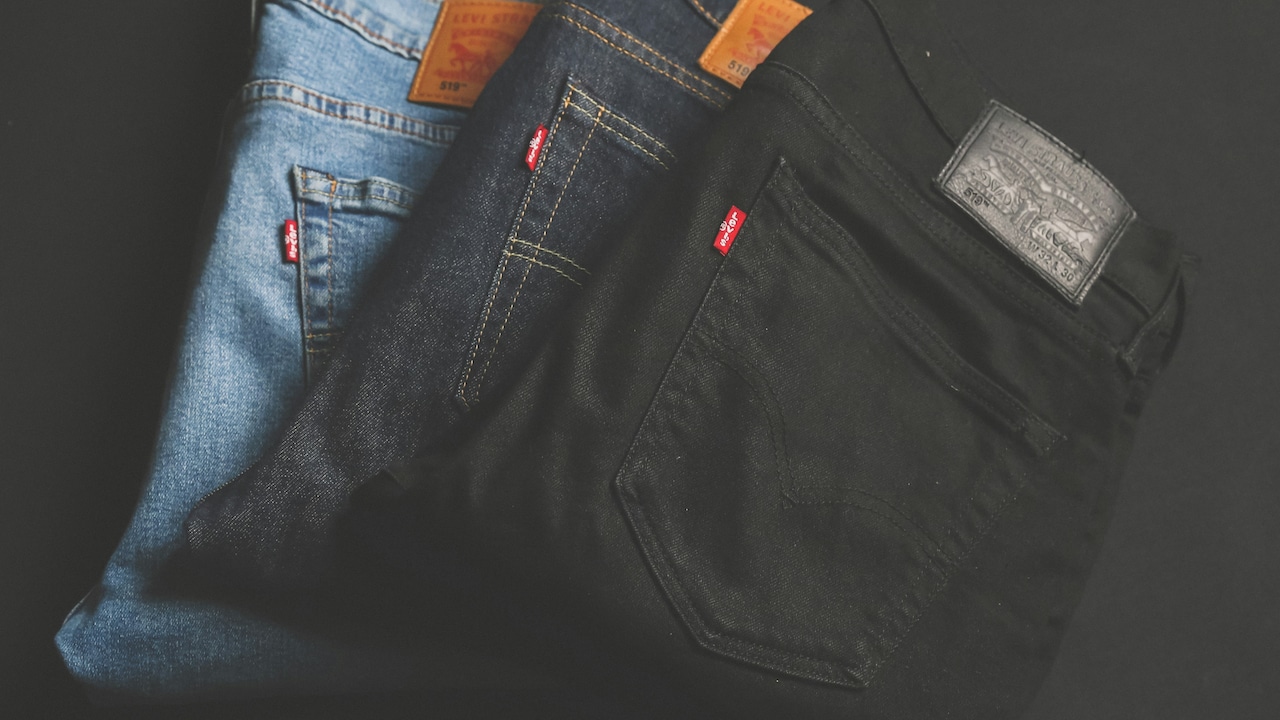
Buying Jeans Online Without Trial Rooms? Here Is A Complete Fit Guide For You.
Jeans sit at the centre of daily style. They travel from office desks to weekend errands with ease. Yet buying them often feels like a test of patience. Trial rooms bring queues, clingy fabrics, and mirrors that show every crease. Many shoppers avoid the ordeal altogether and click “add to cart” instead. The problem appears right after delivery. The waist gapes, the thighs pinch, or the length feels off by a mile.
Online shopping does not need to feel like a gamble. With the right approach, it can feel calmer than a quiet café on a rainy afternoon. This article offers a clear path for denim lovers who dislike trial rooms. It blends practical tips with everyday moments and local context. Expect fewer returns, better fits, and a lot less stress.

How To Buy Jeans Online When You Hate Trial Rooms
Photo Credit: Unsplash
What Actually Works When Buying Jeans Online
1. Start With a Tape Measure, Not a Guess
Sizing charts look dull, yet they hold the key to online denim happiness. Many shoppers skip this step and rely on memory. That habit causes most returns. A soft tape measure works better than any guess. Measure the waist where jeans sit, not where trousers sit. Measure hips at the widest point. Note the rise by measuring from the crotch seam to the waistband on a favourite pair.
Write the numbers down. Keep them saved on the phone. Compare them with brand charts before clicking buy. Brands vary wildly. A size 32 in one label feels like a 34 in another. Charts cut through the noise. They turn a stressful purchase into a calm decision. This small ritual saves time, money, and mood. It also removes the pressure of squeezing into trial room cubicles.
2. Decode Fits Like a Denim Native
Skinny, slim, straight, relaxed, tapered. The list sounds endless. Each fit shapes how jeans sit on the body. Skinny hugs the leg from hip to ankle. Slim offers shape without cling. Straight keeps the width even. Relaxed gives room at the thighs and seat. Tapered narrows at the ankle while staying comfy on top.
Knowing that personal comfort matters more than trends. Long commutes, desk jobs, or weekend walks demand different fits. Stretch content also changes the feel. A pair with 1–2% elastane bends better during long days. Pure cotton holds structure but feels stiff at first. Product descriptions often hide these details. Read them slowly. Choose comfort over hype. Denim should move with the day, not fight it.
3. Trust Reviews, But Read Between The Lines
Customer reviews act like friendly whispers from strangers who tried the jeans. Star ratings help, yet written reviews matter more. Look for patterns. Multiple comments about tight thighs or loose waists reveal the truth. Photos shared by buyers show real proportions, lighting, and drape.
Watch for body type clues. A review mentioning height, weight, or usual size helps match expectations. Avoid extremes. One angry review or one glowing praise rarely tells the full story. Balanced feedback paints a clearer picture. This habit replaces the trial room mirror with collective wisdom. It feels like shopping with a group of honest friends.
4. Fabric Facts Make or Break Comfort
Denim feels simple, yet fabric blends change everything. Heavy denim lasts long but feels rigid at first. Lightweight denim suits warm weather and daily wear. Stretch blends add comfort during long hours. Look for GSM or fabric weight if listed. Higher numbers mean thicker cloth.
Wash details matter too. Dark indigo bleeds during the first washes. Pre-washed denim feels softer from day one. Raw denim shrinks after wash, unless marked sanforised. Climate plays a role as well. Breathable blends suit humid days better. Understanding fabric avoids itchy afternoons and stiff knees. Comfort starts at the fibre level.
5. Length Matters More Than Expected
Length errors ruin otherwise perfect jeans. Online listings often show one length on tall models. Real life differs. Check inseam measurements carefully. Compare them with a well-fitting pair at home. An extra inch changes how jeans break at the ankle.
Cropped styles work well for casual looks. Full-length suits for formal settings. Some brands offer free alterations or multiple lengths. That option saves tailoring costs later. Tailoring remains common, yet buying closer to the right length feels satisfying. No dragging hems, no awkward folds. Just clean lines that elevate the whole outfit.
6. Colour Choices Affect Versatility
Blue dominates denim, yet shades vary widely. Dark washes suit offices and dinners. Mid-blue fits daily wear. Light washes feel relaxed and summery. Black jeans work as smart-casual staples. Faded or distressed styles add personality but limit occasions.
Consider wardrobe gaps before choosing colour. A versatile shade pairs with more tops and shoes. It reduces outfit stress. Online images sometimes exaggerate tones. Read descriptions for clarity. Words like “ink,” “charcoal,” or “vintage wash” hint at depth. Colour choice shapes how often jeans get worn. Frequent wear equals better value.
Also Read: Jeans Feel Soft In Store But Stiff After Washing? This Is Why It Happens And How To Fix It
7. Understand Rise for Real Comfort
Rise determines where jeans sit on the torso. Low-rise sits below the waist and feels dated for many. Mid-rise balances comfort and shape. High-rise offers support and pairs well with tucked tops. Rise affects posture and movement.
Check rise measurements in product details. Compare them with a trusted pair. A difference of two inches changes the feel entirely. Long workdays benefit from mid or high-rise styles. They stay put during movement. Rise knowledge prevents constant adjusting and discomfort. Comfort boosts confidence more than any trend.

How To Buy Jeans Online When You Hate Trial Rooms
Photo Credit: Unsplash
8. Policies Protect Peace of Mind
Even with research, mistakes happen. Clear return and exchange policies reduce anxiety. Before buying, check return windows and conditions. Some platforms offer easy pick-ups. Others require drop-offs. Knowing this upfront avoids frustration.
Look for tags that allow trials at home. Try jeans indoors on clean floors. Move, sit, and walk. Keep tags intact until satisfied. This approach turns the home into a calm, fitting space. No queues. No harsh lights. Just honest mirrors and relaxed time.
9. Price Smart, Not Cheap
Denim prices range widely. Cheap pairs wear out fast. Overpriced ones disappoint too. Balance matters. Check fabric quality, stitching, and brand reputation. Sales offer good deals. Seasonal discounts drop prices significantly.
Set a budget that reflects usage. Daily jeans deserve better quality. Occasional pairs can cost less. A solid pair around ₹2,000–₹3,500 often balances quality and durability. Cost per wear matters more than the price tag. Smart spending feels rewarding long after checkout.
10. Build a Personal Denim Formula
After a few successful buys, patterns emerge. Certain brands fit better. Specific rises feel right. Preferred fabrics stand out. Note these wins. Save product links or screenshots. Build a personal formula for future purchases.
This habit turns online shopping into a smooth routine. Confidence replaces doubt. Jeans arrive and fit more often. Trial rooms fade into memory. Denim becomes dependable again. Style feels easy, not stressful. That comfort reflects in everyday confidence.
Products Related To This Article
1. DressBerry Women Comfort Wide Leg High-Rise Light Fade Acid Wash Stretchable Jeans
2. CLOTH N CODE Men Loose Straight Fit Mid-Rise Stretchable Jeans
3. H&M Women Flared High Light Fade Jeans
4. U.S. Polo Assn. Denim Co. Men Slim Fit Stretchable Jeans
5. Basics By Tokyo Talkies Women Flared Clean Look Stretchable Jeans
6. Bene Kleed Pure Cotton Mid-Rise Relaxed Fit Denim Jeans
7. DressBerry Curve Women Plus Size Slim Fit Mid-Rise Light Fade Stretchable Jeans
Buying jeans online without trial rooms feels daunting at first. With the right steps, it becomes liberating. Measuring well, understanding fits, trusting reviews, and knowing fabrics transform the experience. Home trials replace cramped cubicles. Calm decisions replace rushed choices.
Denim should support daily life, not complicate it. Online shopping offers freedom when approached thoughtfully. A little preparation saves hours of frustration. The result shows in better fits, happier wardrobes, and renewed love for jeans.
(Disclaimer: This article may include references to or features of products and services made available through affiliate marketing campaigns. NDTV Convergence Limited (“NDTV”) strives to maintain editorial independence while participating in such campaigns. NDTV does not assume responsibility for the performance or claims of any featured products or services.)