Chaniya Choli vs Lehenga: Which Is Better For Nine Nights Of Garba
Chaniya choli or lehenga for Navratri? Here's how both hold up across nine nights of garba so you can dress right, dance freely, and still look stunning.
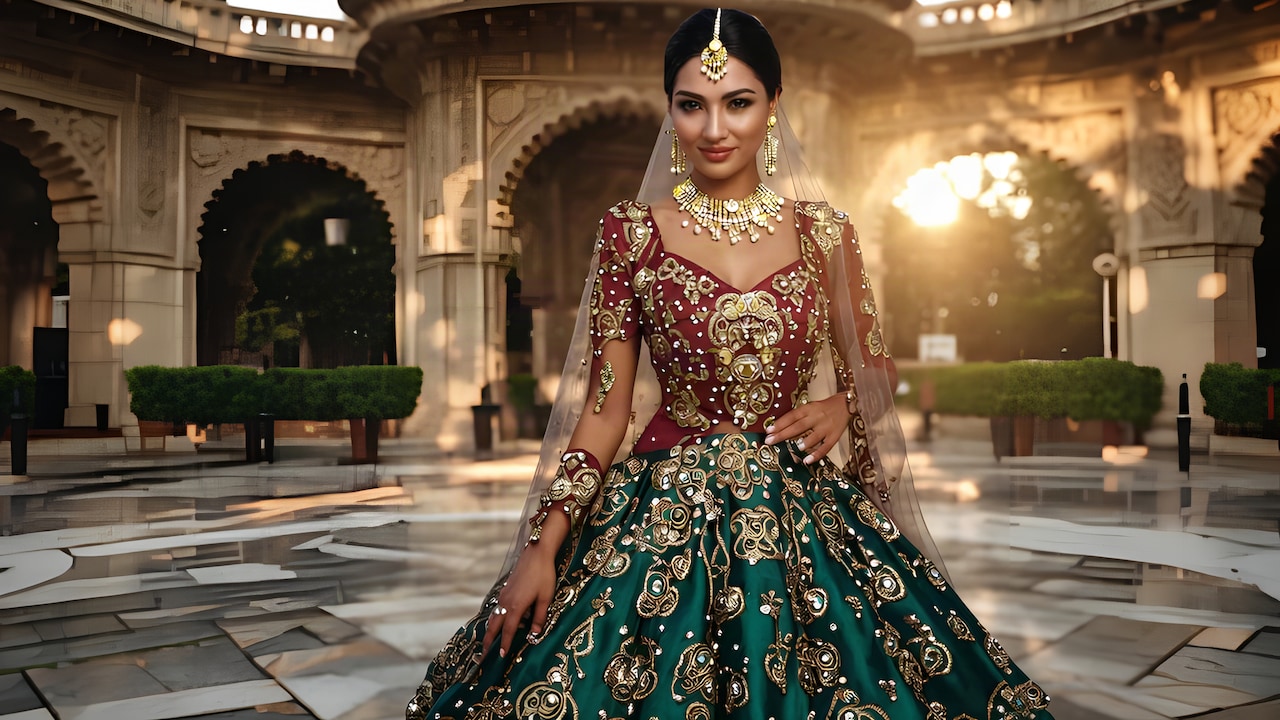
How to make the gith choice between chaniya choli vs lehenga
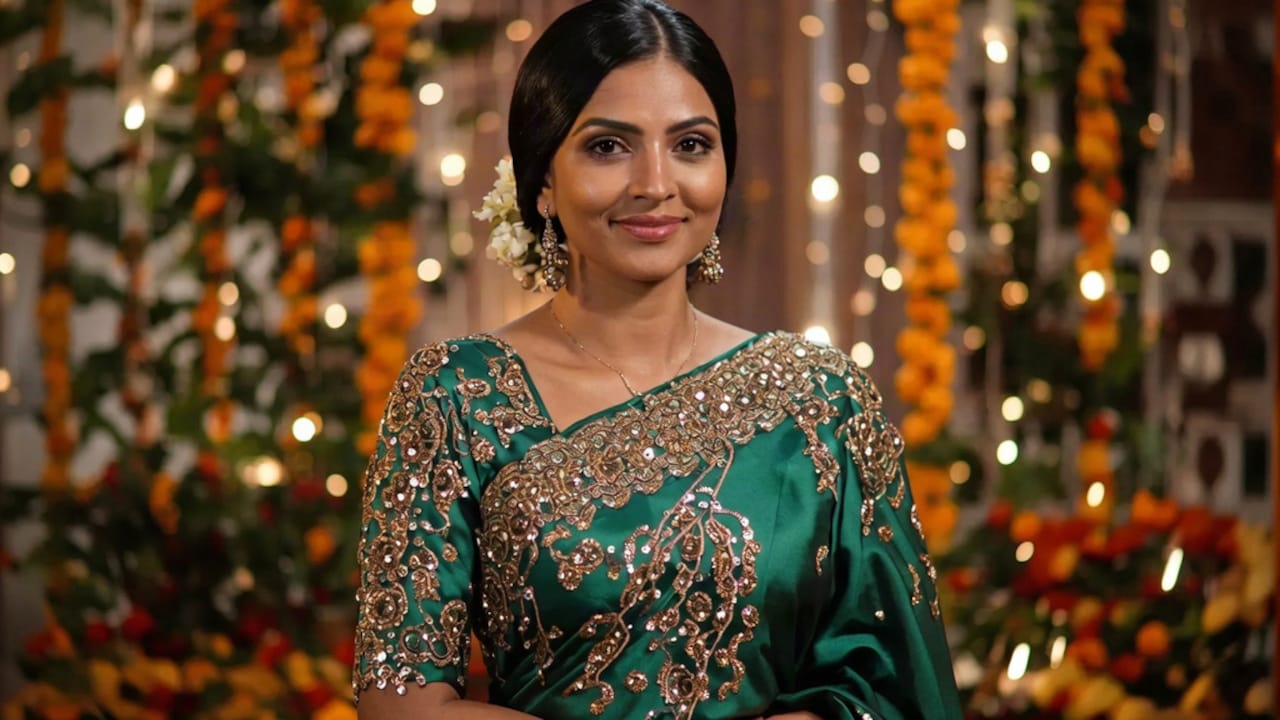
Navratri is one of those festivals where the clothes are almost as important as the energy you bring to the circle. Nine nights, long hours of garba, layers of sweat and sequins and you still have to look like you actually tried. Chaniya choli and lehenga are both staples of the season, but they are constructed differently and worn in different ways through an evening of nonstop dancing. So before you make your choice this year, here's what makes them the best option for festive comfort and style. Garba is made for chaniya cholis. With the flared skirt, the breathable blouse and that circular swing, they are almost made for the occasion. Lehengas, however, bring in more drama and weight, which is ideal for Ashtami or a later night when the energy changes from folk to festive glam.
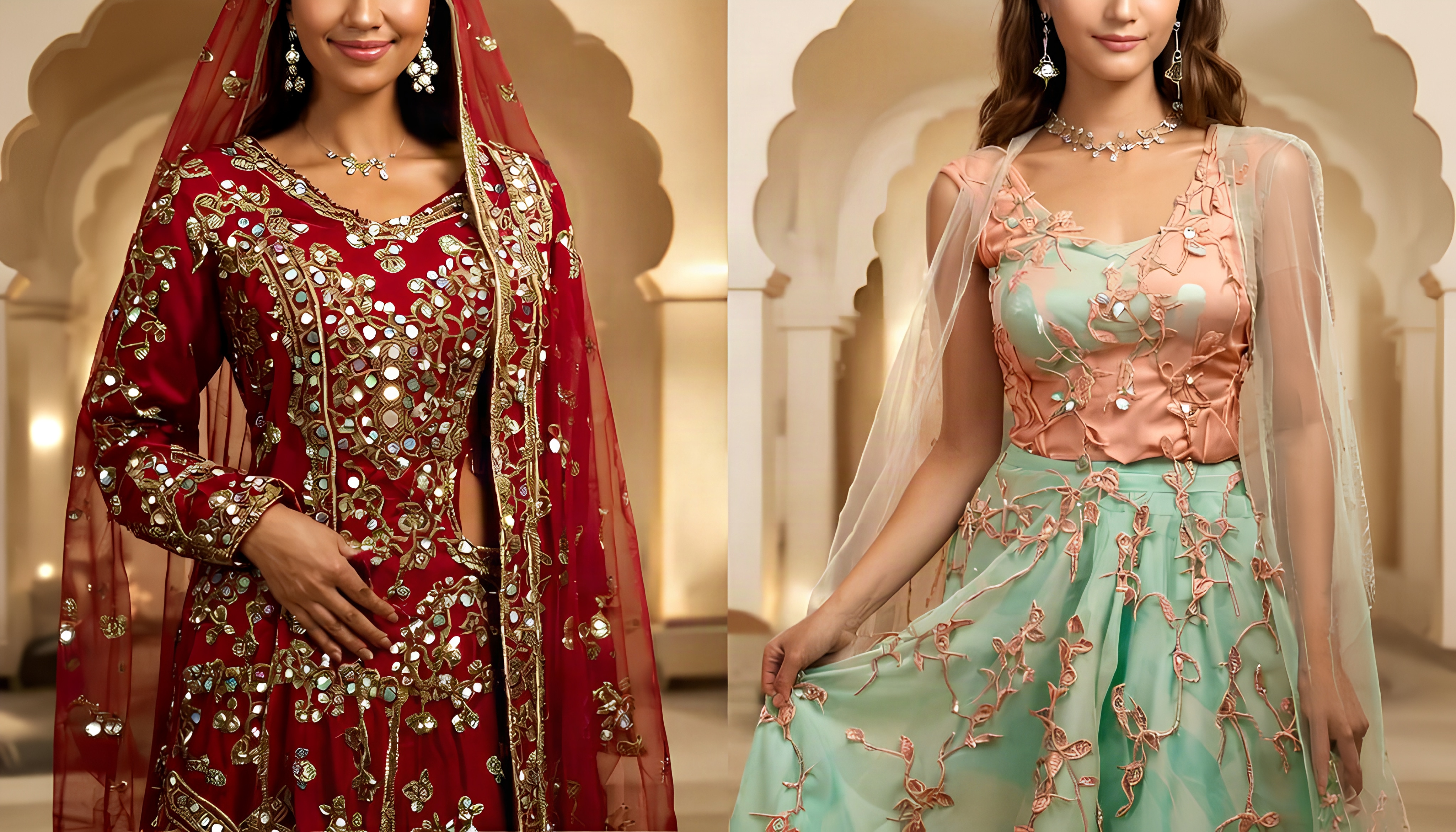
Chaniya Choli Vs Lehenga: Breaking Down The Basics; Photo Credit: iStock
Chaniya Choli Vs Lehenga: Breaking Down The Basics
These two looks share some visual similarities – embroidery, bright colours, and flared skirts – but are actually quite different in how they are made and how they feel over a long evening.
1. What Makes A Chaniya Choli Different
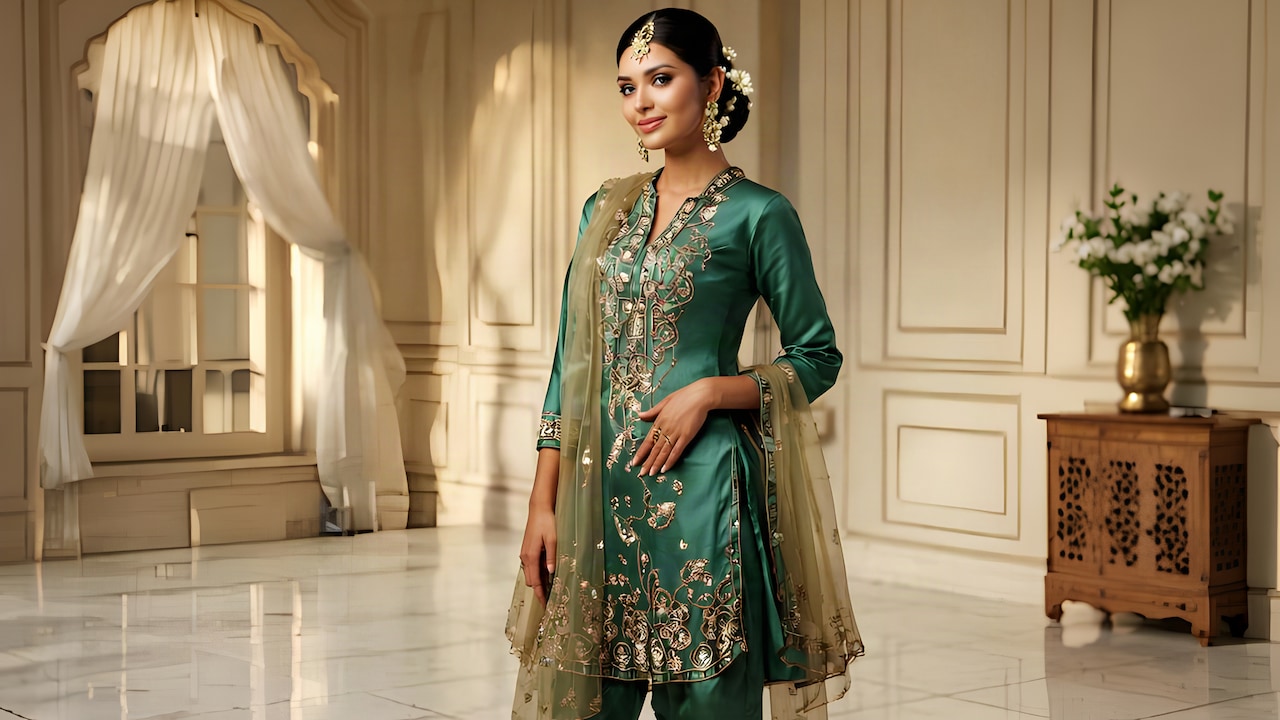
A chaniya choli is a three-piece outfit consisting of a heavily flared skirt (the chaniya), a short blouse (choli) and a dupatta. The skirt is usually cut in a circular or semi-circular shape, which is what gives it that signature spin as you move. The fabric, whether cotton, georgette or bandhani, is usually lighter in texture and is particularly comfortable to wear and handle through long hours of dancing.
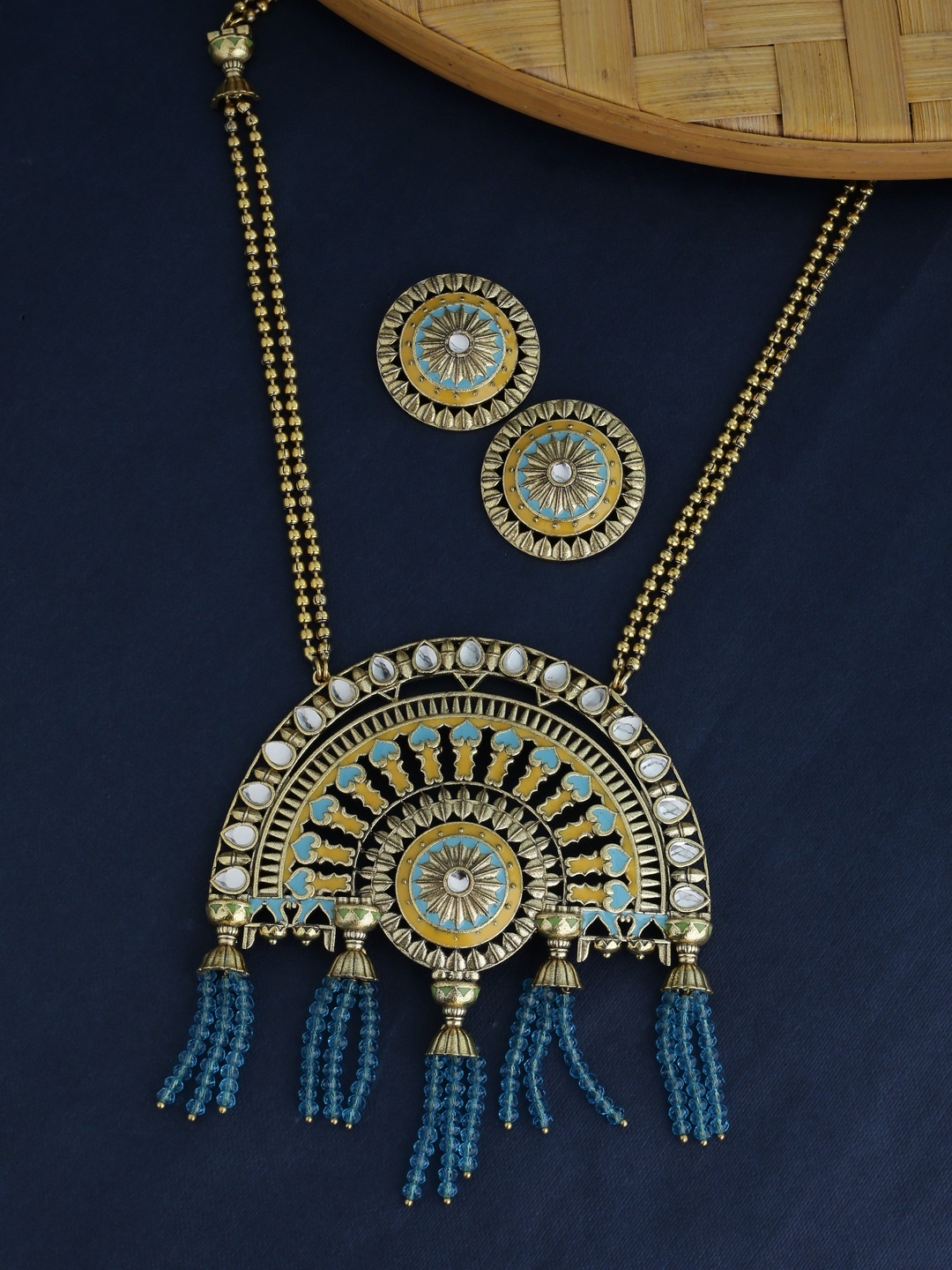
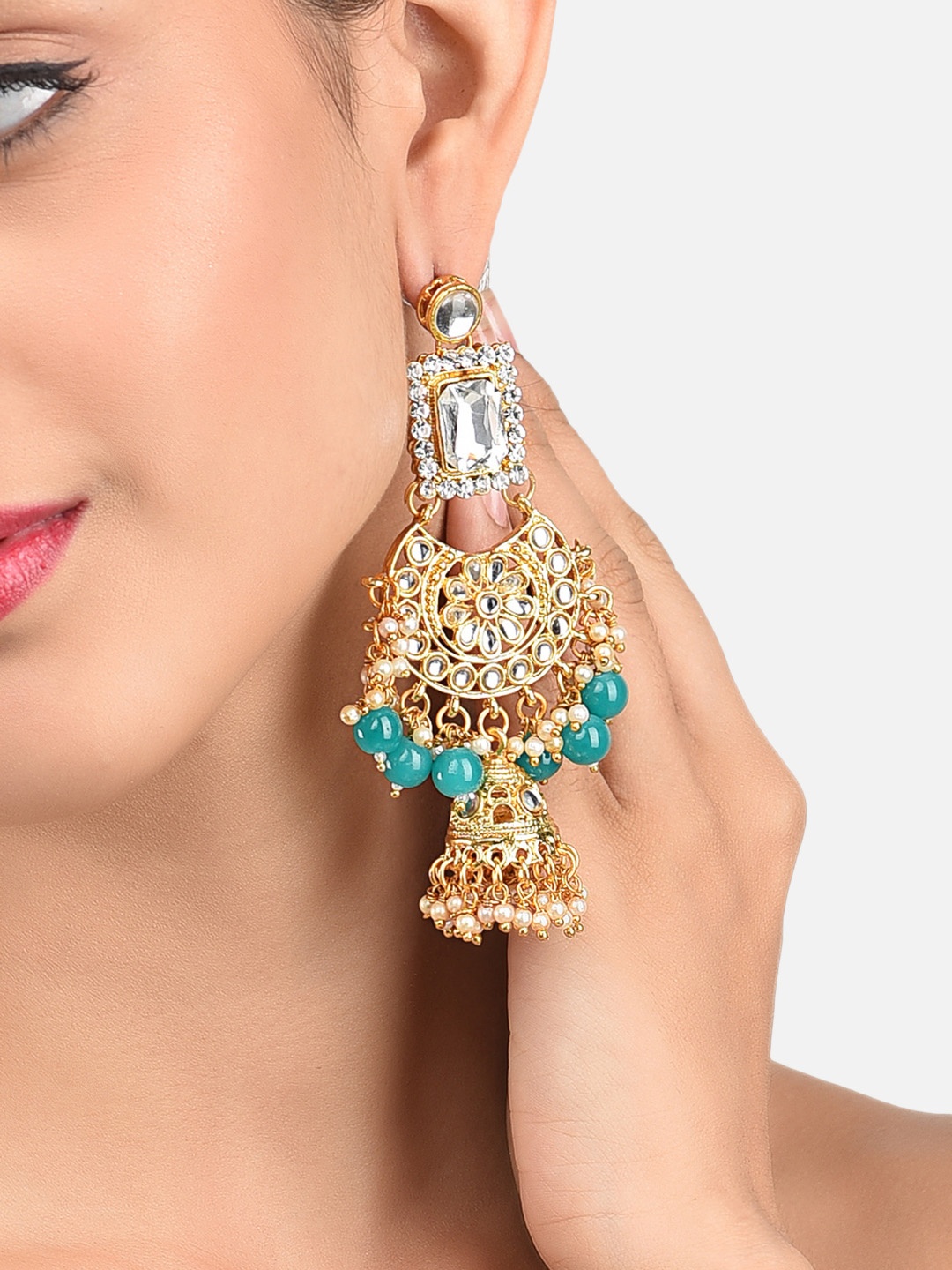
Also Read: Oxidised vs Gold Jewellery: Which Suits A Navratri Outfit Better
2. What A Lehenga Offers
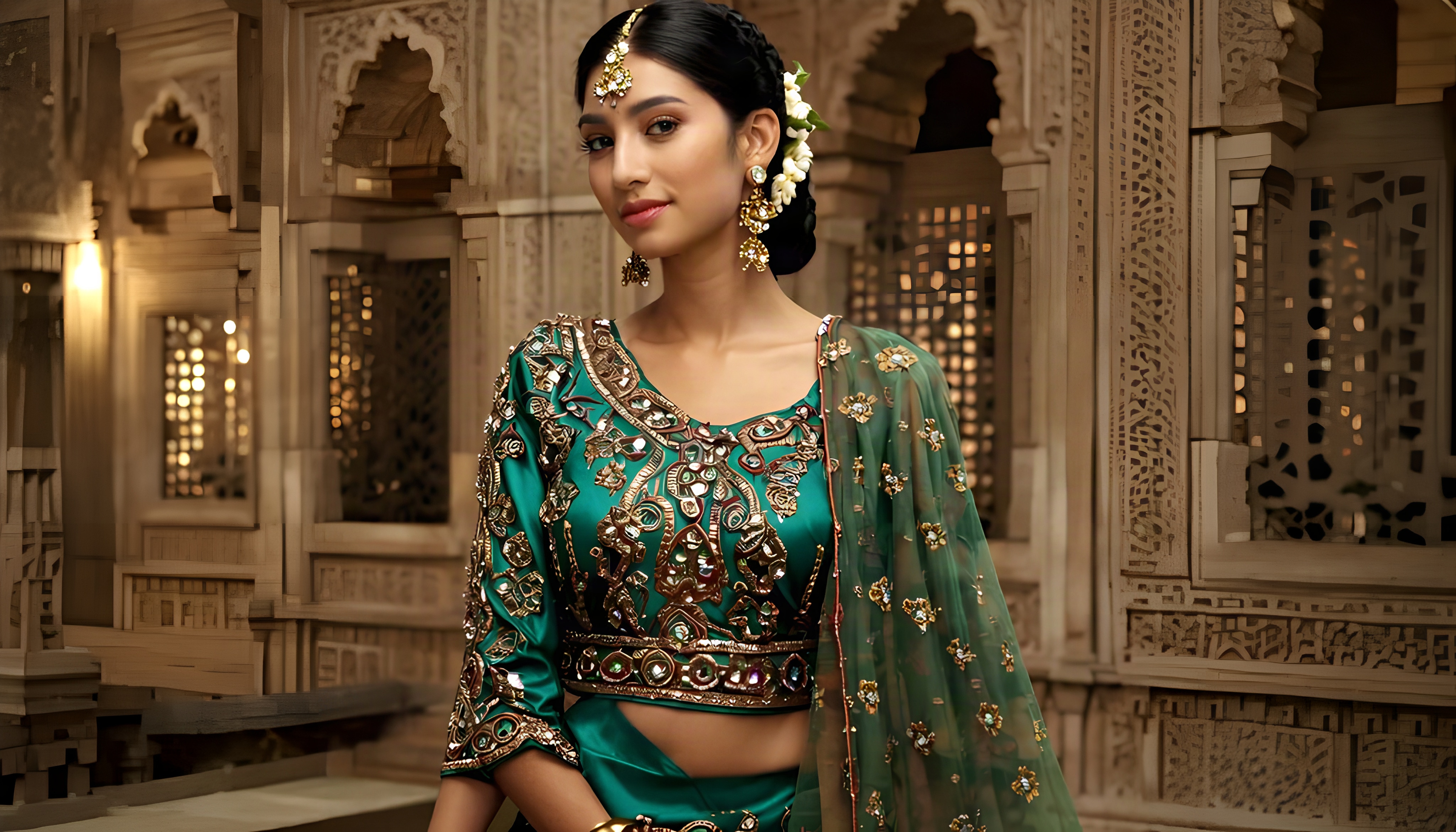
A lehenga is a semi-flared to full-flared skirt paired with a fitted blouse and dupatta. The silhouette is very much similar to a chaniya choli but lehengas tend to be heavier. These are made of richer fabrics like velvet, silk or net with heavy embellishments, and the overall look is more structured and bridal-adjacent. Beautiful, indeed. But that weight is worth considering.
How Each Outfit Holds Up During Garba
Garba dancing for two to four hours is a real workout. You spin and clap and dance in circles non-stop, and your outfit has to keep up with that without being uncomfortable halfway through the night.
1. Chaniya Choli For Active Dancing
If you're the type who goes all out at garba, spinning hard, dancing in the inner circles and staying until midnight, a chaniya choli is the more practical option. The fabric is light and does not weigh you down and the skirt is circular and moves the way Garba needs it to. There is also a reason why this outfit has been the traditional choice of the generation for the festival.
2. Lehenga For A More Relaxed Evening
If you are planning to dance lightly, or attend a dandiya where the movement is a bit more structured, or stepping out mainly for photographs and socialising, then a lehenga works better. The heavier skirt may impede the free spinning, and some of the embellished borders may feel stiff after a few hours. That said, the payoff in terms of photos and overall presence is hard to argue with.
Styling Both Outfits For Different Nights Of Navratri
Nine nights means nine chances to dress differently. Here is a simple way to split it.
1. Nights For Chaniya Choli
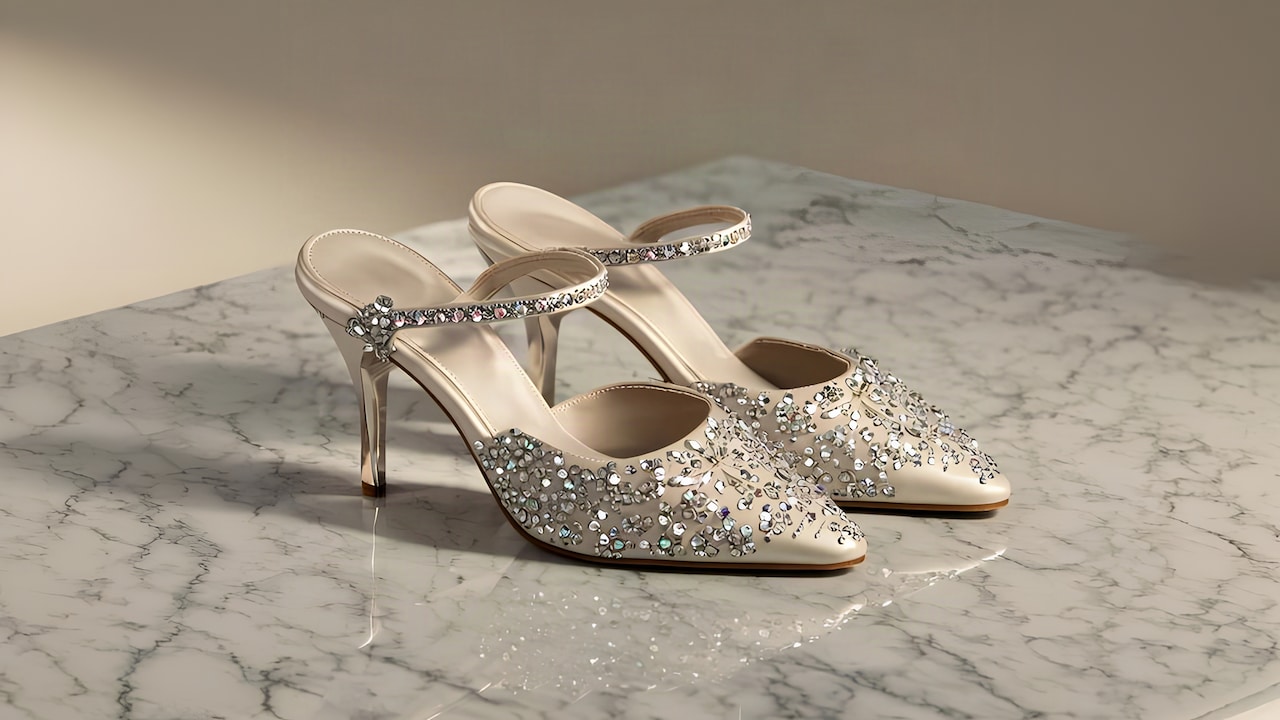
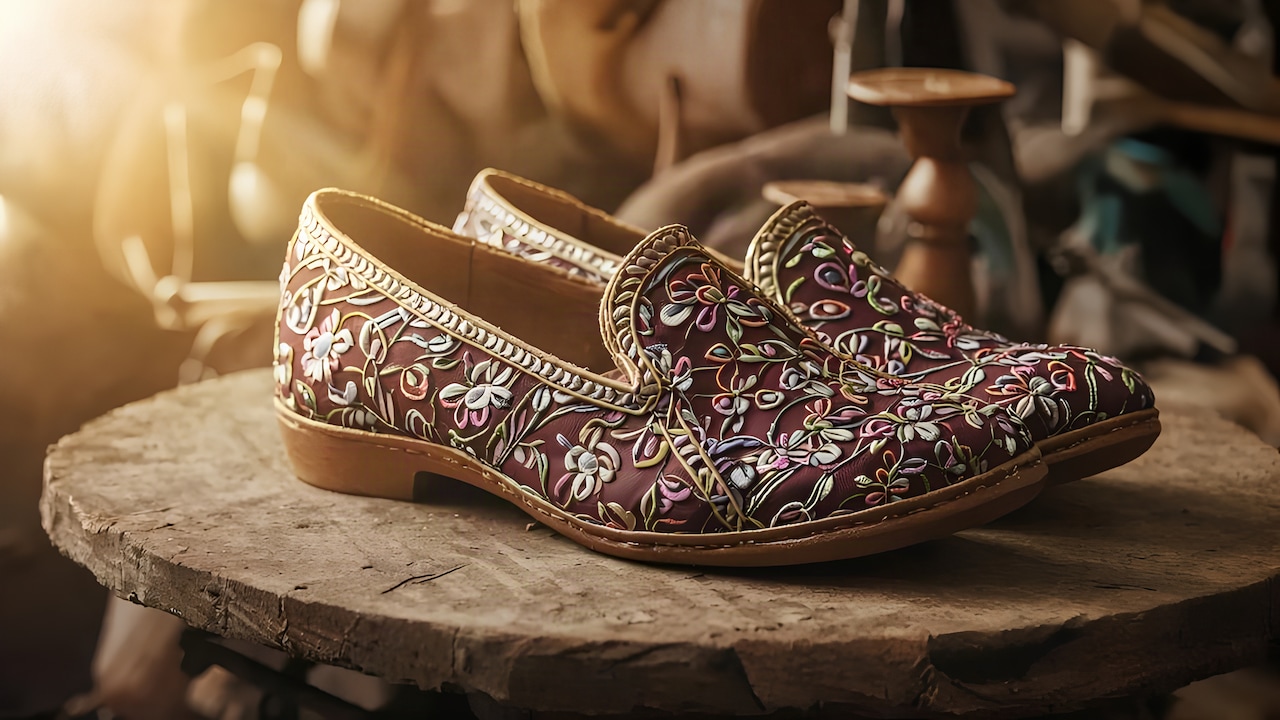
Save your chaniya cholis for the more energetic nights – the first few evenings when garba is at its liveliest and everyone is eager to dance. Try bold mirror work, bandhani prints or bright block colours. Keep your footwear comfortable – juttis or cushioned mojaris – as heels and garba don't mix well.
2. Nights For Lehenga
For the bigger events like Saptami, Ashtami or Navami, bring out a lehenga. These are the nights when people dress a little more formally than usual. The silk or net lehenga with heavy embroidery adds a festive and celebratory note, making it perfect for such occasions.
Things To Think About Before You Decide
The winning outfit for you personally is a matter of a few practical things, in addition to how it looks on the hanger.
1. Comfort Over Long Evenings
If you run warm, sweat easily, or plan to dance without breaks, comfort should guide your decision. After the second hour, cotton or georgette chaniya cholis are more comfortable and lighter to wear. Even if a heavy fabric lehenga looks perfect at the beginning, it can start to feel a little much by the end of the night.
2. Budget And Occasion Match
Lehengas tend to be on the pricier side, particularly bridal lehengas with embellishments. If you're planning to wear the outfit multiple times throughout the season, a chaniya choli often offers more flexibility, as it is easier to style down or mix up. Note that a lehenga is considered a one-time-wear outfit.
Some Products You May Like:
Photo Credit: iStock
Some Products You May Like:
1. PURVAJA Women's Faux Silk Semi-Stitched Lehenga Choli Set
2. TRENDMALLS Art Silk Embroidery Sequence Work Lehenga Choli
3. Zeel Clothing Women's Organza Floral White Semi-Stitched Lehenga Choli
4. Janasya Women's Cotton Block Print Lehenga Choli
5. LooknBook Art: Timeless Beauty in Pure Chanderi Chaniya Choli
6. Generic Women's Pure Dolla Tusser Silk Chaniya Choli Set
7. Flosive Women's Rayon Lehenga Choli Set
8. ZAALIMA FASHION Women's Georgette Semi-Stitched Lehenga Choli Set
Frequently Asked Questions (FAQs)
1. Is a chaniya choli the same as a lehenga?
Not quite. Both have flared skirts and blouses, but chaniya cholis are lighter, more flared, and built specifically for folk dancing. Lehengas are heavier, more structured, and generally considered more formal.
2. Can I wear a lehenga for garba dancing?
You can, though it is not the most comfortable option for long, active dancing sessions. If you mostly plan to socialise or attend a shorter event, a lehenga is fine.
3. Which fabric is best for Navratri?
Cotton, georgette, and bandhani fabrics work well for active dancing because they are breathable and lightweight. These are common in chaniya cholis and make a noticeable difference over a long evening.
4. Can I wear either outfit on any of the nine nights?
Yes, there are no rules. But practically, lighter chaniya cholis suit the high-energy early nights better, while heavier lehengas work well for the more celebratory final nights.
5. What footwear works best with both outfits?
Flat juttis, mojaris, or cushioned block heels work well with both. Avoid stilettos entirely — they are not safe or comfortable for garba floors.
(Disclaimer: This article may include references to or features of products and services made available through affiliate marketing campaigns. NDTV Convergence Limited (“NDTV”) strives to maintain editorial independence while participating in such campaigns. NDTV does not assume responsibility for the performance or claims of any featured products or services.)