10 Reasons Sports Shoes Feel Comfortable In The Store But Hurt During Workouts
Sports shoes can feel wonderfully comfortable during a quick shop-floor trial yet become painful halfway through a workout. From swelling feet to the wrong cushioning, several fit problems only reveal themselves once you start moving properly.
Why do some sports shoes hurt your feet
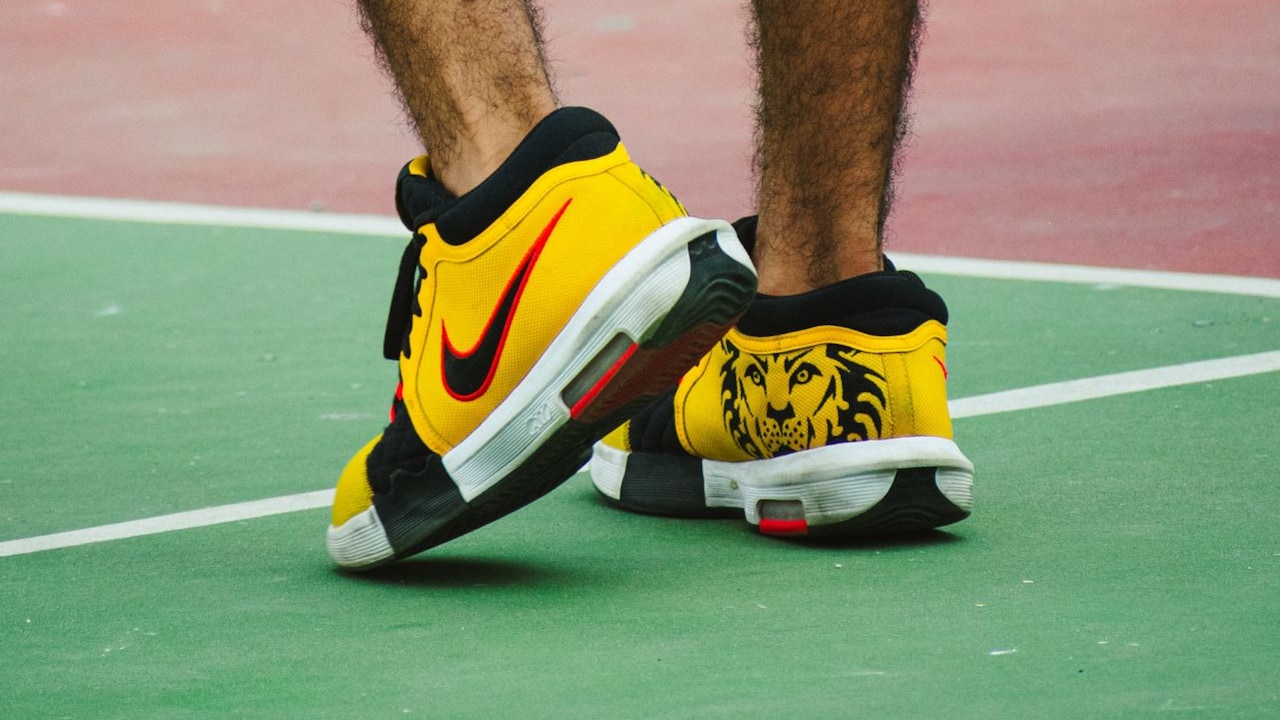
There's a special kind of betrayal involved when a pair of sports shoes feels perfect in the shop and then starts pinching, rubbing or aching twenty minutes into a workout. At the store, the cushioning feels cloud-like. The heel seems secure. A few steps past the mirror suggest that everything fits exactly as it should. Then comes the first proper run, gym session or badminton game, and suddenly the same shoes feel like they belong to someone else. The problem isn't necessarily poor-quality footwear. Trying on sports shoes in a store and actually exercising in them place very different demands on your feet. During a workout, feet flex harder, spread wider, heat up and may swell. Your body also repeats movements hundreds or thousands of times. A pressure point that barely registers during a two-minute trial can become painfully obvious after half an hour.
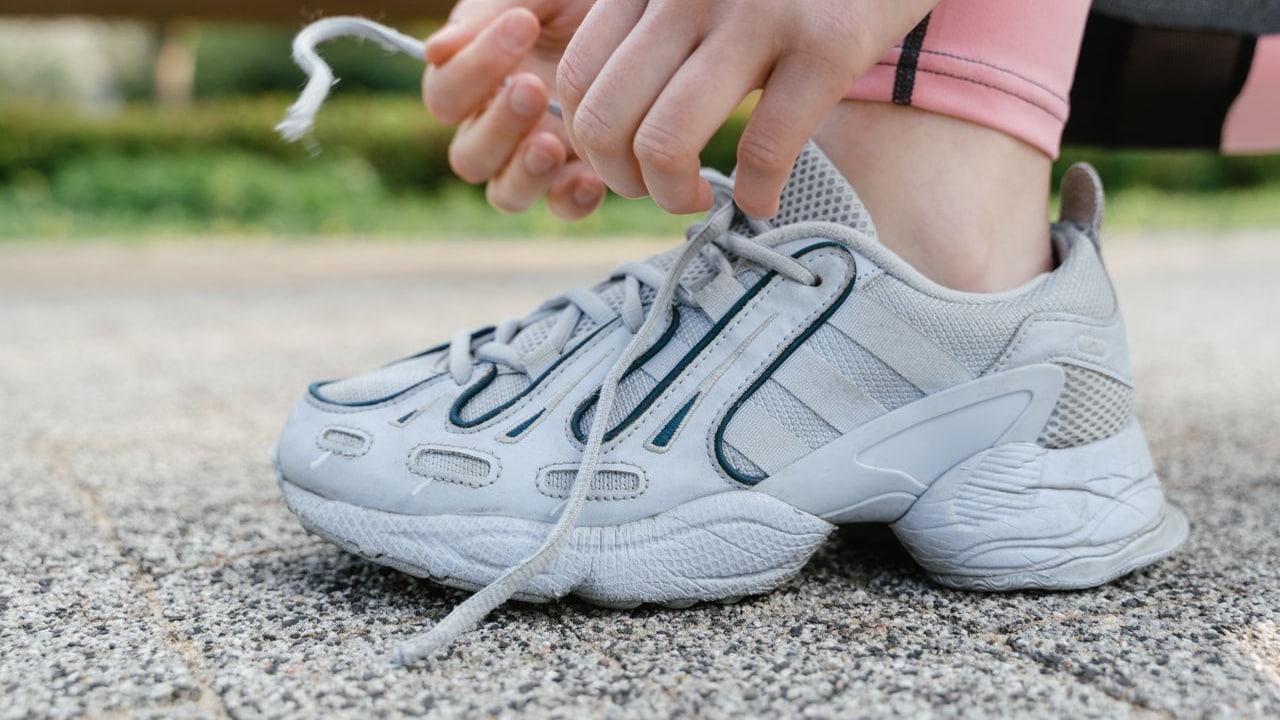
Why do some sports shoes hurt with gradual use; Photo Credit: Pexels
Understanding why that happens can make buying sports shoes far less frustrating. More importantly, it can help you spot small fit problems before they turn into blisters, sore toes or an expensive pair gathering dust under the bed.
Also Read: Top 5 Nike Sports Shoes For Running
Why Sports Shoes Feel Different Once The Workout Begins
1. Your Feet Haven't Swollen Yet
Feet rarely stay the exact same size from morning to night. Heat, prolonged standing and physical activity can cause them to expand slightly. Exercise adds another layer because increased blood flow and repeated impact can make the feet swell further.
That difference might sound tiny, but sports shoes don't offer unlimited space. A pair that feels pleasantly snug while you're standing in an air-conditioned shop may become uncomfortable once your feet spread inside it during a workout.
This often explains why toes start touching the front of the shoe halfway through a run even though there seemed to be plenty of room at purchase. It can also create pressure along the sides of the forefoot.
Time of day matters when shopping. Trying shoes after you've spent several hours walking or standing can give you a more realistic idea of fit. The same applies if you regularly exercise in the evening.
Comfort shouldn't depend on your feet remaining at their smallest. Sports shoes need enough breathing room to accommodate normal movement and mild swelling without allowing the foot to slide around.
2. Walking Around A Shop Doesn't Mimic A Workout
Those few polite laps around a footwear store reveal surprisingly little about how sports shoes perform under pressure. Walking slowly across smooth flooring doesn't recreate running, lunging, jumping or changing direction.
During a workout, your foot hits the ground with greater force. It may roll, twist or push sideways against the upper. Your toes flex repeatedly and your heel moves differently during faster motions.
A shoe can therefore feel stable during ordinary walking yet become restrictive during squats or uncomfortable during a treadmill session. Likewise, a roomy shoe might seem wonderfully relaxed in the store but allow too much movement once you start exercising.
Try to mimic your usual activity when testing footwear wherever possible. A few brisk steps, gentle calf raises or controlled lunges can reveal more than simply standing in front of a mirror.
Of course, no store trial can fully reproduce a 45-minute workout. That's why fit matters more than that first soft, cushioned sensation. The right sports shoe should support the movements you actually perform, not just make walking towards the billing counter feel comfortable.
3. Extra-Soft Cushioning Can Hide Fit Problems
Soft cushioning creates an impressive first impression. Step into a thick foam midsole and the immediate sensation can feel luxurious, particularly after spending the day in harder footwear.
Yet softness alone doesn't guarantee comfort during exercise.
Very plush cushioning can sometimes distract from other fit issues during a short trial. You may not immediately notice that the shoe runs slightly narrow, that your heel isn't properly locked in or that the arch shape doesn't suit your foot.
Once a workout begins, repeated movement exposes those problems. Your foot may sink deeper into soft foam, changing how pressure gets distributed. Some people may also feel less stable during lateral exercises if the midsole compresses excessively.
This doesn't mean soft shoes are automatically unsuitable. Plenty of runners and walkers enjoy generous cushioning. The important distinction lies between softness and support.
Pay attention to how your entire foot sits inside the shoe instead of judging comfort from the first step alone. A sports shoe should feel secure without squeezing and supportive without creating obvious pressure points. That balance matters far more than an impressive squishy feeling in the shop.
4. The Shoe May Be Too Narrow For Your Forefoot
Shoe size tends to receive all the attention, but width can cause just as many problems.
Two people wearing the same numerical shoe size can have very different foot shapes. One may have a narrow heel and broad forefoot, while another has a fairly straight foot from heel to toe. Standard shoe shapes won't suit both equally well.
A narrow toe box can feel acceptable during a brief fitting because your toes haven't spent much time pressing against it. During running, walking or strength training, however, the forefoot naturally spreads as it bears weight.
If the shoe doesn't provide enough space, you may notice burning around the little toe, numbness, pressure across the ball of the foot or rubbing along the outer edge.
Sizing up isn't always the perfect solution. A longer shoe may create unwanted heel movement while still failing to match your foot shape properly.
Instead, check whether your toes can sit naturally without feeling squeezed together. The widest part of your foot should also align comfortably with the widest part of the shoe. Sports footwear should hold the foot securely, not compress it like tightly packed luggage.
5. The Shoes Are Slightly Too Small
A sports shoe can technically go onto your foot and still be too small for exercise.
Many people judge fit by whether their toes physically touch the front while standing. The trouble is that feet move forward inside shoes during running, downhill walking and sudden stops.
That movement requires a little extra room.
If the shoe ends too close to your longest toe, repeated contact can turn into soreness surprisingly quickly. Toenails may feel tender after longer workouts, and the front of the toes can develop hot spots from repeated pressure.
The longest toe isn't always the big toe either. For some feet, the second toe extends further, which makes visual guessing unreliable.
At the same time, buying dramatically oversized shoes creates another set of problems. Your foot may slide, forcing the toes to grip unconsciously in an attempt to stabilise themselves.
Look for comfortable space at the front while ensuring the heel remains properly held. Your toes should have room to move naturally without swimming inside the shoe. That small difference between fitted and cramped often determines whether kilometre five feels comfortable or miserable.
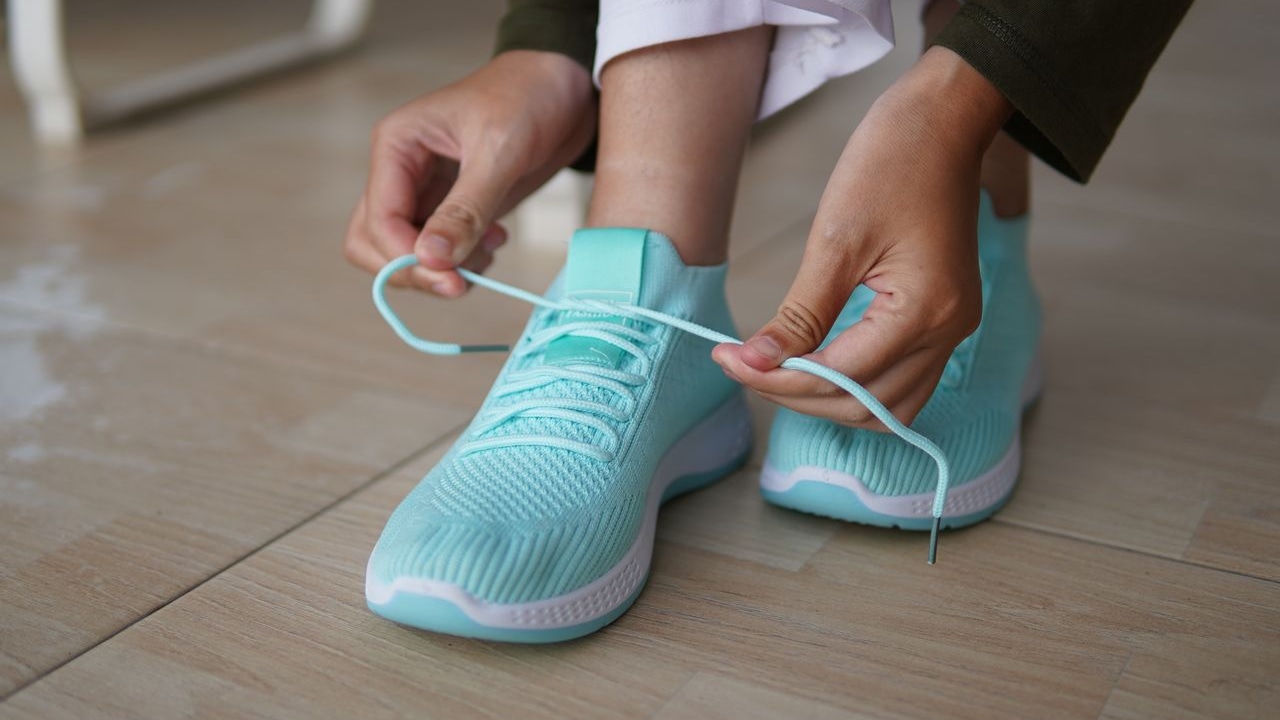
Shoes that are slightly small can cause discomfort; Photo Credit: Pexels
6. Your Heel Starts Moving Once You Pick Up Speed
Heel movement can remain almost invisible during a slow store trial.
Take a few gentle steps and everything may feel perfectly normal. Start running, skipping or performing repeated lunges, however, and the heel may begin lifting slightly with every movement.
Even tiny amounts of repeated friction matter.
When the heel slides against the back of the shoe hundreds of times, warmth builds quickly. What begins as mild irritation can become a painful blister before the workout ends.
Sometimes the problem comes from choosing a shoe that's too large. In other cases, the shoe's heel shape simply doesn't match your foot.
Lacing also plays a role. Sports shoes worn with loose casual lacing may not provide the same secure fit needed during training. Adjusting the laces around the ankle can often improve heel hold without tightening the entire shoe excessively.
Pay attention to heel movement during the initial fitting. Walk quickly and rise onto your toes several times. The heel doesn't need to feel clamped in place, but obvious slipping deserves attention. A shoe that already moves during a short trial is unlikely to become more stable during an energetic workout.
7. Your Socks Change The Fit More Than Expected
Shoes don't work in isolation. Socks occupy space inside them, affect moisture levels and influence how much friction develops against the skin.
Trying sports shoes with thin everyday socks and then exercising in thick cushioned socks can noticeably alter the fit. A shoe that originally offered comfortable forefoot space may suddenly feel restrictive.
The opposite causes trouble too. If you try shoes with thick socks and later wear very thin ones, your foot may move around more than expected.
Material matters as well. During a sweaty workout, damp socks can increase friction and make previously harmless contact points irritating. Seams around the toes may also become noticeable after repeated movement.
Ideally, test sports shoes while wearing the same type of socks you normally use for exercise. It sounds like a minor detail, but a few millimetres can make a surprising difference inside a fitted shoe.
This becomes particularly important when buying footwear for longer workouts. After an hour of repeated movement, the combination of heat, moisture and friction can magnify fit problems that seemed almost irrelevant during the first five minutes.
8. The Shoe Doesn't Match Your Type Of Workout
A comfortable sports shoe isn't automatically comfortable for every sport.
Running shoes generally focus on forward movement and cushioning. Training shoes may offer a broader, more stable platform for strength exercises and side-to-side movement. Court sports can require another balance entirely, particularly when quick directional changes enter the picture.
Problems often appear when footwear gets chosen mainly because it feels soft.
Imagine wearing a highly cushioned running shoe for heavy squats. The softness that feels pleasant while jogging may feel unstable when you're trying to maintain a solid base under load. Similarly, a firm training shoe that feels secure during gym sessions might seem unforgiving during a longer run.
Think about what your workouts actually involve before choosing footwear. If most sessions involve treadmill running, your needs differ from someone alternating between deadlifts, burpees and lateral drills.
For mixed workouts, versatile training shoes can make sense. For specialised activities, purpose-built footwear may offer a better experience.
Comfort doesn't simply mean having plenty of padding. It also means having the right amount of stability, flexibility and support for the movements you perform most often.
9. Your Feet Work Differently Once You Become Tired
The way you move at minute five of a workout may not match the way you move at minute forty.
Fatigue can subtly change posture, stride and foot placement. You may land more heavily, lose some stability or allow the feet to roll differently as muscles tire.
That's when certain shoes start revealing weaknesses.
Perhaps the arch begins rubbing because your foot sinks further into the shoe. Maybe your toes slide forwards because your stride has changed. A shoe that initially felt supportive might suddenly seem noticeably firm once your legs become tired.
This doesn't necessarily mean the footwear caused the fatigue. Rather, tired muscles can make small fit mismatches easier to notice.
Building fitness gradually helps, but footwear should still remain reasonably comfortable throughout the type of session you regularly perform.
If pain consistently appears at roughly the same stage of every workout, take note of where it occurs and what you're doing when it starts. Patterns can help distinguish normal tiredness from a footwear problem. Repeated pain in the same specific spot deserves more attention than general post-workout fatigue.
10. You Expected The Shoes To 'Break In'
The idea of breaking in shoes makes sense for certain types of footwear, but sports shoes shouldn't require weeks of discomfort before becoming wearable.
Materials can soften slightly with use, and uppers may adapt somewhat to your feet. However, a shoe that's painfully narrow, aggressively rubbing or pressing into your toes isn't likely to transform magically after another ten workouts.
Continuing to exercise through obvious shoe-related pain can simply turn mild irritation into blisters or persistent soreness.
There's a useful difference between a shoe feeling unfamiliar and a shoe feeling wrong. New cushioning may initially feel different from your previous pair. The upper may feel slightly more structured. Those sensations can settle as you get accustomed to the footwear.
Sharp pressure, numb toes, repeated rubbing or pain that increases during workouts deserves a different response.
Test new shoes gradually rather than making their first outing a long run or intense training session. Shorter workouts give you a chance to notice potential problems early. Your sports shoes may need a little familiarisation, but your feet shouldn't have to negotiate a peace treaty with them.
Products Related To This Article
1. HRX by Hrithik Roshan Unisex Mesh Running Shoes
2. Campus Men Mesh Walking Non-Marking Shoes
3. YONEX HYULTRAI Badminton Non-Marking Shoes
4. NIVIA Airstrike Football Studs with Direct Injection Molding and TPU Sole for all surfaces
5. Puma Softride Harli Sliptech Women's Running Shoes
6. YONEX HYULTRAI Badminton Non-Marking Shoes
7. Skechers Women GO WALK FLEX Walking Non-Marking Shoes
Sports shoes can pass the shop-floor comfort test and still struggle once real exercise begins. Feet swell, spread and move differently during activity, while speed and repetition expose pressure points that a quick fitting can't reveal.
The best approach is to look beyond that first cushioned step. Consider width, toe space, heel security, socks and the type of training you actually do. Test new footwear gradually and pay attention when discomfort repeatedly appears in the same place.
A good pair of sports shoes shouldn't become something you tolerate because they looked promising under the store lights. Once the workout starts, they should feel secure enough that your attention stays on the final set, next kilometre or winning shot rather than the increasingly angry little toe inside your shoe.
(Disclaimer: This article may include references to or features of products and services made available through affiliate marketing campaigns. NDTV Convergence Limited (“NDTV”) strives to maintain editorial independence while participating in such campaigns. NDTV does not assume responsibility for the performance or claims of any featured products or services.)