Night Suits For Kids: Why Seam Placement Matters More Than Prints
Bright prints may look cute, but comfort decides how well children sleep. This article explains why seam placement in kids’ night suits matters more than design, and how small construction details make a big difference at bedtime.

Choosing Night Suits for Kids? Here Is Why Seam Placement Matters More Than You Think.
Bedtime is rarely just about sleep. It is about routines, reassurance and tiny negotiations that happen after a long day. Soft lighting, favourite toys and a cosy night suit all play their part. While prints grab attention in shops and online listings, comfort decides what stays in regular rotation at home. Many parents notice the same pattern. A night suit may look adorable, but it gets pushed aside after a few wears. Complaints of itching, tugging or restlessness often follow.
The reason usually hides inside the garment. Seams, when placed poorly, can rub against delicate skin, trap heat or restrict movement. Children toss, turn and curl up in unexpected ways, making seam positioning far more important than in daytime clothing. A smooth, well-placed seam supports uninterrupted sleep. A bulky or awkward one can wake a child at 2 am with a whine or a scratch.
Understanding why seam placement matters helps make smarter choices, beyond colour and print. Comfort, after all, is not visible on a hanger. It is felt through the night.
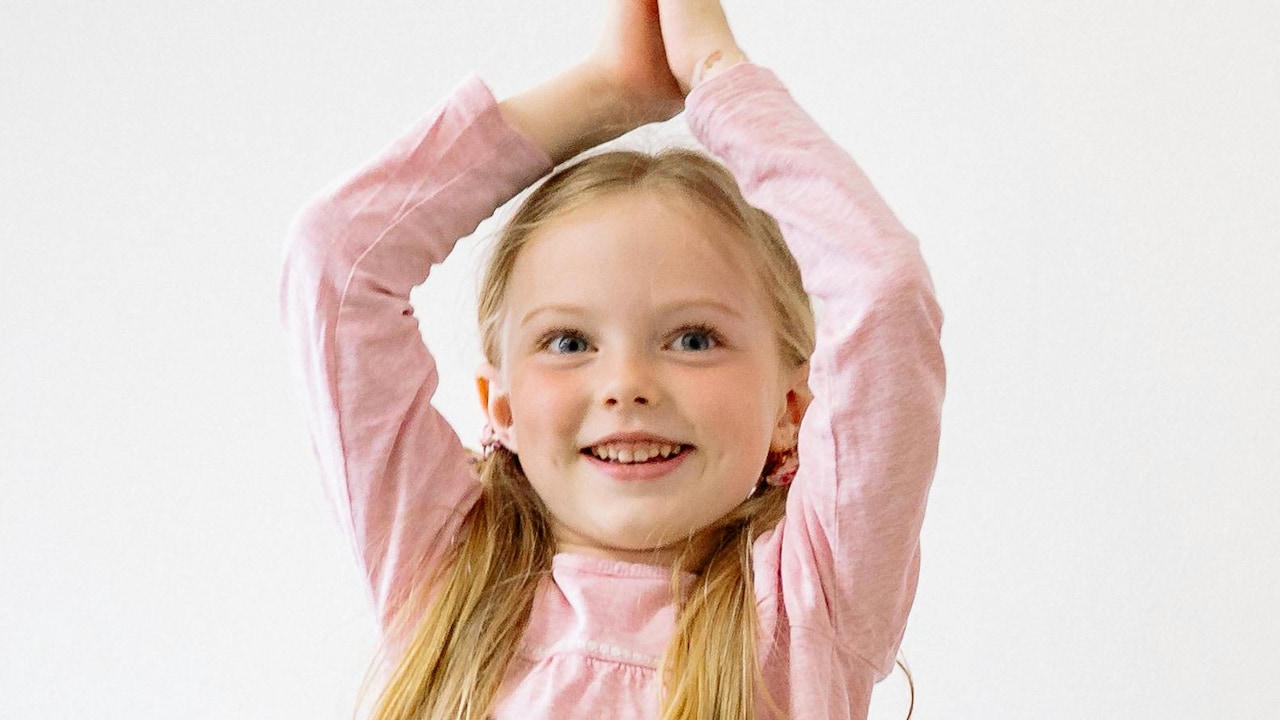
Night Suits For Kids: Why Seam Placement Matters More Than Prints
Photo Credit: Pexels
Why Construction Matters More Than Appearance
1. Sleep Is Movement, Not Stillness
Children rarely sleep like statues. Legs kick out, arms stretch overhead, and bodies twist into shapes that defy logic. Night suits must move with them, not against them. Seams placed along high-friction zones, such as underarms or inner thighs, can chafe during constant motion. Over several hours, even soft stitching can start to irritate.
Prints do nothing to solve this problem. A cheerful pattern may win hearts at bedtime but loses relevance once movement begins. Seam placement, on the other hand, directly affects how fabric behaves during sleep. Flat seams along natural body lines reduce resistance. They allow fabric to glide instead of bunching.
This is especially important for younger children who shift positions frequently. A well-designed night suit adapts quietly, without demanding attention. Sleep becomes deeper and less interrupted. In households where mornings start early and days feel packed, that uninterrupted rest is priceless. Comfort that lasts through the night always beats visual charm that fades after lights-out.
2. Sensitive Skin Notices Everything
Children's skin is more delicate than adult skin. It reacts faster to friction, heat and pressure. Seams with thick overlocking or raised stitching can feel harmless at first touch but become irritating after hours of contact. Areas around the neck, waist and ankles are particularly sensitive.
Prints rarely influence skin comfort. Even the softest fabric can feel unpleasant if seams dig in or sit at awkward angles. Night suits with flat, outward-facing seams or seamless sides often perform better for sensitive skin. They reduce direct contact with raised stitching and prevent redness or itching.
Many families notice improvements when switching to better-constructed nightwear. Fewer bedtime complaints, less scratching and calmer settling routines often follow. This is not a coincidence. Seam placement determines how a garment interacts with skin over time. When comfort improves, sleep follows naturally. The loudest prints fade into the background when skin feels calm and undisturbed.
3. Waistbands and Seams: A Tricky Combination
The waistband area deserves special attention. Children lie on their backs, sides and stomachs, placing constant pressure on this zone. A seam that intersects with an elastic waistband can feel bulky and restrictive. Over time, it may leave marks or cause discomfort that disrupts sleep.
Well-designed night suits avoid stacking seams at the waist. Instead, they spread construction points to reduce pressure. Smooth transitions between fabric panels help maintain flexibility. This matters more than whether the waistband carries stars, stripes or cartoon faces.
Parents often notice children tugging at waistbands before bed. This is a subtle signal of discomfort. When seam placement improves, this behaviour often disappears. Bedtime becomes smoother, with fewer adjustments and interruptions. Comfort at the waist supports relaxed breathing and easy movement, making it a quiet but essential feature of good nightwear.
4. Necklines Can Make or Break Comfort
Neck seams sit close to one of the most sensitive areas of the body. A poorly finished neckline can rub against the throat or collarbone, causing irritation that feels impossible to ignore when lying down. Even a beautiful print loses its charm when a child keeps pulling at the neck opening.
High-quality night suits use soft binding or flat seams around the neckline. Some designs shift seams away from the centre or reduce stitching altogether. These small choices create a noticeable difference during sleep.
Children often express discomfort in simple terms. “It's poking” or “It's itchy” usually points straight to seam issues. Prints never solve these complaints. Seam placement does. A comfortable neckline encourages stillness and relaxation, helping children drift off faster. When bedtime battles reduce, everyone benefits.
5. Temperature Regulation Starts With Construction
Comfort during sleep is not only about softness. Temperature plays a big role, too. Seams affect how fabric layers overlap and how air flows around the body. Bulky seams can trap heat, especially in warmer months. This leads to restlessness and frequent waking.
Thoughtful seam placement supports breathability. Flat seams allow fabric to lie evenly, preventing heat pockets. This keeps body temperature more stable through the night. Prints, again, offer no such benefit. A lively design does not cool skin or release trapped warmth.
In homes where fans hum softly through the night, children still wake if nightwear feels stuffy. Seam design influences this more than colour ever could. Better airflow equals better sleep. It is a simple equation that often gets overlooked in favour of visual appeal.
6. Growth Spurts Demand Flexibility
Children grow quickly. Night suits need to accommodate sudden changes in height and build. Seams placed along rigid lines can limit stretch, making garments feel tight sooner than expected. This leads to discomfort even if the fabric remains soft.
Flexible seam placement allows garments to adapt. Side seams with gentle curves or strategically placed panels offer room to grow. This extends the usable life of the night suit and maintains comfort over time.
Prints may distract from fit issues initially, but discomfort soon reveals itself. Children resist wearing garments that feel restrictive. Nightwear that moves with growth feels familiar and reassuring. It becomes a favourite, not because of its design, but because it simply feels right. Comfort earns loyalty faster than any cartoon character ever could.
7. Toddlers and the Art of Self-Soothing
For toddlers, sleep is closely tied to self-soothing. Small discomforts feel big when language skills are still developing. A scratchy seam can trigger tears that seem to come from nowhere. Parents may spend ages checking nappies, blankets and room temperature, missing the real culprit.
Seam placement near the shoulders, underarms or inner legs often causes these unexplained wake-ups. Removing that irritation can transform sleep patterns. Night suits with minimal internal seams help toddlers settle themselves more easily when they stir.
Prints offer comfort only at a glance. Seam placement offers comfort through the night. For families navigating early sleep routines, this distinction matters. When toddlers sleep better, evenings feel calmer, and days start with fewer yawns and fewer tears.
8. Nightwear Is Not Daywear
Many night suits borrow construction techniques from daytime clothing. This approach often ignores how bodies behave during sleep. Seams that work fine during active hours may fail at night. Sitting, running and sleeping create very different pressure points.
Good nightwear design prioritises horizontal positions. Seams are shifted away from areas that press against mattresses. Stitching is softened or flattened. This thoughtful approach rarely shows on the outside, which is why prints dominate marketing instead.
Understanding this difference helps make better choices. Night suits deserve specialised design, not just smaller versions of casual wear. When construction respects sleep-specific needs, comfort improves dramatically. Prints become secondary, as they should be, in garments designed for rest.
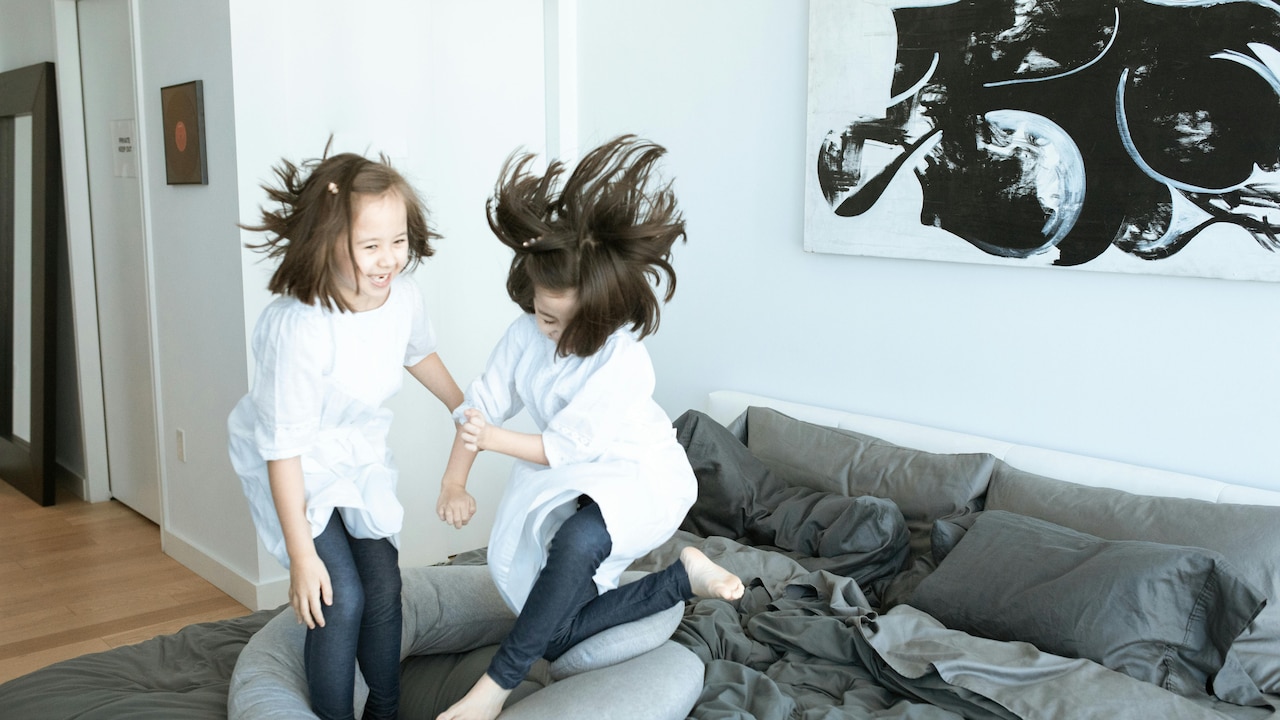
Night Suits For Kids: Why Seam Placement Matters More Than Prints
Photo Credit: Pexels
9. Fewer Seams, Fewer Distractions
Minimalism works well in nightwear. Fewer seams mean fewer points of irritation. Simple construction often delivers superior comfort, especially for light sleepers. Children who wake easily benefit from smooth interiors that do not demand attention.
This does not mean night suits must look boring. Prints can still add personality. The key is ensuring that decoration does not interfere with construction. Decorative panels and contrast stitching often introduce extra seams. These additions may look charming but reduce comfort.
Parents often notice children gravitating towards simpler night suits over time. These pieces get worn repeatedly, while flashier options stay folded. The pattern is clear. When distractions reduce, sleep improves. Seam placement plays a central role in this quiet success.
10. Comfort Builds Positive Bedtime Associations
Bedtime routines shape how children feel about sleep. Comfortable nightwear becomes part of a reassuring ritual. When putting on pyjamas feels pleasant, resistance fades. Children associate night suits with relaxation, not discomfort.
Seam placement influences this emotional response. A garment that never scratches or pinches builds trust. Over time, children may request the same night suit repeatedly, not because of its print, but because it feels safe and familiar.
These small choices accumulate. Better sleep supports mood, focus and energy levels during the day. In busy households, where schedules feel full and evenings short, anything that smooths bedtime is worth prioritising. Seam placement, though invisible, delivers lasting benefits that no print can match.
Products Related To This Article
1. Marks & Spencer Boys Spider-Man Printed Pure Cotton Night suit
2. Ninos Dreams Girls Printed Pure Cotton Night suit
3. H&M Printed Cotton Pyjamas
4. NEXT Girls Pack Of 3 Pure Cotton Night suit
5. Knitting Doodles Kids Striped Night Suit
6. Knitting Doodles Kids Abstract Printed Lapel Collar Night Suits
7. YK X Tinyo Boys We Bare Bears Graphic Printed Pure Cotton Night Suit
Prints catch the eye. Seams shape the experience. When it comes to night suits for kids, comfort lies in construction, not decoration. Seam placement affects movement, skin comfort, temperature and emotional ease throughout the night. These factors influence sleep quality far more than surface design ever will.
Choosing nightwear with thoughtful seam placement may require looking beyond the obvious. Turning garments inside out, feeling stitching and considering how a child sleeps all help make better decisions. Over time, these choices reward families with calmer bedtimes and more restful nights.
In the end, the best night suit is not the loudest or the brightest. It is the one that disappears once worn, allowing sleep to take centre stage. Comfort, after all, is the quiet luxury every child deserves at bedtime.
(Disclaimer: This article may include references to or features of products and services made available through affiliate marketing campaigns. NDTV Convergence Limited (“NDTV”) strives to maintain editorial independence while participating in such campaigns. NDTV does not assume responsibility for the performance or claims of any featured products or services.)