10 Styling Mistakes That Make Loose Tops Look Shapeless
Loose tops can look effortlessly stylish or completely shapeless. Discover 10 common styling mistakes that affect their fit, proportions and overall appearance, along with simple ways to create more flattering outfits.
10 Styling Mistakes That Make Loose Tops Look Shapeless
Loose tops have earned their place in everyday wardrobes for good reason. They're comfortable, forgiving, and easy to wear when fitted clothing feels like too much effort. Whether it's an oversized cotton shirt for work, a flowy tunic for a casual outing or a relaxed T-shirt for a weekend coffee run, these pieces offer plenty of styling possibilities. Yet, there's a difference between looking effortlessly relaxed and looking as though the outfit has swallowed its wearer. The trouble usually isn't the loose top itself. Small styling decisions can change how the entire outfit looks. An untucked hem, poorly chosen trousers or an awkward sleeve length can make even an expensive top appear shapeless. Sometimes, the very details that make loose clothing comfortable also hide the proportions that give an outfit its structure. The good news? Looking polished doesn't require replacing every oversized piece with something fitted. A few thoughtful adjustments can help loose tops drape better, complement different body shapes and create a more intentional silhouette. Here are 10 common styling mistakes that can make loose tops look shapeless, and practical ways to avoid them without sacrificing comfort or personal style.
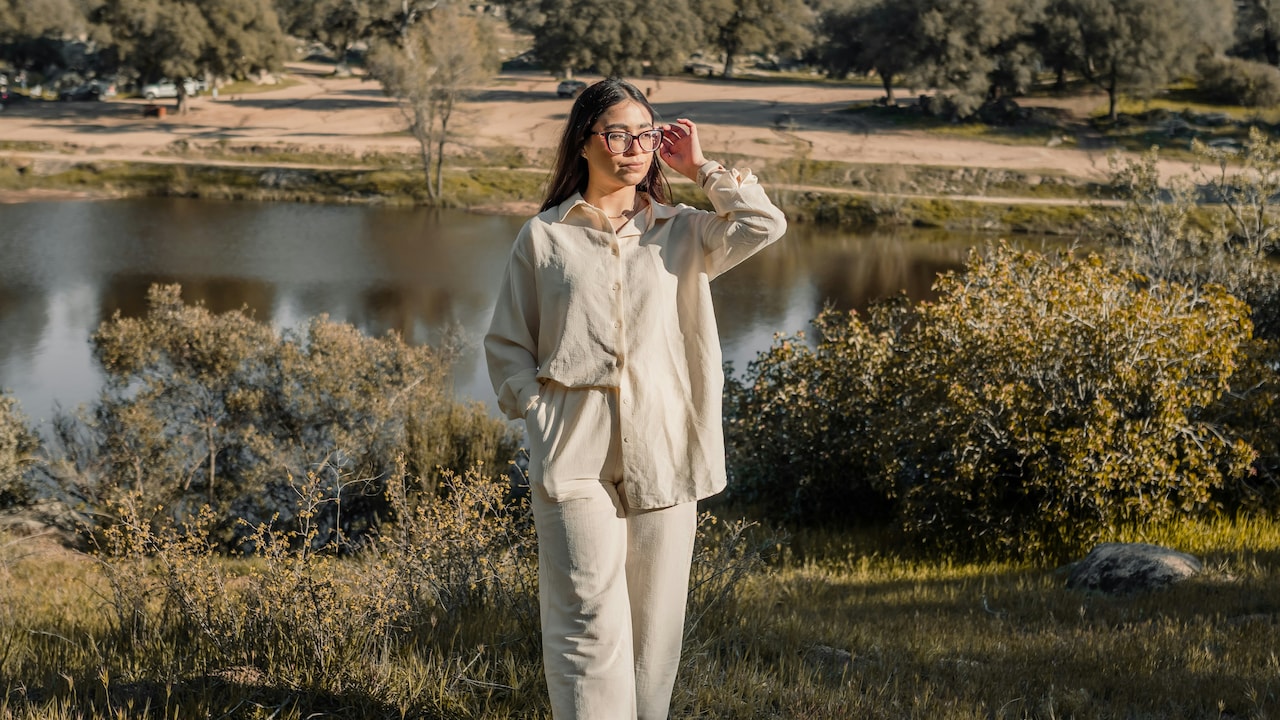
10 Styling Mistakes That Make Loose Tops Look Shapeless; Photo Credit: Pexels
Common Loose Top Styling Mistakes And How To Fix Them
1. Pairing Loose Tops With Equally Baggy Bottoms Without Considering Proportions
There's something undeniably appealing about wearing a loose top with relaxed trousers. The combination feels comfortable, allows movement and works beautifully for casual occasions. However, when both pieces have excessive volume without any visible structure, the outfit can lose its shape entirely.
Consider an oversized cotton shirt paired with wide-legged palazzos. Both garments may look attractive separately, but together, they can create one continuous block of fabric. Without a defined waist, visible ankle or another point of structure, the outfit may appear heavier than intended.
This doesn't mean loose-on-loose styling is a fashion mistake in itself. The secret lies in controlling proportions.
Try pairing a voluminous top with straight-cut jeans, cigarette trousers or fitted ankle-length bottoms. These combinations create a visual contrast that allows the top to remain the centre of attention.
If wide-legged trousers are your preference, choose a slightly cropped top or tuck the front into the waistband. A structured handbag or footwear with a defined shape can also add balance.
The idea isn't to make every outfit fitted. It's to ensure the clothes work together rather than compete for space.
Also Read: 6 Types Of Tops Every Woman Needs For Effortless Style
2. Leaving Every Loose Top Completely Untucked
An untucked loose top can look relaxed and stylish, particularly when the fabric falls naturally. However, leaving every oversized shirt, blouse or T-shirt hanging freely can sometimes make an otherwise well-coordinated outfit appear unfinished.
The problem becomes more noticeable when the hem falls below the hips. A long, straight top can conceal the natural transition between the upper and lower body, making the outfit resemble a single rectangular shape.
For example, a loose linen shirt worn with high-waisted jeans may look surprisingly bulky when left completely untucked. The same shirt can appear more polished with a small front tuck that reveals the waistband.
A French tuck, where only the front portion goes inside the trousers, offers a particularly useful compromise. It creates gentle definition while keeping the sides and back relaxed.
For lightweight cotton tops, a partial side tuck can introduce an attractive asymmetrical effect. Thicker fabrics may need a simpler adjustment to avoid unnecessary bunching around the waist.
Of course, some tops have curved hems or decorative borders that deserve visibility. Those can remain untucked.
The important distinction is whether the loose hem contributes to the outfit or merely hides its proportions.
3. Choosing Oversized Tops With Drooping Shoulder Seams
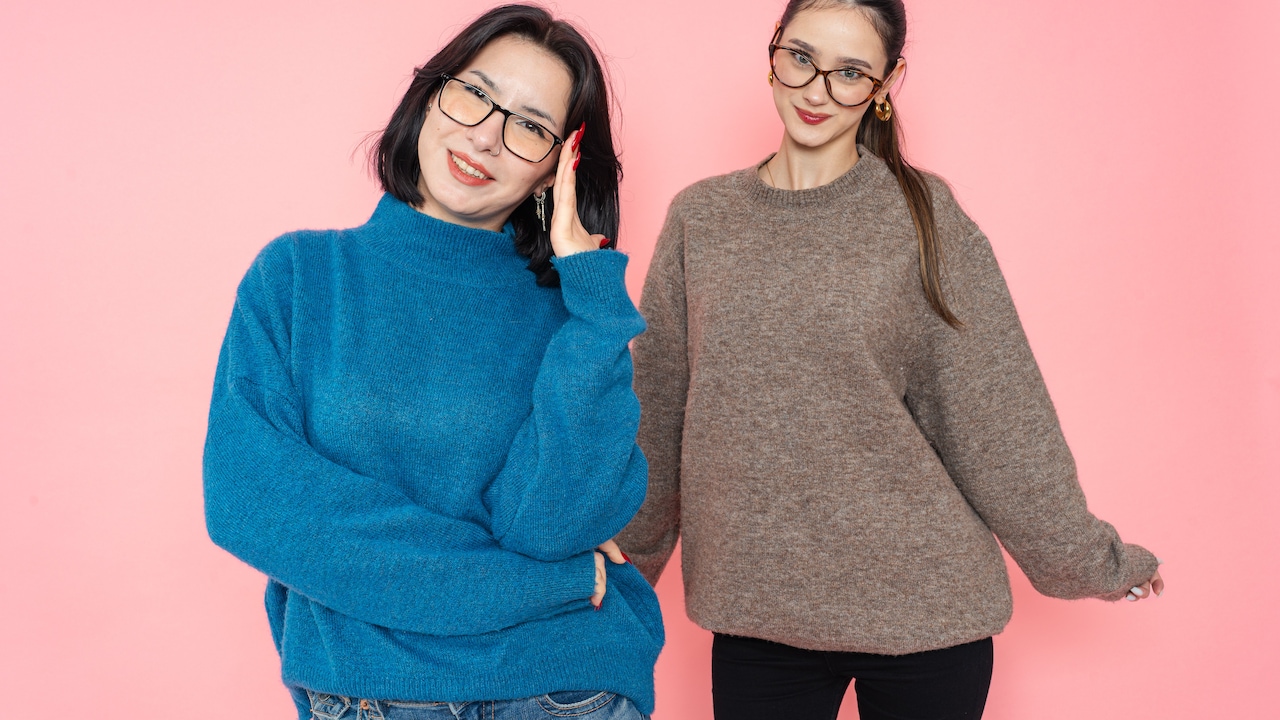
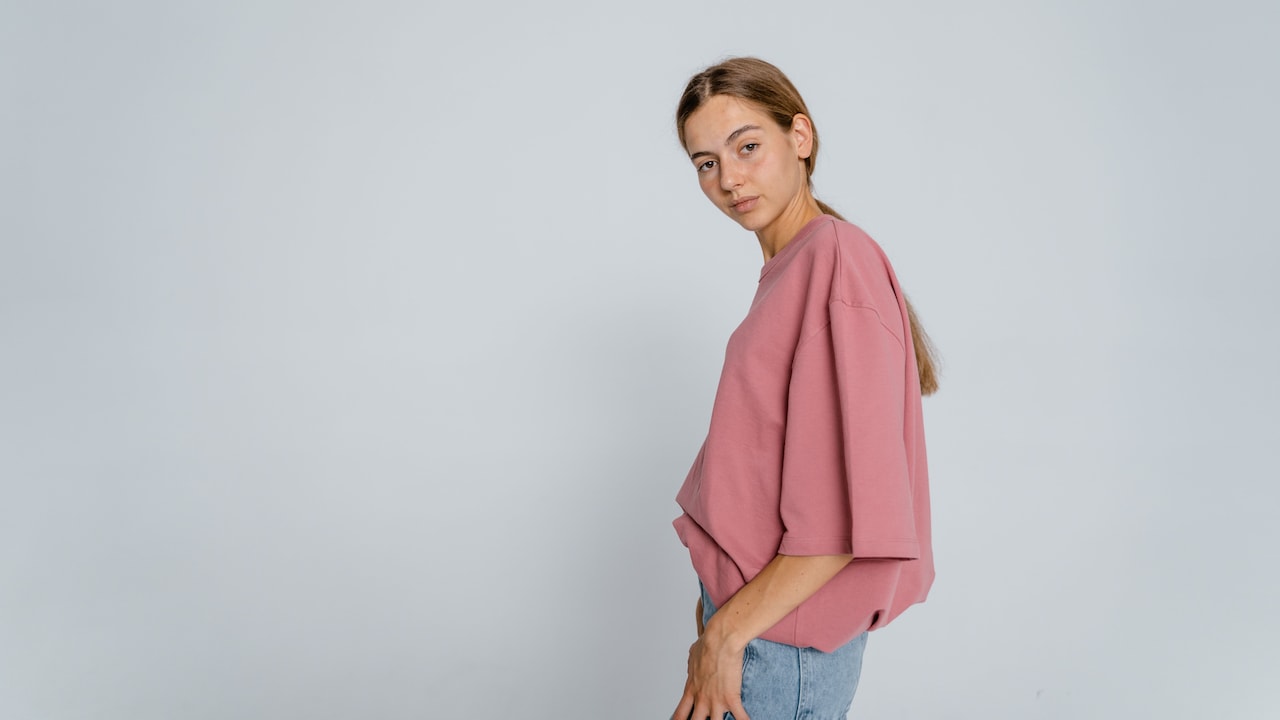
Oversized clothing often features dropped shoulders, and this design can create a fashionable, relaxed silhouette. However, there's a difference between an intentional dropped shoulder and a garment that simply doesn't fit correctly.
When shoulder seams fall too far down the arms, the upper body can appear disproportionately wide. Excess fabric may gather around the sleeves and chest, making the top look less like a deliberate fashion choice and more like something borrowed in the wrong size.
This issue often appears with oversized button-down shirts, casual blouses and relaxed office wear.
Before buying a loose top, examine how the shoulder construction affects the overall fit. A structured shoulder seam can provide definition even when the body of the garment remains spacious.
If you prefer dropped shoulders, look for designs with controlled sleeve widths and fabric that falls smoothly rather than bunching around the underarms.
Rolling the sleeves can also help restore some structure by revealing the wrists and reducing the visual weight of excess material.
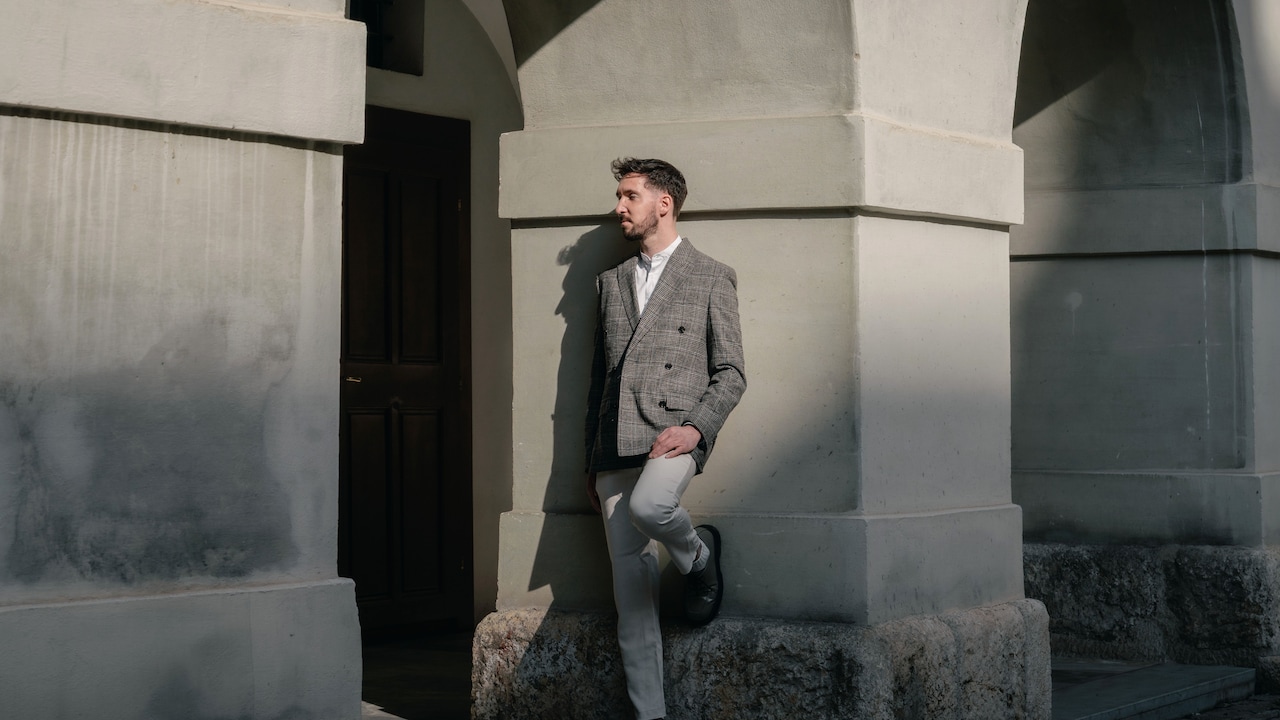
For formal settings, such as office meetings or presentations, a relaxed shirt with neatly positioned shoulders usually looks more polished.
Comfort matters, but an oversized label shouldn't become an excuse to ignore how the garment actually sits.
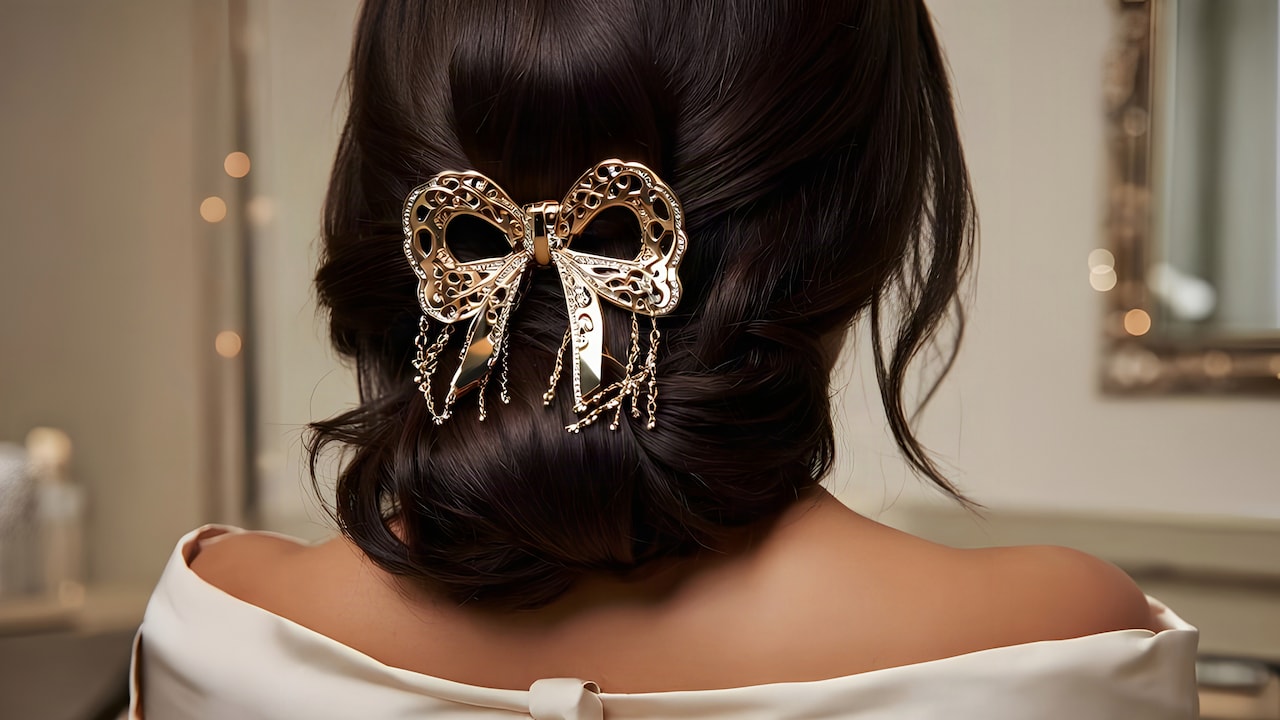
10 Styling Mistakes That Make Loose Tops Look Shapeless; Photo Credit: Pexels
4. Ignoring The Length Of The Top In Relation To The Bottoms
Length plays a surprisingly important role in how loose clothing looks. Even a beautifully designed top can create awkward proportions when its hem finishes at an unflattering point relative to the trousers or skirt.
A loose top that ends around the widest part of the hips may draw attention to that area through a strong horizontal line. Meanwhile, an oversized shirt extending towards the knees can visually shorten the legs when paired with certain bottoms.
The solution isn't necessarily to choose shorter clothing. Instead, consider where the garment finishes and how that position affects the overall silhouette.
For example, a hip-length loose blouse often works well with high-waisted straight trousers. A longer tunic may look more balanced with narrow ankle-length pants or leggings, depending on the fabric and occasion.
Cropped oversized tops can complement high-waisted jeans without exposing the waist, particularly when the garments overlap slightly.
Petite shoppers may find that some standard oversized designs require minor alterations to achieve the intended proportions.
Before settling on an outfit, look at the full-length reflection rather than examining the top alone.
Sometimes, changing the bottom hemline or adjusting the top by just a few centimetres makes the entire outfit feel more balanced.
5. Wearing Stiff Fabrics That Add Unnecessary Bulk
Loose clothing relies heavily on fabric behaviour. Two tops with almost identical measurements can look completely different because one drapes naturally while the other holds its shape away from the body.
Stiff cotton blends, heavy polyester and thick woven fabrics can sometimes create unwanted volume around the shoulders, chest and waist. Instead of following the body's movement, the material stands outward and forms a boxy silhouette.
This becomes particularly noticeable with oversized shirts featuring large sleeves or broad side panels.
For a softer appearance, consider fabrics such as viscose, modal, lightweight cotton or breathable linen blends. Their movement can help loose tops fall more naturally, although the exact result depends on the weave and garment construction.
That doesn't mean structured materials should be avoided altogether. Crisp poplin shirts, for instance, can look exceptionally smart when paired with tailored trousers.
The key is matching fabric structure with the intended silhouette.
A stiff oversized shirt may benefit from rolled sleeves, an open neckline or a partial tuck. A fluid blouse might look better when left to drape freely.
When shopping, check the garment from the side as well as the front. If the fabric projects outward in several places, consider whether the shape suits your styling preferences.
6. Hiding The Neckline Under Too Much Fabric
Necklines influence how the upper half of an outfit appears, particularly when the garment already has considerable volume.
A loose top with a high, closed neckline can sometimes make the shoulders and chest look broader, especially when combined with long sleeves and thick fabric. Without a visible neckline, collarbone or other point of definition, the upper body may appear like one solid section of clothing.
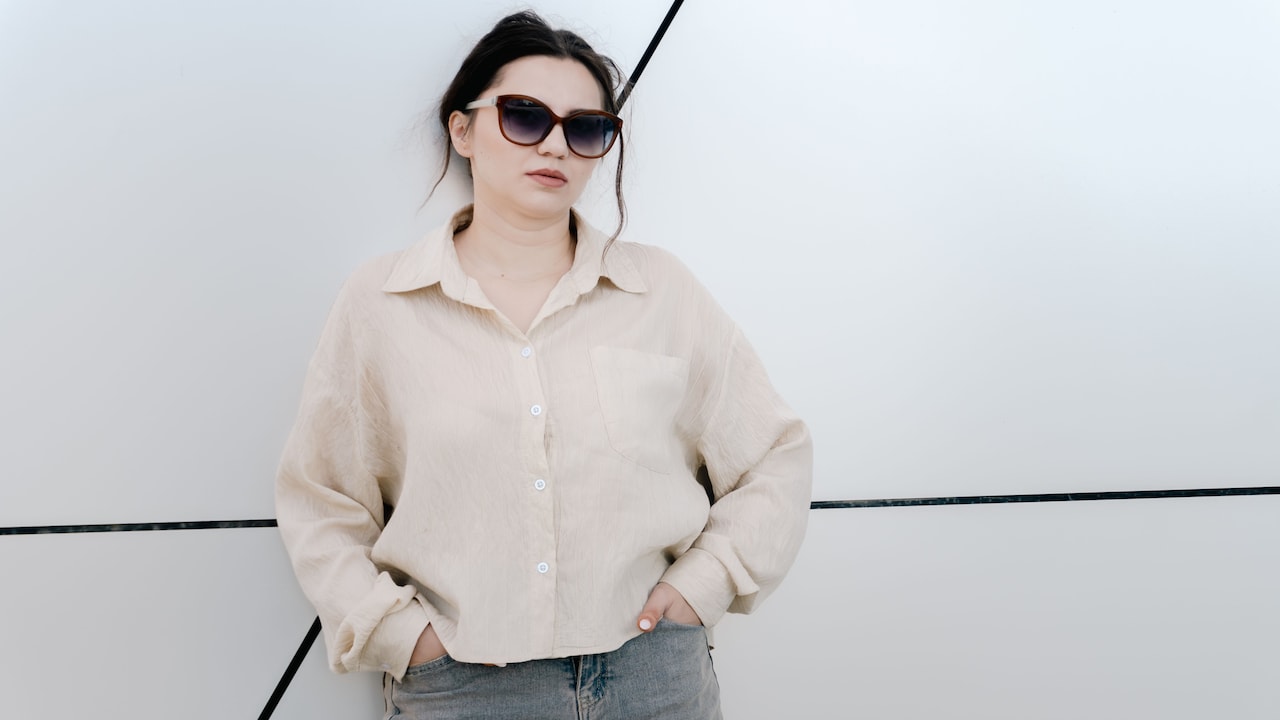
Consider an oversized button-down shirt with every button fastened. While this can work beautifully for a structured outfit, it may feel restrictive visually when the shirt has substantial volume.
Opening one or two buttons, where appropriate, can create a gentle V-shaped neckline and introduce some vertical definition.
Similarly, relaxed V-neck, scoop-neck and open-collar designs can help break up a broad fabric surface.
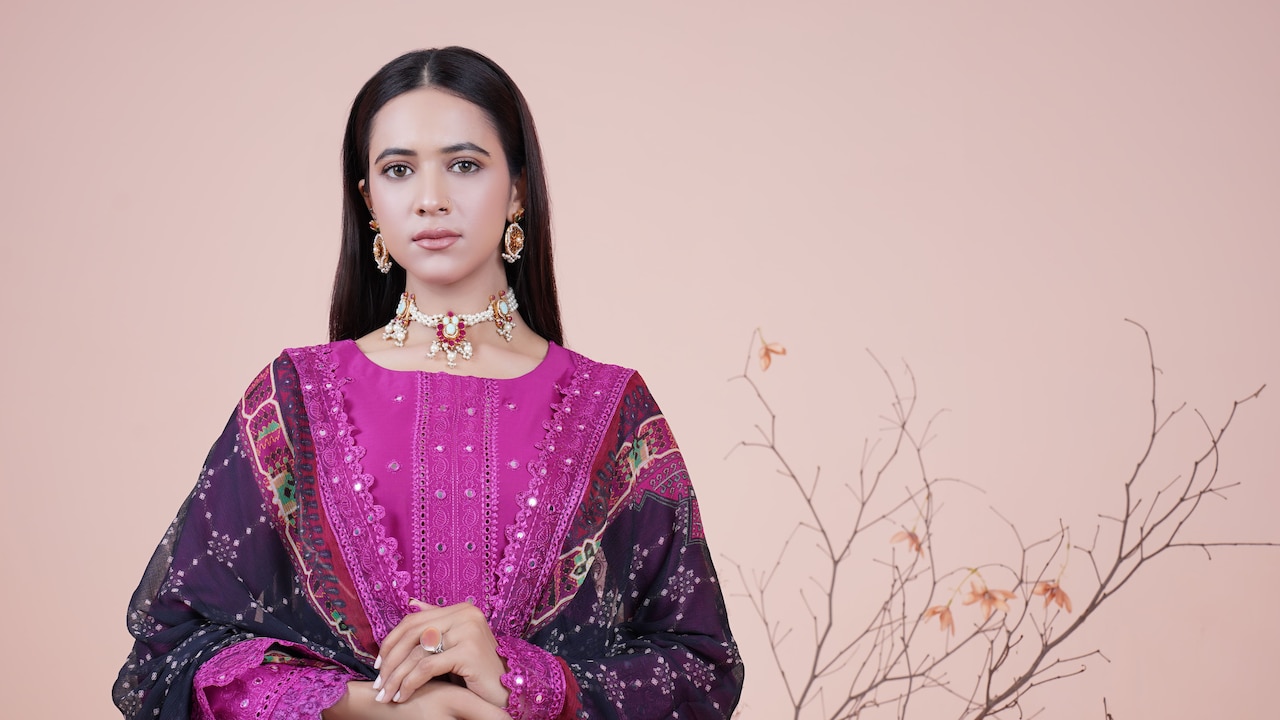
Accessories also matter. A delicate pendant or a longer necklace can draw the eye vertically without overwhelming the outfit.
However, neckline choices should always account for comfort and the occasion. A modest open collar can look just as intentional as a deeper neckline.
The goal isn't to expose more skin. It's to create visual breathing room so the top doesn't appear unnecessarily bulky around the neck and shoulders.
10 Styling Mistakes That Make Loose Tops Look Shapeless; Photo Credit: Pexels
7. Forgetting To Define The Waist When The Outfit Needs Structure
Loose tops offer freedom from restrictive waistlines, which explains much of their popularity. Yet, completely hiding the waist can sometimes make an outfit look larger or less structured than intended.
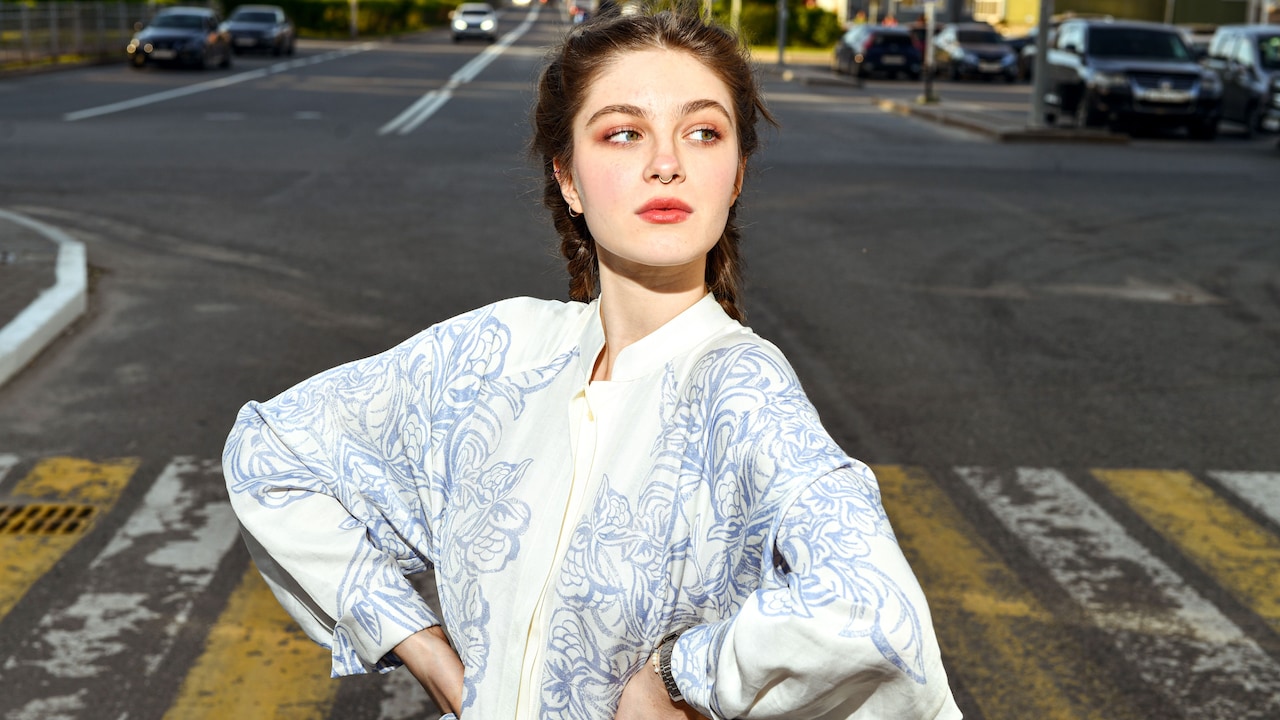
This becomes especially noticeable with long oversized shirts, kaftan-style tops and flowy blouses that have a similar width from shoulder to hem.
Without any interruption in the fabric, the garment may appear rectangular rather than deliberately relaxed.
A slim belt can introduce gentle waist definition, particularly over longer shirts or tunics. The belt doesn't need to sit tightly against the body. Even a loosely fastened design can create enough shape to change the overall appearance.
Alternatively, try a half tuck or choose bottoms with a visible, structured waistband.
Tops with side ties, wrap details or subtle elastic shaping offer another option for those who dislike conventional belts.
Placement matters too. A belt sitting slightly higher than the natural waist can change the perceived proportions of the torso and legs.
Not every loose top needs waist definition, though. Some minimalist outfits look best with a straight silhouette.
The trick is recognising when the absence of structure feels intentional and when it makes the outfit appear unfinished.
8. Overlooking Sleeve Length And Width
Sleeves rarely receive as much styling attention as necklines or hemlines, yet they can dramatically affect the appearance of loose tops.
When oversized sleeves extend beyond the wrists or gather around the hands, they can make the upper body appear bulky. Similarly, extremely wide sleeves may add volume around the arms and shoulders, particularly when the rest of the garment is equally loose.
Think of a relaxed shirt with long, billowing sleeves worn during a busy office day. Besides getting in the way, the excess material can make the entire outfit look less organised.
Rolling the sleeves to the forearms often creates an immediate improvement. It reveals the wrists, reduces fabric volume and gives the outfit a more deliberate finish.
For blouses with elasticated cuffs, adjusting the sleeves slightly higher can achieve a similar effect.
Three-quarter sleeves can also work particularly well with loose tops because they leave part of the forearm visible.
However, sleeve width should complement the garment's overall design. Dramatic balloon sleeves can look attractive when balanced with a simpler neckline or more streamlined bottoms.
Before dismissing a loose top as shapeless, try adjusting its sleeves. That small change may be all the outfit needs.
9. Choosing Accessories That Add More Volume Instead Of Balance
Accessories can complete an outfit, but they can also make an already oversized silhouette feel unnecessarily crowded.
A loose printed blouse, chunky necklace, oversized scarf and large slouchy handbag might all look stylish individually. Together, however, they can overwhelm the outfit and make its proportions difficult to distinguish.
This doesn't mean accessories should always remain minimal. The aim is to create a clear focal point rather than letting several oversized elements compete for attention.
For example, a relaxed plain shirt can look elegant with medium-sized hoop earrings, a structured crossbody bag and simple sandals.
If the top features a bold print or dramatic sleeves, smaller accessories may allow those details to stand out.
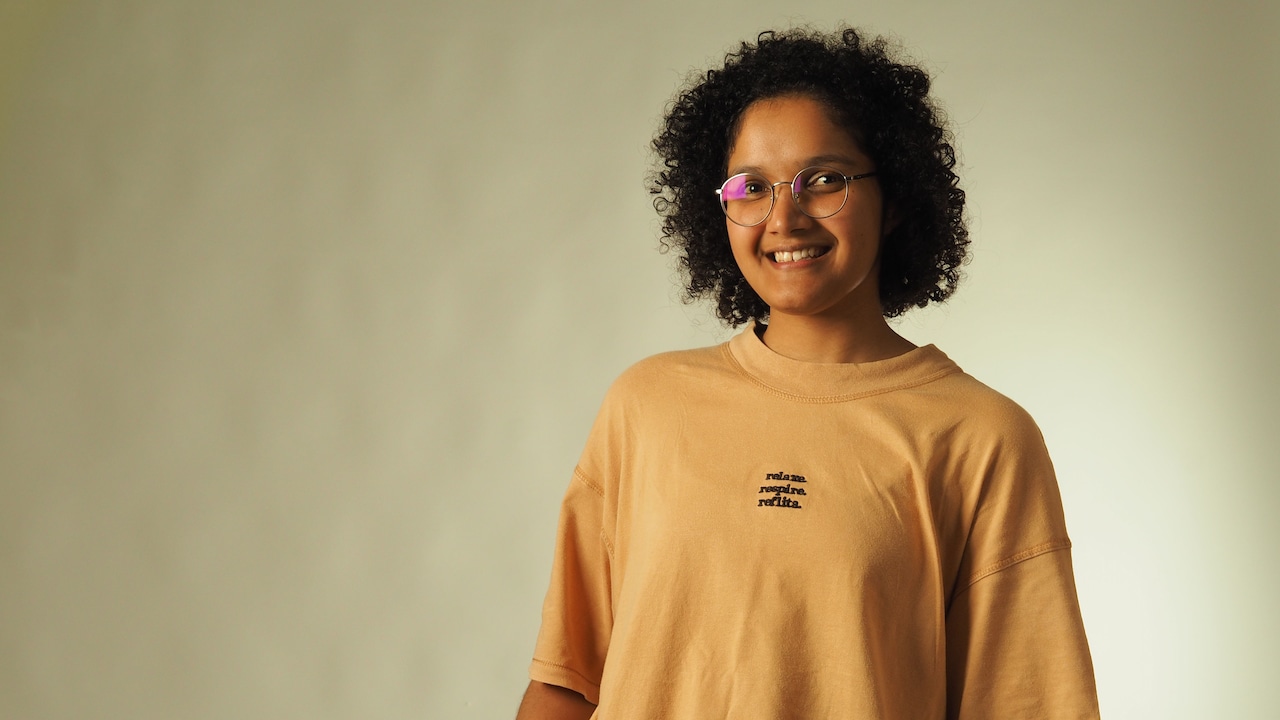
Conversely, a plain oversized T-shirt can benefit from a statement watch, layered necklaces or a colourful handbag.
Bag shape also deserves consideration. A structured tote can introduce clean lines alongside a flowy outfit, while a very large, unstructured shoulder bag may add another layer of visual bulk.
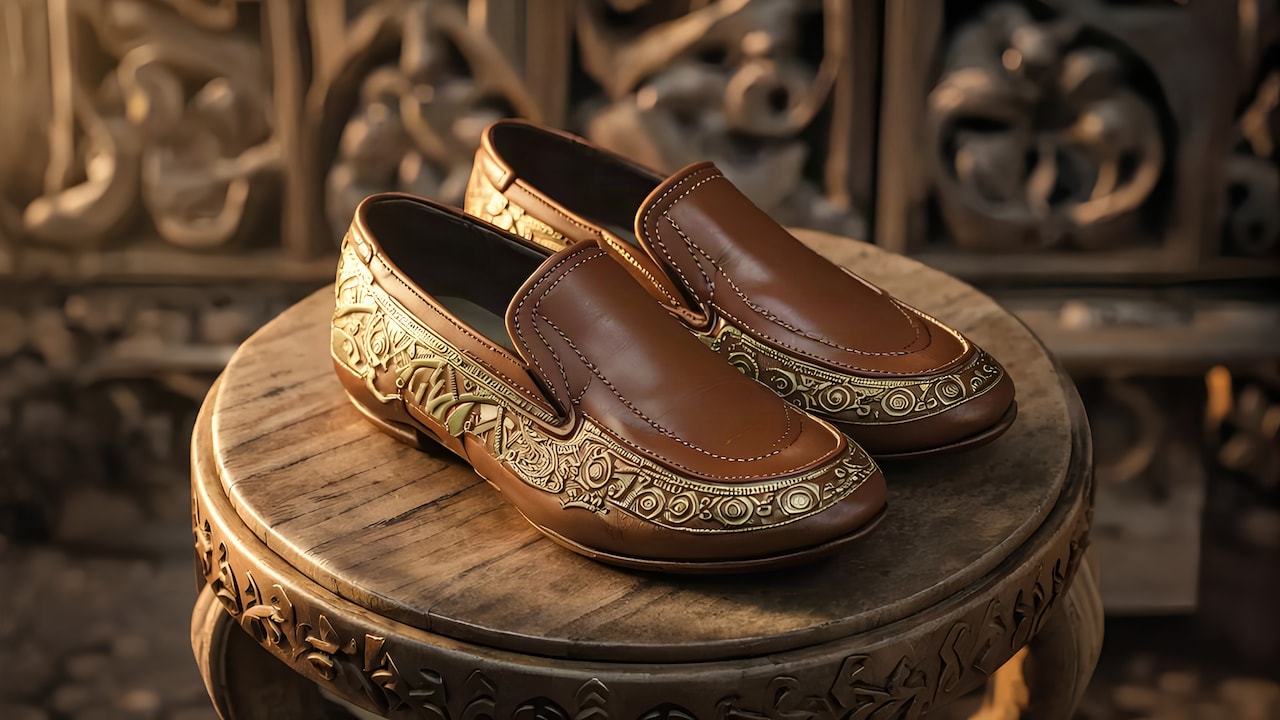
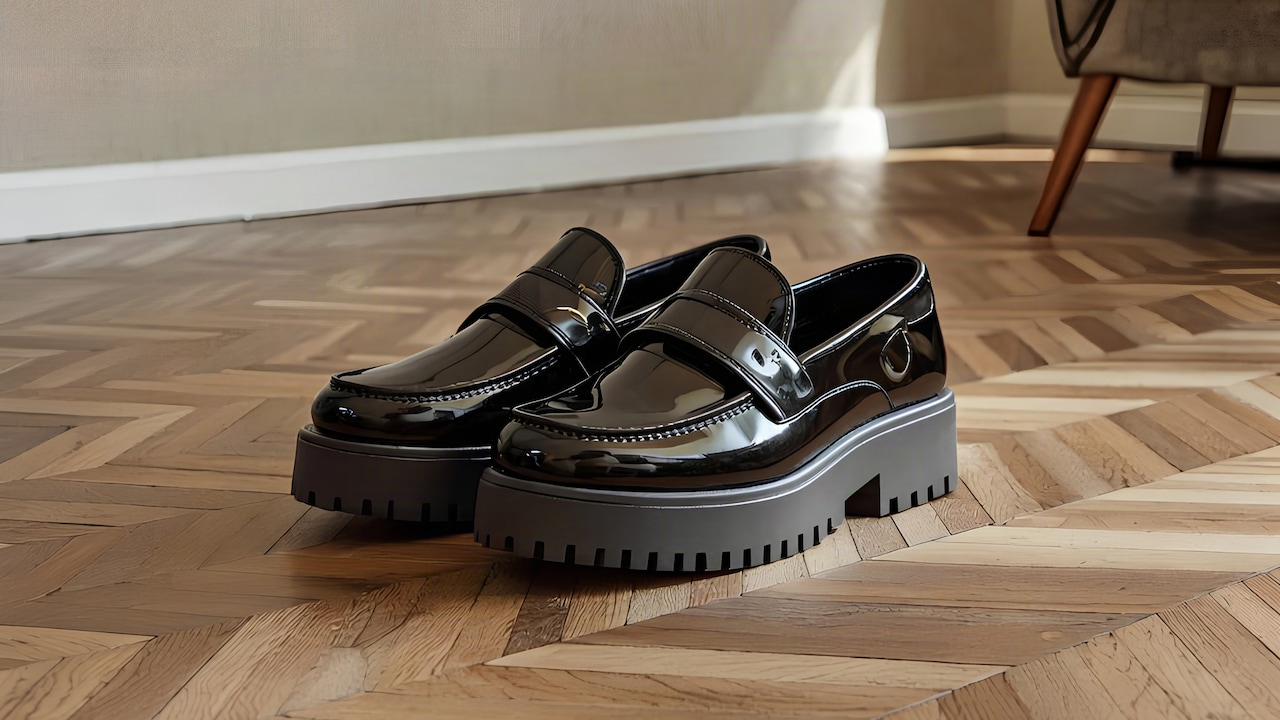
Footwear can help establish balance too. Sleek loafers, pointed flats or streamlined trainers can provide a neat finish.
Ultimately, accessories should support the outfit's proportions rather than compete with them.
10. Ignoring The Overall Silhouette Before Leaving Home
One of the easiest styling mistakes is judging individual pieces instead of examining how the entire outfit comes together.
A loose top may look beautiful on its own. The trousers might fit perfectly, and the shoes may be favourites. Yet, the combination can still feel shapeless when the lengths, textures and proportions don't complement one another.
This frequently happens when dressing in a hurry. An oversized T-shirt, relaxed jeans and flat sandals may feel comfortable, but the outfit can lack a clear focal point if every element has a similarly relaxed shape.
A quick full-length mirror check can make a difference.
Notice where the outfit creates volume. Does the fabric gather excessively around the waist? Do the sleeves overwhelm the hands? Does the top conceal the waistband entirely?
Sometimes, replacing wide-legged bottoms with straight jeans improves the balance. On other occasions, simply rolling the sleeves or changing the footwear creates a cleaner appearance.
Colour combinations can also affect the silhouette. Monochromatic outfits often create visual continuity, while contrasting colours can highlight particular sections.
There's no need to follow rigid body-shape rules or abandon comfortable clothing.
A successful loose-top outfit should feel intentional, suit the occasion and allow enough freedom to move comfortably throughout the day.
Products Related To This Article
1. H&M Loose-Fit Cotton Top
2. Maaesa Women Green Hand Tie & Dyed Casual Loose Fit Short Sleeve Rayon Top
3. SAFFE Solid Ribbed Round Neck Loose Fit Casual Top
4. StyleCast X Suo Women Bow Detail Loose Fit Short Sleeve Collared Top
5. GAP Women Cotton V-Neck Loose Fit Top
6. Suo Women Cotton Colourblock Drop Shoulder Loose Fit Top
7. Globus Women Blue Frill Detail V-Neck Puff Sleeves Striped Loose Fit Workwear Top
Loose tops don't have to look shapeless, and achieving a polished appearance doesn't require sacrificing comfort. Often, the difference comes down to small details such as sleeve length, fabric drape, waist definition and the balance between upper and lower garments.
A simple front tuck, a better neckline or a change of trousers can transform an outfit without demanding an entirely new wardrobe. More importantly, oversized clothing shouldn't follow one universal styling formula. What works for a crisp office shirt may not suit a flowing weekend tunic.
The best approach is to experiment with proportions, understand how different fabrics behave and make adjustments that feel natural. After all, loose clothing should offer freedom of movement, not leave the wearer feeling lost beneath layers of fabric.
(Disclaimer: This article may include references to or features of products and services made available through affiliate marketing campaigns. NDTV Convergence Limited (“NDTV”) strives to maintain editorial independence while participating in such campaigns. NDTV does not assume responsibility for the performance or claims of any featured products or services.)