How To Match Footwear To A Groom's Sherwani
Unsure which shoes suit a groom's sherwani? Learn how to match mojaris, jootis, loafers and more by colour, fabric and venue, so every step looks wedding ready.
How To Match Footwear To A Groom's Sherwani
A sherwani does most of the talking on a wedding day, but the shoes quietly decide if the entire look comes together. A wrong pair and even a beautifully embroidered outfit look incomplete. Pick the right one, and the groom looks sharp from turban to toe. The good news is, once you know what to look for, matching shoes aren't hard to find. Colour, fabric, embroidery and type of ceremony all play a role. This is a simple guide to help any groom make his selection of shoes with confidence.
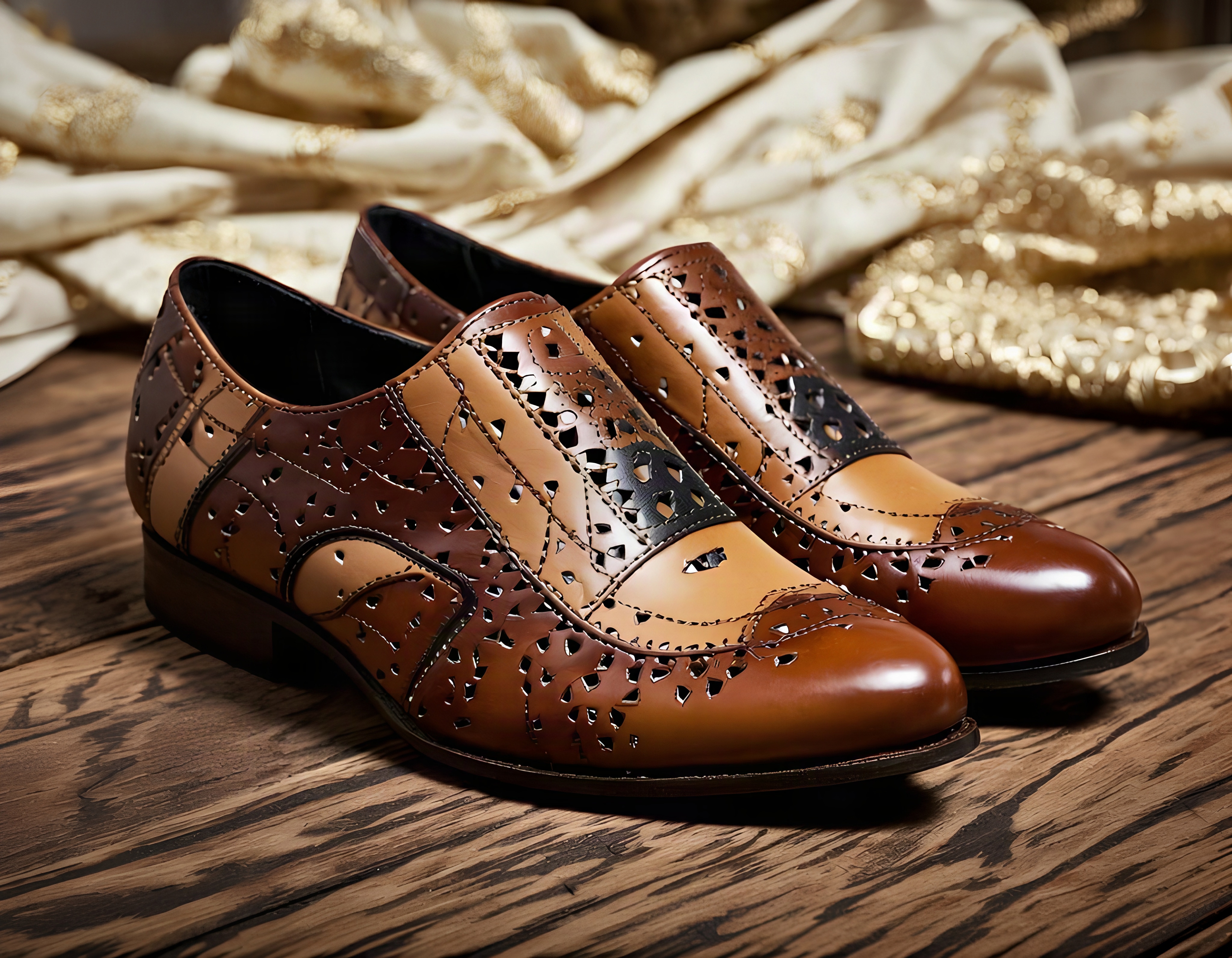
Which Footwear Works Best With A Groom's Sherwani
Photo Credit: iStock
Most grooms spend weeks on the sherwani and minutes on the shoes. Usually that order backfires. Footwear will be visible at every step, every ritual, and in every photo, from pheras to reception. So it deserves the same care as the fabric and fit. Start with the basics below, then move to finer details that make the pair feel made for the outfit.
Which Footwear Works Best With A Groom's Sherwani
Traditional footwear usually wins here, as it has the same craft roots as the outfit. You can also use modern choices, but you need to be careful and keep them simple. Here's how the main styles stack up.
1. Mojaris And Jootis
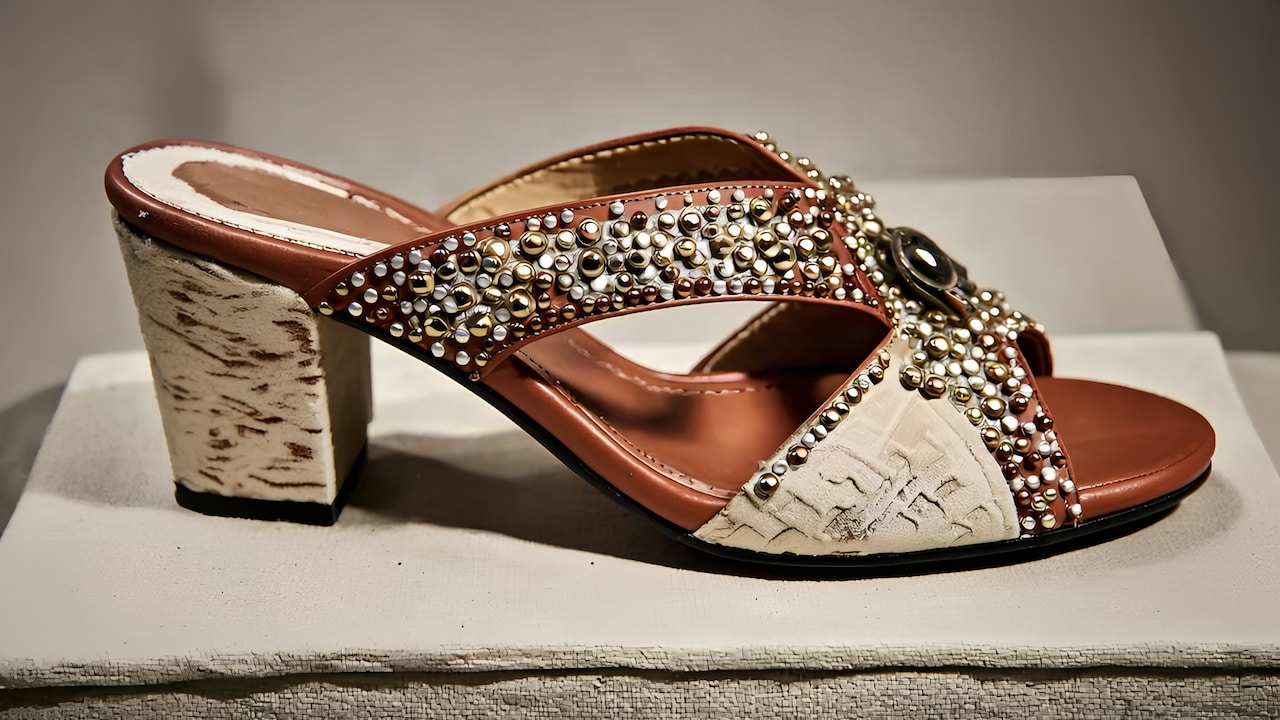
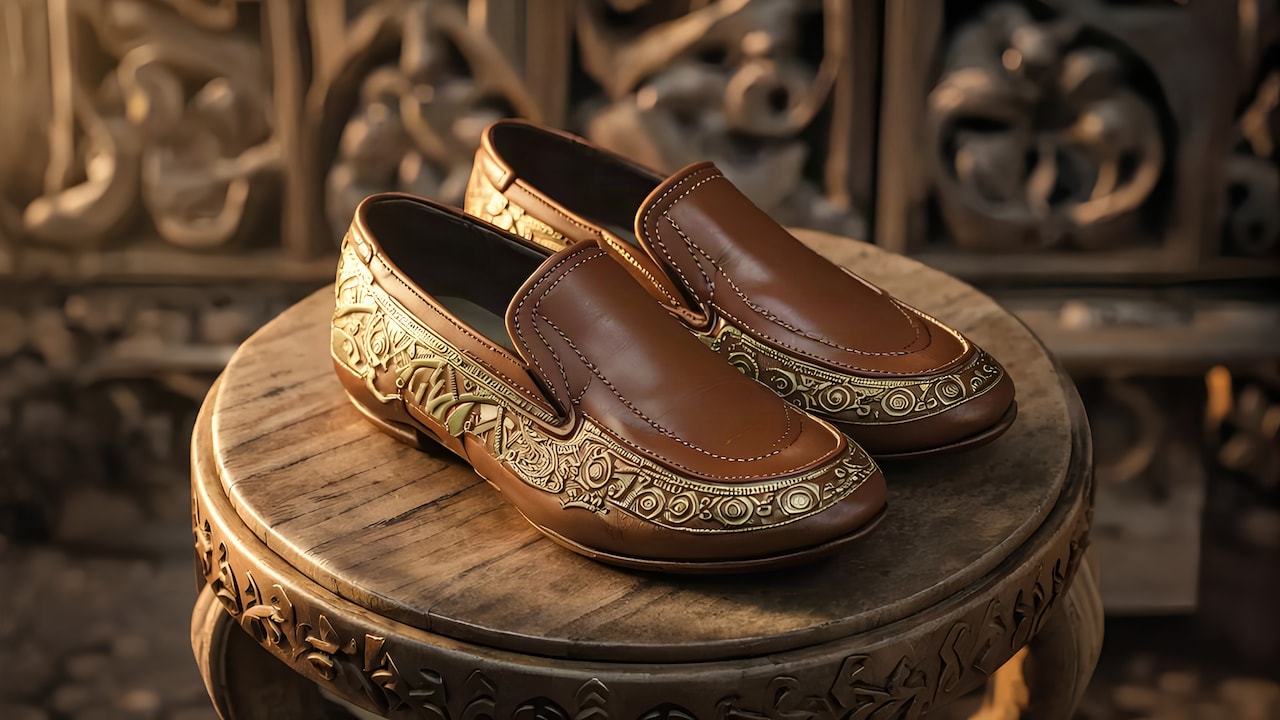
These are the safest options for most guys. The pointed toe and handwork mimic the embroidery on a sherwani, so nothing feels out of place. Zari, resham and velvet finishes are very suitable for the main ceremony, and they make photographs beautiful from all angles.
2. Loafers And Slip-Ons
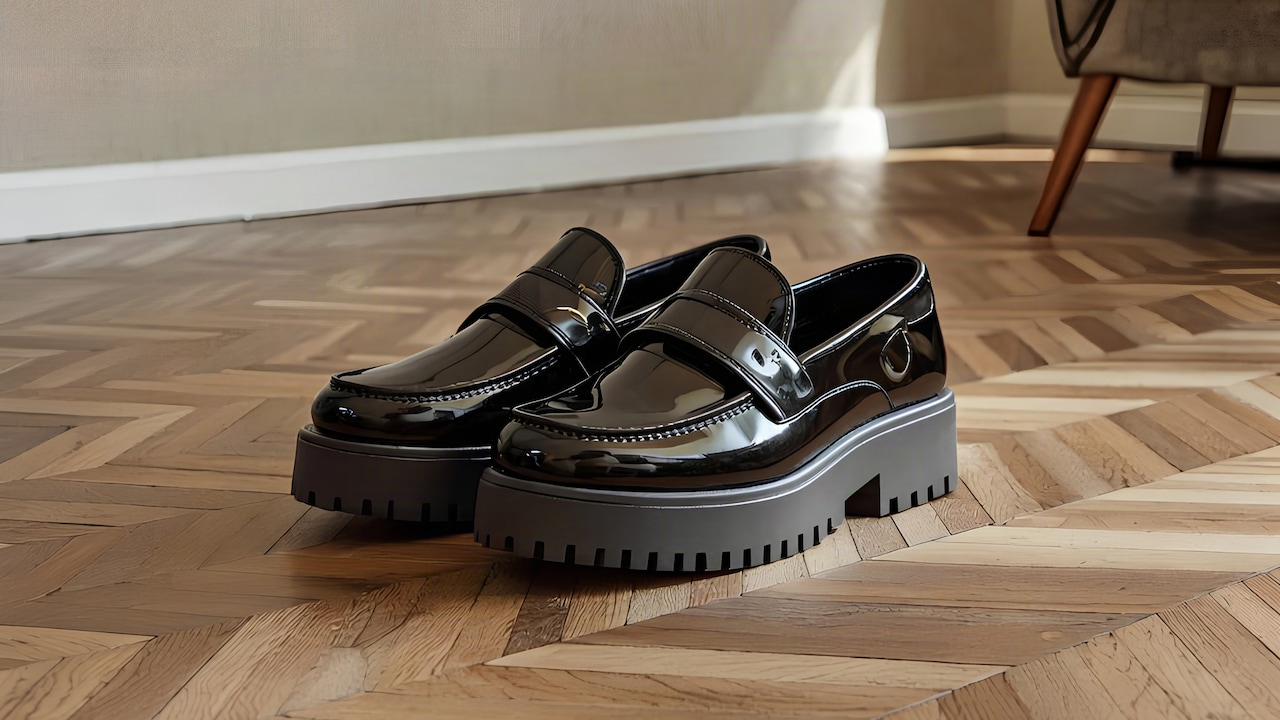
If the groom wants a sleeker, more modern look, embellished loafers are a great option. Go for a plain shade of patent leather or velvet. Lace-up shoes should be avoided, as they tend to clash with the flowing length of a sherwani.
3. Kolhapuris And Sandals
The Kolhapuris feel right at home at the haldi or mehendi, where the outfits are lighter and the mood is relaxed. They are less fitted to the wedding itself. Save them for daytime events and go for a pair in a softer tan or cream.
How To Match Shoe Colour With A Sherwani
Colour is where most mistakes are made. One simple rule goes a long way. Blend in with the sherwani or contrast with it on purpose, but never fall somewhere in the middle.
1. Gold And Ivory
Gold, tan or cream footwear goes well with light Sherwanis. If the shoes have metallic embroidery, try to match it with the thread on the sherwani. That little link makes the whole look seem planned, not random.
2. Maroon, Navy And Black
Deep shades of Sherwanis look striking with antique gold or brass shoes. A black sherwani can be of black velvet or bronze. Plain brown looks flat against rich dark fabric and is best left in the cupboard.
What To Check Before You Buy
A pair can look perfect in the shop and feel miserable by the third ritual. A few quick checks can save you a lot of trouble later on.
1. Embroidery And Fabric
Ensure that the detailing on the shoes is lighter than the sherwani. A heavily worked outfit needs a simpler pair. A simpler sherwani can take richer shoes to bring in the missing interest.
2. Comfort For Long Hours
Weddings mean hours of standing, walking and sitting cross-legged. You want padded insoles and a firm heel grip. First, break them in around the house for a few days to soften the leather before the big day.
3. Venue And Season
Consider the ground, not just the outfit. Outdoor lawns and beach venues require lighter soles with a decent grip. Winter ceremonies permit closed, lined shoes; summer weddings require breathable leather or soft fabric.
Also Read: Top 5 Loafers To Pair With Both Jeans And Kurtas Under ₹3,000
Small Styling Tricks That Make A Big Difference
Socks are more important than people think. Thin, skin-toned or matching pairs work best, since a churidar can ride up when you sit. Tie the whole look together by matching the shoes to the turban stole or brooch, repeating one metal or one shade on them. Polish the leather the night before, and keep a soft cloth on hand for quick touch-ups. A spare pair in the car is also a good idea in case of mud or a spill. And finally, check the shoes in the same light as the sherwani, as colours can change between daylight and a mandap lamp.
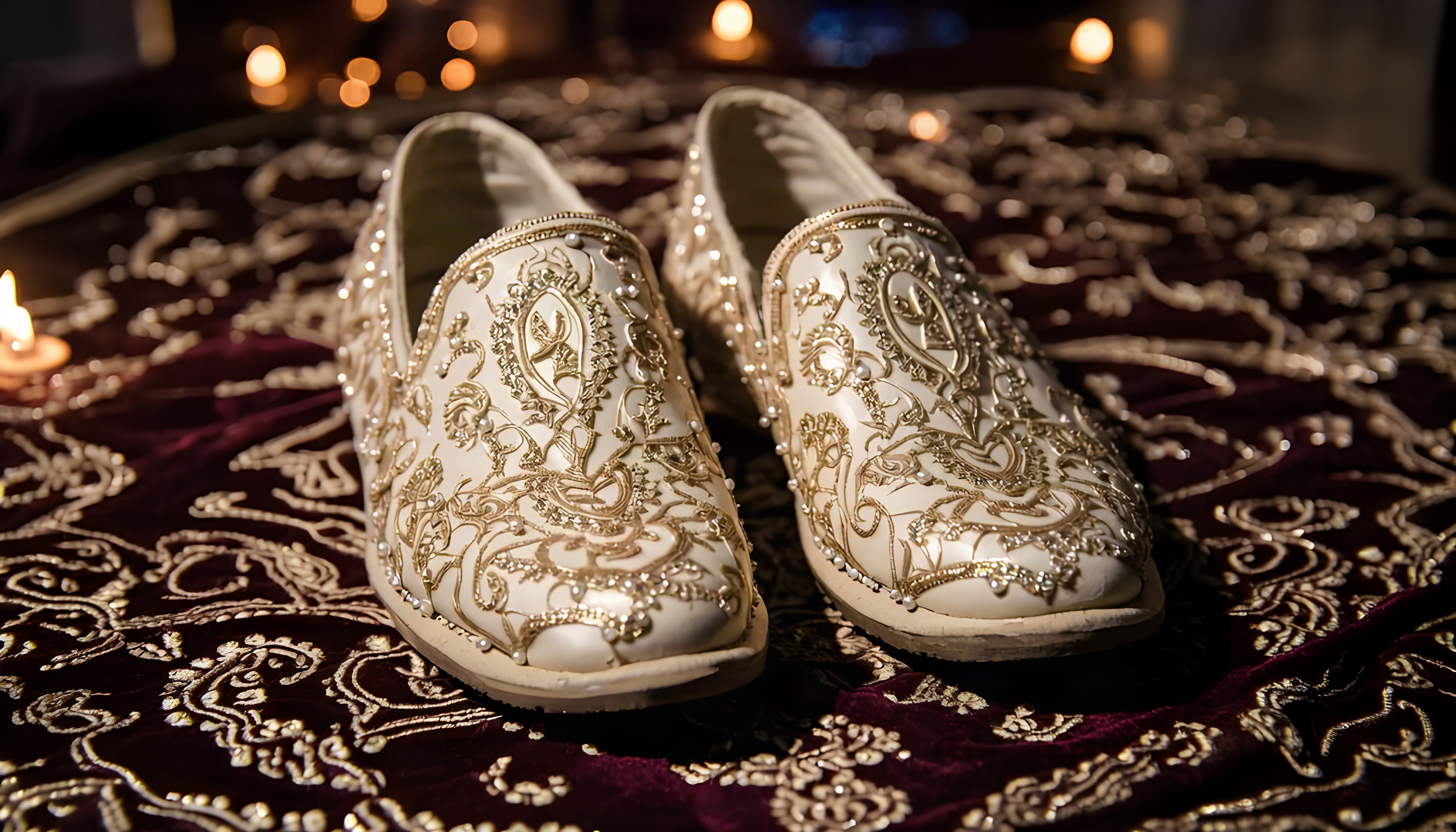
Some Footwear Options You May Like
Photo Credit: iStock
Some Footwear Options You May Like
1. FAUSTO Men Mojari
2. IndieStride Men's Jute Juti Loafer
3. Centrino Formal Shoes for Men
4. Karaddi 5082 Men's Loafer
5. Generic Mens Sherwani Jutti Traditional Ethnic Wedding Indian Shoes Mojari Shoes
6. DFR Men's Jute Juti
7. DESI COLOUR Men Mojari/Sherwani/Loafer
8. BIGBOON Men's Ethnic Nagra Shoes
The right footwear can elevate a groom's sherwani just as much as the outfit itself. From traditional mojaris and juttis to embroidered loafers and sleek ethnic sandals, your choice should complement the sherwani's color, embroidery, and overall level of formality. While style is important, comfort should not be overlooked, especially when you'll be on your feet for long hours during ceremonies and celebrations. By selecting footwear that balances tradition, aesthetics, and practicality, you can complete your wedding look with confidence and ensure every detail feels polished, coordinated, and celebration-ready.
Frequently Asked Questions (FAQs)
1. Which shoes are best for a groom's sherwani?
Mojaris and jootis are the safest choice, as they suit almost every sherwani style. Embellished loafers also work well for a groom who wants a more modern look on the day.
2. Should the shoes match the sherwani exactly?
Not exactly. It is better to match the tone or pick a clear contrast. Gold, cream and tan suit most sherwani colours without much fuss.
3. Can a groom wear sneakers with a sherwani?
Designer sneakers are popular at sangeet or reception parties, but they can look too casual at the main ceremony. If you go for them, pick plain, premium pairs in white or gold.
4. What colour shoes suit a red or maroon sherwani?
Gold, antique brass and cream look rich with deeper shades. Black can work too if the embroidery on the outfit is dark.
5. How early should a groom buy his wedding shoes?
Try to buy them at least three weeks ahead. That leaves enough time to break them in, fix any sizing issue and polish them before the wedding.
(Disclaimer: This article may include references to or features of products and services made available through affiliate marketing campaigns. NDTV Convergence Limited (“NDTV”) strives to maintain editorial independence while participating in such campaigns. NDTV does not assume responsibility for the performance or claims of any featured products or services.)