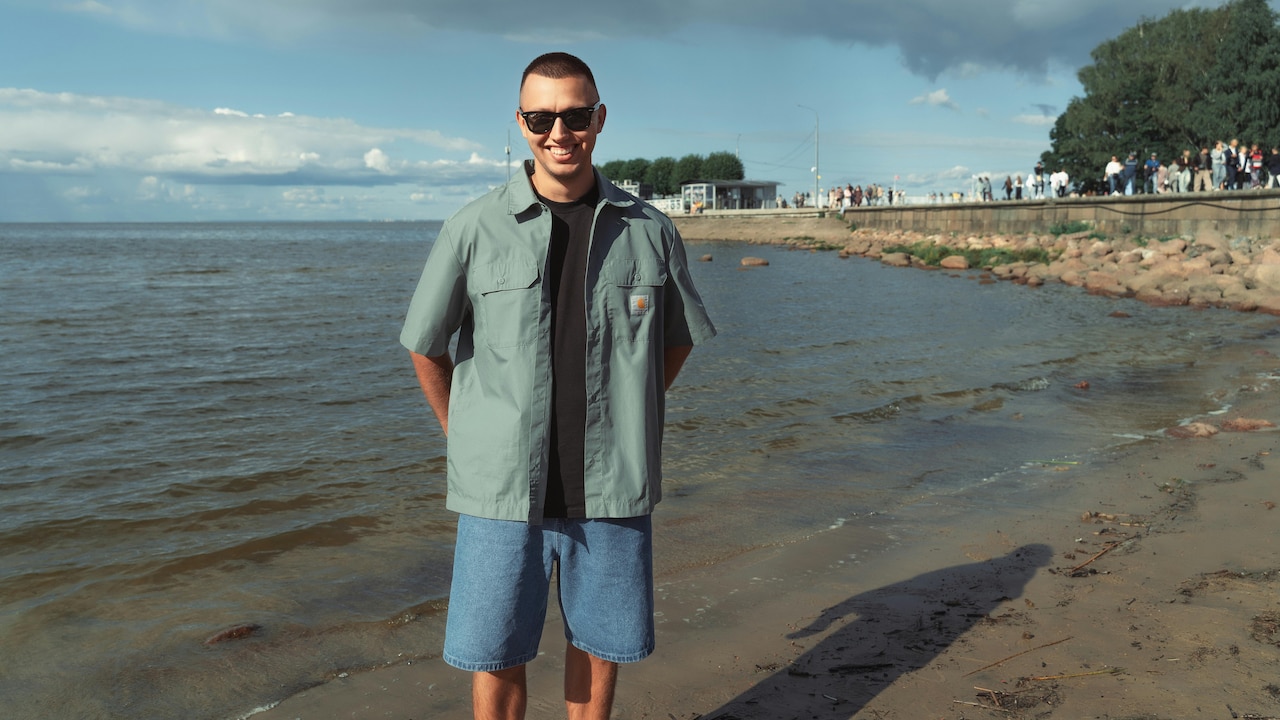
Do Gradient Sunglasses Really Protect Your Eyes or Just Look Good?
Gradient sunglasses look stylish, but do they really protect your eyes? This article explains how gradient lenses work, what UV protection actually means, and how to choose a pair that keeps your eyes safe.
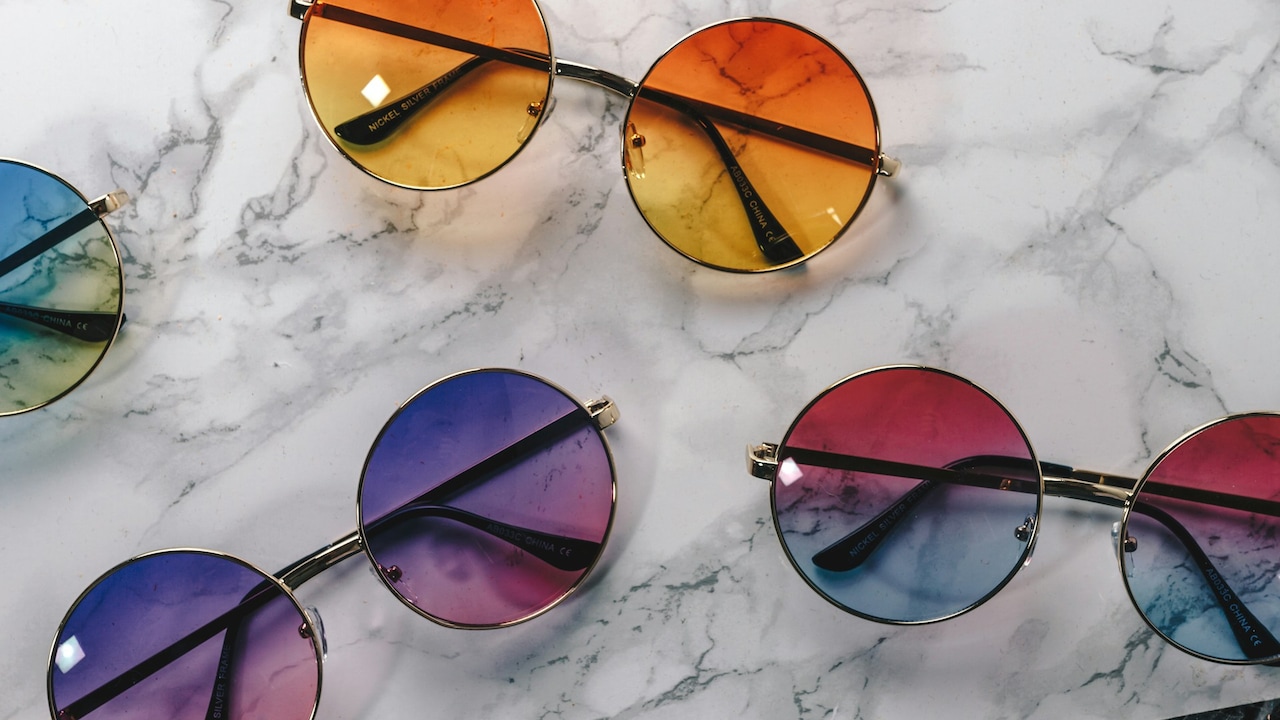
Do Gradient Sunglasses Protect Your Eyes? Here Is The Hidden Truth About Gradient Sunglasses.
Sunglasses rarely feel like a medical decision. They usually enter life during a shopping spree, a holiday plan, or a sudden realisation that the afternoon sun feels unforgiving. Among mirrored lenses, classic blacks, and tinted browns, gradient sunglasses stand out for their subtle fade from dark to light. They look relaxed, slightly glamorous, and easy on the eyes, at least at first glance. Yet eyes remain delicate. Harsh sunlight, long hours outdoors, dusty roads, and reflective surfaces all put pressure on vision. Many people assume darker lenses equal better protection, while others believe any pair labelled “UV” solves the problem. Gradient lenses sit somewhere in the middle, often misunderstood.
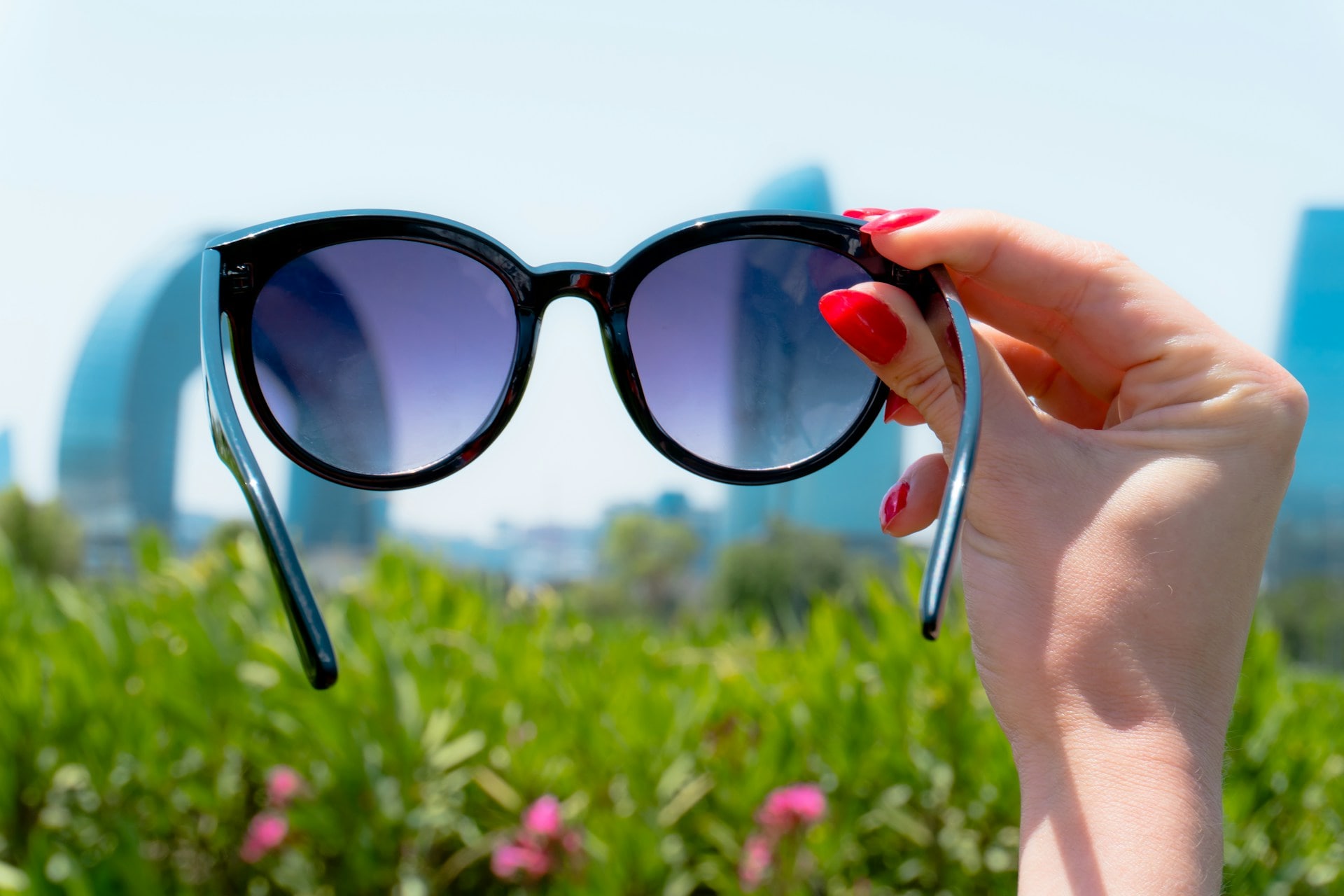
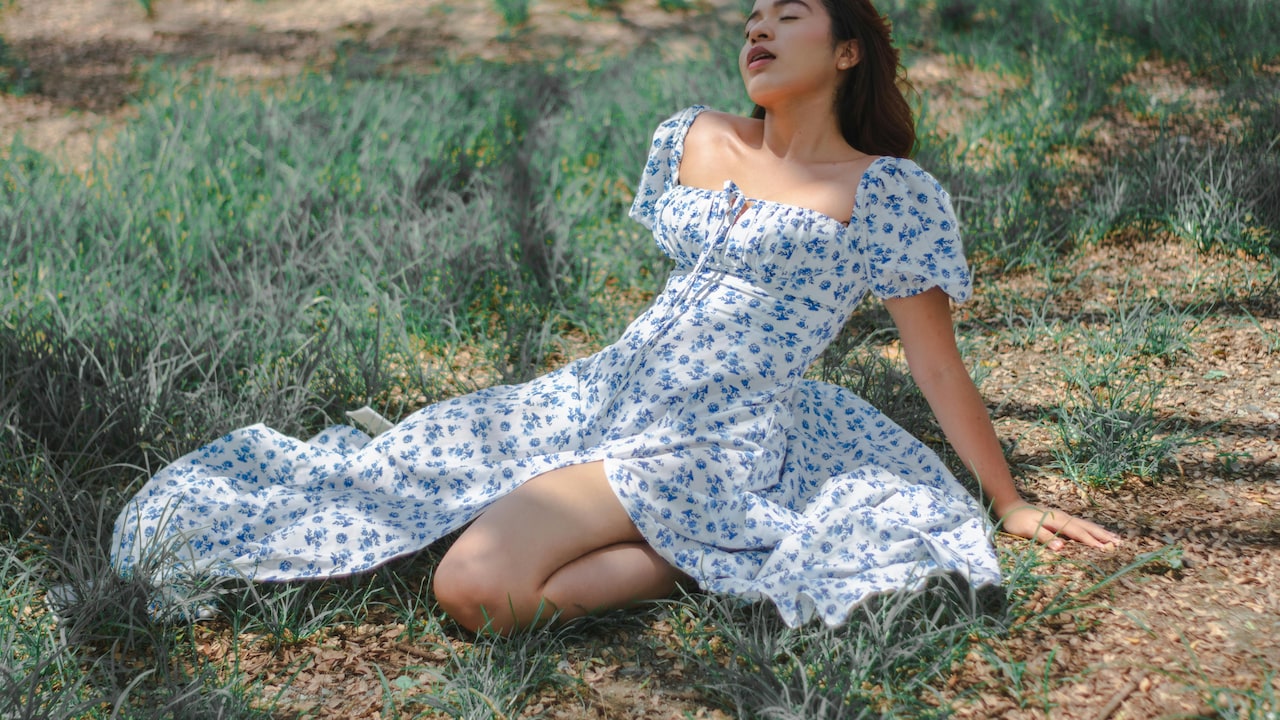
Here's everything you need to know about gradient sunglasses for eyes; Photo Credit: Unsplash
This piece explores how gradient sunglasses work, what kind of protection they offer, and when they help or fall short. The aim stays simple: clear doubts, add clarity, and help readers protect their eyes without sacrificing style or comfort.
Also Read: Polarised Sunglasses vs Non-Polarised: Which Ones Work Best To Protect Your Eyes?
What You Need to Know Before Trusting Gradient Sunglasses
1. Understanding Gradient Sunglasses Beyond the Style
Gradient sunglasses feature lenses that remain darker at the top and gradually turn lighter towards the bottom. This design feels intentional rather than decorative. The darker upper half blocks intense overhead sunlight, while the lighter lower half allows clearer vision for reading, walking, or checking a phone.
This balance explains why many people find gradient lenses comfortable during long days outdoors. They reduce squinting while still letting the world look natural. For drivers, the darker top shields the eyes from glare coming through the windscreen, while the lighter bottom helps with dashboards and navigation screens.
However, comfort does not automatically equal protection. The gradient effect controls brightness, not eye safety. Protection depends on what the lens blocks, not how it fades. Many stylish pairs skip proper UV coatings entirely.
Understanding this difference matters. Gradient sunglasses can feel pleasant and still allow harmful rays to pass through. The design helps with light management, but eye health relies on UV filtration. Without that, the fade becomes little more than visual flair.
2. UV Protection: The Real Measure of Eye Safety
When sunlight hits the eyes, ultraviolet rays cause the most damage. Over time, exposure links to issues like cataracts, retinal damage, and long-term vision decline. Good sunglasses block 99–100% of UVA and UVB rays. Anything less leaves the eyes vulnerable.
Gradient sunglasses offer no inherent UV protection simply because of their colour pattern. A cheap pair bought for ₹300 from a roadside stall may look fashionable but allow UV rays straight through. Worse, darker lenses without UV protection can cause pupils to dilate, letting in even more harmful rays.
This misconception trips up many shoppers. The darkness of the lens feels reassuring, yet darkness alone offers no safety guarantee. Only a UV400 label or certification ensures proper protection.
The lesson remains simple. Gradient lenses protect eyes only when they include full UV filtering. Without it, they may look good while silently doing harm. Always check labels, ask questions, and avoid assumptions based on shade or tint.
3. Why Gradient Sunglasses Feel Easier on the Eyes
Comfort plays a huge role in why gradient sunglasses remain popular. The gradual fade reduces visual strain. Eyes adjust naturally as light changes across the field of vision. Sharp, uniformly dark lenses can sometimes feel oppressive, especially during long wear.
The lighter lower half makes tasks like reading menus, checking messages, or browsing shops more comfortable. This design suits everyday life, where people move between sunlit streets and shaded interiors.
For those who spend hours outdoors, walking, commuting, or attending open-air events, gradient lenses reduce fatigue. Eyes feel less stressed, and the world appears softer.
That said, comfort should complement protection, not replace it. A comfortable lens without UV filtering still risks long-term damage. The best gradient sunglasses combine visual ease with certified protection, allowing wearers to enjoy both clarity and safety.
4. Driving and Gradient Sunglasses: A Practical Match
Driving demands focus. Harsh sunlight, reflections off windscreens, and changing light conditions all challenge the eyes. Gradient sunglasses often suit drivers well because they darken the upper field of vision while keeping the lower field clearer.
This balance helps reduce glare from the sky and overhead sun, while still allowing easy reading of dashboards and road signs. Many drivers report feeling less tired during long journeys when wearing gradient lenses.
However, problems arise when the lenses lack polarisation or proper UV protection. Glare from wet roads or metallic surfaces may persist. Eye strain can creep in over time.
For regular drivers, gradient sunglasses with UV400 protection and polarised lenses offer the best experience. They reduce glare, protect eyes, and maintain visual clarity. Without these features, gradient sunglasses remain a partial solution at best.
5. Fashion Versus Function: Striking the Right Balance
Gradient sunglasses thrive in the fashion world. Celebrities, influencers, and glossy advertisements present them as effortless style staples. The fade effect flatters most face shapes and pairs well with both casual and formal outfits.
Yet fashion-led choices sometimes ignore function. Oversized frames may look dramatic but allow sunlight to leak in from the sides. Poor-quality lenses may distort vision or cause headaches after prolonged wear.
Smart choices blend style with science. Well-fitted frames, proper lens curvature, and UV-certified coatings matter more than logos or trends. Spending ₹2,000–₹4,000 on a reliable pair often offers better value than replacing cheap sunglasses every season.
Style never needs to come at the cost of eye health. The best gradient sunglasses prove that fashion and protection can coexist comfortably.

Gradient sunglasses are a fashion staple for every face shape; Photo Credit: Pexels
6. Are Gradient Sunglasses Suitable for All-Day Wear?
Many people slip on sunglasses in the morning and forget to remove them until sunset. For all-day wear, lenses must support eye health, comfort, and adaptability.
Gradient sunglasses work well in varied lighting conditions. The fade allows smooth transitions from bright outdoors to shaded areas. Eyes feel less shocked by sudden changes in light.
However, issues arise when light levels drop significantly. During late evenings or cloudy weather, the darker top portion may reduce visibility. This matters especially while driving or walking in poorly lit areas.
Choosing the right tint intensity helps. Lighter gradients suit daily use better than dramatic fades. Pairing them with anti-reflective coatings further improves comfort.
All-day wear feels safe and pleasant when gradient sunglasses balance tint, UV protection, and real-world practicality.
7. Common Myths Around Gradient Sunglasses
Several myths surround gradient sunglasses, leading to poor decisions. One common belief suggests darker lenses always offer better protection. In reality, UV protection depends on coatings, not colour depth.
Another myth claims gradient sunglasses suit only fashion-conscious wearers. In truth, their design serves functional purposes, especially for driving and extended outdoor use.
Some believe eye damage happens only during peak summer months. UV rays affect the eyes even on cloudy days and during winter sunlight. Sunglasses remain relevant year-round.
Breaking these myths empowers smarter choices. Understanding what gradient sunglasses can and cannot do keeps eyes safer while maintaining style.
8. Choosing the Right Gradient Sunglasses for Daily Life
Buying the right pair requires attention to detail. Start with UV400 protection. This feature matters more than brand names or discounts.
Next, consider lens colour. Brown and grey gradients offer natural colour perception and suit most activities. Blue or pink gradients may look stylish but sometimes distort contrast.
Frame fit also matters. Sunglasses should sit comfortably without pressing on temples or sliding down the nose. Wraparound designs offer extra protection against side glare.
Budget wisely. Reliable gradient sunglasses range widely in price. Spending slightly more upfront often reduces long-term costs linked to eye strain or replacements.
A thoughtful purchase supports both eye health and everyday comfort.
9. Eye Health in a Sun-Soaked Environment
Sun exposure forms part of daily life. From bustling streets to weekend getaways, eyes face constant light, dust, and heat. Long-term neglect takes a toll.
Wearing proper sunglasses reduces cumulative damage. Gradient lenses, when chosen wisely, support this effort by managing brightness while protecting against UV rays.
Eye care also extends beyond sunglasses. Regular eye check-ups, hydration, and limiting screen glare all contribute to healthier vision.
Sunglasses represent one piece of a larger puzzle. Choosing them carefully signals respect for long-term eye health, not just immediate comfort.
10. When Gradient Sunglasses May Not Be Enough
Despite their benefits, gradient sunglasses do not suit every situation. High-altitude travel, water sports, or intense midday exposure often require full-coverage, uniformly dark lenses.
Certain medical conditions also demand specialised eyewear. People with light sensitivity or post-surgery recovery may need prescription-grade protection.
Recognising limitations prevents disappointment. Gradient sunglasses work best for everyday urban use, driving, and casual outdoor activities.
Understanding when to switch to stronger options ensures eyes remain protected in all environments.
Products Related To This Article
1. Roadster The Lifestyle Co Unisex Gradient Lens Wayfarer Sunglasses
2. HASHTAG EYEWEAR Unisex UV Protected Lens Aviator Sunglasses
3. Secret Lives Unisex UV400 Protection Gradient Polycarbonate Lens Plastic Sunglasses
4. Ray-Ban RAY-BAN Unisex Gradient Grey Lens Phantos Sunglasses
5. Vogue Eyewear Women Gradient Blue Lens Butterfly Sunglasses
Gradient sunglasses strike a delicate balance between comfort and style. Yet their protective power depends entirely on what lies beneath the fade. Without proper UV protection, even the most stylish gradient lenses fall short. With certified coatings, good fit, and thoughtful design, they become reliable companions for daily eye care. Choosing sunglasses should feel empowering, not confusing. With a little awareness, gradient sunglasses can protect eyes.
(Disclaimer: This article may include references to or features of products and services made available through affiliate marketing campaigns. NDTV Convergence Limited (“NDTV”) strives to maintain editorial independence while participating in such campaigns. NDTV does not assume responsibility for the performance or claims of any featured products or services.)