Myth or Fact: Do Stretch Denim Jeans Tear Faster Than Regular Jeans?
Do stretch denim jeans really tear faster than regular ones? This article separates myth from fact, exploring fabric science, fit, care habits and everyday wear to reveal what truly affects durability.

Do Stretch Denim Jeans Tear Faster Than Regular Jeans? Fabric Facts Explained.
Few wardrobe staples spark as much loyalty as a good pair of jeans. From crowded metro rides to long road trips to Goa, denim travels everywhere. Over the past decade, stretch denim has taken over shop floors, offering comfort that traditional rigid jeans rarely match. Slip into a pair with elastane, and the difference feels immediate. The fabric moves. The knees bend easily. Sitting cross-legged at a family gathering no longer feels like a wrestling match.
Still, a lingering suspicion shadows that comfort. Some shoppers claim stretch denim gives up sooner. Tiny tears appear near the thighs. Knees thin out. The seat loses strength. Meanwhile, old-school rigid denim often survives for years, softening rather than splitting.
So, is stretch denim weaker by nature, or does the blame lie elsewhere? The answer sits somewhere between fibre science and daily habits. Let's break the myth apart thread by thread.

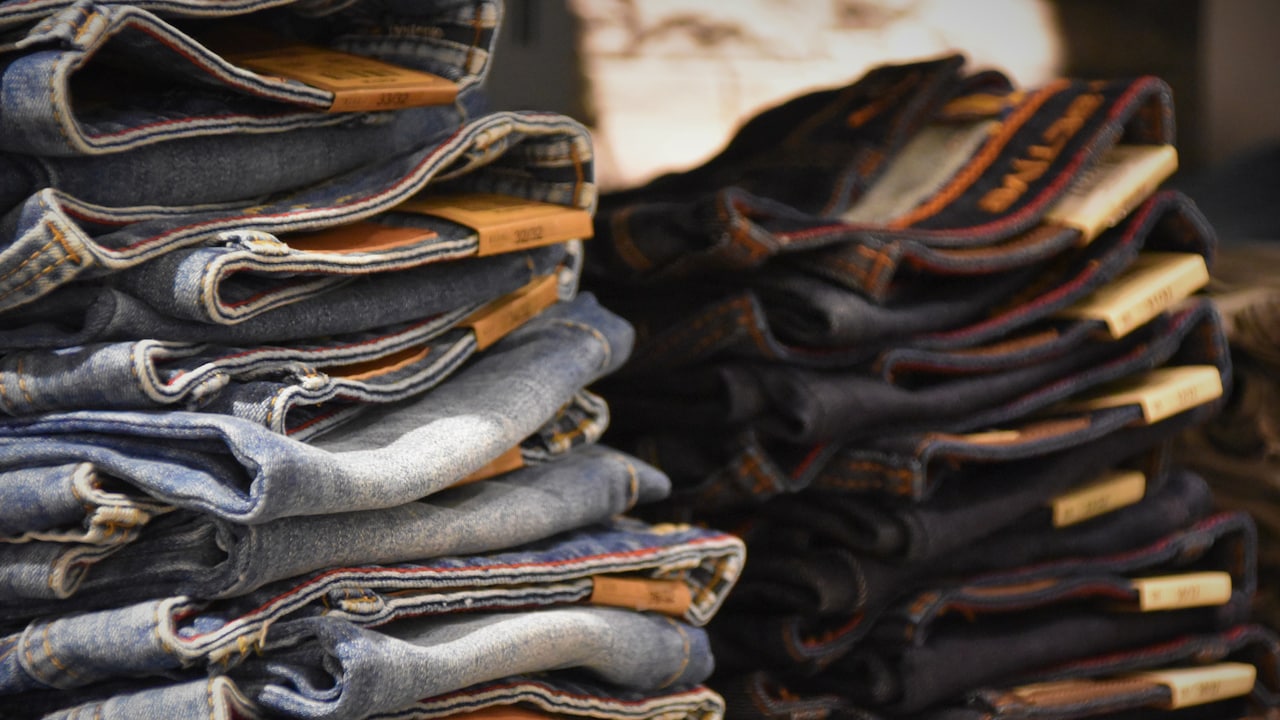
Stretch Denim Vs Regular Jeans: Do Stretch Jeans Really Tear Faster?; Photo Credit: Pexels
What Really Determines How Long Your Jeans Last
The Rise Of Stretch Denim
Stretch denim did not appear out of thin air. Designers noticed that people wanted structure without stiffness. By blending cotton with small amounts of elastane or spandex, manufacturers created a fabric that hugs the body yet stretches when needed. Even two to five per cent elastane can transform the feel of denim.
In cities where humidity clings to the skin and commutes last hours, comfort matters. A pair of rigid jeans might look sharp, but can feel restrictive by mid-afternoon. Stretch denim solves that problem. It accommodates movement, whether climbing stairs at a railway station or navigating a bustling market.
However, this flexibility changes the fabric's structure. Cotton fibres alone create a firm, stable weave. Add elastane, and the fibres stretch repeatedly under pressure. Over time, constant stretching and recovery can stress the cotton threads around them. That structural shift fuels the belief that stretch denim tears faster. The fabric works harder every day, and hard work often shows signs of fatigue.
Understanding The Fabric Science
At its core, denim relies on tightly woven cotton yarns. Cotton offers strength, breathability and durability. Traditional denim uses 100 per cent cotton, woven in a sturdy twill pattern. That weave creates the diagonal lines visible on the surface and contributes to its toughness.
Stretch denim introduces synthetic fibres such as elastane. These fibres act like tiny rubber bands within the weave. They stretch and snap back into shape. While elastane adds comfort, it lacks the abrasion resistance of cotton. When friction builds in high-stress areas, such as inner thighs or pockets, elastane can weaken faster than cotton.
Moreover, repeated stretching can cause the cotton fibres around elastane to thin. Once thinning begins, small holes may form. This process does not mean stretch denim lacks quality. It simply behaves differently under strain.
Quality also varies widely. Premium stretch denim priced at ₹3,000 or more often uses better yarns and tighter construction than budget options at ₹799. Fabric composition and manufacturing standards matter far more than the presence of stretch alone.
Also Read: Top 5 Trending Denims For Women in 2025: Best Jeans To Pair With Every Outfit
High-Stress Zones Tell The Real Story
Most tears do not appear randomly. They show up in predictable areas. Inner thighs, knees, and the seat bear the brunt of movement. When someone walks long distances, rides a scooter daily, or sits cross-legged on the floor, those zones stretch and rub repeatedly.
In stretch denim, these areas extend further during movement. That extra give can create more friction. Over time, friction thins the fabric. Once thinning occurs, a sharp edge or sudden pull can trigger a tear.
Regular denim, by contrast, resists stretching. It holds its shape and distributes stress across a firmer weave. While it may feel stiff at first, it often wears down gradually rather than suddenly splitting.
That said, body shape also influences wear patterns. People with closer-set thighs may notice quicker thinning regardless of fabric type. Blaming stretch alone oversimplifies a complex interaction between fabric, fit and daily life.
Fit Matters More Than Fabric
A common mistake hides in plain sight: buying jeans that fit too tightly. Stretch denim tempts shoppers to size down because it feels forgiving in the trial room. Yet constant tension strains the fibres from day one.
When jeans cling tightly across the hips and thighs, the elastane remains under stress even when standing still. Over weeks, that tension weakens the cotton threads around it. Eventually, small stress lines appear.
Regular denim rarely allows such sizing games. Its rigidity discourages extreme snugness. As a result, many people choose a more practical fit with rigid jeans, which indirectly extends their lifespan.
Choosing the correct size, leaving room for movement, and avoiding excessive pulling while dressing can dramatically increase durability. Fabric alone cannot compensate for poor fit choices.
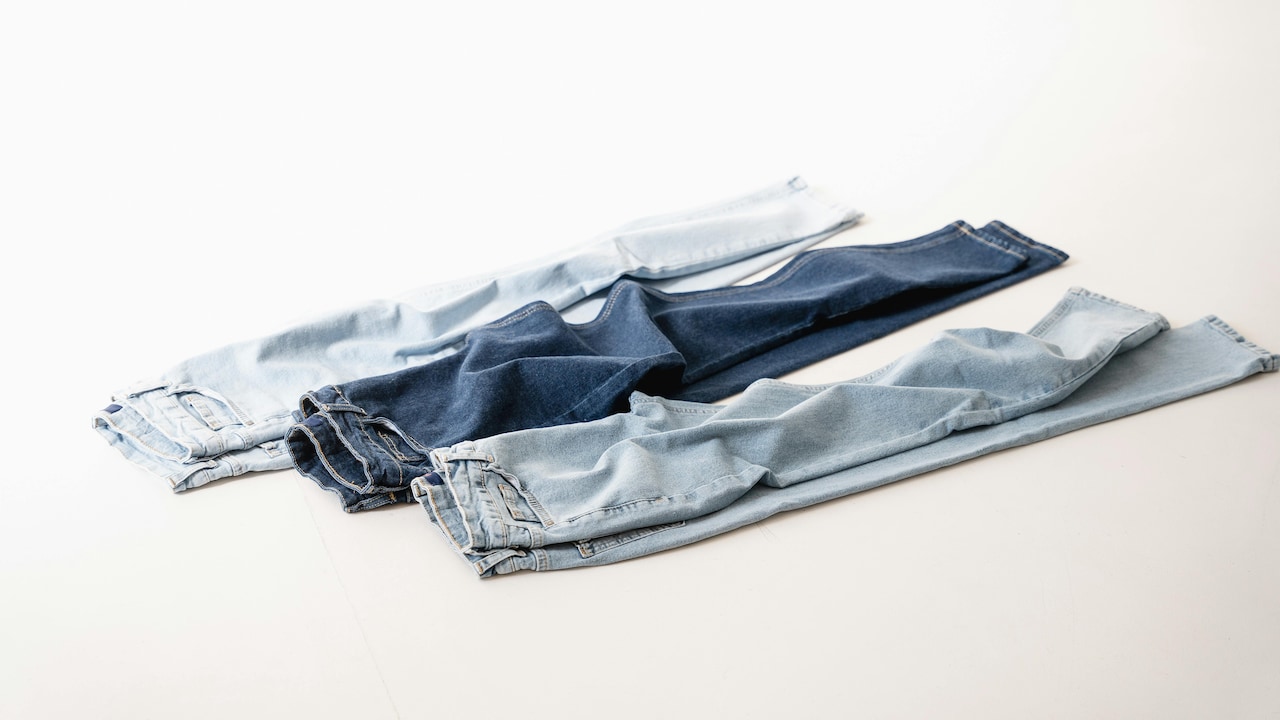
Stretch Denim Vs Regular Jeans: Do Stretch Jeans Really Tear Faster?; Photo Credit: Pexels
Washing Habits That Shorten Lifespan
Laundry routines often sabotage denim longevity. Frequent washing in hot water, strong detergents and aggressive spin cycles weaken fibres. Stretch denim suffers particularly because heat can degrade elastane.
Throwing jeans into a machine after every wear strips them of strength. Instead, spot cleaning small stains and airing jeans out between wears preserves the fabric. Turning jeans inside out before washing also reduces surface abrasion.
Drying practices matter too. High heat from tumble dryers damages elastane. Air drying in shade works far better in warm climates. Direct sunlight for long hours can also fade and weaken fibres.
Regular denim tolerates heat slightly better due to its all-cotton composition, but even rigid jeans benefit from gentle care. Proper washing habits can add months or even years to the life of both types.
Climate And Daily Lifestyle
Climate plays an underestimated role in fabric durability. High humidity encourages sweat absorption. Salt and moisture can weaken fibres if not washed out occasionally. In coastal cities, this effect becomes more noticeable.
Long commutes, crowded buses and constant movement increase friction. A professional who spends hours at a desk may experience less wear than someone navigating construction sites or busy markets daily.
Stretch denim often appeals to those with active routines. Ironically, that same activity accelerates wear. The jeans do not necessarily tear because they contain elastane; they tear because they face greater strain.
Rigid denim may survive longer in less demanding environments, but it too will show wear if exposed to the same conditions. Lifestyle and environment shape durability as much as fibre composition.
Quality Over Composition
Not all stretch denim equals fragility. High-quality mills engineer fabrics that balance elasticity with strength. They use reinforced yarns, better weaving techniques and controlled elastane percentages.
Cheap stretch jeans sometimes contain higher elastane levels with lower-grade cotton. These combinations may feel soft initially but lose structure quickly. When seams start puckering or fabric feels overly thin, durability often suffers.
Investing ₹2,500 to ₹4,000 in well-made stretch denim can deliver impressive longevity. Bargain options under ₹1,000 may disappoint sooner. The same principle applies to regular denim. Poorly made rigid jeans can tear just as fast.
Examining stitching quality, seam reinforcement and fabric thickness reveals more about durability than simply checking for stretch content. Construction speaks louder than composition labels.
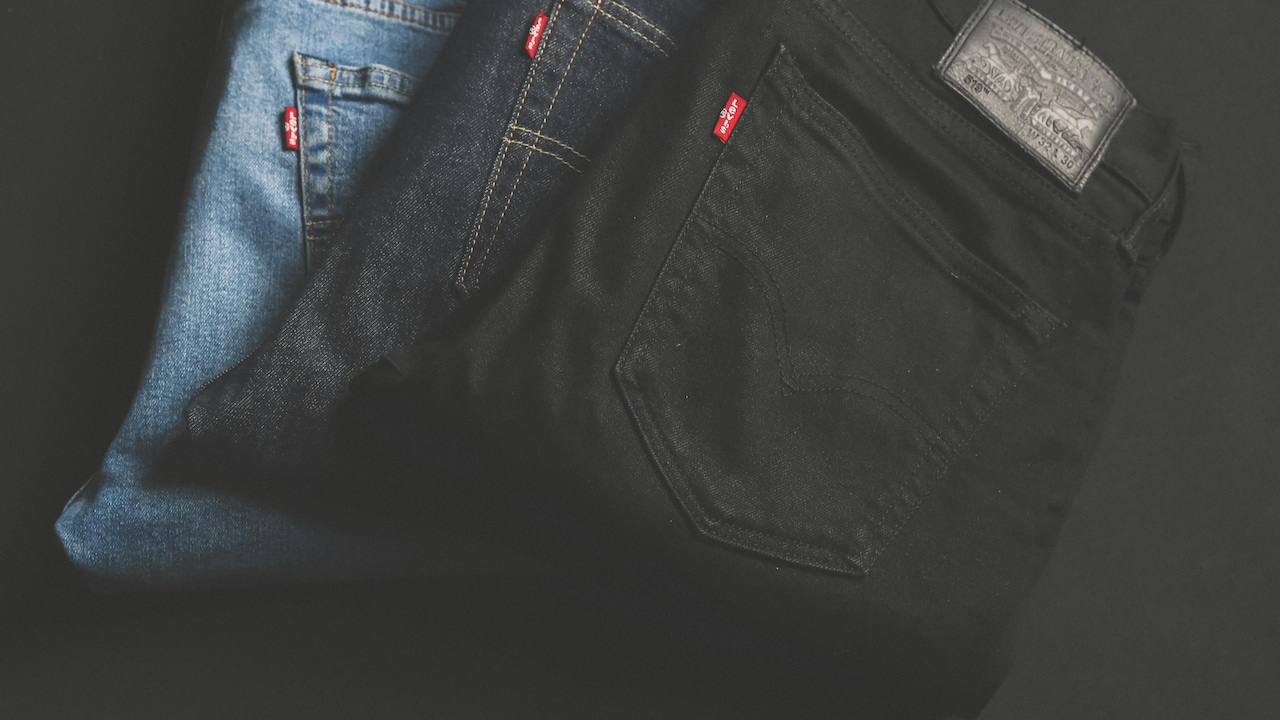
Stretch Denim Vs Regular Jeans: Do Stretch Jeans Really Tear Faster?; Photo Credit: Pexels
Comfort Versus Longevity Debate
Stretch denim wins the comfort contest almost every time. It adapts to body movement and feels forgiving during long days. For many, that comfort outweighs potential durability concerns.
Regular denim offers a different charm. It moulds slowly to the body over months, developing character and unique fade patterns. Some enthusiasts cherish that evolution and accept initial stiffness as part of the journey.
The debate often boils down to priorities. Those seeking flexibility for daily errands may prefer stretching. Those valuing rugged longevity may lean towards rigid styles.
Yet the gap in durability has narrowed over the years. Modern stretch denim has improved significantly. With proper care and sensible fit choices, many pairs last several years without major tears.
Repair Culture And Extending Life
A small tear need not signal the end. Tailors across the country repair denim affordably. Reinforcing thinning thigh areas with patches or darning can extend life considerably. Repairs often cost between ₹150 and ₹400, far less than buying new jeans.
Visible mending has even gained popularity. Creative patches and decorative stitching add personality while strengthening weak spots. Stretch denim responds well to timely reinforcement before holes widen.
Regular inspections help. Noticing thinning early allows proactive repairs. Waiting until the fabric splits completely makes restoration harder.
Caring for jeans as long-term companions rather than disposable fashion shifts the conversation to whether stretch or rigid, attentive maintenance makes a substantial difference.
Products Related To This Article
1. Roadster The Life Co. Women Wide Leg Baggy Fit Heavy Fade Pure Cotton Jeans
2. Polo Ralph Lauren Men Mid-Rise Sullivan Slim Garment-Dyed Stretch Jeans
3. Glitchez Women Wide Leg Light Fade Jeans
4. Styli Men Cotton Stretch 5 Pocket Relax Fit Jeans
5. Chemistry Women Pure Cotton Wide Leg Light Fade Jeans
6. ZUYA Women Casual Straight Fit Stretch Solid Jeans
7. Stylecast X Kotty Women Jean Straight Fit High-Rise Stretchable Jeans
So, do stretch denim jeans tear faster than regular jeans? The honest answer resists a simple yes or no. Stretch denim faces unique stresses due to its elastic fibres. Under constant tension, it may thin more quickly in high-friction areas. However, poor fit, aggressive washing and low-quality construction often cause more damage than elastane itself.
Regular denim boasts natural toughness, yet it too succumbs to strain and neglect. Durability depends on fabric quality, lifestyle, care habits and sizing choices. Modern stretch denim, when well-made and properly maintained, can serve faithfully for years.
Comfort and longevity need not exist at opposite ends of the wardrobe. Choose wisely, wash gently, repair promptly and wear confidently. The real myth lies in assuming fabric alone decides fate. In truth, the story of every pair of jeans unfolds through daily life, one step at a time.
(Disclaimer: This article may include references to or features of products and services made available through affiliate marketing campaigns. NDTV Convergence Limited (“NDTV”) strives to maintain editorial independence while participating in such campaigns. NDTV does not assume responsibility for the performance or claims of any featured products or services.)