Heavily Embroidered Vs Lightweight Lehengas: Which Is Better For Weddings?
Heavily embroidered lehenga or lightweight elegance, which truly wins on a wedding day? Tradition, comfort and budget collide in this timeless fashion debate.
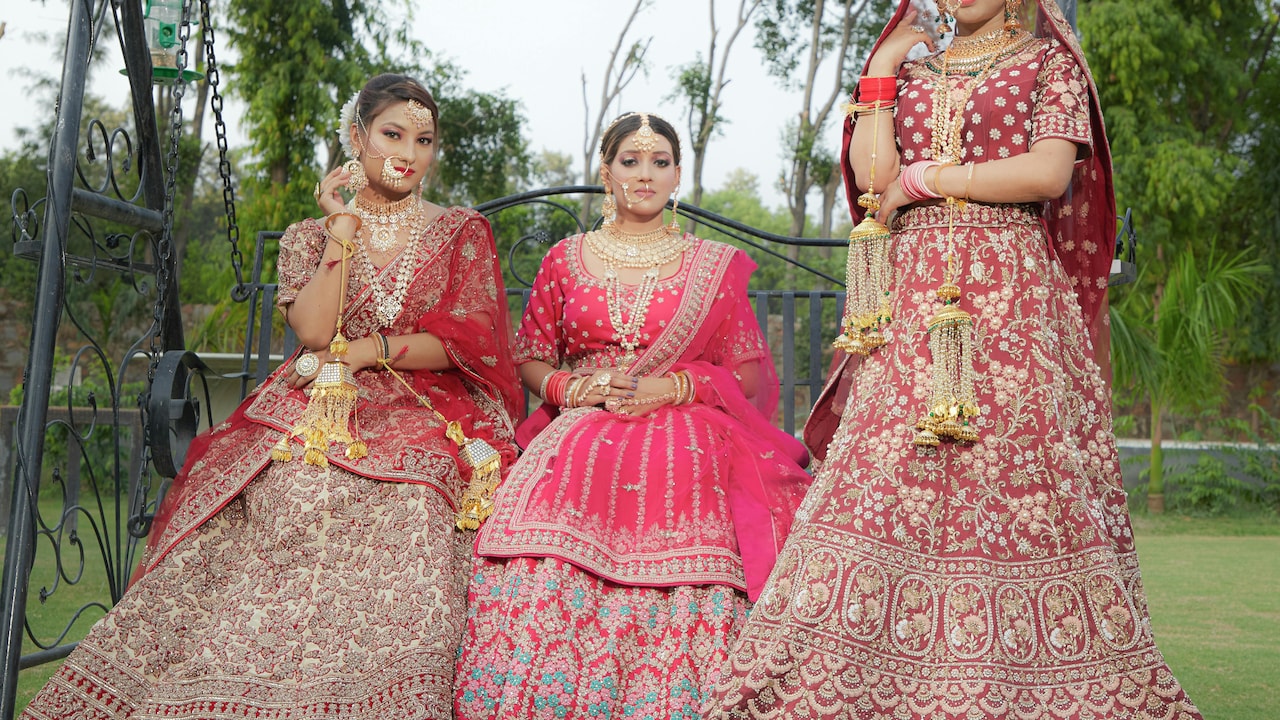
Myth Or Truth: Are Heavily Embroidered Lehengas Better Than Lightweight? Find Out Now.
Few garments command attention quite like a lehenga. It swirls with drama, carries memories in its folds, and often costs anywhere between ₹15,000 and ₹3,50,000, depending on craftsmanship and label. Bridal trousseau discussions frequently spark debates that sound almost philosophical. Does grandeur lie in dense zari and hand-done zardozi? Or does elegance breathe better in soft georgette and feather-light organza?
For decades, heavily embroidered lehengas symbolised prosperity and prestige. The more intricate the threadwork, the louder the applause. Yet modern celebrations demand mobility, travel, dance and sometimes even destination humidity. Comfort no longer feels like a compromise. Designers reinterpret heritage silhouettes, and brides rethink what truly matters on a twelve-hour wedding day.
This discussion goes beyond fabric weight. It touches identity, culture, climate and changing aspirations. So, are heavily embroidered lehengas genuinely better, or does the truth lie somewhere between shimmer and simplicity?
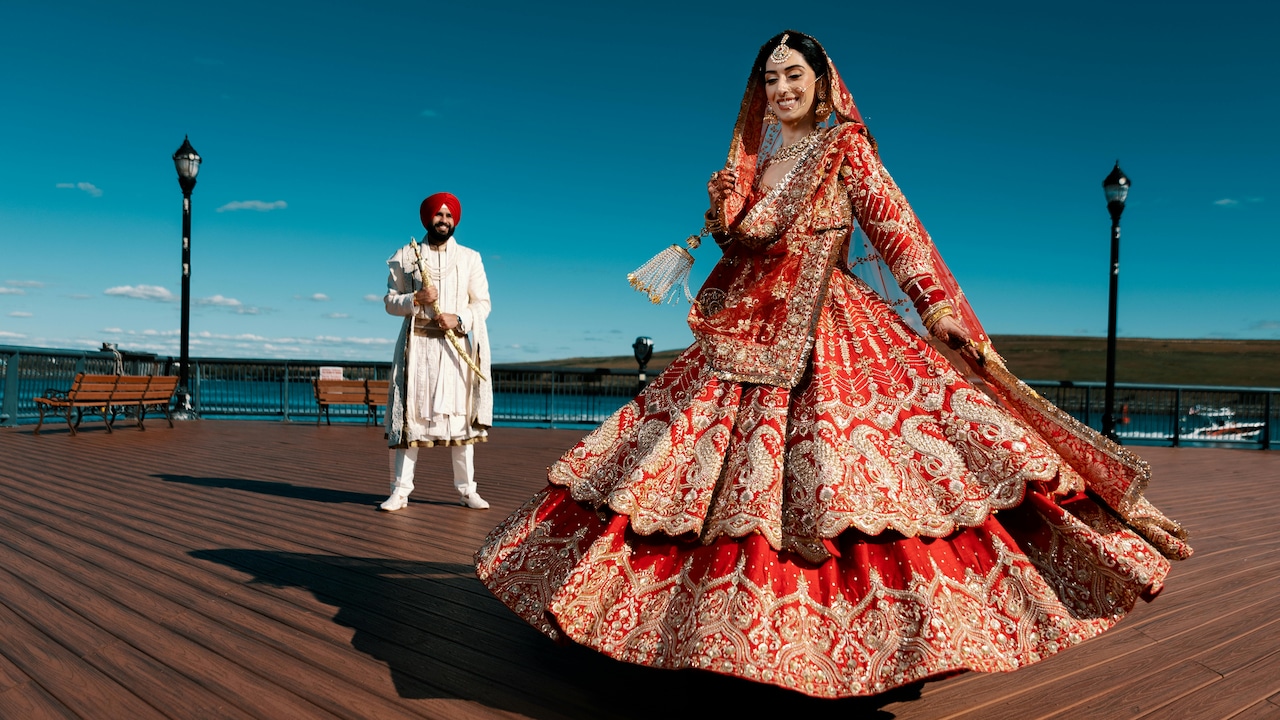
Myth Or Truth: Are Heavily Embroidered Lehengas Better Than Lightweight?
Photo Credit: Pexels
Ten Factors That Decide Which Lehenga Truly Wins
The Legacy Of Heavily Embroidered Lehengas
Heavily embroidered lehengas carry the weight of history as much as fabric. Royal courts once favoured rich silks woven with gold and silver threads, and that aesthetic still influences contemporary bridal wear. Dense zardozi, resham, mirror work and stone embellishments transform fabric into heirloom art.
Many celebrated designers continue this legacy. Creations from Sabyasachi Mukherjee often showcase elaborate craftsmanship that feels almost museum-worthy. Each stitch narrates tradition. Each motif borrows from architecture, nature or folklore.
Such lehengas instantly command presence. A bride walking into a mandap in a richly embroidered ensemble often leaves guests momentarily speechless. Photographs capture depth and texture beautifully. Families view these pieces as investments, sometimes preserved and passed down through generations.
Yet the grandeur comes at a price beyond ₹2,00,000. Weight can exceed eight or ten kilos. Beauty, in this case, demands endurance. The question remains whether tradition alone should dictate choice, especially in an era that celebrates individuality alongside heritage.
The Rise Of Lightweight Elegance
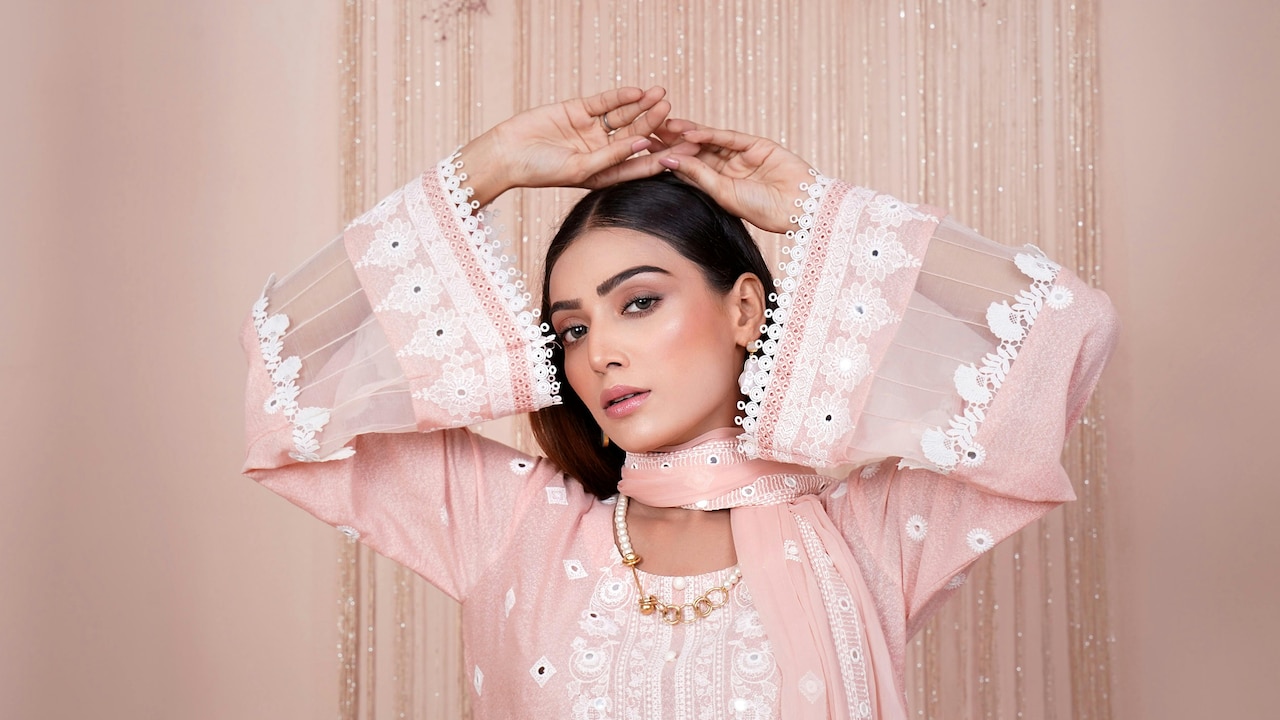
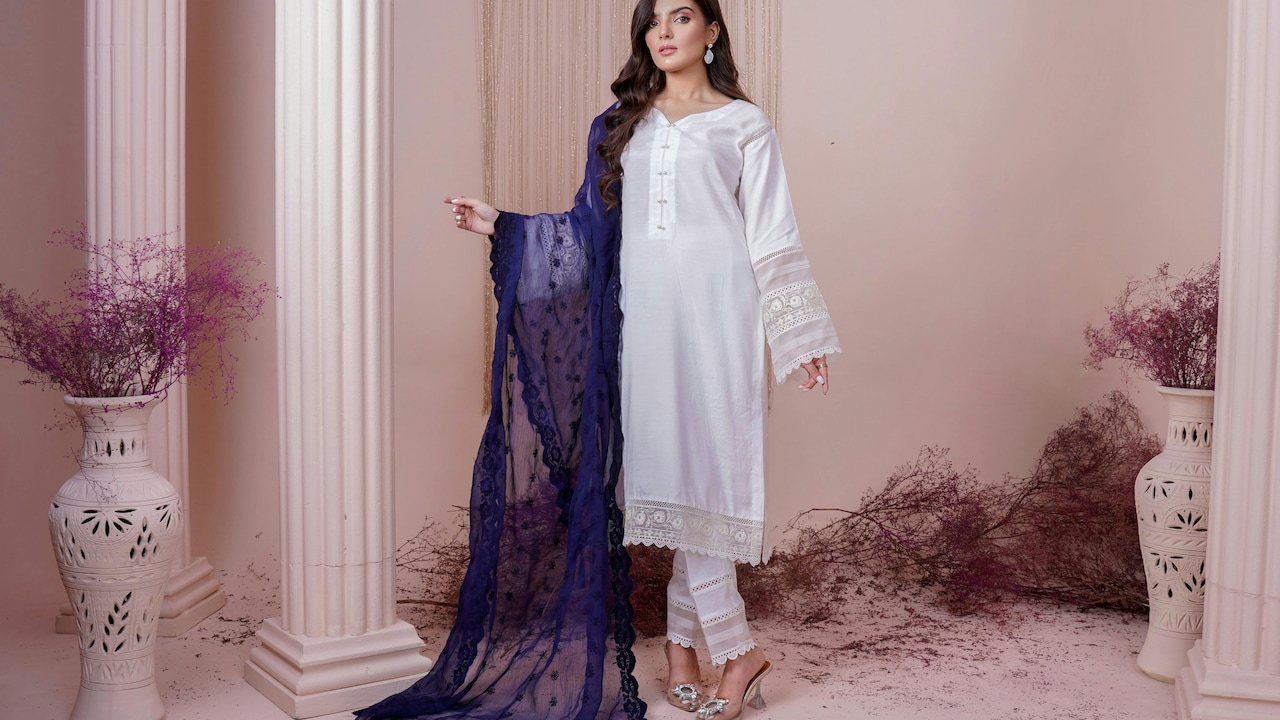
Lightweight lehengas once played supporting roles at mehendi or haldi ceremonies. Today, they headline wedding days themselves. Soft organza, chiffon and georgette float gracefully, allowing ease of movement without sacrificing visual appeal.
Designers such as Anita Dongre champion minimalism blended with craftsmanship. Fine thread work replaces heavy metallic embroidery. Pastels and muted tones often replace deep maroons and burgundies.
This shift reflects changing lifestyles. Weddings now include choreographed dances, outdoor venues and long photo sessions under the sun. A lighter lehenga prevents exhaustion before pheras even begin. Brides speak more openly about wanting to enjoy the day rather than simply endure it.
Cost also influences decisions. Lightweight options often range between ₹20,000 and ₹1,50,000, depending on label and detail. They provide versatility, as the skirt or dupatta can be reused at future celebrations without appearing overly bridal. Elegance no longer requires excess.
Comfort Versus Grandeur
Comfort rarely dominated bridal conversations in earlier decades. Now it leads them. A heavily embroidered lehenga may look breathtaking for the first hour, but extended wear can strain shoulders and waistlines. Intricate dupattas secured with dozens of pins add to the pressure.
Lightweight lehengas, on the other hand, offer breathable fabrics that move naturally. Sitting cross-legged during rituals feels manageable. Climbing stairs at banquet halls does not become a tactical operation. Even a quick snack between ceremonies feels less risky.
However, grandeur creates its own emotional comfort. Many brides feel a psychological boost from wearing something visibly opulent. The sensation of weight sometimes translates into perceived importance. That subtle confidence can transform posture and presence.
The real distinction lies in priorities. Some value regal drama over physical ease. Others prefer subtle sophistication that allows laughter, dancing and long conversations without distraction. Neither perspective lacks validity. It simply reflects different expectations from the same day.
The Climate Factor
Weather rarely receives attention during outfit trials inside air-conditioned boutiques. Yet celebrations often unfold in humid coastal cities or warm northern plains. Heavy velvet and thick embroidery trap heat. Makeup struggles. Smiles turn patient rather than joyful.
Lightweight fabrics breathe better in outdoor settings. Beach weddings and garden ceremonies demand comfort that withstands humidity and afternoon sun. Even winter weddings sometimes involve crowded venues where body heat rises quickly.
Climate-conscious choices also influence fabric selection. Silk blends with moderate embroidery strike a balance for cooler months. For summer evenings, airy skirts paired with embroidered blouses provide visual richness without overheating.
Ignoring climate can turn a dream outfit into a silent burden. Many families now consider venue and season before finalising purchases. A lehenga that complements both celebration and surroundings ultimately serves its purpose more effectively than one chosen purely for visual drama.
Budget Realities And Value
Wedding budgets often stretch across catering, décor, photography and jewellery. A heavily embroidered designer lehenga from Manish Malhotra can exceed ₹4,00,000. Such purchases sometimes require careful financial planning.
Lightweight alternatives provide flexibility. Custom pieces from local boutiques can achieve elegance at a fraction of that cost. Even premium lightweight designs often remain below ₹2,00,000, leaving room in the budget for other experiences.
Value also relates to reusability. Heavy bridal lehengas often stay stored in protective bags after one grand appearance. Lightweight versions can reappear at receptions, festivals or family weddings with minor styling tweaks.
Investment means different things to different households. For some, craftsmanship justifies every rupee. For others, practicality shapes spending decisions. Neither approach diminishes celebration. Instead, it highlights how fashion intersects with financial priorities in deeply personal ways.
Craftsmanship And Artistry
Embroidery involves remarkable skill. Artisans spend months hand-stitching motifs with precision. Heavy lehengas often showcase multiple techniques layered together, creating depth and texture that machine work rarely replicates.
Lightweight designs, however, do not imply a lack of artistry. Fine thread work, delicate gota patti and subtle sequins require equal expertise. The difference lies in density rather than dedication.
Labels such as Falguni Shane Peacock experiment with contemporary embellishments that feel striking yet manageable in weight. Innovation allows designers to maintain visual drama without overwhelming structure.
Supporting craftsmanship matters. Many families choose heavier lehengas to honour traditional techniques. Others prefer modern interpretations that adapt those techniques for present-day comfort. Art evolves, and so does appreciation. Both categories celebrate talent, just in distinct expressions.
Photography And Visual Impact
Wedding photography shapes memories for decades. Heavily embroidered lehengas capture light dramatically. Metallic threads shimmer under flash, creating a regal aura in portraits. Close-up shots reveal intricate details that enhance album aesthetics.
Lightweight lehengas produce a different magic. Flowing skirts create movement in candid shots. Soft fabrics catch the wind beautifully during outdoor sessions. Minimal embroidery allows facial expressions and jewellery to take centre stage.
Photographers often advise balancing texture with silhouette. Excessively heavy outfits may restrict natural poses. Lighter garments encourage spontaneity, especially during pre-wedding shoots or dance performances.
Ultimately, visual impact depends on styling, lighting and confidence. Both types photograph well when thoughtfully paired with jewellery, makeup and setting. The camera captures authenticity more than embroidery density.
Mobility And Modern Celebrations
Celebrations now include cocktail nights, choreographed entries and energetic dance floors. Mobility matters. A bride navigating a sangeet stage in a ten-kilo lehenga may prioritise stability over spontaneity.
Lightweight lehengas support twirls and impromptu dance moves. They reduce fatigue, especially during events that stretch past midnight. Younger brides increasingly prioritise participation over presentation.
That said, some opt for outfit changes. A heavily embroidered lehenga for the ceremony, followed by a lighter one for the reception, offers a compromise. Though this approach increases cost, it balances aesthetics with practicality.
Modern weddings embrace fluidity. Outfits must adapt accordingly. The idea that bridal wear should remain static feels outdated. Movement symbolises joy, and clothing should facilitate rather than restrict that energy.
Emotional Expectations And Family Traditions
Family expectations often influence lehenga choices more than personal preference. Elders may associate heavy embroidery with status and respectability. Lighter options sometimes face scepticism during initial discussions.
However, conversations around comfort and individuality gradually reshape perceptions. Many families now encourage brides to prioritise happiness over convention. Emotional comfort proves as essential as physical comfort.
Heavily embroidered lehengas still evoke nostalgia. They remind relatives of past weddings, old photographs and cherished rituals. Lightweight designs represent evolving identity and modern confidence.
Balancing both perspectives requires open dialogue. When choices honour tradition while embracing present realities, celebrations feel harmonious. Fashion then becomes a bridge between generations rather than a battleground.
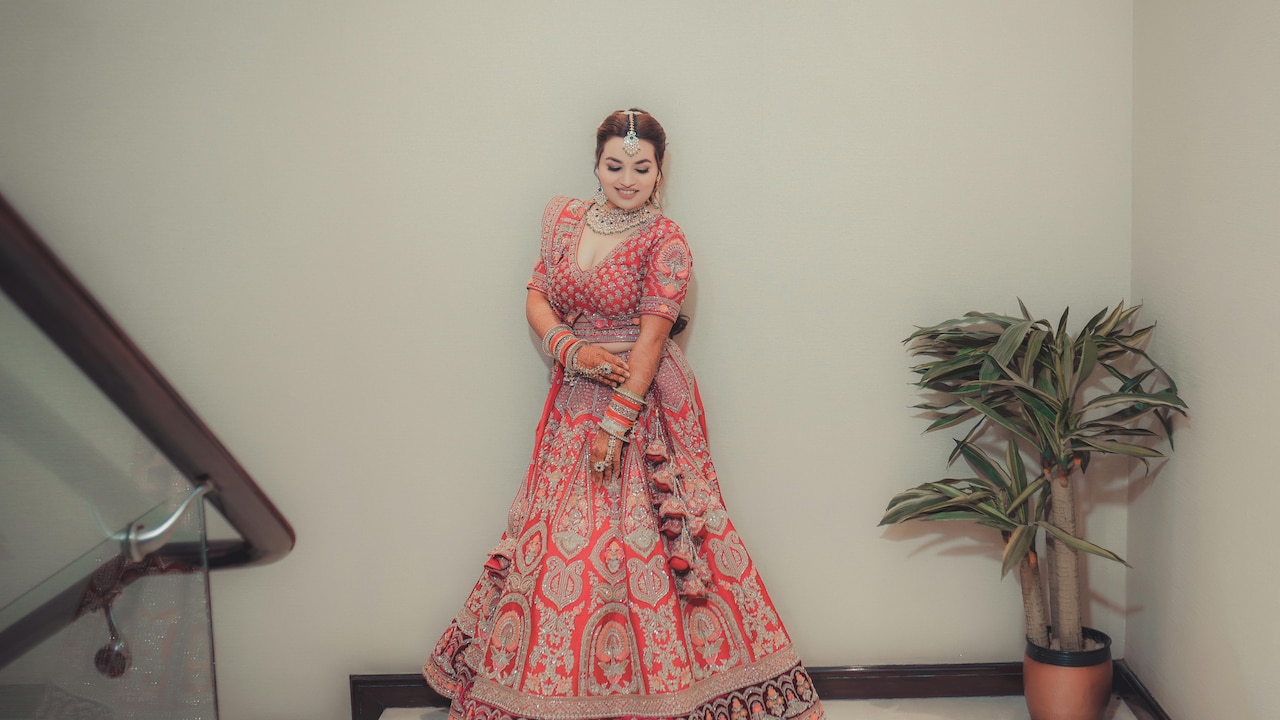
Myth Or Truth: Are Heavily Embroidered Lehengas Better Than Lightweight?
Photo Credit: Pexels
Sustainability And Future Thinking
Sustainability increasingly shapes wardrobe decisions. Heavy lehengas often involve resource-intensive materials and limited reuse. Storage also requires careful maintenance to prevent damage.
Lightweight options encourage repetition and versatility. Skirts pair with different blouses. Dupattas complement simpler outfits. This adaptability reduces long-term waste.
Some designers experiment with eco-friendly fabrics and ethical production methods. Conscious buyers examine not just price tags but production stories. Responsible fashion adds meaning beyond visual appeal.
Choosing lighter does not automatically guarantee sustainability, nor does heavy embroidery negate responsibility. Intent matters. When purchases align with thoughtful planning and future use, fashion choices contribute positively to broader conversations around mindful consumption.
Products Related To This Article
1. LOOKNBOOK ART Women Lavender Silk Embroidered Unstitched Lehenga Choli
2. Maroosh Floral Embroidered Unstitched Lehenga & Blouse With Dupatta
3. KALINI Women Embroidered Lehenga Choli
4. House of Pataudi Jashn Embroidered Sequinned Lehenga & Blouse With Dupatta
5. BHARODIYA ENTERPRISES Embroidered Lehenga & Blouse With Dupatta
6. House of Pataudi Embroidered Lehenga With Choli & Dupatta
7. Divine International Trading Co Pink & Green Embroidered Unstitched Lehenga Choli
So, myth or truth? Are heavily embroidered lehengas better than lightweight ones? The answer resists a simple verdict. Heavy embroidery delivers grandeur, heritage and undeniable drama. Lightweight designs offer comfort, versatility and contemporary charm.
Better depends on context. A winter palace wedding may welcome velvet and intricate zari. A beach ceremony under humid skies may demand airy elegance. Budget, climate, personal style and emotional expectations all shape the decision.
What truly matters lies beyond stitches and sequins. A lehenga should allow genuine smiles, effortless movement and cherished memories. Whether weighing eight kilos or barely three, it should feel like an extension of celebration rather than a burden of expectation.
In the end, beauty does not reside solely in embellishment. It resides in confidence, comfort and the joy that radiates when tradition meets authenticity.
(Disclaimer: This article may include references to or features of products and services made available through affiliate marketing campaigns. NDTV Convergence Limited (“NDTV”) strives to maintain editorial independence while participating in such campaigns. NDTV does not assume responsibility for the performance or claims of any featured products or services.)