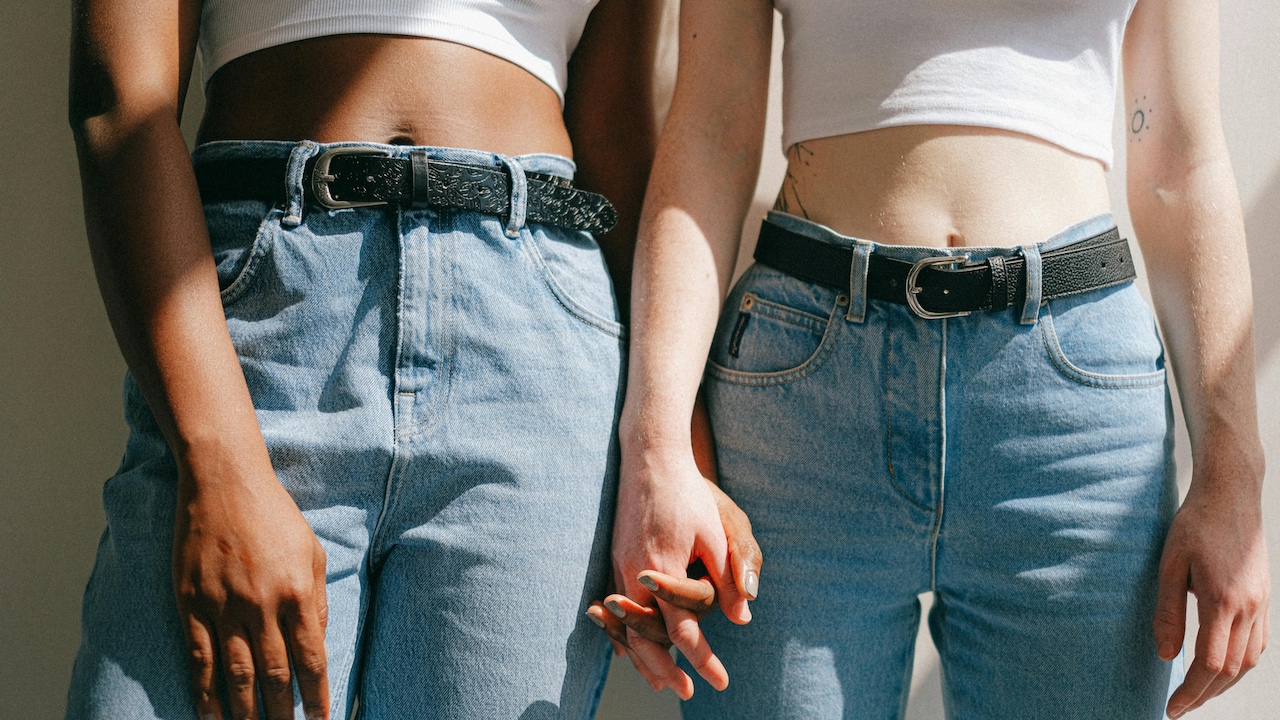
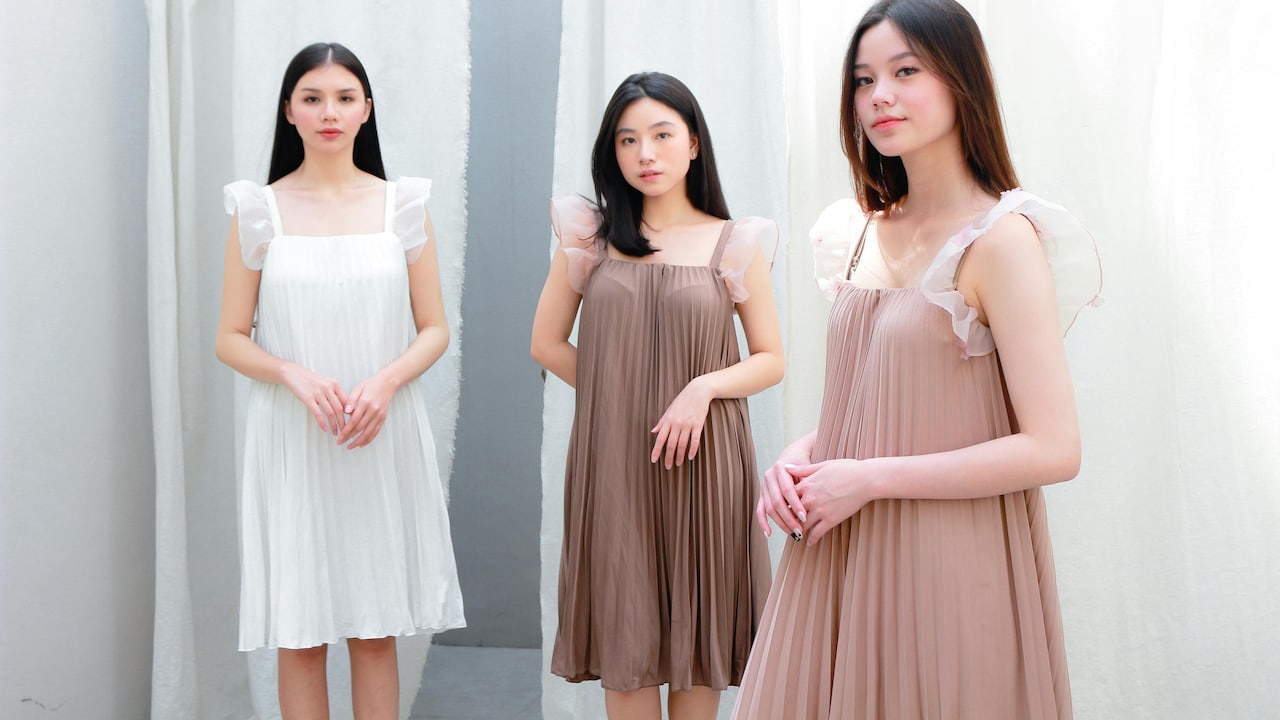
The Shapewear Myth: When It Helps And When It Does Not
Shapewear promises a smoother silhouette, but it is not a magic solution. Discover when it genuinely improves outfit fit and confidence, and when it simply creates unrealistic expectations about body shape.
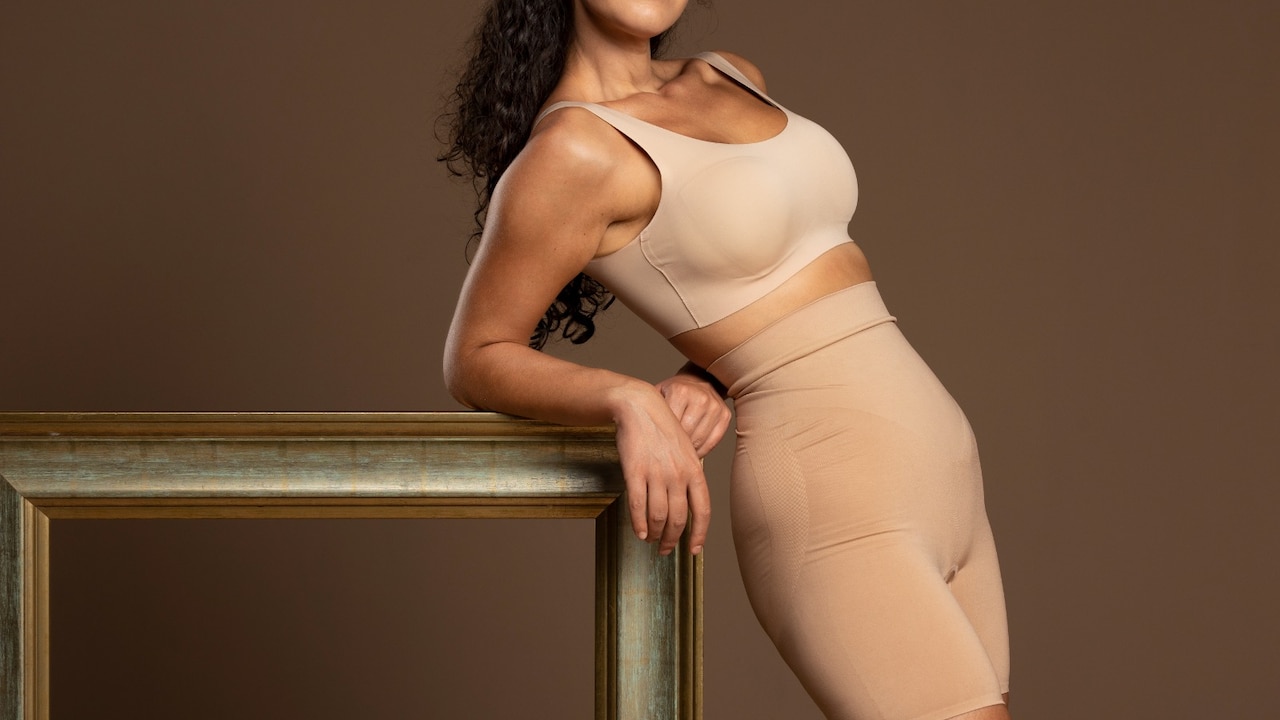
Does Shapewear Really Work? The Truth About When It Helps And When It Doesn't.
Walk into any clothing store or scroll through an online fashion page, and shapewear appears everywhere. Seamless shorts, sculpting bodysuits, tummy-control leggings and waist cinchers promise instant transformation. The idea sounds tempting. Slip into a garment, and suddenly that fitted dress drapes smoothly or that festive saree sits perfectly.
Fashion advertisements often portray shapewear as a quiet hero behind every polished outfit. Social media adds to the excitement. Influencers claim that a small garment under clothes can “fix” problem areas within seconds.
Reality tells a slightly different story.
Shapewear can enhance the way clothes sit on the body, but it cannot reshape bodies permanently or replace healthy habits. Some designs support posture and comfort during long events. Others simply compress the body for a few hours. In certain situations, shapewear even causes discomfort if chosen poorly.
Understanding the difference between myth and practicality helps shoppers make smarter choices. Instead of chasing unrealistic promises, a balanced view allows shapewear to play its rightful role in everyday dressing.
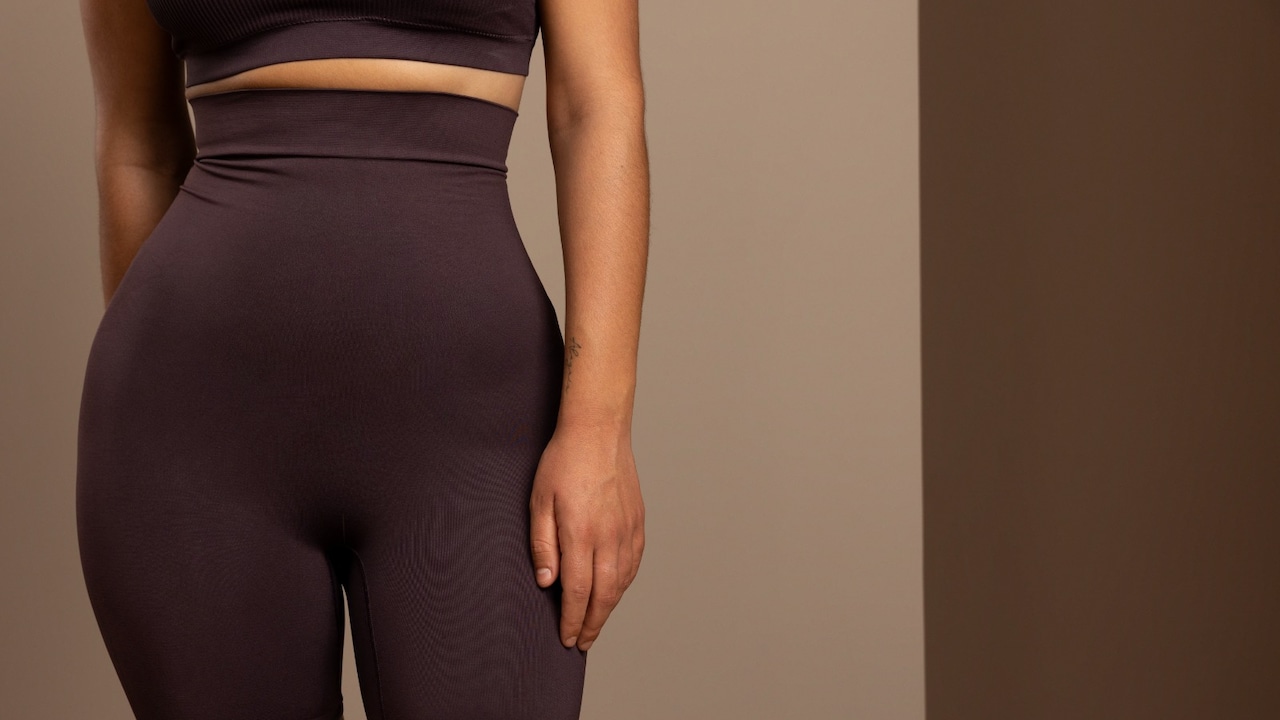
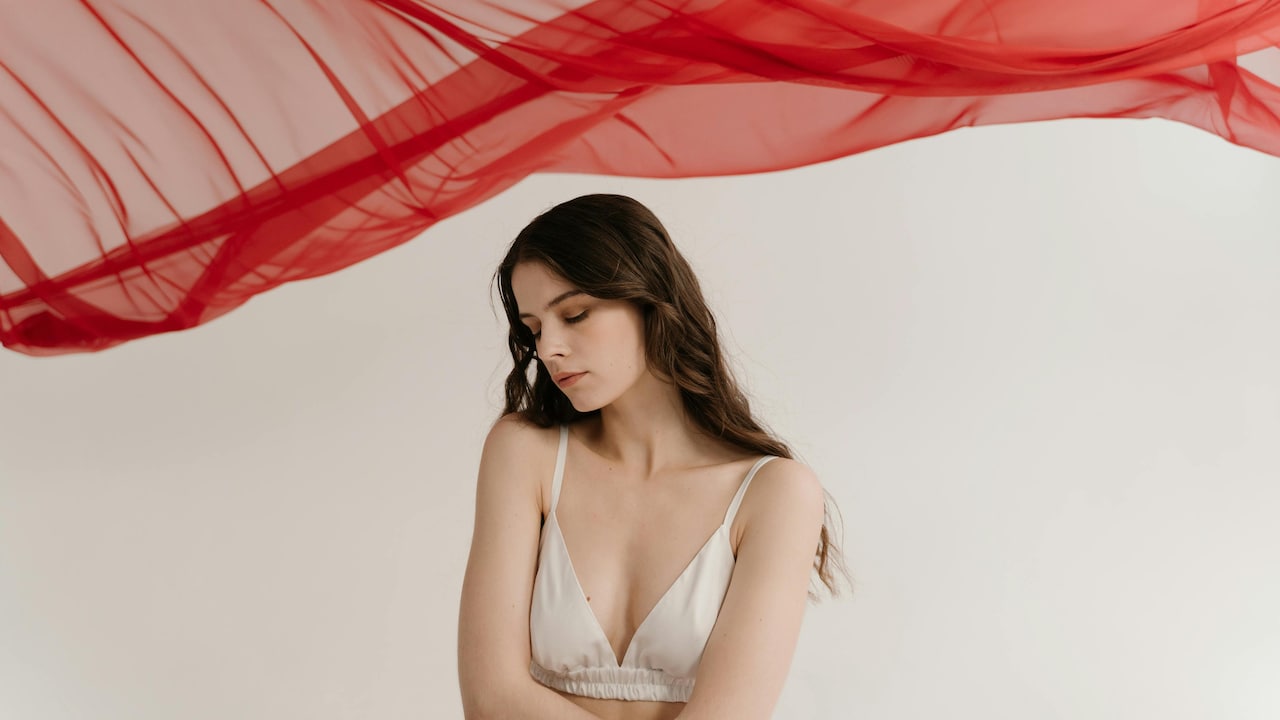
The Shapewear Myth: When It Helps And When It Does Not; Photo Credit: Pexels
Understanding The Truth Behind Shapewear
The Promise Of Instant Transformation
Marketing around shapewear often sounds magical. Advertisements claim a smoother waistline, lifted hips, or a perfectly sculpted silhouette within seconds. Many people buy shapewear expecting dramatic body changes. The truth remains simpler.
Shapewear works through compression and fabric structure. It redistributes soft tissue slightly and smooths visible lines under clothing. That effect can make fitted garments appear neater. A bodycon dress or a silk blouse tends to sit more evenly when seams and folds disappear underneath.
Yet shapewear does not shrink the body permanently. Remove the garment and the body returns to its natural shape. No hidden technology exists that melts fat or sculpts muscles overnight.
Clothing stores often price premium shapewear between ₹800 and ₹3,500, depending on brand and material. The cost may create an illusion of transformation. However, the value lies in improving garment fit rather than altering body structure.
Understanding this distinction removes disappointment. Instead of chasing miracles, shoppers can view shapewear as a styling tool, similar to a well-fitted bra or supportive underskirt.
Smoothing Clothes, Not Changing Bodies
One of the most genuine benefits of shapewear lies in how it improves the appearance of clothing. Certain fabrics cling to the body and reveal every seam underneath. Satin dresses, lightweight kurtas and fitted trousers often show visible lines.
A good shapewear garment acts like a smooth canvas. It creates a consistent base so outer clothing drapes better. Many people notice this effect during weddings or festive gatherings where heavily embroidered outfits require neat layering underneath.
Take the example of a reception outfit costing ₹12,000. A simple shaping slip priced around ₹1,200 can help the fabric fall more evenly and prevent bunching around the waist. The garment does not change the body. Instead, it helps expensive clothing look its best.
This subtle role explains why stylists recommend shapewear for photoshoots or formal events. Cameras capture every crease and shadow. Smooth layering reduces visual distractions.
When understood this way, shapewear becomes a practical wardrobe companion rather than a tool for unrealistic body goals.
Also Read: Explore Shapewear Under ₹1000 To Look Snatched In Your New Year Dress
Confidence Often Comes From Fit
Clothing affects mood more than most people admit. A well-fitting outfit often creates quiet confidence. Shapewear sometimes contributes to that feeling.
During festivals, office presentations, or family celebrations, many people prefer clothing that stays in place. A shaping camisole or supportive shorts can prevent constant adjustments. That small convenience reduces self-consciousness.
Consider a long evening function where someone plans to wear a silk saree for six hours. A lightweight shaping petticoat can hold pleats securely and prevent fabric from slipping. The wearer moves more freely and focuses on conversation rather than wardrobe worries.
However, confidence does not come from compression alone. Comfort plays an equal role. If shapewear feels tight or restrictive, confidence disappears quickly.
The best pieces feel almost invisible. Breathable fabrics, flexible seams and the correct size allow natural movement. Confidence grows from comfort and fit working together rather than from aggressive squeezing.
The Comfort Factor Many People Ignore
Comfort often receives less attention than appearance when buying shapewear. That mistake leads to disappointment. Many first-time users choose extremely tight garments hoping for dramatic shaping.
Excessive compression creates several problems. Breathing feels restricted. Sitting becomes uncomfortable. Long events turn exhausting. Some people even develop skin irritation after hours of friction.
Quality shapewear balances shaping with flexibility. Modern designs use stretchable fabrics that move with the body rather than fight against it. A moderate level of compression smooths the waistline while still allowing natural posture.
Think about daily routines. A person commuting across the city, walking through crowded markets, and attending meetings requires comfort more than extreme shaping. Tight garments might look appealing in advertisements, but fail in real life.
A better approach involves choosing mild or medium compression and focusing on breathable material. Cotton blends or moisture-wicking fabrics perform well in warm climates. The right balance ensures shapewear supports the body rather than punishing it.
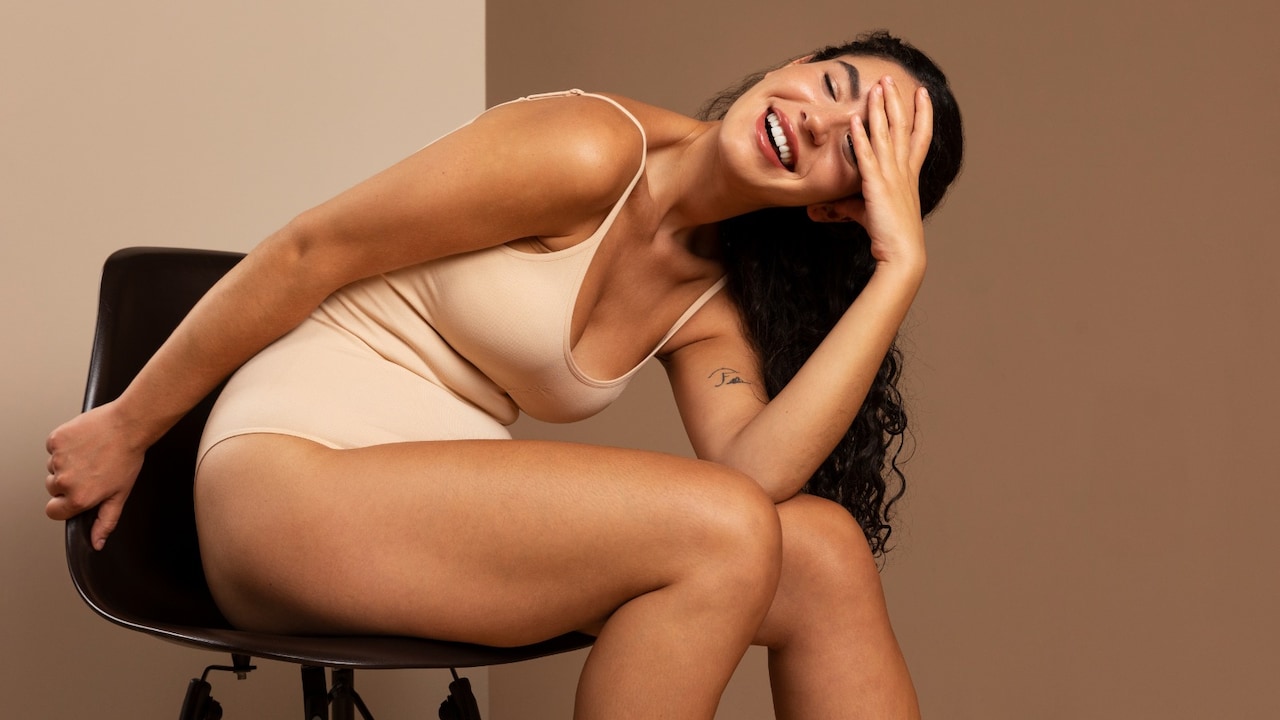
The Shapewear Myth: When It Helps And When It Does Not; Photo Credit: Pexels
Posture Support And Subtle Structure
Some shapewear designs provide gentle posture support. Structured bodysuits or shaping camisoles encourage the torso to stay upright. The effect resembles a reminder rather than a strict correction.
People who spend long hours sitting at desks sometimes appreciate this subtle structure. A supportive garment around the midsection can prevent slouching during meetings or long workdays.
However, shapewear should never replace proper posture habits or ergonomic furniture. Regular stretching and mindful sitting positions remain far more effective solutions.
Think of shapewear as a nudge rather than a cure. Just as comfortable shoes encourage better walking posture, supportive clothing can guide body alignment slightly.
Many people notice this benefit during long ceremonies or social gatherings. Standing straight for photographs becomes easier when the midsection feels supported.
Yet the effect stays temporary. Remove the garment, and the body returns to its natural posture patterns. Long-term strength still depends on muscle conditioning and good daily habits.
When Shapewear Creates Unnecessary Pressure
Fashion sometimes carries unrealistic expectations. Shapewear marketing often reinforces the idea that bodies must appear perfectly smooth at all times. That pressure affects many people, especially young shoppers exploring style for the first time.
Social media filters and celebrity styling create an illusion of flawless silhouettes. In reality, professional styling teams use lighting, tailoring and editing to achieve those results.
When everyday shoppers chase the same perfection, shapewear turns into a source of stress rather than support. Some people feel uncomfortable leaving home without it, even for casual errands.
Clothing should enhance comfort and self-expression. No garment deserves the power to dictate confidence levels. Wearing shapewear occasionally makes sense for certain outfits. Wearing it out of insecurity rarely leads to satisfaction.
Healthy fashion choices focus on comfort, personality and practicality. Shapewear fits best as an optional accessory rather than a compulsory layer.
The Importance Of Choosing The Right Size
One of the most common shapewear mistakes involves choosing a smaller size. Many shoppers assume a tighter garment will deliver stronger shaping. In reality, the opposite often happens.
When shapewear feels too small, it rolls down, digs into skin, and creates visible bulges at the edges. Instead of smoothing the body, the garment forms new lines under clothing.
Correct sizing creates a far better result. The fabric sits evenly against the body without extreme pressure. It stays hidden beneath clothing and maintains its shape throughout the day.
Most brands provide detailed size charts. Taking a few minutes to measure waist and hip circumference prevents costly mistakes. Spending ₹1,800 on a garment that fits properly offers better value than buying a smaller piece that remains unused in a drawer.
Comfort, durability and smooth appearance all depend on accurate sizing. The right fit transforms shapewear from an irritating purchase into a reliable wardrobe tool.
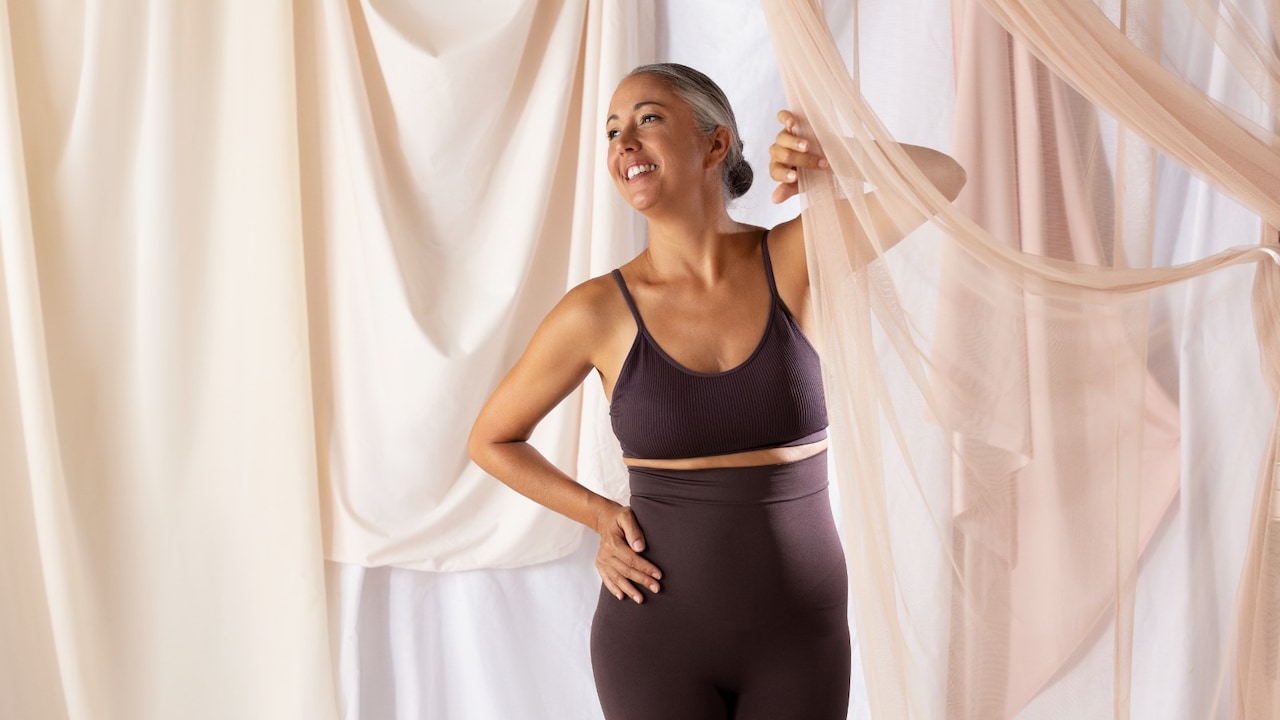
The Shapewear Myth: When It Helps And When It Does Not; Photo Credit: Pexels
Fabric Matters More Than People Realise
The material used in shapewear influences comfort, durability and overall effectiveness. Many inexpensive garments rely on stiff synthetic fabrics that trap heat. Wearing such materials for long periods becomes unpleasant.
Modern shapewear brands increasingly use breathable blends with elastane or nylon microfibres. These fabrics stretch smoothly and allow airflow. They adapt to body movement rather than resisting it.
Climate plays a major role as well. Warm weather demands lightweight materials that prevent excessive sweating. A breathable shaping slip priced around ₹1,500 may perform far better than a cheaper garment that feels suffocating.
Fabric quality also affects how clothing drapes on top. Smooth, seamless materials reduce friction between layers. Dresses and skirts glide naturally over the surface.
Smart shoppers often test fabric texture before buying. A soft, flexible feel usually signals better comfort. Material choice ultimately determines whether shapewear feels supportive or unbearable after several hours.
Occasions Where Shapewear Truly Helps
Certain outfits benefit greatly from shapewear. Structured garments with delicate fabrics often require smooth layering underneath.
Wedding attire provides a clear example. Embroidered lehengas or fitted gowns contain heavy fabrics and defined waistlines. A shaping slip or high-waist shorts can prevent visible creases and improve comfort during long ceremonies.
Professional clothing also benefits from subtle shaping layers. Tailored trousers and pencil skirts sit more evenly when worn over seamless shapewear. The effect remains understated yet noticeable.
Long travel days sometimes call for supportive clothing as well. Gentle compression around the midsection can reduce discomfort during extended sitting.
However, casual wear rarely requires such layering. Loose kurtas, cotton dresses or relaxed jeans already offer comfort and flexibility.
Choosing shapewear based on the occasion ensures practicality. The garment serves a purpose rather than becoming an unnecessary habit.
When Skipping Shapewear Makes More Sense
Despite its benefits, shapewear does not belong in every outfit. Many clothing styles function perfectly without additional layers.
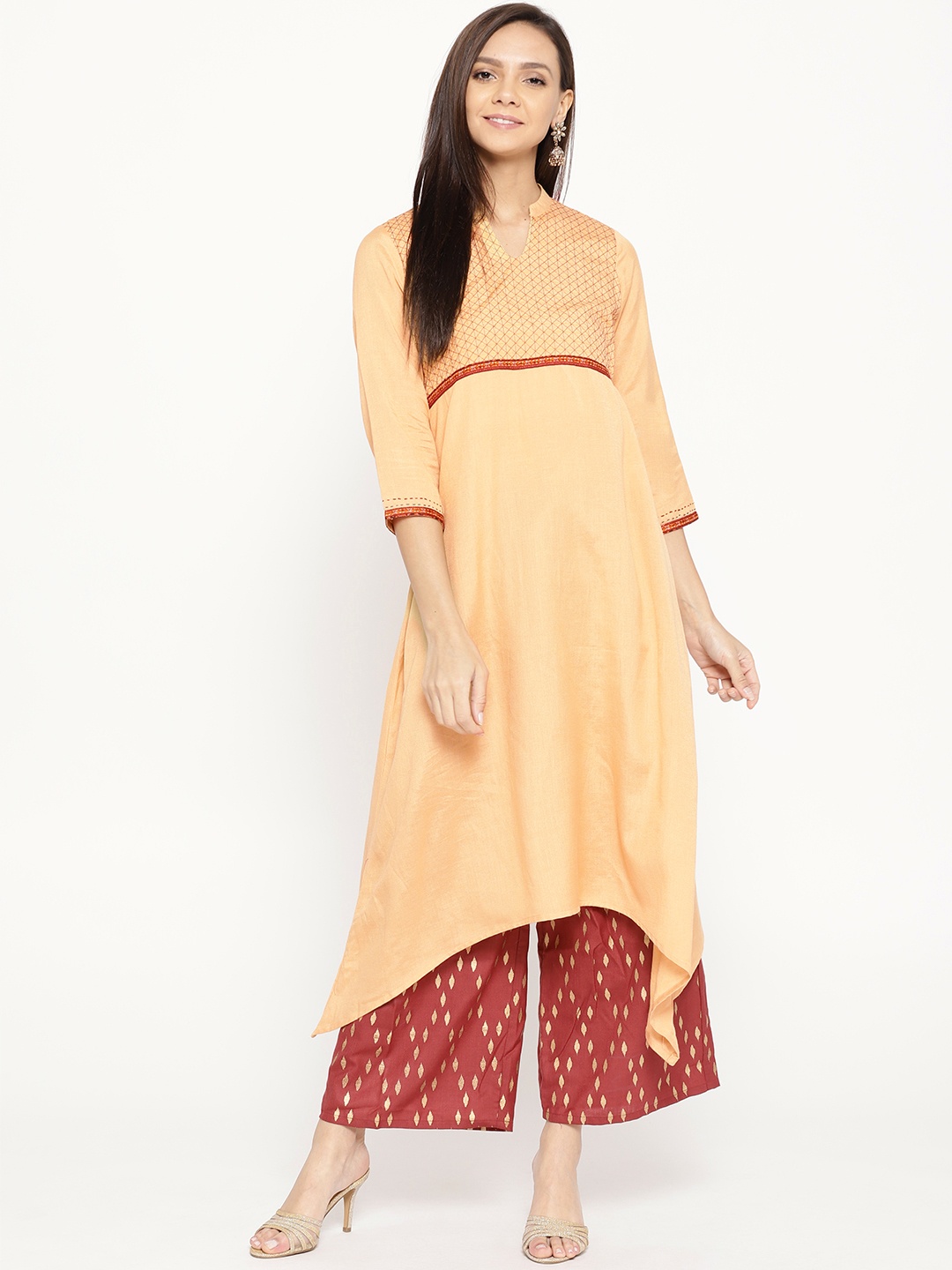
Relaxed clothing prioritises airflow and ease. Adding compression underneath loose garments often reduces comfort without improving appearance. A breezy cotton kurta paired with palazzos hardly needs extra shaping.
Daily errands, casual outings and short trips rarely justify tight underlayers. Comfort often outweighs aesthetic concerns in such situations.
Health also plays a role. Individuals with digestive discomfort or sensitive skin may prefer minimal compression. Tight garments can aggravate certain conditions.
Fashion should adapt to lifestyle rather than complicate it. Choosing breathable fabrics and well-fitted clothing often eliminates the need for shapewear entirely.
Knowing when to skip shapewear shows a deeper understanding of personal comfort and style.
Products Related To This Article
1. PLUMBURY Seamless High Waist Tummy Tucker Shapewear
2. IndianRang Mid-Rise Saree Shapewear
3. Krvvy Women Seamless Ultrasoft Tummy Control Panty
4. Vero Moda Intimates Women Beige Solid Tummy Shapewear
5. Shapemour Women's Thong Bodysuit Bodyshaper
Shapewear collections occupy a curious space in modern fashion. It promises sleek silhouettes and improved clothing fit, yet it also carries myths about instant body transformation. Understanding its true purpose clears away unrealistic expectations.
At its best, shapewear functions as a supportive styling layer. It smooths fabrics, enhances garment fit and occasionally provides gentle posture support. Weddings, formal events, and structured outfits often benefit from such subtle assistance.
At its worst, shapewear becomes a source of discomfort and unnecessary pressure. Overly tight garments restrict movement and create unrealistic beauty standards. Confidence suffers when clothing choices revolve around hiding the body rather than celebrating it.
A balanced approach solves the problem. Choose breathable fabrics, correct sizes and moderate compression. Wear shapewear when an outfit truly requires smooth layering. Skip it when comfort matters more.
Fashion works best when it adapts to real lives rather than chasing perfection. Shapewear simply plays a supporting role in that larger story.
(Disclaimer: This article may include references to or features of products and services made available through affiliate marketing campaigns. NDTV Convergence Limited (“NDTV”) strives to maintain editorial independence while participating in such campaigns. NDTV does not assume responsibility for the performance or claims of any featured products or services.)