The Sneaker Width Problem: Why Some Pairs Feel Tight Even In Your Size
Ever bought sneakers in your usual size only to find them painfully tight? The problem often lies in width, not length. Here’s why some sneakers squeeze your feet even when the size on the box says they shouldn’t.
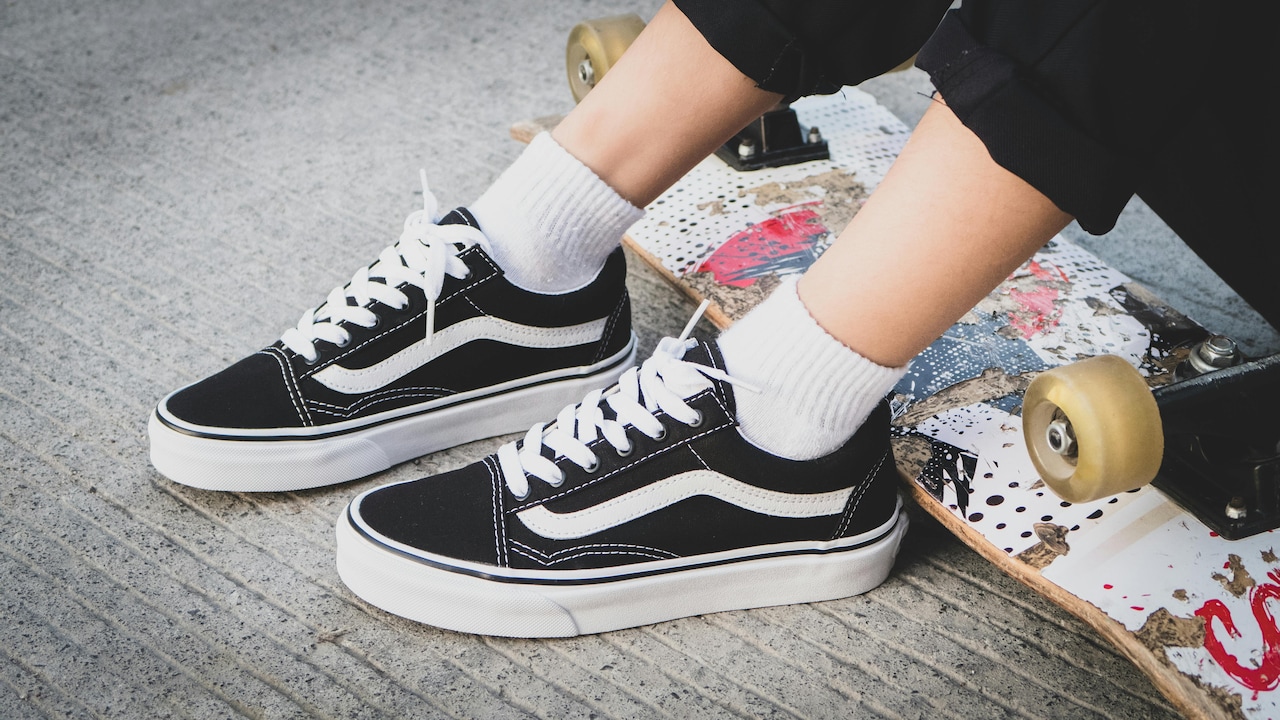
Why Sneakers Feel Tight Even In The Right Size: The Sneaker Width Problem Explained.
Buying sneakers often appears simple. Walk into a shop, request the usual size, try a pair, and walk out ready for the next evening stroll or gym session. Yet reality tells a different story. Many sneaker pairs feel tight across the toes, pinch the sides of the foot, or cause discomfort within minutes. Oddly enough, the size printed on the box remains exactly the same as the previous comfortable pair.
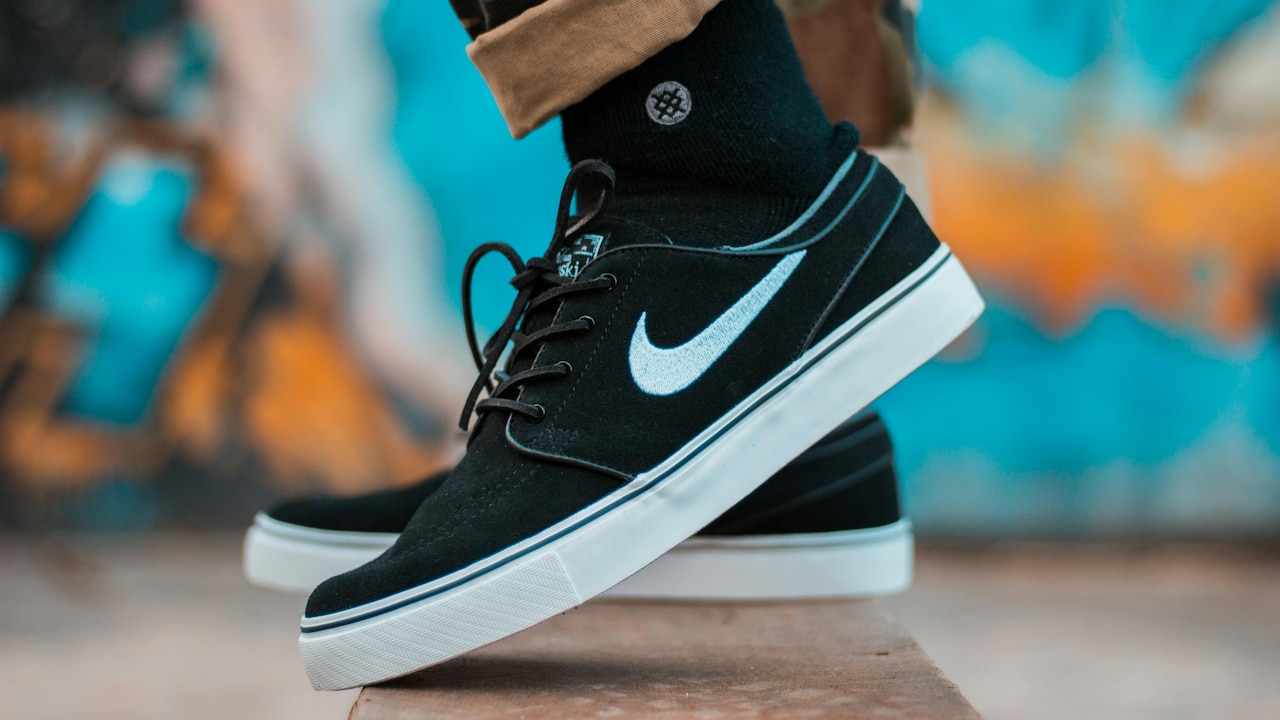
Read why some sneakers feel tight even if the size is right; Photo Credit: Pexels
This puzzle frustrates many sneaker buyers. A pair labelled size 9 from one brand may feel snug, while another size 9 fits perfectly. The explanation lies not just in length but in width, a measurement rarely discussed during casual shoe shopping. Sneaker width affects how the foot spreads, how the toes move, and how comfortable each step feels.
Across shopping streets from Delhi's Karol Bagh to Bengaluru's Brigade Road, footwear stores display dozens of stylish sneakers. Yet few shoppers hear a salesperson mention “wide fit” or “narrow fit”. The result often leads to impulse purchases followed by blisters, cramped toes, or abandoned shoes sitting quietly in the wardrobe.
Understanding the sneaker width problem reveals why comfort varies even within the same size. It also sheds light on how design choices, materials, and foot anatomy influence every step.
Also Read: Nike Sneakers for Women Under ₹5000 That Work for Gym, Walks and Weekend Outfits
Common Reasons Sneakers Feel Tight Even In Your Size
The Length Myth: Why Size Numbers Tell Only Half The Story
Most shoppers assume the number on the shoe box represents a perfect fit. A size 8 should feel identical across brands, right? Unfortunately, that belief ignores a critical detail: the number refers mainly to length, not width.
Sneaker sizing traditionally measures the distance from heel to toe. Width measurements, however, often remain standardised or ignored altogether. As a result, two pairs with the same length may feel entirely different once the foot settles inside.
Imagine squeezing into a metro seat designed for average body width. If the seat runs narrower than expected, discomfort appears instantly. Shoes behave the same way. A narrow sneaker compresses the sides of the foot even if the length fits correctly.
Many brands design sneakers around a “standard” foot shape. That shape rarely reflects the diversity of real feet. Some people have broader forefeet, others have higher arches, while some experience swelling after long walks.
Without accounting for these differences, sneaker sizing becomes unreliable. The number on the box creates confidence, but the internal space tells the real story.
Foot Shape Matters More Than Shoe Size
Feet rarely follow a universal template. Some spread wide across the toes, others taper sharply, and many display subtle variations between the left and right foot. These differences explain why a sneaker that fits one person perfectly may feel painfully tight for another with the same shoe size.
Forefoot width plays a major role. Many people naturally have wider toe areas. When a sneaker narrows towards the front, the toes press together like passengers crammed inside a crowded auto. Over time, that pressure leads to soreness, calluses, and blisters.
High arches also influence width perception. When the arch rises sharply, the foot pushes outward against the shoe walls. Even a moderately narrow sneaker begins to feel restrictive.
Another factor involves foot spread during movement. When walking or running, the foot expands slightly with each step. A shoe that feels comfortable while sitting may tighten once the body begins moving.
Foot shape, therefore, becomes the hidden variable in sneaker comfort. Two people wearing the same size often experience completely different results simply because their feet occupy space differently inside the shoe.
The Sneaker Last: The Hidden Blueprint Of Fit
Every sneaker begins with something called a “last”. This model, shaped like a foot, acts as the mould around which the shoe is built. Designers use it to determine length, width, and overall structure.
Different brands rely on different lasts. Some create narrow silhouettes designed for sleek appearance. Others prioritise comfort and leave extra room across the forefoot.
The shape of the last directly affects how a sneaker hugs the foot. Even minor variations change the way the shoe feels. A brand famous for slim athletic designs may unintentionally squeeze wider feet.
Fashion trends also influence the last. Sleeker sneakers with tapered toes often dominate store displays. These styles look modern and sharp, but they frequently sacrifice toe room.
A customer trying two sneakers of identical size may therefore encounter surprising differences. One pair feels relaxed and spacious, while another grips the foot tightly.
The last quietly controls this experience. Most shoppers never hear the term, yet it determines comfort long before the sneaker reaches the shelf.
Materials That Shrink Space Inside The Shoe
Sneaker materials influence more than style and durability. They also shape the amount of internal space available for the foot.
Rigid materials such as synthetic leather or thick overlays tend to restrict expansion. When the foot presses outward, the material resists stretching. The result feels like wearing a glove two sizes too small.
Flexible knit uppers behave differently. These fabrics stretch slightly during movement, allowing the foot to spread naturally. Many modern running shoes adopt knit materials for this reason.
Even cushioning plays a role. Thick padding around the collar and tongue reduces internal room. While the design adds comfort, it can also crowd the foot if the shoe already runs narrow.
Weather adds another layer to the issue. During hot afternoons, feet swell slightly due to increased blood flow. A sneaker that felt fine in the morning may suddenly tighten by evening.
Material choice, therefore, shapes the overall fit experience. Some shoes adapt to the foot, while others maintain rigid boundaries that leave little room for adjustment.
The Fashion Factor: Style Sometimes Beats Comfort
Sneaker design increasingly follows fashion trends rather than purely functional principles. Streamlined shapes dominate advertisements and shop displays.
These stylish silhouettes often narrow the toe box to create a sleek appearance. The result looks elegant but compresses the forefoot.
Fashion-driven design appears across casual sneakers, streetwear models, and even some sports shoes. A narrow profile photographs well and pairs neatly with slim trousers or joggers.
Yet the foot rarely enjoys such aesthetic compromises. Toes need space to move naturally. When confined inside a tapered shape, the foot struggles to maintain balance and comfort.
Some shoppers accept the trade-off for style. A pair purchased for ₹6,000 may feel worth the sacrifice if it complements an outfit perfectly. Others discover the discomfort after wearing the shoes for several hours.
The fashion industry rarely highlights width when promoting sneakers. Instead, visual appeal takes centre stage. This approach leaves many buyers discovering the width problem only after the purchase.
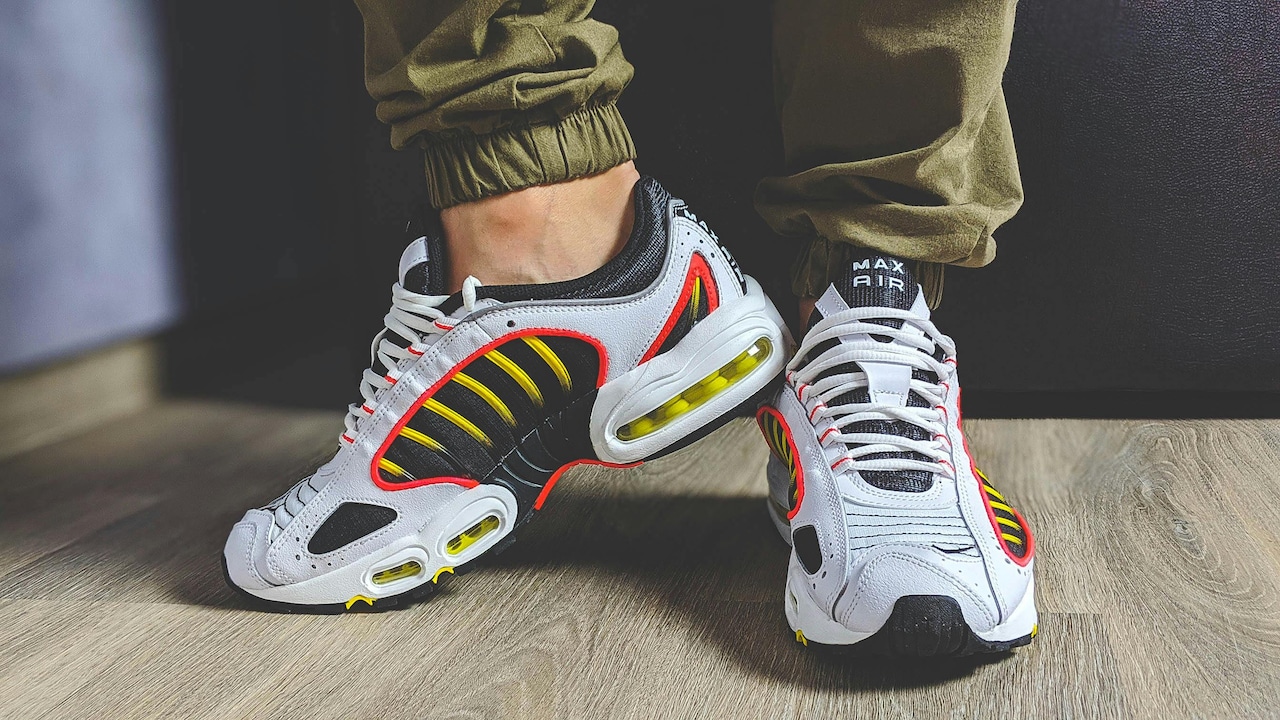
Some sneaker designs follow fashion trends by overlooking the comfort factor; Photo Credit: Pexels
Manufacturing Differences Between Brands
Sneaker brands operate across multiple factories and countries. Even when designs follow identical specifications, small manufacturing variations can alter the final fit.
Differences in stitching tension, material stretching, and assembly techniques influence internal width. One production batch may feel slightly roomier than another.
Brands also interpret size charts differently. A size 9 from one label may measure a few millimetres wider or narrower than another. These tiny differences become noticeable once the shoe wraps around the foot.
Some brands specialise in athletic performance and design wider toe boxes to support movement. Others focus on lifestyle aesthetics, resulting in slimmer constructions.
Shoppers exploring footwear markets often notice this inconsistency. A sneaker from a sports brand fits comfortably, while a fashion-focused label feels unexpectedly tight.
These variations explain why loyal customers stick to particular brands. After finding a reliable fit, switching labels introduces uncertainty.
Manufacturing differences, therefore, contribute significantly to the mysterious width mismatch many buyers experience.
Feet Change Over Time
Foot size does not remain fixed throughout life. Age, weight fluctuations, and daily activity gradually reshape the structure of the foot.
As people grow older, ligaments loosen slightly. The foot may spread wider across the forefoot. Someone who once wore narrow sneakers comfortably might suddenly find them restrictive.
Weight changes also affect foot width. Increased body weight places greater pressure on the arches, causing the foot to flatten slightly. This flattening expands the foot sideways.
Even pregnancy temporarily alters foot shape for many women. Hormonal changes relax ligaments, leading to permanent increases in width for some individuals.
Daily routines play a role as well. Long hours of standing or walking encourage subtle swelling and expansion. By evening, feet often measure wider than in the morning.
These changes mean a familiar shoe size may no longer guarantee comfort. The length remains the same, but the width requirement quietly increases.
Ignoring this natural evolution often leads to the classic complaint: “This size always worked before.”
Sock Thickness And Lacing Patterns
Something as simple as socks can transform sneaker fit. Thick cotton socks add noticeable bulk inside the shoe, reducing available width.
Sports socks, especially cushioned varieties, often feel comfortable during workouts. However, they occupy more space across the forefoot and instep.
A sneaker that fits perfectly with thin socks may suddenly tighten once thicker pairs enter the equation. This difference surprises many buyers who test shoes barefoot in shops.
Lacing patterns also influence width perception. Tight laces pull the shoe walls inward, squeezing the midfoot and toes. Looser lacing allows the upper to expand slightly.
Athletes often adjust lacing techniques to relieve pressure points. Runners with wider feet sometimes skip eyelets near the forefoot to create extra space.
Small adjustments like these reveal how adaptable sneakers can be. Width discomfort does not always stem from the shoe itself. Sometimes the solution lies in subtle changes to how the shoe interacts with the foot.
The Overlooked Importance Of Wide-Fit Options
Despite the widespread width issue, many stores stock only standard sneaker widths. Wider options remain limited or hidden among niche collections.
Wide-fit sneakers provide additional room across the forefoot and midfoot. This design prevents toes from pressing against each other and reduces friction along the sides.
For shoppers with broader feet, discovering wide-fit footwear feels almost revolutionary. Suddenly, the familiar size number delivers genuine comfort.
Yet awareness remains low. Many buyers simply assume tightness represents normal behaviour for new shoes. They hope the sneaker will “break in” after several wears.
While materials may soften slightly, width rarely changes dramatically. A shoe built narrow usually stays narrow.
Greater visibility of wide-fit options could solve many common complaints. Once shoppers recognise width as a crucial dimension, sneaker shopping becomes far less frustrating.
Why Trying Sneakers On Matters More Than Ever
Online shopping offers convenience, discounts, and doorstep delivery. Yet sneakers present one category where physical trials still hold tremendous value.
Trying on shoes allows immediate evaluation of width, arch support, and toe room. Walking around the store reveals whether the foot spreads comfortably or feels squeezed.
Even a few steps can highlight problems that remain invisible when browsing online listings. A sneaker that looks perfect on a screen may feel restrictive within seconds.
Timing also helps. Trying shoes later in the day, when feet naturally expand slightly, provides a more realistic sense of everyday comfort.
Many shoppers chase deals online, especially when discounts drop prices from ₹8,000 to ₹5,500. While the savings feel attractive, the risk of poor fit increases.
The humble in-store trial, therefore, remains a powerful tool. A few minutes spent walking inside the shop often prevents months of discomfort afterwards.
Products Related To This Article
1. Red Tape Down Town Dapper Men Colourblocked Lace-Ups Sneakers
2. Puma Carina Slim Perf Women Sneakers
3. Rettrose Women PU Sneakers
4. HRX by Hrithik Roshan Unisex Solid Textured Round Toe Sneakers
5. ASIAN Men Colourblocked Round Toe Sneakers
Sneaker shopping often revolves around a single number printed on the box. Yet that number hides a more complex reality. Width, foot shape, materials, and design choices all influence how a sneaker feels once worn.
A pair labelled with the correct size may still pinch the toes or squeeze the sides simply because the width does not match the foot's natural shape. Fashion trends, manufacturing variations, and evolving foot structure add further layers to the puzzle.
Understanding the sneaker width problem empowers buyers to make smarter choices. Paying attention to toe space, trying different brands, and exploring wide-fit options can transform the entire footwear experience.
Comfortable sneakers should support movement, not restrict it. When width finally receives the attention it deserves, every step feels lighter, whether strolling through a bustling market or walking home after a long day.
(Disclaimer: This article may include references to or features of products and services made available through affiliate marketing campaigns. NDTV Convergence Limited (“NDTV”) strives to maintain editorial independence while participating in such campaigns. NDTV does not assume responsibility for the performance or claims of any featured products or services.)