The Dupatta Width Trick That Instantly Makes Ethnic Fits Look More Expensive
A wider dupatta can instantly make even simple ethnic outfits look richer, more elegant, and better styled. This is why fashion insiders swear by this easy styling trick.
Why A Wider Dupatta Makes Ethnic Wear Look More Elegant And Luxe
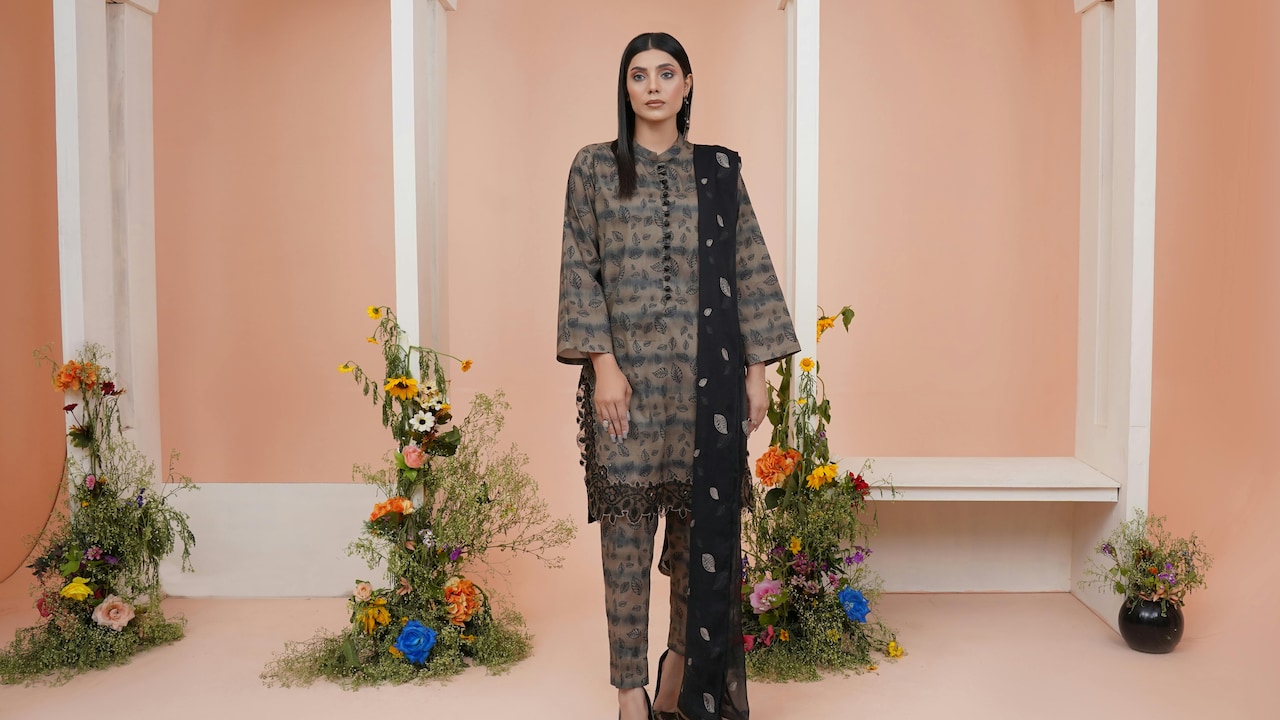
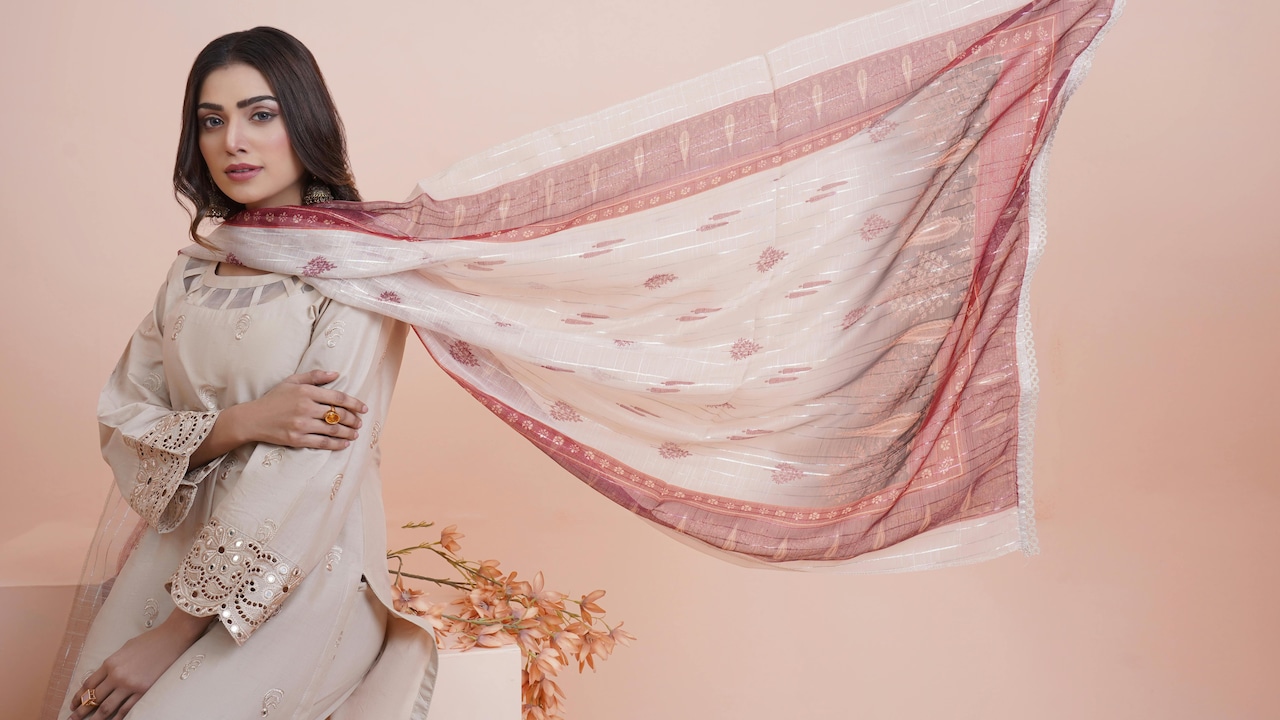
Every festive season brings the same fashion puzzle. The kurta looks lovely on the hanger, the embroidery sparkles under shop lights, and the colour feels perfect. Yet somehow, once worn at a wedding, dinner, or family gathering, the outfit lacks that luxurious edge seen on celebrities and boutique mannequins. Most people blame the fabric, tailoring, or jewellery. Very few notice the real culprit hiding in plain sight: the dupatta width. A narrow dupatta often makes an outfit feel incomplete. It sits stiffly on the shoulders, refuses to drape elegantly, and creates a rushed appearance. On the other hand, a wider dupatta instantly softens the entire silhouette. It flows better, photographs beautifully, and adds drama without trying too hard.
The Dupatta Width Trick That Instantly Makes Ethnic Fits Look More Expensive
Photo Credit: Pexels
Boutique stylists quietly rely on this trick all the time. That dreamy chiffon drape seen at destination weddings or those regal organza looks flooding social media rarely happen by accident. Width changes everything.
Interestingly, this styling move works across budgets. A ₹1,200 suit can suddenly look premium with the right dupatta proportions, while an expensive ensemble can appear oddly flat with a skimpy drape. Fashion often lives in details, and this one matters more than most realise.
The secret lies in balance, fabric movement, and visual richness. Once understood, outfit shopping becomes far easier and far less disappointing.
The Dupatta Width Trick That Instantly Makes Ethnic Fits Look More Expensive
Why Width Changes The Entire Silhouette
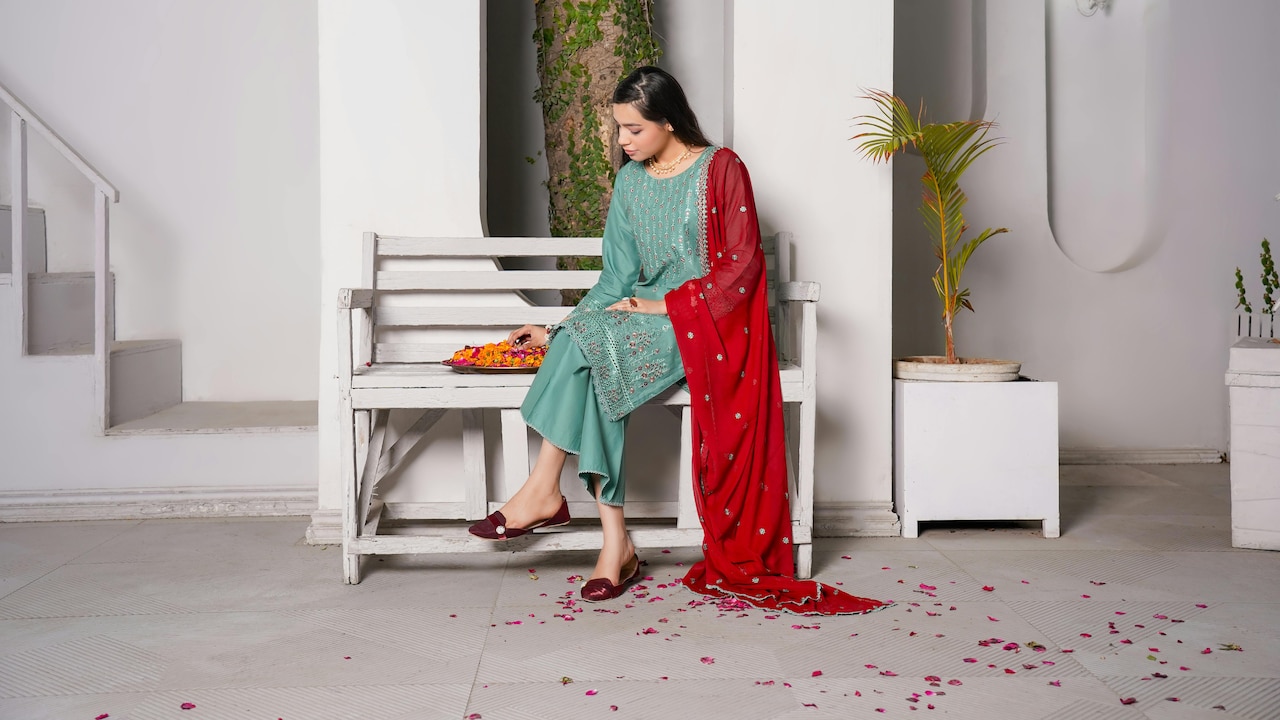
Clothing proportions affect how the eye reads an outfit. A wider dupatta creates visual harmony because it balances the length of kurtas, shararas, and lehengas. Narrow pieces usually cut the frame awkwardly, especially during movement.
Think of a grand wedding entry. The outfit sways gracefully, the fabric catches light, and every step feels cinematic. That elegance rarely comes from embroidery alone. Much of it comes from fabric volume and flow.
A wider dupatta frames the shoulders more softly and adds dimension around the body. This creates a layered appearance associated with designer styling. Even plain cotton suits appear elevated when the drape falls generously instead of clinging stiffly.
There is also a psychological effect at play. Fuller fabrics naturally feel richer because they resemble custom tailoring and premium craftsmanship. Boutique stores understand this brilliantly. That is why expensive labels rarely use narrow dupattas unless aiming for a sharply modern look.
The difference becomes obvious in photographs. Slim dupattas often disappear into the outfit, while broader ones create shape and movement. Suddenly, the same suit appears thoughtfully styled rather than quickly assembled before rushing out for dinner.
It is one of those tiny tricks that changes everything without announcing itself loudly.
The Ideal Width That Works For Most Outfits
There is no magical number that suits everyone, but certain measurements consistently look elegant. Dupattas around 36 to 44 inches wide generally create the most flattering drape for festive and semi-formal outfits.
Anything narrower can feel scarf-like rather than luxurious. Wider pieces allow proper pleating, shoulder drapes, and those effortless front falls that instantly look expensive.
Fabric matters too. A 40-inch chiffon dupatta flows differently from a 40-inch organza one. Lightweight materials naturally spread more gracefully, while structured fabrics need slightly extra width to avoid stiffness.
Stylists in bridal boutiques often adjust widths depending on the outfit shape. Straight kurtas pair beautifully with fluid, wider dupattas because they soften sharp tailoring. Meanwhile, heavily flared outfits may need controlled draping to avoid overwhelming the frame.
Height also influences styling. Petite women sometimes fear wider dupattas will drown their look. In reality, strategic draping solves that problem easily. The key lies in avoiding bulky pleats around the neck.
Interestingly, many ready-made sets compromise on dupatta dimensions to reduce production costs. That explains why some otherwise pretty outfits feel underwhelming straight out of the package.
A simple replacement dupatta from a local market for ₹800 or ₹1,500 can completely revive an outfit sitting forgotten in the wardrobe.
Why Fabric And Width Must Work Together
Width alone cannot save a poorly chosen fabric. The magic happens when fabric texture and dupatta dimensions complement each other naturally.
Take organza, for example. It photographs beautifully and looks regal under festive lighting. Yet if the width feels too narrow, organza becomes awkwardly rigid. Instead of floating gracefully, it sticks out like folded gift wrap.
Chiffon behaves differently. Even moderately wide chiffon dupattas create movement instantly. The fabric falls softly around the body and gives that effortless “old film star” elegance people still adore at weddings.
Cotton silk sits somewhere in between. It needs enough width to create richness but not so much that the drape becomes bulky in humid weather. Anyone attending summer functions knows the struggle of adjusting heavy layers every ten minutes while pretending to look composed.
Velvet dupattas require careful handling too. Extra width adds royal drama, but excessive fabric can feel overwhelming during long events. Nobody wants to spend an entire sangeet fighting shoulder slippage while balancing a plate of paneer tikka.
The smartest styling always considers practicality alongside beauty. A dupatta should move naturally with the body rather than behaving like difficult luggage at an airport.
When width and fabric align perfectly, the result feels effortless. And effortless dressing almost always looks expensive.
The Celebrity Styling Secret Nobody Talks About
Celebrity stylists rarely leave dupatta proportions to chance. Every drape seen on red carpets, wedding shoots, or festive campaigns gets carefully planned to create visual impact.
The audience notices sparkle first, but professionals study fabric spread, shoulder balance, and movement. Wider dupattas help cameras capture softness and luxury. They also create depth in photographs, which explains why celebrity outfits often look grand even in simple colours.
Interestingly, many couture ensembles feature surprisingly minimal embroidery. Instead, stylists rely on rich draping techniques to make outfits feel premium. A broad tissue dupatta worn diagonally across the torso instantly creates regal structure without excessive embellishment.
Social media trends have amplified this trick further. Slow-motion wedding videos thrive on movement. Narrow dupattas simply cannot create the same cinematic flow.
This does not mean every outfit needs dramatic bridal styling. Every day festive dressing benefits too. A broader Banarasi dupatta over a plain kurta can transform a simple dinner look into something striking within seconds.
Many fashion enthusiasts unknowingly chase luxury through heavy embellishments when smarter draping delivers stronger results. Sometimes elegance lies not in adding more stones or sequins but in allowing fabric to breathe beautifully.
That subtle confidence changes how an outfit feels and how others perceive it instantly.
How Narrow Dupattas Accidentally Cheapen A Look
A poorly proportioned dupatta disrupts the entire outfit's balance. Narrow pieces often bunch awkwardly, slide constantly, or disappear into the clothing instead of enhancing it.
This creates a rushed appearance, even when the outfit itself costs a small fortune.
Ready-made sets frequently include skimpy dupattas because reducing fabric cuts significantly reduces manufacturing expenses. Unfortunately, the visual difference becomes obvious during wear. The outfit lacks fluidity and appears less polished overall.
The issue becomes even more noticeable with festive fabrics. Sequinned suits paired with narrow net dupattas often feel incomplete because the drape lacks fullness. Instead of looking glamorous, the outfit starts resembling a last-minute online order that looked better in edited photographs.
Movement matters too. During weddings and parties, people constantly walk, greet relatives, pose for photos, and occasionally dance after insisting they would not dance. A narrow dupatta struggles to maintain shape throughout all this activity.
Wider dupattas stay visually balanced even after hours of wear. They settle naturally rather than requiring endless adjustment.
Fashion mistakes rarely scream loudly. Most quietly affect the overall impression instead. Dupatta width falls firmly into that category. People may not identify the exact issue, but they immediately sense when an outfit feels incomplete.
That tiny styling imbalance can make expensive clothing appear surprisingly ordinary.
Also Read: Are You Wearing Your Dupatta Wrong? 10 Draping Mistakes To Avoid
Draping Techniques That Make Width Look Luxurious
The beauty of a wider dupatta lies in its versatility. It opens up draping styles impossible with narrow pieces and instantly creates a more thoughtful appearance.
One of the most elegant techniques involves letting one side fall longer over the arm instead of pinning everything tightly in place. This creates movement and softness without looking overly styled.
Front-open drapes also work beautifully with broader fabrics. The outfit remains visible while the dupatta frames the silhouette elegantly. Boutique stylists love this approach because it photographs well from multiple angles.
For weddings, pleated shoulder drapes paired with loose front falls create effortless sophistication. The wider fabric maintains structure while still appearing fluid.
Cape-style draping has also become hugely popular during festive seasons. Wider dupattas allow graceful layering across both shoulders without looking stretched or sparse.
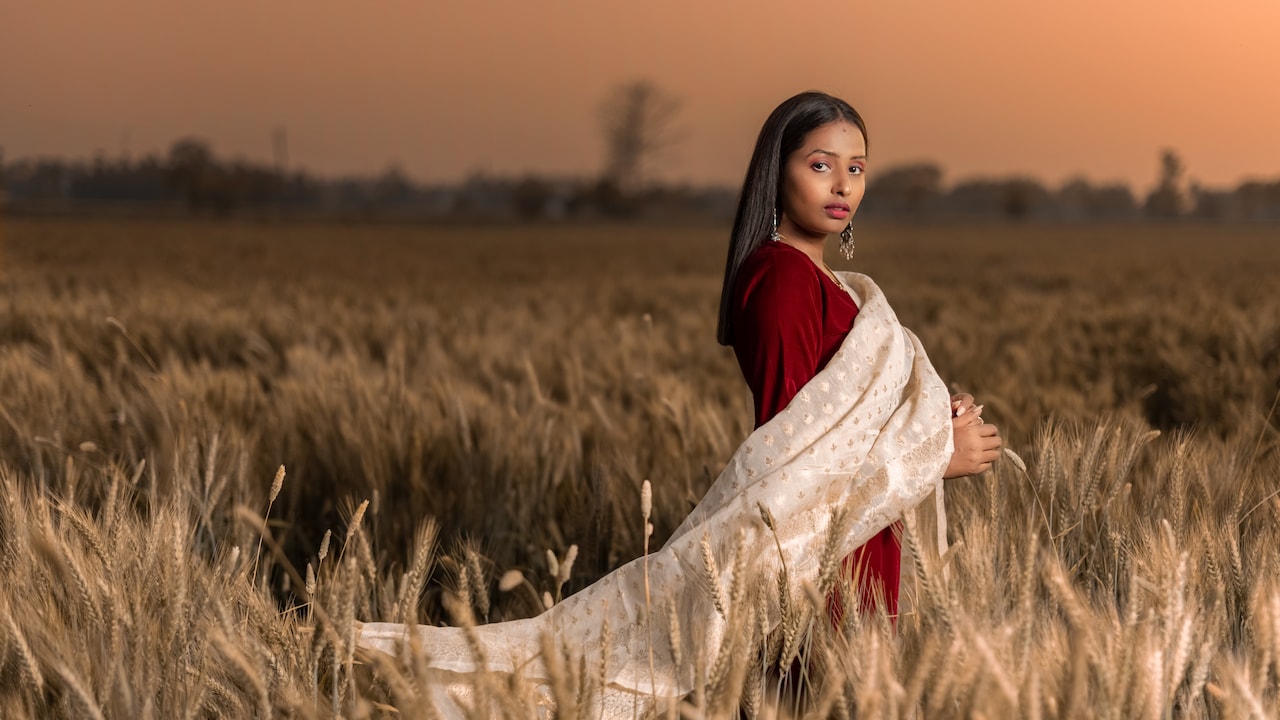
Even classic seedha pallu styles appear richer when the fabric spreads generously across the torso. Narrow versions often feel flat by comparison.
Comfort plays a role here, too. Wider dupattas distribute weight more evenly, making them easier to carry during long events. That means fewer awkward adjustments every few minutes.
Nothing ruins elegance faster than visibly wrestling with fabric while trying to enjoy gulab jamun at a crowded reception.
Good styling should enhance confidence, not create stress. The right width quietly achieves exactly that.
The Dupatta Width Trick That Instantly Makes Ethnic Fits Look More Expensive
Photo Credit: Pexels
Why Colour Looks Richer On Wider Dupattas
Colours behave differently depending on the fabric spread. Wider dupattas showcase shades more dramatically because there is more visible surface area for light reflection and movement.
Deep jewel tones like emerald, wine, navy, and rust appear especially luxurious when draped broadly. The fabric catches light beautifully and creates subtle dimension throughout the outfit.
Pastels benefit, too. Powder blue, blush pink, and ivory shades often risk looking flat in narrow cuts. Wider drapes add softness and depth, making delicate colours feel more elegant rather than washed out.
This explains why bridal boutiques frequently pair simpler outfits with statement dupattas in rich tones. The broader drape becomes a focal point without overpowering the ensemble.
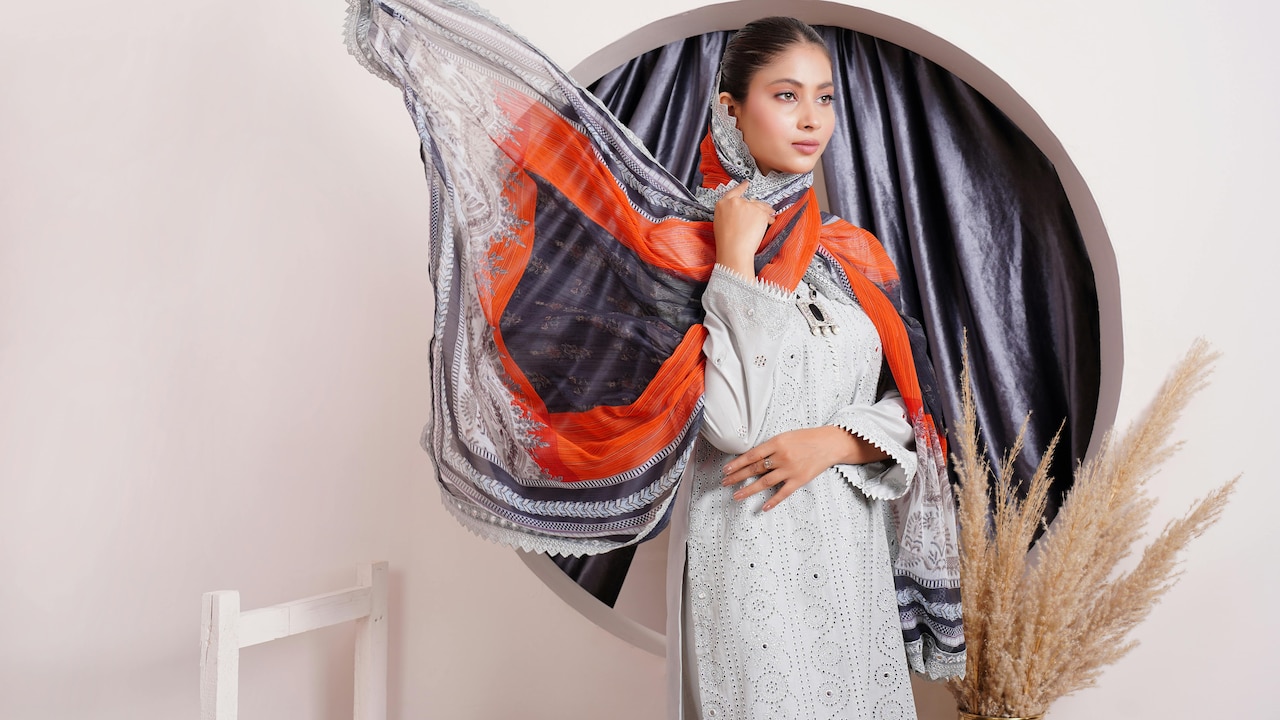
Prints also look far more expensive when given enough space to breathe. Cramped floral or geometric designs on narrow dupattas can appear busy and chaotic. Wider styling allows motifs to flow naturally across the fabric.
Even basic monochrome outfits gain instant polish through colour balance. A plain ivory kurta paired with a generously draped maroon Banarasi dupatta often looks more luxurious than heavily embellished sets overloaded with details.
Fashion does not always reward excess. Sometimes, strategic restraint paired with one standout element creates the strongest impression.
In many cases, that standout element turns out to be the dupatta itself.
The Local Boutique Trick Worth Borrowing
Small boutiques often understand practical styling better than flashy malls. Experienced tailors and shop owners quietly adjust dupatta widths based on what flatters real people rather than runway trends.
Many regular shoppers notice this difference immediately. Boutique outfits tend to drape better and feel more balanced despite lower price tags.
Some stores even customise dupatta dimensions upon request. Spending an extra ₹300 to ₹700 on additional fabric can dramatically improve the final look. It remains one of the smartest wardrobe upgrades available.
Markets famous for festive shopping often reveal this secret quickly. Heavily crowded stores with loyal customers usually prioritise generous fabric cuts because repeat buyers care about wearability.
Seasoned shoppers frequently mix and match, too. Instead of relying on matching sets, they pair older kurtas with richer standalone dupattas bought separately. This creates more styling flexibility and often looks far more expensive than mass-produced combinations.
A beautiful handloom dupatta can revive multiple outfits effortlessly. Suddenly, one purchase refreshes an entire wardrobe.
The smartest dressers rarely chase every trend. They focus on proportion, fabric quality, and styling details that create timeless elegance.
Dupatta width belongs firmly in that category. Quietly powerful. Easy to overlook. Surprisingly transformative.
Why This Trick Works Across Every Budget
Fashion myths often suggest that elegance demands massive spending. Reality tells a different story. Styling choices frequently matter more than price tags.
A thoughtfully draped ₹1,500 suit with a rich, wide dupatta can easily outshine an overly embellished ₹12,000 outfit with poor proportions. The difference lies in balance and presentation.
This is especially helpful during festive seasons when wardrobes need variety without draining savings accounts. Instead of constantly buying new outfits, many fashion lovers now invest in versatile dupattas that elevate existing pieces.
One embroidered organza dupatta can transform plain kurtas for dinners, pujas, engagement parties, and family celebrations. The same applies to Banarasi weaves, soft chiffons, and elegant tissue fabrics.
The styling possibilities multiply instantly.
Even college students and young professionals working within tight budgets can use this trick brilliantly. A simple monochrome kurta set paired with a broader contrasting dupatta often creates a polished look perfect for weddings and festive office gatherings.
People remember confidence and elegance more than price tags anyway.
The real charm of this styling trick lies in accessibility. It does not demand designer labels or impossible trends. It simply requires noticing how proportion shapes perception.
Sometimes the smallest wardrobe changes create the biggest visual impact.
The Dupatta Width Trick That Instantly Makes Ethnic Fits Look More Expensive
Photo Credit: Pexels
Products Related To This Article
1. Dupatta Bazaar Beige Dupatta
2. Globus Women Cotton Silk Ethnic Motifs Embroidered Fringed Lace Dupatta
3. Dupatta Bazaar Ethnic Motifs Printed Pure Cotton Dupatta with Sequinned
4. AURELIA Ethnic Motifs Printed Dupatta
5. Kuhika Woven Design Dupatta
6. RANGMANCH BY PANTALOONS Striped Dupatta
7. Dupatta Bazaar Gold-Coloured Embroidered Dupatta
Fashion often feels complicated because trends change constantly, social media moves at lightning speed, and shopping platforms flood screens with endless options. Yet some styling tricks remain timeless because they rely on proportion rather than hype.
The dupatta width trick belongs firmly in that category.
A broader dupatta adds movement, softness, and richness almost instantly. It transforms simple outfits, elevates festive dressing, and creates that polished appearance many people chase through expensive purchases.
Most importantly, it works across fabrics, budgets, and personal styles. Whether dressing for weddings, family dinners, college festivities, or elegant evening gatherings, the right drape changes everything quietly but powerfully.
Next time an outfit feels slightly incomplete, the issue may not be the kurta, jewellery, or footwear at all. The answer could simply rest on the shoulders. Sometimes luxury is not about wearing more. It is about wearing proportions beautifully.
(Disclaimer: This article may include references to or features of products and services made available through affiliate marketing campaigns. NDTV Convergence Limited (“NDTV”) strives to maintain editorial independence while participating in such campaigns. NDTV does not assume responsibility for the performance or claims of any featured products or services.)