Why Mirror-Work Kurtas Sometimes Look Cheap In Daylight And How To Pick Better Ones
Mirror-work kurtas can look elegant indoors but oddly cheap in daylight. The culprit often lies in fabric, stitching, mirror quality, and excessive shine. Here’s how to choose pieces that actually look refined.
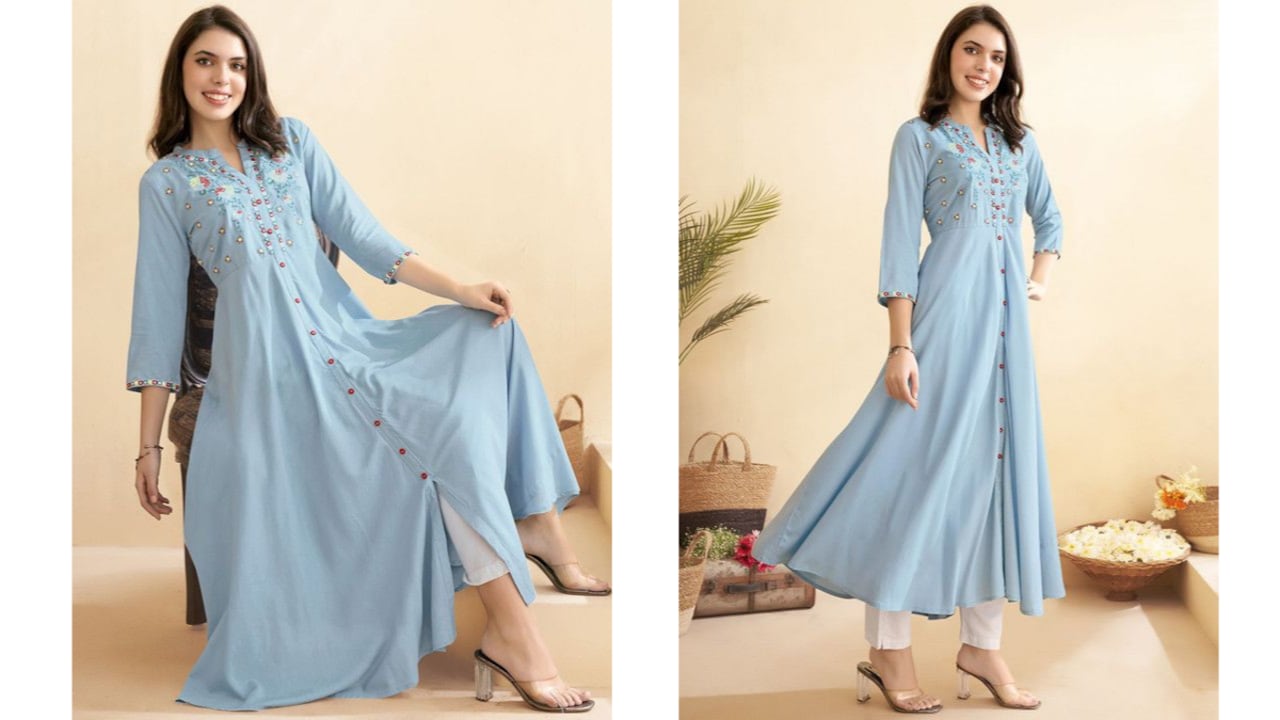
Styling tips to prevent mirror work kurtis from looking cheap
Mirror-work fashion never truly disappears. It quietly returns every festive season with fresh colours, updated cuts, and endless styling reels flooding social media. One year, it shows up on breezy cotton kurtas. Next, it dominates wedding collections with dramatic sleeves and heavy embroidery. Somehow, mirror-work always finds its way back into wardrobes. Still, not every mirror-work kurta delivers the same effect. Some pieces glow beautifully in sunlight and look effortlessly graceful. Others resemble school annual-day costumes the moment they step outdoors. The difference often surprises shoppers because trial-room lighting can hide plenty of flaws.
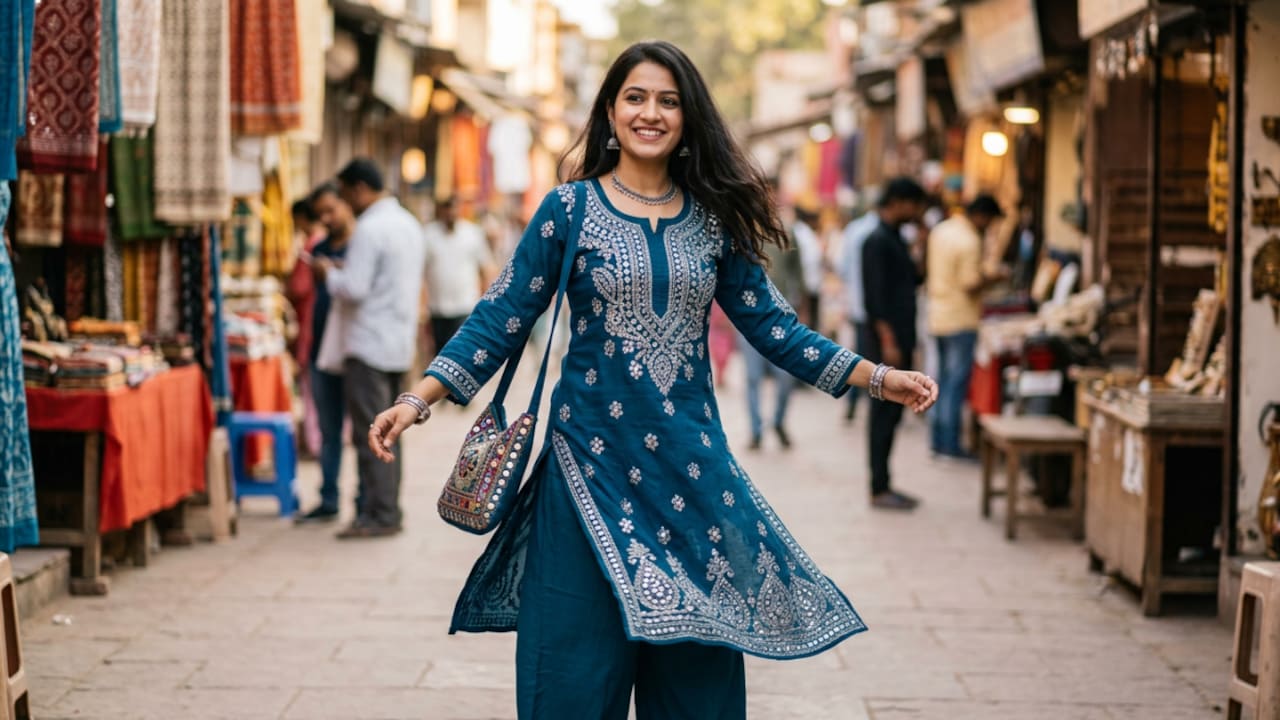
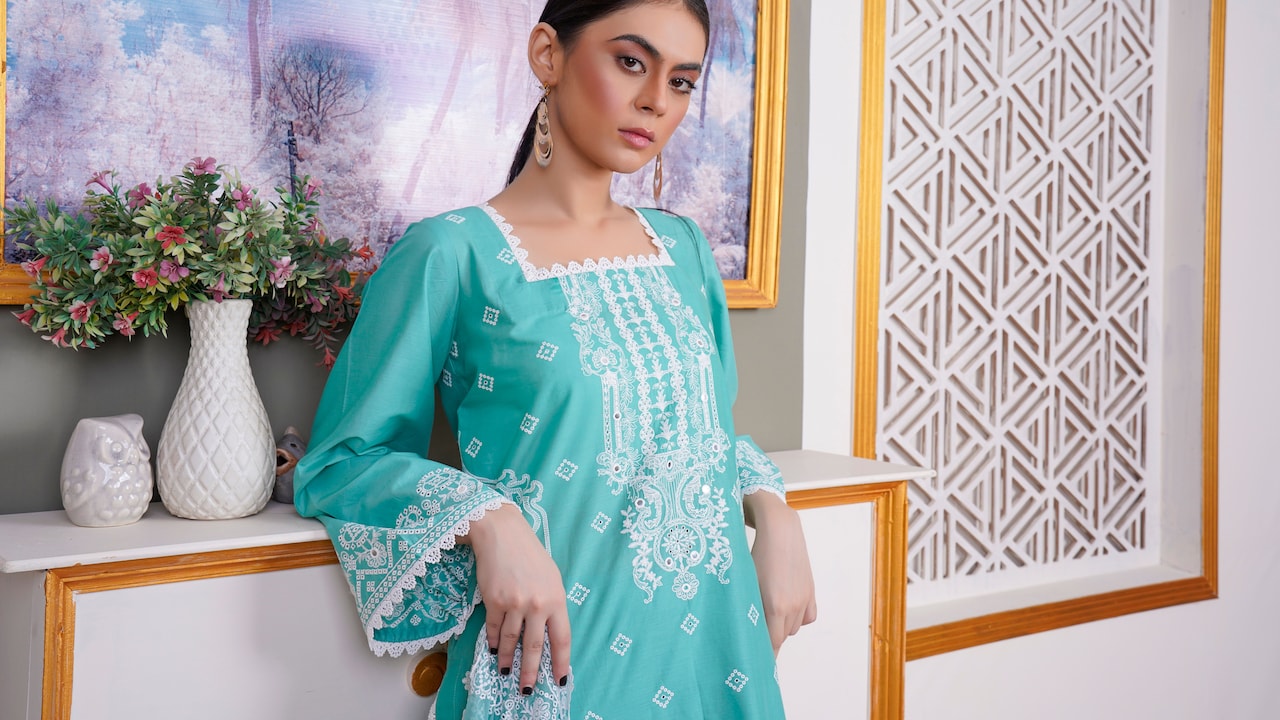
Why do some mirror work kurtas look cheap in daylight; Photo Credit: Gemini
Bright white lights inside stores tend to flatter synthetic fabrics and over-polished embellishments. Daylight, however, reveals everything. Uneven stitching, poor-quality mirrors, stiff fabric, loose threads, and cheap dye suddenly become impossible to ignore. Even expensive-looking kurtas can lose their appeal within seconds under the afternoon sun.
Thankfully, spotting quality mirror-work does not require designer-level expertise or a ₹25,000 shopping budget. A few practical tricks can make all the difference. The right mirror-work kurta should feel balanced, breathable, and refined rather than loud and uncomfortable. Fashion trends may change every few months, but elegant craftsmanship always stands out.
Also Read: Top 5 Cotton Anarkali Kurtas For Women For Summer Functions Under ₹800
Why Some Mirror-Work Kurtas Shine Beautifully While Others Fall Flat In Daylight
The Fabric Often Decides Everything
Mirror-work can only look as good as the fabric beneath it. Many kurtas appear cheap in daylight because brands focus heavily on embellishment while ignoring material quality. Synthetic fabrics with excessive shine tend to reflect sunlight awkwardly, creating a harsh glare instead of a soft sparkle. The result feels closer to costume wear than elegant festive dressing.
Cotton blends, chanderi, linen, mul cotton, and soft rayon usually hold mirror-work far better. These fabrics absorb light naturally and create balance. Even small mirrors appear tasteful when paired with textured materials. On the other hand, overly glossy polyester often exaggerates every stitch and wrinkle.
A simple daylight test helps instantly. Hold the kurta near a window before buying it. If the fabric suddenly looks stiff, overly shiny, or transparent, chances are it will not wear well outdoors either. Good fabric also drapes naturally around the body rather than standing awkwardly around the shoulders.
Many shoppers get distracted by heavy embroidery and forget to touch the material properly. That mistake often leads to regret after the first outing. A mirror-work kurta should feel breathable enough for long festive gatherings, crowded family lunches, and endless wedding photos without turning uncomfortable after twenty minutes.
Poor Mirror Quality Ruins The Entire Look
Not all mirrors belong in clothing. Cheap acrylic pieces often replace traditional glass mirrors because they reduce manufacturing costs. Under boutique lighting, these substitutes may seem acceptable. Under natural sunlight, however, they reveal their true nature almost immediately.
Low-quality mirrors usually appear cloudy, uneven, or overly reflective. Instead of catching light elegantly, they bounce harsh glare across the fabric. Some even develop scratches after a single wash, making the kurta look worn out surprisingly fast.
Good mirror-work uses neatly cut mirrors with smooth edges and consistent sizing. They should sit flat against the fabric rather than bulging awkwardly. Traditional handwork often creates a softer shine because artisans carefully secure each mirror with thread rather than relying on glue-heavy finishing.
The difference becomes obvious during daytime events. A well-crafted kurta sparkles subtly while moving. Poor-quality mirrors flash aggressively from every angle and attract attention for the wrong reasons.
Many local markets offer heavily embellished kurtas for ₹800 to ₹1,500, which may seem tempting before the festive season shopping. Some pieces genuinely offer great value. Others compromise entirely on mirror quality. Checking the mirrors up close takes barely two minutes and can save plenty of disappointment later.
Excessive Shine Can Look Tacky Outdoors
Mirror-work already catches attention naturally. Adding metallic threads, sequins, glitter lace, and shiny synthetic fabric all at once often creates visual chaos. Indoors, especially under warm yellow lights, this combination can appear festive and dramatic. Daylight tells a completely different story.
Natural sunlight highlights excess immediately. Too much shine can flatten the richness of a kurta and make it resemble mass-produced occasion wear rather than something thoughtfully chosen. Fashion rarely needs every element screaming for attention at the same time.
Subtle contrast works far better. Matte fabrics with carefully placed mirror-work usually appear sophisticated. Earthy shades like rust, deep green, indigo, ivory, mustard, and soft pink tend to complement mirrors beautifully without overwhelming the eye.
Some of the most elegant festive looks actually use very little mirror-work. Small detailing around the neckline or sleeves often feels more refined than heavily covered panels from shoulder to hem. Restraint creates impact.
Social media trends sometimes push heavily embellished pieces because they photograph dramatically under studio lights. Real life behaves differently. Daytime brunches, temple visits, outdoor functions, and family gatherings require clothing that moves naturally and photographs well in direct sunlight, too. Simplicity often wins that battle effortlessly.
Stitching Quality Becomes Visible In Daylight
Daylight exposes stitching flaws mercilessly. Loose threads, uneven seams, puckered fabric, and crooked mirror placement become far more noticeable outdoors. A kurta that looked perfectly acceptable inside an air-conditioned showroom can suddenly seem poorly finished once sunlight falls directly on it.
Good craftsmanship creates a clean structure. Mirrors should align consistently without pulling the surrounding fabric. The embroidery thread should sit firmly without fraying or creating bunching around the design. Uneven tension around mirrors often causes awkward ripples across the kurta, making even expensive pieces appear untidy.
Checking the inside of the garment helps enormously. Well-made mirror-work usually has neat backing and secured knots. Messy threadwork inside often signals rushed production. It may survive one festive season, but it rarely lasts longer.
Another common issue involves machine-finished mirror-work pretending to resemble hand embroidery. While machine work itself is not necessarily bad, poor finishing creates repetitive patterns that look flat and artificial in daylight.
Quality stitching also affects comfort. Rough embroidery backing can scratch the skin during long hours outdoors. Nobody wants to spend a wedding function adjusting sleeves while pretending everything feels perfectly fine. Beautiful clothing should still allow easy movement, relaxed sitting, and enthusiastic dancing after dessert arrives.
Colour Choice Changes How Mirrors Reflect
Certain colours naturally enhance mirror-work, while others make it appear cheap instantly. Neon shades, extremely bright synthetic tones, and overly cool metallic colours often clash with sunlight. The mirrors end up reflecting too sharply, creating an almost plastic-looking finish.
Rich jewel tones and earthy palettes usually work far better. Deep maroon, burnt orange, olive, charcoal, navy, and muted turquoise create warmth around mirror-work. The shine appears balanced instead of harsh.
White and ivory mirror-work kurtas can look stunning too, but only when the fabric quality remains high. Cheap white fabrics become especially unforgiving outdoors because sunlight highlights every crease, thread, and inconsistency.
Pastels also require careful handling. Soft lavender or powder blue paired with elegant embroidery can feel fresh and graceful. Add cheap silver mirrors and shiny lace, though, and the entire outfit risks resembling festival décor.
Colour harmony matters more than people realise. The mirrors should complement the fabric rather than dominate it completely. When the overall palette feels calm, the detailing stands out beautifully.
Many shoppers panic-buy loud colours before the wedding season because brighter outfits seem more “festive”. Yet timeless pieces usually lean softer and more balanced. A thoughtfully chosen deep mustard kurta often photographs far more beautifully than fluorescent pink covered in oversized mirrors.
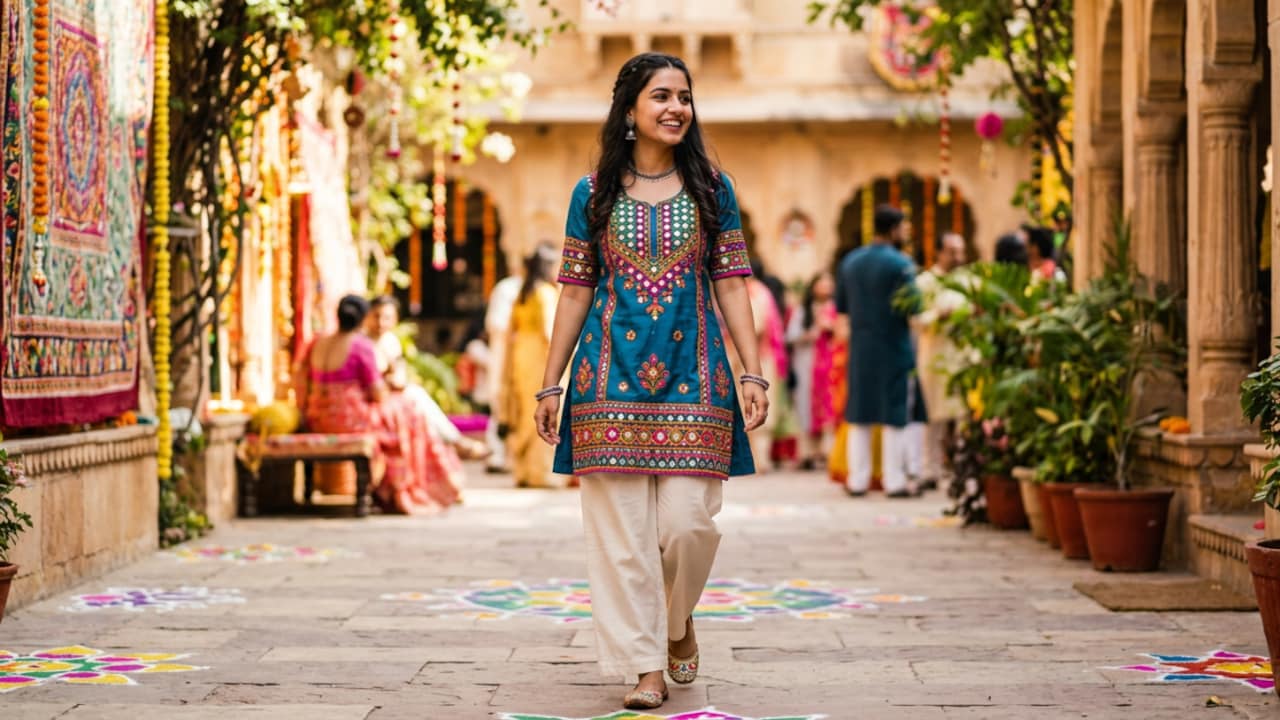
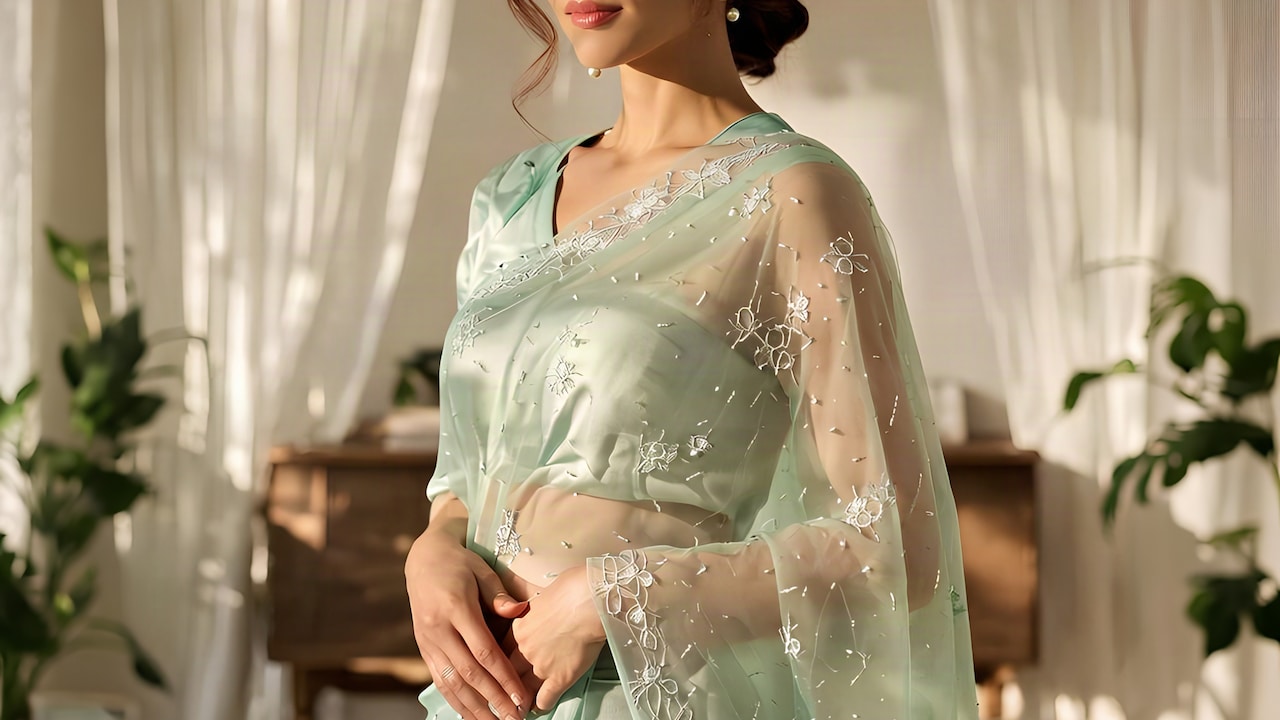
Colour choices can also affect the way mirror work kurtas look in real life; Photo Credit: Gemini
Overcrowded Designs Lose Elegance Quickly
Mirror-work thrives on balance. Too many motifs crammed together often destroy that balance entirely. Dense embroidery from neckline to hem can make a kurta feel visually exhausting, especially in broad daylight.
Elegant design allows breathing space. Empty areas around the embroidery help the mirrors stand out more naturally. Good designers understand proportion. They know when to stop adding embellishment.
Overcrowded patterns also affect body shape visually. Heavy placement around the waist, chest, or hips can create unnecessary bulk. Strategic detailing, meanwhile, enhances structure and movement.
The same principle applies to sleeves and borders. Thick mirror-work on every edge often feels overwhelming outdoors. A clean silhouette with selective detailing usually appears more polished and expensive.
Festive fashion occasionally falls into the “more is better” trap. Extra tassels, giant mirrors, sequins, pom-poms, metallic piping, and dramatic prints all compete for attention. The result rarely looks sophisticated.
Simple mirror-work kurtas often survive changing trends far longer because they remain wearable across different occasions. They pair easily with silver jewellery, oxidised earrings, juttis, or even minimal sandals without appearing overstyled.
A kurta should feel like a complete outfit rather than a decoration project that never stops growing. Daylight simply reveals whether the design carries confidence or confusion.
Cheap Linings Create Awkward Structure
Many shoppers forget about the lining entirely until daylight exposes the problem. Poor lining fabric can ruin even attractive outer embroidery. Cheap synthetic linings tend to cling awkwardly, create stiffness, and distort the drape of the kurta.
Good lining should support the garment quietly without drawing attention to itself. Soft cotton or breathable blends usually work best, especially for warmer weather and long functions.
A badly structured lining often causes mirror-work to sit awkwardly across the body. The fabric may bunch around the stomach or shoulders, making the kurta appear bulky. Under sunlight, these uneven folds become far more visible.
Transparent fabrics create another issue. Some brands reduce costs by using thin material without proper lining support. Indoor lighting may hide transparency, but outdoor sunlight rarely forgives it. Nobody wants surprise silhouette moments during family photos.
The weight of the mirrors also matters. Heavy embellishment needs stronger support underneath. Without it, the fabric pulls downward awkwardly over time.
Comfort and appearance usually go hand in hand. If the kurta feels scratchy, stiff, or oddly heavy while trying it on, chances are it will look uncomfortable too. Well-made garments move naturally with the body rather than fighting against every step.
Styling Can Make Or Break Mirror-Work
Even a beautiful mirror-work kurta can lose charm through poor styling choices. Daylight creates sharper visual contrast, so every accessory suddenly matters more. Oversized jewellery, heavily embroidered dupattas, and glittery footwear can easily overwhelm the outfit.
Mirror-work already provides texture and shine. The rest of the styling should calm things down slightly. Oxidised silver jewellery, soft juttis, simple bangles, or even clean kolhapuris usually pair beautifully without competing for attention.
Hair and makeup matter too. Heavy glitter makeup alongside mirror-work often feels excessive outdoors. Fresh skin, kohl-lined eyes, and soft lips usually complement the look far better.
Dupatta choices deserve attention as well. Pairing heavily embellished kurtas with equally dramatic dupattas can create visual overload. Sometimes a plain cotton or chiffon dupatta balances everything perfectly.
Daytime events especially demand restraint. What looks glamorous at an evening sangeet may appear exhausting at a sunny afternoon gathering. Natural light tends to favour effortless styling over dramatic layering.
Fashion works best when it feels comfortable rather than forced. People often remember outfits that looked graceful and easy instead of those that tried too hard to impress every camera in the room.
Fast Fashion Trends Encourage Poor Craftsmanship
The growing demand for quick festive fashion has changed mirror-work significantly. Many brands prioritise trend speed over craftsmanship. Designs move from runway inspiration to store racks within weeks, leaving little time for careful finishing.
As a result, mass-produced mirror-work kurtas often rely on shortcuts. Glue replaces stitching. Thin fabrics replace durable weaves. Synthetic shine replaces texture. Everything looks attractive online, but struggles badly in real daylight.
Online shopping worsens the problem sometimes. Studio lighting, editing filters, and carefully posed photographs can make almost any outfit appear luxurious. Once delivered, however, the actual garment may look entirely different under natural sunlight at home.
That does not mean affordable fashion cannot look elegant. Plenty of reasonably priced brands still produce thoughtful designs with good finishing. The trick lies in slowing down while shopping rather than panic-ordering ten trendy outfits before the festive season arrives.
Checking customer reviews carefully helps. So does zooming into product images to inspect stitching and fabric texture. Extremely low prices paired with heavy embellishment should always raise questions. Quality mirror-work requires labour and detailing.
A kurta meant for repeated wear offers far better value than something flashy that loses charm after one afternoon function and disappears forever into the back of the wardrobe.
Traditional Craftsmanship Still Holds Timeless Appeal
Handcrafted mirror-work continues to stand apart because it carries depth and irregularity that machines struggle to replicate. Tiny imperfections often make handmade pieces feel richer and more authentic in daylight.
Traditional embroidery techniques usually secure mirrors with thread patterns that blend naturally into the fabric. The shine appears softer and more organic compared to factory-finished alternatives. These details may seem subtle indoors, but become striking outdoors.
Artisan-made pieces also tend to focus more on balance. Instead of covering every inch with decoration, they allow the fabric and embroidery to complement each other gently.
Many handcrafted kurtas cost more initially, often starting around ₹3,000 or higher, depending on fabric and detailing. Yet they usually age better, photograph beautifully, and survive multiple festive seasons without looking dated.
There is also something deeply charming about clothing that feels connected to actual craftsmanship rather than assembly-line production. The texture, stitching, and finish carry warmth that fast fashion often lacks completely.
Fashion trends come and go with exhausting speed. One month celebrates maximalism. The next suddenly demands quiet luxury. Thoughtful craftsmanship, however, rarely loses relevance. A beautifully made mirror-work kurta can remain wearable for years with simple styling updates.
Products Related To This Article
1. Royal Export Floral Yoke Design Notch Neck Sequinned Cotton Straight Kurta
2. Varanga Women Floral Printed Mirror Work Floral Kurta
3. RANGMANCH BY PANTALOONS Women Ethnic Motifs Embroidered Mirror Work Kurta
4. RANGMANCH BY PANTALOONS Women Ethnic Motifs Printed Mirror Work Kurta
5. Sabhyata Women Floral Printed Mirror Work Indie Florals Kurta
6. Stylum Blue & White Floral Printed Mirror Work A Line Kurta With Dupatta
7. Sangria Printed Cotton Round Neck Knee Length Straight Kurtas
Mirror-work itself never looks cheap. Poor fabric, rushed finishing, excessive shine, awkward colour combinations, and careless construction create that effect. Daylight simply reveals what artificial lighting tries to hide.
The best mirror-work kurtas balance sparkle with softness. They feel breathable, move comfortably, and catch sunlight gracefully rather than aggressively. Good craftsmanship does not beg for attention. It quietly earns it.
Shopping smarter also helps avoid wardrobe regret. Checking fabric texture, mirror quality, stitching, lining, and colour under natural light can instantly separate elegant pieces from disappointing ones. Small details matter far more than oversized embellishment.
Festive dressing should feel joyful, not stressful. A thoughtfully chosen mirror-work kurta can work beautifully across weddings, family lunches, cultural celebrations, and evening outings without looking overdone. Sometimes the most stylish outfit in the room turns out to be the one that understands balance perfectly.
(Disclaimer: This article may include references to or features of products and services made available through affiliate marketing campaigns. NDTV Convergence Limited (“NDTV”) strives to maintain editorial independence while participating in such campaigns. NDTV does not assume responsibility for the performance or claims of any featured products or services.)