Fabric GSM Explained: Why Some Clothes Feel Too Heavy
Fabric GSM explains why some clothes feel heavy, stiff, or uncomfortable. This guide breaks down GSM, how it affects comfort, seasons and durability, and helps you choose the right fabric weight for everyday wear. Explore all about fabric gsm before making your next apparel purchase.

Fabric GSM Explained: What Fabric Weight Means and Why Clothes Feel Heavy.
Clothes speak before people do. They tell stories of comfort, climate, workdays, weddings, and weekends. Yet many shoppers rely on touch alone to judge quality. That instinct helps, but it does not explain why two cotton shirts can feel worlds apart. One feels light and breezy. The other feels dense and weighty. Fabric GSM sits at the centre of this mystery. GSM stands for grams per square metre. It measures fabric weight. Higher numbers usually mean thicker, heavier cloth. Lower numbers suggest lighter fabric. Simple enough, yet the impact runs deep. GSM affects drape, warmth, durability, and even how confident someone feels stepping out on a humid afternoon or a chilly winter evening.

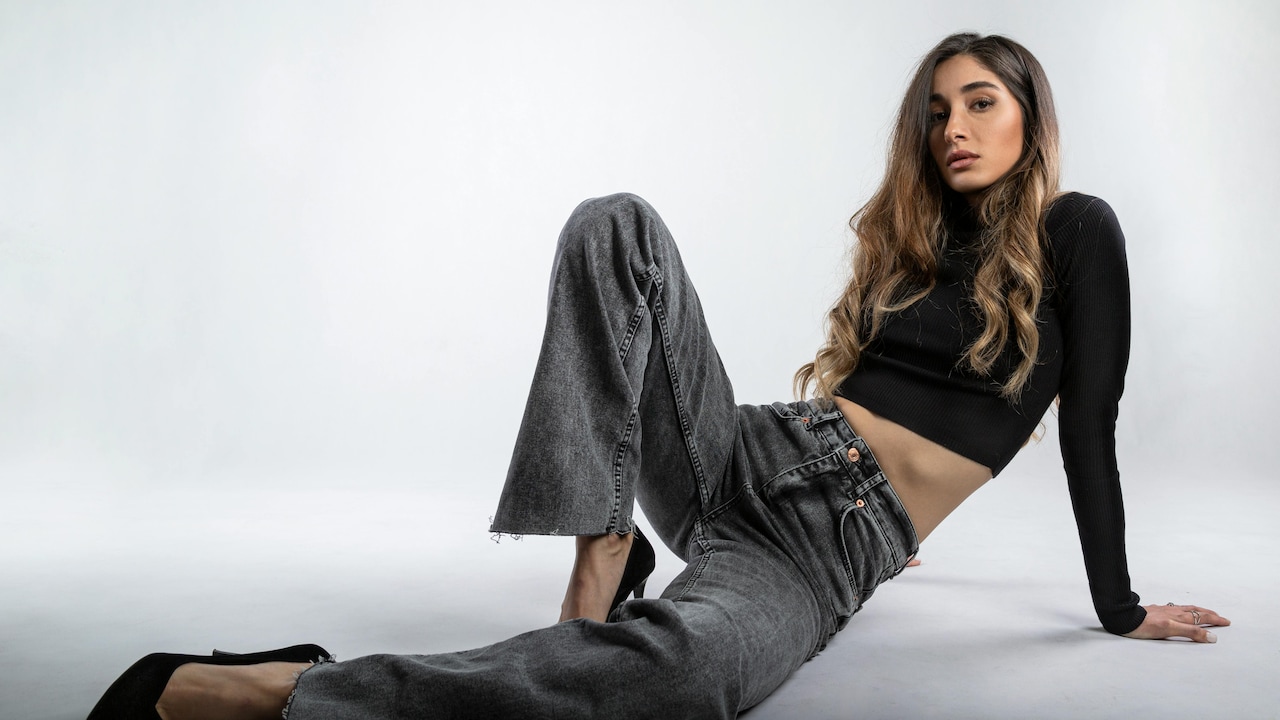
Learn all about fabric gsm, its importance, and what role it plays in your clothes; Photo Credit: Pexels
Understanding GSM turns shopping into a smarter experience. It saves money, avoids wardrobe regret, and helps choose clothes that suit real life, not just trial room mirrors. From office shirts to festive wear, this guide unpacks why some clothes feel heavy and how to make sense of it all.
Also Read: 5 Best Stylish Tops Under ₹1,000 That Pair Well With Jeans, Skirts And Even Pyjamas
What Fabric GSM Tells You Before You Buy
1. What Fabric GSM Really Means
Fabric GSM sounds technical, but the idea stays simple. It tells how much one square metre of fabric weighs in grams. A fabric marked 120 GSM weighs 120 grams per square metre. A 300 GSM fabric weighs more than double that amount.
This number shapes the feel of clothing. Light fabrics float and breathe. Heavy ones hold structure and warmth. Many shoppers assume thickness equals quality. That belief misleads more often than not. A high GSM fabric may last longer, but it may also trap heat and restrict movement.
Think of daily wear. A cotton T-shirt around 140 GSM suits warm days and long commutes. A sweatshirt at 280 GSM fits cool evenings and winter travel. Both serve a purpose. Problems arise when the wrong GSM meets the wrong moment.
Understanding GSM brings clarity. It explains why some clothes feel tiring after a few hours. It also explains why certain garments age better. Once this number enters the shopping mindset, guesswork fades away.
2. Why Heavier Clothes Feel Uncomfortable
Heaviness does not always mean warmth or luxury. Sometimes it simply means discomfort. High GSM fabrics pack more yarn into each square metre. That density reduces airflow. Less airflow means more heat and sweat.
Picture a crowded local train in peak summer. A thick cotton shirt soaks up sweat and dries slowly. It clings and weighs down the body. The same shirt may feel cosy in December, but unbearable in May.
Weight also affects movement. Heavier fabrics resist bending and stretching. This resistance tires muscles, especially during long workdays or extended standing. Many office-goers notice shoulder fatigue from structured blazers with high GSM lining.
Comfort depends on balance. Fabric must suit the climate, activity, and duration of wear. A wedding sherwani feels grand for a few hours. Wearing it all day feels punishing. GSM plays a major role in that difference.
3. GSM and Seasonal Dressing
Seasonal dressing relies on fabric weight more than colour or design. Summer calls for low GSM fabrics that breathe. Winter welcomes higher GSM fabrics that insulate.
Lightweight cottons between 100 and 150 GSM suit hot months. They allow air to pass and sweat to evaporate. Linen often falls in this range, too, though it may feel textured. These fabrics work well for daily wear, casual outings, and travel.
Mid-range GSM fabrics around 180 to 220 suit transitional weather. They handle mild evenings and air-conditioned offices with ease. Many formal shirts and dresses fall here.
Winter fabrics often cross 250 GSM. Wool blends, fleece, and heavy knits trap warmth. They feel substantial and protective. Wearing them in warm weather causes discomfort fast.
Seasonal mismatch explains why some clothes stay folded all year. They feel wrong at the wrong time. Checking GSM before buying reduces such wardrobe waste.
4. The Illusion of Premium Heaviness
Many people associate heaviness with premium quality. Shops often encourage this belief. A thick fabric feels reassuring in the hand. It seems worth the price tag.
This illusion works because weight registers instantly through touch. Quality does not. A well-made lightweight fabric can outperform a heavy one in comfort and durability. Yarn quality, weave, and finish matter just as much.
Consider two shirts priced at ₹1,500. One feels heavy and stiff. The other feels light and smooth. The heavier one may use coarse yarn packed tightly. The lighter one may use finer yarn woven smartly. Over time, the lighter shirt may retain shape and colour better.
True quality balances GSM with purpose. Premium summer wear often feels feather-light. Premium winter wear feels dense but breathable. Weight alone never tells the full story.
5. How GSM Affects Drape and Fit
Drape describes how fabric falls on the body. GSM shapes this behaviour. Low GSM fabrics drape softly. They follow body contours and move with ease. High GSM fabrics hold shape and structure.
A flowy dress relies on light fabric. Heavy fabric would make it stiff and awkward. Structured garments like coats and blazers rely on higher GSM to maintain form.
Fit changes, too. Heavier fabrics add visual bulk. They can make silhouettes look boxy if tailoring lacks precision. Lighter fabrics skim the body and feel forgiving.
This effect shows clearly in trousers. Lightweight cotton trousers suit relaxed settings. Heavy twill trousers feel formal and sharp, but restrict ease.
Choosing GSM that fits in mind prevents disappointment. A design that looks elegant online may feel clumsy in real life if the fabric weight clashes with the style.

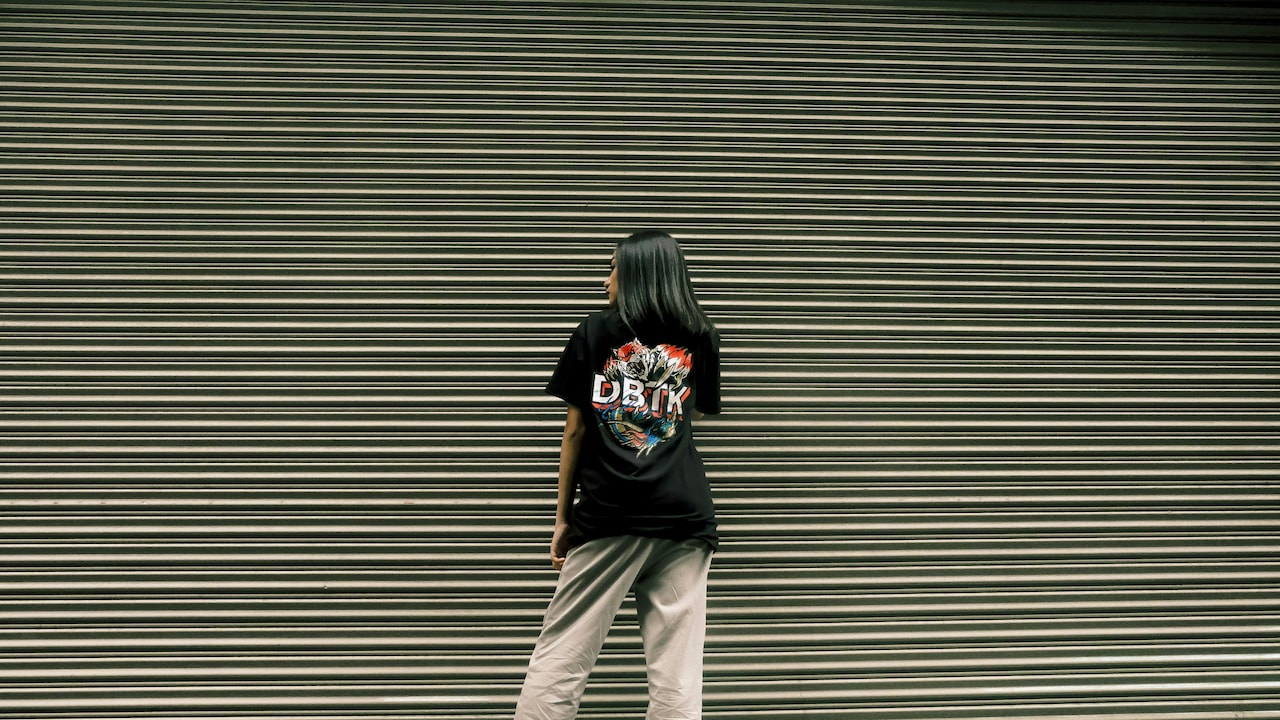
Low GSM fabric drapes softly, whereas high GSM fabric can look stiff and awkward; Photo Credit: Pexels
6. GSM in Everyday Workwear
Workwear demands long hours of comfort. GSM often gets ignored here, leading to restless days. Office environments vary from humid streets to chilled cabins. Fabric must adapt.
Shirts with around 120 to 150 GSM handle this balance well. They stay breathable outdoors and tolerate indoor cooling. Heavier shirts feel formal but trap heat during commutes.
Trousers benefit from mid-range GSM. Around 180 to 220 offers durability without stiffness. Very heavy trousers feel restrictive during sitting and walking.
Blazers and suits often use layered fabrics. Outer fabric GSM combines with lining GSM. This combination adds weight fast. Many professionals feel drained in the evening due to heavy layering.
Smart workwear feels light yet polished. Checking GSM helps achieve that comfort without sacrificing appearance.
7. Traditional Wear and Fabric Weight
Traditional garments often embrace higher GSM. They aim for grandeur and durability. Sarees, lehengas, and sherwanis use dense fabrics to hold embroidery and structure.
This weight suits ceremonies but demands endurance. A heavily embroidered outfit may weigh several kilos. Wearing it for hours strains the shoulders and back.
Lighter alternatives exist. Modern weaves reduce GSM without losing richness. Fabrics like organza and lightweight silks offer elegance with ease.
Festive shopping often focuses on design and price. Comfort comes later. Understanding GSM helps strike a balance. Choosing lighter bases with detailed accents reduces fatigue.
Celebrations feel better when clothes support movement, not restrict it. GSM awareness turns festive wear into a joy rather than a burden.
8. Sportswear and Active Clothing
Active clothing lives by low GSM. Movement demands lightness. Breathability matters more than appearance here.
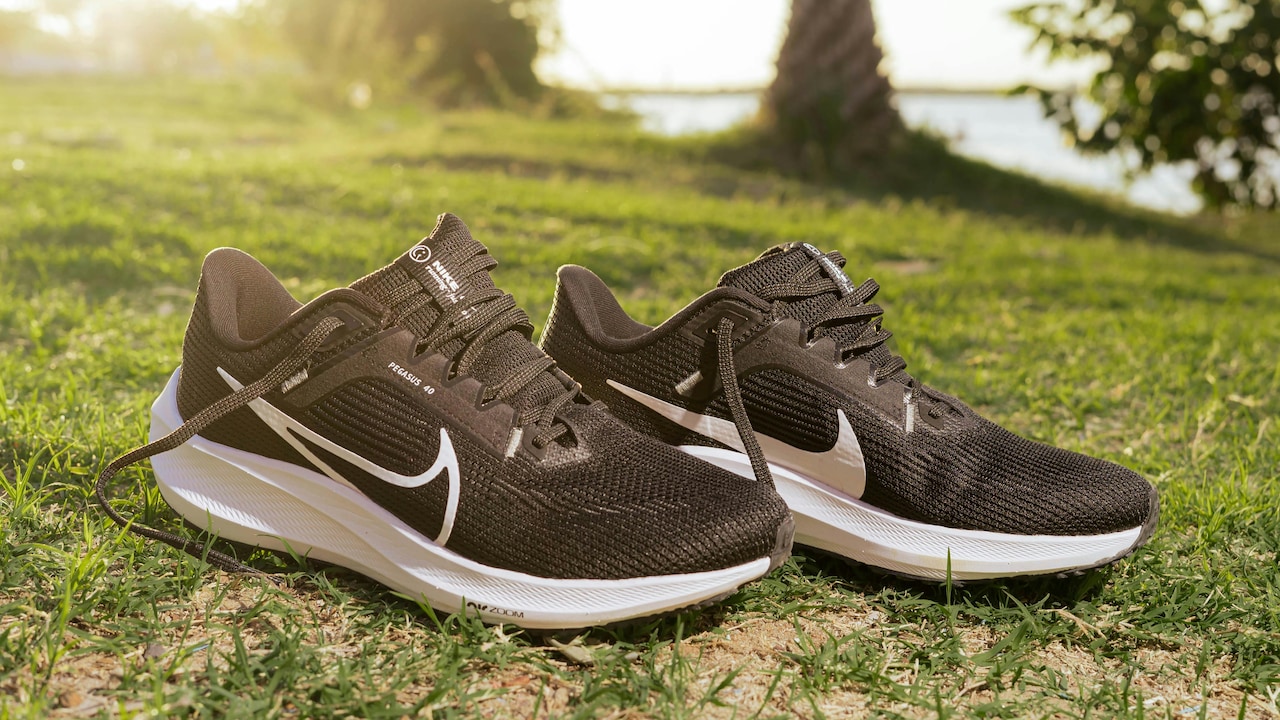
Running T-shirts often sit around 120 GSM or lower. They wick sweat and dry fast. Heavier fabrics soak up moisture and slow the body down.
Yoga wear balances stretch and weight. Mid-range GSM ensures opacity without bulk. Too light feels flimsy. Too heavy restrictions pose.
Winter sportswear uses layering rather than single heavy fabrics. Base layers stay light. Insulating layers add warmth without excess weight.
Choosing the right GSM in activewear boosts performance and comfort. It reduces fatigue and keeps focus on movement rather than discomfort.
9. Care, Longevity, and Fabric Weight
Heavier fabrics often last longer, but not always. GSM influences wear and tear, washing behaviour, and maintenance needs.
High GSM fabrics resist tearing but take longer to dry. Frequent washing may strain fibres due to the weight when wet. Lighter fabrics dry faster and feel easier to handle.
Shrinkage also links to GSM. Dense fabrics shrink less when pre-treated well. Poor-quality heavy fabrics may still lose shape.
Longevity depends on yarn quality and construction. A well-made 150 GSM shirt can outlast a poorly made 250 GSM one.
Understanding GSM helps set care expectations. It explains why some clothes demand gentle handling while others endure rough use. This knowledge extends wardrobe life and saves money.
10. Shopping Smarter with GSM Awareness
Shopping often relies on impulse. GSM adds logic to that instinct. Many brands now mention fabric weight on tags or online listings.
Feeling fabric in-store still matters. Combine touch with awareness. Ask why a fabric feels heavy. Consider where and when it will be worn.
Online shopping benefits most from GSM knowledge. Images hide weight. Reviews help, but numbers guide better. A 300 GSM hoodie suits winter. A 160 GSM one suits layering.
Budget choices improve, too. Paying ₹2,000 for an unsuitable fabric wastes money. Choosing the right GSM maximises value.
Smart shoppers dress for reality, not fantasy. GSM awareness bridges that gap with ease.
Products Related To This Article
1. SZN Crop Top
2. Levis Levi's Men's Round Neck Half Sleeve Thermal Regular Fit Top (Grey)
3. H&M Long-sleeved top
4. DressBerry Puff Sleeve Twisted Empire Top
5. Jockey Super Combed Cotton Full Sleeve Thermal Undershirt With Stay Warm Technology
6. Roadster The Lifestyle Co Floral Printed Shirt Style Top
Fabric GSM shapes comfort more than most people realise. It decides how clothes feel, move, and perform across seasons and situations. Heaviness does not guarantee quality. Lightness does not mean weakness.
Understanding GSM turns confusion into clarity. It explains why some clothes feel suffocating and others feel effortless. It empowers better choices for workdays, workouts, celebrations, and travel.
Clothing should support life, not complicate it. When fabric weight matches purpose, clothes fade into the background and let confidence take centre stage. GSM may seem like a small detail, but it carries the weight of comfort itself.
(Disclaimer: This article may include references to or features of products and services made available through affiliate marketing campaigns. NDTV Convergence Limited (“NDTV”) strives to maintain editorial independence while participating in such campaigns. NDTV does not assume responsibility for the performance or claims of any featured products or services.)