How To Choose Ethnic Outfits For Young Girls That Look Festive but Still Let Them Run Around
How To Choose Ethnic Outfits For Young Girls: This guide shares practical tips on fabrics, fits and styles that look festive, feel comfortable and still allow kids to move freely during celebrations.
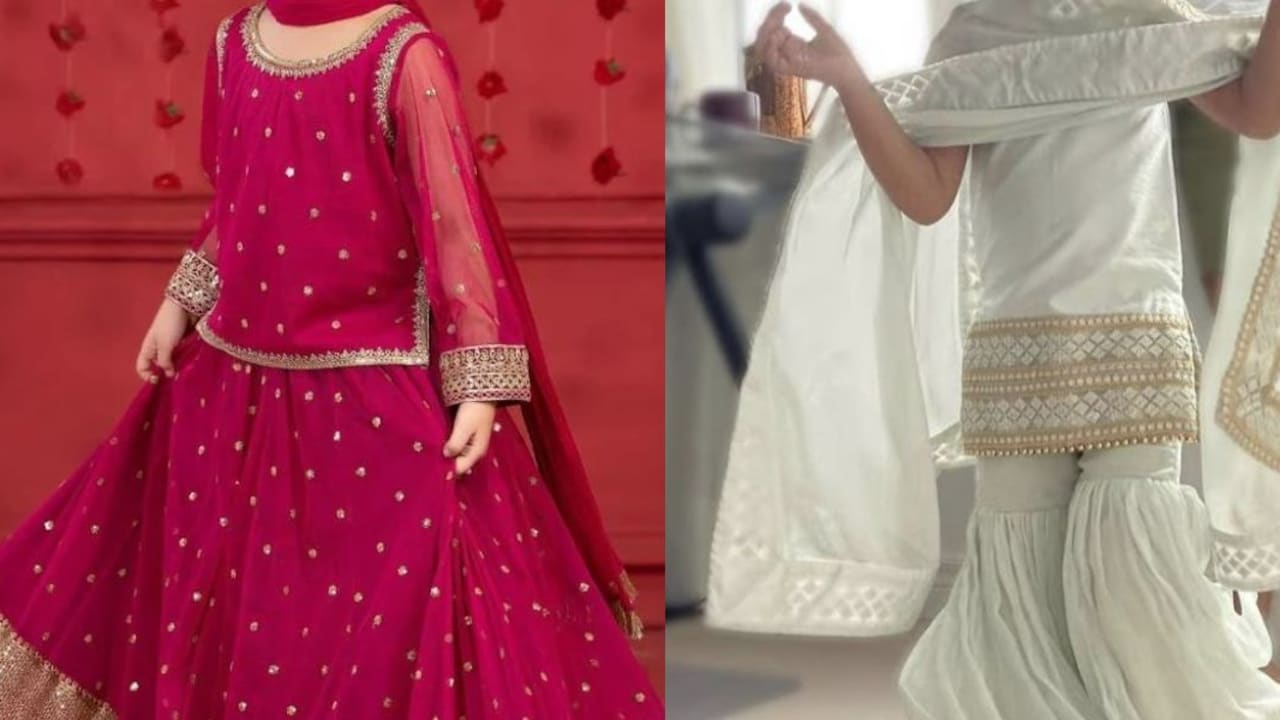
Festive Ethnic Wear for Young Girls: How To Choose Stylish Outfits That Are Easy To Move In.
Every Indian celebration comes with its own rhythm, laughter echoing through courtyards, plates clinking with sweets, and children darting between adults like tiny firecrackers. Young girls sit right at the heart of this energy. They dance, climb, chase cousins, and occasionally vanish under tables mid-function. Yet festive dressing often forgets this joyful chaos. Heavy lehengas, itchy fabrics, and tight fittings may look stunning in photos, but rarely survive an hour of real play. Choosing ethnic outfits for young girls does not need to feel like a tug of war between beauty and comfort though. With thoughtful fabric choices, clever designs, and a dash of practicality, festive wear can look vibrant while allowing complete freedom to move.
This guide walks through simple, realistic ways to dress young girls for Indian celebrations, outfits that sparkle, breathe, and keep up with their boundless energy. Here is how to choose ethnic outfits for young girls that look festive, vibrant yet comfortable, so they can still run around freely at weddings, parties and celebrations.
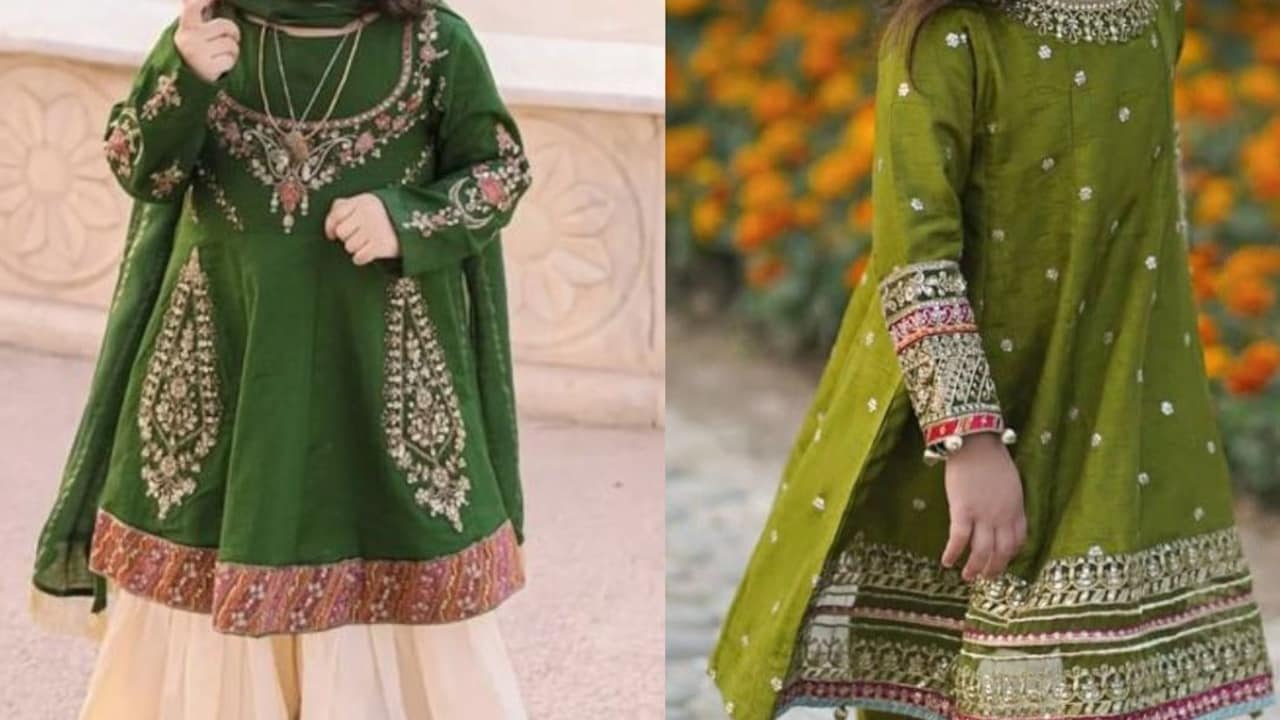
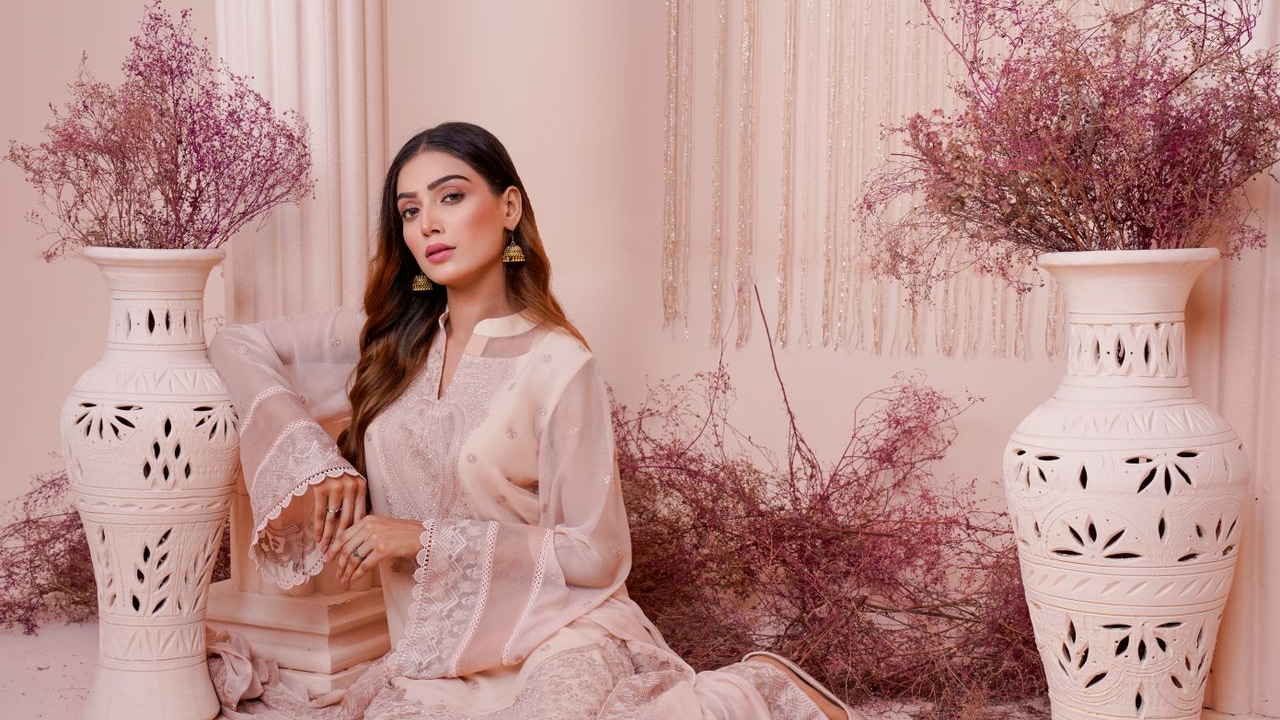
Choosing Ethnic Outfits for Young Girls: Comfort, Fit and Festive Style; Photo Credit: Pexels
Practical Style Tips For Choosing Festive Ethnic Wear For Young Girls
1. Prioritise Comfort Before Style (Style Will Follow)
Festive shopping often starts with colour, embroidery and shine. Comfort deserves first place instead. If an outfit feels heavy, scratchy or stiff, it will not last long, no matter how beautiful it looks. Young girls experience celebrations through movement, not mirrors.
Soft fabrics such as cotton, silk, chanderi blends and lightweight georgette work well for long hours. These fabrics allow airflow, reduce sweating and sit gently on the skin. Avoid thick linings and rough inner seams, as they can irritate play.
Elasticated waists, adjustable drawstrings and breathable blouses create a better fit without constant tugging. When comfort leads the decision, style naturally follows. A relaxed child carries any outfit with confidence. That glow outshines even the heaviest embroidery.
2. Choose the Right Fabric for the Weather and Venue
Indian festivities stretch across seasons, from winter weddings to humid monsoons and blazing summer poojas. Fabric choice should reflect both climate and location.
For summer events, lightweight cotton lehengas or frocks paired with dupattas keep girls cool. During monsoon celebrations, quick-drying fabrics help manage spills and damp weather. Winter functions allow slightly richer textures, but layering works better than bulk.
Indoor venues with air-conditioning may feel chilly for children, so light jackets or capes in ethnic styles offer warmth without fuss. Outdoor weddings call for breathable materials that handle dust and movement. The right fabric ensures the outfit stays festive from start to finish, without tears or tantrums midway.
Also Read: Top Kids' Ethnic Outfits, From Salwar Suit, Dhoti Set to Kurta Set, Now With Huge Discount
3. Opt for Age-Appropriate Silhouettes
Mini versions of adult outfits often look charming but rarely work well for children. Heavy mermaid cuts, tight cholis and dragging dupattas restrict movement and invite accidents. Age-appropriate silhouettes support both comfort and safety.
Anarkali dresses, flared kurtas with shararas, and panelled lehengas allow freedom while maintaining a traditional look. Knee-length or ankle-grazing hemlines prevent tripping during play. Sleeveless or cap-sleeve blouses reduce discomfort and allow easy movement of arms.
Festive dressing should celebrate childhood, not rush it. Simple silhouettes enhance innocence and charm, while letting young girls enjoy the event rather than endure it.
4. Focus on Lightweight Embellishments
Embroidery and mirror work add festive appeal, but excess weight turns outfits into burdens. Choose designs where embellishments appear strategically, around the neckline, borders or yoke, instead of covering the entire garment.
Thread work, digital prints and minimal zari details offer visual richness without heaviness. Tassels and fabric buttons bring playful movement and texture without discomfort. Avoid sharp sequins or rough beadwork near the skin.
Light embellishments ensure the outfit shines during photos yet remains flexible during playtime. When decorations enhance rather than overpower, young girls stay cheerful and confident throughout the celebration.
5. Allow Room to Grow and Move
Children grow fast, and festive outfits often need to last more than one occasion. Slightly relaxed fits with room for adjustment extend wearability. Adjustable straps, side knots and flexible waistbands make outfits adaptable and comfortable.
Avoid tight necklines, fitted sleeves or restrictive bodices. These details may look neat initially, but quickly become uncomfortable during movement. Loose layers create space for sitting, running and bending without strain.
An outfit that grows with the child feels less restrictive and more forgiving. Parents enjoy better value for money, while young girls enjoy uninterrupted fun, a win on all fronts.
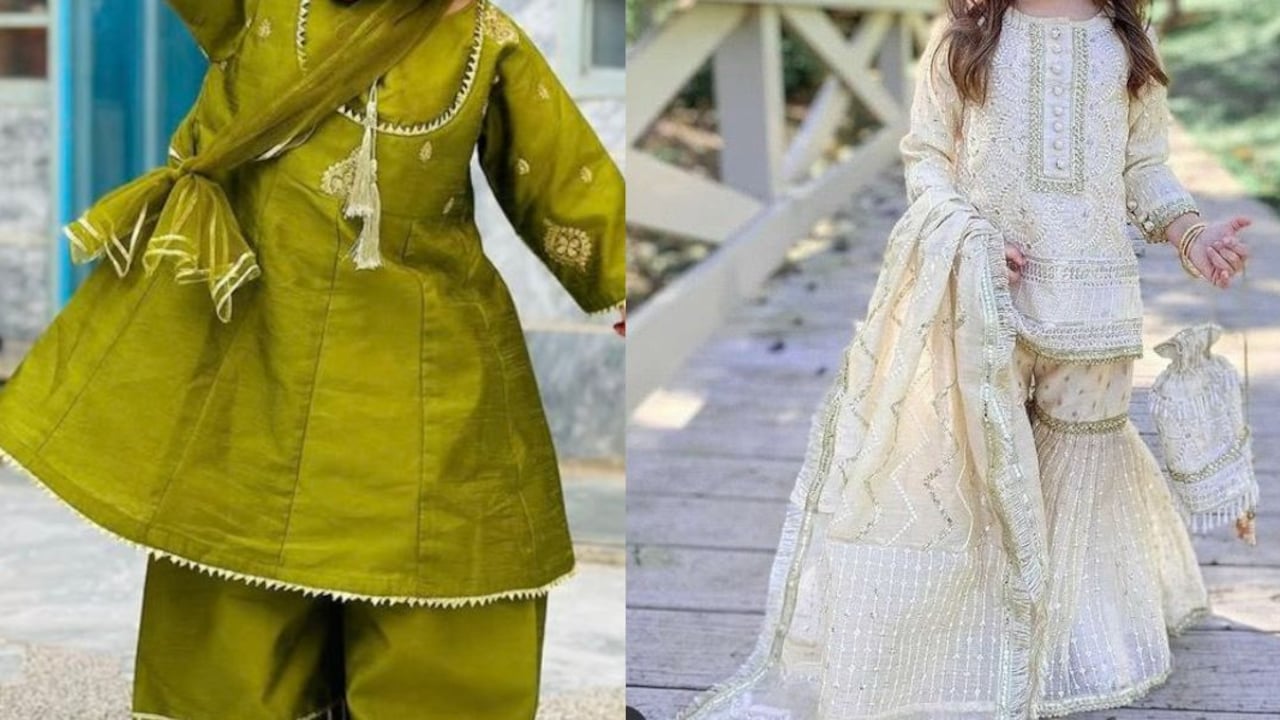
Choosing Ethnic Outfits for Young Girls: Comfort, Fit and Festive Style; Photo Credit: Pexels
6. Mix Traditional with Contemporary Elements
Festive wear does not need to stick rigidly to tradition. Blending modern cuts with ethnic details creates outfits that feel fresh and wearable. Kurta dresses with leggings, lehenga skirts paired with cotton tops or dhoti pants styled with tunics strike a lovely balance.
These combinations reduce bulk while keeping cultural aesthetics intact. Contemporary elements allow easy movement and simplify dressing routines. They also appeal to young girls who enjoy comfort similar to everyday clothing.
Mix-and-match outfits encourage creativity and reuse. A skirt worn for a wedding pairs easily with a simple kurta for a family function later. This flexibility keeps festive dressing practical and exciting.
7. Choose Fuss-Free Dupattas and Accessories
Dupattas add elegance but can become hazards for active children. Opt for stitched dupattas, cape-style overlays or light scarves attached at the shoulders. These stay in place and free hands for play.
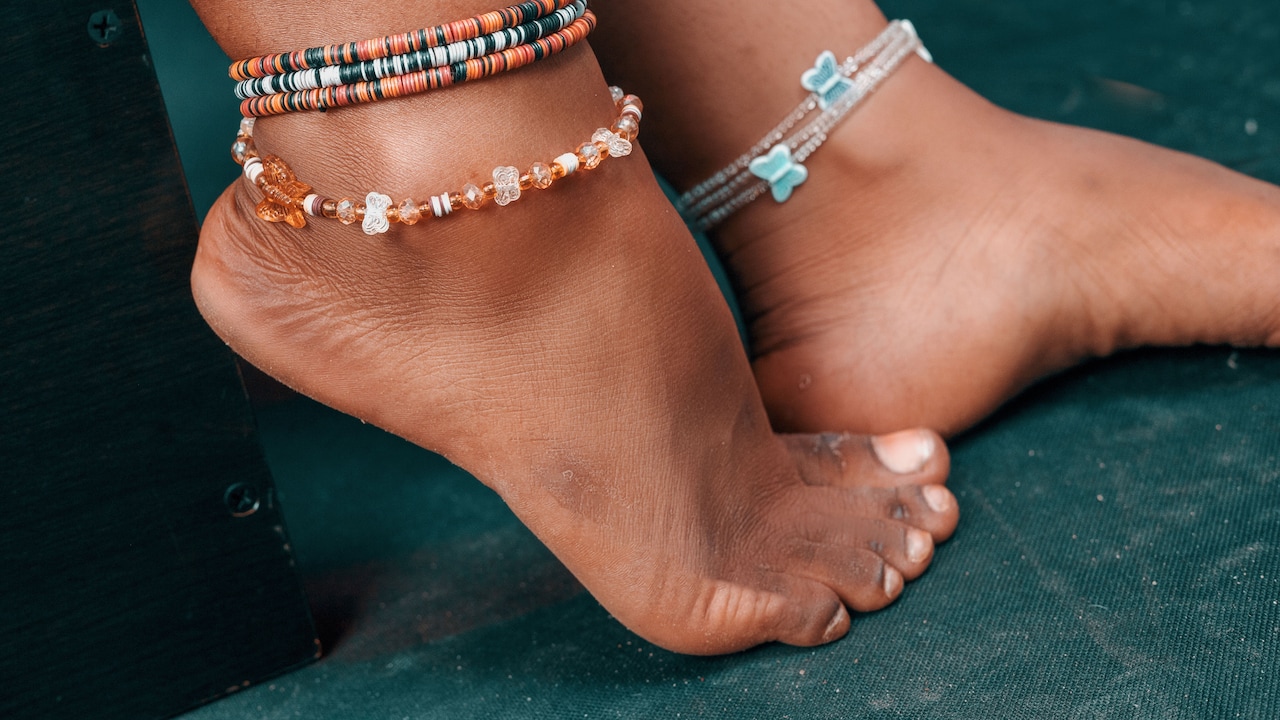
Accessories should remain minimal and secure. Soft bangles, small bindis and clip-on hair accessories work better than heavy jewellery. Anklets with tiny bells delight children without discomfort.
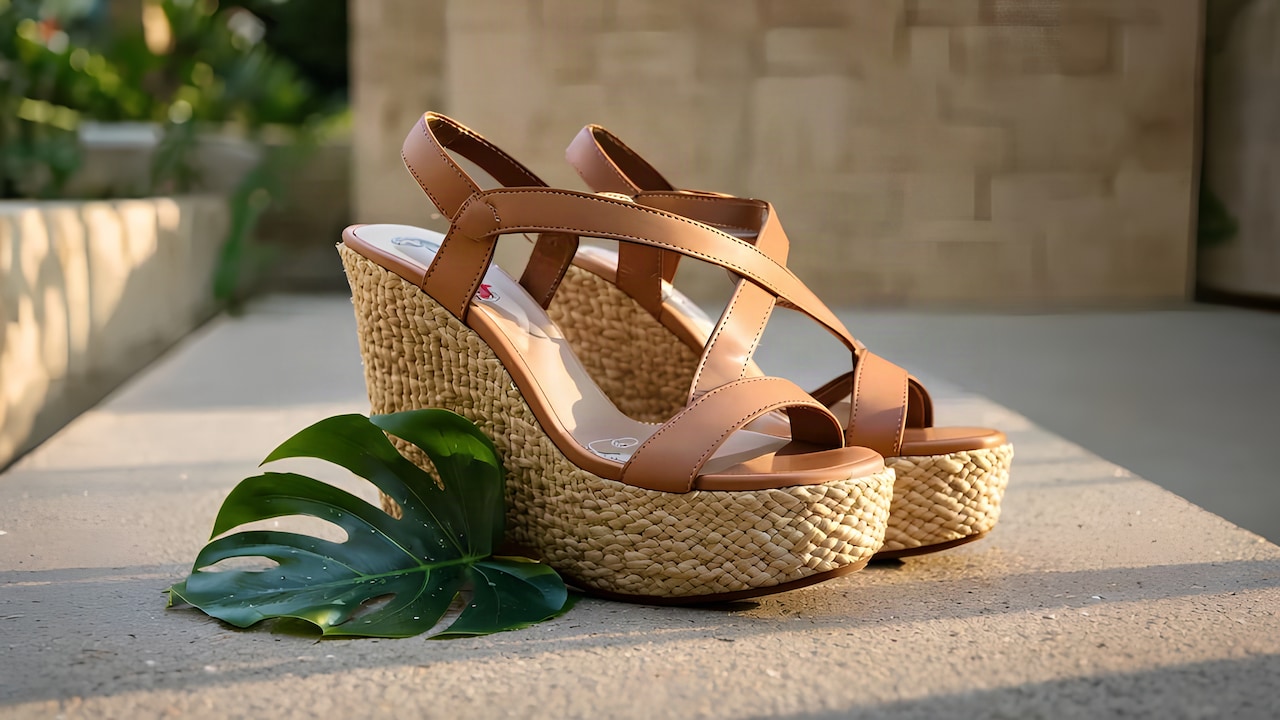
Comfortable footwear matters just as much. Mojris with padded soles or festive sandals with straps support running and standing for long hours. When accessories feel natural rather than restrictive, children forget they are wearing them, the best outcome possible.
8. Let Colours Reflect Joy and Practicality
Bright colours suit Indian festivities beautifully, but practicality matters too. Light shades show stains easily, especially during meals and games. Deeper hues like emerald green, royal blue, maroon and mustard handle wear better.
Prints hide minor spills and creases better than solid colours. Floral motifs, block prints and playful patterns suit young personalities and feel cheerful. Avoid overly sombre tones that dull the festive mood.
Colour choices should reflect the event, the child's personality and ease of maintenance. When outfits survive laddoos, juice spills and spontaneous dancing, celebrations stay joyful for everyone involved.
9. Involve the Child in the Selection Process
Festive shopping becomes smoother when young girls feel included. Allowing them to choose colours or styles gives a sense of ownership. Children who love their outfits wear them happily and confidently.
Offer guided choices instead of overwhelming options. Present two or three suitable outfits and let them decide. This approach balances practicality with personal preference.
Involving children builds excitement around festivals and teaches early appreciation for culture and tradition. It also reduces resistance on the day of the event. A happy child dressed in a chosen outfit radiates joy that no designer label can replicate.
10. Think Beyond the Event: Reusability Matters
Festive outfits often cost anywhere from ₹1,500 to ₹6,000 or more. Choosing versatile pieces ensures better value and sustainability. Separate skirts, tops and jackets allow multiple styling options across occasions.
Neutral bases with festive accents adapt easily. A lehenga skirt pairs well with different kurtas. An embroidered jacket elevates simple dresses. These combinations reduce clutter and maximise use.
Reusability also encourages mindful consumption. Children learn that festive dressing does not mean excess. Thoughtfully chosen outfits create memories across events, not just one evening. That emotional connection adds warmth far beyond the price tag.
Products Related To This Article
1. barkatdesigningplanet Girls Festive & Party Kurta and Pyjama Set
2. Shree Maruti Enterprise Girls Casual, Festive & Party, Wedding Kurta and Palazzo Set
3. RN DRESSES Girls Wedding Kurta and Pyjama Set
4. R.K.ENTERPRISES Girls Festive & Party, Wedding Kurta and Dhoti Pant Set
5. satyamfab Girls Casual Ethnic Jacket, Kurta and Palazzo Set
6. SHOPEELABELLA Girls Festive & Party Dhoti & Kurta Set
7. DMP FASHION Girls Festive & Party Angarkha and Dhoti Pant
Festive dressing for young girls thrives at the intersection of joy, comfort, and tradition. When outfits support movement, laughter, and curiosity, celebrations unfold naturally. Heavy fabrics and rigid styles fade into the background, replaced by thoughtful choices that honour both culture and childhood. Ethnic wear should never silence a child's energy. Ultimately, the most beautiful festive look is not defined by embroidery or price. It shines through carefree smiles, spinning skirts, and children who remain fully present in the celebration, exactly where they belong.
(Disclaimer: This article may include references to or features of products and services made available through affiliate marketing campaigns. NDTV Convergence Limited (“NDTV”) strives to maintain editorial independence while participating in such campaigns. NDTV does not assume responsibility for the performance or claims of any featured products or services.)