How To Pick A Saree Fabric That Does Not Cling Around The Waist
Choose saree fabrics that skim rather than cling. This guide covers the best breathable, textured and medium-weight options for a smooth waistline, comfortable drape and confident all-day wear.
How To Choose A Saree Fabric That Does Not Cling At The Waist
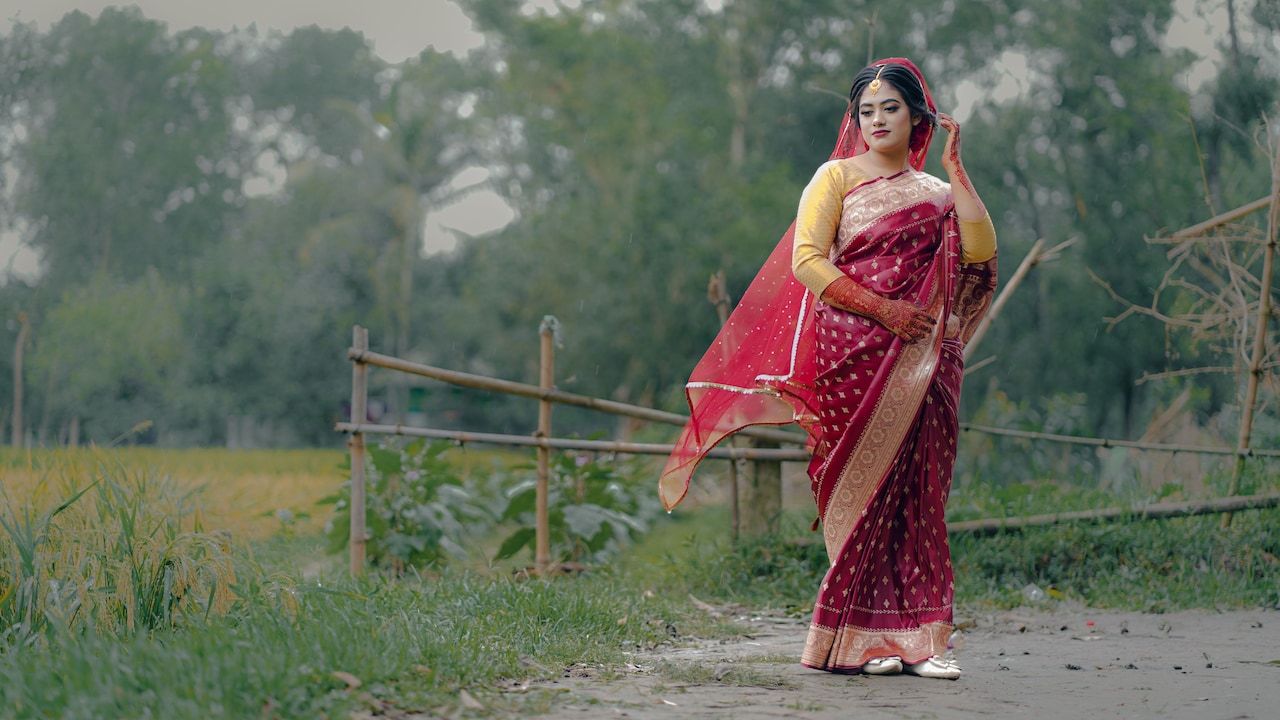
A saree should move with the body, not monitor every breath. Yet many people know the familiar moment. The pleats look neat, the blouse sits well, and the pallu behaves for once. Then the fabric clings around the waist as though it has signed a long-term lease there. A few steps, a little humidity or one plate of chaat later, and the drape starts highlighting areas that were never meant to become the centre of attention. This usually has less to do with size and more to do with fabric behaviour. Some textiles carry static. Some lack weight. Others turn limp in humid weather or grip the petticoat because their surfaces create too much friction. Even a beautiful saree can feel awkward when its fabric does not suit the climate, occasion or desired drape.
How To Pick A Saree Fabric That Does Not Cling Around The Waist
Photo Credit: Pexels
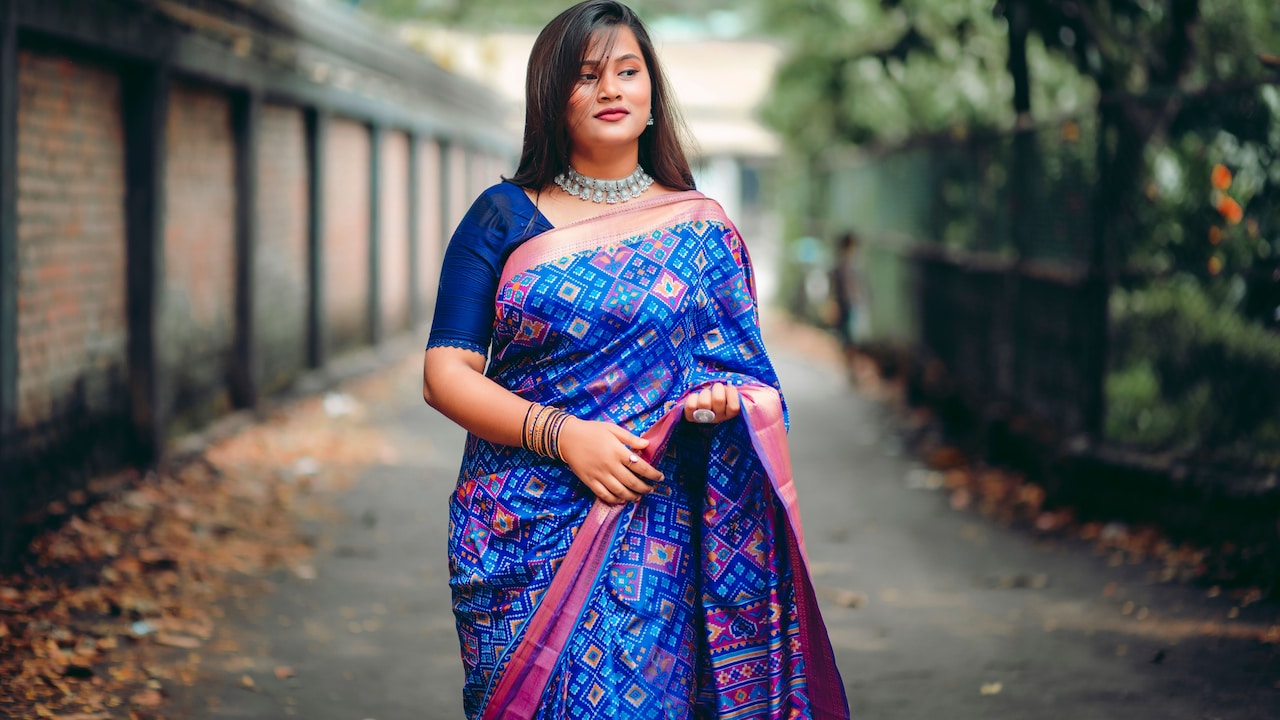
The good news is that fabric choice can solve much of the problem before the first pleat gets tucked in. The ideal saree does not need to hide the waist. It simply needs to skim it with structure, softness and ease. The following ten points will help make that choice with greater confidence.
Choosing The Right Saree Fabric For A Flattering Drape
1. Choose Fabrics With A Balanced Fall
The most flattering saree fabrics usually sit between two extremes. They should not feel so stiff that they form a tent around the waist, and they should not feel so thin that they stick to every curve.
A balanced fall allows the saree to drop smoothly from the waist instead of gripping it. Fabrics such as soft cotton-silk, modal blends, medium-weight georgette and quality crepe often work well because they combine movement with enough substance. When held up, the fabric should flow rather than collapse.
A simple shop test helps. Gather a small section in the hand and release it. If it falls back in soft folds, it will probably drape well. If it stays crumpled, balloons outward or sticks to the fingers, it may become difficult around the waist.
The aim is not to find the heaviest saree in the shop. Too much weight can drag the pleats down and create bulk. Instead, look for a fabric that feels calm and controlled. A good saree should fall like a curtain in a well-kept home: smooth, graceful and unlikely to create drama without invitation.
2. Avoid Extremely Thin Synthetic Fabrics
Very thin synthetic sarees may look glossy, festive and attractively priced, but they often cling around the waist. Lightweight polyester and low-quality artificial chiffon can build static, especially in air-conditioned rooms or dry weather. Once static appears, the saree may stick to the petticoat, legs and stomach.
These fabrics can also turn transparent under bright lights. Wedding stages, office lighting and phone cameras have a special talent for revealing what the mirror at home politely ignored. When the textile lacks density, every pleat, seam and drawstring underneath may become visible.
Not all synthetic blends cause trouble. Better-quality fabrics often include enough weight, texture or natural fibre content to drape cleanly. The concern lies mainly with sarees that feel unusually slippery, papery or weightless.
Rub the fabric lightly between two fingers. If it creates a crackling sensation or immediately grips the skin, consider another option. A saree should feel pleasant, not electrically ambitious.
When shopping online, check the fabric composition and customer photographs. Product images may show a perfectly arranged drape, but buyer photos often reveal whether the saree clings during real movement.
3. Consider Soft Cotton Blends For Everyday Comfort
Pure cotton has a reputation for looking crisp and dignified, but some varieties can feel stiff or bulky around the waist. Soft cotton blends offer a useful middle path. They retain breathability while gaining a smoother fall.
Cotton-silk, cotton-modal and finely woven cotton-viscose sarees often sit comfortably without wrapping themselves tightly around the body. They work especially well for office days, family lunches, religious functions and warm-weather gatherings where comfort matters as much as appearance.
The weave makes a difference. Coarse cotton may create volume near the pleats, while soft, closely woven cotton tends to lie flatter. Look for fabric that bends easily and does not make a loud rustling sound when folded. A slight texture can also prevent the saree from sticking to the petticoat.
These blends suit people who want a forgiving drape without the slippery behaviour of satin or chiffon. They also make movement easier. Sitting cross-legged, climbing stairs or managing a crowded buffet becomes less of a strategic operation.
Choose a cotton blend with a soft finish rather than a heavily starched one. Starch can look striking for a formal event, but softness usually gives a smoother waistline.
4. Pick Crepe With Enough Weight And Texture
Crepe can be one of the best choices for a non-clingy drape, provided the quality is right. Its slightly grainy surface helps the fabric fall in controlled lines rather than sticking flat against the waist.
Medium-weight crepe works particularly well because it has fluidity without becoming flimsy. It skims curves, holds pleats and gives the pallu an elegant swing. The texture also adds visual depth, which can soften the appearance of the midsection.
However, very thin artificial crepe may still cling. Some inexpensive versions feel smooth on one side and rubbery on the other. These can trap heat and attach themselves to shapewear or synthetic petticoats. Choose crepe that feels substantial and cool rather than stretchy or plastic-like.
Try placing the fabric over the forearm. Good crepe should fall around the arm without pressing tightly against it. It should also recover well after being gently scrunched.
Crepe suits evening events, dinners and celebrations where polished movement matters. It photographs beautifully and rarely demands constant adjustment. That means more time enjoying the function and less time visiting the washroom to rebuild the pleats like a civil engineering project.
5. Select Georgette That Is Not Too Sheer
Georgette remains a popular choice because it feels light, feminine and easy to manage. Its twisted yarn gives it a slightly rough texture, which can stop it from clinging as closely as smooth chiffon. Still, the thickness of the georgette matters.
Choose medium-weight georgette rather than an ultra-sheer variety. A saree with some density will glide over the waist and create soft folds. A very thin one may settle into every line of the petticoat or shapewear beneath it.
Printed georgette can be especially flattering. Small motifs, flowing patterns and scattered embroidery break up the surface visually. Solid pale colours may reveal more shadows and folds, particularly under strong lighting.
When testing the saree, hold one layer against the palm. If the hand shows clearly through it, the fabric may need a carefully matched underskirt and precise draping. If the outline looks softly blurred, the saree will offer better coverage.
Georgette also benefits from a well-finished inner layer. Choose a petticoat that allows movement without creating friction. The right pairing helps the saree float rather than cling, giving the waist a smoother and more relaxed appearance.
How To Pick A Saree Fabric That Does Not Cling Around The Waist
Photo Credit: Pexels
6. Be Careful With Satin And High-Shine Finishes
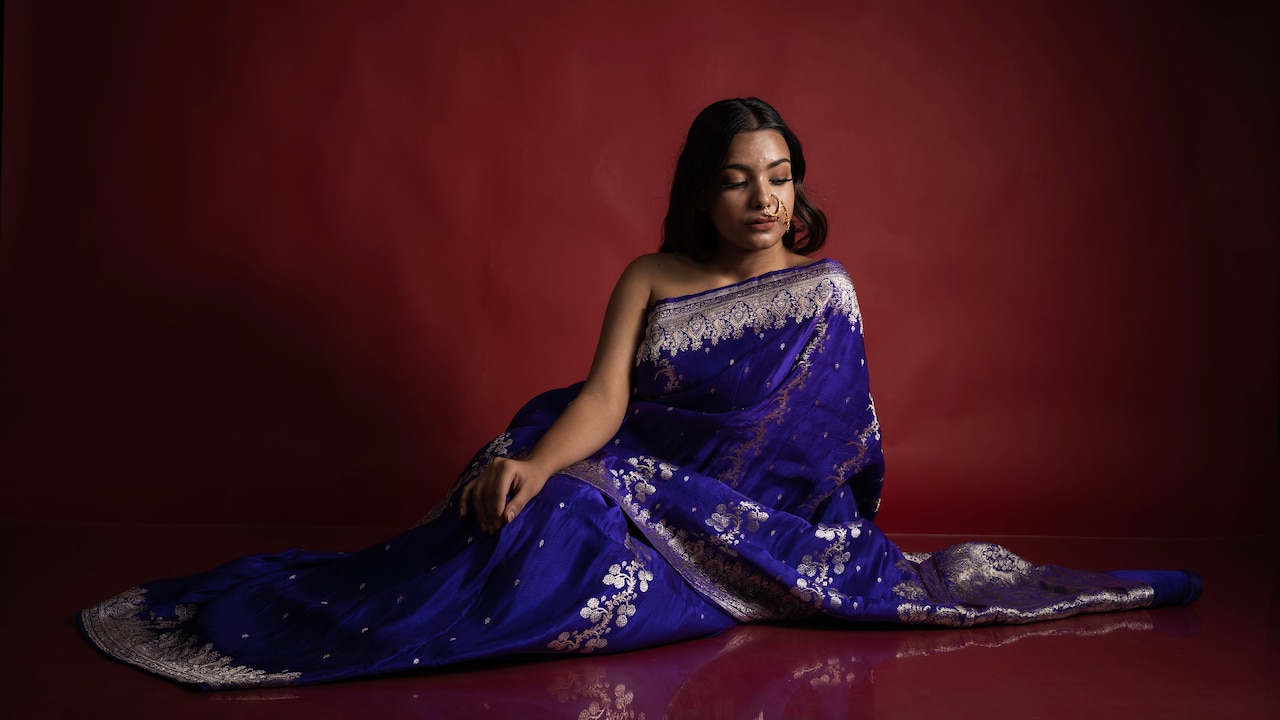
Satin catches light beautifully, but it also catches every bump, fold and seam. Its smooth surface reflects light directly, which can make the waist appear more pronounced. It may also slide, bunch or cling depending on the lining underneath.
This does not mean satin sarees must be avoided. A heavier satin with a matte or sand-washed finish can look luxurious without behaving like a spotlight. The key is to stay away from extremely shiny, thin satin that resembles gift-wrapping ribbon under bright lights.
Darker shades and deeper jewel tones usually offer a more forgiving effect than pale metallic colours. Prints, woven patterns and textured borders can also reduce the intensity of the shine.
The blouse and petticoat pairing matters here. A highly fitted satin blouse combined with a tight synthetic underskirt may create an overly sculpted look around the waist. A breathable, smooth petticoat allows the saree to fall more naturally.
Before buying, view the fabric under different lights. Shop lighting can flatter almost anything. Step near a window or use a phone camera with flash. Satin should glow gently. If it starts announcing every stitch beneath it, leave it for a different styling plan.
7. Look For Textured Weaves That Skim The Body
Texture can be a quiet ally. Sarees with slub yarns, jacquard details, small woven motifs or subtle surface variation tend to sit away from the body rather than sticking flat against it.
A textured weave creates tiny pockets of space between the saree and the layer underneath. This helps the fabric skim the waist and reduces the appearance of sharp outlines. It also adds richness without requiring heavy embroidery.
Linen blends, raw silk blends, khadi-style weaves and lightly textured handloom fabrics can work well when they feel soft enough to drape. The goal is gentle texture, not stiffness. A fabric that feels rough or rigid may create unnecessary bulk near the pleats.
Patterns also influence the effect. Vertical woven lines, irregular motifs and small repeating designs guide the eye across the saree. Large, shiny motifs placed directly around the waist may draw more attention to that area.
Texture offers another advantage during long events: it hides minor creases. After sitting through speeches, ceremonies, or an unexpectedly long family photo session, a perfectly smooth saree may show every fold. A textured one usually keeps its composure, even when the wearer has understandably lost some.
8. Match The Fabric To The Weather
Climate changes the way a saree behaves. A fabric that falls beautifully in a cool showroom may cling after twenty minutes in humid weather. Heat, perspiration and static can turn an easy drape into a stubborn one.
For warm and humid days, breathable fabrics such as soft cotton, cotton-silk, linen blends and modal work well. They allow airflow and absorb some moisture, which reduces the sticky feeling around the waist. Medium-weight georgette can also perform well if the inner layer stays breathable.
During cooler months or air-conditioned evening events, crepe, silk blends and heavier georgette become more comfortable. They maintain their fall without feeling excessively warm.
Avoid pairing a breathable saree with a thick polyester petticoat. The outer fabric may promise comfort, but the inner layer can quietly cancel the agreement. Cotton-blend or moisture-friendly underskirts usually feel better for long wear.
Weather also affects starch. A sharply starched cotton saree may soften in humidity and start folding unpredictably. Pre-draping it at home for a few minutes can reveal how it reacts. Fabric choice should respect the forecast, because no one wants the waistline to become a weather report.
9. Check How The Fabric Works With The Petticoat
Even the perfect saree can cling when paired with the wrong petticoat. The two fabrics must cooperate. A slippery saree over a slippery underskirt may keep shifting, while a static-prone combination may stick too closely.
Choose a petticoat with a smooth surface and enough room for walking. It should fit securely at the waist without digging in or creating a visible ridge. Very tight shapewear can sometimes compress the body well but cause the saree to cling to its seams and panels.
For cotton and textured sarees, a soft cotton-blend petticoat often works well. For georgette and crepe, a smooth satin-cotton or good-quality stretch underskirt may provide an even base. The colour should closely match the saree, especially when the outer fabric has some transparency.
The petticoat length also matters. If it gathers above the ankles or twists while walking, the saree may pull and bunch at the waist.
Try the saree and underskirt together before the event. Walk, sit and climb a few steps. A successful pairing should move as one outfit. It should not require frequent tugging, emergency safety pins or a trusted cousin standing nearby as technical support.
Also Read: Top 5 Traditional Sarees Inspired By India's Diverse Culture To Grab From Amazon Saree Fest
10. Test The Saree Before Buying Or Wearing It
A fabric description can only reveal so much. Words such as “soft”, “premium” and “flowy” have become generous compliments in product listings. A quick physical test offers more reliable information.
Drape a section around the waist over clothing. Notice whether it falls away from the body or immediately grips it. Take a few steps and check whether the fabric moves freely. Sit down if the shop allows it. A saree that behaves only while standing perfectly still may not survive a real celebration.
Check the pleats as well. They should fold without becoming bulky and remain in place without excessive pinning. Look at the fabric from the side, where cling often becomes more visible.
For online purchases, open the saree soon after delivery and test it in natural light. Do not rely only on touch. Drape it loosely, photograph it and check how it appears on camera.
A trial run before the actual event can prevent many surprises. Wear the saree for half an hour at home. Walk around, sit on the sofa and reach for something on a shelf. If it stays comfortable through ordinary movement, it will probably handle the dance floor too.
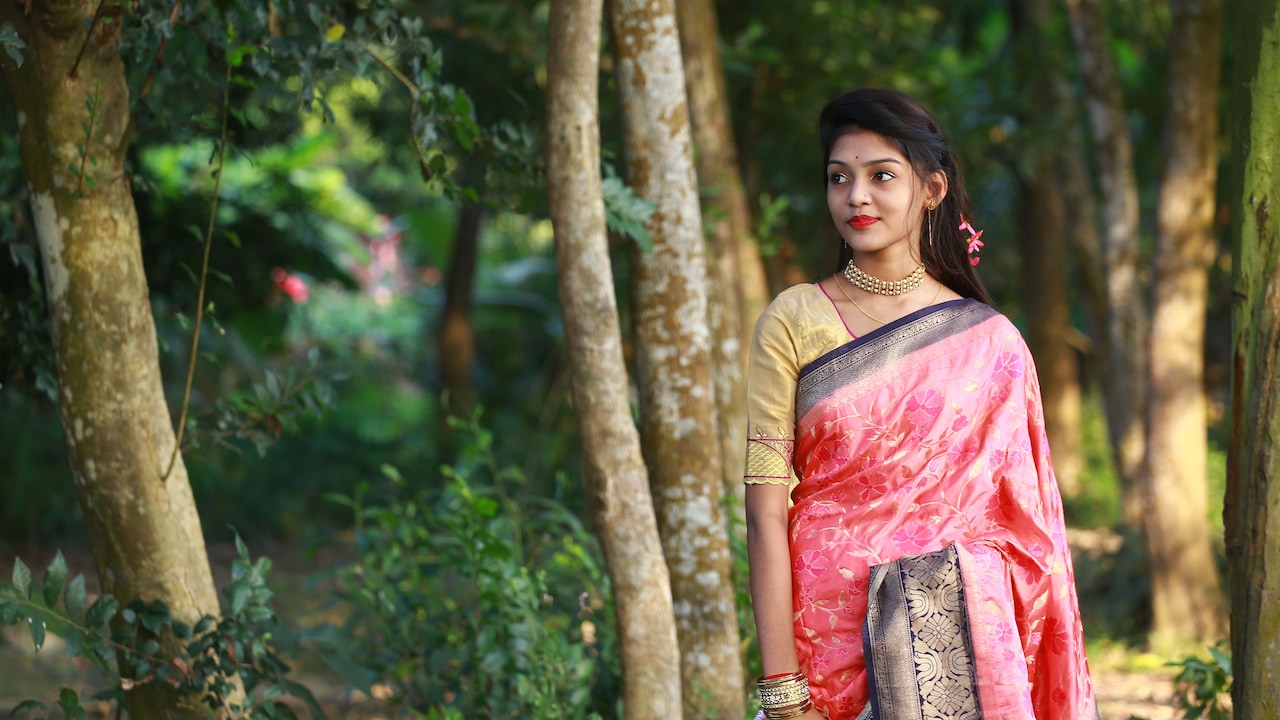
How To Pick A Saree Fabric That Does Not Cling Around The Waist
Photo Credit: Pexels
Products Related To This Article
1. FABLAND Woven Design Zari Silk Blend Banarasi Saree
2. Sangria Embellished Embroidered Sequinned Sarees With Unstitched Blouse Piece
3. Anouk Leheriya Printed Woven Design Zari Banarasi Saree
4. KALINI Floral Linen Blend Belted Saree
5. Maharanga Dusty Mauve Raw Silk Zari Floral Thread Work Saree
6. Dream Crushers Solid Embroidered Art Silk Mysore Silk Saree
7. Tankori Woven Design Zari Dharmavaram Saree
A saree that does not cling around the waist begins with thoughtful fabric selection. The best options usually combine softness, moderate weight, breathability and a gentle texture. Cotton blends, quality crepe, medium-weight georgette, modal and textured weaves often create a smooth, easy drape.
Fabric alone, however, cannot do all the work. The petticoat, weather, weave, colour and finish influence how the saree sits and moves. A quick drape test can reveal more than an attractive label or carefully styled shop display.
Most importantly, the right saree should feel comfortable enough to forget about. It should allow easy movement, relaxed meals, cheerful conversations and the occasional enthusiastic dance step. Grace does not come from holding the stomach in for six hours. It comes from wearing a fabric that knows how to behave.
(Disclaimer: This article may include references to or features of products and services made available through affiliate marketing campaigns. NDTV Convergence Limited (“NDTV”) strives to maintain editorial independence while participating in such campaigns. NDTV does not assume responsibility for the performance or claims of any featured products or services.)