Why Handbag Straps Peel Quickly And Which Materials Last Longer
Handbag straps peel due to heat, sweat, friction, weak coatings and poor storage. Learn which materials crack fastest, which last longer and how to choose a durable strap.

Handbag Strap Peeling: Causes, Prevention And Best Materials
A peeling handbag strap can ruin the mood faster than a broken sandal on a busy morning. The bag itself may still look polished, the zip may work perfectly, and the lining may remain spotless. Yet the strap begins shedding tiny flakes onto a kurta, office chair or car seat. Suddenly, a favourite accessory looks older than it really is. This problem affects bags across price ranges. A strap may peel because of the material, the glue, the surface coating or everyday habits. Warm weather, crowded commutes, body oils and constant rubbing can speed up the damage. Even an expensive-looking bag may hide a weak synthetic layer beneath its glossy finish.
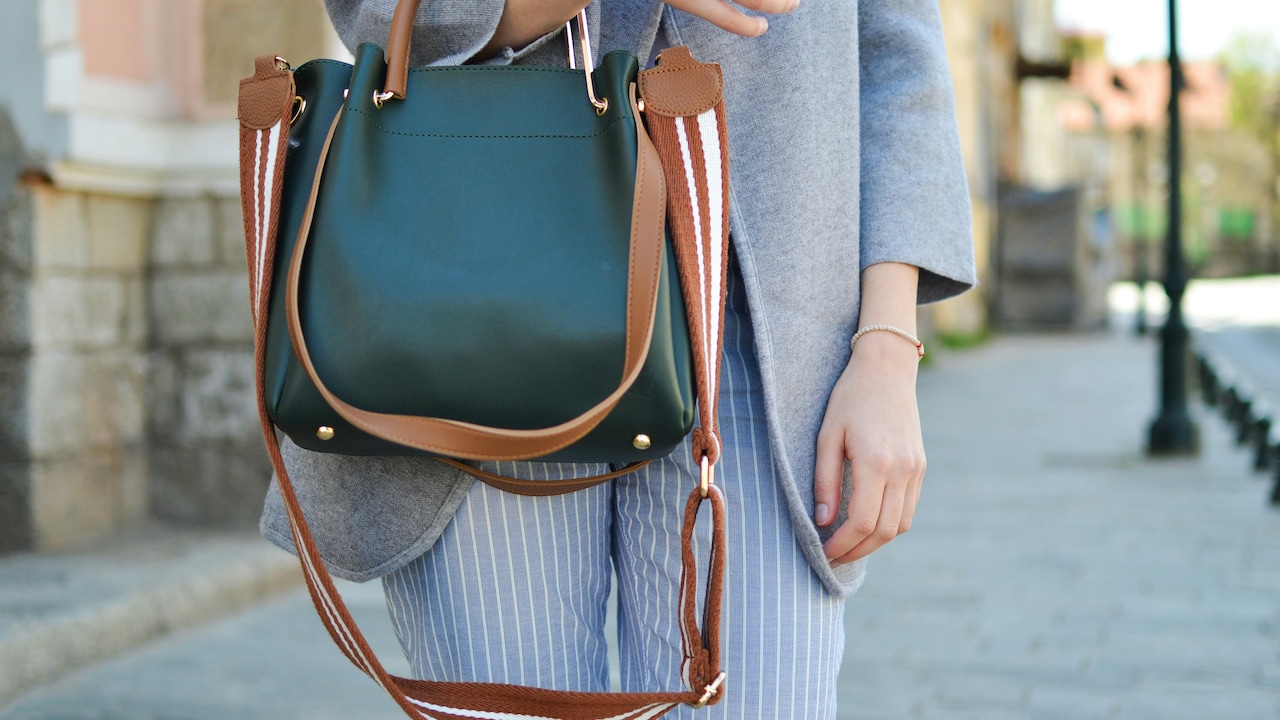
Handbag Strap Peeling: Causes, Prevention And Best Materials; Photo Credit: Pexels
Fortunately, not every strap is destined to crack. Full-grain leather, strong woven fabric and quality nylon can handle daily use far better than thin coated materials. The key lies in knowing what to look for before buying and how to care for the strap afterwards. Here are ten important reasons handbag straps peel quickly, along with the materials that usually last longer.
What Causes Handbag Straps To Peel And How To Choose Better Materials
1. Low-Quality Faux Leather Breaks Down Fast
Many affordable handbags use faux leather because it offers a smooth, fashionable finish at a lower price. The problem begins when manufacturers use a very thin polyurethane or PVC coating over a fabric base. This outer layer may look impressive under shop lighting, but it often lacks the strength needed for regular use.
As the strap bends, twists and stretches, the coating starts separating from the fabric underneath. Small cracks appear near the edges or buckle holes. Soon, the surface begins peeling like dry paint on an old balcony wall.
A bag priced at ₹1,200 may look similar to one priced at ₹4,000, but the quality of the coating can differ greatly. Thick, flexible polyurethane generally lasts longer than stiff PVC. However, neither material ages as gracefully as genuine leather.
Before buying, bend the strap gently. A durable strap should flex without forming pale lines or tiny wrinkles. Strong chemical smells, sticky surfaces, and overly plastic finishes often suggest lower-quality synthetic material.
2. Heat And Humidity Speed Up Peeling
Warm and humid conditions can be brutal on handbag straps. Synthetic coatings react badly when exposed to heat, moisture and poor ventilation. The surface may soften, become sticky or lose its bond with the fabric underneath.
A handbag stored inside a closed cupboard during the monsoon can suffer even without being used. Trapped humidity encourages the material to weaken. Later, when the strap comes out for a family function or office meeting, it may crack after only a few bends.
Leaving a handbag inside a parked car creates another problem. Temperatures inside the vehicle can rise sharply, especially during summer afternoons. That heat can damage adhesive, warp coatings, and make synthetic straps brittle.
Breathable storage offers better protection. Keep bags in cotton dust covers rather than sealed plastic packets. Place them in a dry cupboard with enough space around them. Silica gel sachets can help control moisture, though they need regular replacement. A little airflow can save a strap from an untimely retirement.
Also Read: 7 Best Handbags for Women: Must-Haves that Elevate Any Outfit, From Puma to Van Heusen
3. Sweat And Body Oils Weaken The Surface
Handbag straps spend hours resting against shoulders, arms and palms. Naturally, they come into contact with sweat, moisturiser, sunscreen, perfume and body oils. Over time, these substances settle into the surface and weaken protective coatings.
The damage often appears on the underside of the strap first. This area receives the most contact but gets the least attention during cleaning. Dark marks may appear before the peeling begins. In warm weather, sweat and friction work together, creating the perfect recipe for cracks.
The solution does not require an elaborate cleaning ritual. A soft, slightly damp cloth can remove everyday residue. Wipe the strap after long journeys, shopping trips or outdoor events. Let it dry naturally before storing the bag.
Avoid spraying perfume directly near the strap. Alcohol-based products may dry out leather and damage synthetic finishes. Hand cream can cause similar trouble when applied just before carrying a bag. Allow skincare products to absorb fully before heading out. Your hands will feel softer, and your strap will complain less.
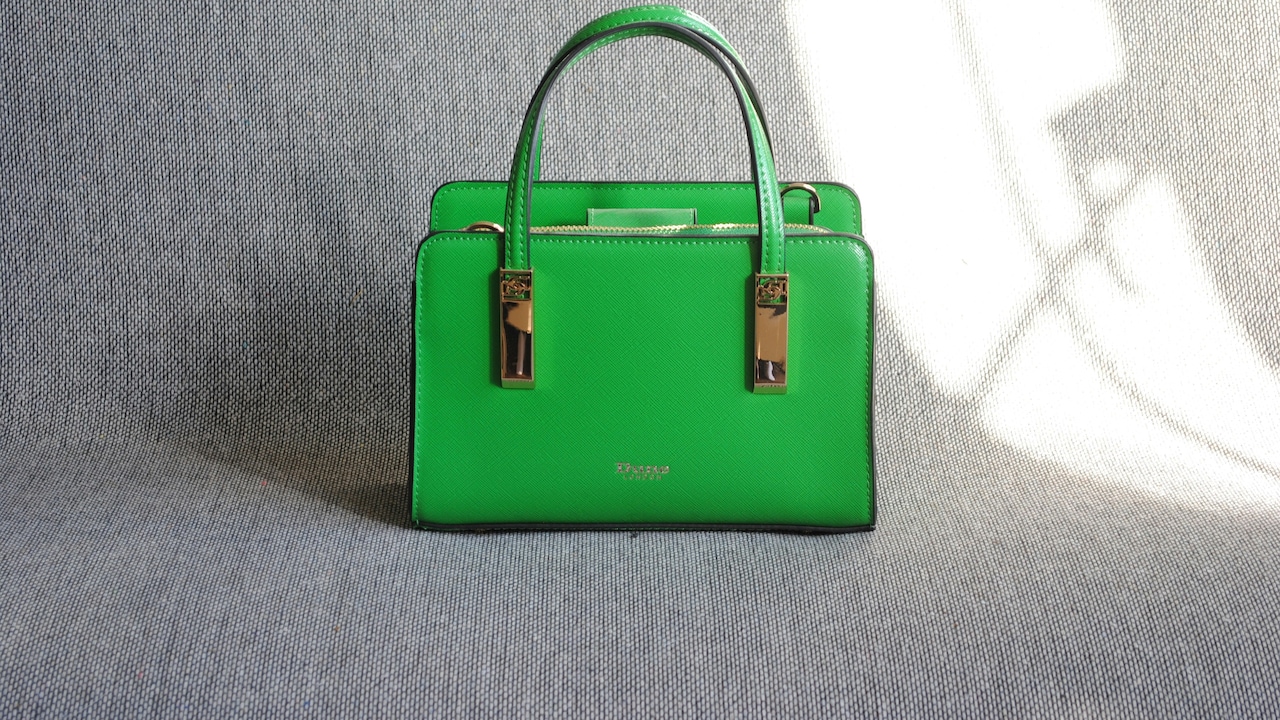
Handbag Strap Peeling: Causes, Prevention And Best Materials; Photo Credit: Pexels
4. Constant Friction Damages Strap Edges
Friction causes some of the most visible handbag strap damage. A strap rubs against clothing, jewellery, chair arms, desk corners and vehicle seats throughout the day. The edges usually face the greatest pressure, especially when the bag feels heavy.
Embroidered outfits, sequinned blouses and textured jackets can scrape the surface surprisingly quickly. Even a rough denim seam may wear down a delicate synthetic strap. Metal bangles and watch straps can also create repeated scratches near the handle area.
Once the edge coating breaks, moisture and dust enter the inner layers. Peeling then spreads from the sides towards the centre. What starts as a tiny rough patch can become a long strip of exposed fabric.
Look for straps with rounded, stitched or folded edges. These designs often resist friction better than straps sealed with a thin painted layer. Edge paint can work well when applied properly, but cheap versions crack early. Strong stitching provides extra support and slows down separation, particularly on bags used for daily travel.
5. Overloading Stretches The Material
A handbag often carries far more than its graceful shape suggests. A water bottle, charger, diary, make-up pouch, wallet, keys and emergency snacks can turn a stylish tote into gym equipment. The strap bears the full weight, especially where it joins the bag.
Excess weight stretches both the inner core and outer coating. Synthetic straps may develop wrinkles, cracks or bubbles. Leather straps may also lose shape if overloaded, though good leather usually shows gradual wear rather than sudden peeling.
The weakest areas sit near buckles, adjustment holes and metal rings. Repeated pressure causes the material to split around these points. Once the top layer lifts, every movement makes the damage worse.
Choose a bag according to its purpose. A slim shoulder bag should not carry a laptop and a one-litre bottle. For heavier loads, pick a tote with broad straps, reinforced stitching and sturdy hardware. Wider straps distribute weight more evenly and feel kinder on the shoulder. Sometimes, the bag is not poorly made; it is simply doing a job it never applied for.
6. Poor Adhesives Cause Layers To Separate
Not all peeling begins on the visible surface. Some straps contain several layers glued together. A fabric core may sit beneath foam, synthetic leather and edge coating. If the adhesive lacks strength, these layers begin separating with heat, movement and age.
Early signs include bubbles, soft patches or slight lifting near the edges. The strap may feel uneven when pressed. Eventually, the top layer peels away in sheets, even though it has not cracked badly.
This problem usually points to poor construction rather than careless use. Unfortunately, buyers cannot always inspect the glue before purchasing. Still, a close look can reveal clues. Check whether the edges appear smooth and firmly sealed. Press the strap gently and listen for faint crackling sounds. Loose layers may shift under the fingers.
Stitched straps tend to hold together better than fully glued ones. Stitching does not guarantee quality, but it adds mechanical strength. Bags with neat, even seams usually survive daily handling better. Glue should support the construction, not carry the entire responsibility alone.
7. Genuine Leather Lasts Longer With Care
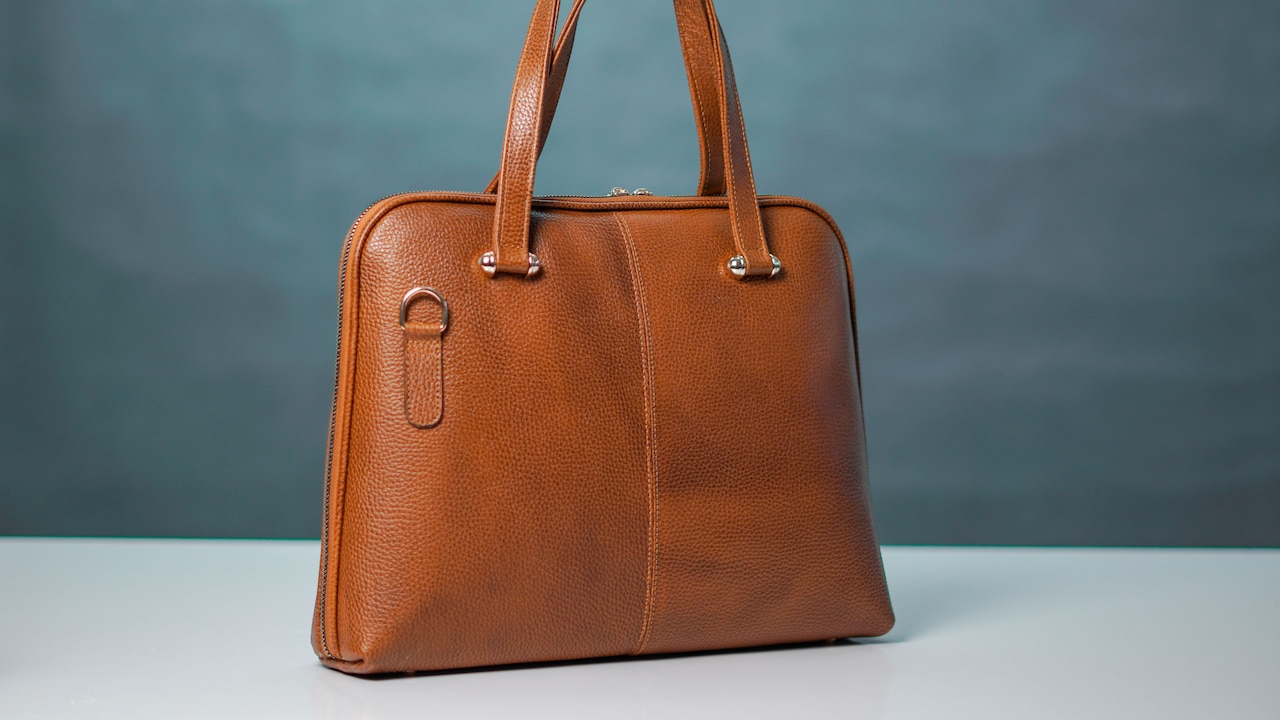
Good-quality genuine leather remains one of the most reliable choices for handbag straps. Full-grain leather performs especially well because it retains the strongest part of the hide. Rather than peeling, it develops a patina, becoming softer and richer in colour over time.
Top-grain leather also offers durability, though manufacturers sand and finish its surface for a smoother appearance. Corrected leather may contain heavier coatings, so its ageing pattern depends on the quality of the finish.
Leather still needs care. Excess water can leave marks, while strong sunlight can dry the fibres. A leather conditioner used every few months helps maintain flexibility. Apply a small amount after checking the product on a hidden area.
A well-made leather strap may cost more at the beginning. However, replacing a ₹1,500 synthetic bag every year can become more expensive than buying one dependable leather bag. The best leather does not remain perfectly untouched. It gains character. Small creases and colour changes form part of its charm, much like a favourite wallet that tells stories without saying a word.
Handbag Strap Peeling: Causes, Prevention And Best Materials; Photo Credit: Pexels
8. Nylon And Webbing Handle Daily Use Well
Nylon and woven webbing may not offer the polished look of leather, but they excel at durability. These materials suit work bags, crossbody bags, travel totes and backpacks because they resist bending, stretching and repeated friction.
A quality nylon strap does not have a fragile surface coating that can peel away. It may become slightly fuzzy after years of use, but the structure often remains strong. Webbing straps also distribute weight well, making them comfortable for long commutes.
The weave matters. Tightly woven straps feel smooth, dense and firm. Loose weaves may snag on jewellery or rough surfaces. Strong stitching near the hardware remains essential, since even the toughest fabric can fail at a poorly secured joint.
Nylon straps also handle light rain better than untreated leather. They dry faster and require less maintenance. A mild soap solution usually removes dirt, though the bag's care label should guide cleaning. For anyone who carries half the household in one tote, woven straps offer practical strength without unnecessary drama.
9. Canvas And Fabric Straps Age Gracefully
Canvas and other sturdy fabrics provide another dependable option. They do not peel because they lack a plastic top layer. Instead, they fade, soften or show slight wear over time. Many people find this ageing process more attractive than cracked faux leather.
Thick cotton canvas works well for casual totes and everyday shoulder bags. It feels comfortable, handles moderate weight and suits relaxed outfits. Printed fabric straps can also add personality without looking overly formal.
However, fabric absorbs moisture and stains more easily than nylon. A leaking pen, an open juice bottle or a sudden downpour can leave lasting evidence. Darker shades and patterned designs hide minor marks better than pale colours.
Check whether the strap contains reinforced stitching and a strong inner layer. Thin fabric alone may stretch under weight. Look closely at the points where the strap meets the bag, as these areas face the most strain.
For daily errands, college use or weekend outings, canvas offers a sensible balance of comfort, price and durability. It may not look luxurious, but it often outlives glossy materials that make bigger promises.
10. Smart Storage And Rotation Extend Strap Life
Even the strongest material can wear out early when stored carelessly. Hanging a heavy handbag by its straps for months places constant stress on the material. The strap may stretch, crack near the hooks or lose its original shape.
Store bags upright on a shelf whenever possible. Fill them lightly with clean paper or soft cloth to support their structure. Keep detachable straps flat or loosely rolled. Avoid folding them sharply, as deep creases can become future cracks.
Rotating bags also helps. Carrying the same handbag every day gives the strap no time to recover from moisture, pressure and friction. Switching between two or three bags can extend their lifespan significantly.
Regular inspection makes repairs easier. Loose stitching, damaged edge paint and weak hardware can often be fixed before the entire strap fails. A local bag repair shop may replace hooks, reinforce seams or add a new leather strap for a reasonable price.
Good care does not mean treating a handbag like a museum piece. It simply means giving it a clean, dry place to rest after a long day.
Products Related To This Article
1. Max Textured Half Moon Hobo Bag
2. MAEJOY Sling Bag with pouch
3. ZOUK Navy Blue & Pink Printed Vegan Leather Sustainable Shoulder 16 Inch Laptop, Tote Bag
4. Caprese Structured Shoulder Bag
5. Mochi Structured Handheld Bag
6. MIRAGGIO Celeste Ivory Top Handle Crossbody Bag With Detachable Chain Strap
7. SKORPIO PU Structured Handheld Bag
Handbag straps peel for several reasons, but poor-quality synthetic coatings remain the biggest culprit. Heat, humidity, sweat, friction, weak glue and excess weight make the problem worse. The damage may seem sudden, yet it usually builds slowly through repeated use and unsuitable storage.
Material choice can make a noticeable difference. Full-grain leather offers long life and develops character with age. Nylon and woven webbing handle heavy daily use with ease. Canvas provides a practical, peel-free option for casual bags. High-quality polyurethane can also perform reasonably well, though it rarely matches the lifespan of good leather or strong fabric.
A quick inspection before buying can prevent disappointment. Bend the strap, check the edges, examine the stitching and consider how much weight the bag will carry. Gloss alone does not signal quality.
The right handbag strap should support more than the contents of the bag. It should support busy mornings, crowded journeys, festive evenings and countless everyday plans without leaving flakes behind.
(Disclaimer: This article may include references to or features of products and services made available through affiliate marketing campaigns. NDTV Convergence Limited (“NDTV”) strives to maintain editorial independence while participating in such campaigns. NDTV does not assume responsibility for the performance or claims of any featured products or services.)