Does Slipping Heels Mean Your Flats Are Too Big? 10 Footwear Fit Myths Explained
Flats can slip, pinch or rub even when the size seems right. From heel gaps to tight toe boxes, these 10 footwear-fit myths explain what your feet are actually trying to tell you.
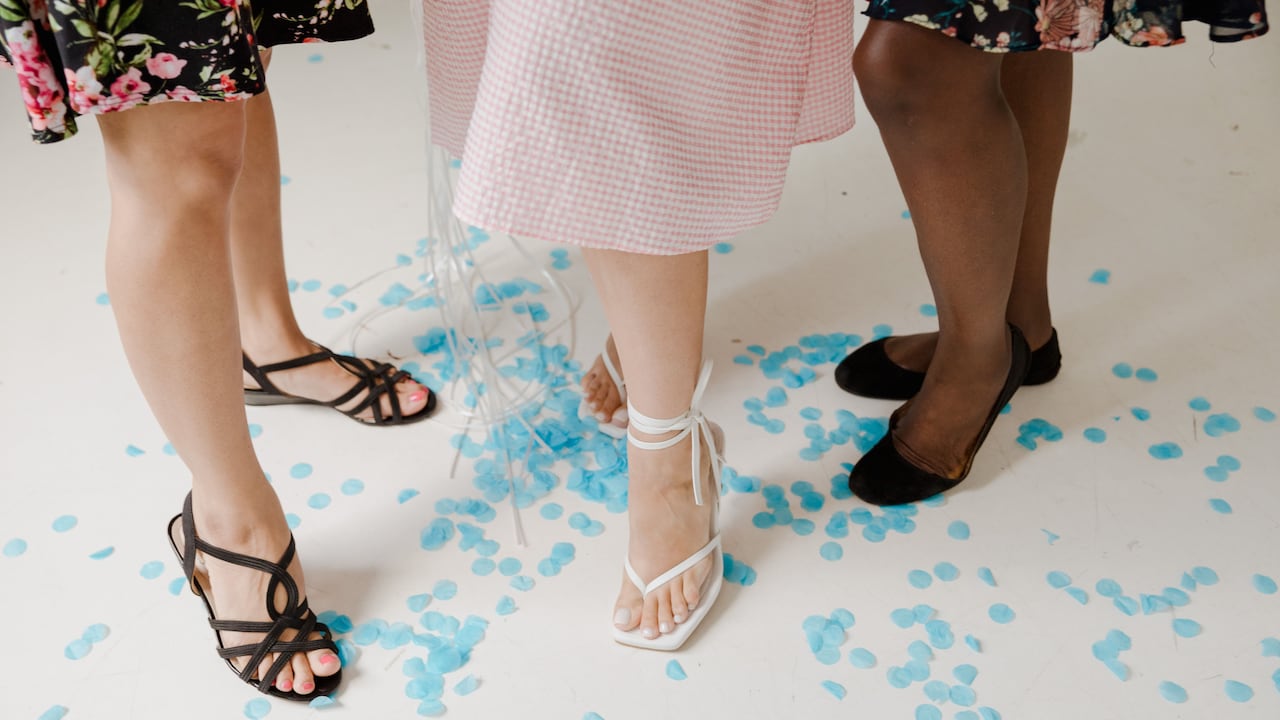
Are Your Flats Too Big? 10 Common Shoe Fit Myths Debunked
A pair of flats can look perfectly sensible in the shop and turn strangely rebellious after twenty minutes of walking. The heel starts lifting. Your toes grip the sole as though they're trying to keep the shoe attached. A tiny patch near the ankle begins rubbing. By lunchtime, those harmless-looking ballet flats have become the footwear equivalent of an argument you're losing. The obvious conclusion is usually that the size must be wrong. Sometimes it is. But footwear fit involves much more than the number printed inside the shoe. Foot length matters, but so do width, heel shape, toe-box design, arch position, material and even the way a shoe bends while you walk. Two pairs marked size 6 can therefore feel completely different. That's why familiar rules such as “heel slipping means the shoe is too big” or “tight shoes will eventually stretch perfectly” can lead to uncomfortable purchases. Before abandoning a pair or sizing up unnecessarily, it helps to understand what different fit problems actually mean.
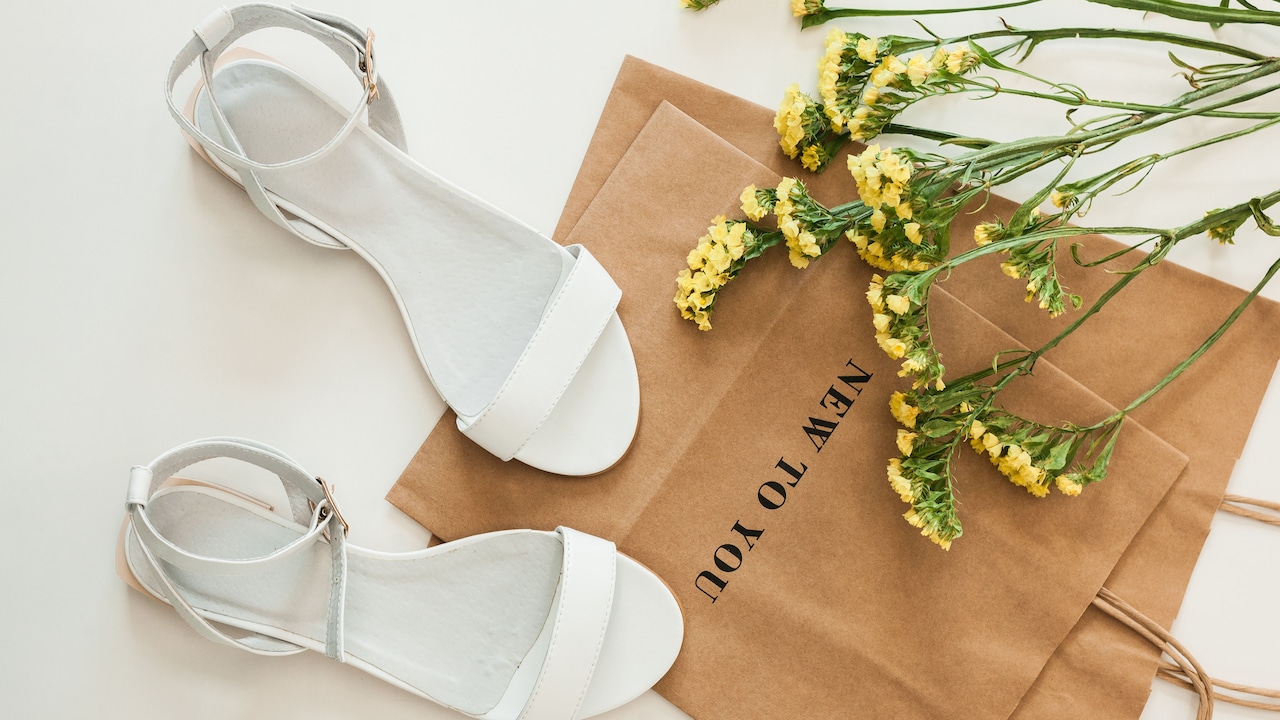
Are Your Flats Too Big? 10 Common Shoe Fit Myths Debunked; Photo Credit: Pexels
What Your Flats Are Really Telling You
1. Myth: Heel Slipping Always Means Your Flats Are Too Big
Heel slipping certainly can happen when a shoe is too long, but size isn't the only possible culprit. Flats rely heavily on the shape of their opening to stay attached to the foot. Unlike trainers or lace-up shoes, there's often no fastening system helping to secure the heel.
Someone with a narrow heel may therefore experience slipping even when the shoe fits correctly through the toes and midfoot. The problem lies in the mismatch between the back of the shoe and the shape of the foot.
The material can matter too. A stiff new upper may resist bending with your foot, causing the heel to lift slightly with every step. As the shoe becomes more flexible, mild slipping sometimes reduces.
Watch what happens elsewhere before immediately choosing a smaller size. If your toes already sit close to the front, sizing down could replace heel slip with cramped toes.
A shoe that feels secure through the forefoot but loose only around the heel may simply have the wrong shape for your foot. Different flat designs can solve the problem more effectively than changing size.
Also Read: Shopping For Flats Footwear? Here Are Top 5 Brands in India For Everyday Wear
2. Myth: Your Usual Shoe Size Should Fit Every Brand
Shoe sizing feels wonderfully precise until several pairs carrying the same number arrive and somehow fit like entirely different sizes. The number gives you a starting point, not a universal measurement.
Brands build shoes using different lasts, which are moulds that determine the shape and proportions of footwear. One last may have a roomy toe box and narrow heel. Another may run slim throughout. Even two styles from the same brand can feel noticeably different.
The design changes things further. Pointed flats naturally offer less usable toe space than rounded styles. A heavily padded insole can also make the interior feel smaller.
This explains why automatically ordering your regular size doesn't always work.
Instead, pay attention to how the shoe feels across several areas. Your heel should feel reasonably secure, the widest part of your foot should sit comfortably inside the widest part of the shoe, and your toes shouldn't feel compressed.
Think of shoe size rather like clothing size. The label gives useful guidance, but the actual cut decides whether something fits. Your feet don't suddenly change size because another brand fits differently; the footwear proportions have changed.
3. Myth: A Slightly Smaller Flat Will Stay On Better
When a flat keeps slipping, choosing a smaller size seems logical. Smaller shoe, tighter grip, problem solved. Unfortunately, that shortcut often creates a completely different set of problems.
A shoe that's too short can press against the toes while still slipping at the heel. This happens when the shoe's overall shape doesn't match your foot. Narrow heels combined with a broader forefoot make this particularly common.
You may notice yourself curling or gripping your toes while walking because the shoe still doesn't feel stable. Meanwhile, the front starts rubbing or squeezing.
Repeated pressure can turn an irritating fit into sore toes, blisters or discomfort around the nails.
Instead of automatically sizing down, compare the length and heel fit separately. Check whether your toes have comfortable space when standing, not just while sitting. Feet spread slightly under body weight, so a flat that seems acceptable while you're seated may feel much tighter once you walk.
If the front fits beautifully but the heel feels loose, experiment with another shoe shape rather than sacrificing toe room simply to keep the back attached.
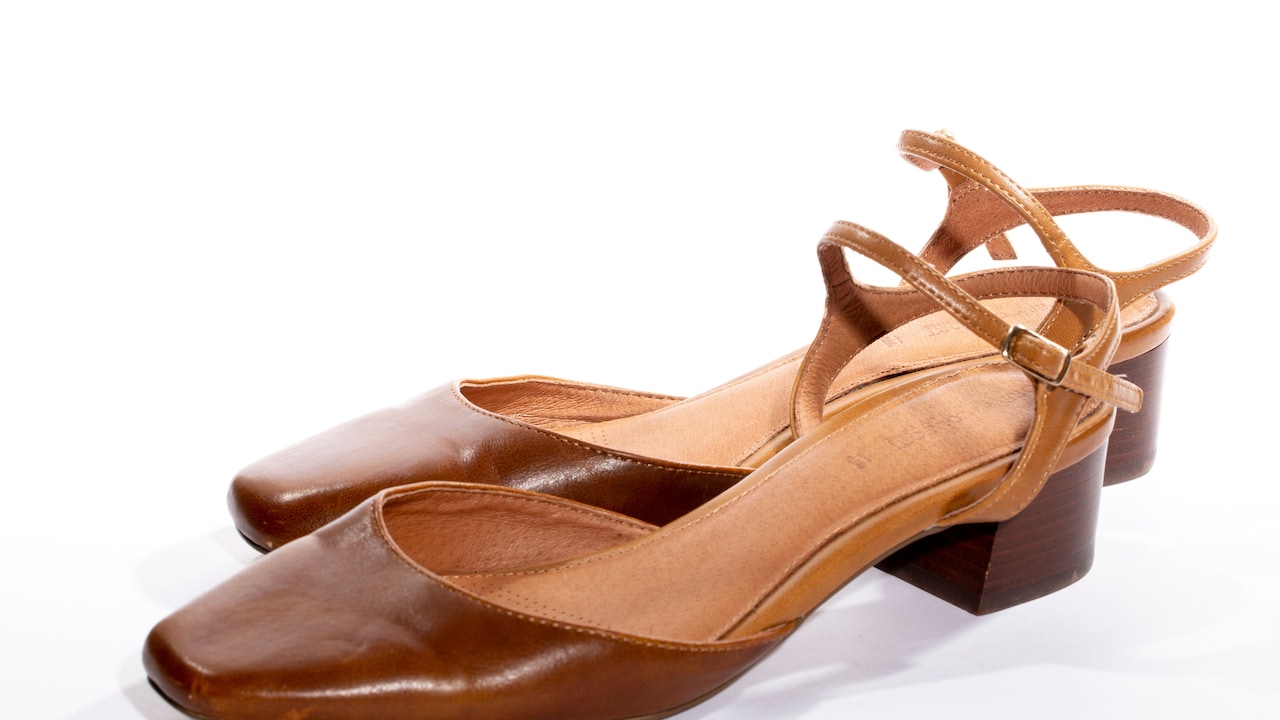
Are Your Flats Too Big? 10 Common Shoe Fit Myths Debunked; Photo Credit: Pexels
4. Myth: Tight Flats Will Always Stretch Into The Perfect Fit
The promise that shoes will “stretch with wear” has probably persuaded plenty of people to tolerate unnecessarily painful footwear.
Some materials do soften and give slightly. Natural leather often becomes more flexible as it responds to movement and warmth. Certain woven fabrics may loosen too.
But stretching has limits.
A shoe that's fundamentally too short won't magically become the correct length. Synthetic materials may change very little, while reinforced toe boxes and structured edges often retain their original shape.
There's also an important difference between a shoe feeling snug and feeling painful. Mild firmness around the sides can sometimes settle as the material softens. Pinching toes, numbness, sharp pressure or immediate rubbing should not become part of a break-in ritual.
Walking around the house briefly can reveal whether the material simply feels new or the shoe genuinely doesn't fit.
A good pair of everyday flats shouldn't require several uncomfortable outings before becoming wearable. Some softening is normal. Hoping an obviously tight shoe will transform itself after enough suffering is less reliable.
Comfort shouldn't depend on your feet eventually winning an argument with the footwear.
5. Myth: More Space Around The Toes Means The Shoe Is Too Large
Seeing empty space near the toes can make a shoe look oversized, but not every centimetre inside a flat needs to be occupied.
Toe boxes come in different shapes. Pointed shoes provide the clearest example. Your toes aren't supposed to travel all the way into the narrow tip. That area forms part of the design rather than usable foot space.
Even rounded flats need some room ahead of the toes so they don't repeatedly strike the front while walking.
The more useful question is whether your foot sits in the correct position inside the shoe. The widest part of your foot should align reasonably well with the widest section of the sole. Your heel shouldn't slide excessively, and your toes should move without feeling crushed.
Problems arise when extra length causes the whole foot to slide forward and backward. That's very different from harmless empty space created by the shoe's shape.
So don't judge fit by staring down at the toe alone. A pointed flat can appear unusually long while fitting correctly, while a shorter-looking round-toe style may actually squeeze the foot.
Fit follows internal proportions, not merely how much shoe you can see beyond your toes.
6. Myth: If Your Toes Fit, The Rest Of The Shoe Fits Too
Toe comfort deserves attention, but it doesn't tell the whole story.
A flat can provide generous toe space while squeezing the widest part of the foot. Another may fit perfectly across the front but leave a large gap along the sides or heel.
The midfoot matters as well. If the shoe doesn't hold this area comfortably, your foot may slide around inside despite having plenty of space near the toes.
Footwear shape becomes especially noticeable during longer walks. A small mismatch that seems harmless while standing in front of a mirror can turn into constant friction after several thousand steps.
Pay attention to pressure patterns. Does one edge dig into the side of your foot? Does the opening gape whenever you bend your foot? Are your toes gripping the sole because the shoe feels unstable?
These clues often reveal fit problems more accurately than toe room alone.
Think of your foot as a three-dimensional shape rather than a length measurement. Width, volume, arch position and heel structure all affect how comfortably the shoe stays attached.
The best fit supports the entire foot without forcing one area to compensate for another.
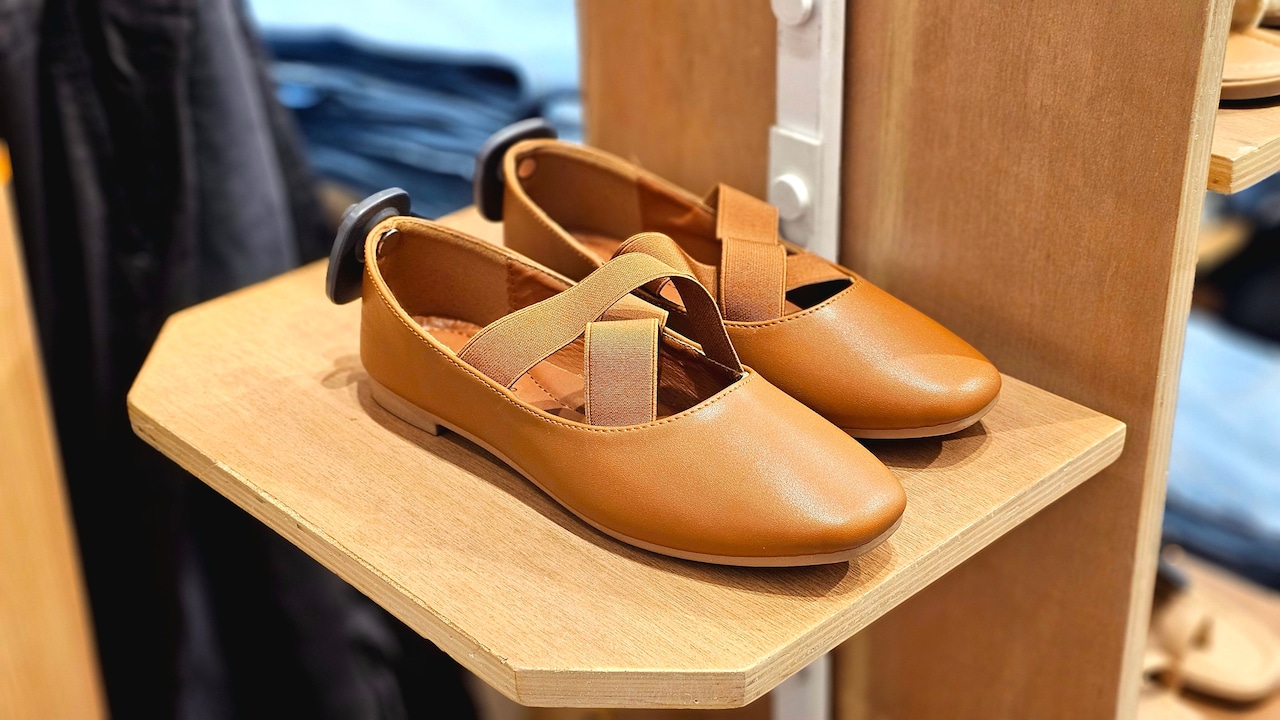
Are Your Flats Too Big? 10 Common Shoe Fit Myths Debunked; Photo Credit: Pexels
7. Myth: Heel Grips Can Fix Any Loose Pair Of Flats
Heel grips can be useful little accessories, especially when a shoe fits well everywhere except for minor looseness around the back. But they're not capable of rescuing every badly fitting pair.
A padded grip takes up a small amount of space and increases contact around the heel. That can reduce mild movement and help prevent rubbing.
However, if the shoe is significantly too long, adding padding behind the heel may simply push your foot forward. Now the heel feels tighter, but your toes receive additional pressure.
Thick inserts can cause similar problems if used without considering the entire fit.
Heel grips work best when the basic size and shape are already close to correct. They're a fine adjustment, not structural renovation.
Also check whether the heel counter itself suits your foot. Some flats have high, stiff backs that rub regardless of added padding. Others have very shallow backs that struggle to hold narrower heels.
Before spending money on multiple inserts, examine why the shoe feels loose. A small fitting accessory can improve a nearly right pair. It can't reliably turn the wrong shoe shape into the right one.
8. Myth: Flats Should Feel Completely Flat Under Your Feet
The name makes this one particularly believable. Flats should be flat, surely?
Not necessarily.
Many flats include slight heel elevation, cushioning or contouring even when they look completely level from the outside. These features can change how securely and comfortably the foot sits inside the shoe.
A completely thin, unsupportive sole may feel fine during a short trip downstairs but noticeably tiring during a long commute or shopping day. Your preferences, foot structure and usual activity level all matter.
This doesn't mean every flat needs dramatic arch support. Some people feel perfectly comfortable in minimal footwear. Others prefer a more contoured footbed.
The important point is that “flat” describes the footwear style more than one mandatory internal construction.
Cushioning can also affect sizing. A thick footbed occupies interior space, so two pairs with identical external dimensions may feel different once you put them on.
When trying flats, judge how your foot feels while walking rather than assuming the thinnest, flattest sole represents the correct fit.
Comfort involves the relationship between your foot and the whole shoe, including everything underneath it.
9. Myth: Both Feet Should Fit A Pair Exactly The Same Way
Many people discover this only after buying a pair that feels wonderful on one foot and strangely tight on the other.
Human bodies aren't perfectly symmetrical, and feet commonly differ slightly in length, width or shape. The difference may be tiny enough to go unnoticed until footwear fits closely.
This creates an awkward shopping situation because shoes come as matching pairs even when feet don't.
When trying flats, pay particular attention to the foot that feels larger or wider. Choosing a shoe based entirely on the smaller foot can leave the other side cramped.
At the same time, don't automatically jump an entire size because of a minor difference. The right shoe shape may accommodate both feet comfortably.
Small adjustments can sometimes help the looser side, provided the overall pair already fits reasonably well.
Also try both shoes before deciding. Testing one display shoe and assuming its partner will feel identical can hide fit differences between your own feet.
The goal isn't mathematical symmetry. It's comfortable walking. If one foot needs slightly more room, treat that information as useful rather than assuming something must be wrong with the shoe.
10. Myth: If Flats Feel Comfortable In The Shop, The Fit Must Be Right
A few steps across a shop floor can tell you something about a shoe, but they can't recreate a full working day.
Feet respond to activity and heat. After hours of walking or standing, they may feel fuller than they did earlier. A shoe that feels perfectly snug first thing in the morning can therefore become surprisingly restrictive later.
The surface matters too. Smooth shop flooring doesn't reveal everything about how a flat behaves on pavements, stairs or longer walks.
Before deciding, spend a few minutes walking naturally in both shoes. Pay attention to heel movement, toe pressure and any rubbing around the opening. Bend your feet as you normally would rather than taking tiny careful steps designed to protect the shoes.
If you're ordering online, try them indoors on a clean surface while return conditions still apply.
Comfort should feel convincing rather than hopeful.
When you're already thinking, “This part hurts a little, but perhaps it'll disappear,” your feet may be giving you useful information.
A well-fitting flat doesn't need to feel like a slipper immediately, but it shouldn't require optimism to become wearable.
Products Related To This Article
1. Sangria Women Embellished Ethnic Mules Flats
2. El Paso Women Open Toe Flats
3. Denill Women T-Strap Flats
4. Bata Women Black Open Toe Flats with Laser Cuts
5. Klaur Melbourne Women Open Toe Flats
6. Anouk Women Embellished Party Mules Flats
7. Mast & Harbour Women Solid Round Toe Buckles Leather Open Toe Flats
Heel slipping is a clue, not a diagnosis. Flats footwear can move at the heel because they're too large, but they can also slip because of heel shape, shoe construction, stiffness or mismatched proportions. The same principle applies to most footwear-fit problems. Don't let the size label make the entire decision. Check the toes, width, heel and overall stability while walking. A pair that suits the shape of your feet will usually feel far better than one chosen simply because the number inside looks familiar. After all, good flats should carry you through the day, not leave you wondering when exactly it became socially acceptable to walk home barefoot.
(Disclaimer: This article may include references to or features of products and services made available through affiliate marketing campaigns. NDTV Convergence Limited (“NDTV”) strives to maintain editorial independence while participating in such campaigns. NDTV does not assume responsibility for the performance or claims of any featured products or services.)