Gold-Plated Jewellery Myths Debunked: What Lasts Longer And What Quickly Fades
Gold-plated jewellery can look luxe, but it doesn’t last forever. Discover what fades fast, what stays shiny longer, and the biggest myths that make buyers regret their purchase.
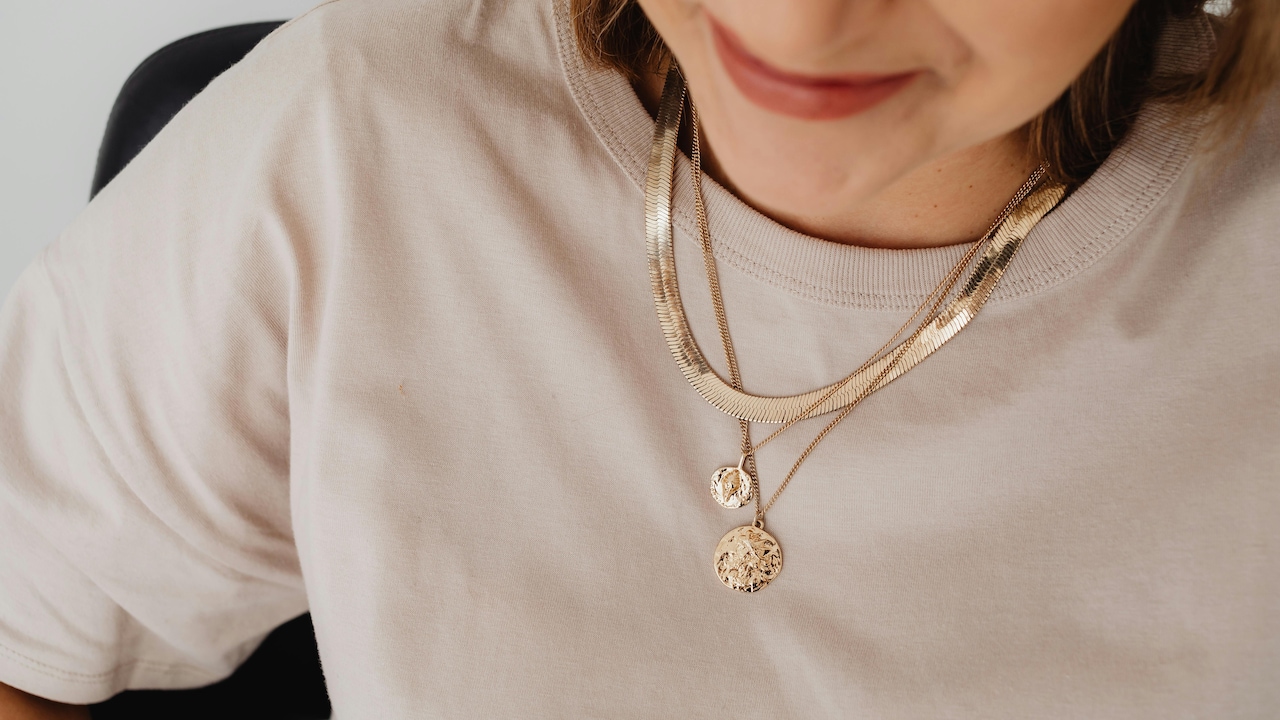
Here are important things to know about gold plated jewellery that can make it retain shine and beauty.
Gold-plated jewellery has become the ultimate wardrobe chameleon. It turns a plain kurta into a festive look, makes a work outfit feel polished, and adds drama to a wedding guest ensemble without the pressure of guarding it like a treasure chest.
But the moment gold plating enters the conversation, opinions start flying. Someone insists it lasts forever. Someone else says it turns black before the auto ride ends. A cousin claims a ₹499 chain is “basically real gold”. And a friend swears a certain brand's plating survives everything, including pool parties and heartbreak.
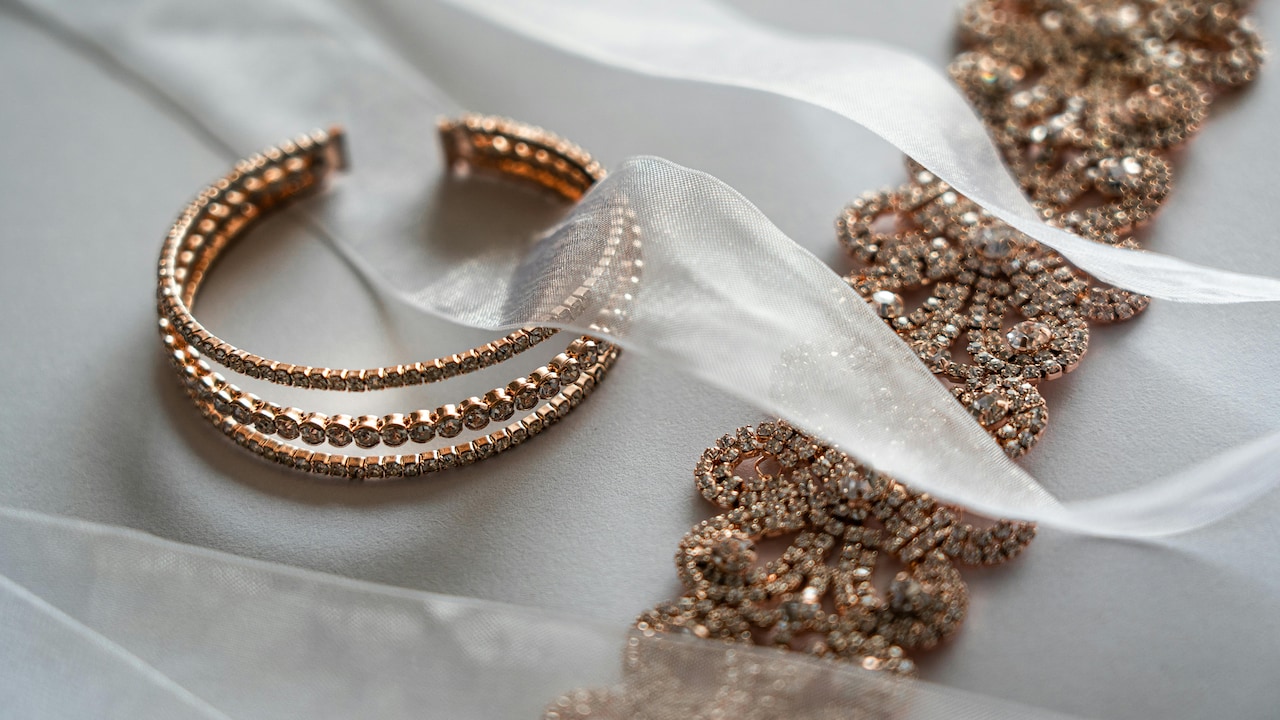
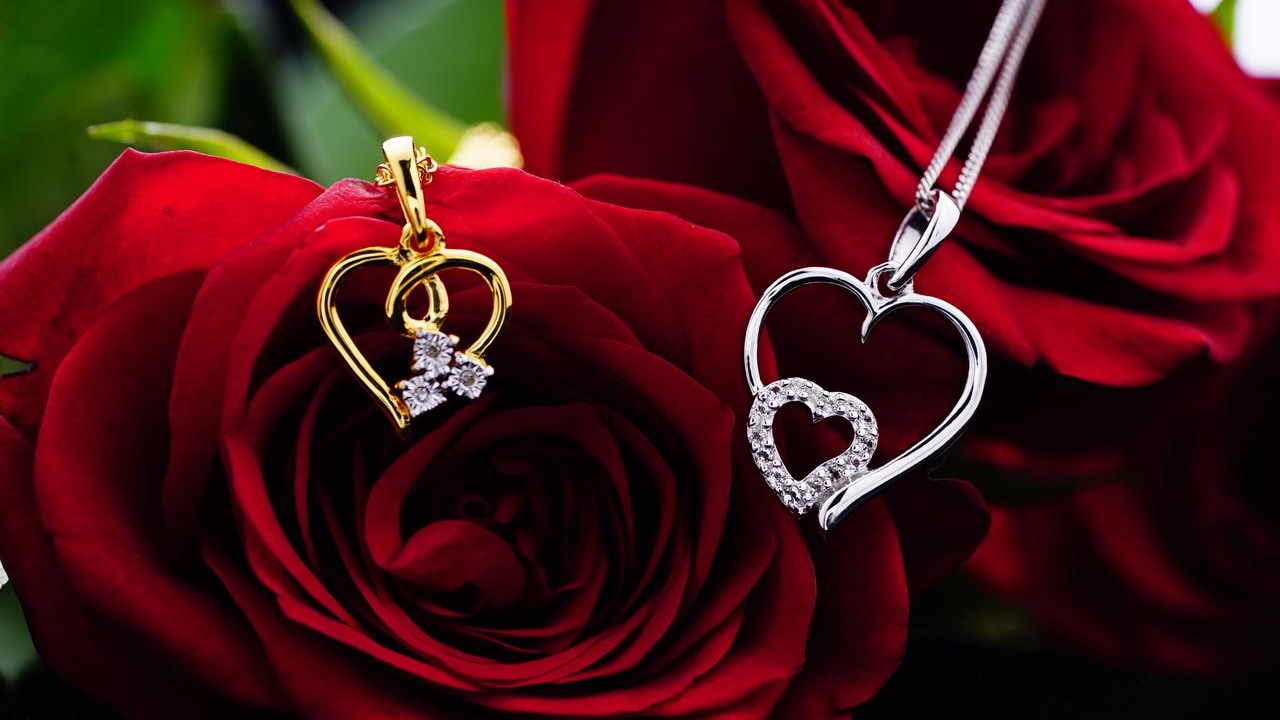
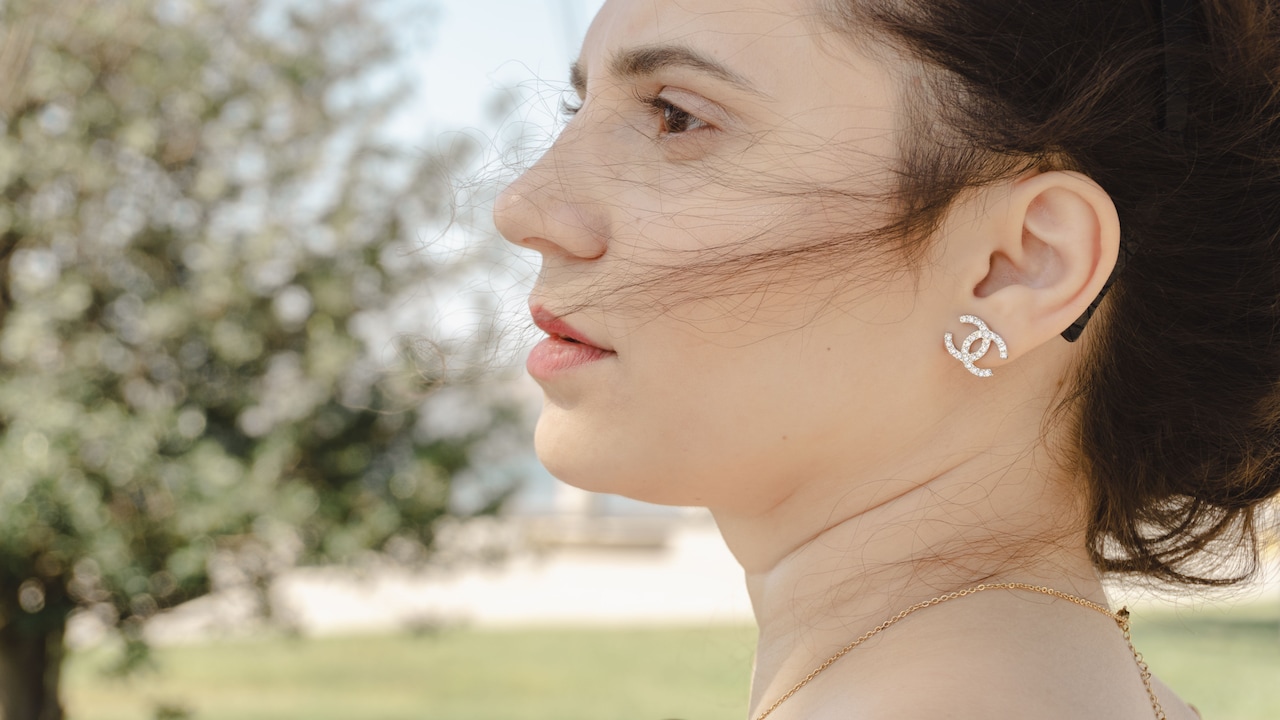
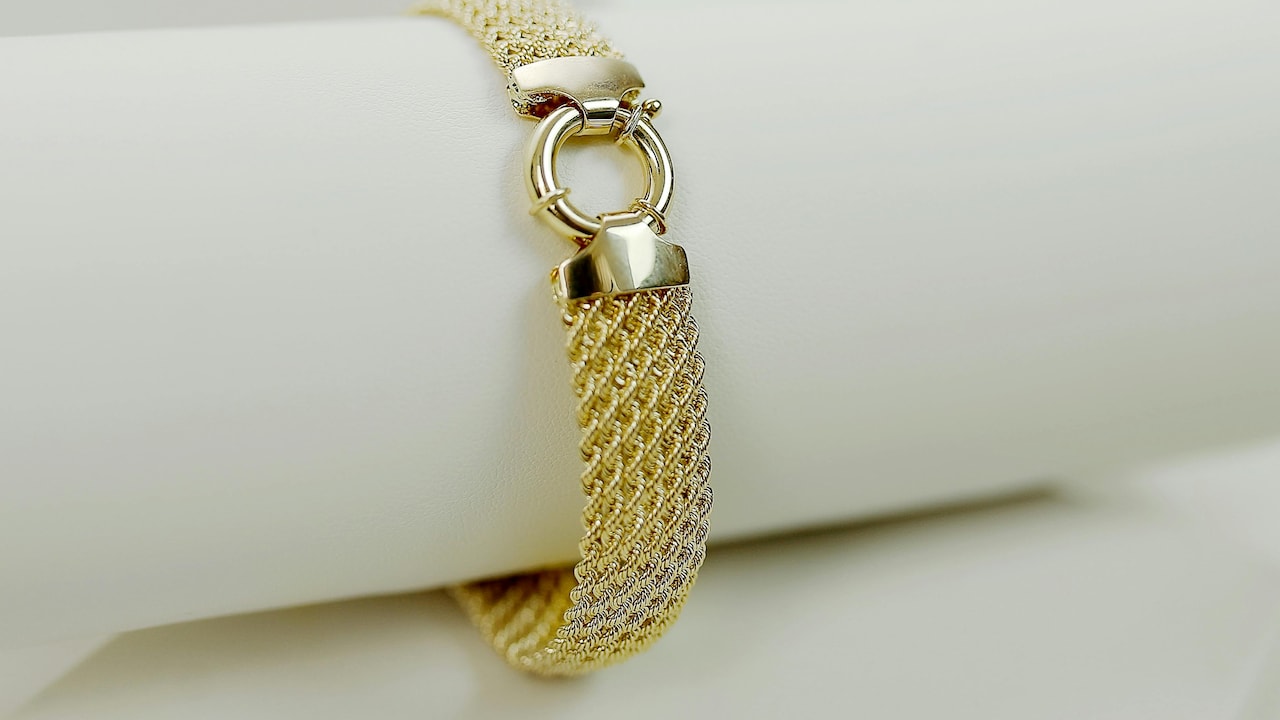
Discover key features that make gold plated jewellery last longer and stay shiny; Photo Credit: Pexels
The truth sits somewhere in the middle, and it is far more practical than the myths. Gold plating can look stunning and last well, if expectations match reality, and the purchase is made with a little knowledge rather than pure hope.
Time to bust the biggest myths, explain what lasts longer, and call out what fades quickly. No lectures. No scary chemistry. Just real talk, with a side of humour.
Also Read: Gold-Plated Jewellery To Pair With A Saree
Before You Buy: What Gold Plating Really Means
Myth 1: Gold-Plated Jewellery Is Basically Real Gold
This myth has survived longer than many relationships. Gold-plated jewellery is not real gold in the way a solid gold piece is. It is a base metal, often brass, copper, stainless steel, or alloy, covered with a thin layer of gold. The gold is real, yes, but the layer is far thinner than most people imagine.
That thinness is exactly why it can look brilliant on day one and then behave like a moody celebrity later. The base metal underneath has its own personality. Brass may react more. Stainless steel tends to behave better. Copper can bring out colour changes faster. And if the plating is extremely thin, the base metal starts showing through sooner.
What lasts longer? Gold-plated pieces with a thicker layer and a stable base metal like stainless steel. What fades quickly? Ultra-cheap plating on reactive metals, especially when worn daily.
A good way to think of it: gold plating is like a beautiful outfit, not a permanent skin upgrade. Treat it like fashion jewellery with premium vibes, not like an heirloom investment.
Myth 2: All Gold Plating Is The Same
This one causes the most disappointment, because it sounds logical. Gold is gold, right? Not quite. Plating varies massively, and two pieces that look identical in a tray can age like completely different people.
Plating quality depends on thickness, the method used, and what sits under the gold. Terms like “gold plated”, “gold vermeil”, and “gold filled” get thrown around, and they are not interchangeable. Vermeil usually means gold over sterling silver and tends to feel more premium. Gold filled is a thicker bonded layer and typically lasts longer than basic plating.
Then there is micron plating, which is often used as a selling point. Higher micron generally means thicker plating. But even then, the finish and the sealing matter. Some brands add a protective top coat to slow down fading. Others skip it.
What lasts longer? Pieces with thicker plating, a better base, and a protective coating. What fades quickly? Thin flash plating that exists mostly for the photos.
In jewellery, details matter. The sparkle does not come from vibes alone.
Myth 3: If It Is Expensive, It Will Never Fade
Price can hint at quality, but it does not guarantee immortality. A gold-plated necklace priced at ₹2,500 may last longer than one priced at ₹600, but it still lives in the plated category. It will eventually wear down with use. That is not a defect. That is physics.
Sometimes a higher price comes from design, branding, packaging, or marketing. A chunky, trendy piece may cost more simply because it uses more material and has more labour behind it. That does not automatically mean the plating is thicker.
Also, different items face different stress. Rings fade faster than earrings because hands wash, sanitise, cook, and open stubborn jar lids. Bracelets rub against desks and bang against handbags. Chains rub against skin, sweat, and perfume.
What lasts longer? Higher-quality plating paired with gentle use. What fades quickly? Anything worn daily in high-friction areas, even if it was expensive.
The smarter approach is not “buy expensive”. It is “buy right for how it will be worn”.
Myth 4: Gold-Plated Jewellery Turns Black Because It Is Fake
This is the drama queen myth. When gold-plated jewellery darkens, people assume it is “fake” or “bad”. But tarnish and darkening often come from the base metal reacting to air, moisture, sweat, or chemicals. Gold itself does not tarnish easily, but the plating is thin. Once it wears off in spots, the base metal gets exposed and reacts.
Sometimes the dark colour is not even the metal. It can be product build-up. Perfume, lotion, sunscreen, hair products, and even soap residue can cling to jewellery and dull the shine. Add city humidity and summer sweat, and the piece starts looking tired.
What lasts longer? Pieces stored dry, cleaned gently, and worn after getting ready. What fades quickly? Pieces exposed to constant moisture, perfume, and skincare.
Also, skin chemistry matters. Some people have more acidic sweat. Some use stronger skincare. That is why one friend's chain looks perfect after six months while another's starts changing in three weeks.
The jewellery is not judging anyone. It is just reacting.
Myth 5: Water Will Not Affect It If The Plating Is Good
If gold-plated jewellery had a nemesis, it would be water, especially water mixed with soap, chlorine, and salt. Even strong plating is not designed to live in water daily.
Showering with plated jewellery sounds harmless until it becomes routine. Soap can leave a film that dulls the finish. Water can seep into tiny gaps, especially in stone settings or textured designs. Over time, the plating wears down faster, and tarnish can creep in.
Swimming is even worse. Chlorine is harsh and can damage both plating and base metal. Salt water is not gentle either. It speeds up corrosion and dulls shine quickly.
What lasts longer? Pieces removed before bathing, washing, swimming, and cleaning. What fades quickly? Jewellery is worn like a permanent accessory.
There is also a psychological trap here. If a piece survives water once, people assume it will survive forever. But plating damage often builds slowly and then shows up suddenly.
Water does not always ruin it overnight. It just shortens the lifespan quietly.
Showering daily with gold plated jewellery can ruin its shine and durability gradually; Photo Credit: Pexels
Myth 6: Perfume And Makeup Do Not Matter
This myth deserves to be retired with full ceremony. Perfume and makeup absolutely matter. These are some of the biggest reasons gold-plated jewellery loses its glow.
Perfume contains alcohol and chemicals that can break down the finish. Makeup and sunscreen create layers of residue that dull the surface. Hair spray is another silent culprit. It settles like dust, sticks like glue, and slowly makes jewellery look cloudy.
The most common real-life scenario is the “getting ready in a rush” moment. Jewellery goes on first, then perfume, then hair products. The piece looks great in the mirror, but after a few weeks, it starts losing its brightness.
What lasts longer? Jewellery worn after skincare and perfume have settled. What fades quickly? Pieces are sprayed directly with perfume or coated in creams daily.
A simple rule works well: jewellery should be the final step, like the cherry on top. And when removing it, wipe it gently. That tiny habit can save months of shine.
Myth 7: Rings And Bracelets Last As Long As Earrings
This myth sets people up for heartbreak. Different jewellery types age differently. Rings and bracelets are the fastest to fade because they face the most friction.
Hands touch everything. They wash, cook, clean, type, sanitise, and open doors. A ring gets scraped against surfaces constantly. Even if it looks fine from above, the underside often loses plating first. Bracelets rub against desks, bags, and bangles. They also collect more sweat.
Earrings and pendants usually last longer because they face less friction. A chain can still rub against skin, but it is gentler than the daily battle a ring goes through.
What lasts longer? Earrings, pendants, and pieces are worn occasionally. What fades quickly? Rings, bracelets, and anything worn during chores.
This does not mean rings should be avoided. It just means expectations should be realistic. A plated ring worn daily is like wearing white sneakers every day in monsoon season. It can be done, but it will show the journey.
Myth 8: Gold-Plated Jewellery Cannot Be Replated Or Repaired
Many people assume once the shine goes, the piece is done. That is not always true. Some gold-plated jewellery can be replated, depending on the design, the base metal, and whether it is worth the effort.
Local jewellers in many cities offer replating services. Prices vary, but even a basic replating can cost less than buying a new high-quality piece, especially for items with sentimental value. A favourite pendant from a memorable occasion, for example, may deserve a second life.
However, replating is not magic. If the base metal has corroded badly or the piece has structural damage, replating will not fix everything. Also, stones and adhesives may not survive the process, depending on how it is done.
What lasts longer? Simple designs that can be cleaned and replated easily. What fades quickly? Cheap pieces with poor construction that fall apart before replating even becomes an option.
The good news: fading does not always mean goodbye. Sometimes it just means a refresh.
Myth 9: Storing It Anywhere Is Fine
Storage is one of the most underrated factors in how long gold-plated jewellery lasts. Many pieces fade faster not because of wear, but because of how they sit when not worn.
Tossing jewellery into a pouch with other items creates friction. Chains tangle, surfaces scratch, and plating wears down. Leaving pieces exposed to air and humidity encourages tarnish, especially for brass-based items. Keeping jewellery in the bathroom is another common mistake. It looks convenient, but the moisture is brutal.
What lasts longer? Jewellery should be stored dry, separately, and away from humidity. What fades quickly? Pieces are stored in a messy pile, exposed to air, or left near windows and bathrooms.
Even small upgrades help. Soft pouches, individual zip bags, or a simple compartment box can protect plating. It does not need to be fancy. It just needs to stop jewellery from fighting other jewellery like siblings in the backseat of a car.
Storage is not glamorous, but it is powerful.
Myth 10: A Quick Wipe Is Enough To Keep It New
Cleaning gold-plated jewellery is not complicated, but it does need the right approach. A quick wipe helps, but it is not always enough, especially if the piece has collected skincare residue or has started dulling.
Harsh cleaning methods are a disaster. Toothpaste, baking soda, and rough cloths can strip plating faster. Strong chemical cleaners can damage both plating and stones. Scrubbing might make it look better for a day and worse forever after.
Gentle cleaning works best. A soft cloth wipe after every wear removes oils and sweat. For deeper cleaning, mild soap in lukewarm water with a very soft cloth can help, followed by thorough drying. The key is gentleness and dryness.
What lasts longer? Pieces cleaned softly and dried completely. What fades quickly? Jewellery scrubbed aggressively or cleaned with DIY abrasives.
Gold plating is like a good lipstick. Treat it gently and it stays beautiful. Rub it harshly, and it disappears.
Products Related To This Article
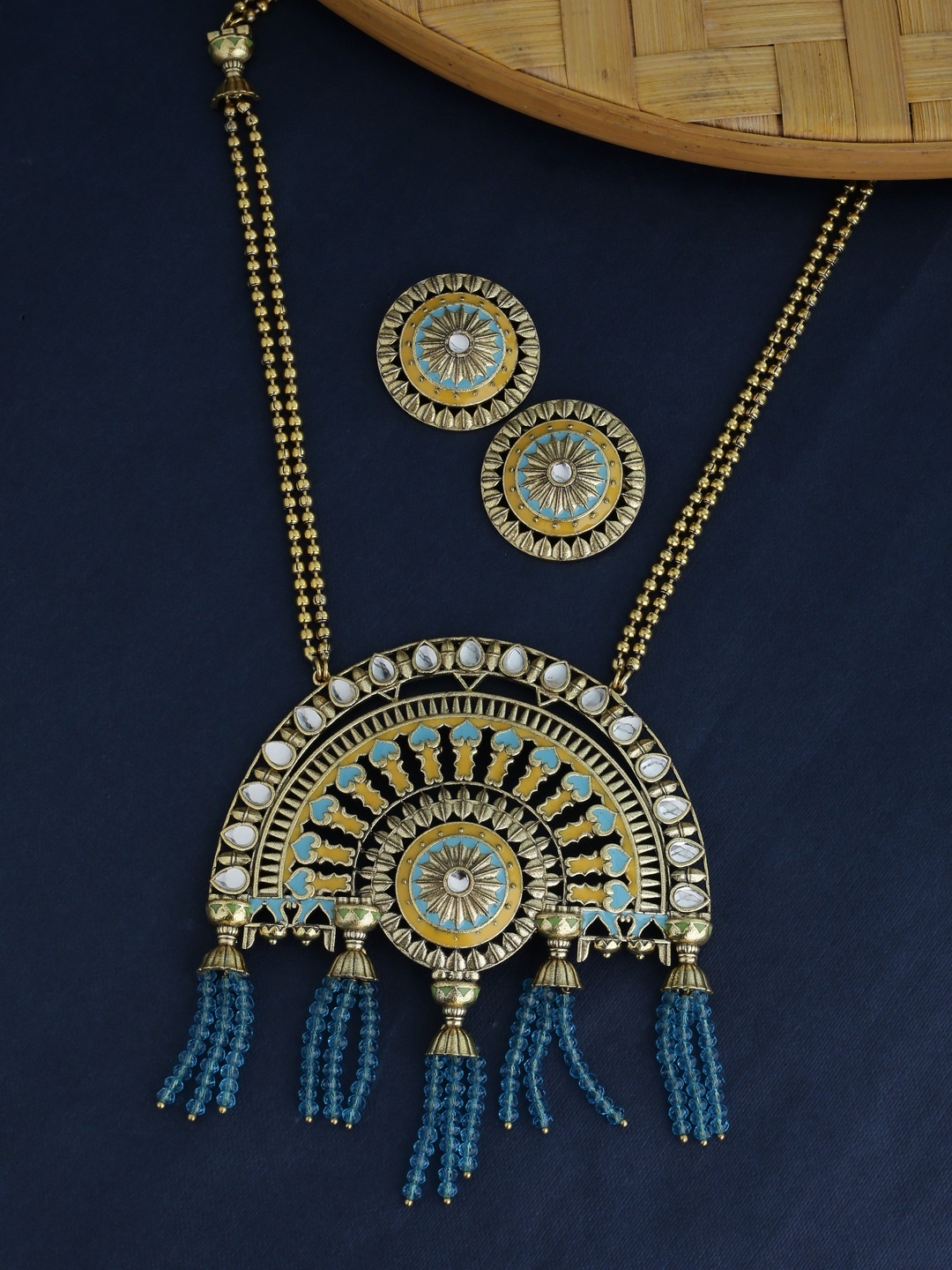
1. Joyful Alloy Gold Plated Multicolor Jewellery Set
2. Joker Witch Kalliope Gold Plated Plated Alloy Necklace
3. Yimbli Brass Gold Plated Multicolor Jewellery Set
4. Piah Brass Gold Plated Gold Jewellery Set
5. Vallora Brass Copper Gold Plated Gold White Jewellery Set
Gold-plated jewellery is not a scam, not a miracle, and definitely not something to fear. It is a practical, stylish choice that fits modern wardrobes and modern budgets. It can look stunning, photograph beautifully, and make everyday outfits feel special.
But it works best when myths are left behind. Gold plating does fade. Some pieces last far longer than others. Water, perfume, friction, and messy storage speed up the ageing process. And small habits, like wearing jewellery after getting ready, wiping it before storing, and keeping it dry, make a bigger difference than most people expect.
The real secret is simple: choose pieces based on how they will be used. Save the delicate plated ring for dinners and celebrations. Pick sturdier earrings for regular wear. And when something starts fading, do not panic. It is not a personal failure. It is just jewellery doing jewellery things.
Sparkle should feel fun, not stressful. And gold-plated jewellery, when understood properly, delivers exactly that.
(Disclaimer: This article may include references to or features of products and services made available through affiliate marketing campaigns. NDTV Convergence Limited (“NDTV”) strives to maintain editorial independence while participating in such campaigns. NDTV does not assume responsibility for the performance or claims of any featured products or services.)