Your New Shoes Hurt Even Before A Long Walk? This Is What Causes It And How To Fix It
New shoes should not hurt instantly. Poor fit, stiff materials, weak support and design flaws often cause early pain. Understanding why it happens can help prevent blisters, soreness, and wasted money.
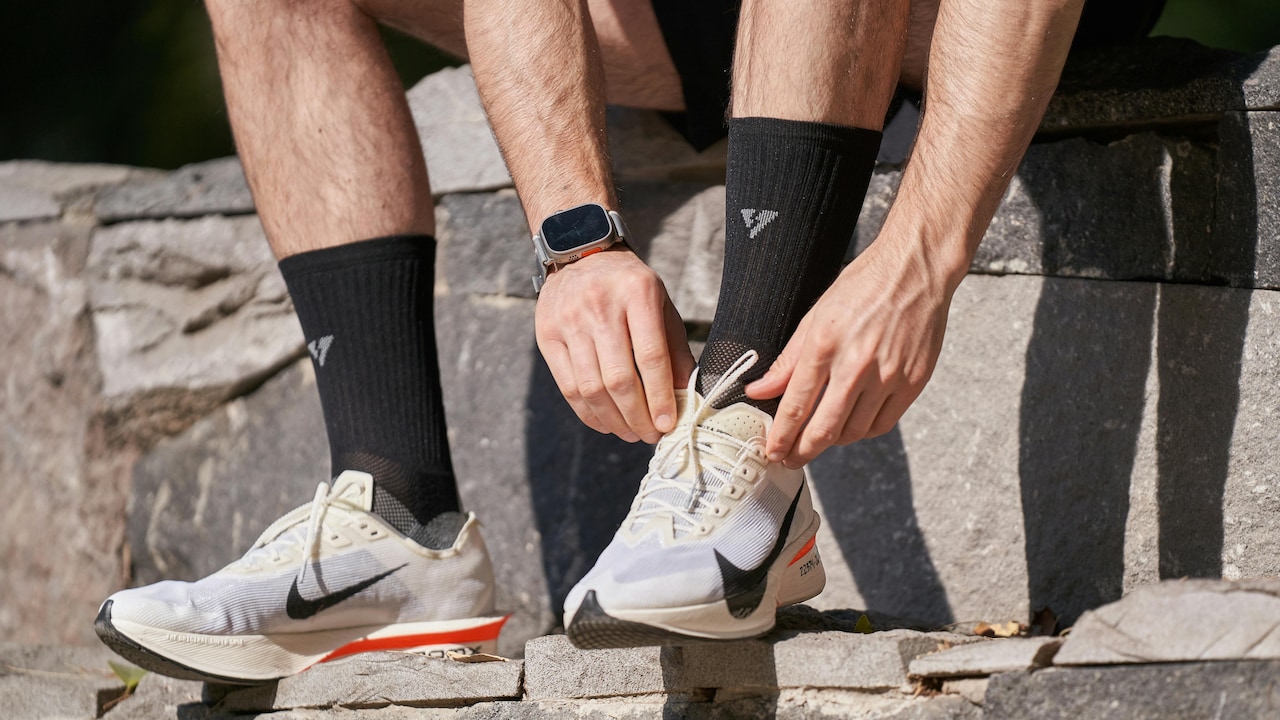
10 things that can make even the most expensive shoes hurt like hell
Buying new shoes can feel oddly satisfying. Whether it's sleek formal wear for office meetings, trendy trainers for morning walks, or festive footwear for wedding season, a new pair often promises confidence and comfort. But reality can be far less glamorous. Sometimes, even before crossing the market or reaching the end of the street, discomfort creeps in. Heels scrape, toes feel crushed, and arches protest loudly. This problem is surprisingly common, yet often misunderstood. Many assume pain is simply part of “breaking in” shoes, much like enduring summer heat or surviving crowded festival shopping. However, foot pain is not always normal. In fact, it often signals deeper issues related to design, sizing, materials, or even shopping habits.
Why do new shoes hurt even after a few uses; Photo Credit: Pexels
Understanding what causes this discomfort can prevent unnecessary suffering and protect long-term foot health. After all, stylish shoes should not demand sacrifice with every step.
Also Read: Best Gym Training Shoes with Non-Slip Grip for Workouts Under Rs. 2000
Why New Shoes Hurt So Quickly And What Your Feet Are Trying To Tell You
The Wrong Size Is More Common Than Most People Think
Many people wear the wrong shoe size without realising it. Sizes often vary between brands, meaning a comfortable size in one shop may feel painfully tight in another. Shopping online during flash sales can make this worse, especially when attractive discounts cloud practical judgment.
Feet also change over time. Weight fluctuations, age, and even pregnancy can alter foot size and shape. Yet many continue buying the same size they wore years ago. Tight shoes compress toes, create friction, and quickly lead to blisters or soreness.
A shoe that feels snug in the store may become unbearable after hours of walking through city traffic or standing during long workdays. Proper fitting involves more than checking length. Width, toe room, and arch support matter equally.
Trying on shoes in the evening often works better since feet naturally swell throughout the day. Spending ₹3,000 on beautiful shoes that remain in the cupboard serves no one.
Stiff Materials Can Turn Fashion Into Foot Torture
New shoes often use rigid materials that have not yet adapted to natural foot movement. Leather, synthetic fabrics, and polished formal shoes can feel particularly unforgiving at first.
This stiffness causes pressure points where the shoe rubs repeatedly against the skin. Common trouble spots include heels, little toes, and the top of the foot. It is much like wearing a new watch strap that feels awkward until softened, except far more painful.
Affordable fashion footwear sometimes prioritises appearance over flexibility. While shiny loafers or elegant heels may look impressive, poor-quality construction can make them feel like walking on wooden boards.
Breaking in shoes gradually helps, but severe discomfort should not be ignored. Wearing thick socks indoors for short periods can ease stiffness. Shoe stretchers may also help. However, if pain remains intense, the issue may be structural rather than temporary.
No stylish purchase should feel like preparing for battle every morning.
Poor Arch Support Creates Hidden Pressure
Foot pain is not always about blisters or rubbing. Sometimes, discomfort comes from inadequate support beneath the foot itself.
Flat soles or poorly designed insoles often fail to support natural arches. This can strain muscles, ligaments, and joints, leading to pain that extends beyond the feet into the knees or lower back.
Fashion sneakers, ballet flats, and budget sandals often fall into this trap. They may look trendy and affordable, but prolonged wear can create serious discomfort. Walking through malls, offices, or crowded stations in unsupported shoes can feel exhausting surprisingly quickly.
People with flat feet or high arches face even greater challenges. Generic footwear may worsen their natural alignment issues.
Adding cushioned insoles or orthotic inserts can dramatically improve comfort. Investing slightly more upfront can prevent future medical expenses. Spending ₹800 extra for support often beats paying thousands later for physiotherapy.
Comfort should never be dismissed as boring. Healthy feet make every outfit look better.
Shoe Shape Matters More Than Trends
Pointed toes, narrow fronts, and fashionable silhouettes often dominate footwear displays. Yet what looks elegant on the shelf may prove painful in practice.
Shoes that force toes into unnatural positions create immediate discomfort and long-term problems such as bunions, corns, or nerve pain. Many formal shoes and occasion wear prioritise style over anatomy.
Festive shopping often encourages impulse purchases, with dazzling designs overshadowing sensible choices. But after a few hours at celebrations, cramped toes can transform joy into misery.
Natural foot shape requires adequate space for movement. Rounded or wider toe boxes allow better comfort without sacrificing style.
Ignoring foot shape for fashion is rather like buying a sofa that looks gorgeous but feels impossible to sit on. Appearance matters, but practicality matters more.
Fashion should complement life, not complicate every step.
Sweaty Feet Increase Friction And Blisters
Hot weather, crowded commutes, and long days naturally increase sweating. When feet become damp inside shoes, friction rises sharply.
Moist skin is softer and more vulnerable to rubbing. This explains why even properly sized shoes can suddenly cause painful blisters. Synthetic linings often worsen this by trapping heat and moisture.
Breathable materials such as mesh, soft leather, or moisture-wicking fabrics can significantly improve comfort. Cotton or sweat-resistant socks also help reduce irritation.
Ignoring sweat management can quickly ruin even premium footwear. Imagine spending ₹5,000 on branded trainers only to suffer because poor ventilation turns each walk into a sauna session.
Foot powders or anti-friction balms can also provide relief, especially during humid seasons.
Sometimes, the problem is not the shoe alone, but the environment created inside it.
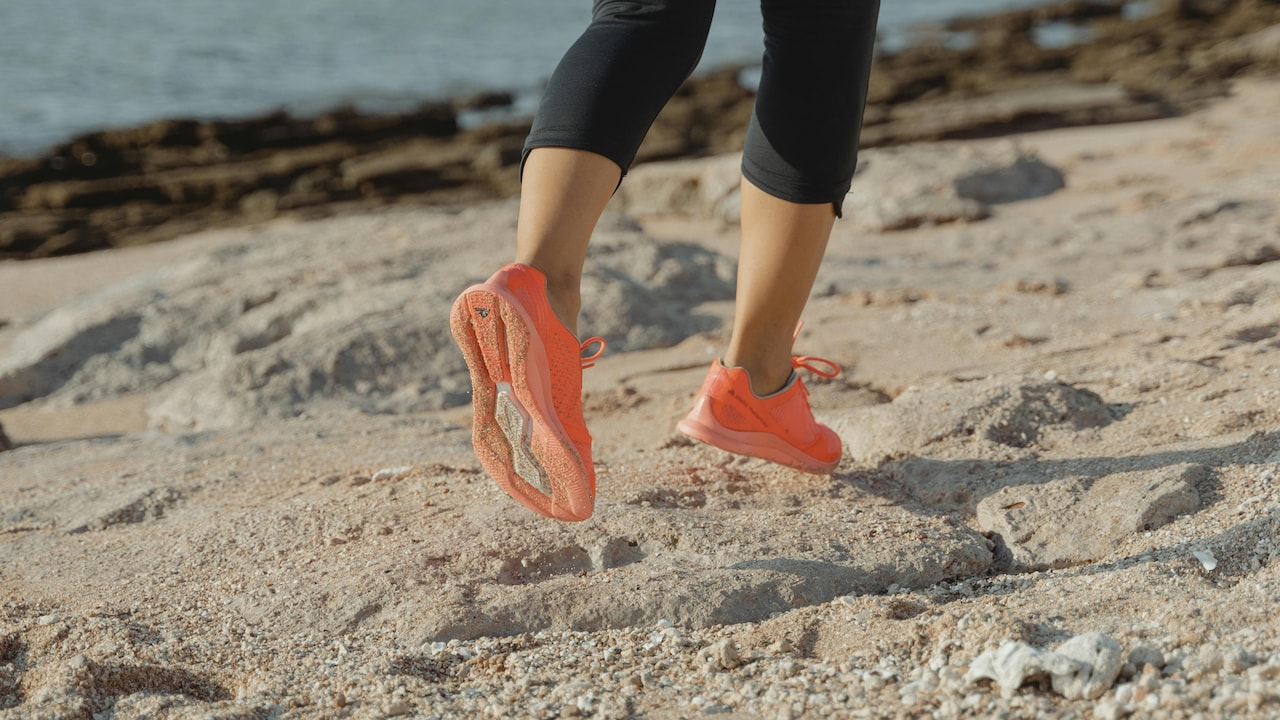
Sweaty feet can increase friction and the risk of blisters; Photo Credit: Pexels
High Heels And Raised Soles Shift Pressure Dramatically
Heeled shoes may offer height and elegance, but they often place excessive pressure on the front of the foot. Even moderate heels can alter posture and balance significantly.
This uneven weight distribution causes soreness in toes, arches, and calves. Prolonged wear can feel punishing, especially during weddings, office events, or festive gatherings.
Platform shoes and wedges may seem more forgiving, but poorly balanced designs can still create strain.
Many assume discomfort is simply the price of sophistication. Yet well-designed heels with cushioning and balanced support can reduce pain considerably.
Choosing lower heel heights or alternating footwear during long events often helps. Carrying foldable flats can feel like a clever secret weapon rather than a compromise.
Looking polished should not require limping home.
Breaking In Shoes Should Be Gradual, Not Painful
There is an old belief that all shoes require painful adjustment periods. While minor stiffness is normal, severe pain signals a problem.
Gradually increasing wear time allows materials to soften naturally. Wearing new shoes for short indoor periods before full-day outings can prevent nasty surprises.
Jumping straight into a shopping marathon or sightseeing day with fresh shoes often ends badly. Few regrets sting quite like discovering painful footwear halfway through a crowded bazaar.
Protective blister pads, heel cushions, and strategic stretching can ease the process.
However, if shoes consistently hurt despite careful breaking in, forcing the issue rarely works. Some shoes simply do not suit certain feet.
Pain should not become a personality trait just because the shoes were expensive.
Foot Conditions Can Make Certain Shoes Worse
Underlying foot issues often magnify discomfort. Flat feet, plantar fasciitis, bunions, or sensitive skin can make standard footwear problematic.
Many people blame shoes alone without recognising personal biomechanical factors. A design that feels perfect for one person may cause agony for another.
Professional foot assessments can identify these issues and guide better purchases. Specialised footwear or customised insoles may offer life-changing improvements.
Ignoring persistent pain can worsen conditions over time. What begins as occasional soreness may evolve into chronic discomfort.
Rather than repeatedly buying disappointing shoes, addressing root causes can save substantial frustration and money.
Healthy feet deserve the same attention as eyesight or posture.
Cheap Construction Often Leads To Expensive Regret
Bargain footwear can be tempting, especially during online sales or festive discounts. But lower prices often come with hidden compromises.
Poor stitching, weak cushioning, stiff soles, and synthetic materials frequently reduce comfort. A ₹999 deal may seem irresistible until painful wear reveals its true cost.
Quality footwear often provides better ergonomic design, durability, and material flexibility. This does not mean luxury brands are always superior, but thoughtful construction matters.
A reliable pair that lasts years often offers better value than repeatedly replacing uncomfortable shoes.
Footwear is not merely fashion; it directly affects physical well-being. Saving money up front should not mean sacrificing daily comfort.
Sometimes, the cheapest option proves the most expensive in the long run.
Small Preventive Habits Can Make A Huge Difference
Simple habits often determine whether new shoes become beloved staples or painful mistakes.
Trying shoes with intended socks, checking fit while standing, and walking around before purchase all help. Rotating footwear also reduces repetitive strain.
Using blister-prevention products, maintaining foot hygiene, and replacing worn-insoles can dramatically improve overall comfort.
Even storing shoes properly matters, as misshapen footwear can create awkward pressure points.
Treating shoe shopping casually often leads to discomfort. Thoughtful choices protect not just feet, but mood and mobility too.
After all, a good pair of shoes should carry life forward comfortably, whether navigating office corridors, festive markets, or spontaneous evening strolls.
Products Related To This Article
1. DOCTOR EXTRA SOFT Men's Running & Walking Shoes
2. CULT Women's AirStride Walking Shoes
3. Neeman's Everyday Basic Sneakers for Men
4. Campus Women Camp Eloy Walking Shoes
5. ASIAN Men's MEXICO-11 Casual Sneaker Shoes with Synthetic Upper Lightweight Comfortable Mid Top Sneaker Shoes
New shoes should bring excitement, not dread. Painful footwear often results from preventable issues such as poor sizing, rigid materials, inadequate support, or misguided fashion choices. While occasional adjustment is normal, persistent discomfort should never be ignored.
Smarter shopping, gradual wear, and attention to foot health can transform the experience entirely. Shoes are more than accessories; they support every journey, from daily commutes to milestone celebrations.
The next time a shiny new pair beckons from a shop window or online sale, comfort deserves equal consideration alongside style. Because the best shoes are not the ones that simply look good, but the ones that feel good every step of the way.
(Disclaimer: This article may include references to or features of products and services made available through affiliate marketing campaigns. NDTV Convergence Limited (“NDTV”) strives to maintain editorial independence while participating in such campaigns. NDTV does not assume responsibility for the performance or claims of any featured products or services.)