Why Do Wrap Dresses Keep Opening Up? And What To Check Before Buying
Wrap dresses can gape, shift, or fly open due to poor fit, slippery fabrics and weak fastenings. Knowing what to check before buying can help avoid awkward fashion mishaps and ensure all-day confidence.

Why Do Wrap Dresses Keep Opening Up? And What To Check Before Buying
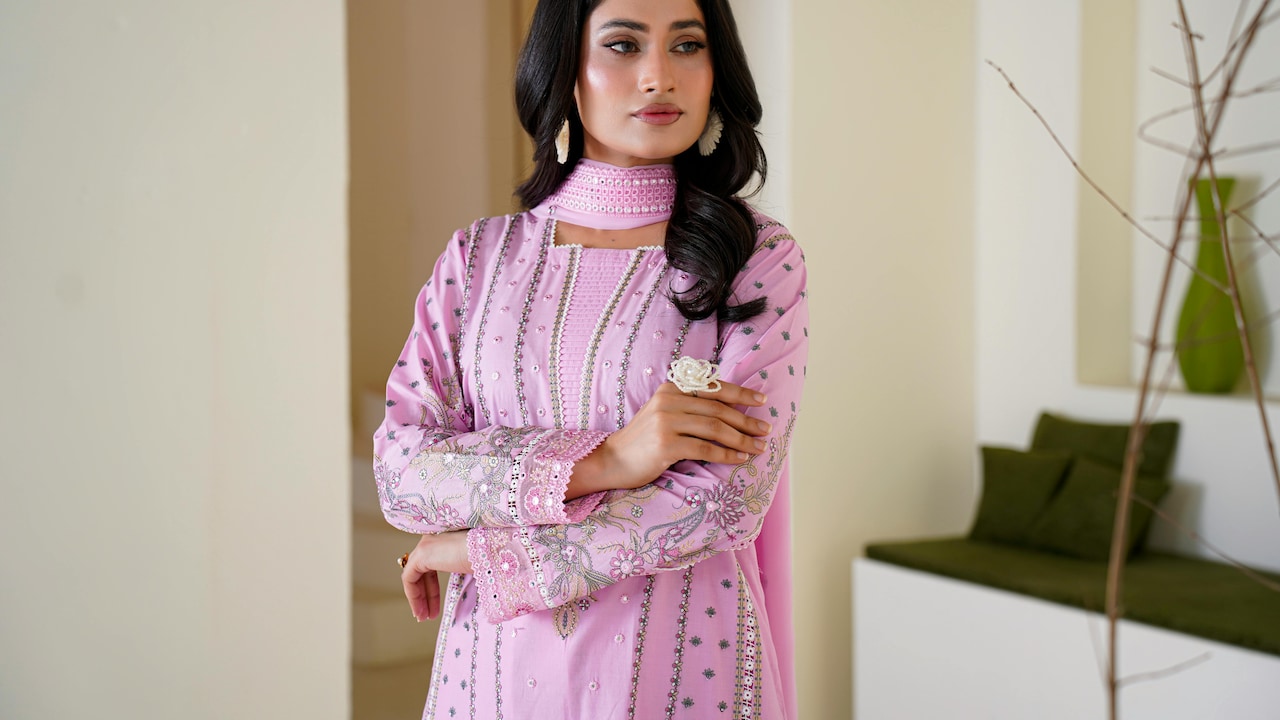
Few garments carry the same universal appeal as the wrap dress. It has survived fashion cycles, festive seasons, office wardrobes, brunch outings, and wedding guest lists with remarkable staying power. Its flattering design works across body shapes, making it feel like a reliable style companion. Yet beneath that graceful reputation lies one rather irritating issue: many wrap dresses simply refuse to stay put. A sudden gust of wind, a rushed auto ride, or even bending slightly can transform a chic outfit into an exercise in constant readjustment. Anyone who has spent an evening discreetly checking necklines or tugging at hemlines understands this struggle all too well.
The problem often begins long before the dress enters a wardrobe. Poor construction, unsuitable fabrics, incorrect sizing, or rushed shopping decisions can all contribute. While wrap dresses can absolutely offer comfort and style, smart buying choices matter more than many realise. A little extra attention before purchase can prevent endless discomfort later.

Why Do Wrap Dresses Keep Opening Up? And What To Check Before Buying
Photo Credit: Pexels
Why Wrap Dresses Often Go Wrong And How To Shop Smarter
The Real Difference Between True Wrap And Faux Wrap Designs
Not every wrap dress follows the same design philosophy, despite looking similar on hangers. A true wrap dress features one side that physically wraps over the other and ties securely, often allowing more flexibility in fit. Faux wrap dresses, on the other hand, only mimic the look while relying on stitching or elastic beneath.
This distinction matters greatly. True wraps can loosen if the ties lack strength or proper placement. Faux wraps may gape if fixed seams do not suit body proportions. Many shoppers get distracted by prints, colours, or discounts and overlook this critical difference.
A ₹3,500 dress may seem like a bargain until constant neckline slipping ruins the experience. In bustling shopping centres or online sales, design details deserve close inspection. Understanding whether the dress genuinely wraps or simply pretends can help predict comfort levels. The prettier option does not always prove the practical one.
Fashion should never demand constant vigilance, and knowing the structure can spare unnecessary wardrobe drama.
Fabric Choice Can Make Or Break Security
Fabric often determines whether a wrap dress behaves gracefully or stages repeated rebellions. Slippery materials like satin, polyester blends, or lightweight rayon may photograph beautifully but often struggle to stay in place throughout the day.
Soft cotton blends, jersey knits, or textured fabrics generally offer better grip and stability. Heavier materials provide structure, reducing unexpected movement around the bust, waist, or hemline.
Many shoppers understandably prioritise appearance over practicality, especially during festive sales or occasion shopping. Yet that glossy ₹5,000 satin number may quickly lose appeal after one uncomfortable dinner outing spent adjusting ties under the table.
Climate also matters. Warm, humid weather can make slippery fabrics cling awkwardly or shift more. Breathable, secure materials often prove more wearable for everyday use.
A wrap dress should feel like a dependable wardrobe staple, not an unpredictable challenge. Running fingers over fabric, checking stretch, and imagining real-world movement can reveal far more than a mirror alone.
Sizing Mistakes Lead To Endless Adjustments
One of the biggest reasons wrap dresses keep opening lies in poor sizing choices. Many people size down for a slimmer appearance or size up for comfort, but both decisions can create problems.
A too-small wrap dress pulls at the bust and hips, increasing the risk of gaping. A too-large option may loosen excessively, leaving ties ineffective and necklines unstable. Unlike some forgiving garments, wrap dresses depend heavily on proportion.
Sizing charts vary wildly across brands, particularly in online shopping. A medium in one label may fit like a small elsewhere. Relying solely on standard assumptions can result in disappointing purchases.
Trying the dress while sitting, walking, and bending offers far more realistic insight than standing still before a mirror. Even a beautiful ₹2,800 purchase can become unwearable if the fit feels unreliable.
The goal should always balance comfort with security. Proper sizing ensures the wrap flatters naturally rather than becoming a source of anxiety during every social outing.
Tie Placement Matters More Than Most Realise
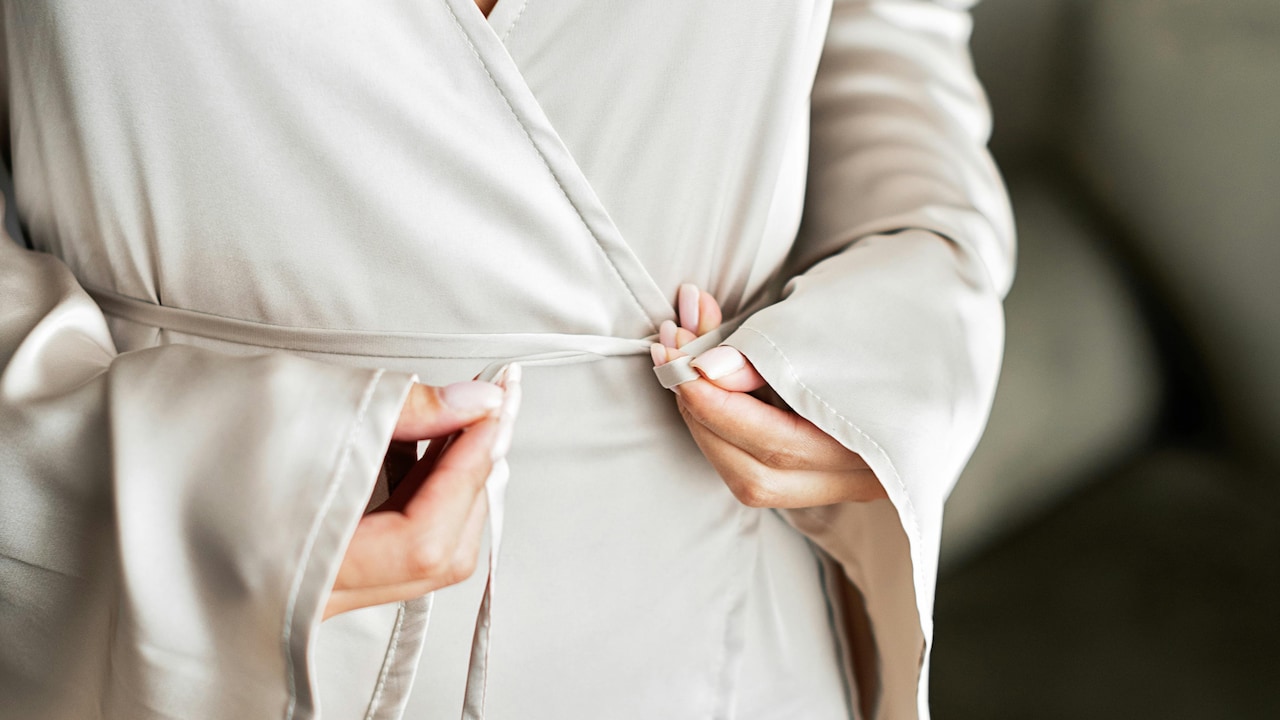
The humble waist tie often receives little attention, yet it plays a starring role in a wrap dress's success. Poorly positioned ties can create uneven pressure, weak support, or unnecessary loosening.
When ties sit too high or too low, they fail to secure the dress effectively. Thin, flimsy ties may also untangle easily, particularly during movement. Stronger, wider ties generally offer better hold and shape.
Some designs include hidden internal ties for additional security, which can make an enormous difference. Without them, external ties alone may not provide enough stability.
Before buying, checking how ties attach and whether they feel durable can prevent future disappointment. Spending ₹4,500 on style alone without examining function can prove costly.
A wrap dress should work with the wearer, not against them. Secure tie placement transforms the garment from fussy to functional, making confidence feel effortless rather than carefully managed.
Also Read: Wrap Dresses That Don't Wrap Properly: Fit Hacks For Different Body Types
Neckline Construction Often Reveals Quality
The neckline often serves as the first trouble spot in problematic wrap dresses. Deep V-necks may look sophisticated, but poor stitching or inadequate overlap can create constant exposure concerns.
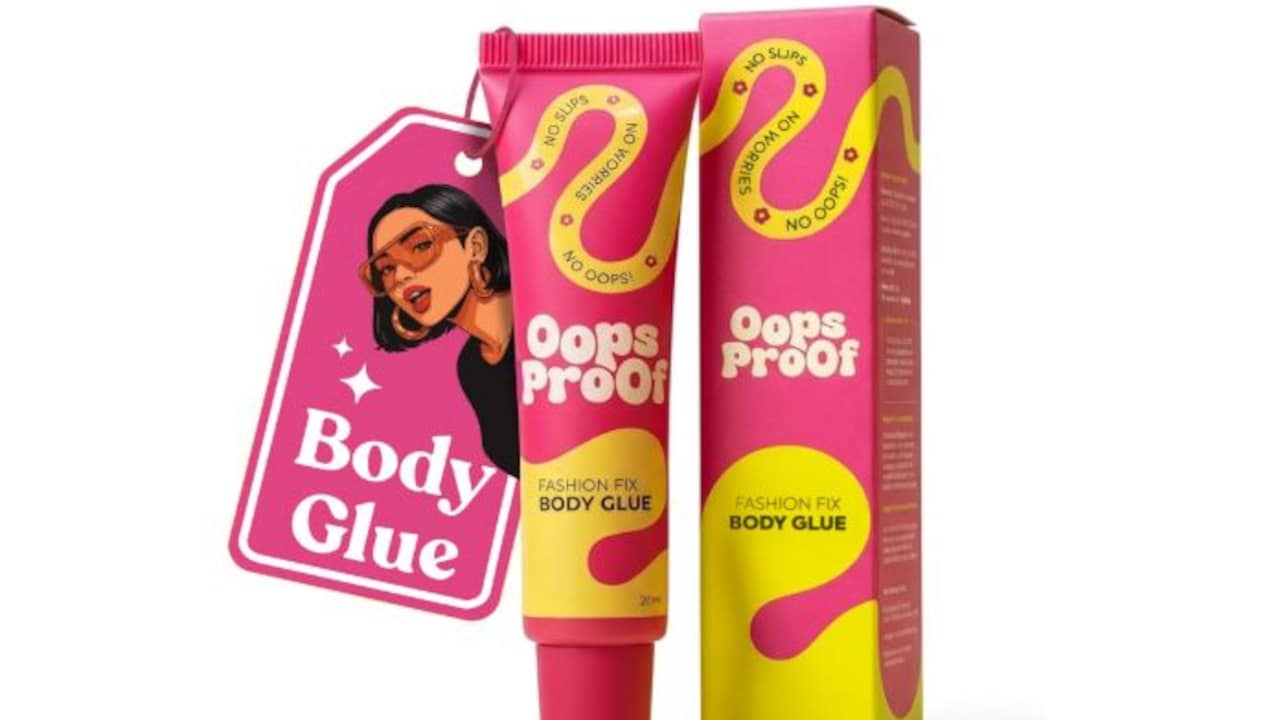
Many budget-friendly options prioritise trendiness over thoughtful engineering. This often results in necklines that shift with movement, requiring camisoles, safety pins, or fashion tape to remain wearable.
Well-made wrap dresses usually feature reinforced seams, strategic darts, or snap closures for added security. These small details can drastically improve functionality.
Checking neckline depth while moving naturally remains essential. A dress that feels secure in a changing room should maintain that security during everyday activities.
Nobody wants to spend ₹6,000 on an outfit only to rely on emergency tailoring solutions later. Confidence in clothing often comes from invisible structural details rather than surface glamour.
A secure neckline ensures elegance feels effortless instead of stressful, preserving the timeless appeal that wrap dresses promise.
Hemlines And Wind Are A Risky Combination
One often overlooked issue with wrap dresses lies below the waist: hemline security. Lightweight skirts with insufficient overlap can fly open unexpectedly, especially during windy days or quick movement.
Busy streets, open terraces, and monsoon breezes can turn a lovely outfit into a logistical nightmare. Shorter wrap dresses often face greater challenges, though longer styles are not immune.
Designers sometimes sacrifice practicality for flowy aesthetics, leaving wearers vulnerable to awkward surprises. A dress may look dreamy online, but perform poorly in real life.
Checking skirt overlap, weight, and movement can help identify potential issues. Walking around while trying it on offers valuable clues.
For many shoppers, spending ₹3,000 or more warrants practical confidence as much as visual appeal. Fashion should complement daily life, not complicate it.
Choosing styles with generous overlap or discreet closures can preserve grace even when the weather refuses to cooperate.
Why Do Wrap Dresses Keep Opening Up? And What To Check Before Buying
Photo Credit: Pexels
Hidden Fastenings Can Be Lifesavers
Many of the best wrap dresses include discreet design elements that dramatically improve wearability. Hidden buttons, snap closures, hooks, or internal waist ties often separate dependable pieces from frustrating ones.
These additions may seem minor, but they provide essential reinforcement where it matters most. They reduce shifting, improve modesty, and allow smoother movement.
Unfortunately, some brands skip these practical features to cut manufacturing costs or maintain minimalist aesthetics. This often leaves shoppers paying premium prices for style without substance.
A quick inspection inside the garment can reveal whether thoughtful engineering exists. Dresses priced at ₹7,000 should ideally offer more than visual charm.
Small functional details often determine whether a wrap dress becomes a beloved staple or remains forgotten in the wardrobe.
Smart shoppers know true elegance includes comfort, security, and peace of mind.
Alterations Can Transform A Problem Dress
Sometimes, a nearly perfect wrap dress only needs small adjustments to become reliable. Tailoring can improve neckline security, add hidden snaps, strengthen ties, or adjust fit.
Many people dismiss imperfect dresses too quickly when simple alterations could solve recurring frustrations. Spending ₹500 to ₹1,500 on modifications may rescue a ₹4,000 purchase.
Local tailoring services often provide affordable, practical solutions. A strategically placed button or stitched panel can dramatically improve wearability without sacrificing style.
Rather than accepting constant discomfort, proactive adjustments can create custom confidence.
Fashion should adapt to real lives, and tailoring remains one of the smartest style investments available. A dress that fits beautifully and stays secure often feels far more luxurious than a costly but impractical designer piece.
Online Shopping Requires Extra Vigilance
Buying wrap dresses online can feel convenient, but it often increases the risk of disappointment. Product photos may flatter designs that perform poorly in reality.
Model poses rarely reveal gaping necklines, flimsy ties, or insufficient skirt overlap. Customer reviews often provide more honest insights into fit and function.
Checking fabric composition, reading return policies, and examining close-up images become essential. Reviews mentioning “runs small” or “needs pinning” should never be ignored.
A ₹2,500 online bargain loses appeal when returns prove difficult, or alterations become necessary.
Digital shopping demands sharper scrutiny than in-store browsing. Convenience should not replace careful evaluation.
An informed purchase saves both money and wardrobe frustration.
Confidence Should Always Come First
Wrap dresses remain beloved because they offer timeless femininity, versatility, and flattering silhouettes. Yet true style never thrives under constant anxiety.
A dress should enhance confidence, not create endless concern about exposure. Prioritising structure, fit, fabric, and thoughtful design ensures the garment serves its purpose beautifully.
Trends may tempt impulse buys, but practicality deserves equal attention. Whether shopping for office wear, festive gatherings, or casual outings, choosing security alongside style creates lasting satisfaction.
A thoughtfully selected wrap dress can absolutely become a wardrobe hero. The key lies in shopping wisely, inspecting carefully, and refusing to compromise comfort for appearance alone.

Why Do Wrap Dresses Keep Opening Up? And What To Check Before Buying
Photo Credit: Pexels
Products Related To This Article
1. JISORA Floral Print Flared Sleeve Midi Dress
2. MANOJAVA Tie and Dye Printed Kimono Sleeve Liva Maxi Dress
3. MABISH by Sonal Jain Pure Cotton Midi Dress With Knotch Collar
4. SANSKRUTIHOMES Solid Cotton Wrap Midi Dress
5. Anayna Women Blue & White Printed Maternity Wrap Dress
Wrap dresses continue to hold their place as enduring fashion favourites, but their charm depends heavily on quality and construction. Frequent opening, slipping, or shifting usually stems from avoidable factors such as poor sizing, weak fabrics, flawed tie placement, or missing fastenings.
Before investing hard-earned money, careful evaluation can prevent future frustration. Looking beyond colour and trend to focus on practicality ensures better long-term value.
Fashion works best when it feels effortless, comfortable, and empowering. A great wrap dress should deliver all three. With smarter choices and a little extra scrutiny, this classic piece can remain stylish without becoming a wardrobe gamble.
(Disclaimer: This article may include references to or features of products and services made available through affiliate marketing campaigns. NDTV Convergence Limited (“NDTV”) strives to maintain editorial independence while participating in such campaigns. NDTV does not assume responsibility for the performance or claims of any featured products or services.)