Buying White Shirts? Here Is How To Avoid See-Through Fabric Without Layering Hacks
Struggling with see-through white shirts? Learn how to pick the right fabric, weave, and fit to ensure full coverage, no layering needed. Smart shopping tips for a confident, fuss-free wardrobe.
Buying White Shirts? Here Is How To Avoid See-Through Fabric Without Layering Hacks
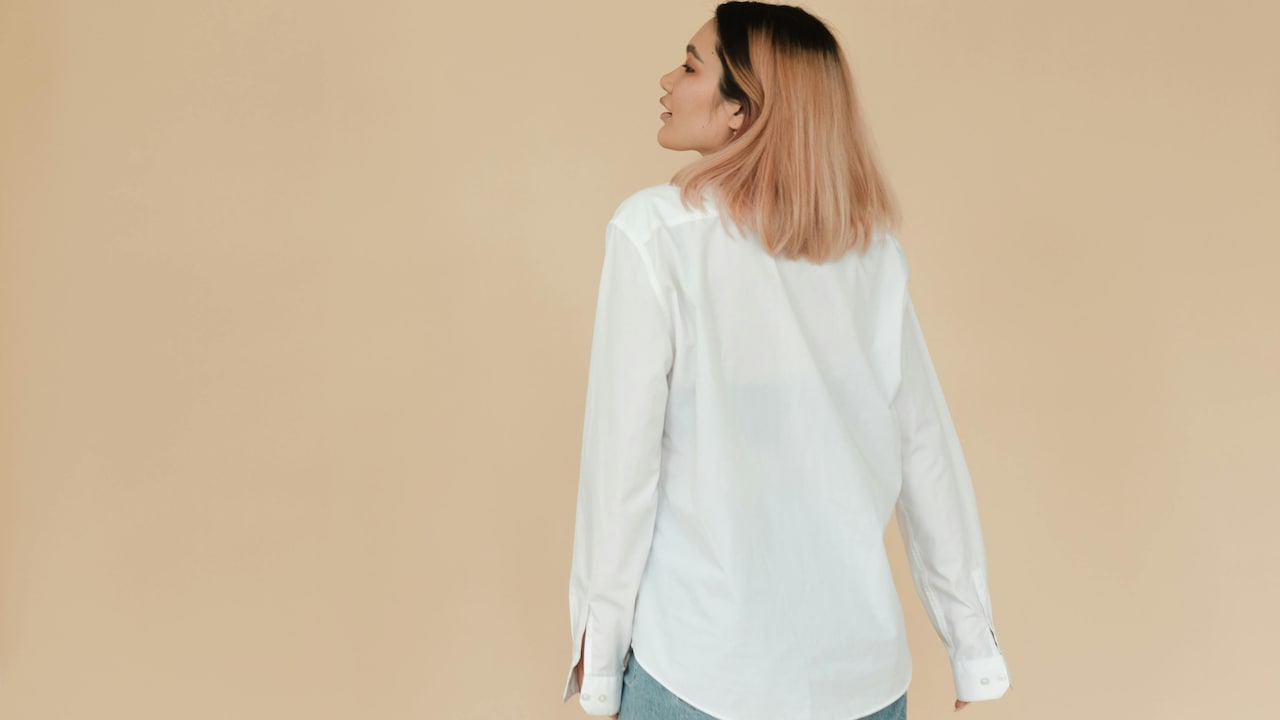
Few wardrobe pieces match the quiet confidence of a well-fitted white shirt. It works everywhere, office meetings, weekend brunches, festive gatherings, and even those last-minute video calls where looking sharp matters. Yet, despite its universal appeal, buying a white shirt often comes with a small but persistent worry: will it turn see-through under sunlight or harsh indoor lighting? That concern has led many shoppers to rely on layering hacks, camisoles, undershirts, or creative styling tricks. While those solutions work, they add extra effort, especially in warmer weather when comfort takes priority. The better solution lies in choosing the right shirt from the start.
The secret does not involve expensive designer labels or complicated fashion rules. It comes down to understanding fabric, construction, and a few clever shopping habits. With the right knowledge, selecting a white shirt that offers both elegance and coverage becomes straightforward.

10 Smart Tips To Avoid See-Through White Shirts Without Layering Hacks
Photo Credit: Pexels
Smart Ways To Choose White Shirts That Stay Opaque
Understanding Fabric Weight Matters More Than Colour
Many assume that all white shirts are prone to transparency simply because of their colour. The truth sits elsewhere. Fabric weight plays a far more important role. Lightweight fabrics, especially those marketed as “summer-friendly” or “breathable”, often sacrifice opacity for comfort. While they feel airy, they tend to reveal more than expected under bright light.
Heavier fabrics, on the other hand, offer better coverage without feeling bulky when chosen wisely. Cotton poplin, twill, or even slightly thicker blends provide structure and reduce transparency. A quick trick in stores involves holding the fabric up against a strong light. If shadows or shapes appear clearly, chances are the shirt will not provide full coverage.
It also helps to think about where the shirt will be worn. Office environments with strong lighting demand slightly denser fabrics compared to casual outings. Choosing wisely at this stage avoids unnecessary layering later.
The Role Of Fabric Weave In Transparency
Fabric weave often escapes attention, yet it influences how much light passes through a shirt. Loosely woven fabrics allow more gaps between threads, making them more transparent. Tightly woven fabrics, however, create a compact surface that blocks light effectively.
Poplin weave, for instance, offers a smooth finish with decent coverage, while twill weave provides a slightly thicker texture with diagonal patterns that enhance opacity. Oxford fabric, often used in semi-formal shirts, strikes a balance between comfort and coverage.
In-store, a simple visual inspection can reveal a lot. Looking closely at the fabric surface shows how tightly the threads sit together. A dense weave appears almost uniform, while a loose weave shows tiny gaps.
Understanding weave removes the guesswork from shopping. Instead of relying on brand claims or price tags, this approach puts control back in the buyer's hands.
Why Pure Cotton Isn't Always The Best Choice
Cotton enjoys a reputation for comfort and breathability, but not all cotton fabrics behave the same way. Ultra-light cotton can turn surprisingly sheer, especially in white. While it feels soft and pleasant against the skin, it may not provide the coverage expected from a formal shirt.
Blended fabrics often perform better in this regard. Cotton blended with polyester or modal adds density and durability. These blends hold their shape well and reduce transparency without compromising too much on comfort.
That said, not all blends are equal. Some lower-quality blends may feel stiff or trap heat. The key lies in finding a balance, a fabric that feels comfortable while maintaining structure.
Choosing fabric becomes less about labels and more about experience. Touch, weight, and appearance together tell a clearer story than any tag.
The Importance Of Double Layered Or Lined Sections
A well-designed white shirt often includes subtle reinforcements in key areas. Double-layered panels around the chest or yoke can significantly reduce transparency without making the entire shirt heavy.
This design detail proves especially useful in fitted shirts where fabric stretches slightly over the body. Stretch can increase transparency, making reinforcement even more valuable.
Many premium shirts include these features without drawing attention to them. They blend seamlessly into the design, offering coverage where it matters most.
When trying on a shirt, paying attention to these areas can make a noticeable difference. A shirt that looks similar on the hanger may perform very differently when worn.
Also Read: From Office To Outing: The Everyday Magic Of Allen Solly Shirts
Fit Can Change Everything About Visibility
Fit plays a surprisingly important role in how transparent a shirt appears. A shirt that fits too tightly stretches across the body, thinning the fabric and making it more see-through. Even a well-made shirt can lose its opacity if it pulls across the chest or shoulders.
A slightly relaxed fit maintains the fabric's natural structure. It allows the weave to stay intact, reducing light penetration. This does not mean opting for oversized styles, but rather choosing a fit that sits comfortably without strain.
Trial rooms often have softer lighting, which can be misleading. Stepping near brighter lights or even checking near a window provides a better idea of how the shirt will look outdoors.
Fit and fabric work together. Ignoring one can undo the benefits of the other.
Colour Tone Makes A Subtle Difference
Not all whites are created equal. Bright, stark white can reflect more light and sometimes appear more transparent than off-white or ivory shades. Slightly warmer tones often provide better coverage without looking dull.
This subtle shift in shade can make a noticeable difference, especially under strong lighting. Off-white shirts also tend to look softer and more sophisticated, adding versatility to the wardrobe.
While pure white remains a classic choice, exploring these variations opens up more practical options. It becomes easier to balance style and functionality without compromise.

10 Smart Tips To Avoid See-Through White Shirts Without Layering Hacks
Photo Credit: Pexels
Testing Shirts Before Buying Is Essential
Shopping for clothes often becomes a quick decision, especially during busy days. However, white shirts deserve a bit more attention. A simple test can prevent disappointment later.
Holding the shirt against light, placing a hand behind the fabric, or even wearing it with darker clothing underneath can reveal its true opacity. These quick checks take only a few minutes but provide valuable insight.
Store lighting can sometimes mask transparency. Moving around the store or checking near natural light gives a clearer picture.
A little patience during purchase saves time, money, and the hassle of returns or unused wardrobe pieces.
Quality Stitching And Construction Add Coverage
Fabric alone does not determine how a shirt performs. Construction quality also plays a role. Well-stitched seams, reinforced collars, and structured panels contribute to how the shirt sits on the body.
Loose stitching or poor construction can create uneven tension across the fabric, increasing transparency in certain areas. High-quality shirts maintain consistency, ensuring that the fabric behaves as expected.
Examining stitching details may seem tedious, but it often reflects the overall quality of the garment. A shirt that holds its shape well naturally offers better coverage.
Avoiding Ultra-Thin ‘Premium' Marketing Traps
Some brands promote ultra-thin fabrics as premium or luxury. While these fabrics may feel soft and lightweight, they often compromise on opacity. Marketing language can sometimes distract from practical considerations.
A higher price tag does not always guarantee better performance. In fact, some mid-range shirts priced around ₹1,500 to ₹3,000 offer better coverage than expensive options focused on softness alone.
Shopping with awareness helps avoid these traps. Instead of focusing solely on brand names, paying attention to fabric and construction leads to better choices.
Choosing The Right Occasion Shirt Makes A Difference
Not every white shirt needs to serve every purpose. Shirts designed for formal settings usually prioritise structure and coverage, while casual shirts may lean towards comfort and breathability.
Understanding the intended use helps narrow down options. A work shirt benefits from thicker fabric and tighter weave, while a weekend shirt can afford to be lighter.
Building a small collection of white shirts for different occasions solves the transparency problem more effectively than searching for a one-size-fits-all option.

10 Smart Tips To Avoid See-Through White Shirts Without Layering Hacks
Photo Credit: Pexels
Products Related To This Article
1. HERE&NOW Women Oversized Fit Spread Collar Textured Cotton Casual Shirt
2. Roadster Men White Classic Regular Fit Cotton Casual Shirt
3. Style Quotient Women White Formal Shirt
4. WROGN Pure Cotton Striped Casual Shirt
5. EKISHA Women Relaxed Fit Conversational Printed Spread Collar Pure Cotton Casual Shirt
A white shirt holds a special place in every wardrobe, yet its simplicity often hides subtle challenges. Transparency remains one of the most common frustrations, but it does not require complicated fixes or extra layers.
The answer lies in understanding fabric weight, weave, fit, and construction. With a little attention to detail and a few practical checks, choosing a reliable white shirt becomes an easy and even enjoyable process.
Shopping smart transforms the experience. Instead of worrying about lighting, layering, or awkward adjustments, the focus shifts back to style and confidence. A well-chosen white shirt does exactly what it should: look effortless, feel comfortable, and stay dependable in every setting.
(Disclaimer: This article may include references to or features of products and services made available through affiliate marketing campaigns. NDTV Convergence Limited (“NDTV”) strives to maintain editorial independence while participating in such campaigns. NDTV does not assume responsibility for the performance or claims of any featured products or services.)