Why Cotton A-Line Kurtas Shrink After First Wash And How To Prevent It
Cotton A-line kurtas often shrink after the first wash due to fibre relaxation and heat exposure. Learn why it happens and how simple washing, drying and sizing choices can help maintain the perfect fit.
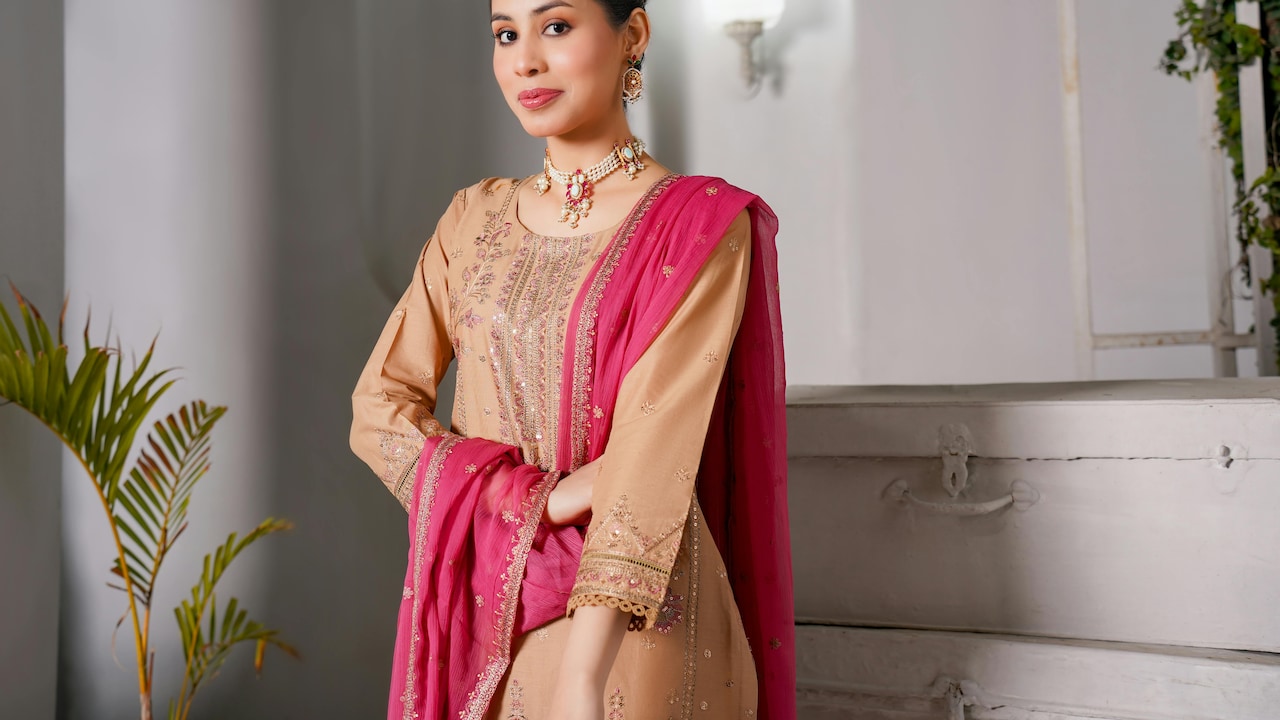
10 common mistakes than can make cotton kurtas to shrink after first wash
There's something quietly comforting about slipping into a cotton A-line kurta. It moves well, keeps things breezy in the heat, and works for everything from a busy weekday to a relaxed evening chai. But then comes that familiar moment, the first wash. What once skimmed the knees suddenly feels shorter, tighter, or slightly off. It's frustrating, especially after spending ₹1,500 or more on a piece that seemed just right.
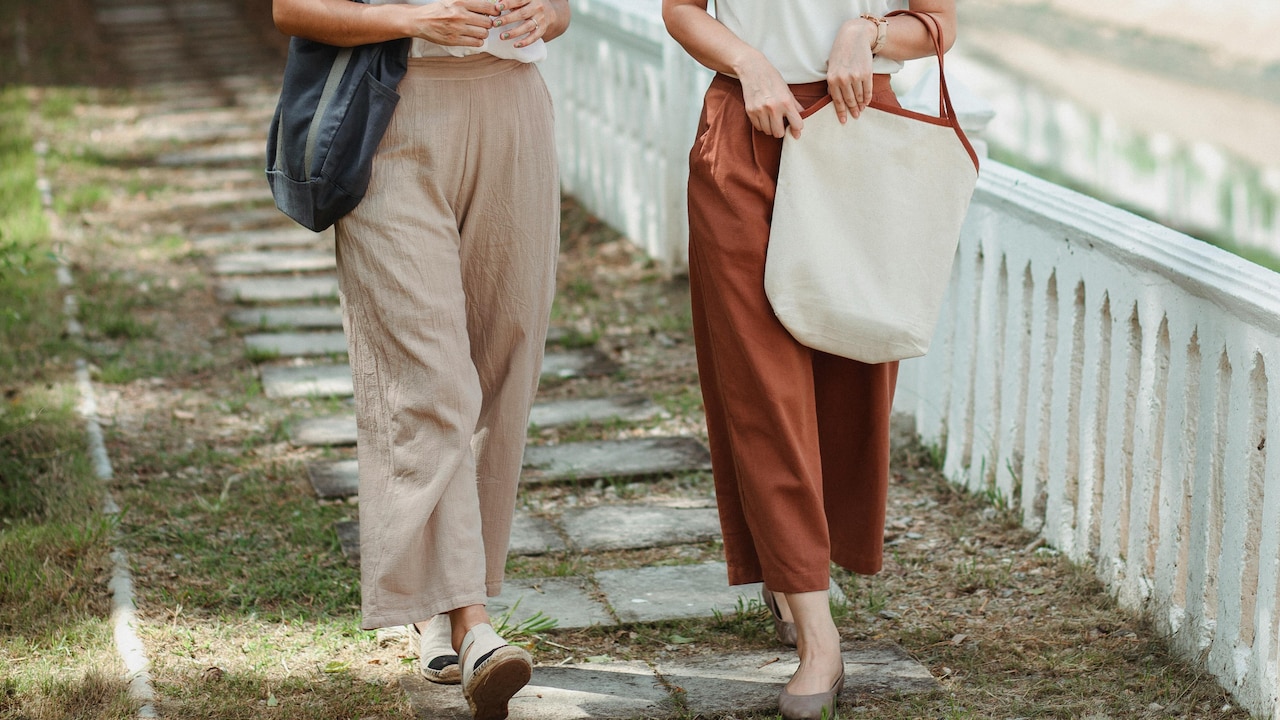
What makes cotton kurtas shrink after first wash; Photo Credit: Pexels
The truth is, cotton has its own personality. It reacts to water, heat, and movement in ways that are entirely natural yet often misunderstood. Shrinkage isn't a flaw, it's a characteristic. With a bit of awareness and care, it becomes easy to manage. The journey from wardrobe staple to long-lasting favourite depends less on luck and more on how the fabric gets treated.
Also Read: Best Budget Kurtas Under ₹400 That Look Decent And Feel Comfortable
What Really Causes Cotton A-Line Kurtas To Shrink After The First Wash?
Understanding The Nature Of Cotton Fibres
Cotton comes from natural fibres that behave quite differently from synthetic materials. Each thread holds a memory of how it was spun, stretched, and woven. During manufacturing, fibres often get pulled tight to create a smooth finish. The first wash releases that tension, allowing fibres to relax and return closer to their natural state. That relaxation causes shrinkage.
This process feels almost like a deep exhale for the fabric. It explains why a kurta that felt slightly crisp at first suddenly softens after washing. Unfortunately, that softness sometimes comes with a size change.
Climate also plays a role. In warmer regions, cotton absorbs moisture from the air, making it more responsive to washing conditions. A kurta bought in a shop may already have slight tension built into its fibres, waiting to react once water and heat enter the picture.
Understanding this natural behaviour helps shift expectations. Shrinkage doesn't mean poor quality. It simply means cotton is doing what it has always done, responding honestly to its environment.
How Fabric Weaving Influences Shrinkage
Not all cotton kurtas behave the same way, and weaving holds the answer. A-line kurtas often use light to medium-weight cotton with looser weaves to create that effortless drape. While that airy texture feels wonderful on the skin, it also leaves more room for fibres to move when exposed to water.
Tightly woven fabrics tend to shrink less because their fibres sit close together. In contrast, looser weaves allow threads to shift more freely, leading to noticeable changes in shape and size after washing. That's why some kurtas shrink dramatically while others barely change.
Artisanal weaves, often prized for their handcrafted appeal, can be especially prone to shrinkage. These fabrics carry slight irregularities, which add charm but also increase sensitivity to washing conditions.
Choosing a kurta isn't just about colour or cut. Paying attention to fabric density and weave can make a real difference in how it behaves later. A piece that feels slightly structured in the store may hold its shape better after a wash compared to one that feels extremely soft and airy right away.
The Role Of Heat In Fabric Contraction
Heat is perhaps the biggest culprit behind sudden shrinkage. Warm or hot water causes cotton fibres to contract quickly, almost like a reflex. Add high heat during drying, and the effect doubles.
Many washing routines include warm water without much thought. After all, it feels like a cleaner option. But for cotton, especially delicate A-line kurtas, heat can undo careful tailoring in minutes. A kurta that fit comfortably before may end up feeling snug around the shoulders or shorter in length.
Dryers make things worse. The combination of heat and tumbling forces fibres to tighten further. While dryers save time, they often shorten the lifespan of cotton garments.
Cold water washing, though sometimes overlooked, proves gentler and far more effective in preserving the original size. It may not feel as satisfying as warm water, but it respects the nature of cotton. When it comes to maintaining shape, cooler temperatures always win.
Why Pre-Washed Fabrics Still Shrink
Many labels mention “pre-washed” or “pre-shrunk,” creating a sense of reassurance. Yet, shrinkage still happens. This can feel confusing, even disappointing, especially when expectations lean towards a perfect fit after every wash.
Pre-washing reduces initial shrinkage but doesn't eliminate it entirely. The process removes some of the tension from fibres, not all of it. A small degree of movement remains, waiting to react under different washing conditions at home.
Factors like water hardness, detergent strength, and washing technique vary widely. A kurta washed gently in a store facility may face harsher treatment in a home machine, leading to additional shrinkage.
Pre-washed garments offer a head start, not a guarantee. Treating them with care still matters. Understanding this nuance prevents unrealistic expectations and encourages better maintenance habits. After all, even the best fabrics need a little kindness to stay in shape.
The Impact Of Washing Techniques
Washing isn't just about cleaning; it shapes how a garment evolves. Rough handling, overcrowded machines, and aggressive cycles can distort fibres, especially in cotton kurtas.
When clothes rub against each other intensely, fibres tighten and twist, leading to uneven shrinkage. This often shows up as slight puckering or uneven hems. A kurta that once flowed smoothly may begin to look slightly warped.
Using a gentle cycle creates less friction and allows fabric to move freely without stress. Hand washing, though time-consuming, remains one of the safest options for preserving shape. It reduces agitation and gives more control over the process.
Even the way a kurta gets squeezed after washing matters. Twisting fabric to remove water may seem practical, but it puts pressure on fibres, encouraging shrinkage. Pressing gently instead of wringing helps maintain structure.
A small change in routine can make a noticeable difference. Washing becomes less of a risk and more of a mindful process that protects the garment's life.
Hand washing is the best way to wash cotton kurtas as it reduces agitation; Photo Credit: Pexels
How Detergents Affect Cotton Behaviour
Detergents do more than remove stains; they interact directly with fabric fibres. Strong detergents, especially those designed for heavy-duty cleaning, can weaken cotton over time.
Harsh chemicals strip natural softness, making fibres more reactive to water and heat. This increases the likelihood of shrinkage and reduces the fabric's ability to bounce back into shape.
Mild detergents work better for cotton kurtas. They clean without disrupting the natural structure of fibres. Liquid detergents, in particular, dissolve more easily and leave less residue, making them a safer choice.
Fragrance-heavy products may feel appealing but often contain additives that can stiffen fabric. Over time, this stiffness contributes to fibre contraction during washing.
Choosing the right detergent feels like a small detail, yet it plays a significant role. A gentle formula doesn't just clean, it protects. It keeps the kurta soft, breathable, and closer to its original size, wash after wash.
The Importance Of Drying Methods
Drying is where many kurtas lose their original charm. Hanging them carelessly or exposing them to direct sunlight for too long can alter their shape.
Sunlight, though natural, carries heat that tightens fibres. Prolonged exposure often leads to stiffness and shrinkage. A kurta left under the harsh afternoon sun may dry quickly but at the cost of its softness and fit.
Flat drying works better for A-line kurtas. It helps maintain the garment's structure and prevents stretching or uneven shrinkage. When hanging is necessary, using padded hangers reduces stress on the shoulders.
Air drying in a shaded, well-ventilated space offers the best balance. It allows moisture to evaporate gently without forcing fibres to contract too quickly.
Drying isn't just the final step; it's a continuation of the washing process. Paying attention here ensures the kurta retains its shape and feel, making it ready to wear without surprises.
Why Sizing Choices Matter Before Purchase
Shrinkage often begins before the first wash, right at the moment of purchase. Choosing the exact fit without considering cotton's behaviour can lead to disappointment later.
A slightly relaxed fit offers room for natural shrinkage. A kurta that feels just a touch loose initially often settles into a perfect fit after washing. This approach requires a bit of foresight but saves future frustration.
Trial rooms may not always reveal how fabric will behave over time. Lighting, temperature, and even the way a kurta is stored can influence its feel. Keeping in mind that cotton tends to shrink helps make smarter decisions.
Spending ₹2,000 on a kurta that becomes unwearable after one wash feels like a waste. Allowing for a small margin ensures better value and longer usability.
Sizing isn't just about immediate comfort. It's about anticipating change and choosing wisely, so the kurta continues to feel just right even after multiple washes.
Practical Ways To Prevent Shrinkage
Preventing shrinkage doesn't require complicated steps. It begins with simple habits that respect the nature of cotton.
Cold water washing, gentle cycles, and mild detergents form the foundation. Avoiding dryers and opting for air drying keeps fibres relaxed. Turning kurtas inside out before washing reduces surface friction and protects colour.
Soaking for long periods should be avoided, as it weakens fibres and encourages contraction. Washing similar fabrics together prevents rough contact with heavier garments like denim.
Ironing at moderate heat while the fabric is slightly damp helps restore shape. It smooths out minor shrinkage and keeps the kurta looking polished.
Consistency matters more than perfection. Small, thoughtful choices add up over time, ensuring the kurta remains a wardrobe favourite rather than a one-time wear.
Products Related To This Article
1. Sangria Zari Detail Flared Sleeves A-line Kurta
2. Rimeline Women Ethnic Motif Printed V-Neck A-Line Cotton Kurta
3. FIORRA Floral Printed Notch Collar Thread Work Cotton A-Line Kurta
4. KURUTI B SHEETS Women Floral Printed Indie Florals Kurta
5. Rimeline Women Ethnic Motifs Printed Kurta
6. Anayna Women White & Beige Pure Cotton Ethnic Motifs Printed Angrakha Kurta
7. Sangria Women White Tribal Printed Thread Work Floral Kurta
Cotton A-line kurtas carry a charm that rarely fades. They feel effortless, look elegant, and adapt to countless occasions. Shrinkage, though frustrating, is simply part of their natural story.
Understanding how cotton behaves transforms the experience. It turns disappointment into awareness and replaces guesswork with confidence. With mindful washing, gentle drying, and smart purchasing choices, these kurtas can retain their beauty and fit for years.
A little care goes a long way. The next time a new kurta finds its place in the wardrobe, it won't just be about how it looks on day one. It will be about how it continues to feel, wear after wear, wash after wash, just as dependable as that first impression promised.
(Disclaimer: This article may include references to or features of products and services made available through affiliate marketing campaigns. NDTV Convergence Limited (“NDTV”) strives to maintain editorial independence while participating in such campaigns. NDTV does not assume responsibility for the performance or claims of any featured products or services.)