How to Choose a Loose-Fit Kurta for Bloated Days: Comfy Cuts, Fabrics and Sizes
Bloated days call for clothes that feel easy and forgiving. This guide explains how to choose loose-fit kurtas using the right cuts, breathable fabrics, and smart sizing, without compromising comfort or style. Get your hands on the best loose-fit kurtas with these helpful tips.
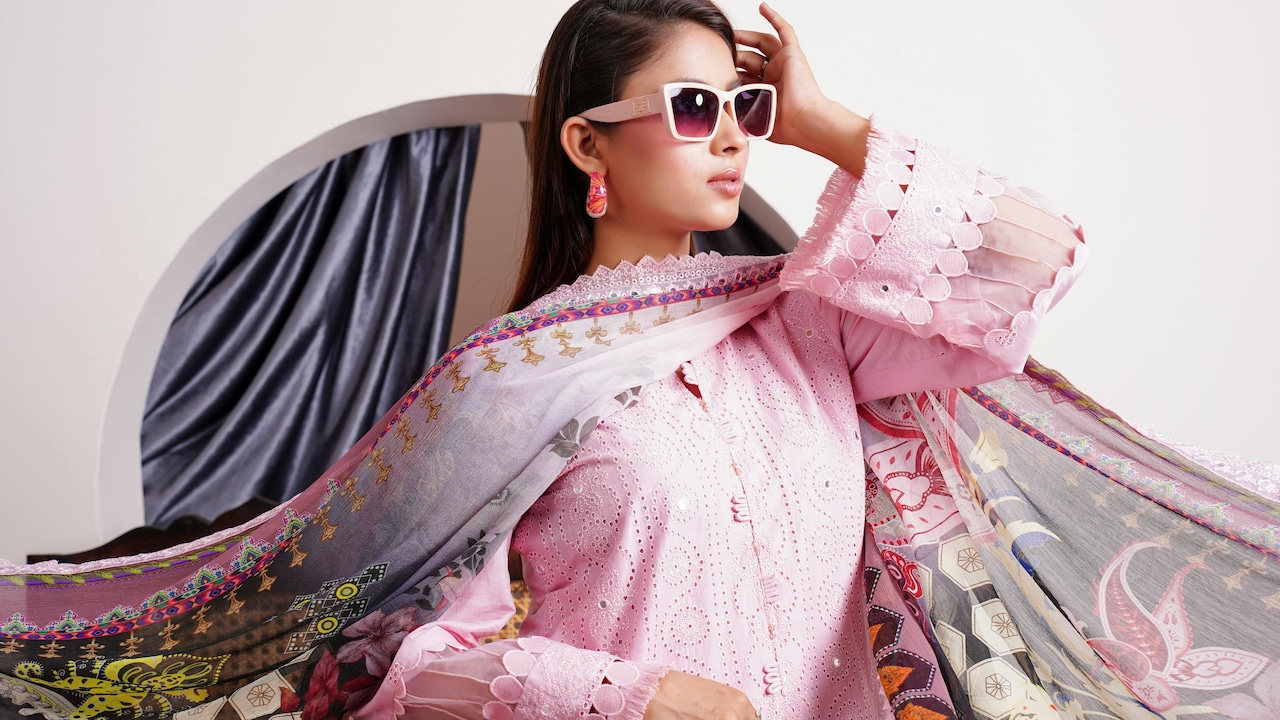
Bloated Day Dressing Made Easy: Loose-Fit Kurta Styles That Feel Comfortable.
Almost everyone knows that uncomfortable feeling after a heavy meal, hormonal shifts, or a long travel day. The stomach feels stretched, denim jeans feel unforgiving, and even elastic waistbands seem to judge silently. Yet, life doesn't pause for bloating. That's where a loose-fit kurta steps in like a trusted friend. It doesn't cling. It doesn't demand posture perfection. It simply lets the body breathe. But not every loose kurta works the same way. Some cuts still press at the waist. Some fabrics trap heat. Some sizes look shapeless rather than relaxed. Choosing the right kurta for bloated days blends comfort with clever design. It's about knowing what to look for: necklines that don't pull attention, fabrics that move with the body, and silhouettes that flatter without squeezing.

Discover expert tips to choose loose-fit kurtas for days when you feel bloated; Photo Credit: Pexels
This article explores all that, point by point, in a way that feels practical, familiar, and easy to follow. Because dressing well should never feel like a punishment, especially on days when the body asks for kindness.
Also Read: 10 Kurtas That Go From Home Office To Grocery Runs Without A Fuss
Key Things to Keep in Mind When Picking a Comfortable Kurta
1. Understand Why Loose-Fit Matters on Bloated Days
Bloating brings more than physical discomfort. It affects confidence, posture, and patience. Clothes that cling only magnify that unease. A loose-fit kurta allows space, both literally and mentally. It removes pressure from the abdomen and shifts focus away from problem areas.
Unlike fitted tops or structured outfits, loose kurtas fall gently over the body. They don't demand constant adjustment or conscious breathing. This freedom allows the day to flow better, whether sitting through long meetings or navigating crowded markets.
Loose doesn't mean oversized or sloppy. The right fit still follows the body's natural lines without hugging them. When chosen well, such kurtas feel intentional and polished. They create ease without sacrificing grace.
On bloated days, comfort directly affects mood. Soft silhouettes reduce irritation and help one stay present rather than distracted by tight seams or digging waistlines. A thoughtfully chosen loose kurta turns an uncomfortable day into a manageable one. That alone makes it worth the effort of choosing wisely.
2. Pick Fabrics That Breathe and Move
Fabric choice can make or break comfort. On bloated days, the body feels warmer and more sensitive. Heavy or synthetic fabrics trap heat and worsen discomfort. Natural, breathable materials work best.
Cotton remains a favourite for good reason. It absorbs sweat, allows airflow, and feels gentle against the skin. Mulmul cotton, in particular, feels feather-light and soothing. Linen also works well, especially for daytime wear, though its crisp texture suits those who enjoy a structured look without stiffness.
Rayon and modal offer softness with fluid movement. These fabrics drape beautifully without clinging, making them ideal for loose kurtas. They also suit long hours of wear, from morning errands to evening catch-ups.
Avoid stiff silks, thick brocades, or polyester blends on bloated days. They restrict movement and highlight discomfort. The goal stays simple: choose fabrics that feel like a second skin, cool, forgiving, and easy to forget once worn.
3. Choose Cuts That Float Away from the Tummy
The cut of a kurta decides how it sits on the body. For bloated days, certain silhouettes work better than others. Straight-cut kurtas offer clean lines and fall evenly without narrowing at the waist. They create balance and suit most body types.
A-line kurtas flare gently from the bust, creating space around the stomach. This cut feels particularly comforting after meals or during hormonal bloating. It also adds a touch of elegance without effort.
Empire-line kurtas, where the seam sits just below the bust, allow maximum comfort. The fabric flows freely over the abdomen, making it perfect for days when even light pressure feels too much.
Avoid princess cuts, panelled styles, or kurtas with heavy darts around the waist. These designs draw attention to the midsection and restrict movement. A floating silhouette keeps the focus on comfort while still looking thoughtfully styled.
4. Length Matters More Than Expected
Kurta length plays a subtle yet important role on bloated days. Very short kurtas tend to sit around the hips or stomach, drawing attention to the very area one wants to ignore. Longer lengths offer better coverage and balance.
Kurtas that fall just above the knee or mid-calf create a vertical line. This elongates the frame and shifts focus away from the tummy. Longer lengths also prevent the fabric from riding up when sitting, a common annoyance on bloated days.
However, extremely long kurtas with heavy borders may feel cumbersome. The aim lies in ease, not drama. A well-proportioned length allows free movement without constant adjustment.
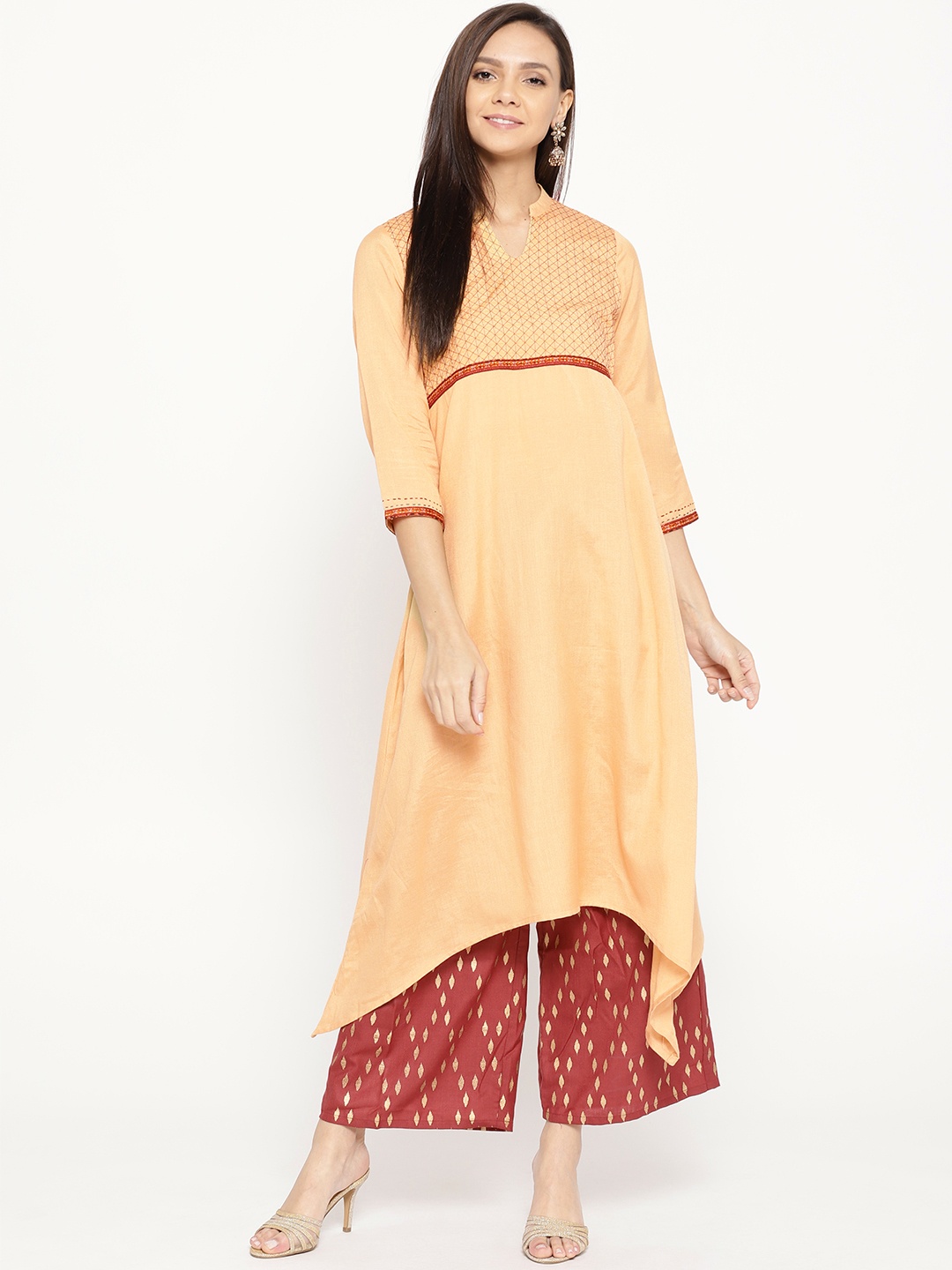
Pairing the right length with comfortable bottoms, like palazzos or straight pants, completes the look. When length works in harmony with cut and fabric, the kurta becomes a reliable choice for days when comfort comes first.
5. Necklines That Keep Things Relaxed
Necklines influence how relaxed or restricted a kurta feels. High, tight necks can feel suffocating when the body already feels off-balance. Open necklines offer breathing room and visual lightness.
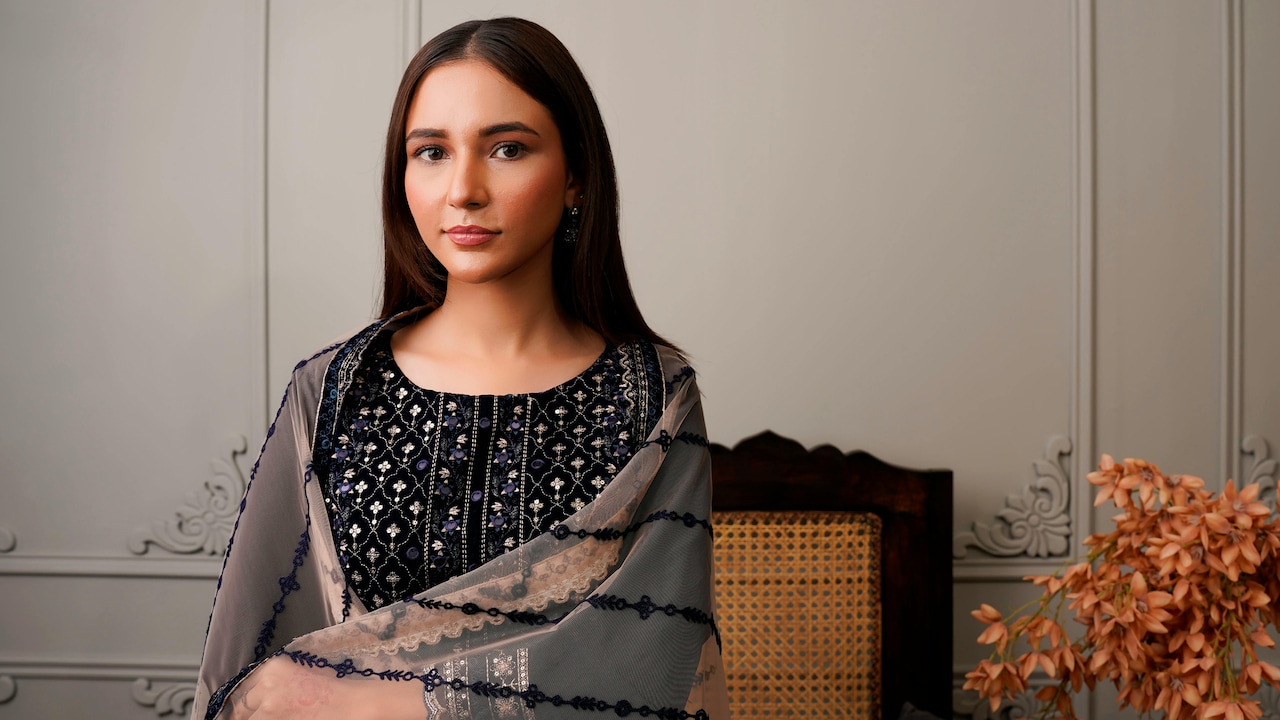
Round necks with a small slit, soft V-necks, or gentle scoop necks work well. They draw attention upwards, away from the midsection, and create an airy feel. Boat necks also suit some, provided they don't sit too tightly.
Avoid closed collars or heavily embellished necklines on bloated days. They add weight and make the outfit feel heavy. Simplicity works better when comfort leads.
A comfortable neckline improves posture and confidence. It allows the shoulders and chest to relax, which indirectly eases the tension felt in the stomach. Small design choices like these make a noticeable difference on difficult days.
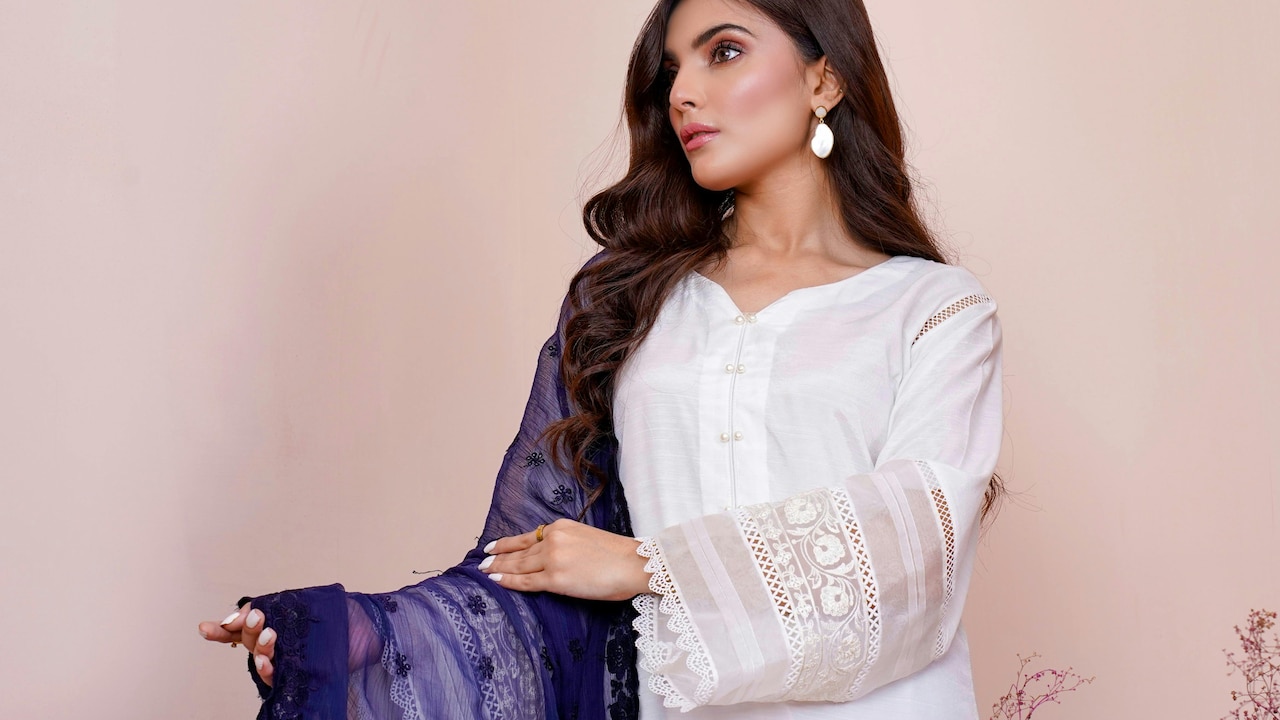
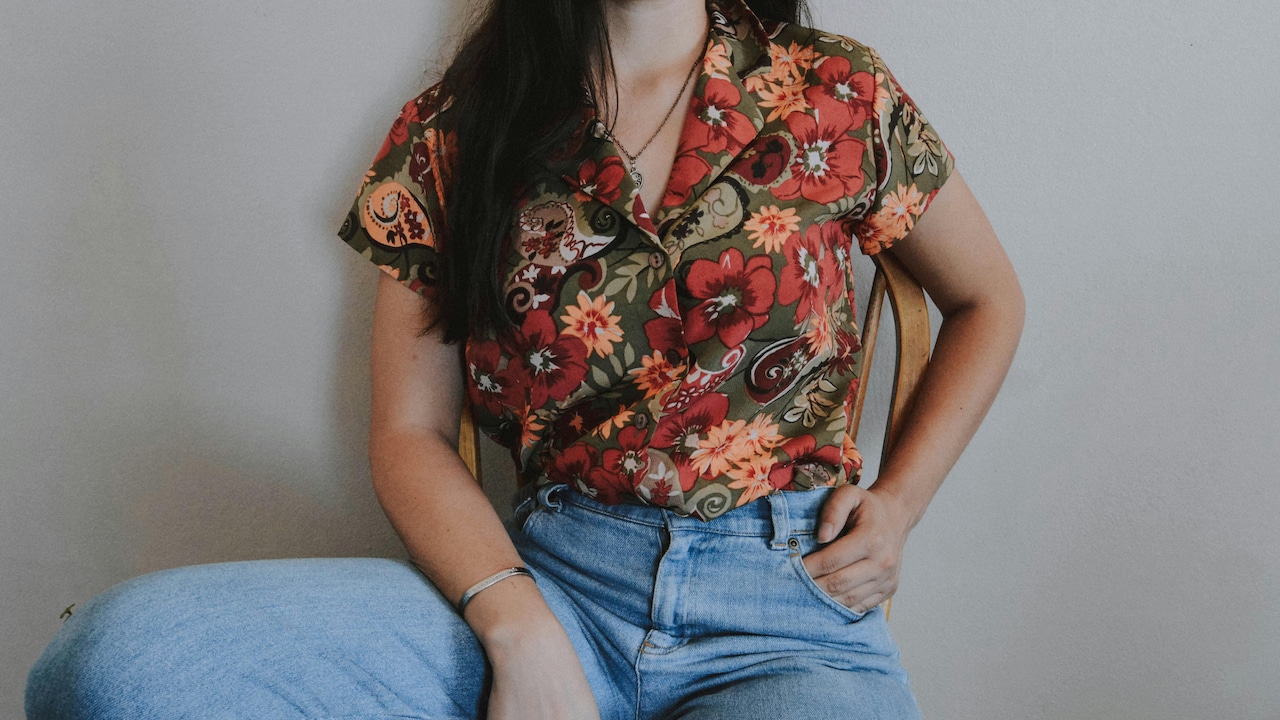
Look for necklines that leave room for movement and breathing; Photo Credit: Pexels
6. Sleeves That Offer Ease, Not Pressure
Sleeves often get overlooked, yet they contribute significantly to comfort. Tight sleeves restrict movement and add to the feeling of being trapped in clothes. On bloated days, the body craves looseness everywhere.
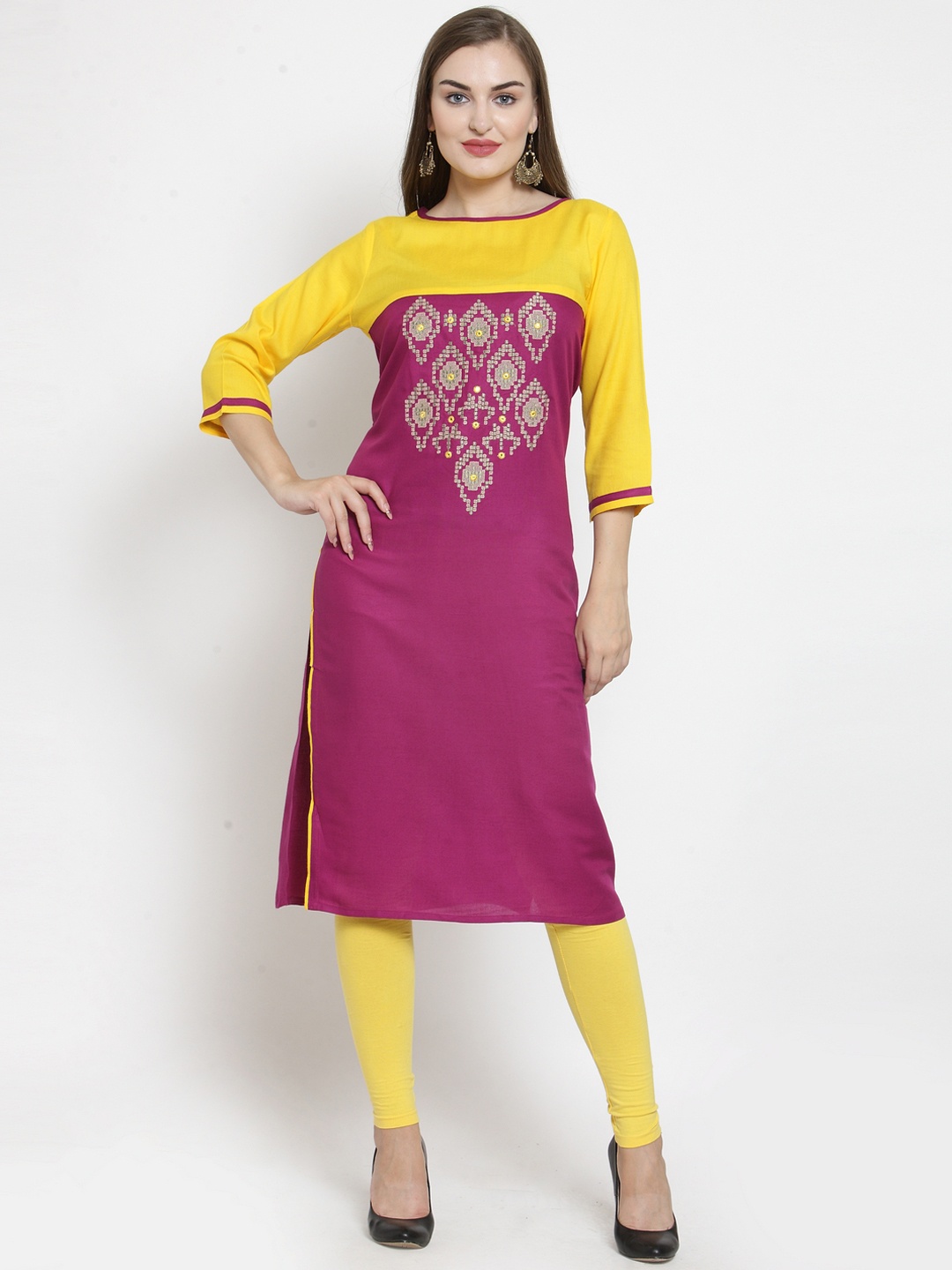
Three-quarter sleeves remain a popular choice. They offer coverage without clinging and suit most occasions. Bell sleeves, kimono sleeves, or relaxed straight sleeves also add comfort and style.
Cap sleeves or sleeveless kurtas work for some, especially in hot weather, but they may not suit everyone's comfort level. Full sleeves should feel roomy rather than snug, especially around the upper arm.
Avoid elasticated cuffs or tight sleeve hems. They create unnecessary pressure and distract from the overall ease of the outfit. Sleeves that move freely allow the entire kurta to feel more forgiving and relaxed.
7. Size Smartly, Not Emotionally
Sizing becomes tricky on bloated days. The temptation to size up dramatically often leads to shapeless outfits. Instead, focus on fit rather than numbers.
A loose-fit kurta should skim the body without swallowing it. Check shoulder seams first. They should sit correctly, even if the rest of the kurta feels roomy. Proper shoulder fit keeps the outfit looking intentional.
Look for brands or tailors that offer relaxed fits as part of their design, not as a size compromise. Such kurtas provide extra room in the torso while maintaining structure elsewhere.
Trying clothes later in the day helps. Bloating often worsens by evening, so testing fit then gives a more accurate sense of comfort. Choosing size thoughtfully ensures the kurta feels supportive rather than overwhelming.
8. Colours and Prints That Distract Gently
Visual comfort matters too. Darker colours like indigo, maroon, olive, or charcoal create a slimming effect without feeling dull. Soft pastels also work well, especially in breathable fabrics.
Busy prints, vertical patterns, or subtle motifs help distract the eye from the midsection. Stripes that run lengthwise elongate the frame. Small florals or abstract prints break visual focus gently.
Avoid large, bold motifs placed around the stomach area. They draw attention where it's least welcome on bloated days. Similarly, heavy borders or embellishments around the waist add unnecessary emphasis.
Choosing colours and prints thoughtfully boosts confidence. When the outfit feels visually balanced, the mind relaxes. That ease reflects in posture and presence throughout the day.
9. Pairing the Kurta with the Right Bottoms
A perfect kurta still needs the right companion. Tight leggings or churidars may undo all the comfort achieved above. Loose bottoms complete the equation.
Palazzos, straight pants, or wide-legged trousers offer space and movement. They prevent pressure around the waist and hips. Elasticated waistbands work well, provided they don't dig in.
Avoid low-rise bottoms that sit right on the bloated area. Mid-rise or high-rise styles distribute pressure more evenly. Soft fabrics matter here too.
The goal lies in creating a head-to-toe comfortable outfit. When both top and bottom cooperate, the body feels supported rather than squeezed. That harmony makes bloated days far more manageable.
10. Emotional Comfort Counts as Much as Physical Comfort
Clothing affects mood more than often realised. On bloated days, frustration, self-consciousness, and irritability tend to rise. An outfit that feels kind can soften that edge.
A loose-fit kurta offers emotional reassurance. It says the body doesn't need fixing or hiding. It allows space to exist comfortably as it is, even on off days.
Choosing clothes with care becomes an act of self-respect. Soft fabrics, forgiving cuts, and familiar styles bring a sense of calm. They allow focus to shift back to conversations, work, or moments of joy.
Comfortable clothing doesn't mean giving up on style. It means redefining style as something that supports well-being. On bloated days, that mindset matters most.
Products Related To This Article
1. Janasya Self Design Fit And Flare Ethnic Dresses
2. Maaesa Women Tie & Dye Dyed Loose Fit Kaftan Kurta
3. YASH GALLERY Plus Size Women Mustard Yellow & Orange Printed Anarkali Kurta
4. Vbuyz Floral Printed Mandarin Collar Cotton Anarkali Kurta
5. KIMAYRA Women Floral Anarkali Kurtas
6. GLAM ROOTS Floral Embroidered Thread Work Cotton Tiered Anarkali Kurta
7. Sangria Women Blue & Green Floral Printed Mirror Work Cotton Anarkali Kurta
Bloated days form part of everyday life. They don't need to dictate discomfort or dampen confidence. With the right loose-fit kurta, dressing becomes easier, kinder, and far more forgiving. A thoughtfully chosen kurta allows the body to breathe and the mind to relax. Comfort and style don't sit on opposite ends. They meet beautifully in well-designed loose kurtas. On days when the body asks for gentleness, answering with the right outfit makes all the difference.
(Disclaimer: This article may include references to or features of products and services made available through affiliate marketing campaigns. NDTV Convergence Limited (“NDTV”) strives to maintain editorial independence while participating in such campaigns. NDTV does not assume responsibility for the performance or claims of any featured products or services.)