How To Choose Loose Dresses: Relaxed Fits That Don't Tighten On Bloating Or Swollen Days
Learn how to choose loose dresses that stay comfortable on bloated or swollen days. From fabrics to fits, this guide helps you dress with ease without losing style.

Here Is How To Choose Loose Dresses That Stay Comfortable On Bloated Or Swollen Days.
Every wardrobe needs clothes that show up when the body feels off. Bloating after a festive meal, water retention during humid weather, or swollen feet after long hours on the move can make dressing feel stressful. Tight waistbands and clingy fabrics only add to the discomfort. Loose dresses step in as a stylish solution. Choosing the right relaxed dress goes beyond simply buying a bigger size. It involves understanding fabric behaviour, silhouettes, lengths, and small details that make a big difference. A well-chosen loose dress feels forgiving yet flattering.
This guide breaks down how to choose loose dresses that stay comfortable on bloated or swollen days. Each section focuses on practical, wearable advice rooted in everyday life.
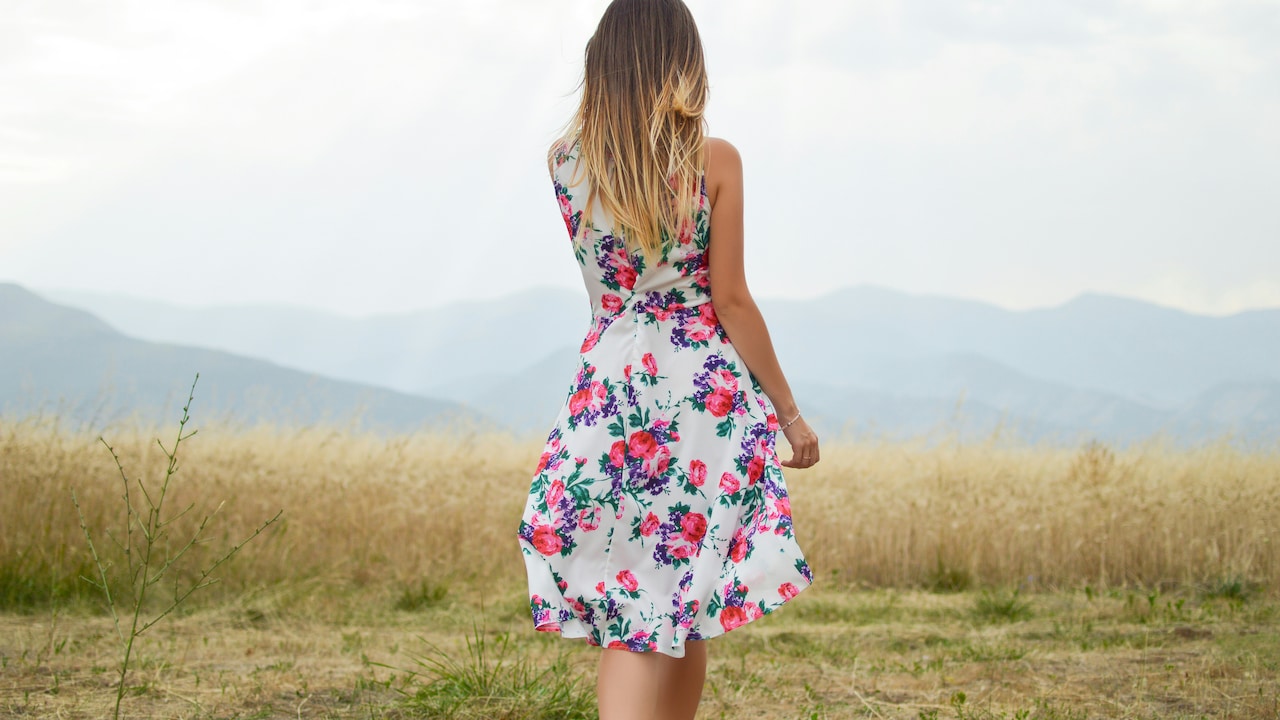
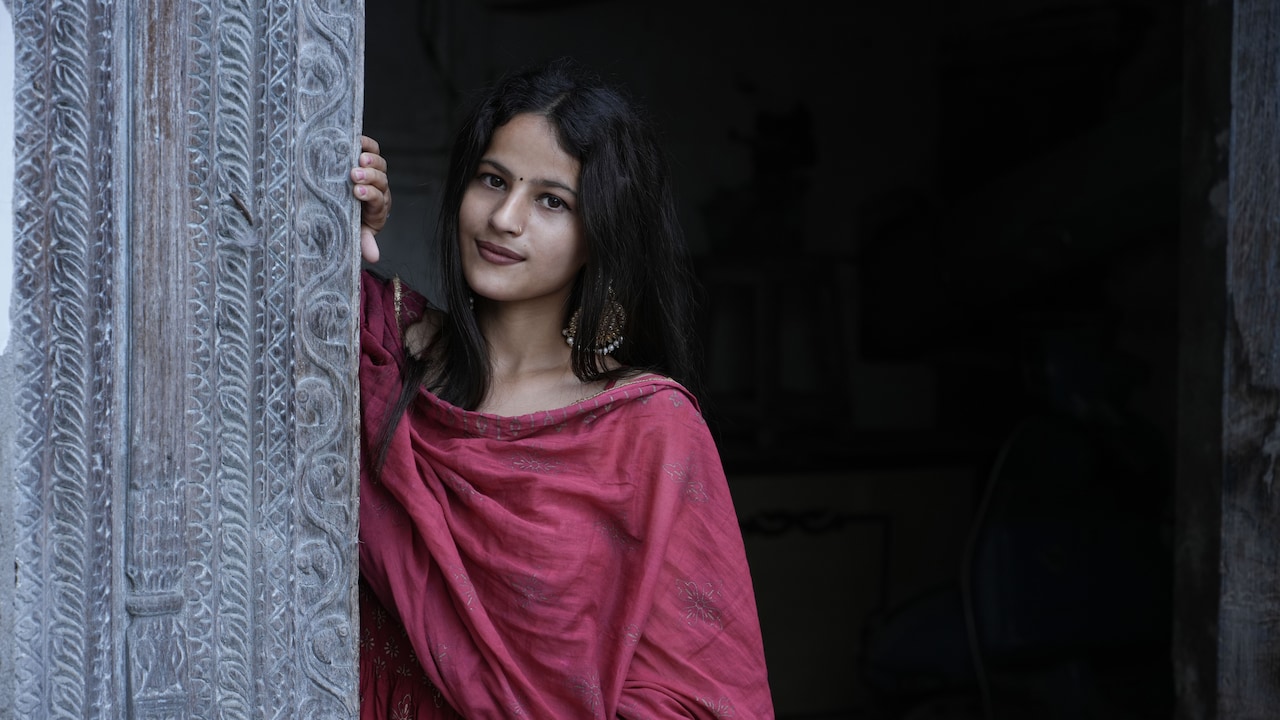
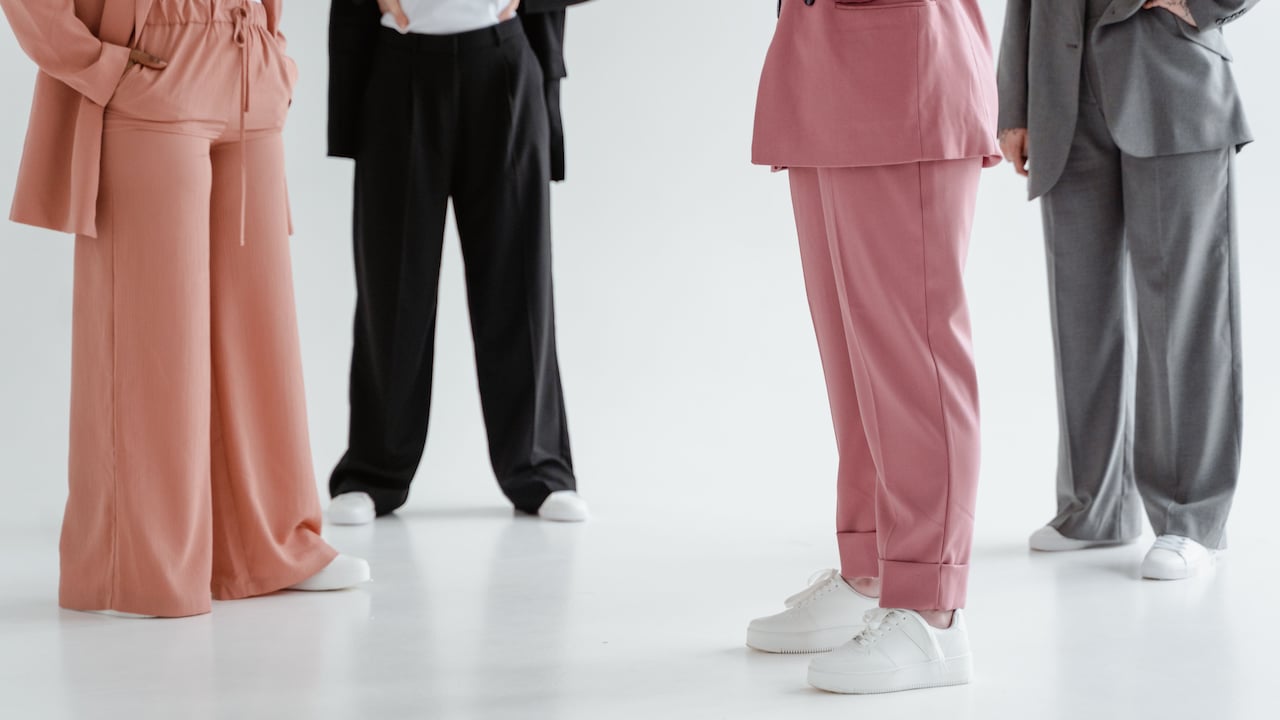
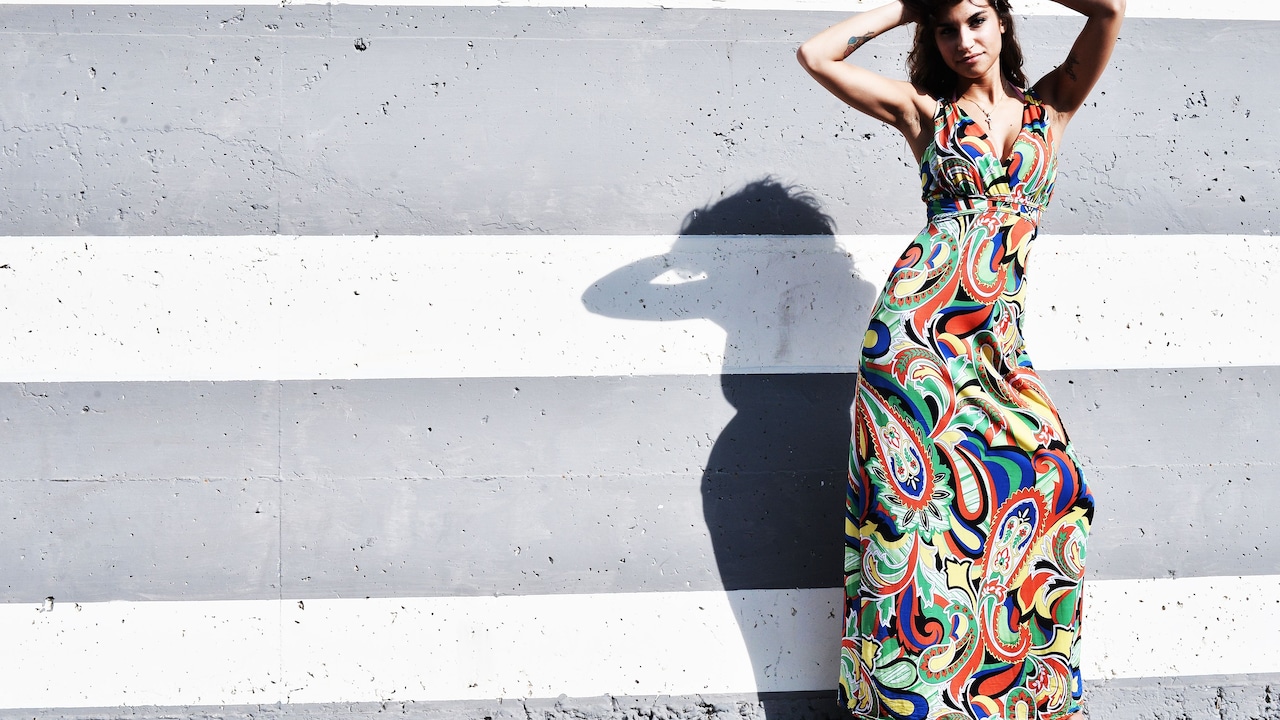
Choosing The Right Loose Dresses For Comfort, Fit And Everyday Ease; Photo Credit: Pexels
Key Things to Keep in Mind When Your Body Needs Extra Comfort
1. Prioritise Breathable Fabrics That Move With the Body
Fabric decides how a dress behaves through the day. Breathable materials help the body stay cool and reduce that heavy, sticky feeling that often worsens bloating. Natural fabrics like cotton, linen, and viscose allow airflow and feel softer on sensitive skin. They drape gently instead of clinging to curves or swelling.
Avoid stiff synthetics on days when the body feels puffy. Such fabrics trap heat and highlight areas best left unnoticed. Soft cotton dresses work well for daily wear, especially in warmer regions. Linen suits humid afternoons, though slight creasing adds to its relaxed charm. Viscose blends offer a fluid fall that skims the body without gripping it.
Fabric weight matters too. Very thin fabrics may cling, while very thick ones can feel bulky. Medium-weight materials strike the right balance. When shopping, a quick scrunch test helps. If the fabric springs back softly and feels cool to the touch, it usually promises comfort. A dress that breathes keeps both body and mood lighter.
2. Choose Silhouettes That Skim, Not Squeeze
The silhouette defines how forgiving a dress feels. Shapes that skim the body create space without looking oversized. A-line dresses remain a classic choice. They stay fitted near the shoulders and fall away from the torso, offering relief around the stomach and hips.
Empire-line dresses also work well on bloated days. The seam sits just below the bust, allowing the rest of the fabric to flow freely. Shirt dresses with a relaxed cut provide structure without restriction. When worn open at the neckline or without a belt, they feel easy yet put-together.
Avoid body-hugging styles, even in stretchy fabrics. Stretch can still dig in after a heavy meal. Straight cuts with room to move often feel kinder. Swing dresses add volume, though balance matters. Too much fabric may overwhelm shorter frames. The goal stays simple: let the dress follow natural lines instead of fighting them. Comfort shines brightest when the fit feels effortless.
Also Read: Everyday Dresses You Can Actually Move Freely In: 10 Fabrics, Fits and Lengths That Feel Easy
3. Pay Attention to Waistlines and Seams
Waistlines play a crucial role in comfort. Dresses without a defined waist often feel best on swollen days. Shift dresses offer a clean, straight fit that does not draw attention to the midsection. They suit both casual and semi-formal settings with ease.
When a waistline exists, its placement matters. High waist seams may press on the stomach, while dropped waists sit lower and feel gentler. Elasticated waists can work if the elastic feels soft and wide. Narrow elastic tends to pinch and cause discomfort after a few hours.
Side seams and darts also deserve attention. Excessive tailoring around the waist or hips limits movement. Minimal seams allow the fabric to fall naturally. Wrap dresses seem tempting, but they can tighten as the day progresses. On bloated days, adjustable ties offer flexibility only when left loose. A forgiving waistline keeps the focus on feeling good rather than constantly adjusting clothes.
4. Embrace Lengths That Balance Comfort and Style
Dress length affects how relaxed an outfit feels. Midi and maxi dresses often provide the most comfort on swollen days. They allow air circulation and prevent chafing, especially during long walks or standing hours. A flowy maxi dress feels almost like wearing air when chosen well.
Knee-length dresses also work, though fit becomes more important. Ensure enough room around the thighs and hips. Dresses that ride up can feel annoying and draw attention to swelling. Asymmetrical hems add visual interest while keeping movement easy.
Very short dresses may restrict movement and cause self-consciousness when bloating occurs. Longer lengths offer coverage and confidence. Footwear choices also improve with length. Swollen feet feel happier in flats or sandals, which pair naturally with longer dresses. The right length supports both comfort and elegance, making the day feel lighter from head to toe.
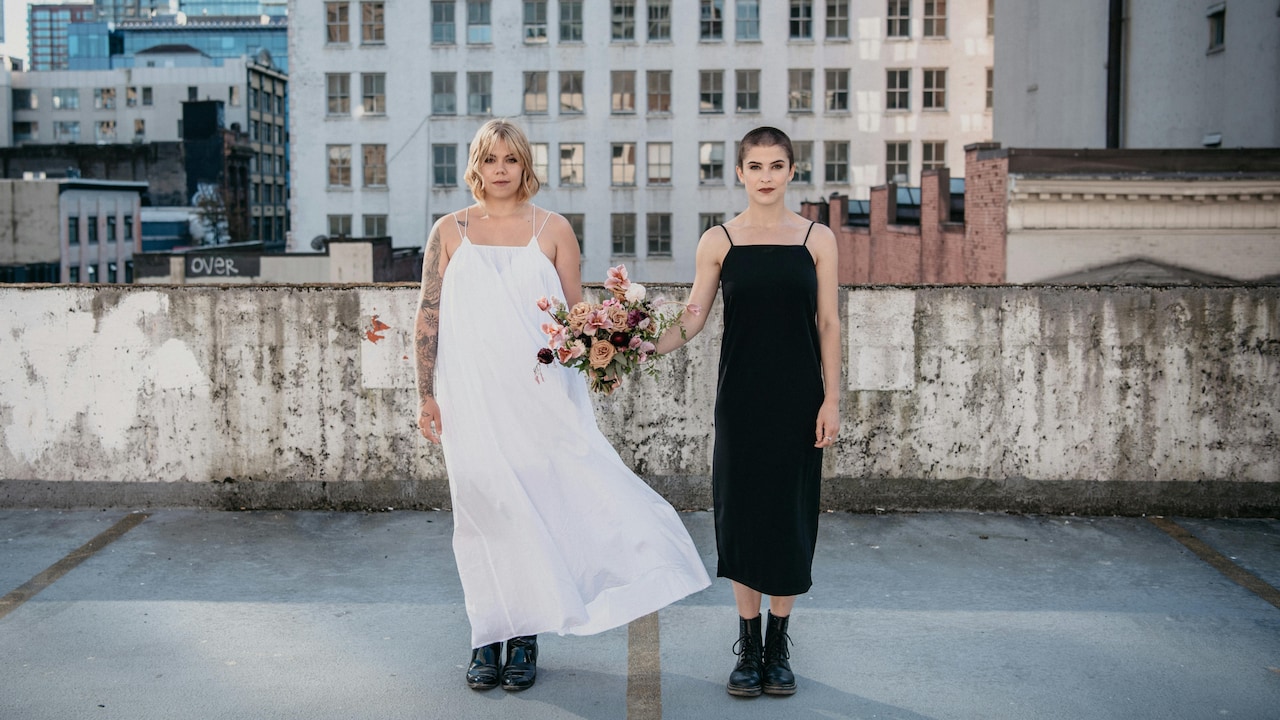
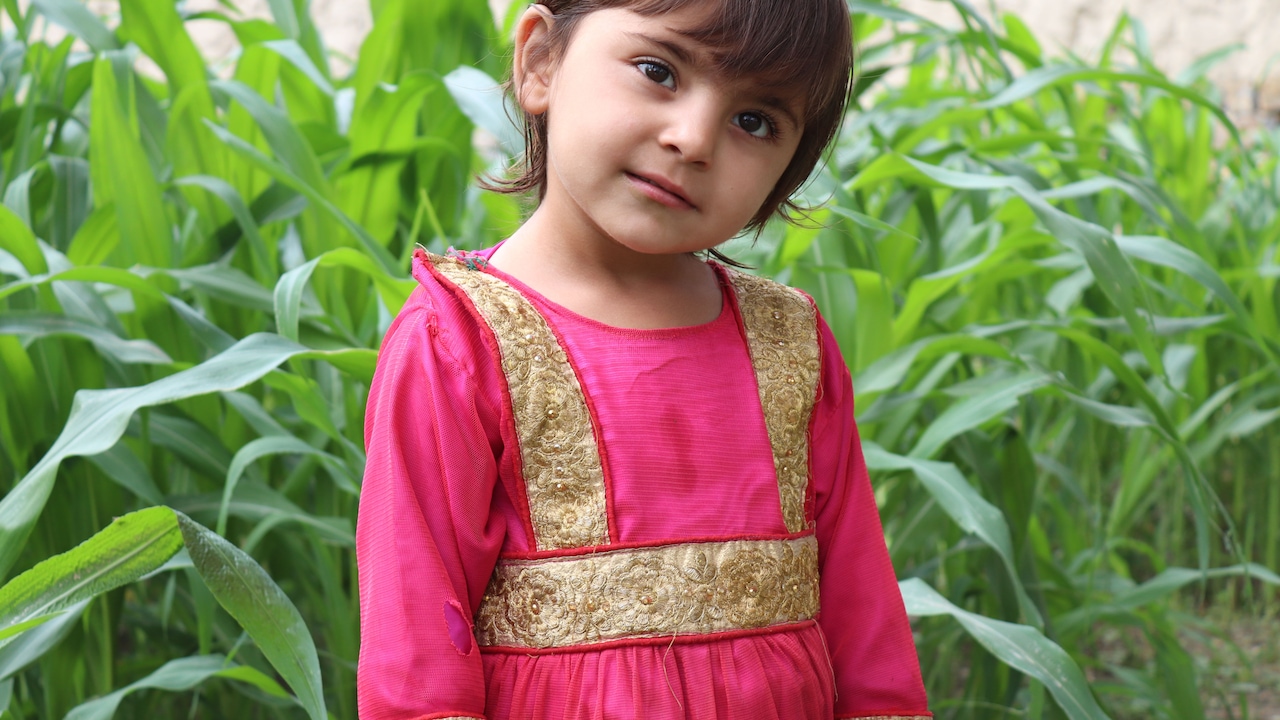
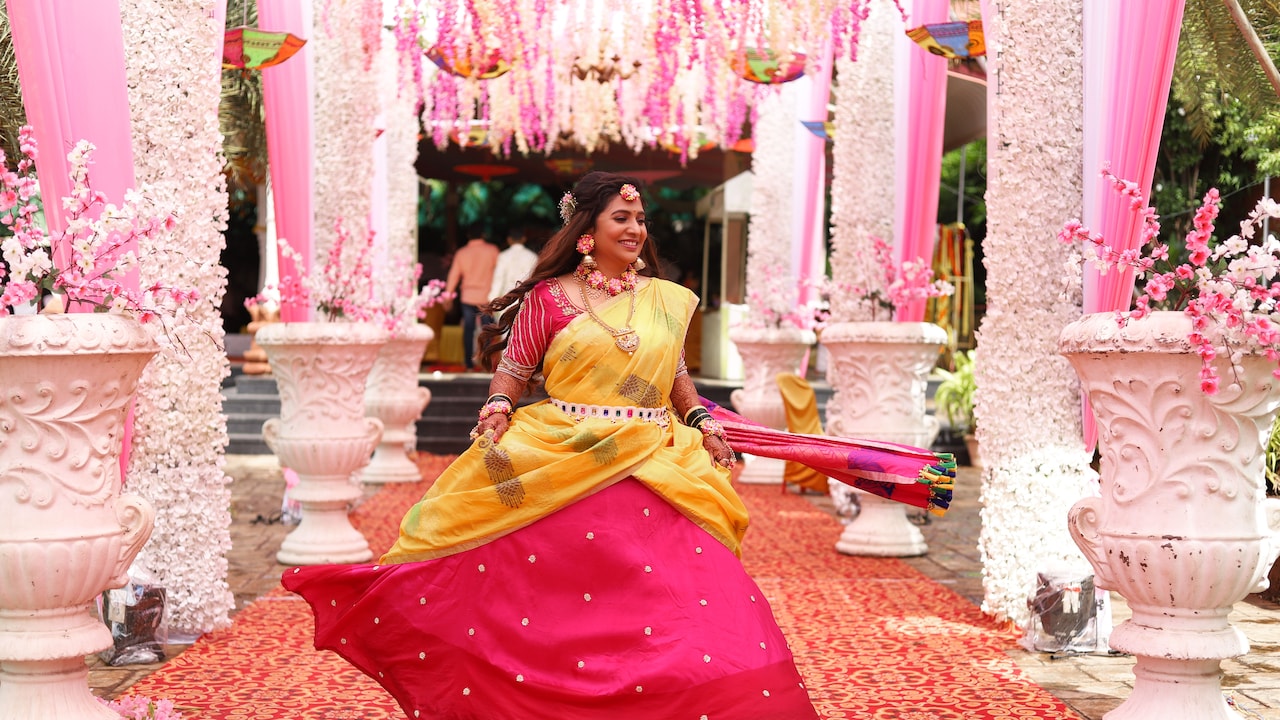
Choosing The Right Loose Dresses For Comfort, Fit, And Everyday Ease; Photo Credit: Pexels
5. Look for Adjustable Details That Adapt Through the Day
Adjustability transforms a good dress into a great one. Features like drawstrings, tie-backs, and button-down fronts allow flexibility as the body changes. A dress that fits perfectly in the morning may feel tight by evening. Adjustable elements help manage that shift discreetly.
Button-down dresses offer control. Leaving a button or two undone around the waist creates instant relief without altering the look. Tie-up dresses allow loosening after meals. Even sleeve ties add comfort when arms feel swollen.
Avoid fixed belts on bloated days. Removable belts work better, giving the option to style or skip. Some dresses include hidden elastic panels that stretch gently. These details remain invisible but effective. Clothing that adapts feels supportive rather than demanding. It quietly understands that bodies change, sometimes within the same day.
6. Choose Prints and Colours That Distract and Delight
Colour and print influence how comfortable a dress feels emotionally. Dark shades often feel slimming, but lighter colours can feel fresher and more forgiving when paired with the right cut. Soft florals, abstract prints, and vertical patterns draw the eye across the fabric rather than settling on one area.
Busy prints help disguise bloating better than solid colours. They create movement and visual interest. Vertical stripes elongate the frame and reduce focus on the midsection. Avoid large horizontal patterns across the stomach area, as they highlight width.
Colour also affects mood. Earthy tones, pastels, and jewel shades lift spirits on uncomfortable days. Wearing a cheerful colour can shift attention from physical discomfort to personal style. When the mirror reflects something pleasing, confidence follows. A well-chosen print works like a quiet distraction, letting comfort and joy share the spotlight.
7. Focus on Necklines That Create Balance
Necklines influence how the overall silhouette appears. Open necklines draw attention upward, away from the stomach area. V-necks, scoop necks, and soft square necklines elongate the torso and create visual balance.
High necklines may feel restrictive on bloated days, especially when paired with loose fits elsewhere. They can make the body appear heavier. Boat necks work when balanced with flowy skirts, though comfort varies by fabric.
Wrap-style necklines flatter many body types, but ensure enough looseness. Collared dresses feel structured yet relaxed when buttons remain open at the top. Neckline choice affects posture, too. An open neckline often encourages relaxed shoulders and easier breathing. Small design choices like these influence how a dress feels throughout the day, not just how it looks.
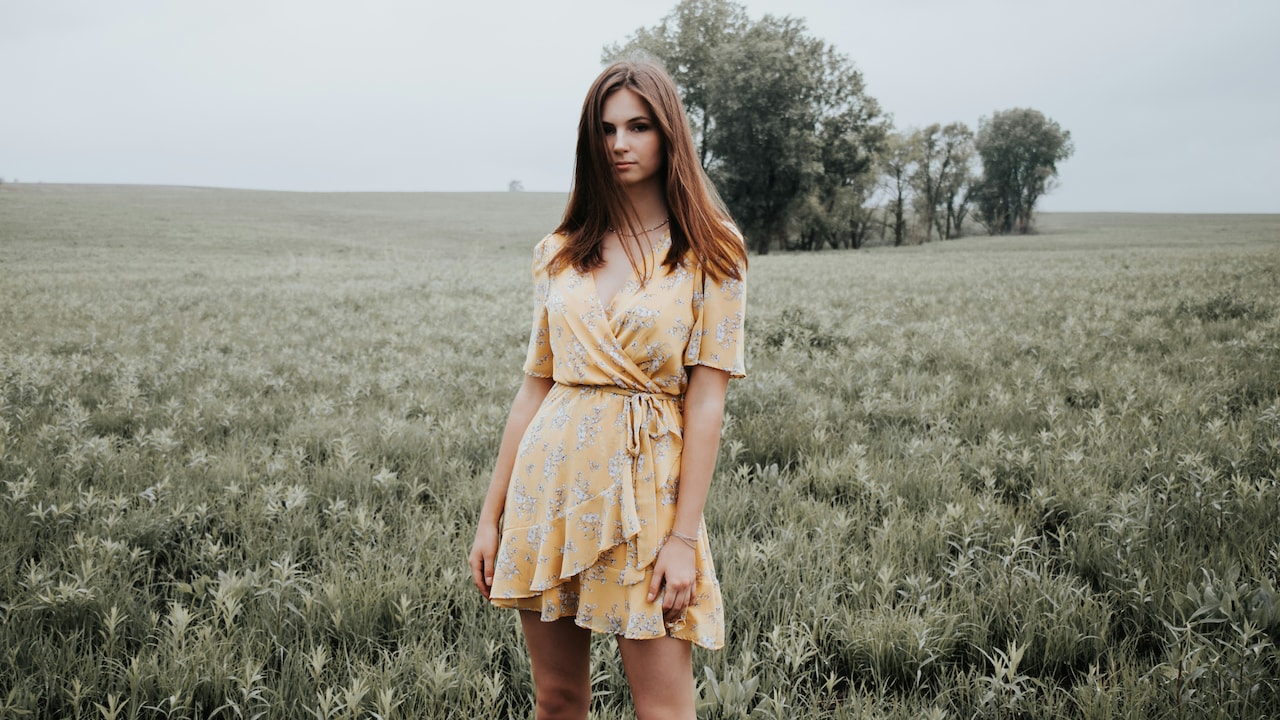
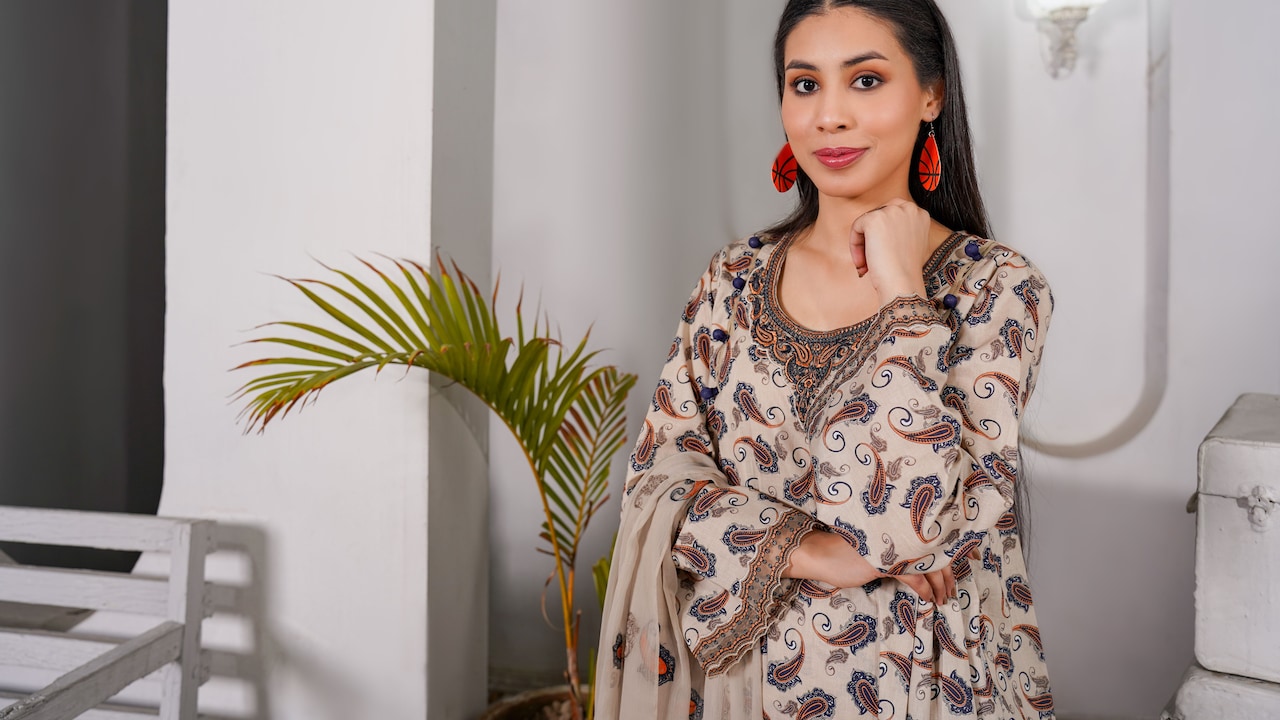
Choosing The Right Loose Dresses For Comfort, Fit, And Everyday Ease; Photo Credit: Pexels
8. Consider Sleeves That Offer Ease Without Bulk
Sleeves matter more than expected on swollen days. Arms can retain water, too, making tight sleeves uncomfortable. Loose sleeves offer freedom and airflow. Cap sleeves, flutter sleeves, and three-quarter lengths provide coverage without restriction.
Bell sleeves and kimono sleeves add drama while keeping arms comfortable. They balance the body by adding volume away from the torso. Avoid tight cuffs or elasticated sleeve ends that dig into the skin.
Sleeveless dresses work well in hot weather, though layering with a lightweight shrug adds flexibility. When arms feel sensitive, soft sleeves provide reassurance. Comfort comes from not constantly adjusting or pulling at fabric. Sleeves that float rather than cling allow the dress to feel like a friend, not a constraint.
9. Size Smartly Without Chasing the Label
Choosing the right size becomes crucial when comfort leads the priority list. Many people cling to a particular size number, even when their bodies fluctuate. On bloated days, sizing up offers relief without sacrificing style.
Loose dresses still need proportion. Too large can look shapeless, while too small defeats the purpose. Focus on shoulder fit first. If the shoulders sit well, the rest of the dress often falls nicely. Alterations help too. Taking in a dress at the shoulders or bust keeps it flattering while leaving room elsewhere.
Ignore the label and trust the mirror. Comfort shows in posture and ease of movement. A dress that allows sitting, walking, and eating comfortably wins every time. Style does not come from size tags. It comes from how confidently the dress is worn.
10. Style Loose Dresses to Feel Put-Together, Not Lazy
Loose does not mean careless. Styling completes the look and boosts confidence. Simple accessories add structure. A statement necklace draws attention upward. Earrings frame the face and add polish.
Footwear choices matter. Comfortable flats, kolhapuri-style sandals, or block heels ground the outfit. Avoid shoes that add pressure to swollen feet. Bags with clean lines balance flowy dresses well.
Layering also helps. A lightweight jacket or stole adds dimension without heat. Rolling up sleeves or adjusting hems creates intention. Hair and makeup choices play a role too. A neat bun or loose waves complement relaxed silhouettes.
When a loose dress feels styled, it feels powerful. It proves that comfort and effort can coexist beautifully. The right touches transform ease into elegance.
Products Related To This Article
1. Black & Blah Blah Women Ethnic Dress Black Midi/Calf Length Dress
2. Diyaz Women Fit and Flare Pink Maxi/Full Length Dress
3. Vimlesh Women A-line Light Blue Midi/Calf Length Dress
4. Claura Women A-line Purple Below Knee Dress
5. Black & Blah Blah Women A-line Blue Midi/Calf Length Dress
6. SASSAFRAS Women T Shirt Beige Midi/Calf Length Dress
7. SAAKAA Women Pleated Brown Midi/Calf Length Dress
Loose dresses offer more than comfort. They offer understanding. On bloated or swollen days, the body asks for kindness, not compression. Choosing the right fabrics, silhouettes, and details turns dressing into a supportive experience rather than a struggle. A wardrobe filled with forgiving dresses prepares for real days, not ideal ones. When clothes adapt to the body, the mind feels lighter too. Style shines brightest when it supports how the body feels. Loose dresses do exactly that, one comfortable day at a time.
(Disclaimer: This article may include references to or features of products and services made available through affiliate marketing campaigns. NDTV Convergence Limited (“NDTV”) strives to maintain editorial independence while participating in such campaigns. NDTV does not assume responsibility for the performance or claims of any featured products or services.)