How To Choose And Style Embroidered Kurtas For Everyday And Festive Wear
This guide breaks down embroidered kurtas, covering fabrics, fits, colours and styling ideas to help choose the right design for everyday wear and festive occasions. Here's how you can shop and style embroidered kurtas the right way.
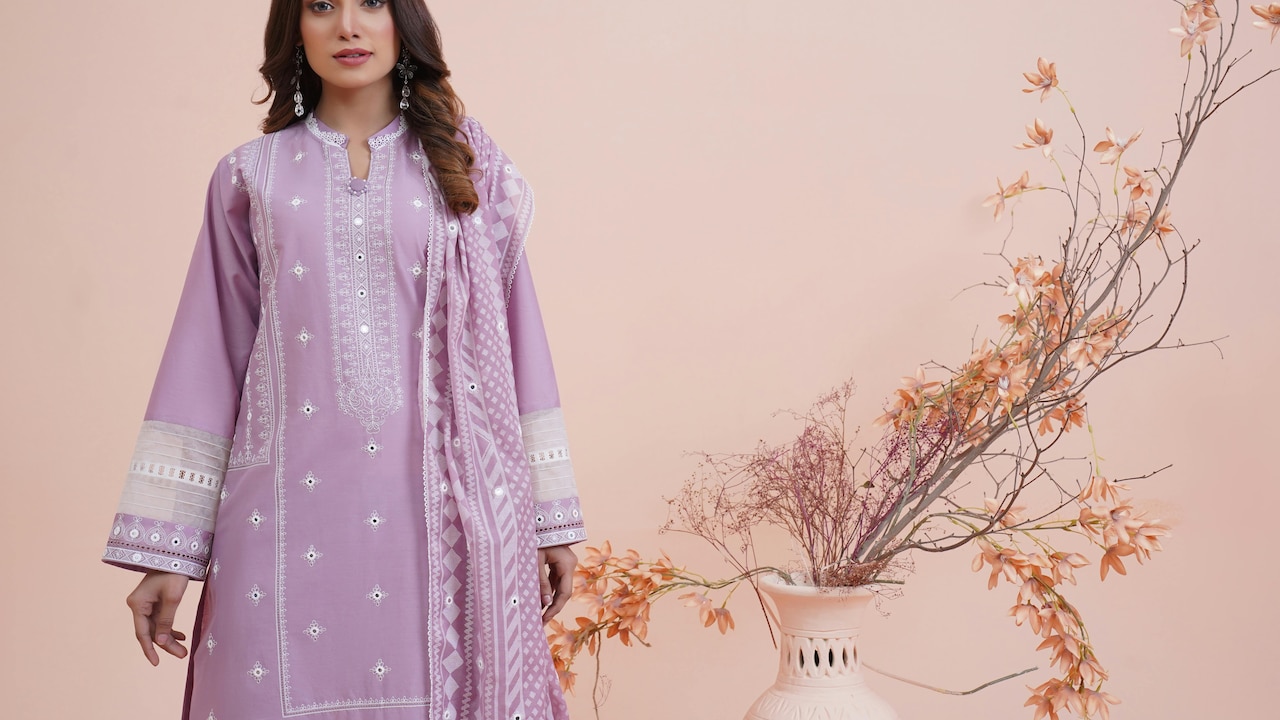
Embroidered Kurtas Fashion Guide: Traditional Wear That Blends Culture With Current Trends.
Walk through any bustling market or scroll through a fashion feed, and embroidered kurtas appear everywhere. They move easily between celebration and routine, tradition and trend. That quiet versatility explains their lasting charm. A well-crafted kurta does more than dress the body; it reflects mood, memory, and identity.
Explore the best shopping and styling tips for embroidered kurtas; Photo Credit: Pexels
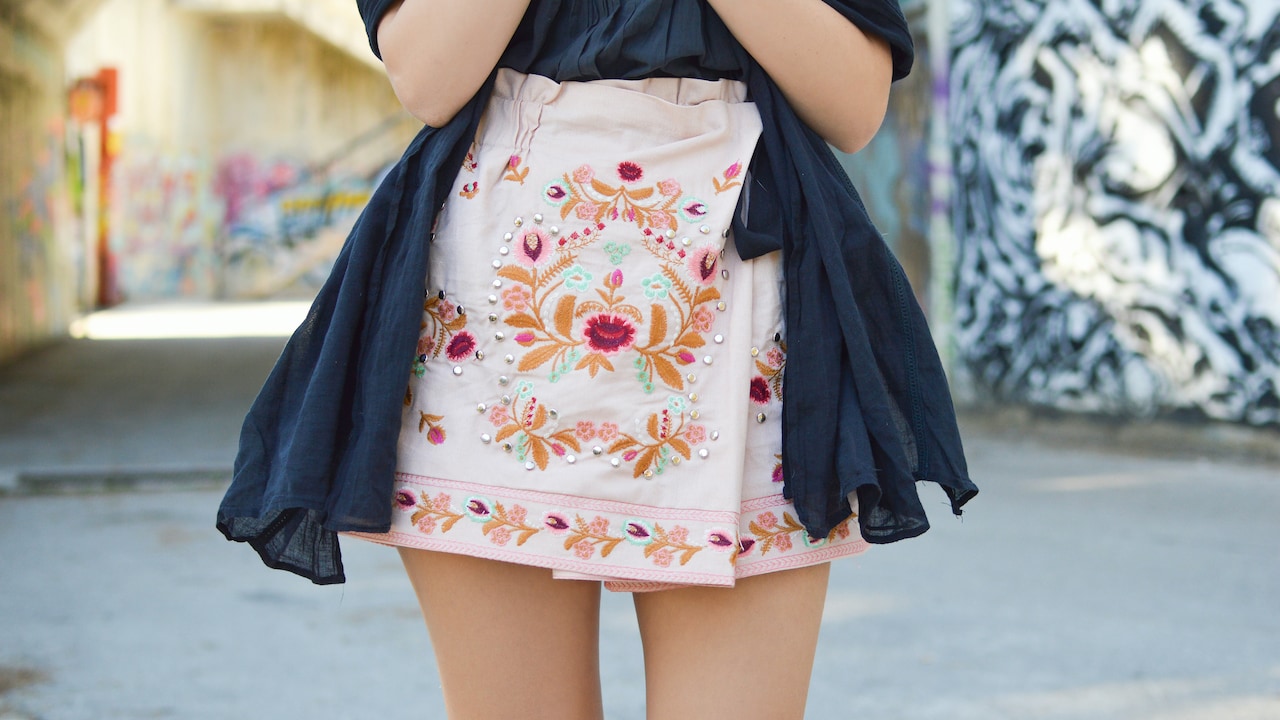
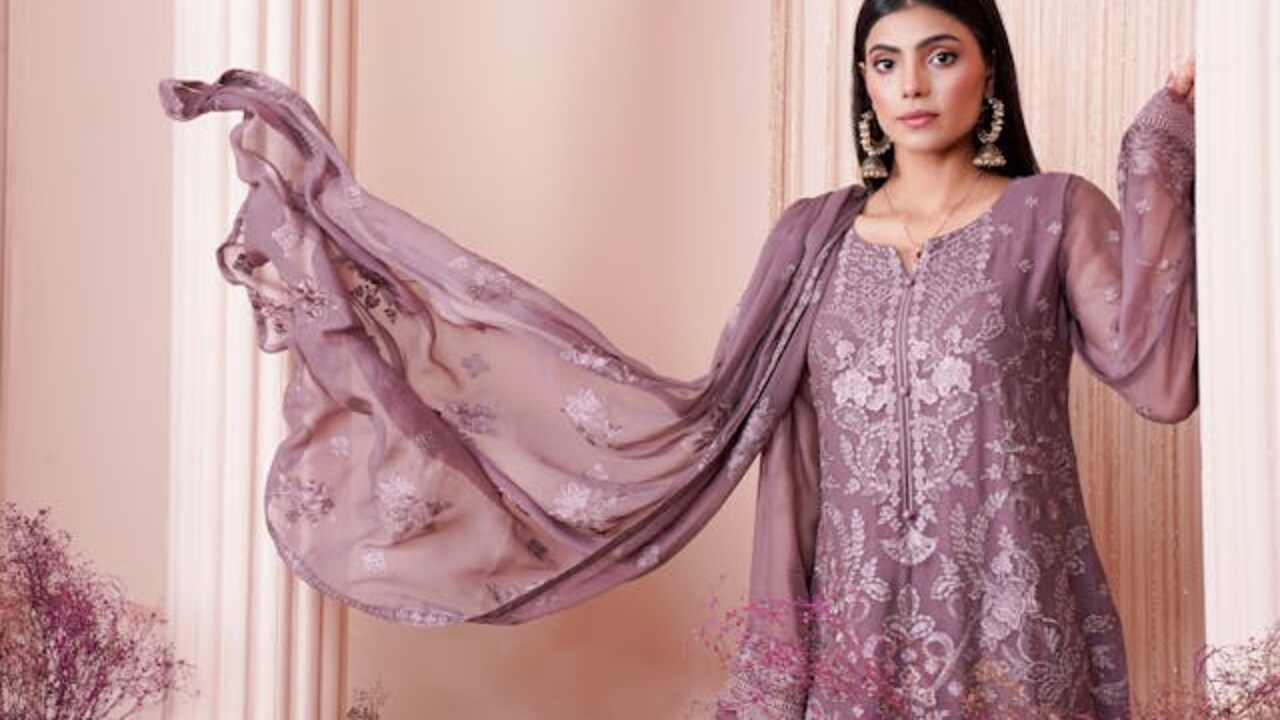
Embroidery adds depth where plain fabric stays silent. A subtle thread near the neckline can elevate a simple outfit, while detailed patterns turn a kurta into a statement piece. With changing lifestyles and fashion tastes, embroidered kurtas now adapt to workdays, weddings, travel plans, and relaxed evenings alike.
This guide explores how embroidery styles, fabrics, colours, and fits shape today's kurta trends. It also shares practical tips on styling and care, keeping things real and wearable. Fashion need not feel intimidating. Sometimes, it begins with a familiar kurta that feels just right.
Also Read: Top 8 Kurta Cuts For Office, Casual And Festive Wear
What Makes Embroidered Kurtas Relevant in Modern Wardrobes
1. The Timeless Appeal of Embroidery
Embroidery never truly goes out of style. Trends may shift, yet hand-done details always find a way back into wardrobes. The reason feels simple. Embroidery adds texture and personality without demanding attention. It whispers elegance rather than shouting it.
Earlier generations saved embroidered kurtas for festivals or ceremonies. Today, lighter threadwork makes them suitable for everyday wear. A softly embroidered placket pairs easily with trousers or jeans. That balance keeps the look rooted yet relaxed.
Many still remember elders carefully storing embroidered garments in muslin cloth. That respect for craftsmanship continues, though styles feel more approachable now. Modern designs tone down heavy patterns and focus on clean lines. This shift allows embroidery to blend into daily life.
Fashion often chases novelty, yet embroidery remains constant. It adapts rather than disappears. That quiet resilience keeps embroidered kurtas relevant across ages, seasons, and occasions.
2. Regional Threads That Inspire Modern Design
Every region carries its own embroidery language. Some use bold motifs, others prefer delicate geometry. Designers now borrow these influences and reinterpret them for contemporary tastes.
Minimalist kurtas often feature embroidery only at the cuffs or collar. These details nod to regional crafts without overwhelming the garment. This approach suits modern lifestyles that favour subtle elegance.
Artisans once worked only on ceremonial wear. Now, their techniques appear on breathable cottons and soft blends. This transition supports craft communities while meeting modern needs.
Wearing such pieces creates a quiet connection to heritage. It feels meaningful without feeling heavy. That sense of rootedness adds emotional value to the outfit, making it more than just clothing.
3. Fabrics That Let Embroidery Breathe
Fabric choice shapes how embroidery looks and feels. Heavy fabrics hold dense patterns well, while lighter ones suit minimal threadwork. The right pairing makes all the difference.
Cotton kurtas with fine embroidery work beautifully for daily wear. They stay breathable during warmer months and feel gentle on the skin. Linen offers a slightly structured look, ideal for office settings.
Silk blends carry embroidery gracefully for festive occasions. They reflect light subtly, enhancing thread details. Meanwhile, newer fabrics like modal and viscose bring softness and movement.
Comfort remains key. An embroidered kurta should feel as good as it looks. When fabric and threadwork complement each other, the outfit feels effortless rather than fussy.
4. Colour Stories That Speak Softly
Colour sets the mood before embroidery even enters the picture. Soft pastels create calm, while jewel tones add richness. Modern embroidered kurtas often lean towards balanced palettes.
Neutral shades like ivory, beige, and muted grey allow embroidery to shine without competition. These tones suit multiple occasions and pair easily with different bottoms.
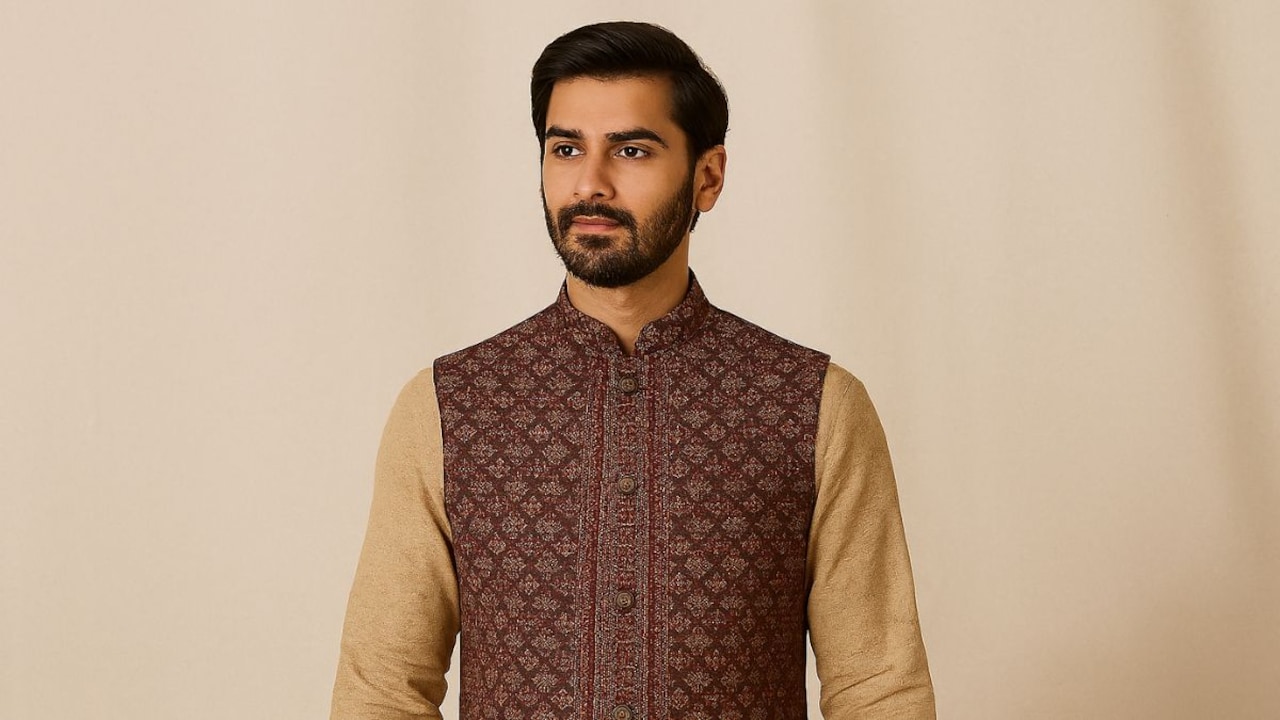
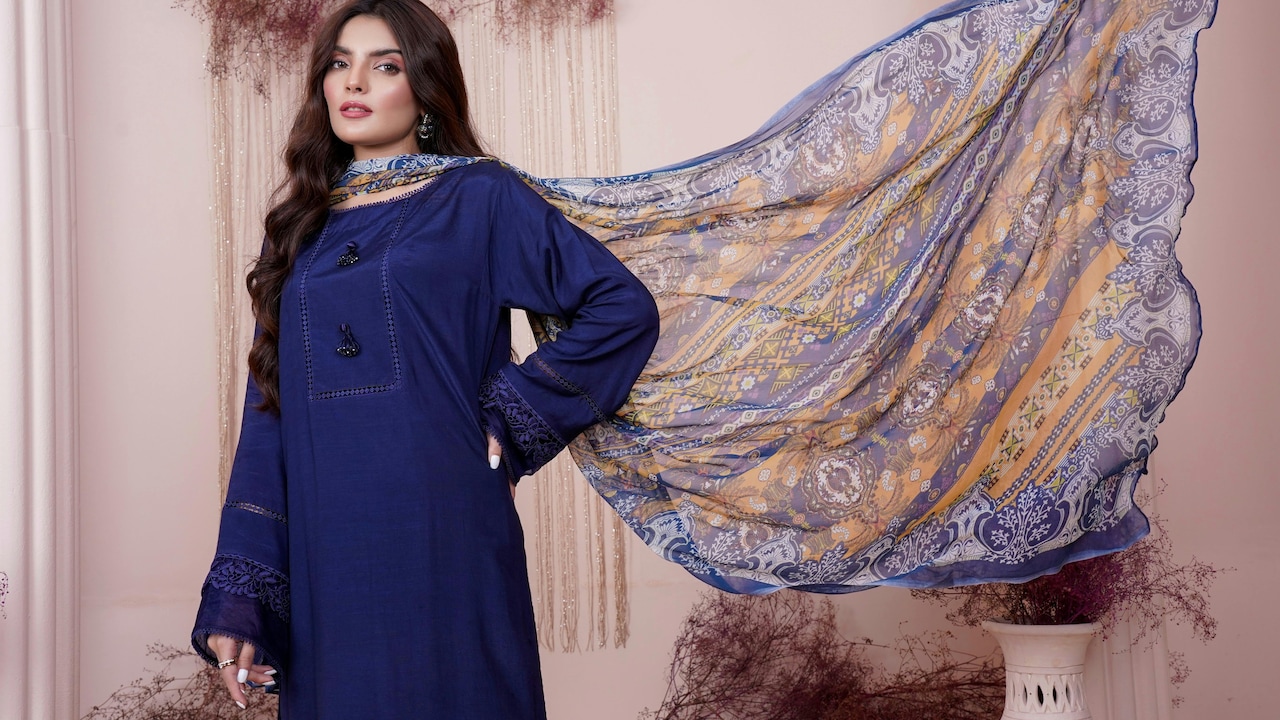
Festive wardrobes still embrace deeper hues. Emerald, maroon, and navy remain favourites. Designers now soften these shades with fine threadwork instead of heavy contrast.
Colour also affects wearability. Lighter shades suit daytime events, while darker ones feel apt for evenings. Choosing the right colour makes the kurta feel intentional rather than random.
5. Fits That Respect Comfort and Style
Fit can make or break an embroidered kurta. Overly tight silhouettes restrict movement, while overly loose ones hide the beauty of embroidery. Balance matters.
Straight-cut kurtas remain popular for their clean look. They flatter most body types and highlight embroidery placed along the neckline or hem. A-line styles offer flow and comfort.
Short kurtas paired with trousers or skirts appeal to younger wearers. They feel playful yet rooted. Longer lengths still dominate festive wear, offering grace and presence.
Comfort sits at the heart of a good fit. An embroidered kurta should allow easy movement, especially during long celebrations. When comfort leads, confidence follows naturally.
Choose kurtas that leave enough room to move and breathe freely; Photo Credit: Pexels
6. Styling Embroidered Kurtas for Everyday Wear
Embroidered kurtas no longer wait for special occasions. Styling them for daily wear feels surprisingly simple. The trick lies in moderation.
Pair a lightly embroidered kurta with plain trousers or denim. This contrast keeps the outfit grounded. Minimal accessories work best here. Let the embroidery do the talking.
Footwear matters too. Kolhapuris, juttis, or even clean sneakers can complement the look. Each choice shifts the mood slightly.
Everyday styling thrives on ease. When an outfit feels effortless, it looks better. Embroidered kurtas fit seamlessly into this philosophy, blending tradition with modern practicality.
7. Festive Dressing Without Going Overboard
Festive dressing often tempts excess. Embroidered kurtas offer a graceful alternative. They create impact without overwhelming the wearer.
Opt for richer fabrics and denser embroidery for celebrations. Keep silhouettes simple to balance the detailing. This approach avoids visual clutter.
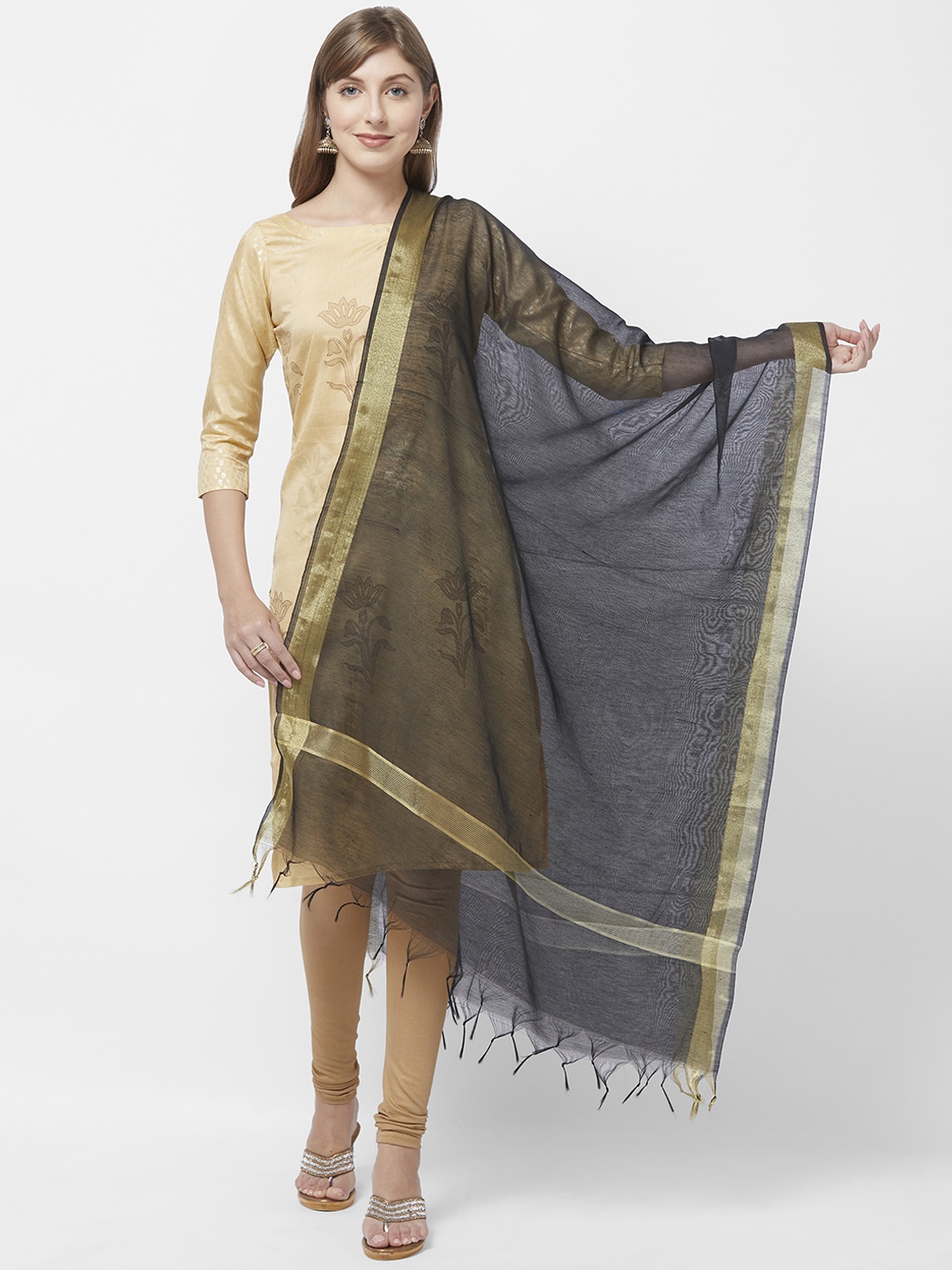
Layering adds dimension. A lightweight jacket or dupatta can elevate the look without stealing focus. Jewellery should complement, not compete.
Festive wear should feel joyful, not restrictive. Embroidered kurtas allow movement, laughter, and long conversations without discomfort. That comfort adds to the celebration.
8. The Rise of Minimal Embroidery Trends
Modern fashion embraces restraint. Minimal embroidery reflects this shift beautifully. Clean lines and sparse detailing now dominate many collections.
Single motifs, tonal threadwork, or fine borders replace heavy patterns. These designs suit workspaces and casual gatherings alike.
Minimal embroidery also highlights craftsmanship. When less fills the fabric, each stitch stands out. This subtlety appeals to those who value quiet elegance.
Such kurtas transition easily from day to night. A change of accessories transforms the look. This flexibility makes minimal embroidery a wardrobe staple.
9. Caring for Embroidered Kurtas
Proper care extends the life of embroidered kurtas. Gentle handling preserves both fabric and threadwork.
Hand washing works best for delicate embroidery. Use mild detergent and cold water. Avoid wringing the fabric, as this strains the threads.
Dry kurtas in the shade to prevent colour fading. Store them folded neatly, with embroidery facing inward. Muslin or cotton covers help protect the garment.
Care feels like respect. When clothing receives attention, it retains beauty longer. Embroidered kurtas reward this care with lasting elegance.
10. Why Embroidered Kurtas Remain Relevant
Fashion cycles move fast, yet embroidered kurtas remain steady. Their relevance lies in adaptability. They change with time while holding onto their essence.
They suit all ages, genders, and occasions. From college corridors to wedding venues, they fit effortlessly. Few garments achieve such a range.
Embroidery adds soul to fabric. It tells stories through patterns and stitches. That emotional connection keeps people returning to embroidered kurtas.
As trends evolve, these garments continue to bridge the past and present. They offer familiarity with freshness, tradition with comfort. That balance ensures their place in wardrobes for years to come.
Products Related To This Article
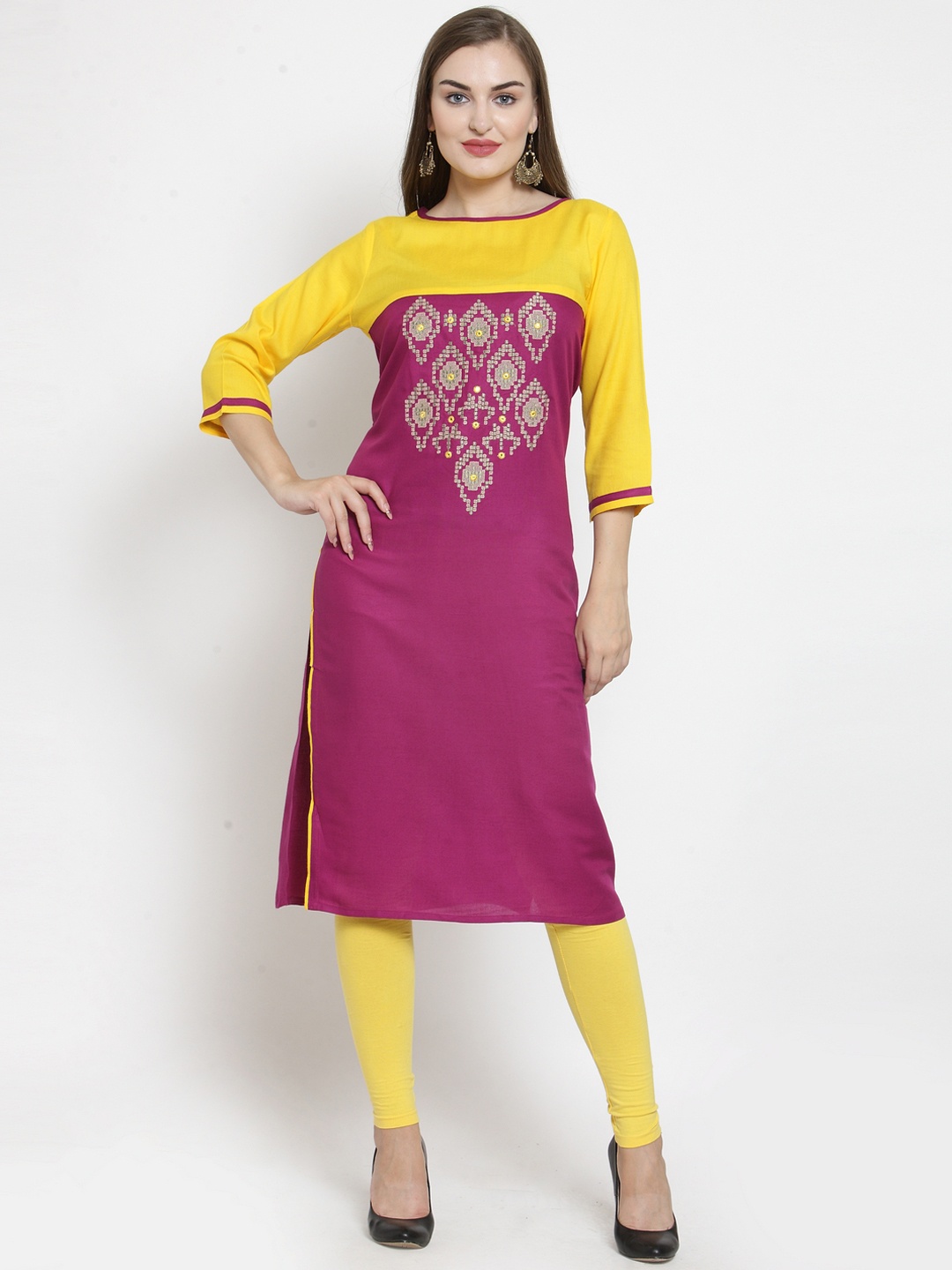
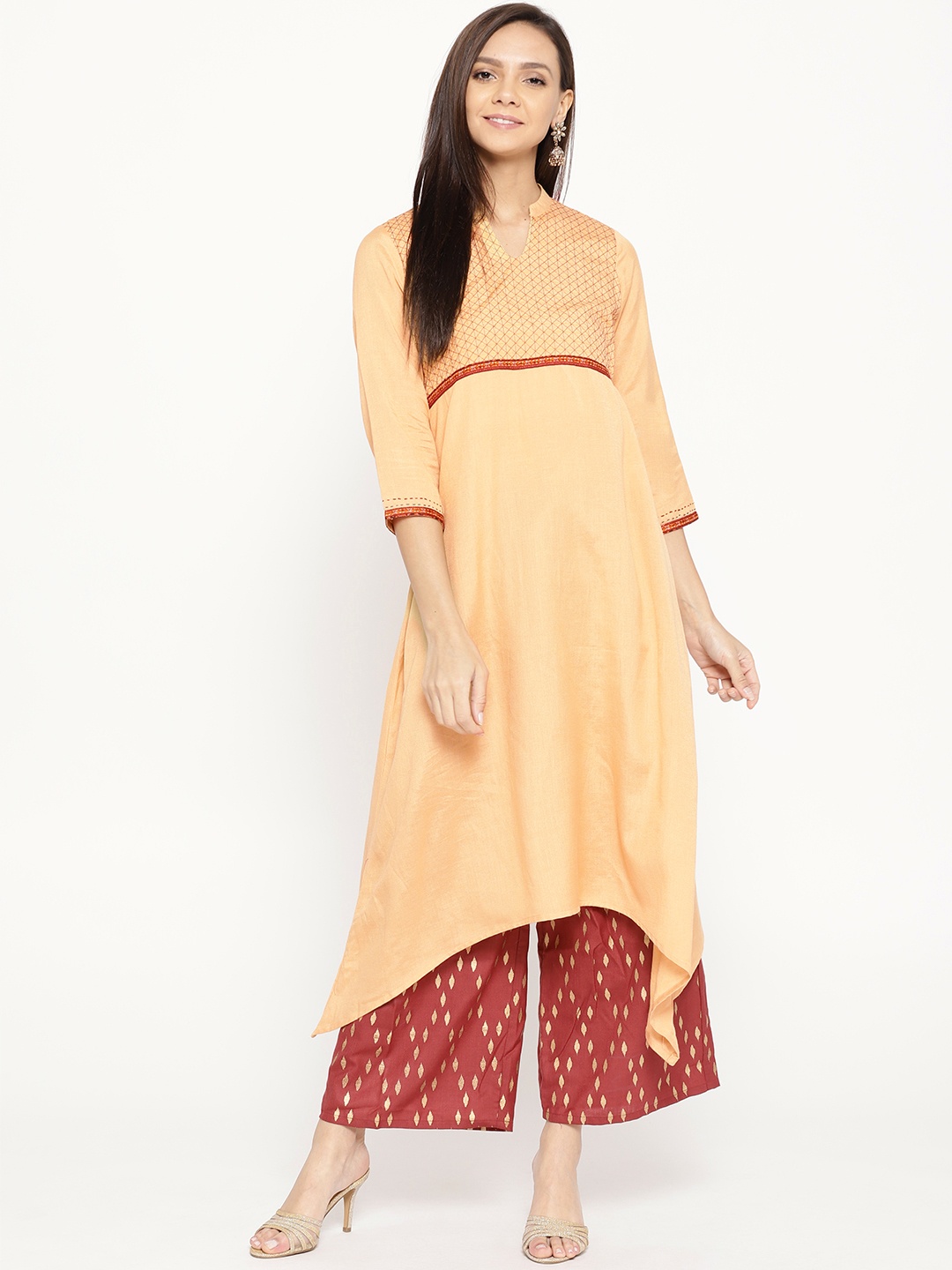
1. Sangria Embroidered Straight Kurtas
2. Vaimiya Women Embroidered Cotton Kurtas
3. Fashion Zest Embroidered Straight Kurtas
4. Ethic Glance Women Cotton Embroidered Kurtas
5. all about you Women Embroidered Straight Kurtas
6. PARAMOUNT CHIKAN Women Georgette Ethnic Motifs Embroidered Chikankari Kurtas
7. HERE&NOW Women Pink Floral Embroidered Kurtas
Embroidered kurtas stand at the intersection of culture and contemporary fashion. They evolve without losing identity, adapt without forgetting roots. This quiet strength keeps them relevant across generations.
Whether worn daily or saved for celebrations, they offer comfort, beauty, and meaning. Styling choices, fabric selection, and thoughtful care enhance their charm.
Fashion often feels fleeting, yet some pieces endure. Embroidered kurtas belong to that rare category. They remind wearers that style need not shout to be seen. Sometimes, a few well-placed stitches say it all.
(Disclaimer: This article may include references to or features of products and services made available through affiliate marketing campaigns. NDTV Convergence Limited (“NDTV”) strives to maintain editorial independence while participating in such campaigns. NDTV does not assume responsibility for the performance or claims of any featured products or services.)